Bienvenue and welcome back to Musée Musings, your idiosyncratic guide to Paris and art. I seem to seesaw between museum moderation and museum marathoning. Last week was a week of moderation, during which I saw only two exhibitions. One, on photography, was held in conjunction with Paris Photo Week. Up for only 3 days in a little gallery just around the corner from the Louvre, ‘a ppr oc he,’ a salon designed as an exhibition with a curatorial gaze, held its exhibition of experimental solo shows. The photographers were all there so it was a great opportunity to look at some fascinating photographs and talk to the photographers about their work. (Figs 1, 2)
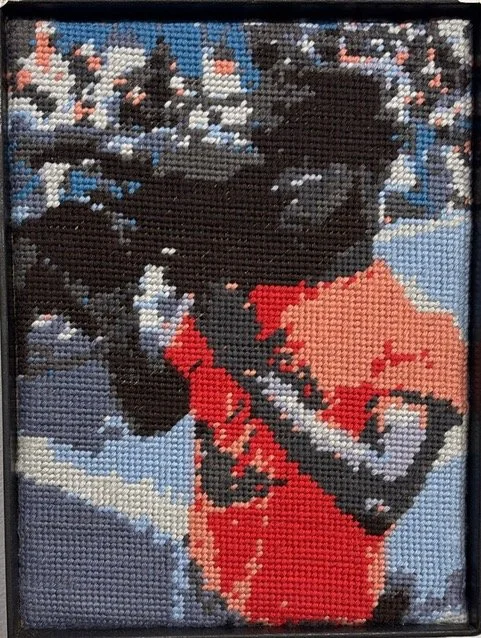
Figure 1. Needle point of archival newspaper photo, Sido Lansari
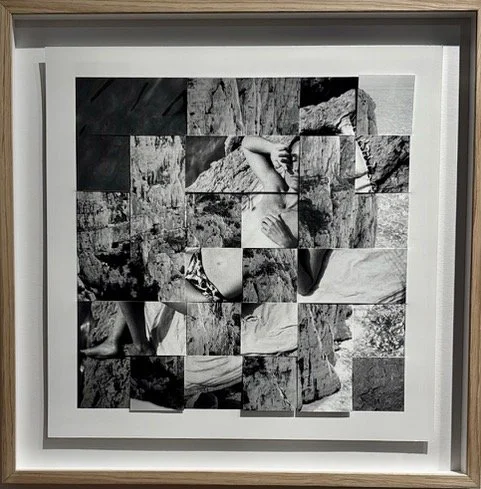
Figure 2. Woven image of photographer and environment, Arina Essipowitsch
The other exhibition I saw this week was at the Musée du Domaine de Marly. It was definitely a challenge to get there - metro and train then hike in the rain and wind. I will definitely go back but I’l wait until spring, when the weather is better and I’ll be able to wander around the grounds. The exhibition is on Mme du Barry, who we know as Mme du Pompadour’s successor in Louis XV’s bed and to the title of maitresse en titre. We also know that she rejected Fragonard’s lovely set of four paintings which now have pride of place at the Frick Collection in New York. We also know that Marie Antoinette snubbed her, until finally she didn’t (re: Sofia Coppola’s film, Marie Antoinette). And we know that she was somehow implicated in the necklace affair which Marie Antoinette was wrongly accused of being complicit in. The exhibition went a long way to filling in the details about Mme du Barry’s birth (not noble), her marriage (she needed a husband to be introduced to the king) and her years at court (not welcomed). We also learn about her role as collector of paintings, sculpture and furniture. There was a dress in the exhibition, not worn by Mme du Barry but by the actor who played her in a 2023 film. So, after I made my way home, warmed myself up and dried myself off, I watched the film (French, no English subtitles) Jeanne du Barry in which btw, Johnny Depp plays a very convincing Louis XV. The film traces Jeanne du Barry’s humble beginnings and her life as Louis’s maitresse en titre. When the king died, she was banished from court, although Louis XVI eventually permitted her to return to her chateau, Louveciennes. But he couldn’t save her head or his own from rolling when the guillotine of the revolution came calling. (Figs 3, 4) I’ll tell you more about this exhibition soon - comparing it with the exhibition now at the Petit Trianon, Versailles about Sofia Coppola’s film, Marie-Antoinette
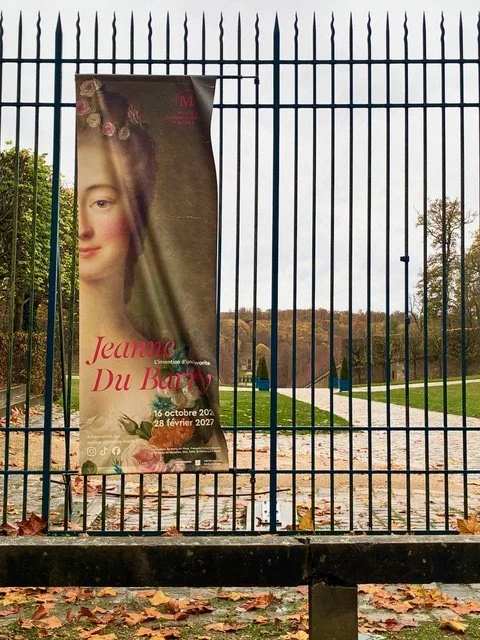
Figure 3. Jeanne du Barry poster in front of Musée du. Domaine de Marly
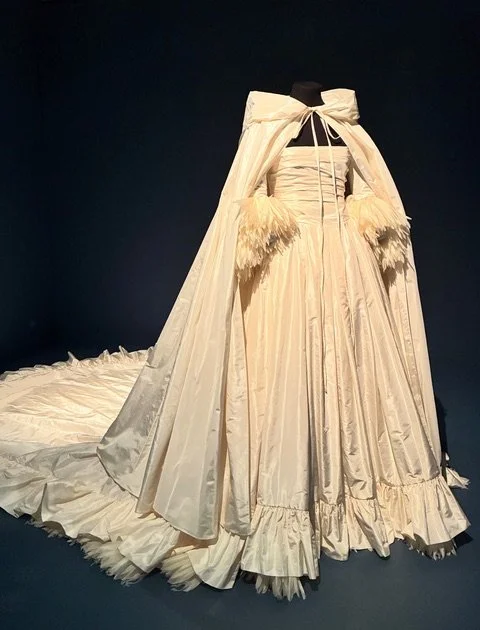
Figure 4. Dress worn by actor portraying Mme du Barry in 2023 film, Jeanne du Barry
My binge week began at the Fondation Louis Vuitton where I went to see the exhibition on collector-artist Gustave Fayet (1865-1925), (Fig 5) a seriously under the radar Frenchman. He was the opposite of the kind of guy we’re most familiar with, you know the ones born with a silver spoon in their mouths who lose everything they inherit through ineptitude and incompetence. Fayet was born into wealth and amassed even more money during his lifetime. He spent it just as fast as he made it - on great paintings and fabulous houses. Until the age of 45, he focused on growing his businesses and expanding his collections. And then, he changed course and devoted himself full-time to painting and book illustration and creating designs for stained glass windows and carpets. (Fig 6) At which he was also enormously successful. Then, with no illness as warning (although with high blood pressure) he suddenly died at age 60. With French inheritance laws being what they were (worse then than now), his family had no choice but to sell many of the paintings they inherited to pay their taxes. This exhibition is the result of a herculean effort by the curators to find and assemble as many of the works Fayet owned and created as they could. They searched auction records and records of sales to discover not only what Fayet had once owned but where those works went once his family began selling the collection they inherited. Here is an idea of the scale of their task. Fayet owned approximately 750 original works of art, mostly paintings, although he did have a few sculptures by Maillol and Degas and carved reliefs, stoneware ceramics and bronze casts by Gauguin.
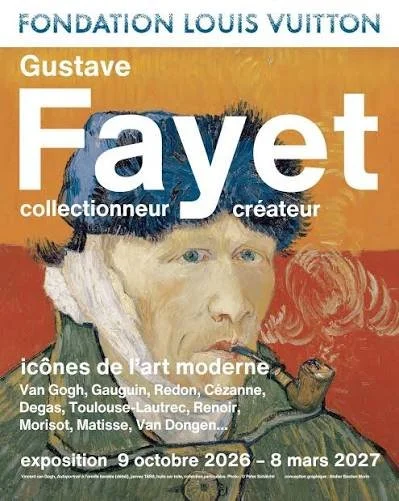
Figure 5. Gustave Fayet, Collector - Creator, FLV, Poster
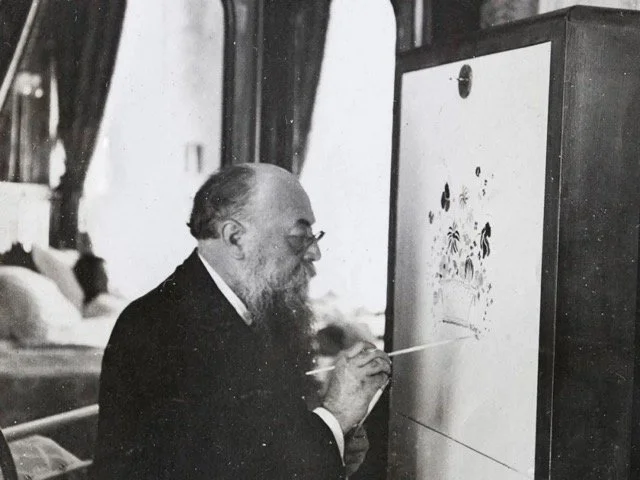
Figure 6. Gustave Fayet at his easel
The exhibition is dividend into two sections, what Fayet collected and what Fayet created. It begins with what he collected. In this enormous exhibition which fills the entire museum, only one third of Fayet’s collection is here but still that’s still 250+ works of art. Fayet mostly focused on his contemporaries, although he bought paintings by Impressionists, too - Cézanne, Matisse and Vuillard; Bonnard, Signac and Toulouse-Lautrec; Degas, Renoir and Manet, Berthe Morisot and Jacqueline Marvel. (Figs 7-12). He bought strategically and sold and traded as his own tastes and interests changed.
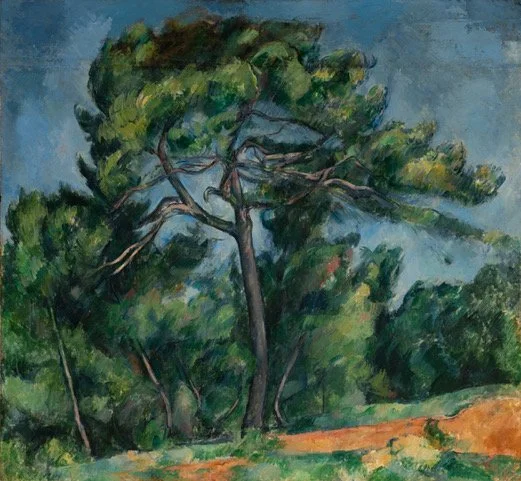
Figure 8. Great Pine, Paul Cezanne
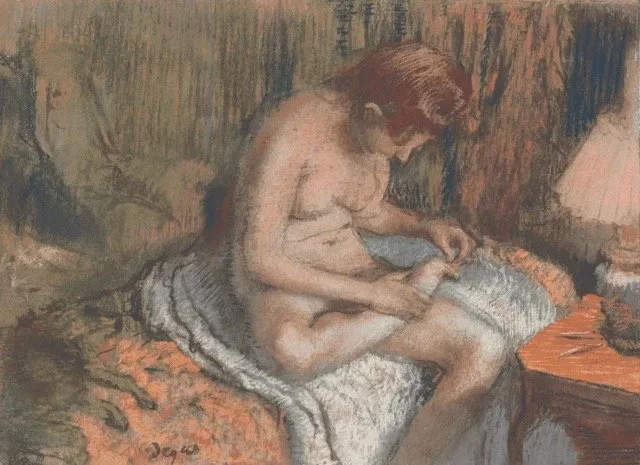
Figure 9. L’épine (femme soignant le pied), pastel, Edouard Degas
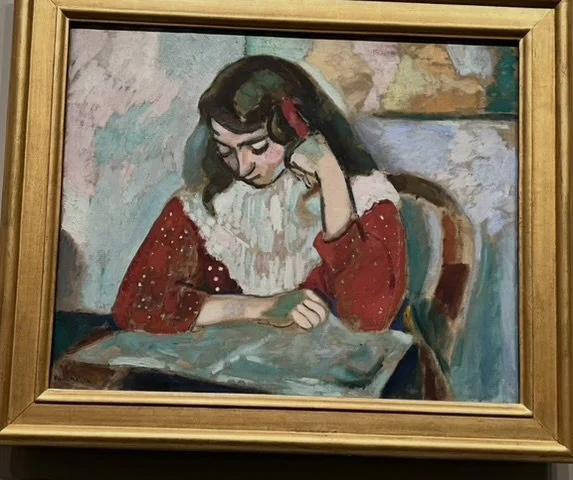
Figure 10. Marguerite reading, Henri Matisse
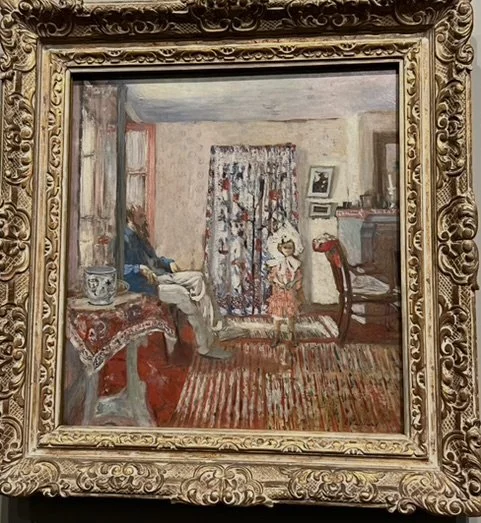
Figure 11. Father and Child, Edouard Vuillard
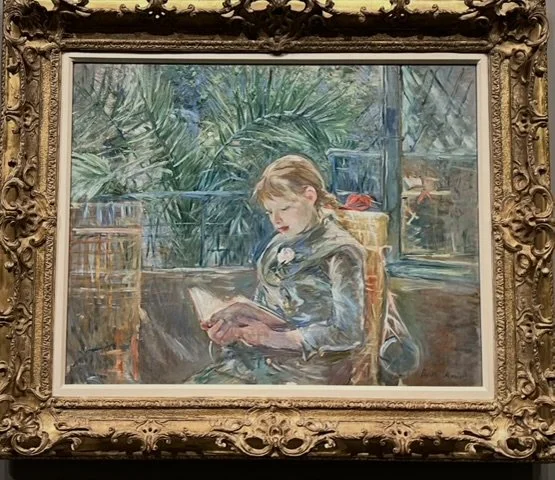
Figure 12. Girl Reading, Berthe Morisot
Fayet’s three favorite artists were Van Gogh, Gauguin and Redon, especially Redon. He only owned 16 Van Gogh paintings, but that number made him one of the four largest private collectors of Van Gogh’s in the world. The Van Gogh paintings in Fayet’s collection are from 1888 to 1890, when Van Gogh was in Arles and Saint-Rémy and Auvers-sur-Oise. Among the paintings owned by Fayet are Wheat Field with Cypresses and Self Portrait with Bandaged Ear and Pipe. (Figs 13, 14) The self portrait is displayed in an awe-inducing setting reminiscent of the Louvre’s Mona Lisa. Fayet collected Gauguin scenes of Brittany and his (now) more controversial scenes of Tahiti. Gauguin’s Bretagne paintings include the famous Yellow Christ and his Self Portrait with Yellow Christ. (Fig 15)
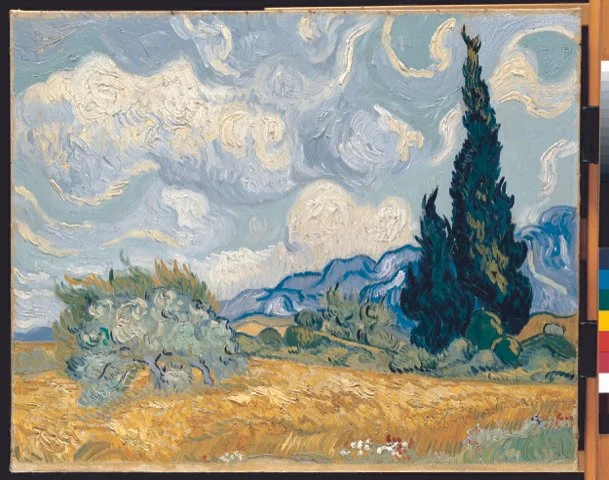
Figure 13. Wheat Field and Cypress, Vincen Van Gogh
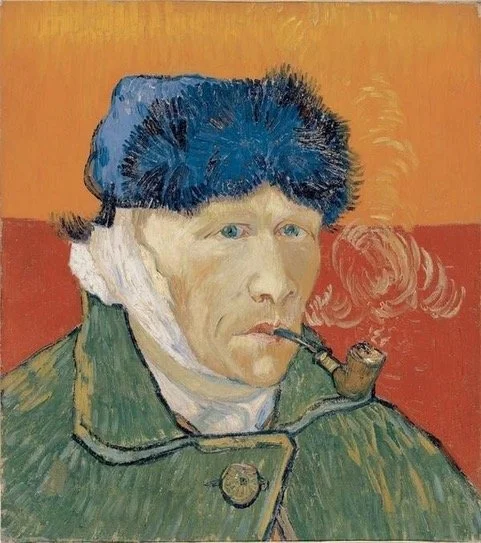
Figure 14. Self Portrait with Bandaged Ear and Pipe, Vincent Van Gogh
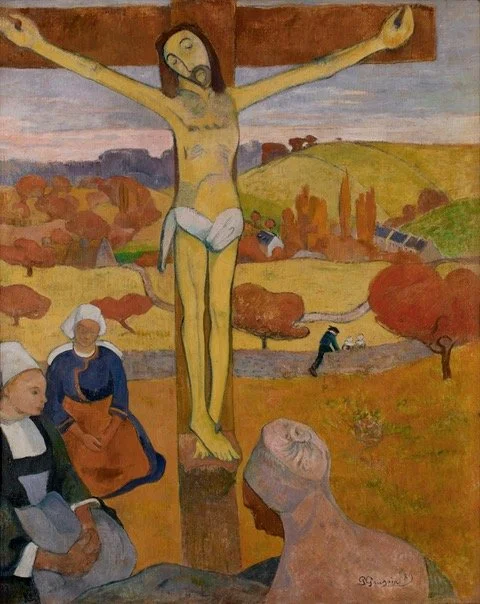
Figure 15. The Yellow Christ, Paul Gauguin
Odilon Redon was Fayet’s favorite artist. He appreciated Redon’s art and valued his friendship. Fayet owned over 300 works by Redon of which 88 have been gathered here. Redon was a frequent visitor to the sprawling abbey that Fayet bought in 1908 to save it from being dismantled and sold in pieces. The restored Abbey de Fontfroide ranks among the biggest and best-preserved Cistercian abbeys in France and it’s still owned by Fayet’s family. Photos of the Abbey and its decoration, among which are murals by Redon and 250 of the more than 750 works created by Fayet, make up the second half of the exhibition. There are paintings and prints and gouaches and India ink drawings by Fayet. And ceramics and hand-woven wool rugs and printed textiles and wallpaper and book illustrations based upon Fayet’s designs. (Figs 16-21)
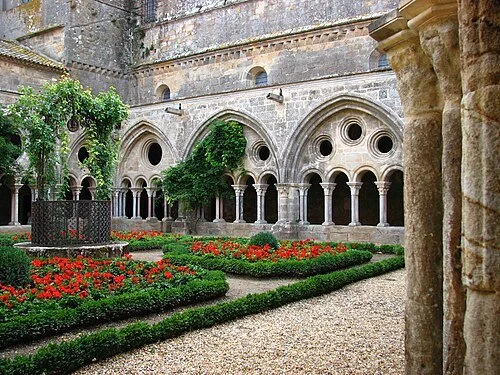
Figure 16. Abbey de Fontfroide, 10th century Cistercian abbey which Fayet saved from being chopped up and sold.
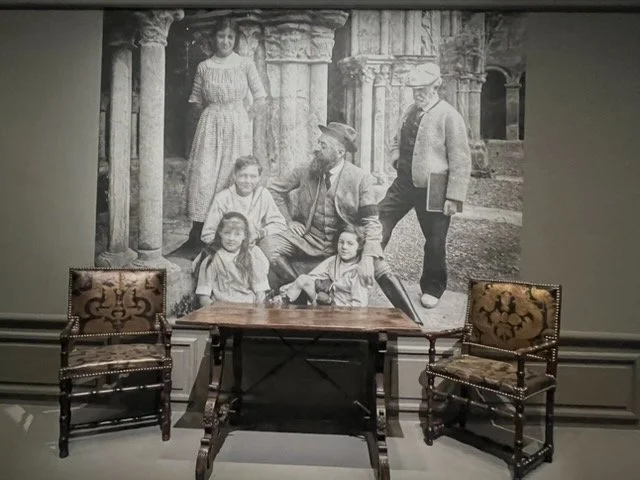
Figure 17. Photo of Fayat family at Abbey Fontfroide
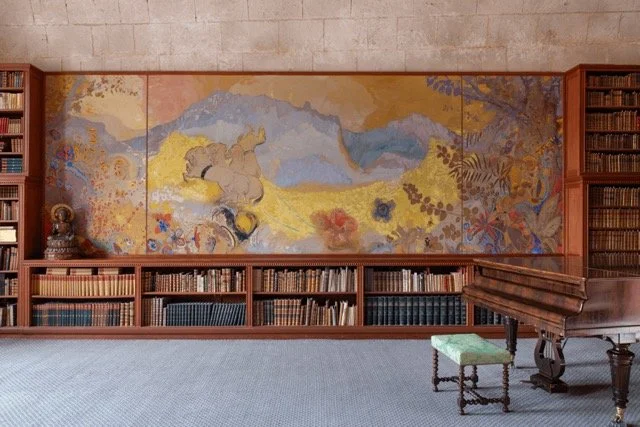
Figure 18. One of three murals painted by Odilon Redon in library at Abbey Fontfroide
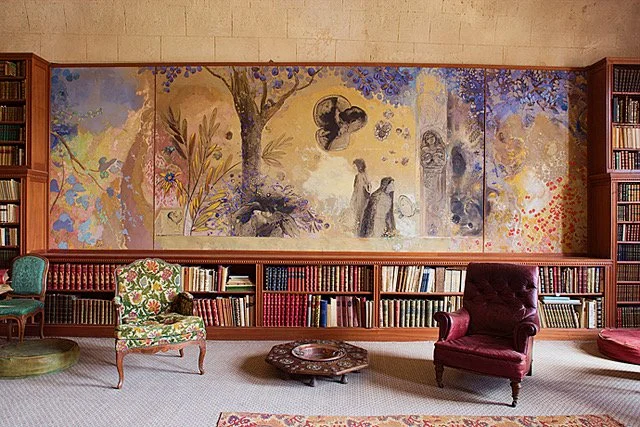
Figure 19. Another of Redon’s murals for Abbey Fontfroide
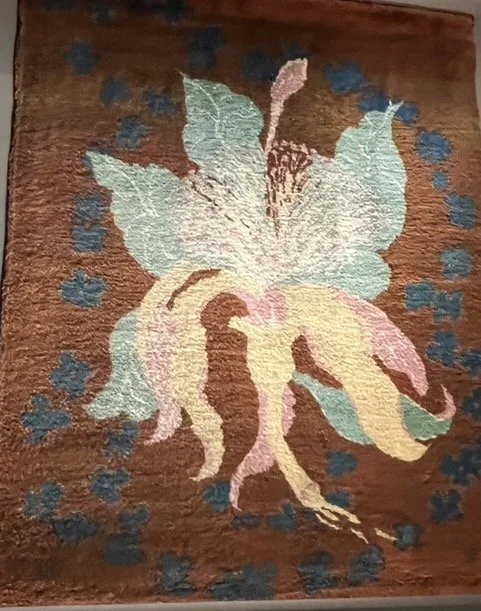
Figure 20. Design by Gustave Fayet
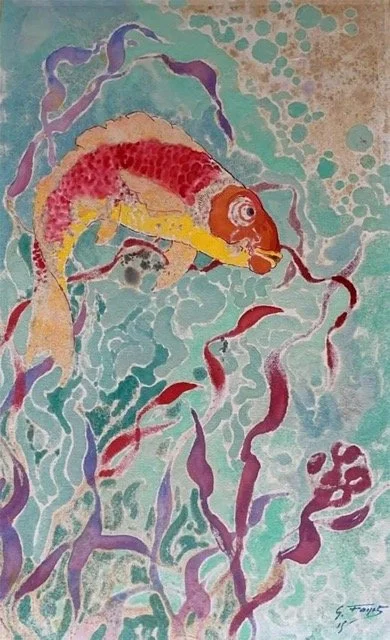
Figure 21. Design by Gustave Fayet
The exhibition is massive and I am definitely going back because I definitely did not give it the attention it deserved. Mostly because Deedee and Ben, friends from Baltimore, were in town, and as these things go, we chatted as much as we looked. When we were visually sated, we went to Frank’s, the Fondation’s bistro. Deedee’s Caesar Salad was very artsy, very deconstructed with (nearly) all of the components of a traditional Caesar Salad. Only the croutons seemed to be missing. I suggested that Deedee crumble the thin black lace shell hovering delicately over the tripod of romaine gem bottoms and treat the shards like croutons. She did (Figs 22, 23)
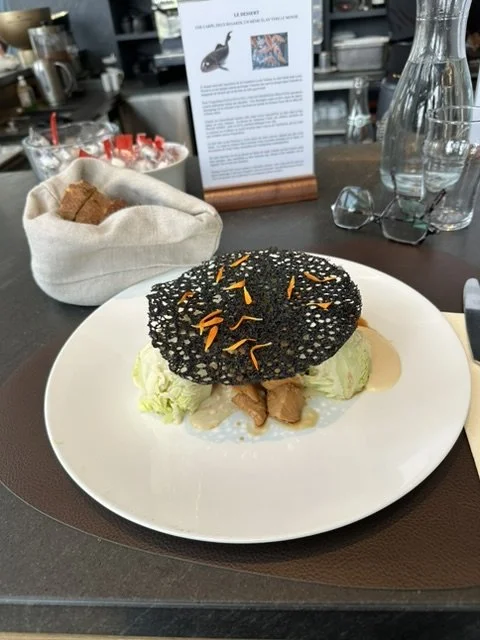
Figure 22. Ceasar Salad served at Frank’s, FLV which Deedee ate and which Franny ate the week before (Franny’s photo)
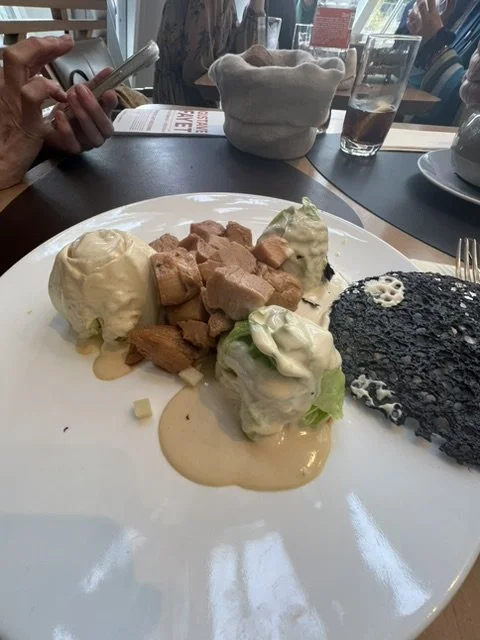
Figure 23. The Ceasar Salad Unveiled: 3 gem lettuce hearts, cubes of parmesan, ditto of chicken and dressing
A couple days later, I was at Versailles with some time on my hands. I walked over to the Musée Lambinet, a lovely 18th century hotel particulier, to see an exhibition which had just opened about how people dressed in 18th-century Versailles. (Fig 24). The exhibition was divided chronologically and thematically into three sections - the sumptuous attire worn by the aristocracy, the presentable clothes worn by the middle classes and the practical clothes that working class people wore. It was beautifully presented and very informative. It’s open until Valentine’s Day, 2027, so you should definitely see it. I will be discussing it soon.
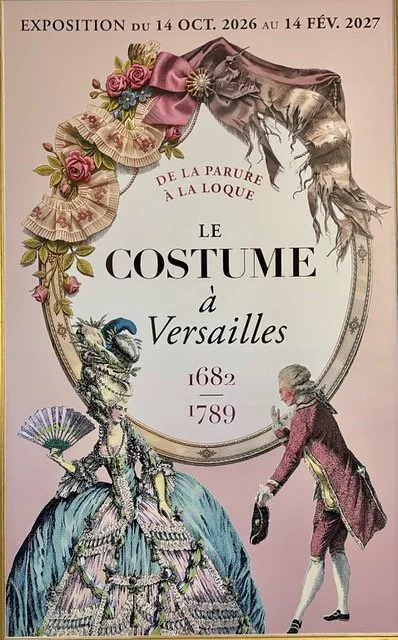
Figure 24. Le Costume à Versailles 1682-1789, Musée Lambinet
Since we’re talking about clothes, I should mention an exhibition an exhibition on now at the Palais Galleria. The subject is 19th century women’s clothing. The focus is on how women adopted and adapted men’s clothing to liberate themselves and question gender norms. The first image is Marie-Antoinette on horseback! (Figs 25, 26)
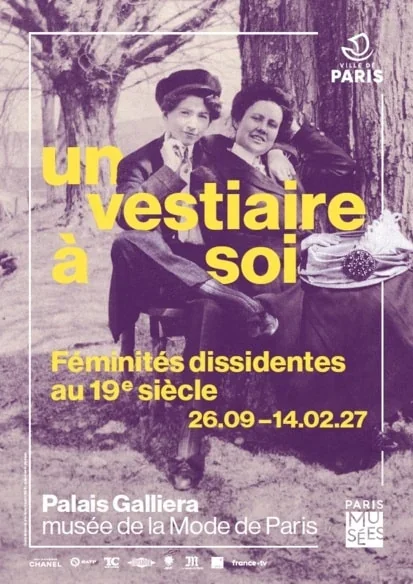
Figure 25. Palais Galliera, Un Vestiaire à soi,
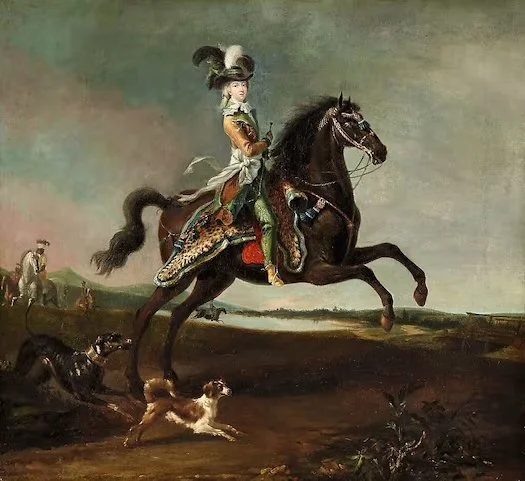
Figure 26. Marie Antoinette on horseback
I also saw a fabulous exhibition at the Petit Palais by Prune Nourry called Visionnaires (Fig 27) I have written about a work Nourry created for Bon Marché in 2020. But no sooner had the installation gone up than department stores were closed down by the government, Covid. That exhibition was called Amazones. (Fig 28) It was filled with bows and arrows and breasts as targets. The artist was coming to terms, in her own way, with a diagnosis and treatment for breast cancer when she was 31.
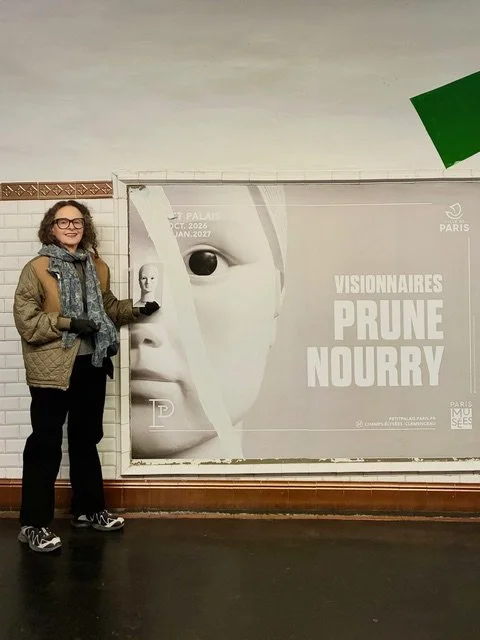
Figure 27. Visionnaires, Prune Nourry, Petit Palais (poster at my metro stop)
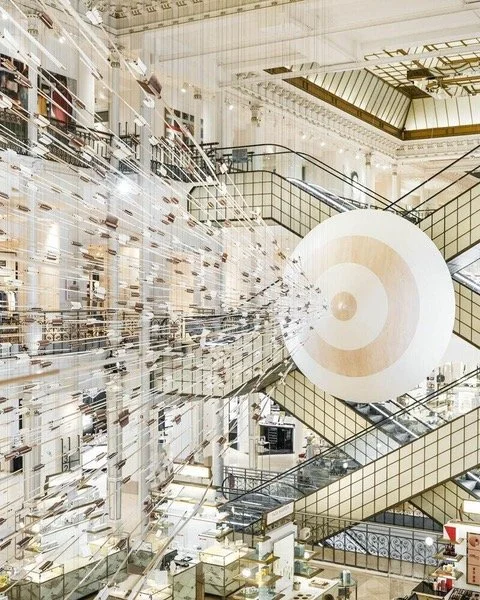
Figure 28. Amazones, Prune Nourry at Le Bon Marché, 2020
The exhibition at Le Petit Palais takes as its focus, marginalized and forgotten women, with a special look at women sculptors. Nourry’s exhibition is in the permanent collection of the museum and so, like it, is free. As you stand in line waiting to get into the Petit Palais, you will see a huge structure made of strips of Corten steel which I read later had been rusted in seawater. I couldn’t find a name for the piece or an artist, but I was pretty sure it was by Nourry. It is and it’s called Mothership. Take a close look, you will come upon a version of this piece, much smaller, of course, in the museum. (Fig 29)
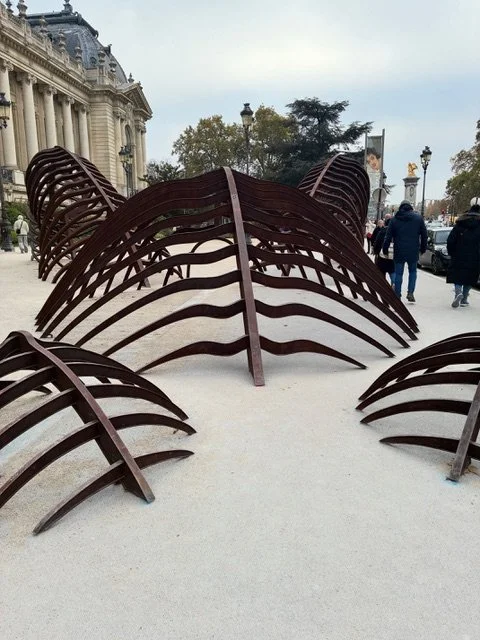
Figure 29. Mothership, Prune Nourry, rusted Corten steel, 2025, Petit Palais. Pretend you are the head of a pregnant woman about to give birth. You look down at your breasts, your belly and your thighs, spread
You have the option of entering the museum on the ground floor or walking up the exterior staircase to the grand, main floor. I suggest that for this exhibition, you opt for the ground floor. That way, you will immediately begin the treasure hunt that is finding Nourry’s pieces in the permanent collection. Make sure you pick up a gallery sheet so you can find Nourry’s sculptures cleverly and thoughtfully interspersed amongst the collection. Keep your eye out for the eyes, the symbol that Nourry has chosen to tell you where her pieces are hiding - sometimes but not always in plain view. (Figs 30-37) On the ground floor, along with goddesses and nymphs holding their own with gods and heroes, (Figs 33, 34) there are two sets of female figures to which I was especially drawn. One is called ‘Holy Daughter.’ These are thin, nude female figures, squatting, sitting or standing. Each has the head of a cow. The text asks why, if cows are sacred symbols of fertility and motherhood, are women treated so badly in India. (Fig 38)
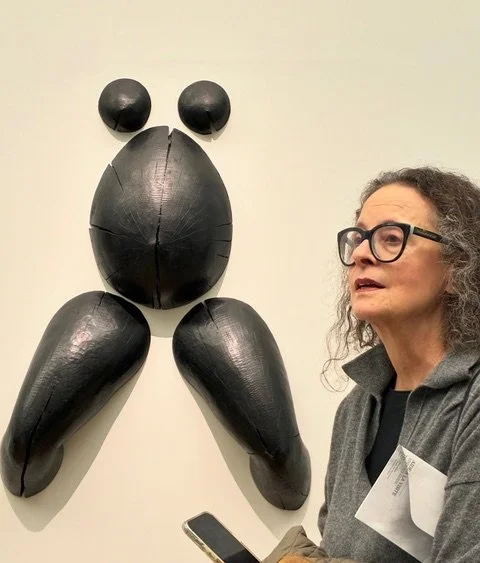
Figure 30. This piece, called Circle of Life, has the same component parts as Mothership above, breasts, belly and spread thighs
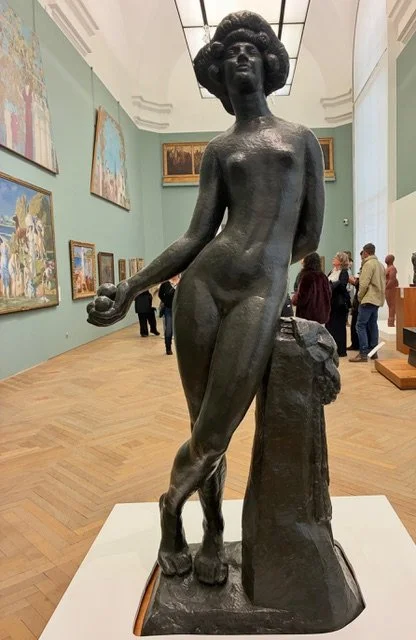
Figure 31. Circle of Life is juxtaposed with this sculpture by Bourdelle, Fruit
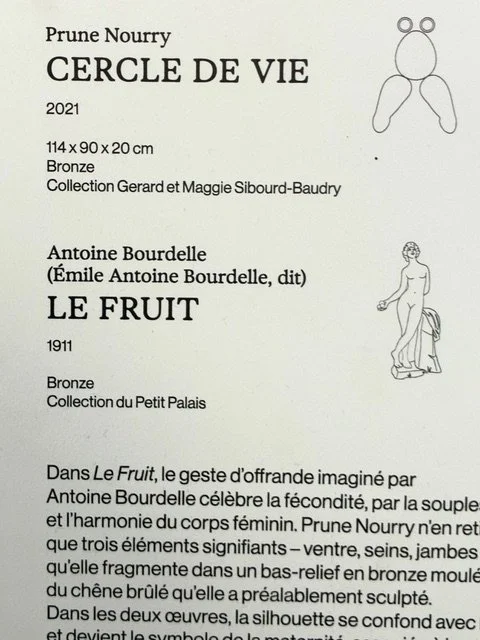
Figure 32. The exhibition includes explanations of how and why certain images enter into dialogue with each other
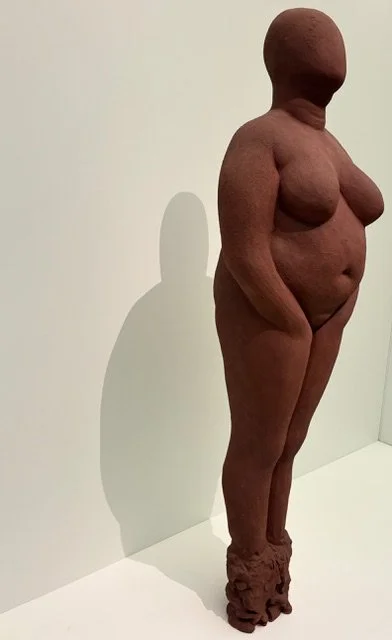
Figure 33. Venus (Louise) Prune Nourry
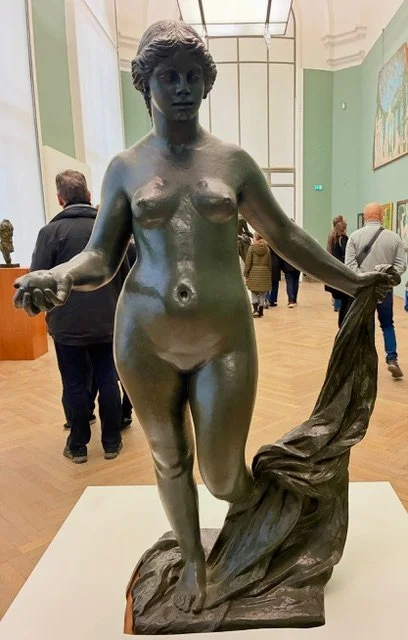
Figure 34. Venus Victrix, Auguste Renoir
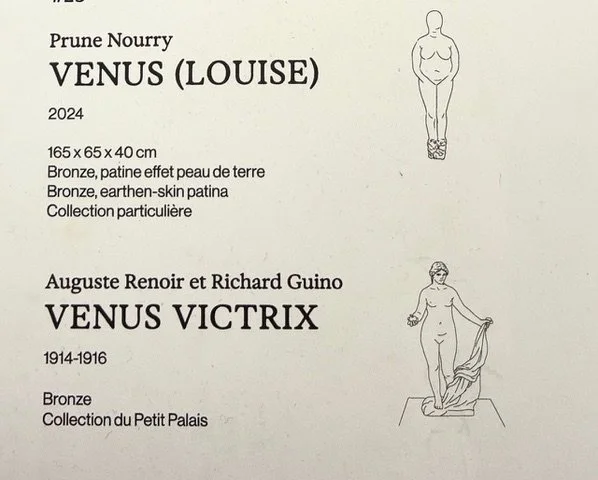
Figure 35. Drawings show that you have found the right pair, Renoir’s Venus confidently steps out of her robes, Louise stands demurely, covering her pubis, her robe around her ankles
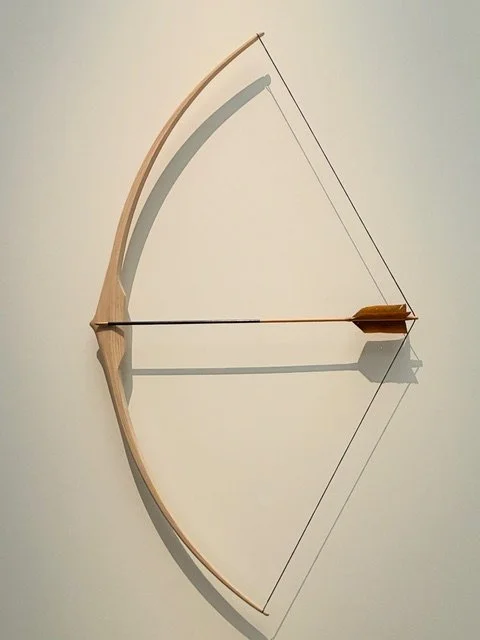
Figure 36. Self defense, Prune Nourry, bow and arrow I first saw in her exhibition, Amazones
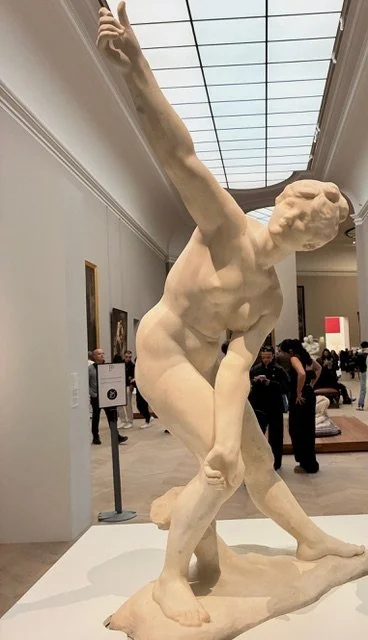
Figure 37. This figure of an Amazon (whose bow and arrow are gone) is compared with the bow and arrow above
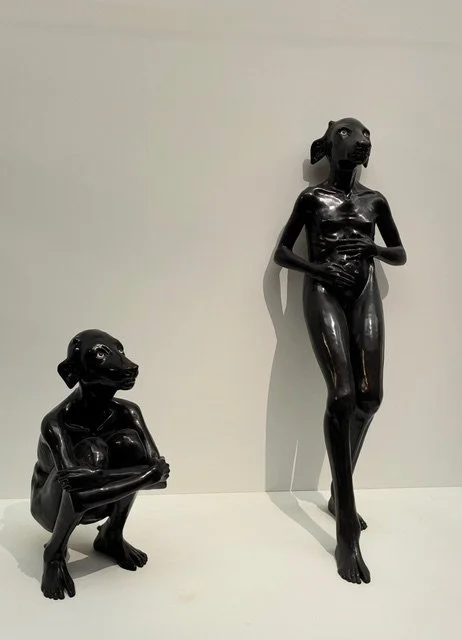
Figure 38. Holy Daughters. Female figures with heads of cows.
Another set of figures I would have been drawn to, even if my son was not now living in Xi’an, China, are the Terracotta Daughters, (Fig 39) female figures dressed in military outfits, a reference to the Terracotta Warriors found buried in Xi’an. (Fig 40) They are also a reminder of what happened to female babies in China during that country’s one-child policy from 1980-2015. Female fetuses were aborted, female babies were abandoned in public places or left in orphanages. Nourry created 108 life-size Terracotta Daughters, using eight Chinese orphan girls as her models. (Fig 41) Nourry interred the figures in 2015. They are scheduled to be unearthed in 2030.
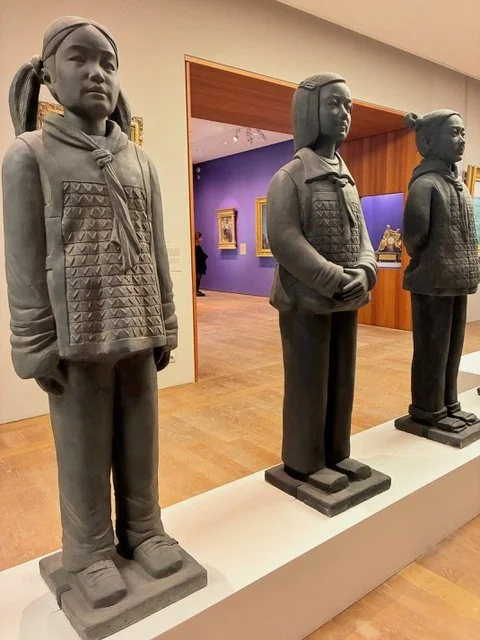
Figure 39. Terracotta Daughters
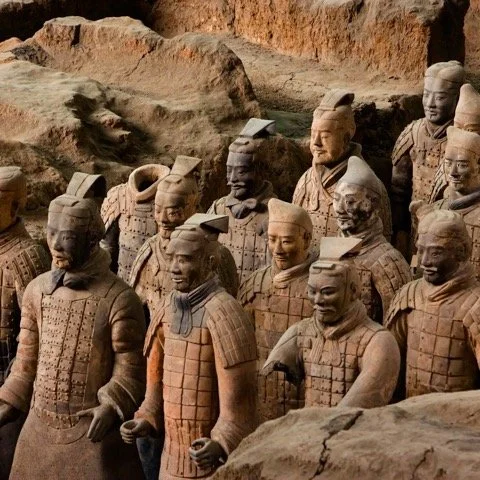
Figure 40. Terracotta Warriors discovered in Xi’an, China
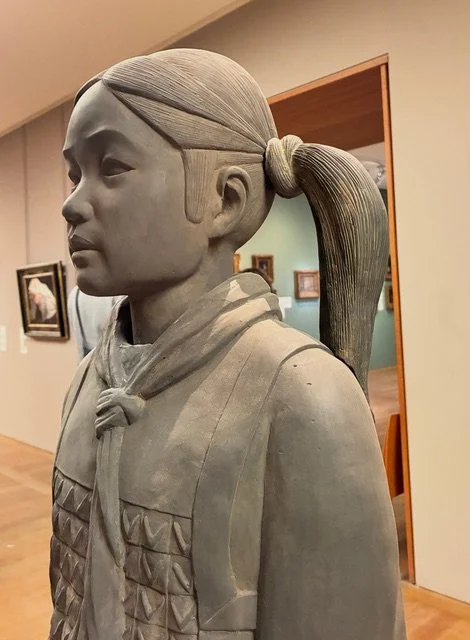
Figure 41. Close-up of one of the Terracotta Daughters, Nourry’s models were girls at an orphanage
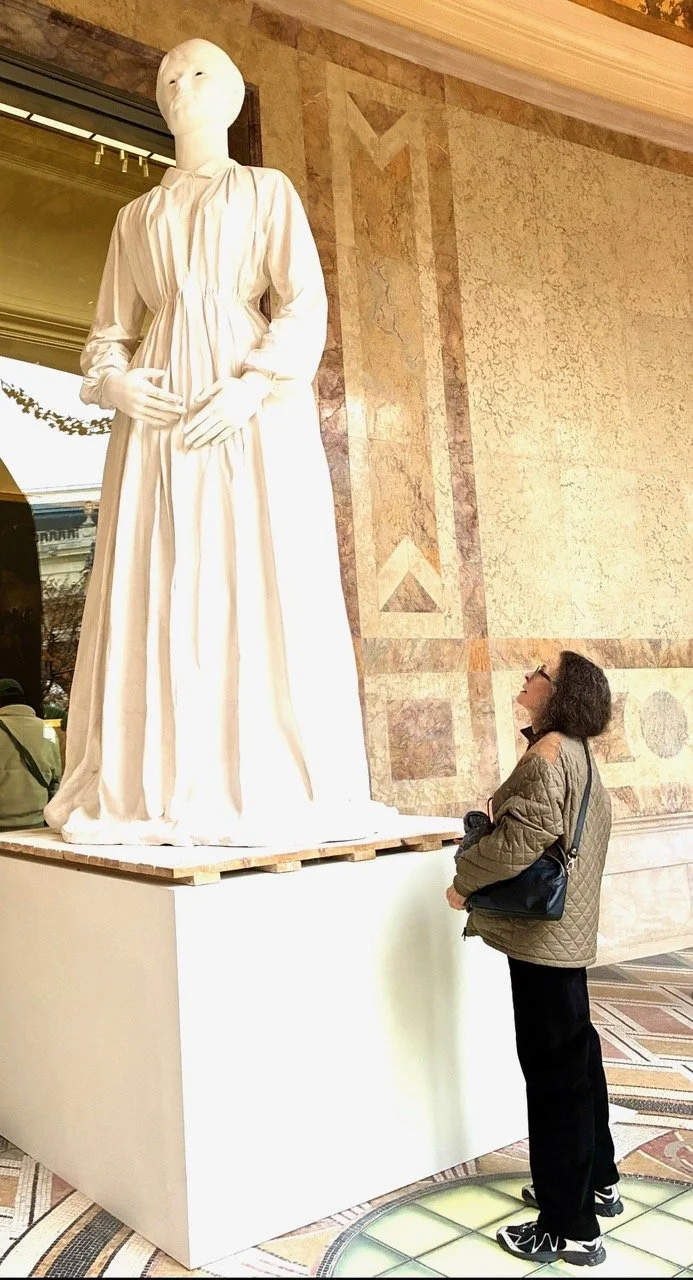
That’s downstairs. Upstairs, more Nourry sculptures enter into dialogue with pieces from the permanent connection. The highlight of the upstairs installation though is the art history lesson that Nourry, working with art historians and curators, has prepared for us. In one grand room, there are sculpted busts of 14 female sculptors. Among them are names you will know, like Sarah Bernhardt and Kathe Kollwitz. But for the most part, the women Nourry has sculpted and whose biographies the art historians have written, are sculptors whose names and work are unknown to us today. Three more of the sculpted busts adorn the garden. (Figs 42-44) Only one of the 18 female sculptors is full length, a larger than life size statue of Camille Claudel,(Fig 45) the talented sculptor who is now better known as Rodin’s muse and mistress. It was Claudel’s brother, the poet Paul (in league with his mother) who had her committed into a mental hospital and refused to allow her to leave for the last 30 years of her life, during which she produced nothing.
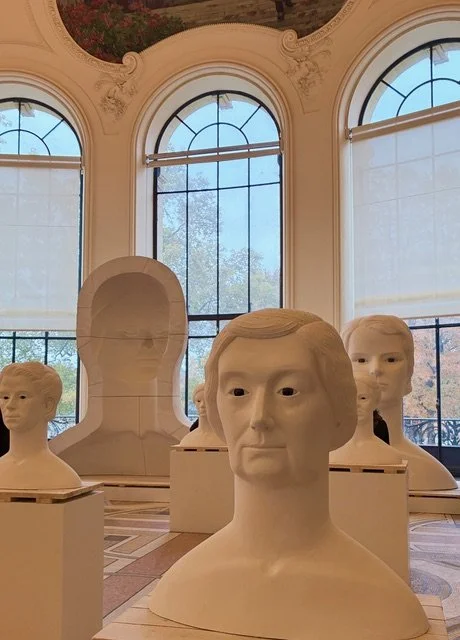
Figure 42. A few of the 17 bust portraits of mostly forgotten female sculptors
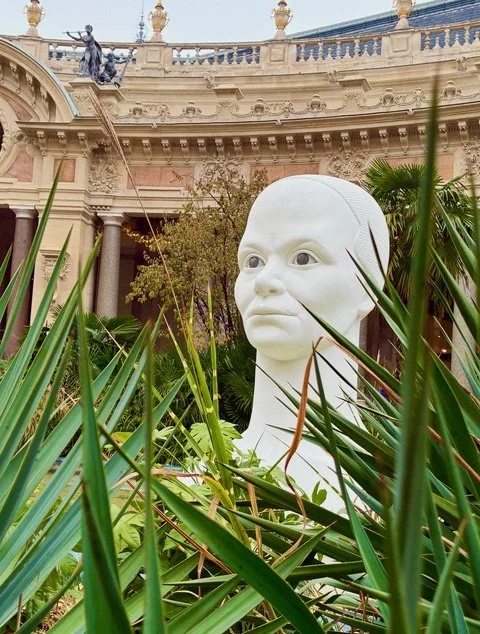
Figure 43. Some off the portrait busts are in the garden of the Petit Palais
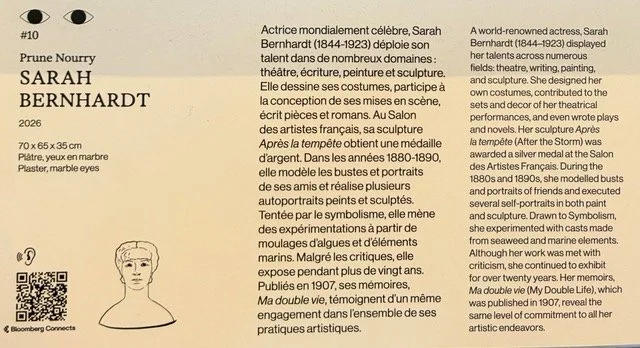
Figure 44. Each of the portrait busts is accompanied by a discussion of the artist’s life and work written by art historians
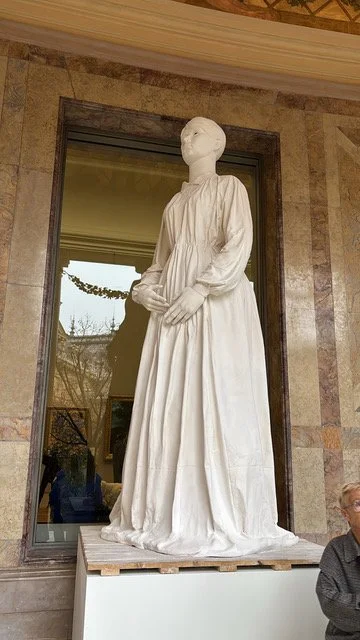
Figure 45. Camille Claudel, the single full standing sculpture, Prune Nourry
Claudel somehow reminded me of female figures sculpted by Simone Leigh whose work was everywhere at the 2022 Venice Biennale. (Fig 46) I was particularly struck by the fact that Leigh chose to show her figures, sightless, without eyes, (Fig 47). Nourry’s mostly forgotten female sculptors have wide staring eyes. (Fig 48) Indeed, the symbol for Nourry’s exhibition is a pair of white marble eyes with black pupils, Marble eyes appear throughout Nourry’s exhibition, on her figures and on the pedestals of works from the Petit Palais's permanent collection that are linked to her work. Nourry chose the eyes for several reasons, one of which is that it keeps the visitor alert, looking for the eyes that will signal either Nourry’s own work or the work in the collection to which one of hers is in conversation. The eyes give her sculpted portraits of forgotten female artists a presence. It’s hard to ignore figures whose wide open eyes are staring right at you.
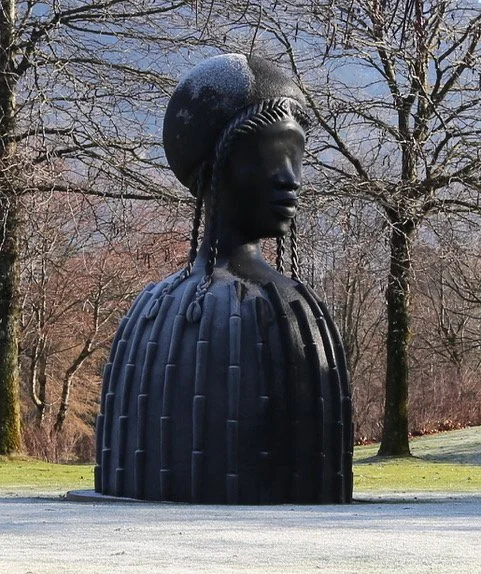
Figure 46. Simone Leigh
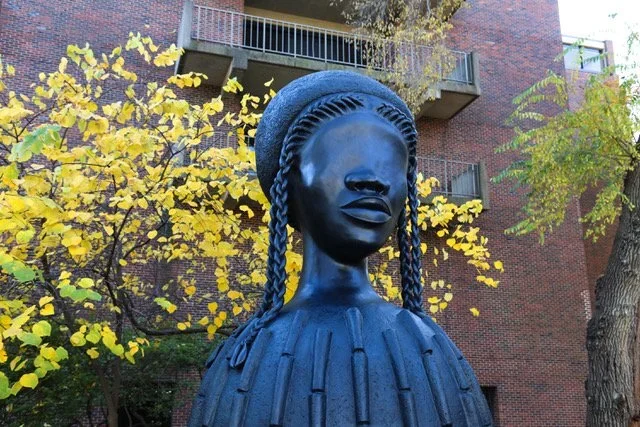
Figure 47. Simone Leigh, detail
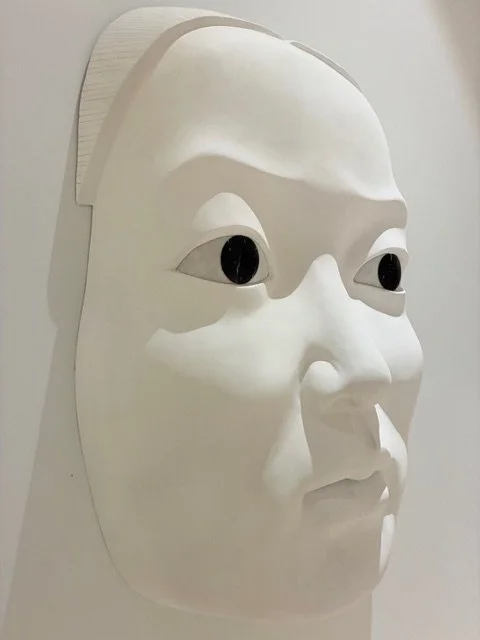
Figure 48. One of the many figures with open eyes and piercing stare, Petit Palais, Nourry
I have space to tell you about one more exhibition. I finally got to the Louvre to see the exhibition on the sublime Spanish Baroque painter, Zurbarán. It is much easier to get into the Louvre these days, no milling around the pyramid for what seems like hours. Getting through security is faster now and therefore safer. With the new pricing structure, (10€ more for non EU residents), it’s difficult to justify coming to the Louvre for a only for a temporary exhibition. That being said, the Zubarán exhibition was fabulous. There aren’t too many paintings to bog you down. Many of the religious ones were originally part of a decorative scheme that was subsequently dispersed, so you are seeing old friends reunited after a long time. In additional to monumental monastic commissions, there are still lifes and portraits and something that has become standard for exhibitions these days, the artist’s influence on artists who followed him, in this case it’s Manet and Picasso. The paintings here are powerful, they are mesmerizing.(Figs 49-55)
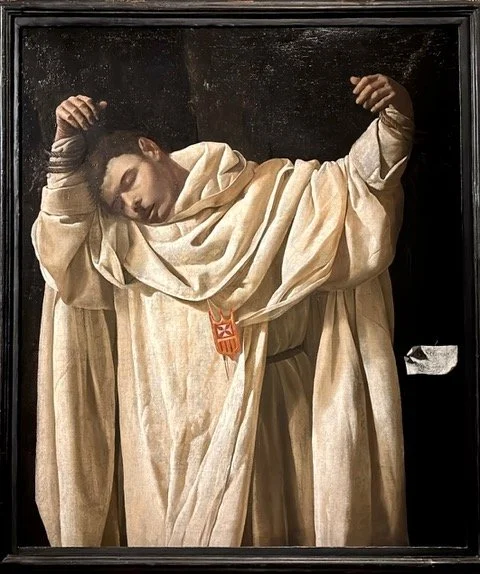
Figure 49. St Sarapion, Francisco de Zurbarán, he often signs his name on a trompe l’oiel piece of pape
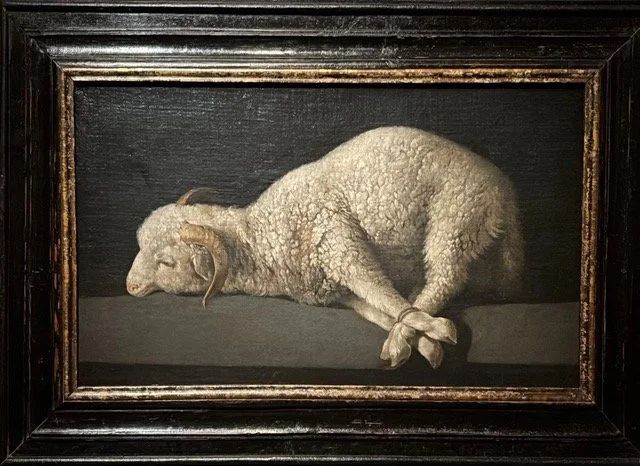
Figure 50. Little sheep, Francisco de Zurbarán
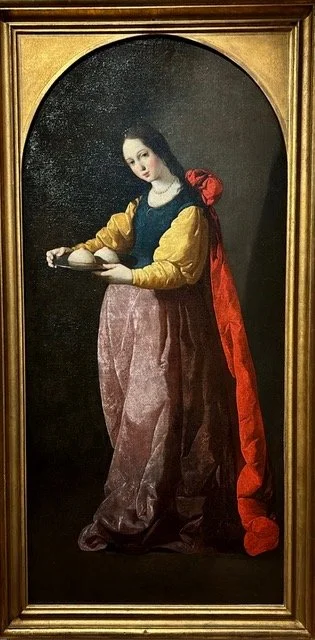
Figure 51. Ste Apolonia holding a plate on which are the symbols of her martyrdom, her breasts, Zurbaran
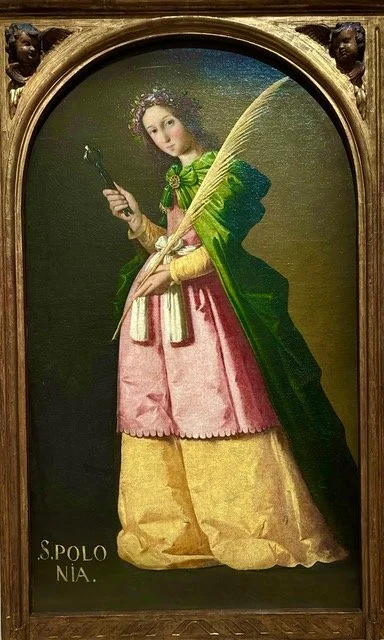
Figure 52. Ste Apollonia with the symbol of her martyrdom, one of the teeth that was pulled out
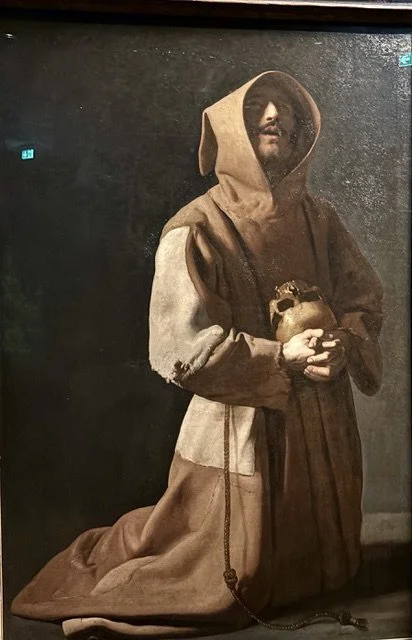
Figure 53. St. Francisco Kneeling, Zurbaran
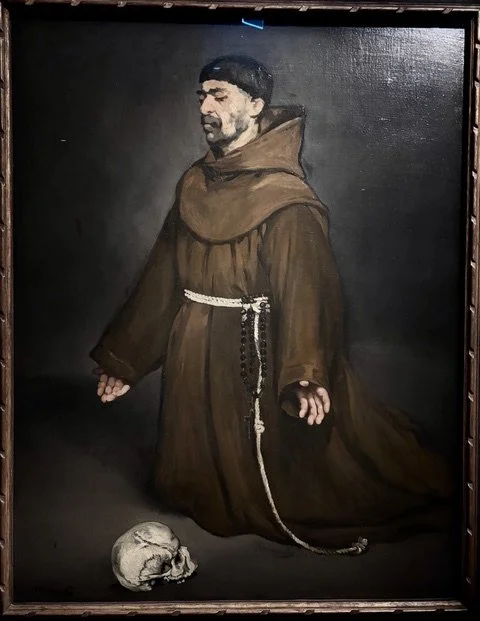
Figure 54. Monk Kneeling, Edouard Manet
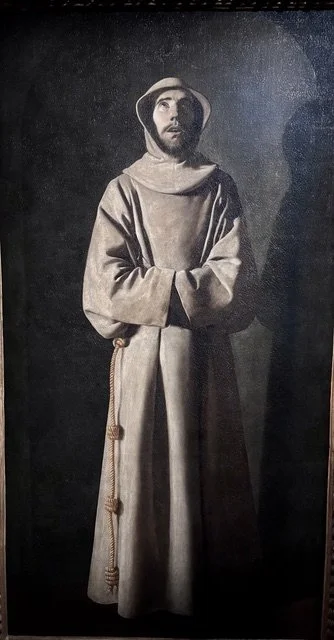
Figure 55. St. Francisco Standing, Zurbaran
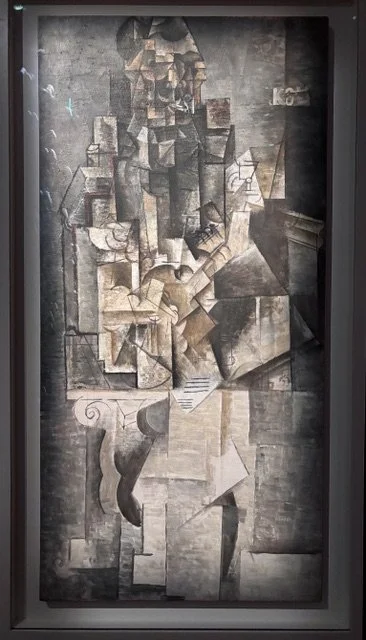
Figure 56. Man with a Guitar, Pablo Picasso
There’s a second exhibition here called Sculpting Color, and it’s about 17th-century Spanish polychrome wood and terracotta sculptures. The highlight of which was a life-size processional float (called a paso) the Road to Calvary. (Figs 57, 58) There were some figures in the exhibition who didn’t have their clothes/costumes on and since they were holy people, they weren’t hanging around nude or in their underwear. Instead, they wore long, loose fitting pants, to preserve their dignity! There were also samples of the materials used to for eyes, fingernails, hair, etc. used to make the figures more lifelike. It was fascinating. (Figs 59-60). Next week, part 2 of my binge week during which I will tell you about the Tintoretto exhibition at the Musée Jacquemart-André (fabulous), the Photography exhibition at the Bourse (thought provoking) and the Cezanne exhibition at the Grand Palais (sublime). Gros bisous, Dr. B.
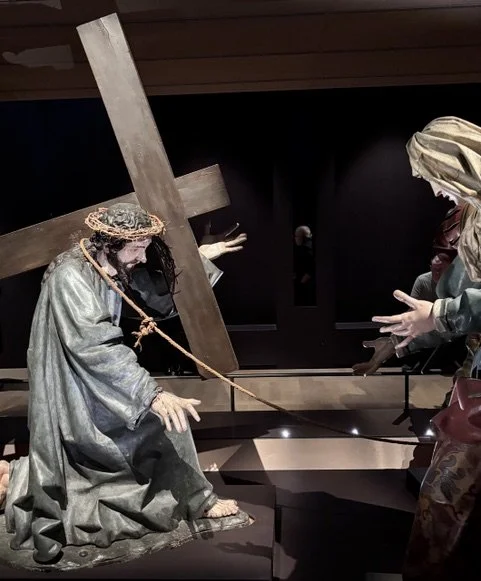
Figure 57. Road to Calvary, 17th century Spanish polychrome wood sculpture, detail Christ & Mary
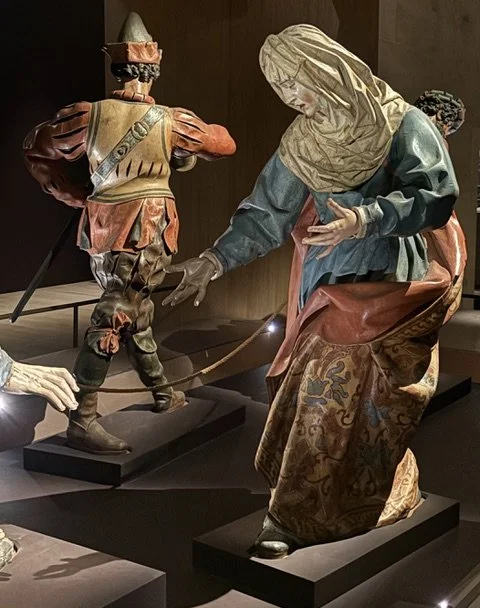
Figure 58. Road to Calvary, 17th century Spanish polychrome wood sculpture, detail Christ’s hand & Mary
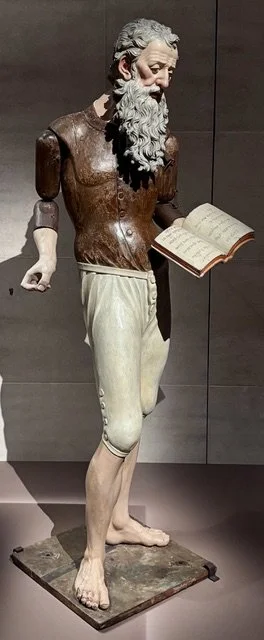
Figure 59. Holy Figure waiting to be dressed for procession, 17th century Spanish polychrome wood
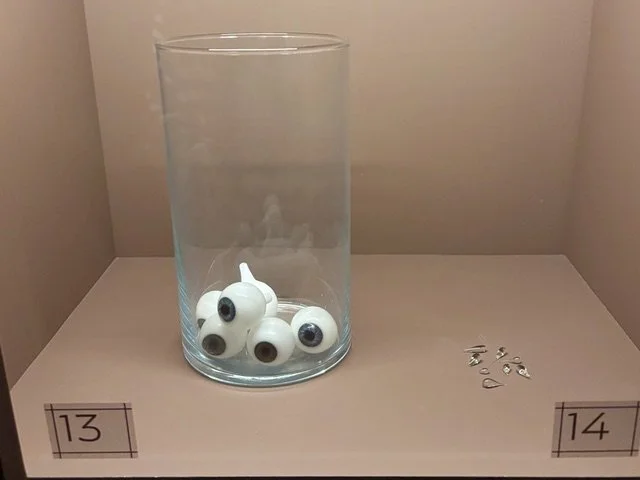
Figure 60. Eyes and tears used to make statues more life-like. 17th century Spanish