Thinking inside the box
The House on Utopia Parkway: Joseph Cornell’s Studio Re-Created by Wes Anderson Gagosian Gallery, until 14 March 2026
Bienvenue and welcome back to Musée Musings, your idiosyncratic guide to Paris and art. Today I want to tell you about the exhibition that Nicolas and I saw at the Gagosian Gallery on rue du Castiglione, just down from the Ritz Hotel on Place Vendome. It’s easy to get to and since it’s outside, it’s easy to see. It’s the perfect ‘art’ thing to do when you don’t want to be bothered with timed entries, reservations, crowds and standing in line. (Fig 1)
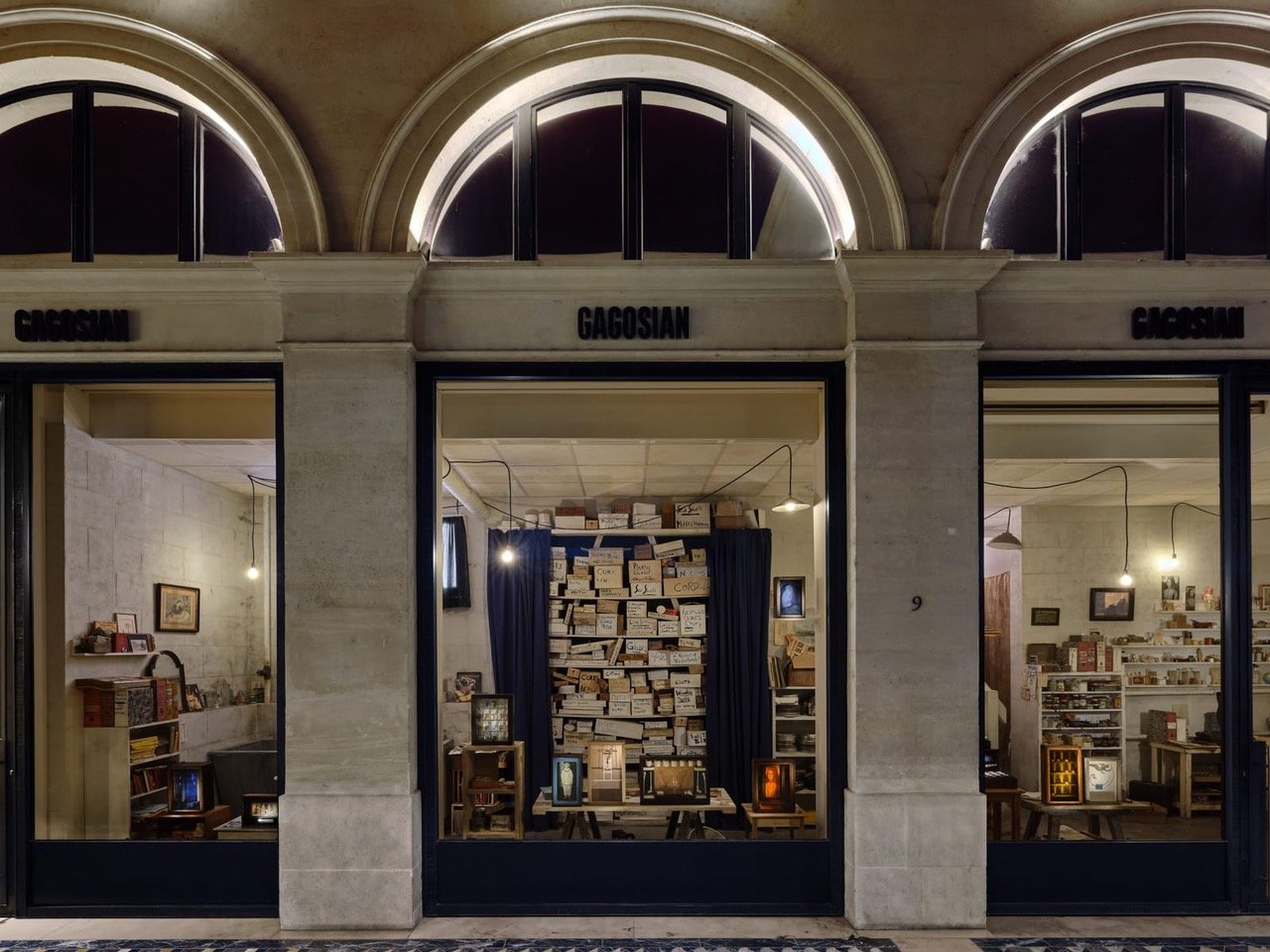
Figure 1. Gagosian Gallery, exterior, Thomas Lannes, photo
The exhibition is actually the recreation of the studio of the self-taught artist, Joseph Cornell. Have you heard of Cornell? (Fig 2) He’s best known now for his ‘Cornell Boxes.’ (Fig 3) Here’s a bit of biography. He was born in 1903, the eldest of four children. When his father died in 1917, the family learned that they had been living well beyond their means. Cornell’s mother sold their house in Nyack, paid off their debts and moved the family to Queens. Except for four years at Phillips Academy in Massachusetts, (from which he never graduated), Cornell lived with his mother and his handicapped younger brother, Robert. From 1929, it was in a modest house in Flushing, New York on Utopia Parkway. (Fig 4). From age 18 through his mid 30s, Cornell had a series of jobs, mostly in sales, which must have been torture for a shy man. When he wasn’t working, he was wandering, mostly around New York City. Maybe not wandering so much as scouting - for anything that took his fancy - from postcards and handbills to sea shells and bird feathers. After each adventure, he would categorize his haul and put his objects into boxes in the basement studio he made in that house on Utopia Parkway. (Figs 5, 6) His living arrangements seem anything but utopian, although the basement studio must surely have been a refuge from his domineering mother and dependent brother.
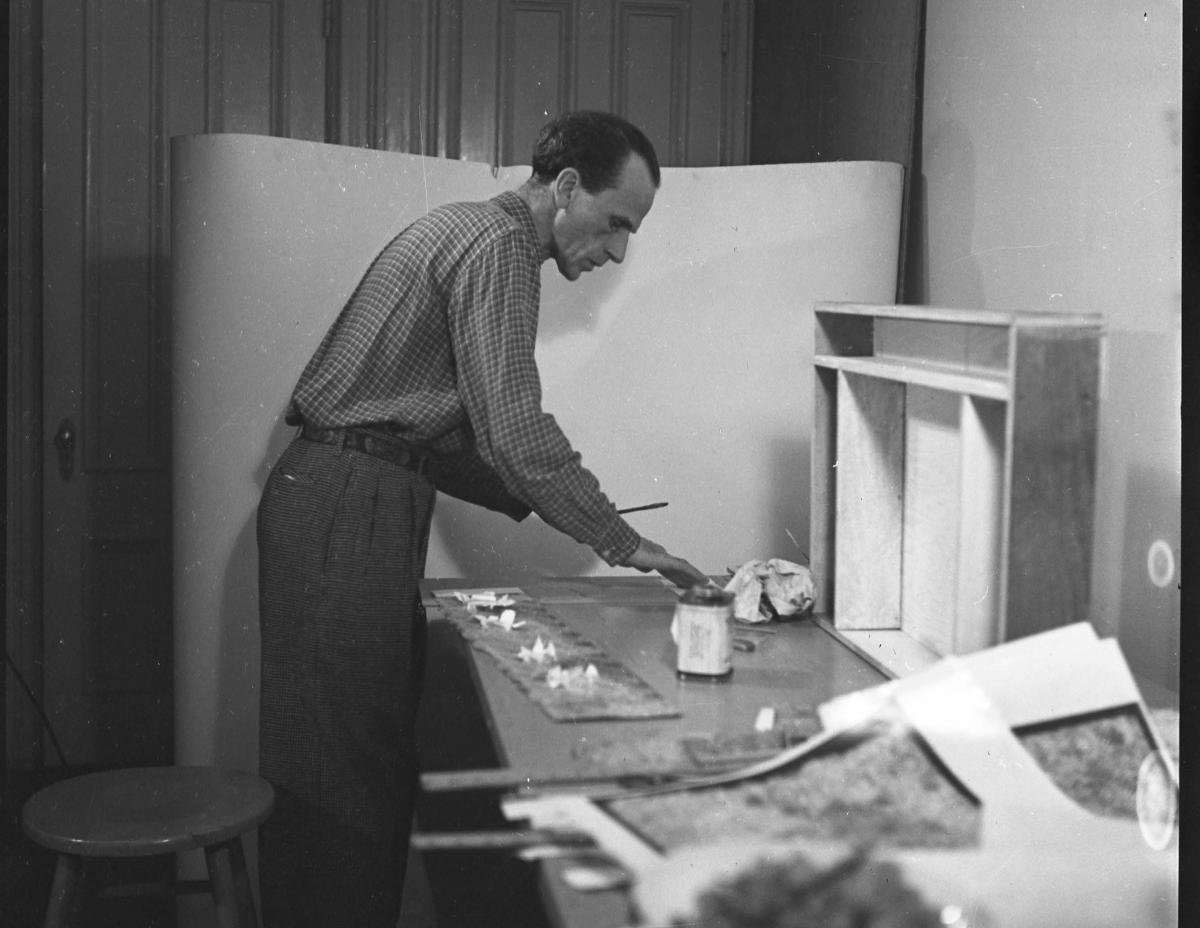
Figure 2. Joseph Cornell at work
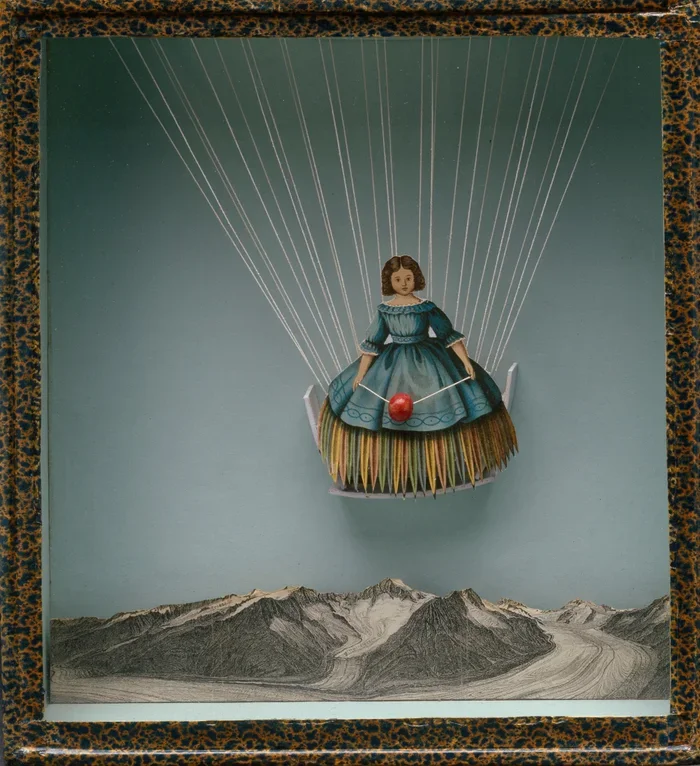
Figure 3. Tilly Losch, (ballerina) Joseph Cornell, 1935-38.
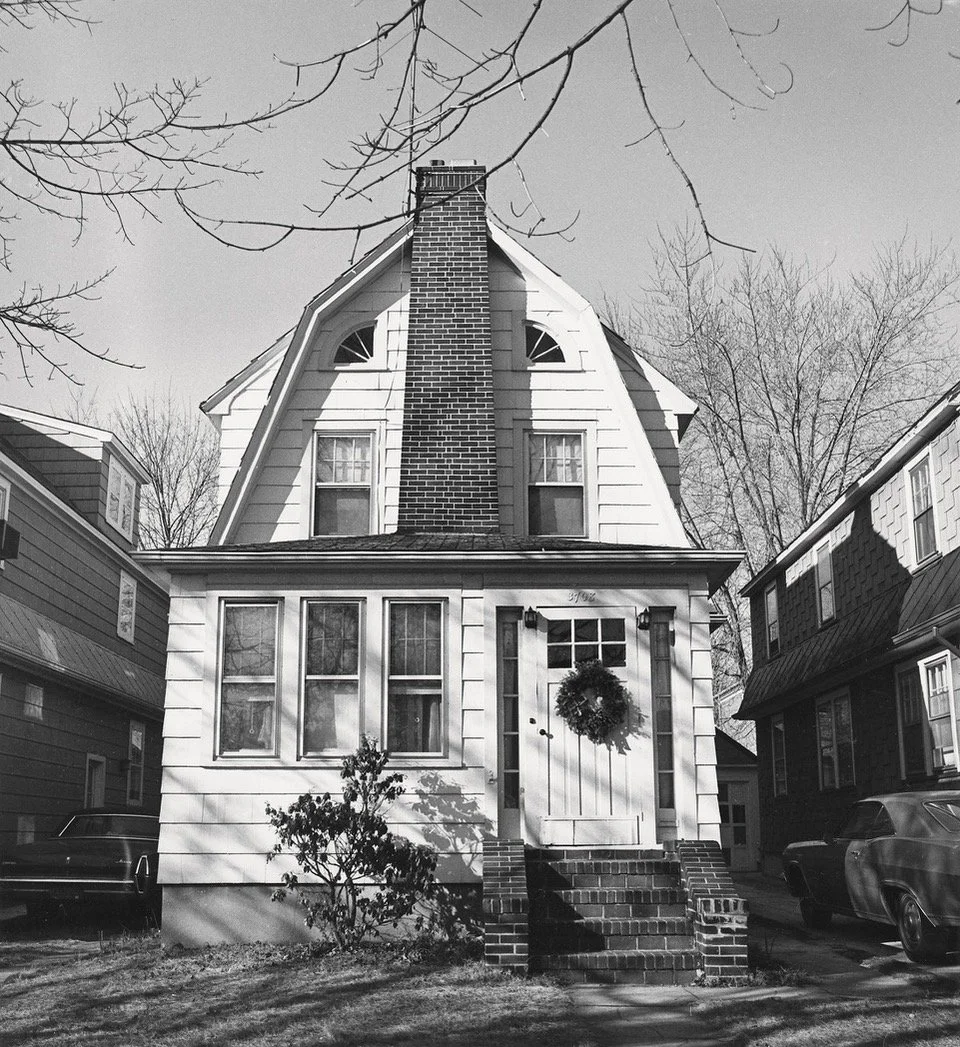
Figure 4. Cornell House, Utopia Parkway, Flushing, New York
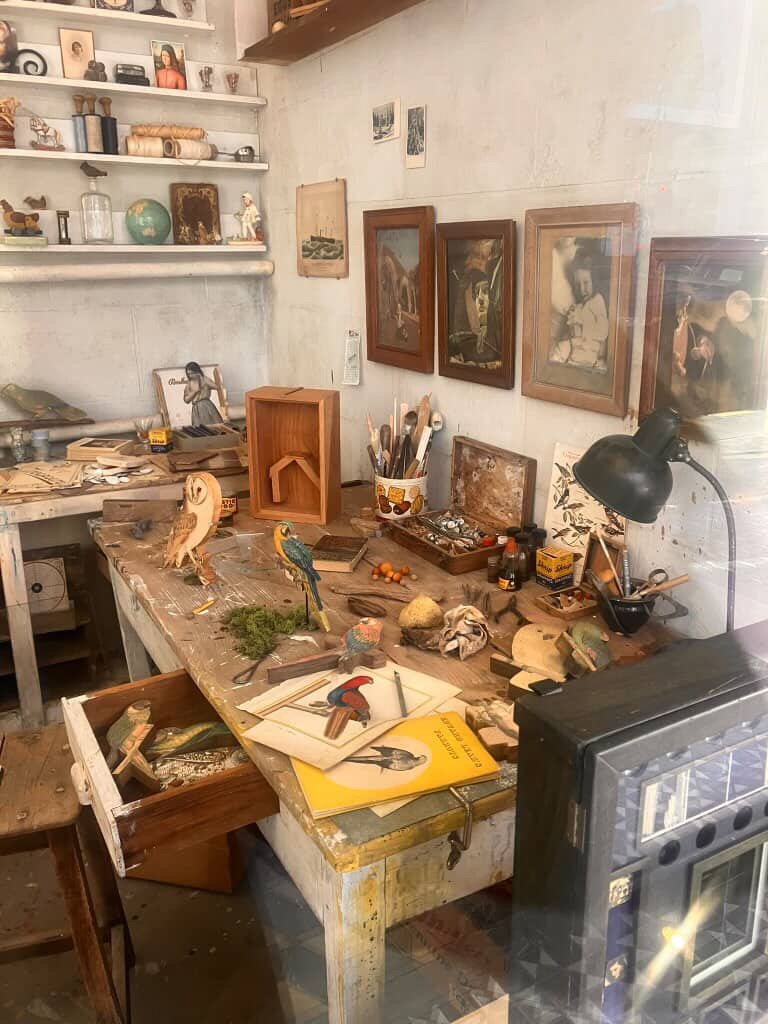
Figure 5. Corner of Joseph Cornell’s basement studio, Utopia Parkway, reimagined by Wes Anderson (photo N. Held)
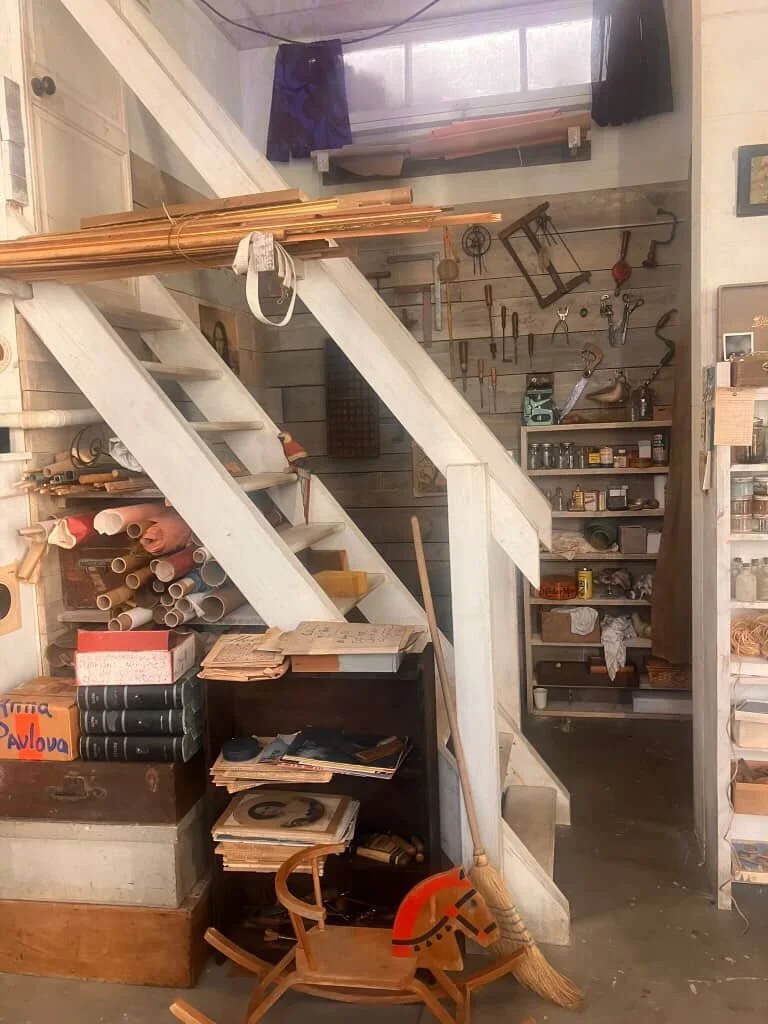
Figure 6. Stairs of Joseph Cornell’s basement studio, Utopia Parkway, reimagined by Wes Anderson (photo N Held)
Cornell’s boxes, into which he creatively assembled the objets he collected have always appealed to me. Because, I suppose, I collect objets, too. And I have since I started traveling to Europe in my early 20s. On my first trip to Italy with my husband, we came upon one of my happiest finds - a tiny bottle of Campari and soda, the name of which Beverly, around the neck of its little body. (Fig 7) I was over the moon. Except for Beverly Hills, Beverly is not a name you see written very often. Then at a restaurant near the Spanish Steps, the waiter encouraged me to take the little ceramic ashtray on our table, so I did. The next summer, in Spain, I collected 3-D postcards and little View-Masters with stereoscopic views - of Cordoba, Seville and the Alhambra. (Figs 8, 9) In our townhouse in Canberra, Australia, there was an enclosed trophy case on the landing. That’s where I put the trinkets, the ‘tchotchkes’ I was collecting. Living in the southern hemisphere, we began visiting places that were closer to us. I have shadow puppets from Bali, straw figurines from Fiji, silk purses from Bangkok and Kitchen Door Gods from Hong Kong. (Fig 10) When I moved to Paris, I started collecting boxes and bags from boulangeries and patisseries, playbills from symphonies and operas; gallery sheets from museum exhibitions; engravings and woodcuts of parades from the bookstalls along the Seine and from brocantes, images of workers doing jobs that no longer exist. (Fig 11) I have recently started collecting buttons - from the Camino and West Highland Way; Germany and Normandy and also of Proust’s white orchid. (Fig 12) When I travel with Nicolas and Ginevra, I try to impose this rule: no postcards, no reproductions, no snow globes, of paintings or sculptures or buildings shall be acquired before they are seen.
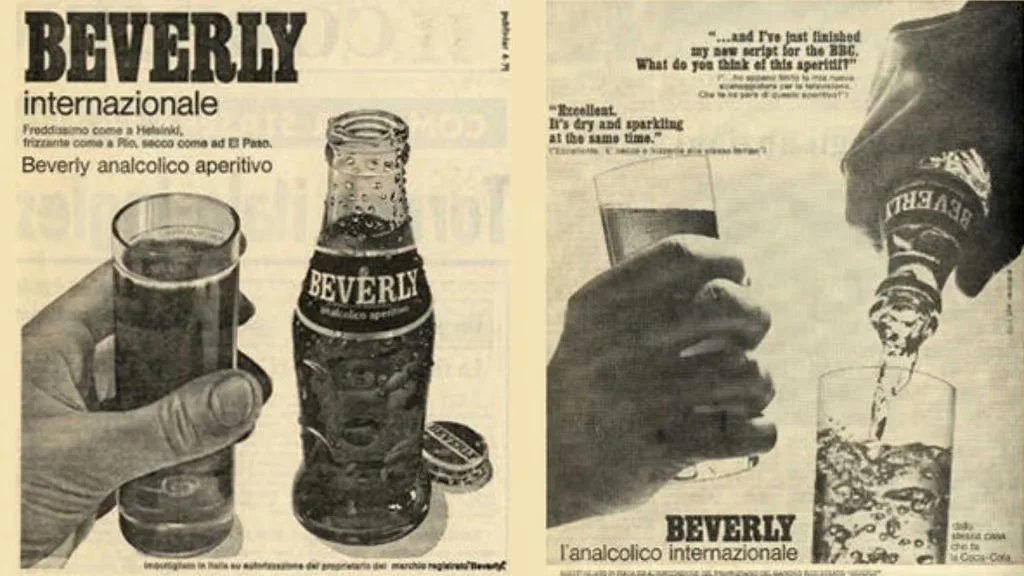
Figure 7. Advertisement for Beverly, a nonalcoholic beverage
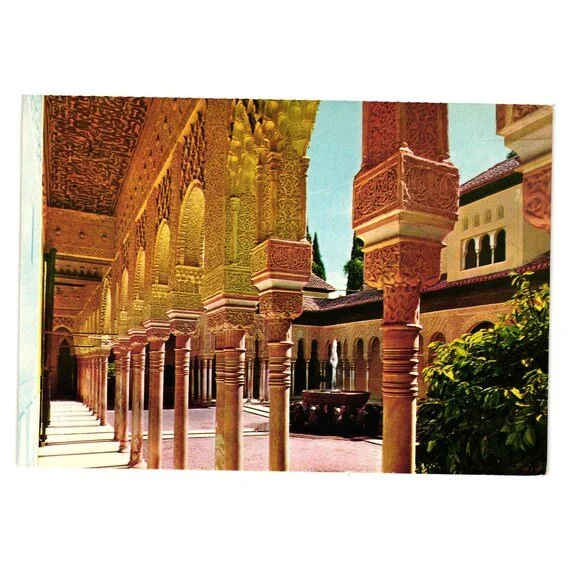
Figure 8. 3D postcard of Alhambra, Spain
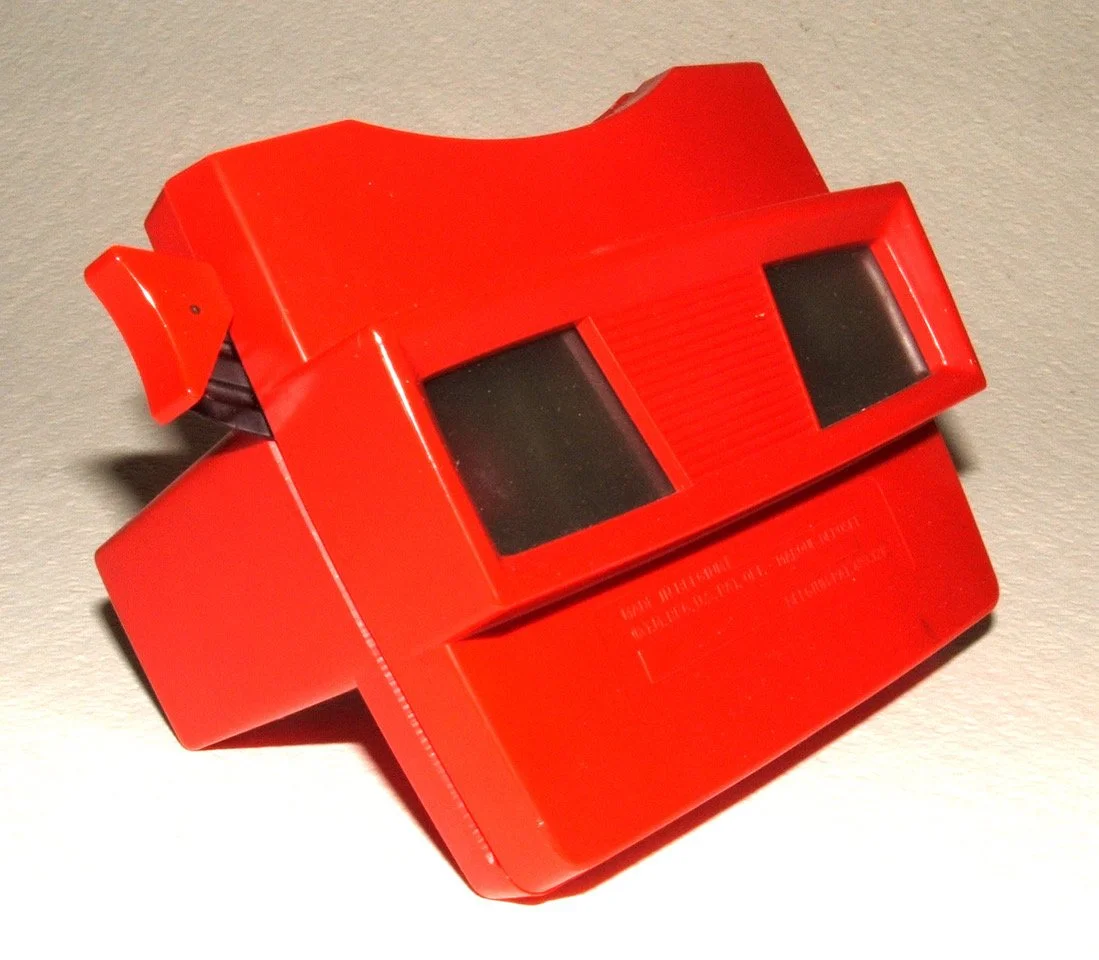
Figure 9. View Master
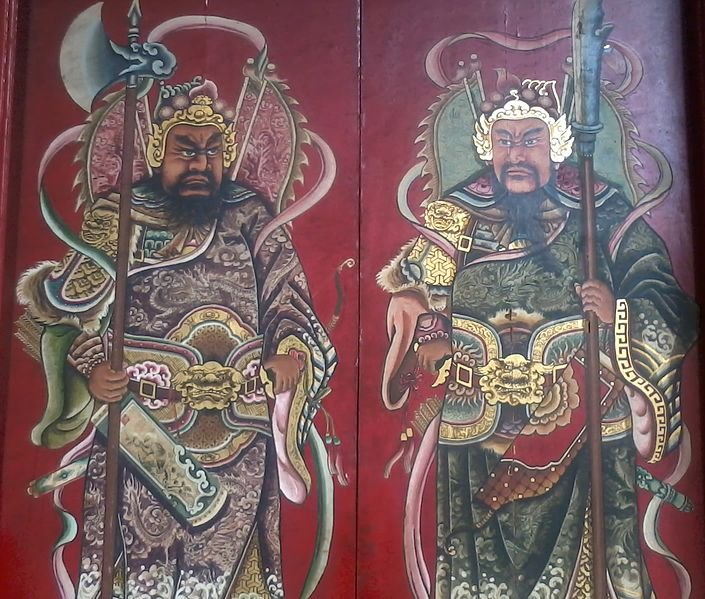
Figure 10. Chinese Door Gods
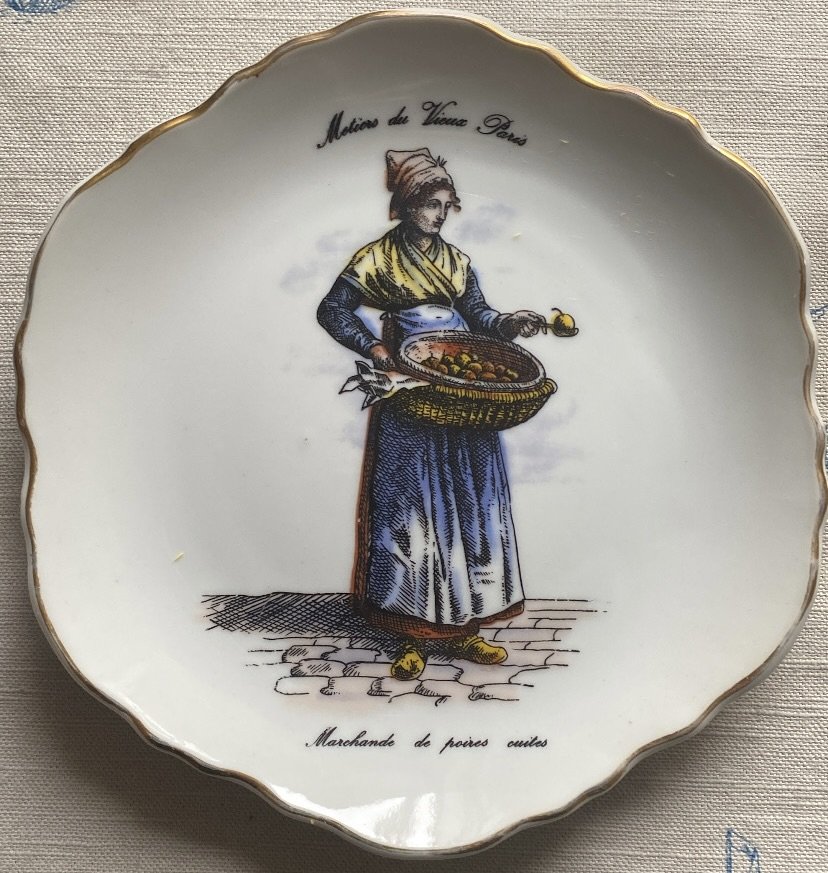
Figure 11. Metiers du Vieux Paris, Marchande de poires cuites, ceramic plate

Figure 12. Some of the pins I’ve collected (top - stop and go signs from German, bottom right, white orchid, Proust)
Although Cornell’s travels didn’t take him as far from home as mine have, he “built up a vast private museum from his excursions, toting home treasure in the form of rare books, magazines, postcards, playbills, librettos, records and early films. As well as “shells and rubber balls, crystal swans, compasses, bobbins and corks.” As one reviewer noted, “First, you acquire the materials and then you put them together.”
Cornell’s career as an artist began when he encountered surrealism in the early 1930s, when he was in his early 30s. Seeing a collaged novel by Max Ernst, he realized that art wasn’t just drawing and painting and sculpting. So, with no formal art training, but with the eye of a curator, he created his boxes, filling them with “mementos, curios, images clipped from literature, and ordinary or ephemeral objects that he came across…” (Fig 13)
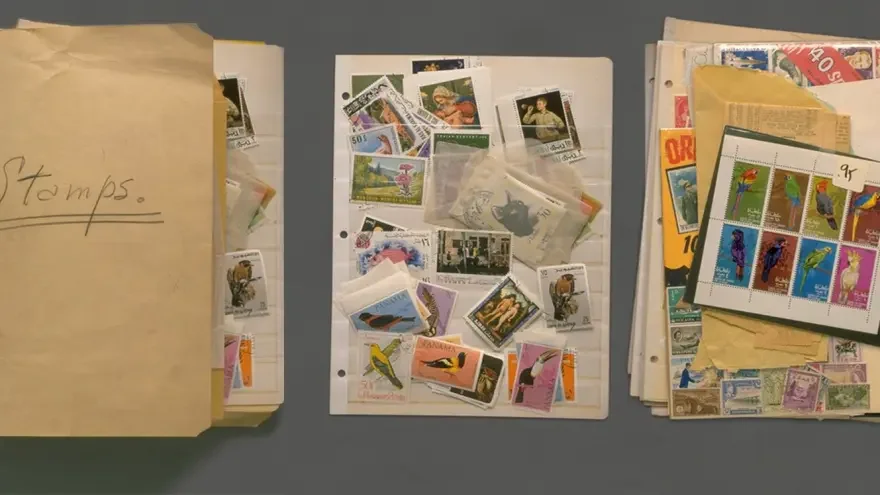
Figure 13. Stamps folder, Joseph Cornell
Cornell may have hesitated to call himself an artist, but his early collages appeared in the Surréalisme show at the Julien Levy Gallery in Manhattan in 1932, when he was 29 years old. Works by Dalí and Duchamp were in the same show. Cornell’s first shadow box, Untitled (Soap Bubble Set) (Fig 14) was included in an exhibition entitled ‘Fantastic Art, Dada and Surrealism,’ at MoMA four years later, in 1936.
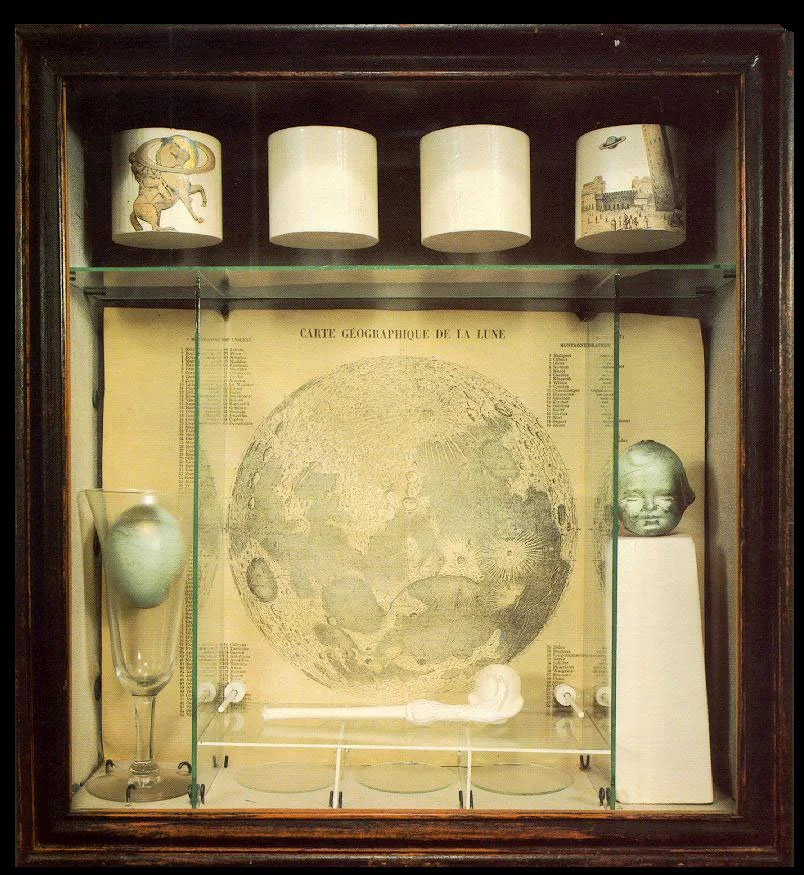
Figure 14. Untitled (Soap Bubble Set) Joseph Cornell, 1936-37.
Cornell was nearly 40 when he felt confident enough of his skills to devote himself full time to art. The boxes he first used for his assemblages were store bought. Then he began to build his own boxes, “learning by trial and error to make mitre joints and use a power saw.” He aged his boxes with layers of paint and varnish, then left them outside or baked them in the oven to give them a patina of age. When they were ready, he filled his boxes with objects and images that conveyed the feelings he wanted to express.
Chance and whimsy may seem to inform the contents of Cornell’s boxes, but the underlying principal is organization and categorization. His newspaper cuttings and found objects were put into files and folders arranged by subject, like Advertisements, Butterflies, Clouds, Fairies, Figureheads, Food, Insects, History, Planets. (Figs 15, 16)
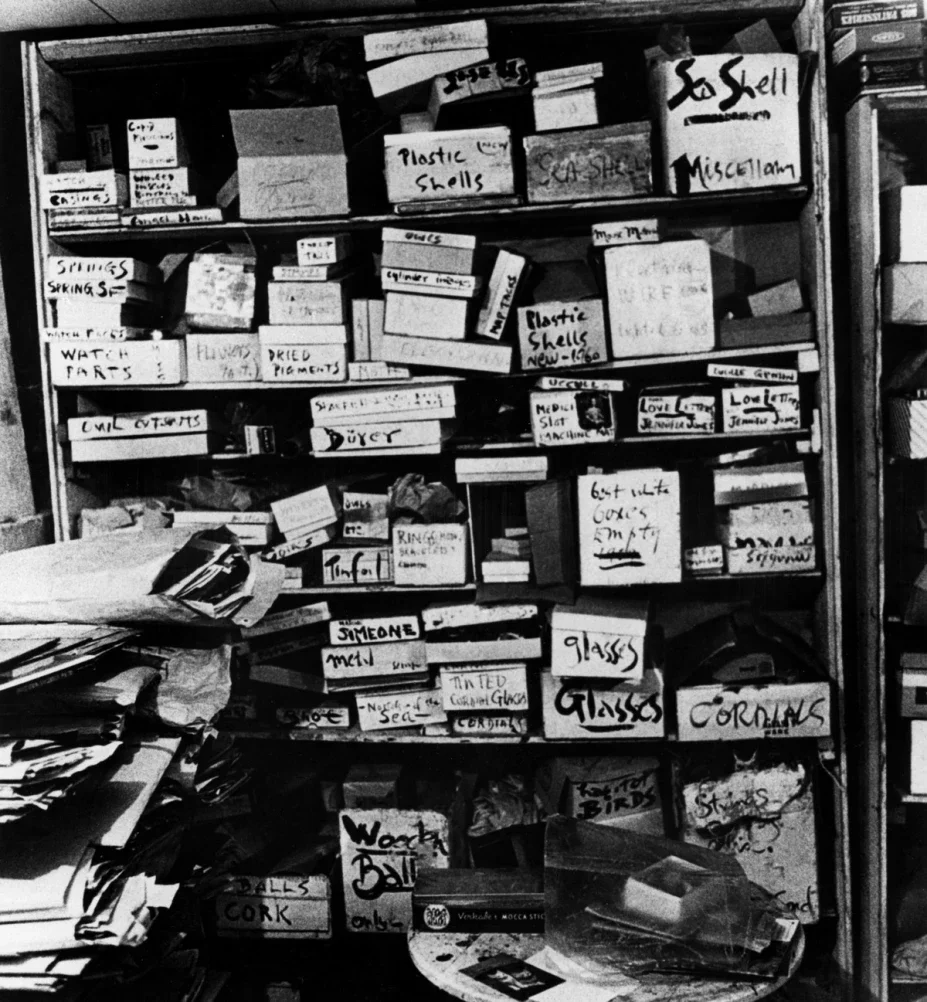
Figure 15. Files and folders in Joseph Cornell’s studio
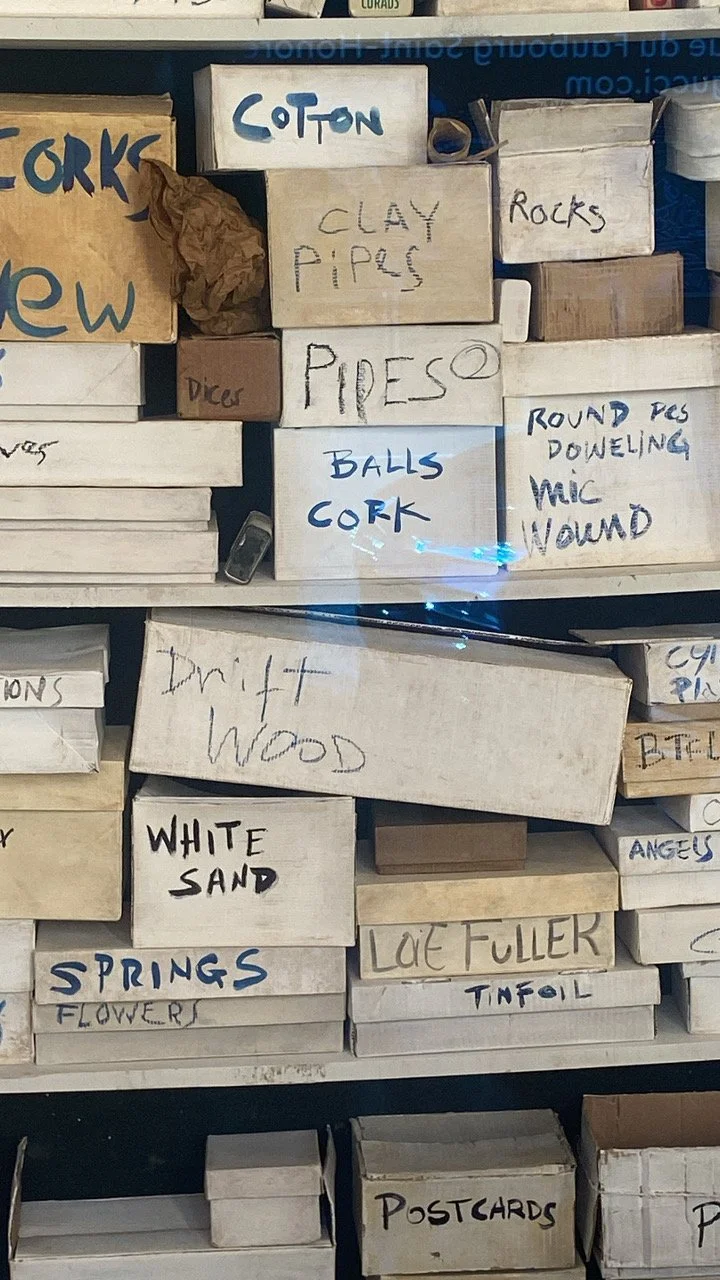
Figure 16. Labeled boxes recreated, Gagosian Gallery, Paris
His favorite subject was women. He had “folders crammed with cuttings and photographs of the ballerinas, opera singers and actresses” he adored. More voyeur than Peeping Tom, “his diaries are filled with accounts of the women and especially teenaged girls (teeners, he called them, or fées) who caught his eye in the city.” Cornell may have yearned for intimacy but his shyness coupled with his mother’s possessiveness and her attitude toward sex, (she told him that sex was repulsive) conspired to keep his relationships with women mostly in his head. Those unrequited relationships are like the parasocial ones available to all of us now, thanks to the internet. Like Cornell’s fantasies, parasocial relationships are one-sided feelings of intimacy, friendship, and emotional attachment that people develop towards actors, singers, celebrities, influencers, even fictional characters, whose everyday activities are reported to us nonstop.
Cornell did have a relationship with one real woman. Yayoi Kusama. They met in 1962 at an art dealer’s gallery She was 34, he was 59. The art dealer wanted to buy one of Cornell’s boxes. Cornell was funny about his boxes. He sometimes gave them away, but he didn’t like to sell them. The art dealer thought that if he invited Cornell to his gallery and invited Kusama, too, the older artist who he knew had a thing for women, especially young women, would be so charmed by the beautiful young Japanese artist, that he would sell the dealer one of his boxes. I don’t know if the dealer got a box but it was the beginning of a long relationship. When Kusama visited Cornell, they would sit in the back garden, sometimes sketching each other, sometimes kissing each other. (Fig 17) Cornell’s mother, who according to Kusama used to tell her son that “women are a disease,” once threw a bucket of water over them as they kissed. Like someone throwing water on mating dogs. No wonder Cornell had intimacy issues.
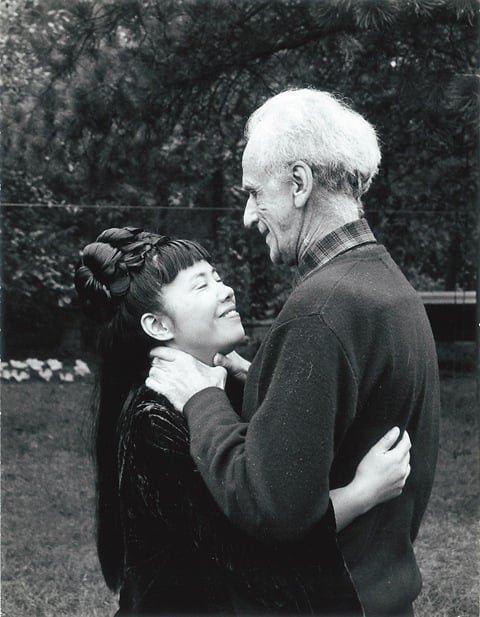
Figure 17. Joseph Cornell and Yayoi Kusama in the garden of his home on Utopia Parkway
As one critic notes, Kusama eventually withdrew from the relationship, “exhausted by the claustrophobic intensity of Cornell’s claims on her attention; the phone monologues that could go on for hours; the dozens of love notes that appeared in her mailbox daily.” They stayed in touch and Yayoi continued to visit him, although much less frequently. Cornell wanted to make a final ‘Yayoi’ box before he died. He asked her to send photos that he could use. Alas, as Kusama regretfully noted, she “failed to do it in time, and Joseph was still waiting for them when he died.”
Although they differed considerably in the way they expressed themselves in their work, the couple shared an overwhelming sense of isolation and loneliness and a preoccupation with imprisonment and escape. He sought solace inside his boxes, she searched for escape through her happenings and multiples. (Fig 17a) As adverse as he was to selling his boxes, he was “one of Kusama’s most useful benefactors, giving her several of his boxes to sell in order to support herself.”
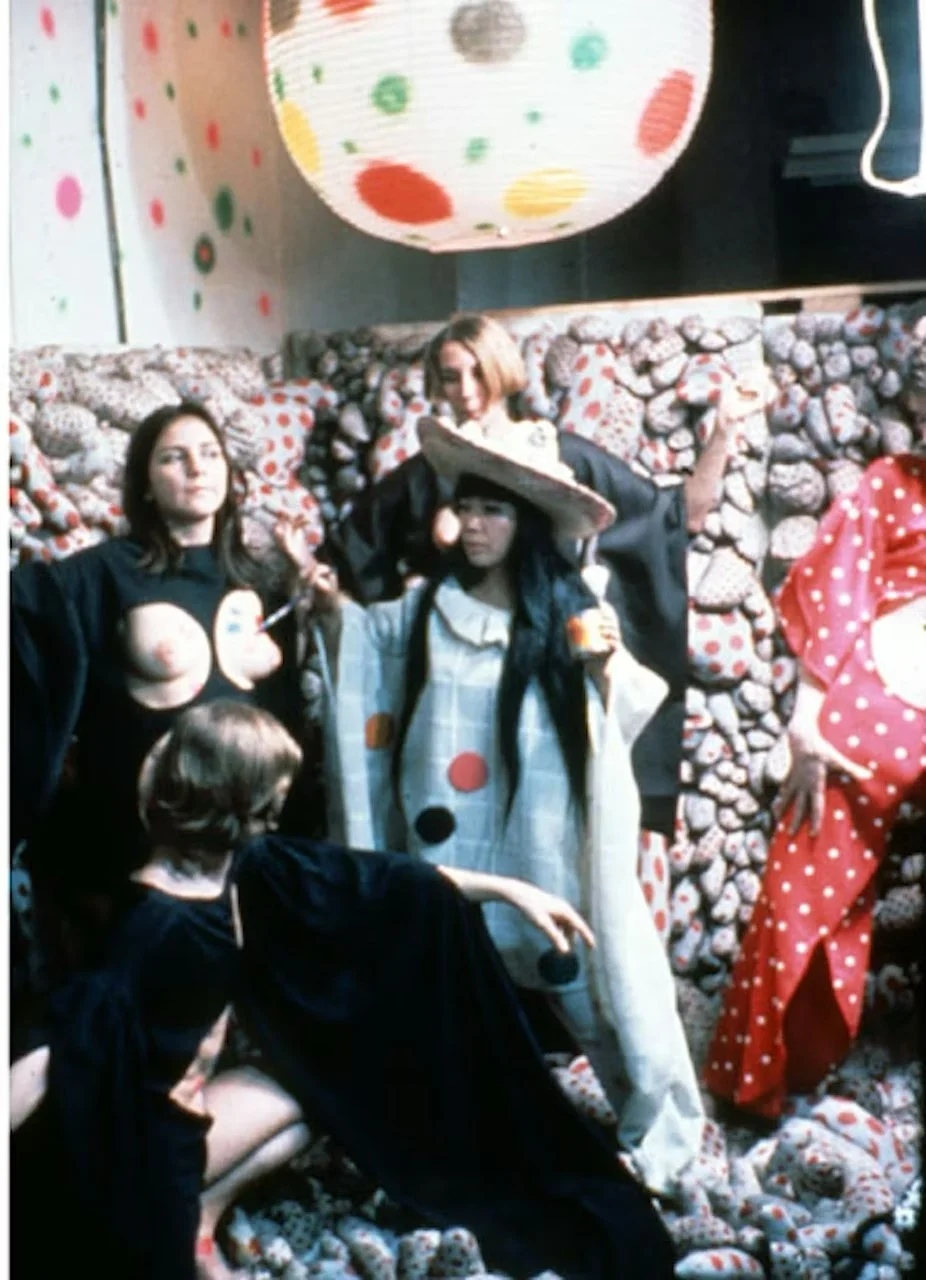
Figure 17a. Yayoi Kusama preparing for a Happening, New York, 1968 (François Halard, photo)
This exhibition is not about the specific boxes that Cornell created, although some of them are here (described below), it is rather the studio itself that filmmaker Wes Anderson and Gagosian curator, Jasper Sharp set about creatively recreating in the windows of Gagasian Gallery. It’s part time-capsule, part life-size shadow box. (See Figs. 5, 6, 15, 16, 18, 19. 20)
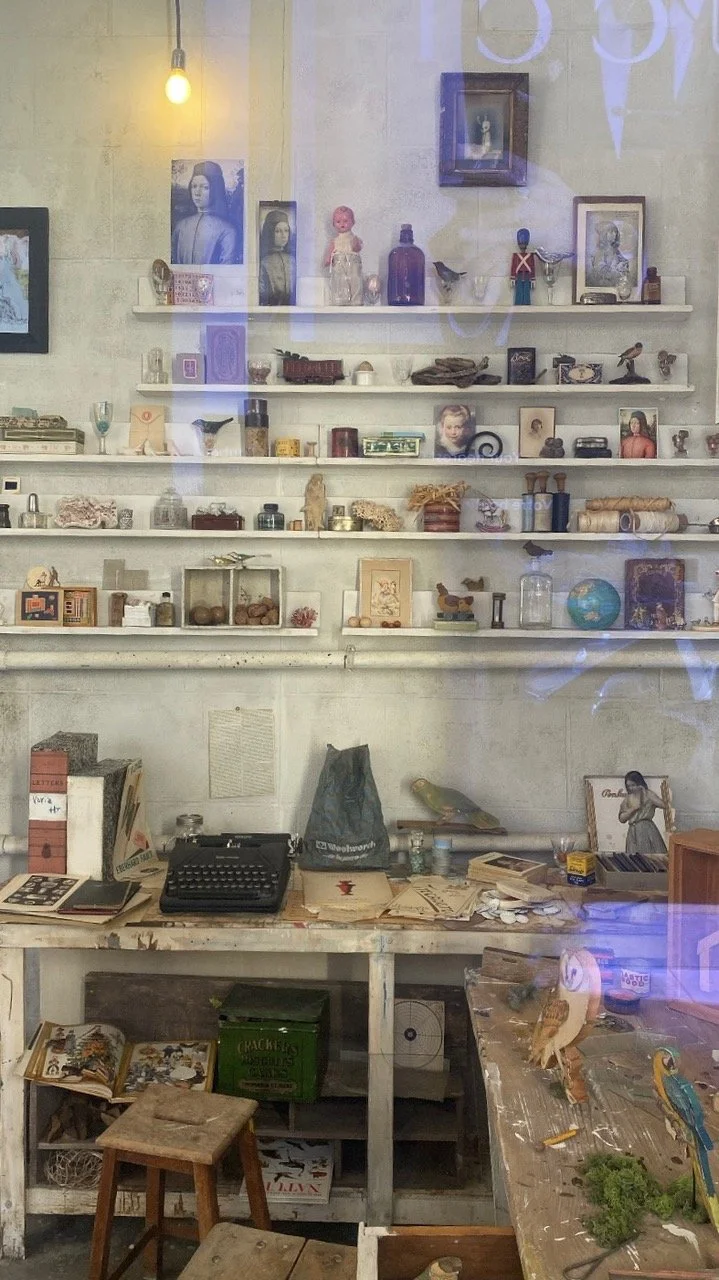
Figure 18. Joseph Cornell’s studio, shelf above and his typewriter below
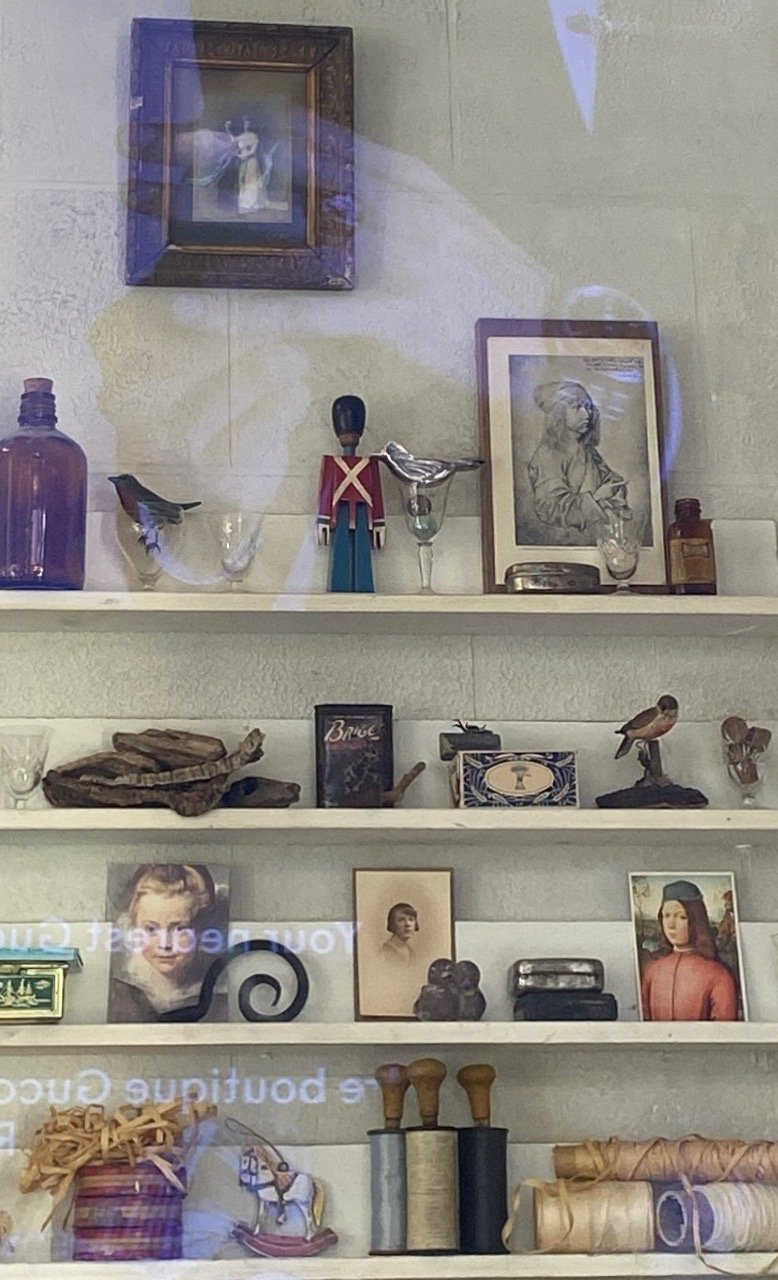
Figure 19. Detail of above, Figure 18

Figure 20. Juxtaposition of Cornell’s boxes and boxes created for Gagosian Gallery exhibition, 2025-2026
Why recreate Cornell’s studio in Paris if Cornell never ventured beyond New York City’s five boroughs? Turns out, Cornell dreamt of Paris all his life. He collected postcards and guidebooks, he studied maps, he knew the location of major monuments. Cornell had long conversations about Paris with the French American artist, Marcel Duchamp. During their first conversation, they had been talking about Paris for more than 1/2 hour before Cornell said that he would “love to go to Paris one day”. Duchamp was astonished that someone could have a photographic memory of a place he had never been.
And why Wes Anderson? According to Bruce Handy (New Yorker, 12/25) “Knowing that Anderson has an affinity for Cornell, (the poster for the film, the Grand Budapest Hotel is an homage to Cornell’s box, Untitled [Pink Palace]), (Figs 21, 22) Sharp suggested that he be asked to collaborate on the show. Anderson’s participation was another reason to have the show in Paris, Anderson lives in Paris. Cornell and Anderson share a meticulous attention to detail, which was demonstrated over and over again at the Anderson exhibition Nicolas and I saw last year at the Cinémethèque Française.
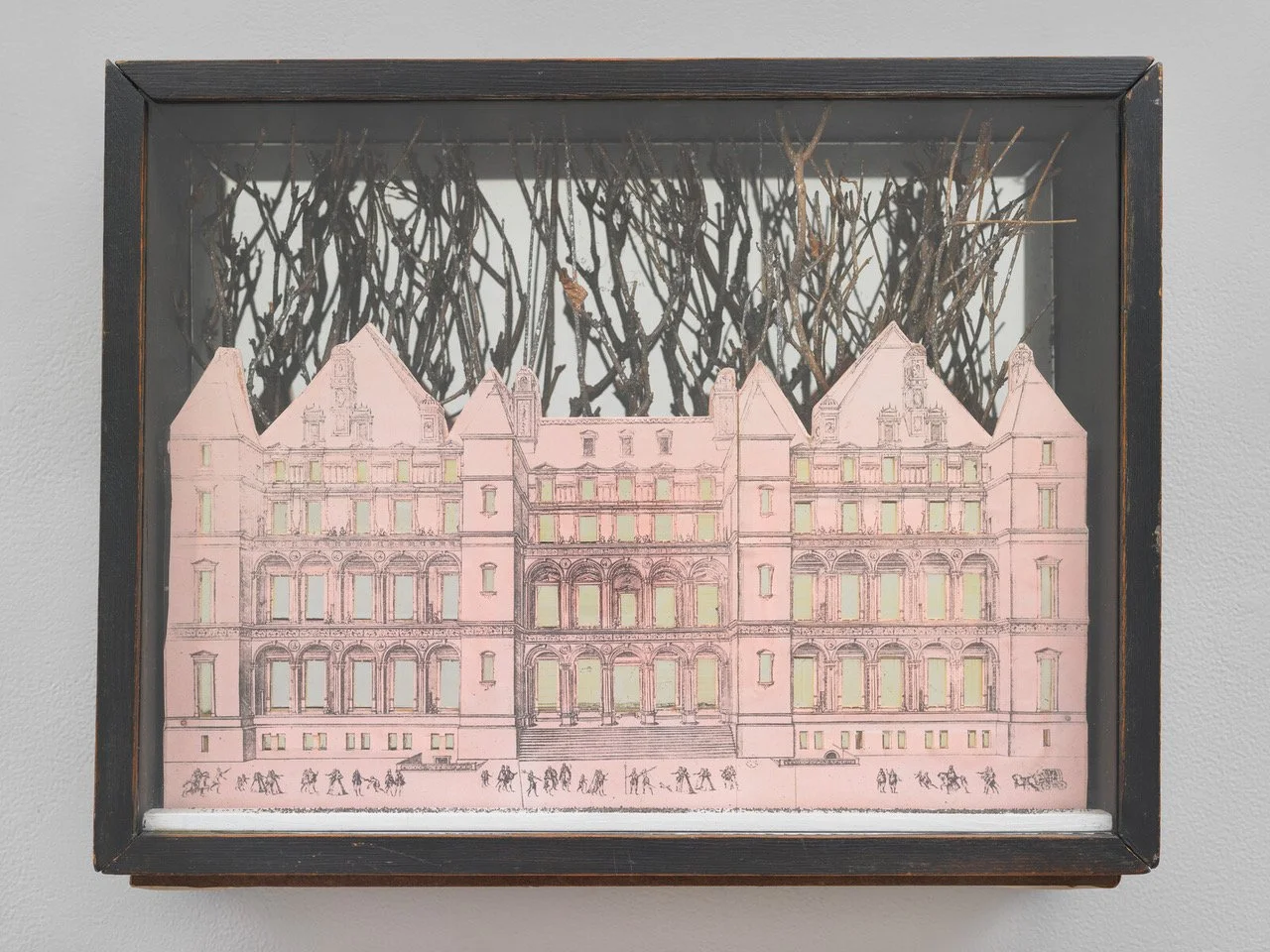
Figure 21. Rose Castle, Joseph Cornell, 1945
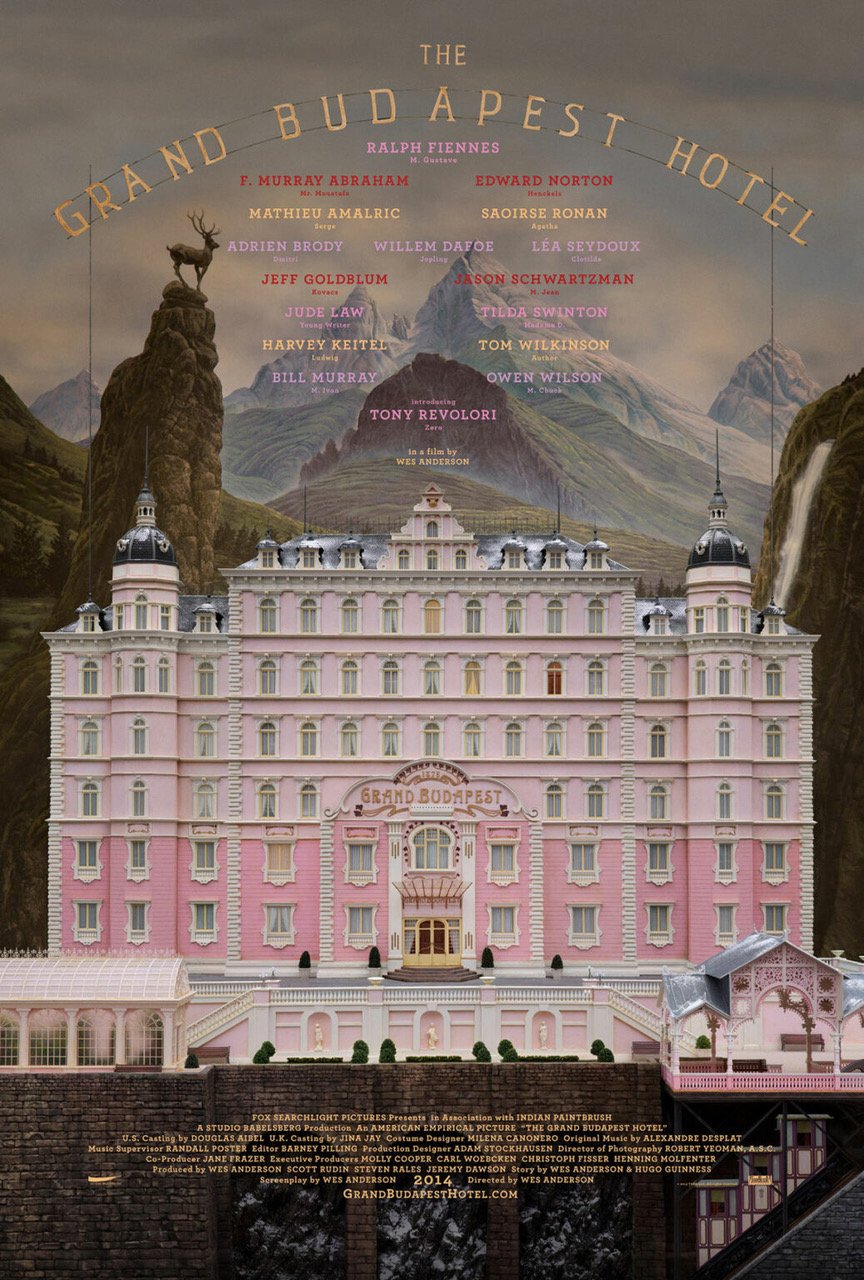
Figure 22. The Grand Budapest Hotel, Wes Anderson, poster
Sharp explained that he and Anderson turned the Gallery’s “shallow first-floor space into a ‘ginormous Cornell box.” To recreate the studio, Anderson and Sharp, working with exhibition designer Cécile Degos, used visitors’ descriptions and historical photos to rebuild sections of the workshop. For the contents of the workshop, which had been scattered when Cornell died in 1972, they relied on the same first hand accounts and historic photographs. Of the thousands of objects on display in the Gagosian windows, about 300 belonged to Cornell (including a View-Master and a Smith Corona typewriter). These were lent to the exhibition by the artist’s family and friends. Other things were painstakingly recreated by craftsmen and collaborators from Anderson’s films. For example, “the wonderful wall of whitewashed shoe boxes where Cornell kept all his seashells and driftwood and different things,” were recreated by two painters who work with Anderson. They spent weeks studying Cornell’s handwriting so they could write labels like he did on the ends of all the boxes that other craftsmen that Anderson knew, recreated. For objets, Sharp and Anderson went shopping. Like Cornell did, at flea markets, like he couldn’t do, on eBay and Etsy. Once their hauls had been assembled, another movie expert aged the objects they found.
“It’s not an archaeological excavation or one-to-one model of Cornell’s studio and it’s not Wes Anderson’s version of Cornell’s studio, either. Because all that survives from the actual studio is black and white photographs, Sharp and Anderson “thought it would just be beautiful to bring it to life—and in a city that he dreamt of his whole life …”
Here, from the gallery notes, are descriptions of 3 of the 12 shadow boxes on display in Cornell’s reconstructed studio at Gagosian Gallery on rue du Castiglione.
Pharmacy (1943), (Fig 23) a work once owned by Teeny Duchamp, Marcel’s second wife, reimagines an antique apothecary cabinet. The glass bottles that line its mirrored shelves are filled with clippings from printed engravings and maps, sand, a feather, a paper butterfly wing, driftwood, sawdust, and other “medicines” for the soul and the imagination. Recalling the Enlightenment urge to order the world, the work employs found objects and unexpected juxtapositions to evoke a sense of quiet, strange wonder.
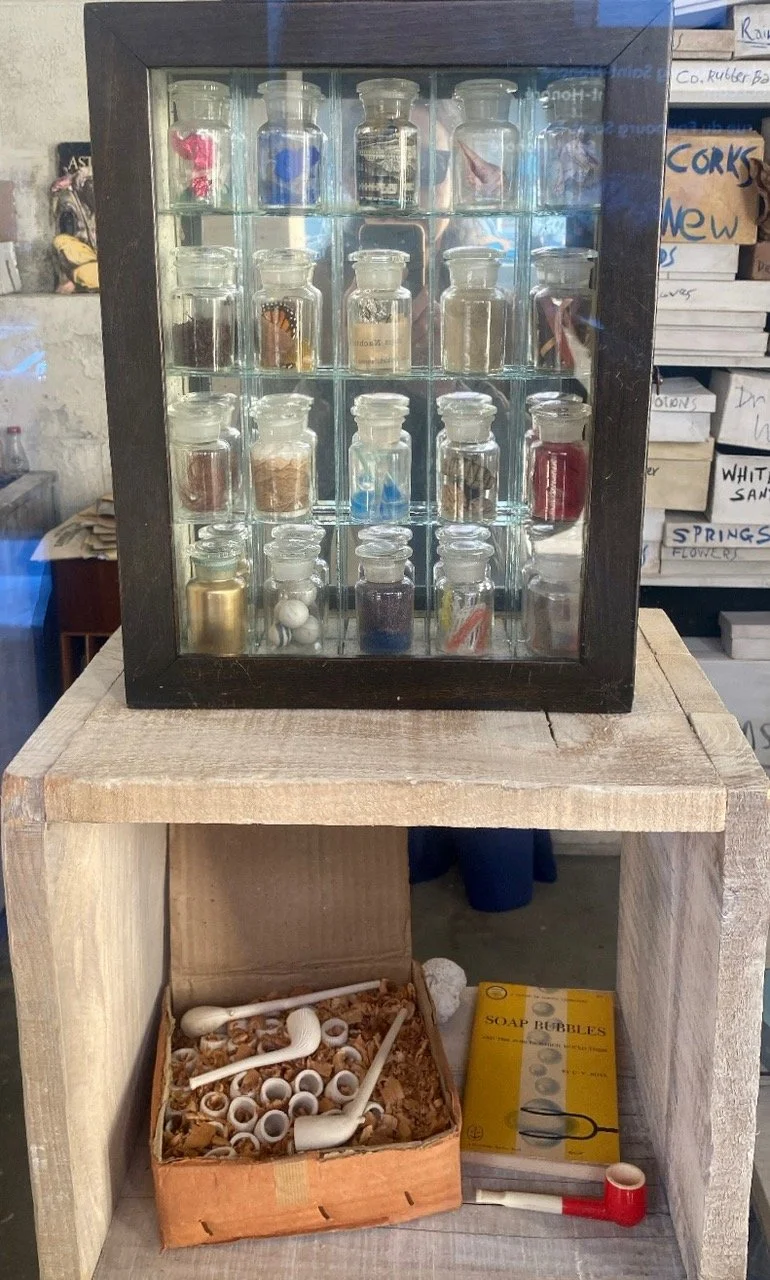
Figure 23. Pharmacy, Joseph Cornell, 1943
Untitled (Medici Series, Pinturicchio Boy) (c. 1950) frames multiple reproductions of Bernardino Pinturicchio’s Portrait of a Boy (Figs 24, 25) (c. 1480–82) behind amber-tinted glass, contrasting them with guidebook maps of Italian streets and wooden toys. Like Untitled (Caravaggio Boy) (1955), it belongs to an iconic series that Cornell dedicated to the Medici family, (Figs 26, 27) of Florence, whose influence on the city lasted from the 13th to the 17th century. These works bring together many of the artist’s most enduring obsessions—from time, longing, and travel to childhood and innocence.
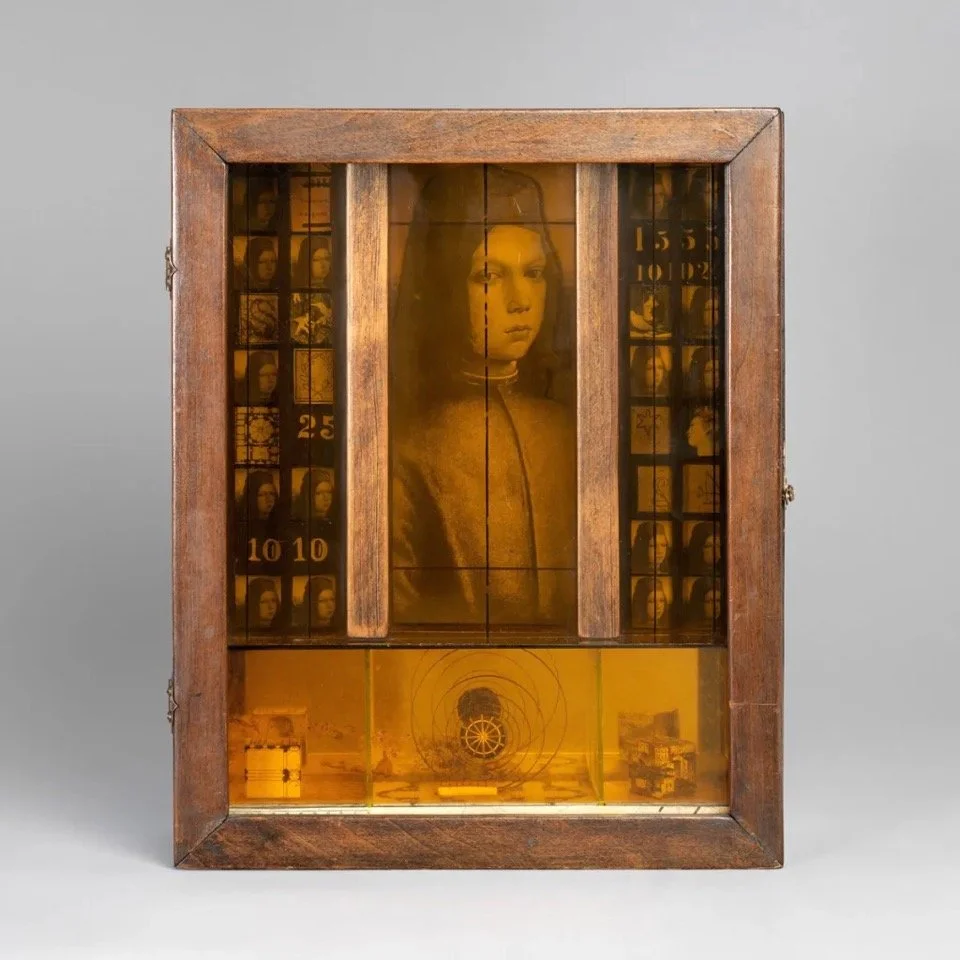
Figure 24. Untitled (Medici Series, Pinturicchio Boy) Joseph Cornell, c 1950

Figure 25. Portrait of a Boy, Pinturicchio, 1480
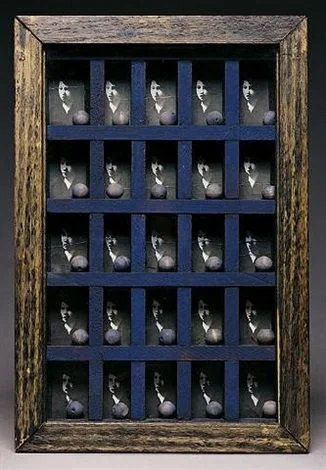
Figure 26. Untitled (Caravaggio Boy), Joseph Cornell, 1952
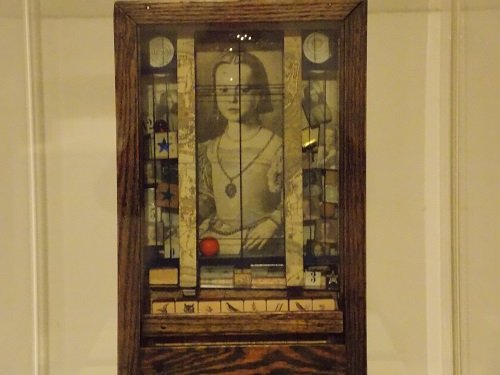
Figure 27. Medici Slot Machine, Joseph Cornell
A Dressing Room for Gille (1939) pays homage to Jean-Antoine Watteau’s painting Pierrot (1718–19), also known as Gilles. (Figs 28, 29) (It’s at the Louvre and has recently been restored) An iconic character from the commedia dell’arte—specifically from the troupe of Italian players, the Comédie-Italienne, that arrived in Paris during the late 17th century. Pierrot represents melancholy, longing and pathos, as well as romantic, naïve youth. Cornell’s appropriation of Watteau’s depiction—an awkward figure dressed in white from head to toe, with a vacant expression that, somehow, also borders on hopeful—is often understood as a surrogate self-portrait. Cornell cut his paper body into three sections and connected them with cloth ribbons, thereby turning his Pierrot into a sort of puppet; forever suspended within his shallow chamber, Pierrot moves at the discretion of those outside his world—an endless performance that is perpetuated in the mirrors Cornell attached to the walls around him. If you’re here in Paris, stop for a moment as you walk by - anytime before March 14. And enjoy the decorative tiles along rue du Castiglione as you go (Figs 30, 31) Gros bisous, Dr. B.
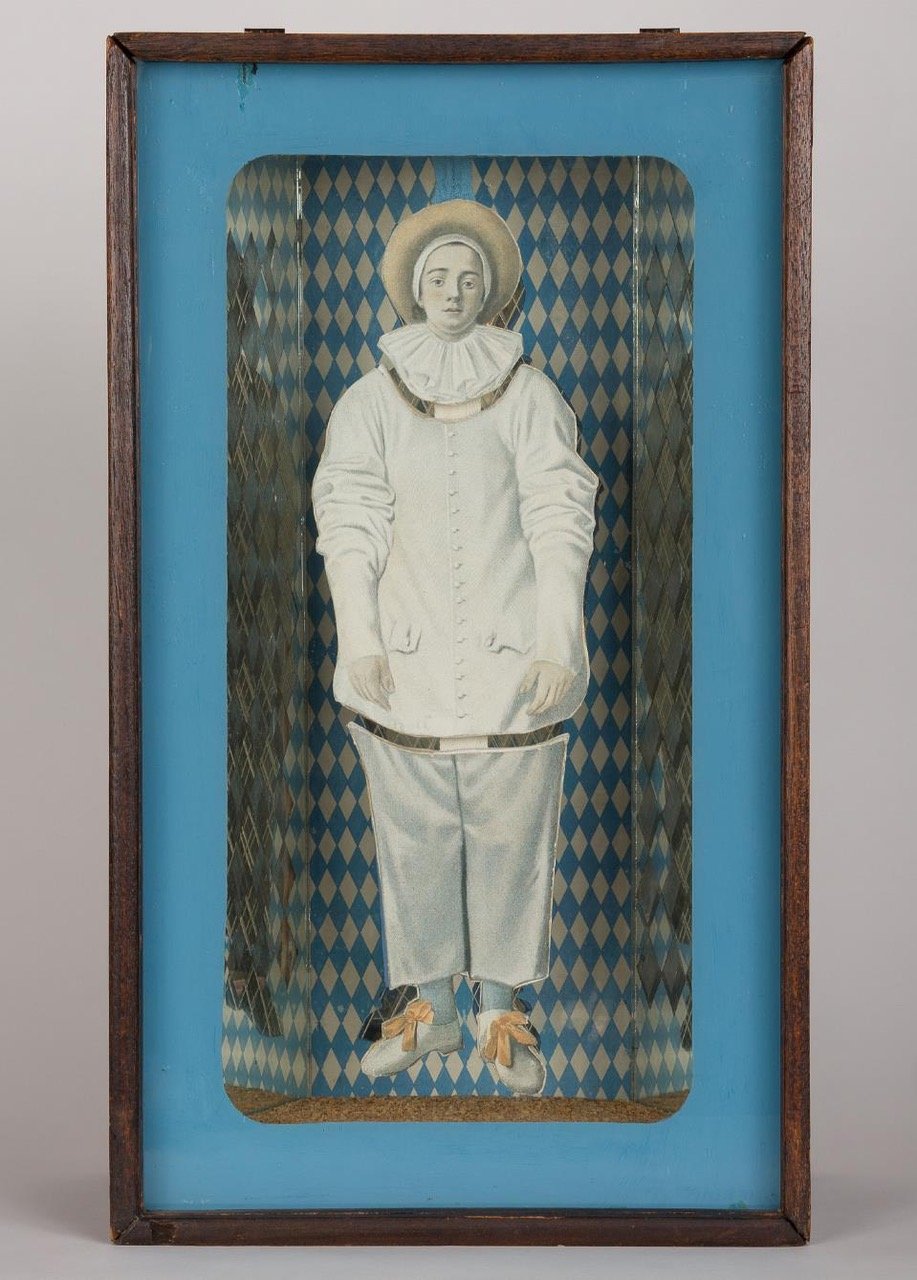
Figure 28. A Dressing Room for Gilles, Joseph Cornell, 1939

Figure 29. Pierrot, Antoine Watteau
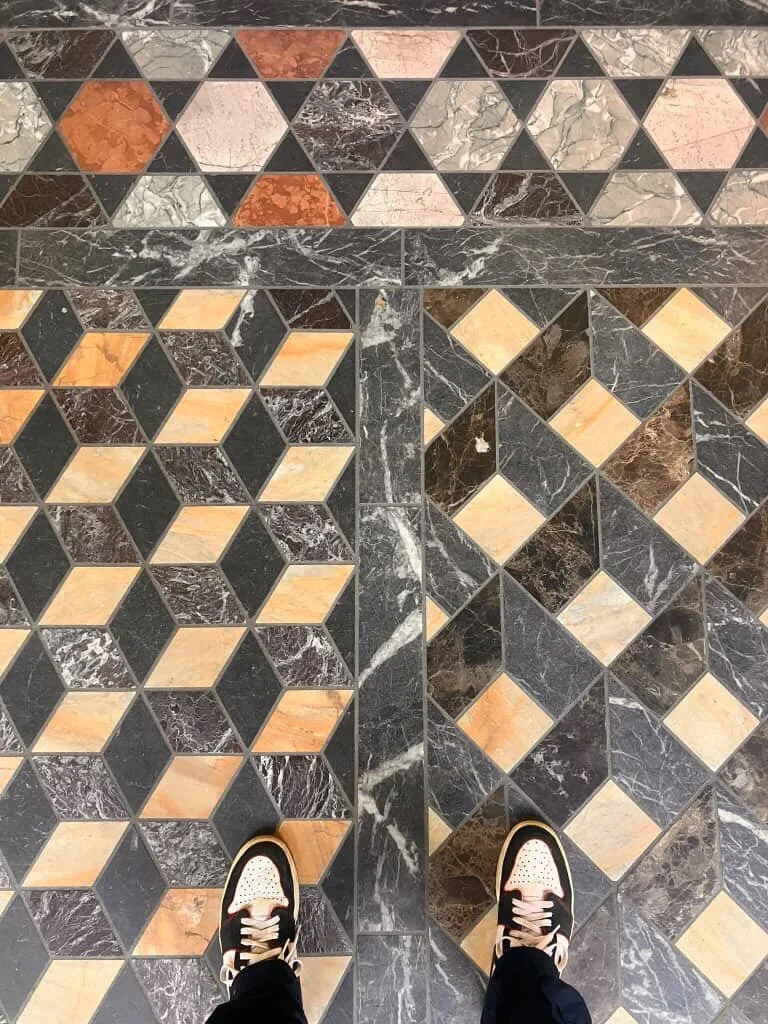
Figure 30: Tile Patterns as you walk along rue du Castiglione (shoes & photo, N. Held)
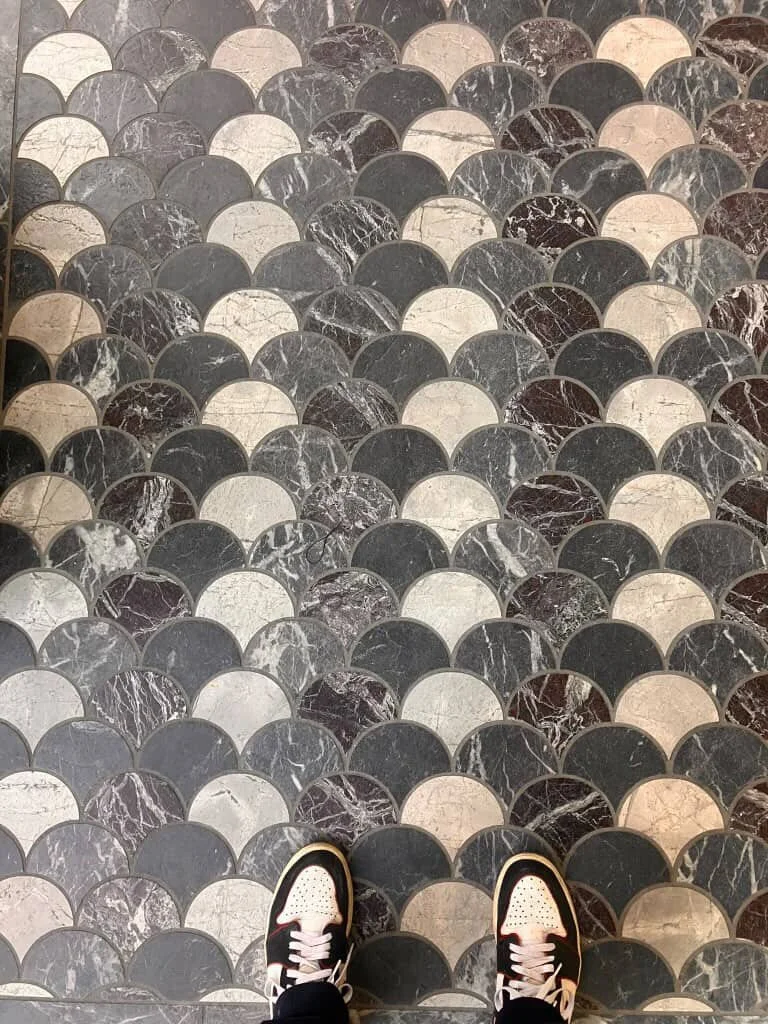
Figure 31: Tile Patterns as you walk along rue du Castiglione (shoes & photo, N. Held)