All department stores will become museums, and all museums will become department stores. (Andy Warhol)
Fondation Cartier pour l’art contemporain Exposition Generale
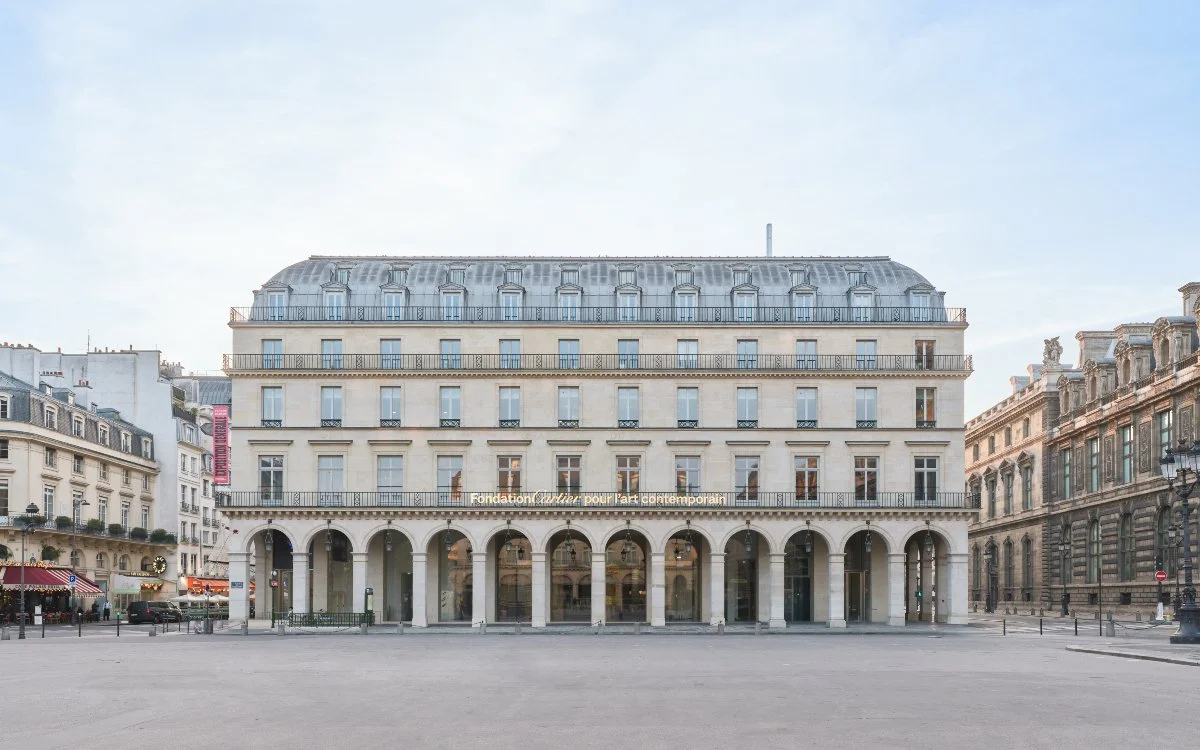
La Fondation Cartier pour l’art contemporain, 2 place du Palais-Royal, Paris. © Jean Nouvel / ADAGP, Paris, 2025. Photo © Martin Argyroglo
Bienvenue and welcome back to Musée Musings, your idiosyncratic guide to Paris and art. This week I want to tell you about a guided visit I enjoyed at the Fondation Cartier a new museum in the heart of Paris. I can’t say how many times I walked past it as renovations were underway. It’s virtually across the street from the Louvre. But unlike Thomas Jefferson, who watched the Hotel de Salm being built, I can’t say that I watched the Fondation Cartier going up because this wasn’t a new building but a building that has been around since 1855. All the action was on the inside, the exterior could not be altered.
Not counting MAM, the museum of modern and contemporary art on Avenue Woodrow Wilson which opened in 1961, the ‘landscape’ into which the Fondation Cartier has moved is populated by three similar institutions.
The Centre Pompidou which was designed by the Italian/English architect all-star team of Renzo Piano and Richard Rogers is about 20 minutes away on foot. That museum, whose collection of modern and contemporary art is the largest of its kind in Europe, opened in 1977. (It’s now closed for renovations until 2030). (Fig 1)
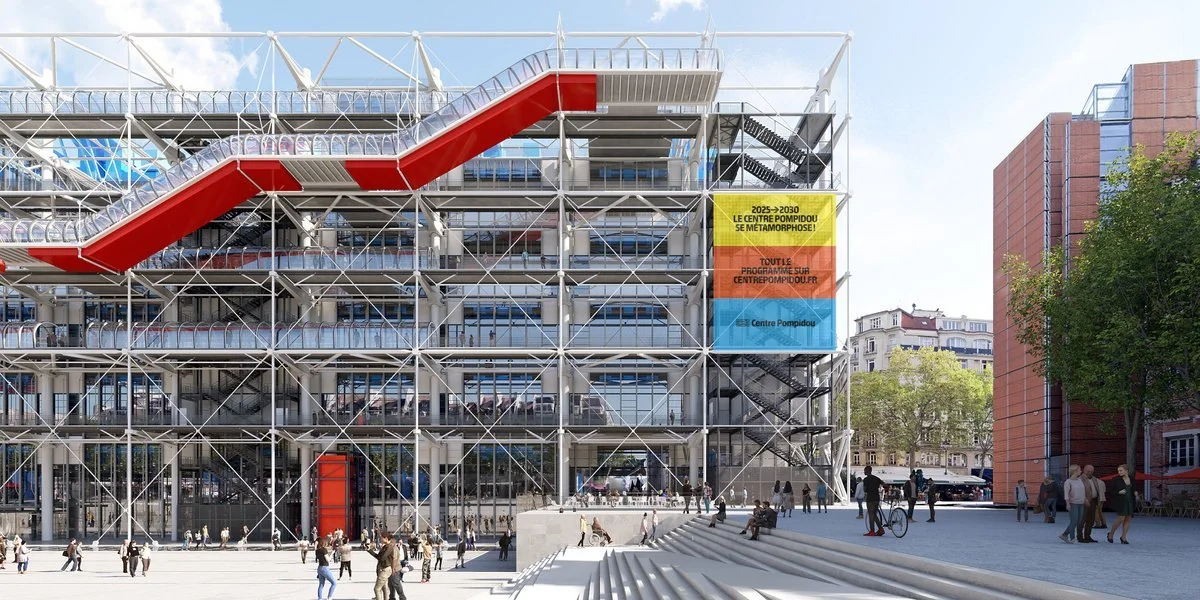
Figure 1. Centre Pompidou designed by Richard Rogers & Renzo Piano, opened 1977
The Fondation Louis Vuitton which was designed by the Canadian born American all-star architect, Frank Gehry sits in the Bois de Boulogne, contiguous to the Jardin d’Acclimation, it opened in 2014. (Fig 2)
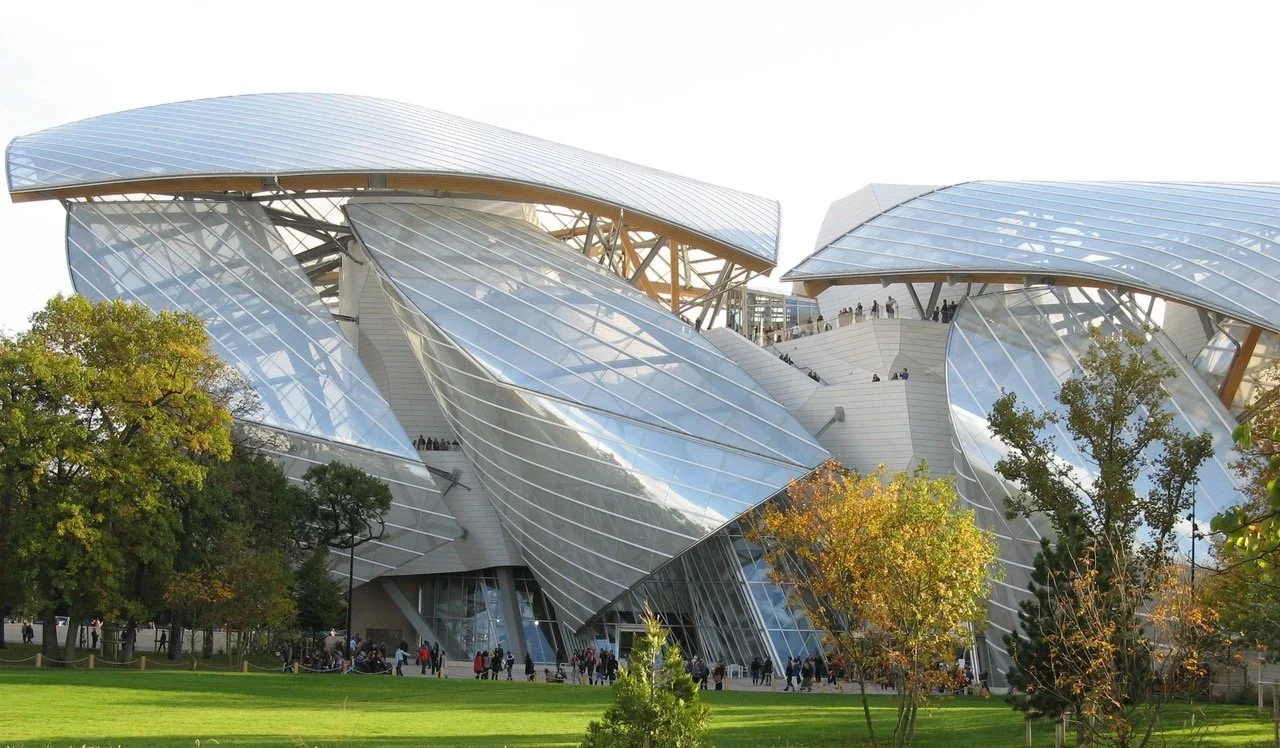
Figure 2. Fondation Louis Vuitton, designed by Frank Gehry, opened 2014
A ten minute walk from the Fondation Cartier is the Bourse de Commerce Pinault Collection, housed in an 18th century building which was once a commodity stock exchange. (Fig 3) François Pinault entrusted another all-star, the Japanese architect, Tadao Ando to transform that building into a museum. Ando had transformed the Palazzo Grassi and the Punta della Dogano (Customs Building) into museums in Venice for Pinault. Those two museums opened in 2006 and 2007 respectively. Pinault claims that it is easier to get stuff built in Venice than in Paris! The Bourse opened in 2021.
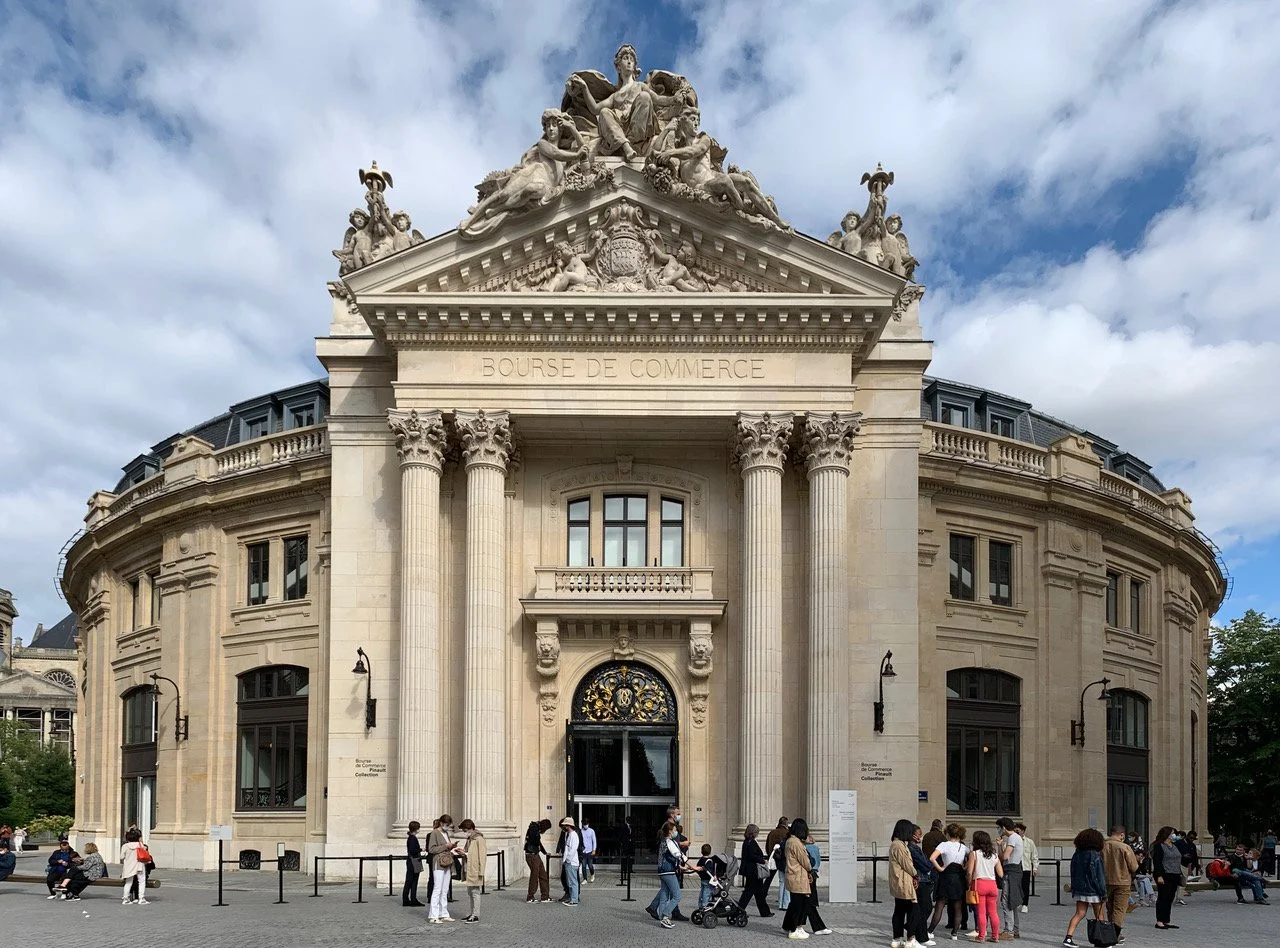
Figure 3. Bourse de Commerce Pinault Collection, renovated by Tadeo Ando, opened 2021
And now there is the Fondation Cartier, across the street from the Louvre and a quick walk from the Bourse. The architect called upon to create this museum was France’s own all-star, Jean Nouvel, with whom the Fondation had worked before.
The museums of today are like the cathedrals of the Middle Ages and Renaissance. (Figs 4, 5) They embody the hopes and aspirations of their time and place. And while it may not take decades or centuries to construct them, their expense usually means that once built, they are there for at least a generation or two. The ‘work-around,’ even of designs by the most forward thinking architects and patrons, has been almost continual renovation and expansion.

Figure 4. Santa Maria del Fiore, Florence, Italy, begun 1296, completed 1436
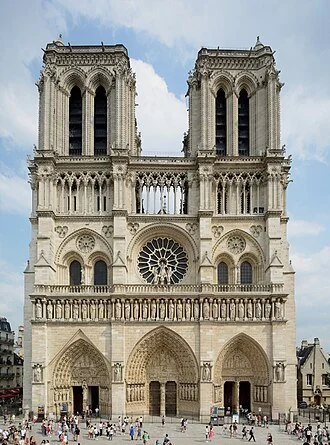
Figure 5. Notre Dame, begun 1163, completed 1345, ‘restoration’ including spire, 1844-64, fire 2019, reopened 2024
Of these four contemporary art museums, only the Pompidou and the Fondation Louis Vuitton are in buildings designed for the purposes they serve. The Pinault Collection and Fondation Cartier presented totally different challenges to their architects - to create museums out of buildings never intended to display contemporary art.
This Fondation Cartier may be the new guy on the block, but it has been around longer than the other two privately owned contemporary art museums. The building into which the collection has just moved is the third in which it has been housed. The first museum was in Jouy-en-Josas, southwest of Paris. It opened in 1984, just 7 years after the Pompidou. A decade later, in 1994, the Fondation Cartier moved to Paris, to Boulevard Raspail, where the American Center had been since 1934. When the American Center moved to a building they commissioned Frank Gehry to design (now the Cinémathèque Française), the Fondation Cartier took over the site. As the building had no historical significance, the Fondation’s architect Jean Nouvel designed a new building, a glass and steel structure with 1,200 square meters (13,000 sq ft) of exhibition space.(F. 6)
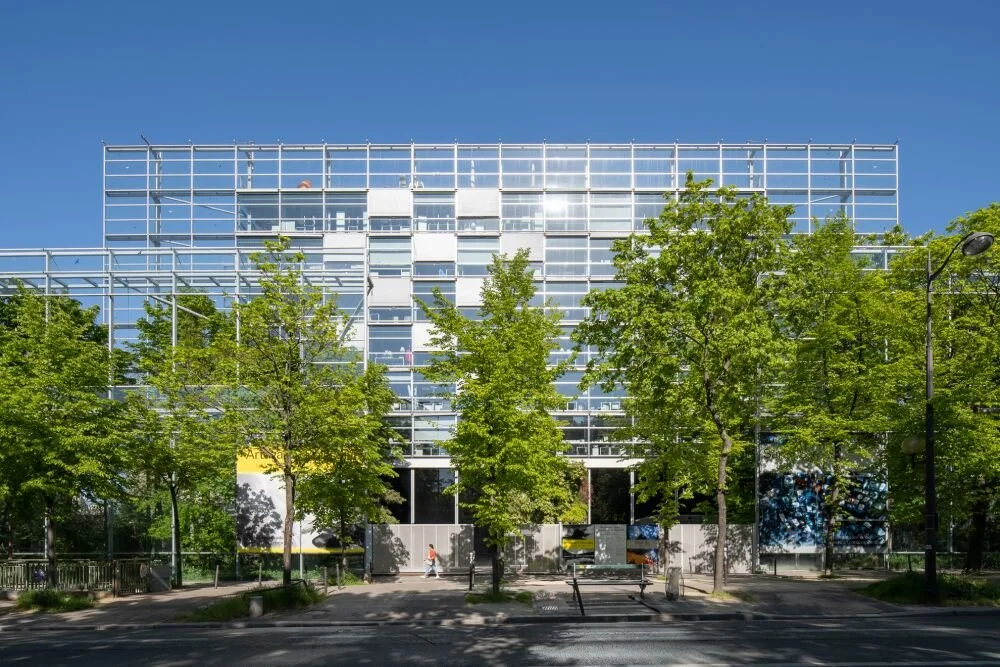
Figure 6. Fondation Cartier, designed by Jean Nouvel, opened 1994
I saw quite a few exhibitions there. One that I remember visiting would resonate within a few years. It was a model village created by a Japanese architect for people with dementia. The village was composed of houses whose layout people who no longer lived in the present would have known in their youth. Spaces that were familiar and comforting.
Another exhibition by Damien Hirst, Cherry Blossoms. Yards and yards of huge paintings thick in pigment, rich in color, (Fig 7) reminding us of David Hockney’s soothing phrase during the Covid lockdown, “Do remember they can’t cancel Spring.”
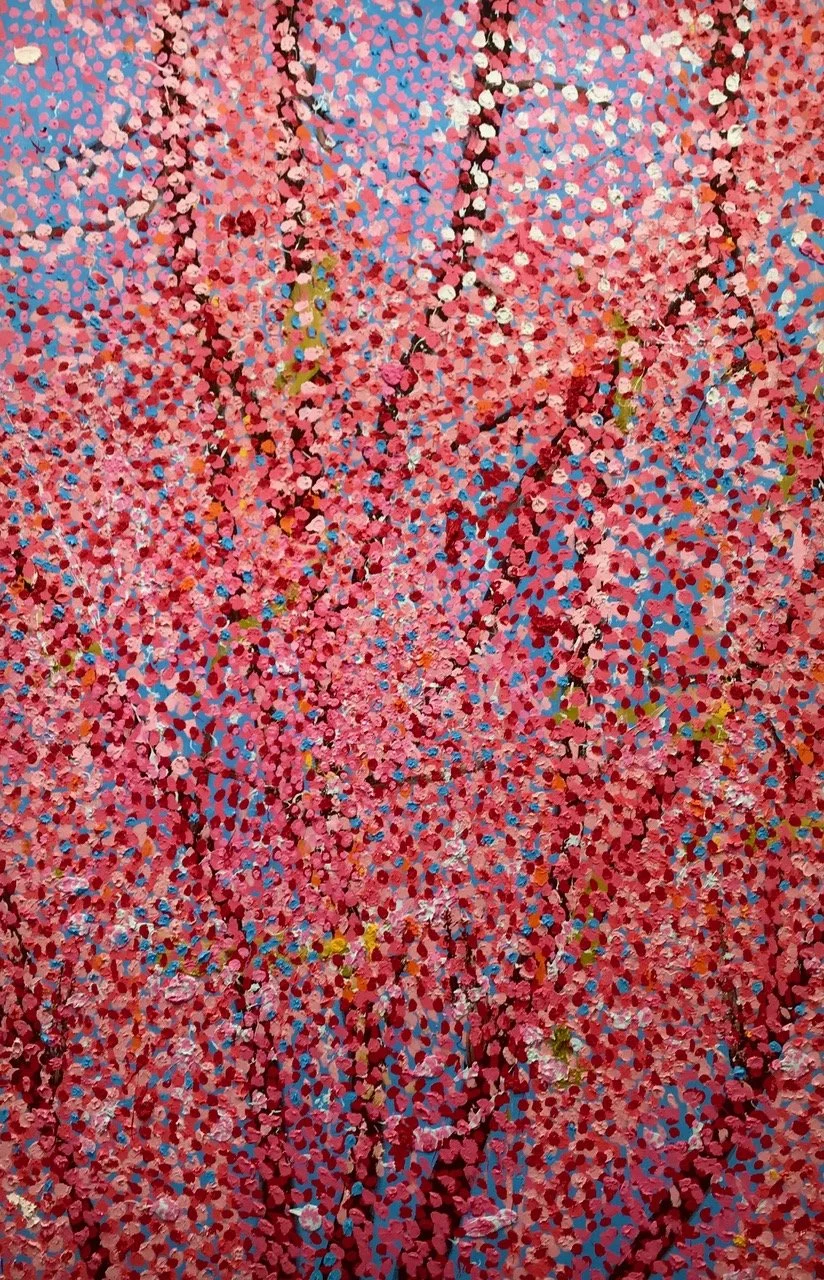
Figure 7. Cherry Blossoms, Damien Hirst, Fondation Cartier exhibition, 2021
Another exhibition was by the Australian sculptor Ron Mueck. Mostly of pieces that made museum goers feel like Lilliputians in the land of the Brobdingnagians. (Fig 8)
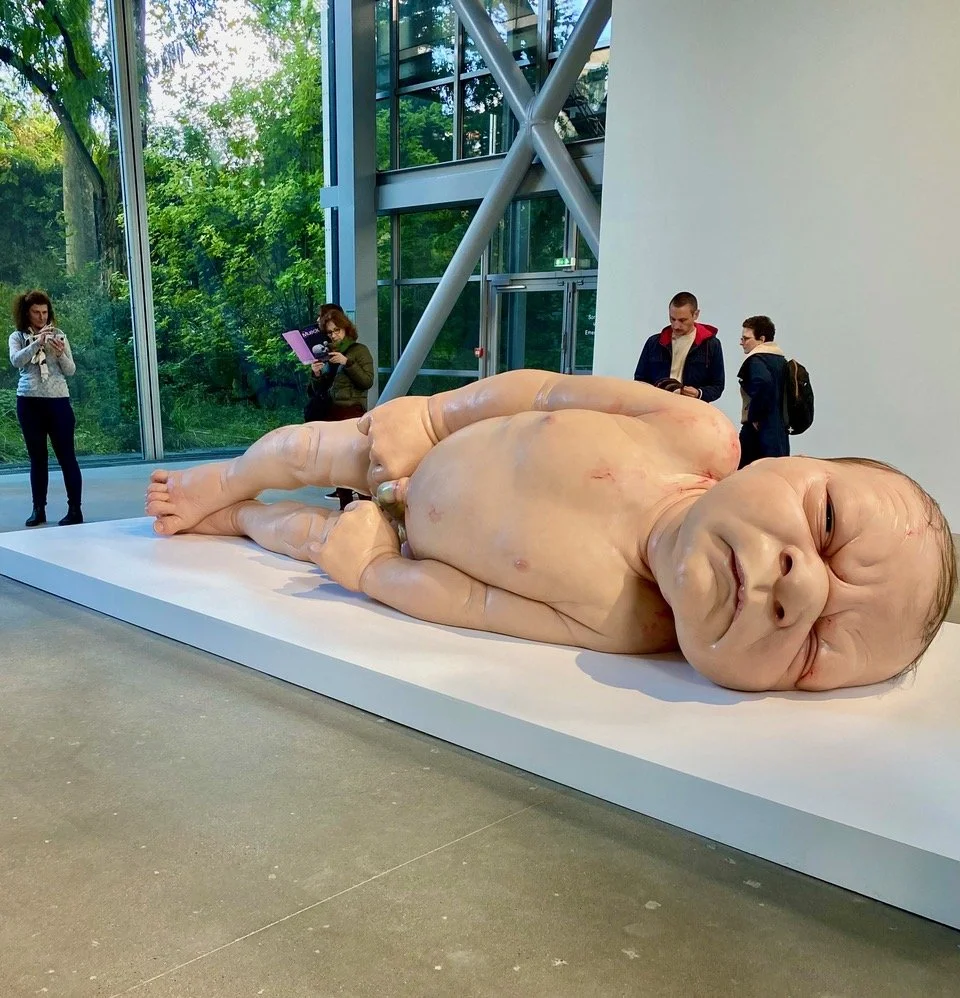
Figure 8. Ron Mueck, Fondation Cartier exhibition, 2023
The building into which the Fondation Cartier moved last October started out as the Grand Hôtel du Louvre, which opened 170 years ago, in 1855. It was built in anticipation of the well-heeled crowds that were expected to descend upon Paris for the 1855 Exposition Universale. The hotel was on the upper floors. On the street level was a department store, the Grands Magasins du Louvre. It was the second department store to open in Paris, the first, and still going strong, was Le Bon Marché. When the Grand Hôtel closed in 1887, the Grands Magasins du Louvre took over the entire building. The rags to riches story of its original owners is well worth telling, but I’ll save that for another time. The department store remained in operation until 1974. (Figs 9, 10)
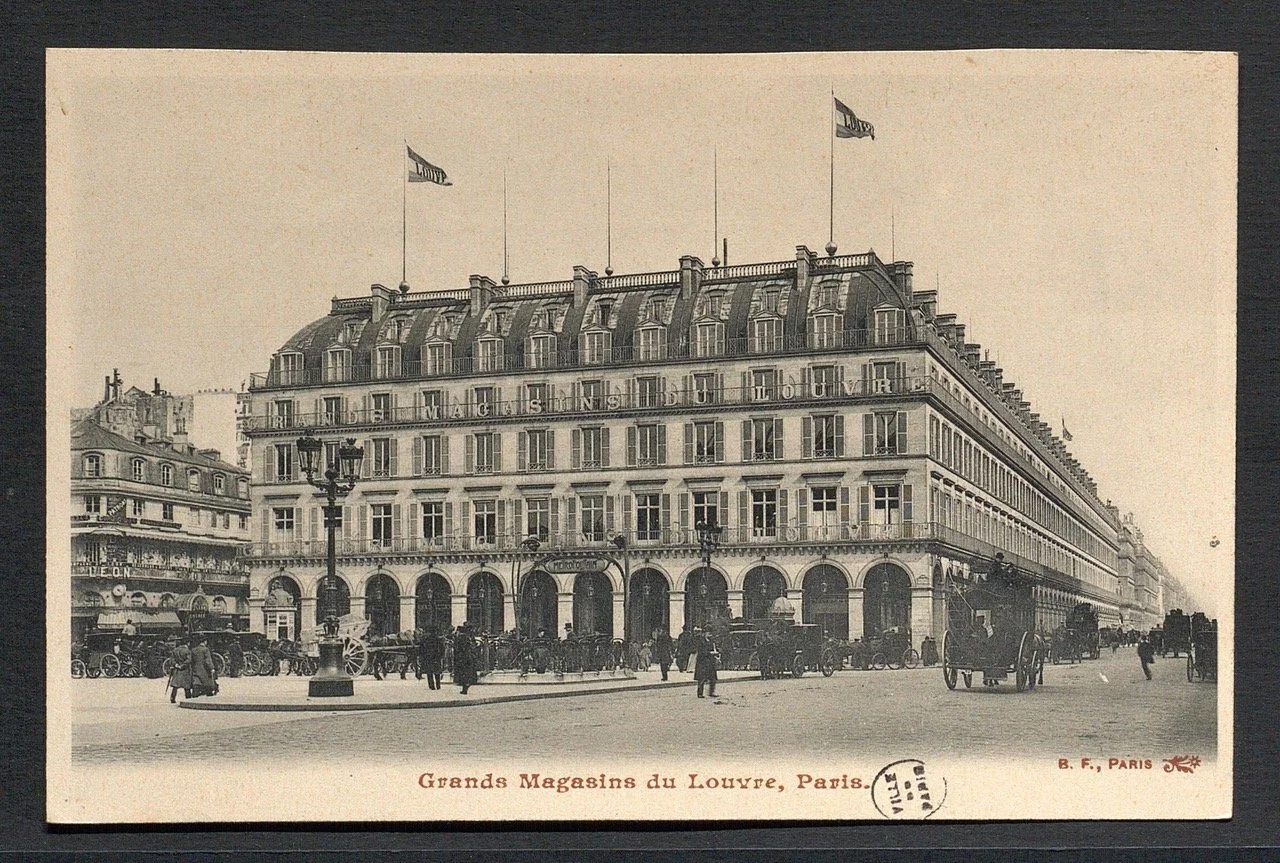
Figure 9. Grand Magasins du Louvre, exterior
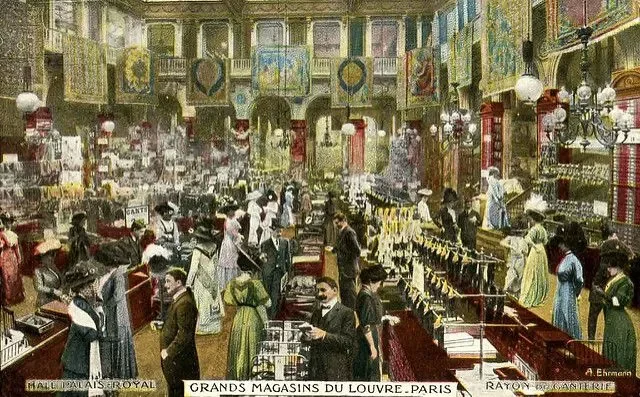
Figure 10. Grand Magasins du Louvre, interior
There were several exhibitions about department stores in 2024. The ones at the Musée des Arts Decoratifs and the Cité de l’architecture et du Patrimoine were exhaustive and exhausting. The one at the Musée des Beaux-Arts in Caen, Le Spectacle de la Marchandise (The Spectacle of Merchandise) was more focused. It recalled a time when department stores were showcases of modernity and advertising became a science. There were paintings, drawings, engravings and photographs of store and window displays; of people working and people shopping in department stores. (Figs 11-14) It marked the beginning of something with which we are all familiar now - commerce creating spectacles to attract customers, to sell merchandise. The frenzied appetite for acquiring stuff continues unabated, even if we’re mostly buying online now.
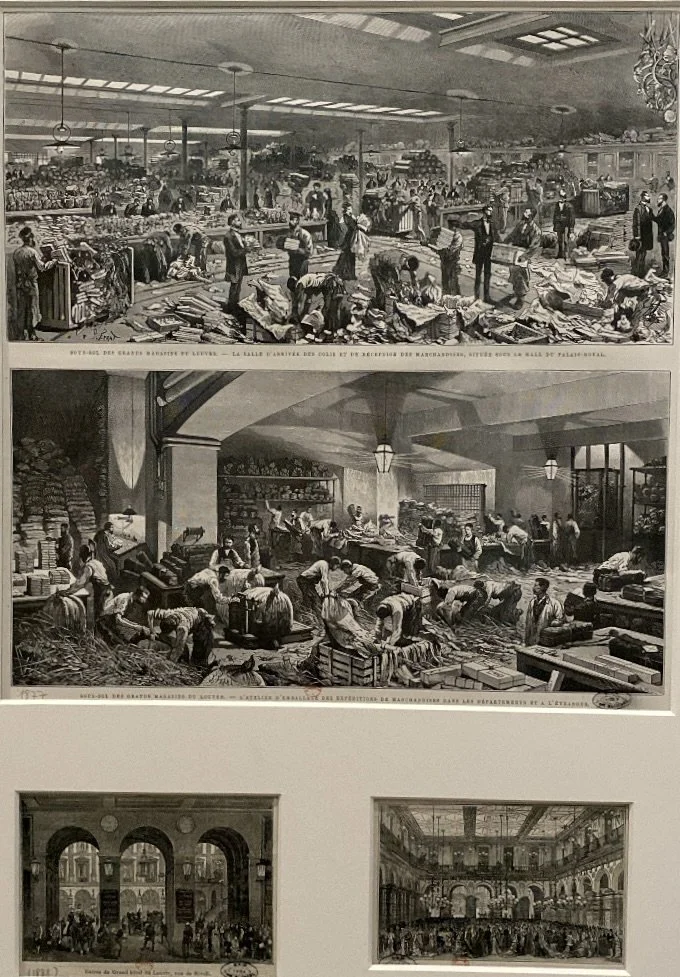
Figure 11. Workers sous sol at Grands Magasins du Louvre, Jules Feret, 1877
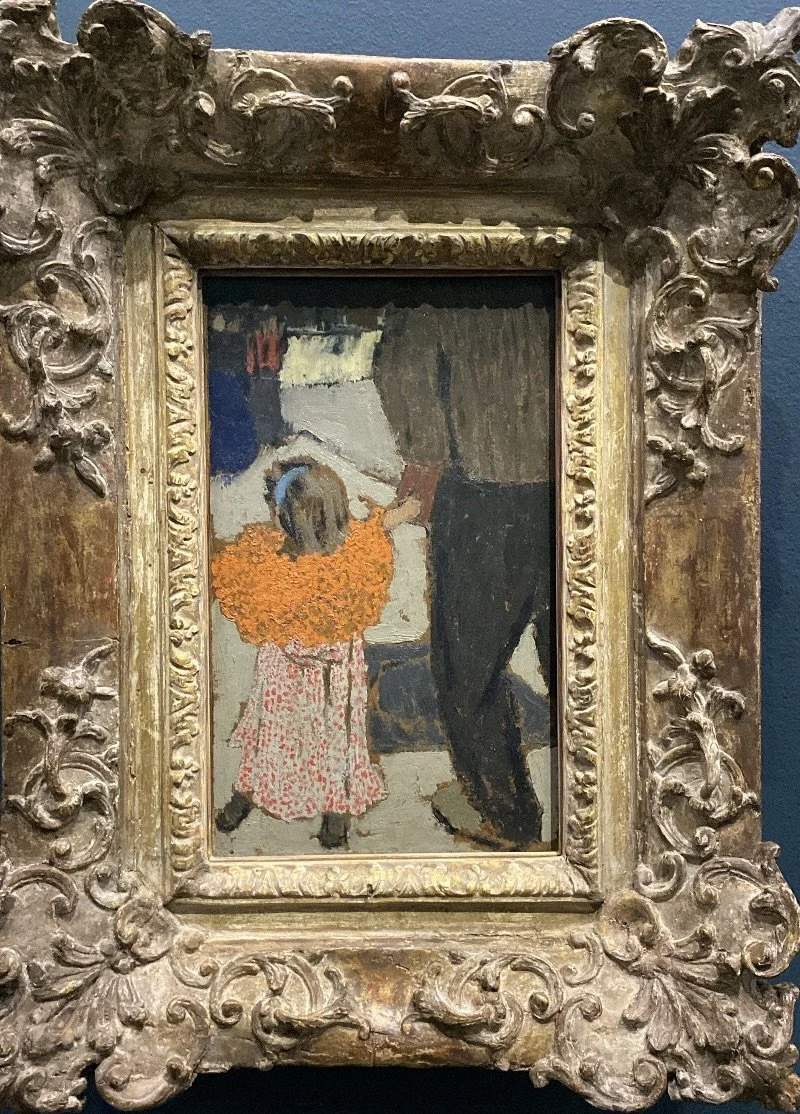
Figure 12. Advertising at child’s height, Edouard Vuillard
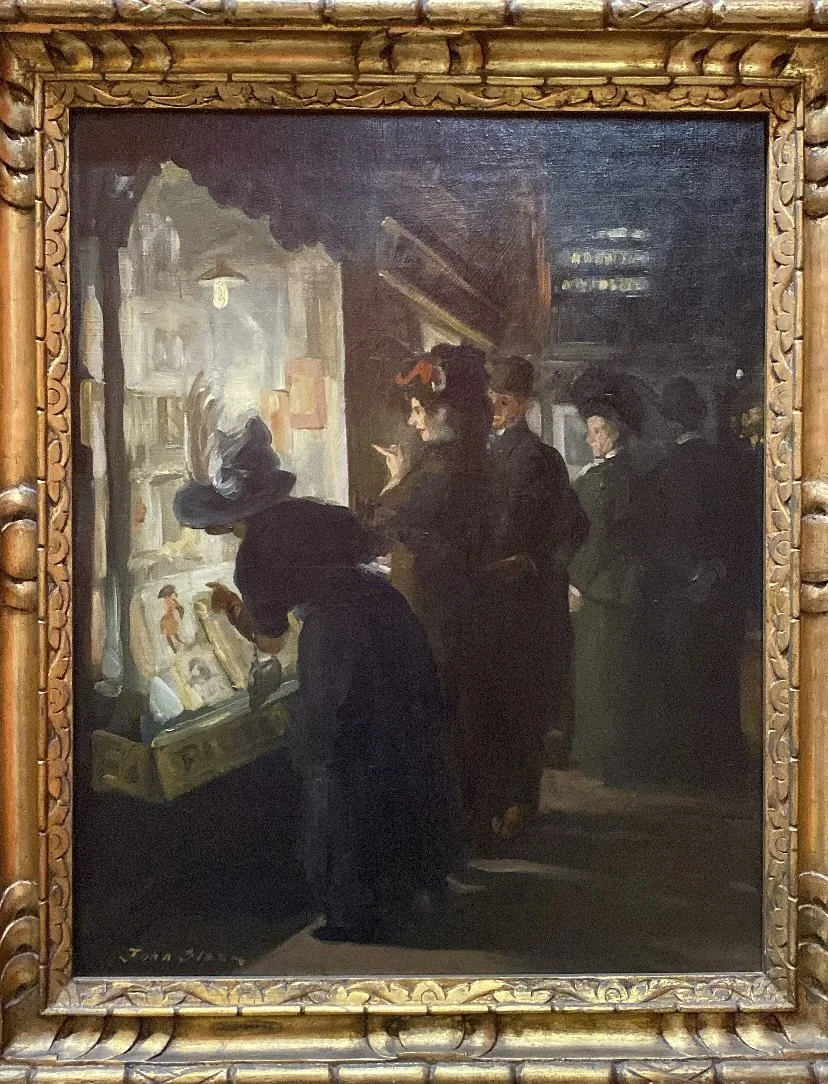
Figure 13. Lèche-vitrines (window shopping) at night, John Sloan
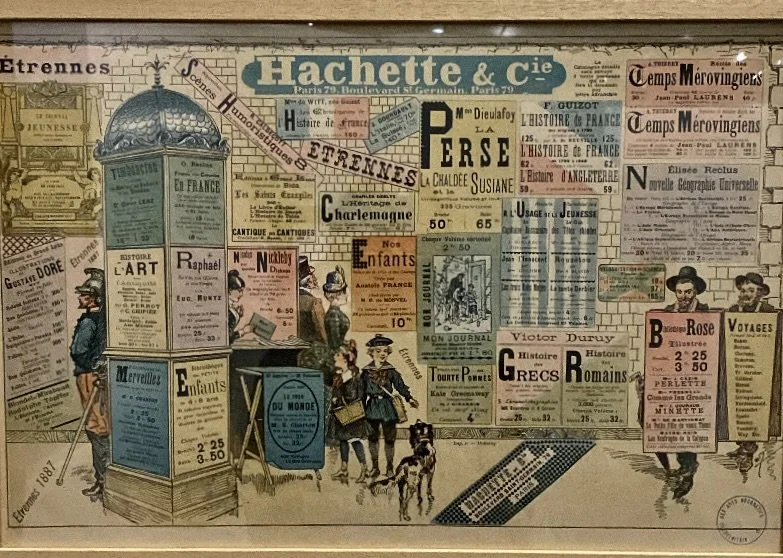
Figure 14. Advertisements everywhere
A few years after the Grands Magazine du Louvre closed, the Louvre des Antiquaires moved in. (Figs 15, 16) There were 240 antiques shops on three levels. The upper floors were offices for the Bank of France, the Ministry of France and the U.S. Embassy. After years of financial trouble, the Louvre des Antiquaires finally closed in 2016. Two years later, the Fondation Cartier acquired the building and once again called upon Jean Nouvel. The brief this time was to configure an already existing building into a museum.
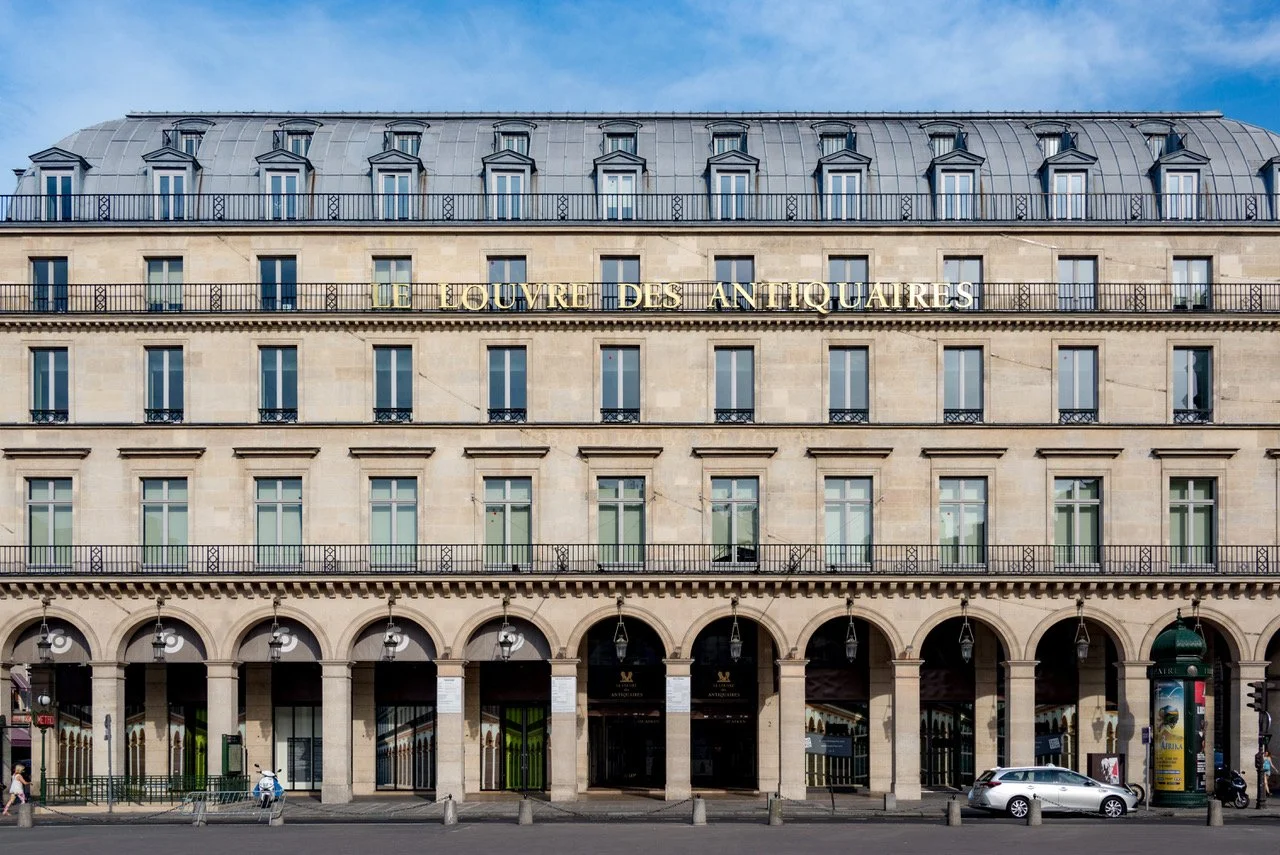
Figure 15. Le Louvre des Antiquaires, exterior
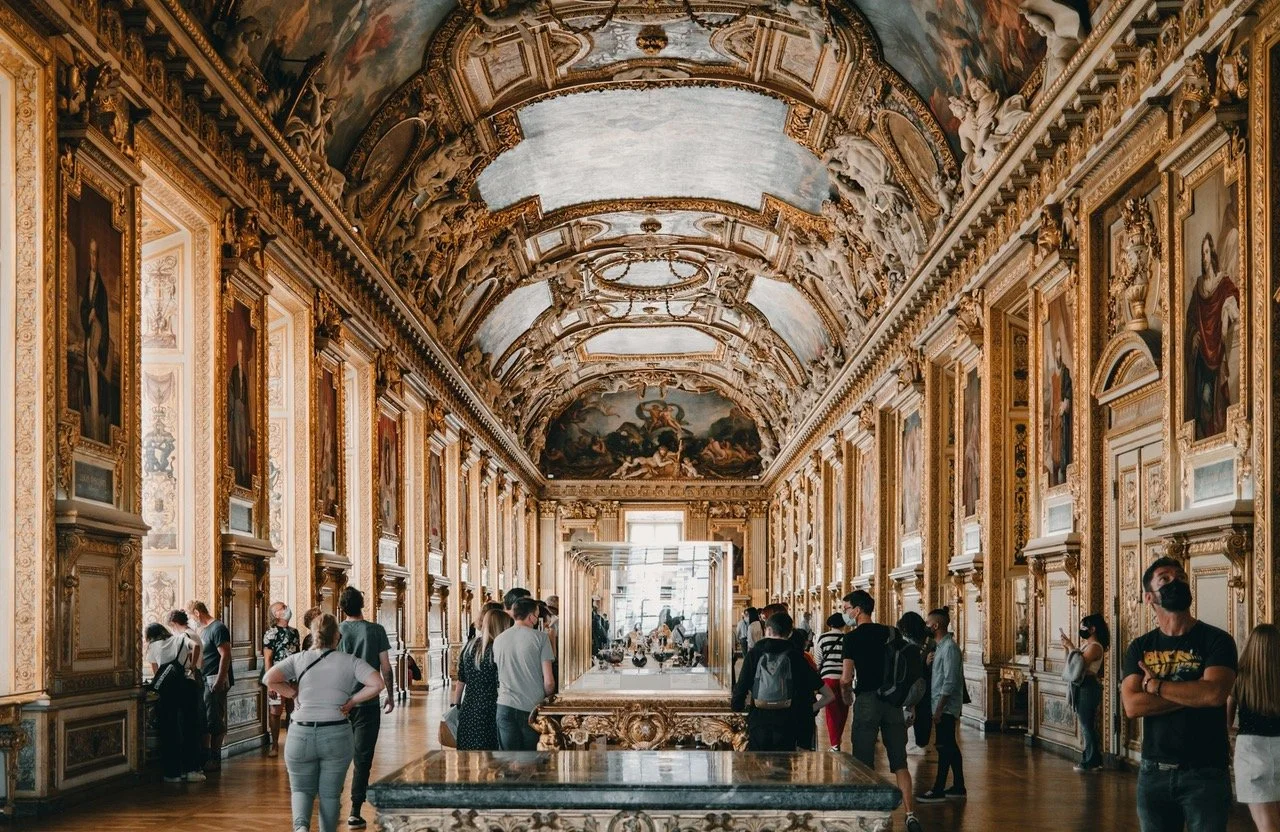
Figure 16. Louvre des Antiquaires, interior
The exterior of the building doesn’t so much draw attention to itself as through itself. Into the building. People walking along the Rue de Rivoli can look through enormous windows right into the museum itself. (Figs 17, 18) I remember when the Accademia in Florence was like that. You could walk by, any time, day or night, and see Michelangelo’s David. For too many people, I suppose, seeing the David from the street was enough. The last time I was in Florence, it wasn’t like that. If you want to see the David, you have to pay to see the David. The mentality at the Fondation is similar to what the Accademia used to be. As Catherine Slessor in the Guardian remarked, while the nearby Louvre turns its back to the street, and “passersby might catch a glimpse of the backsides of sculptures through the odd window, (the Fondation), by contrast, (harkens) back to its origins as a grand magasin… (P)eople can enjoy its displays through what were, and still are, shop windows.” Window displays at a department store tempt you to come inside and shop. The windows at this museum are doing the same thing, tempting you buy a ticket and come inside and get a closer look. Slessor’s comparison of the Fondation’s sleek exterior to the all glass boxes of an Apple store resonates, too.(F19)
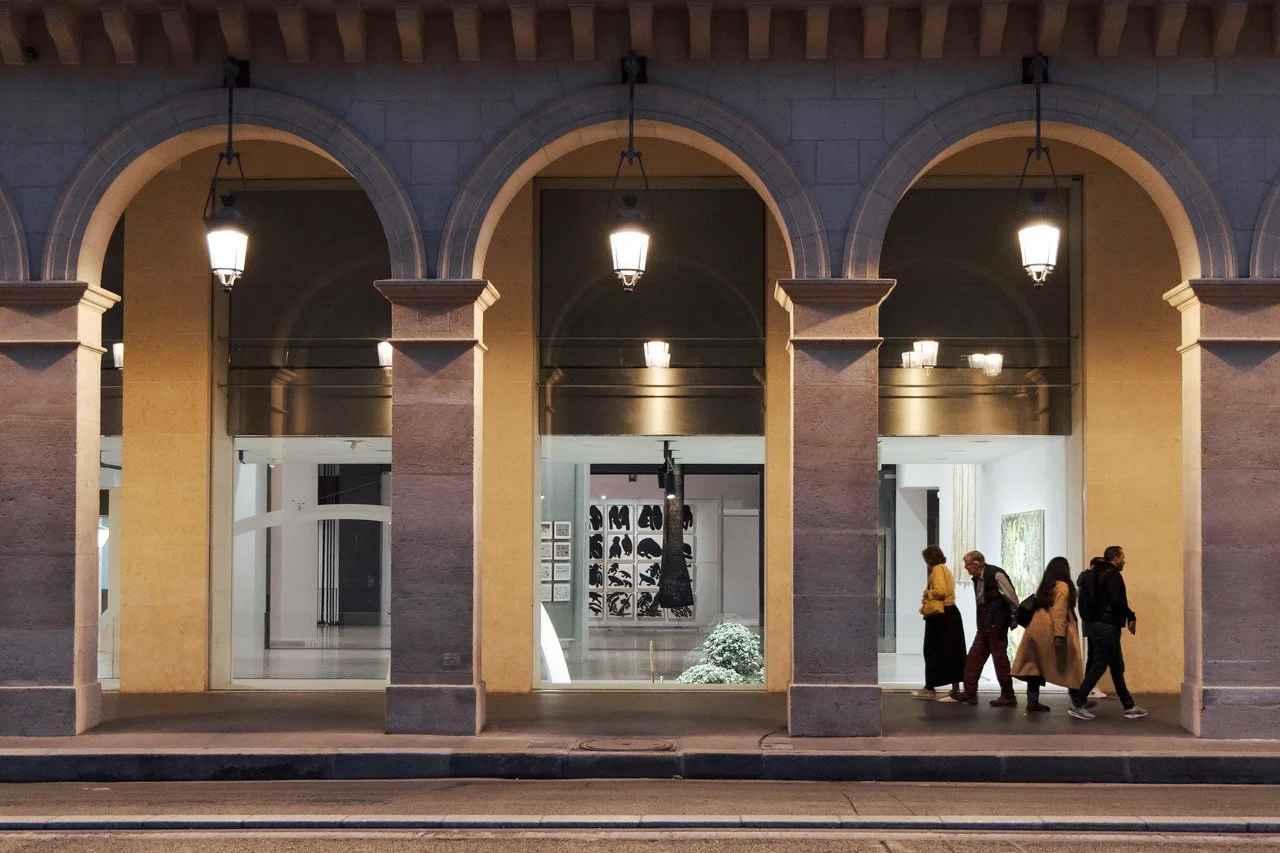
Figure 17. People walking by Fondation Cartier can look in for a quick ‘art fix’ La Fondation Cartier pour l’art contemporain, 2 place du Palais-Royal, Paris.
© Jean Nouvel / ADAGP, Paris, 2025. Photo © Martin Argyroglo
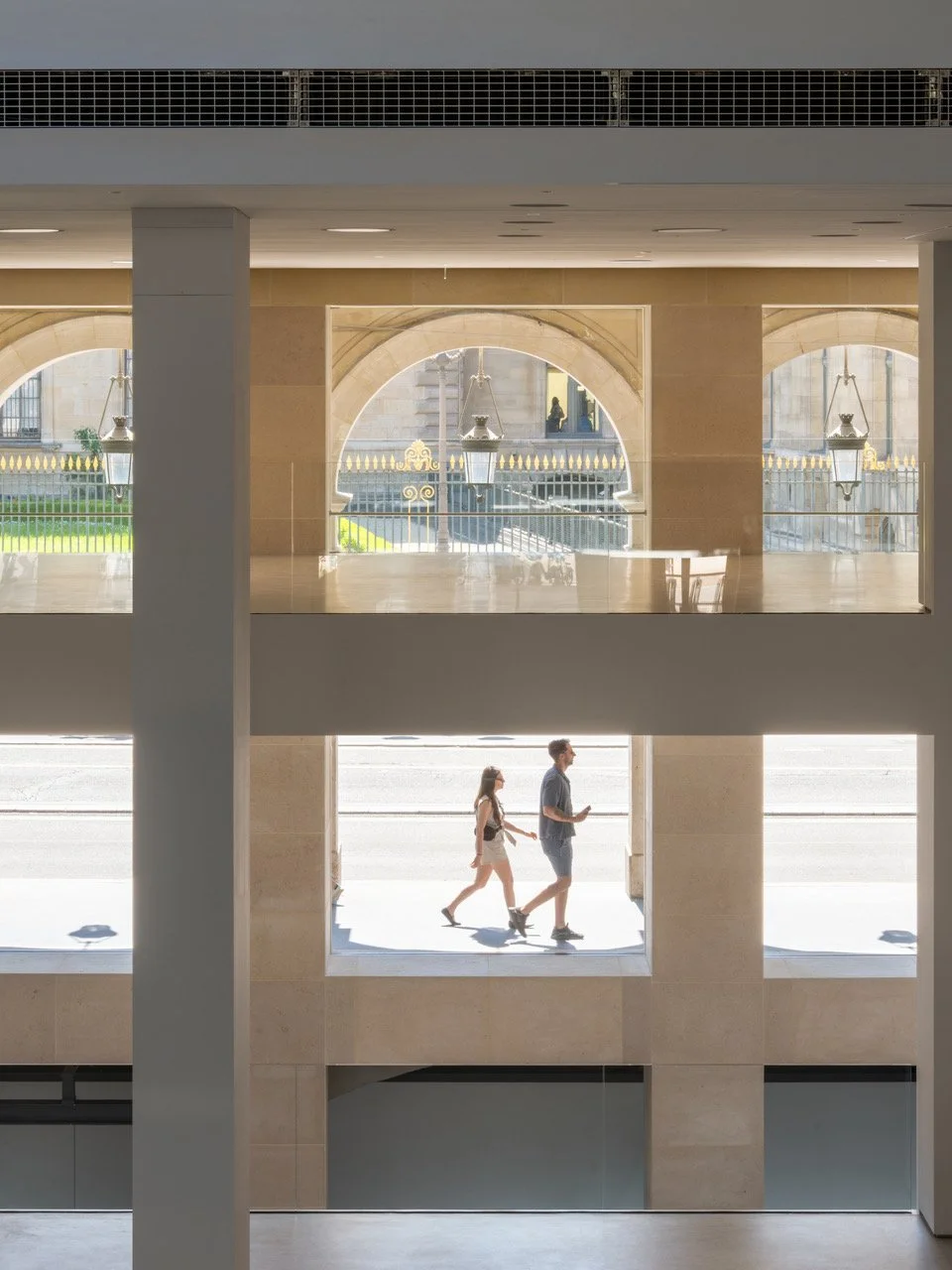
Figure 18. And from the inside of the Fondation, you can look out and feel part of the fabric of the street! La Fondation Cartier pour l’art contemporain, 2 place du Palais-Royal, Paris.
© Jean Nouvel / ADAGP, Paris, 2025. Photo © Martin Argyroglo
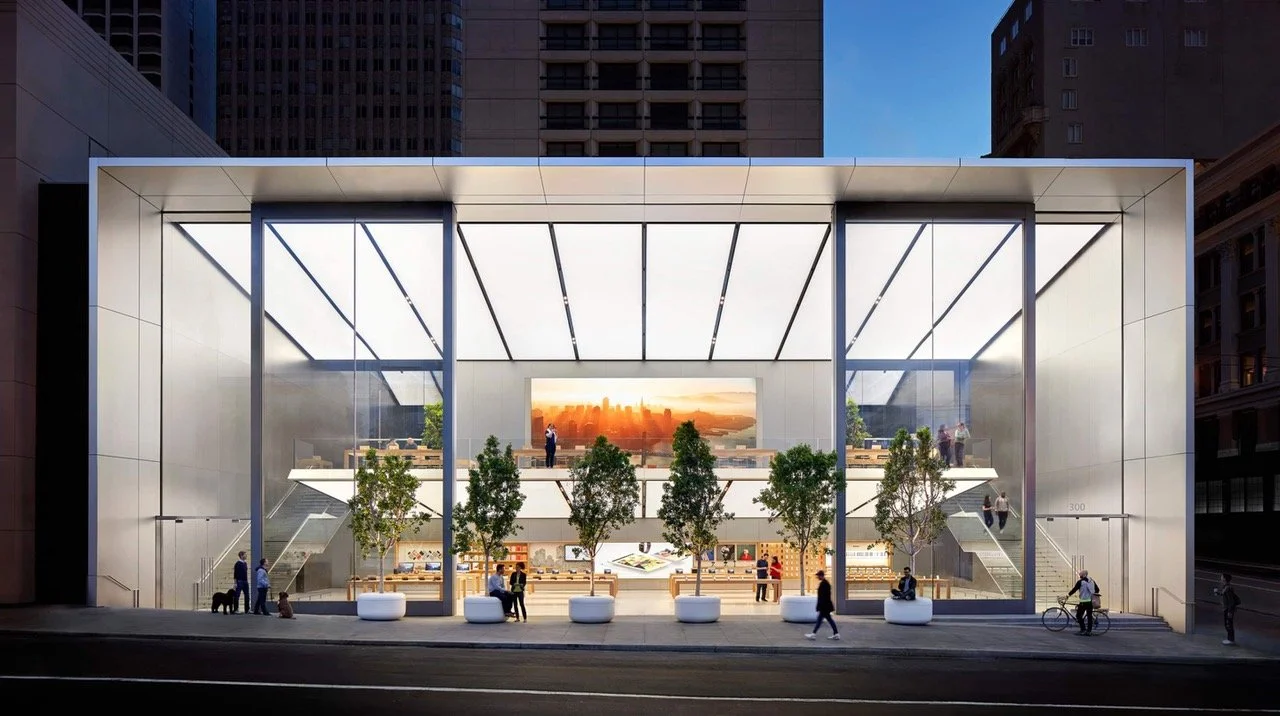
Figure 19. Apple Store, Union Square, San Francisco
Nouvel explained the museum’s transparency this way. “Here, (he said) it is possible to do what cannot be done elsewhere by shifting the act of showing.” When Edwin Heathcoate (Financial Times) asked the architect how he would compare the two buildings he had designed for the Fondation Cartier, he said, “At the heart of both projects are the ideas of openness, availability, a deep conviction that a museum must be alive, must raise questions. Transparency, for me, remains a way to inscribe architecture in a dialogue with its environment, to ensure that nothing is fixed in advance.”
When the group of journalists of which I was a part arrived at the Group Entrance, we waited patiently behind a large group of high spirited high schoolers. When we realized that most of our group was already inside, we squeezed by and joined them. Happily, our guide was one of the senior curators. She knew her collection and she knew this building. Having a knowledgable guide meant that none of us would be writing a review called, “Fondation Cartier, what an architectural nightmare!” (Google it)
This building’s exhibition space is five times the size of the space the Fondation had on Boulevard Raspail - from 1,200 m² to 6,000 m² (3,000 sq ft to 64,500 sq ft). The guide explained the magic of the floors. I could give you my version but Edwin Heathcote’s is so good. “Nouvel has returned to Zola’s conception of the department store as a monstrous machine in a very literal manner. He has rebuilt the entire interior around five huge vertically moving platforms, entire galleries that can be realigned to reconfigure the volumes to the requirements of artists or curators. According to Nouvel, ’The mobile platforms offer a freedom that a series of fixed rooms never could. They allow artists and curators to reinvent the spatial experience of the place with each exhibition…I wanted the building to remain a tool, open to the unexpected.’” (Figs 20-22)
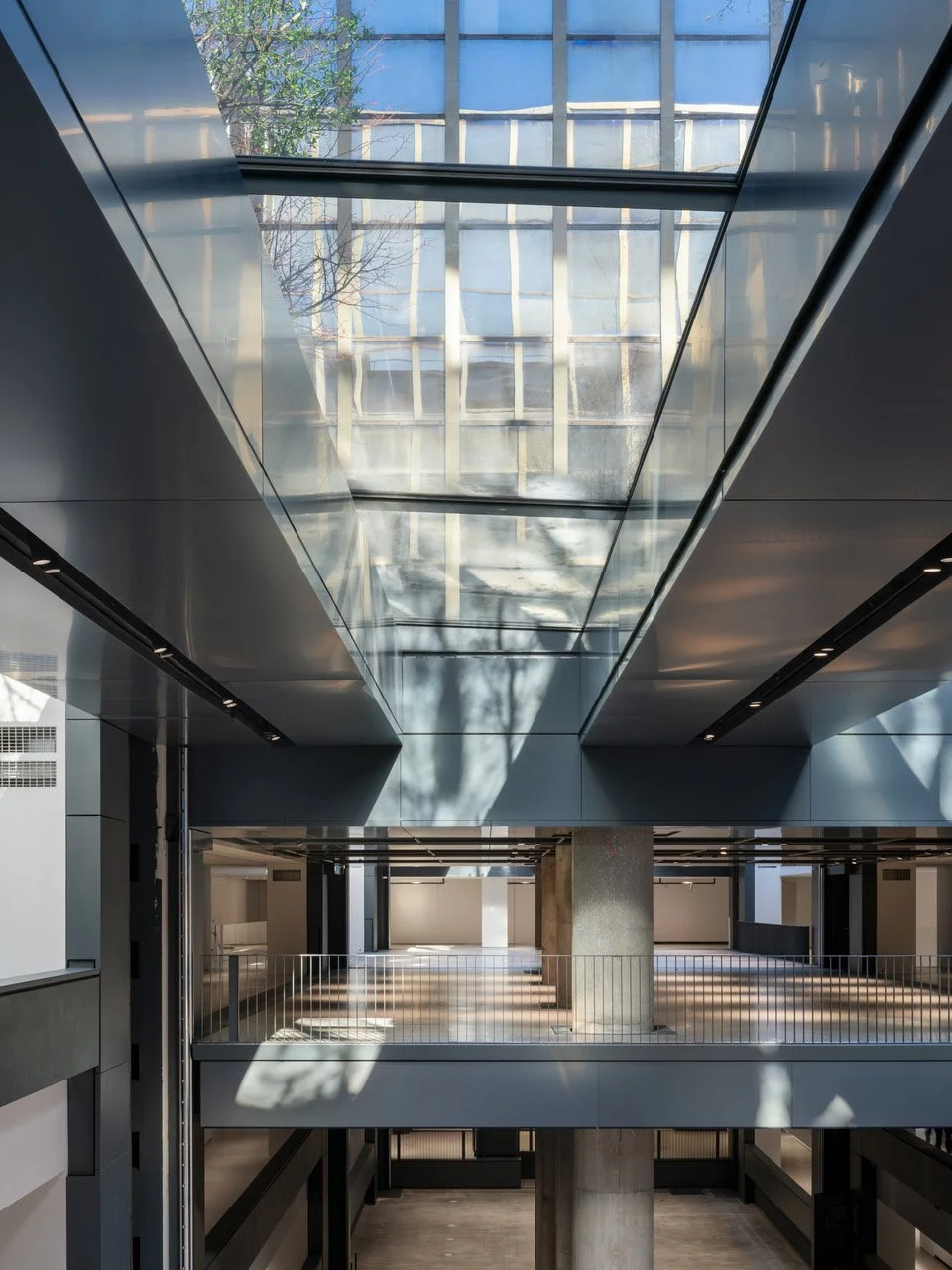
Figure 20. Fondation Cartier, interior view of floors and sky
La Fondation Cartier pour l’art contemporain, 2 place du Palais-Royal, Paris. © Jean Nouvel / ADAGP, Paris, 2025. Photo © Martin Argyroglo
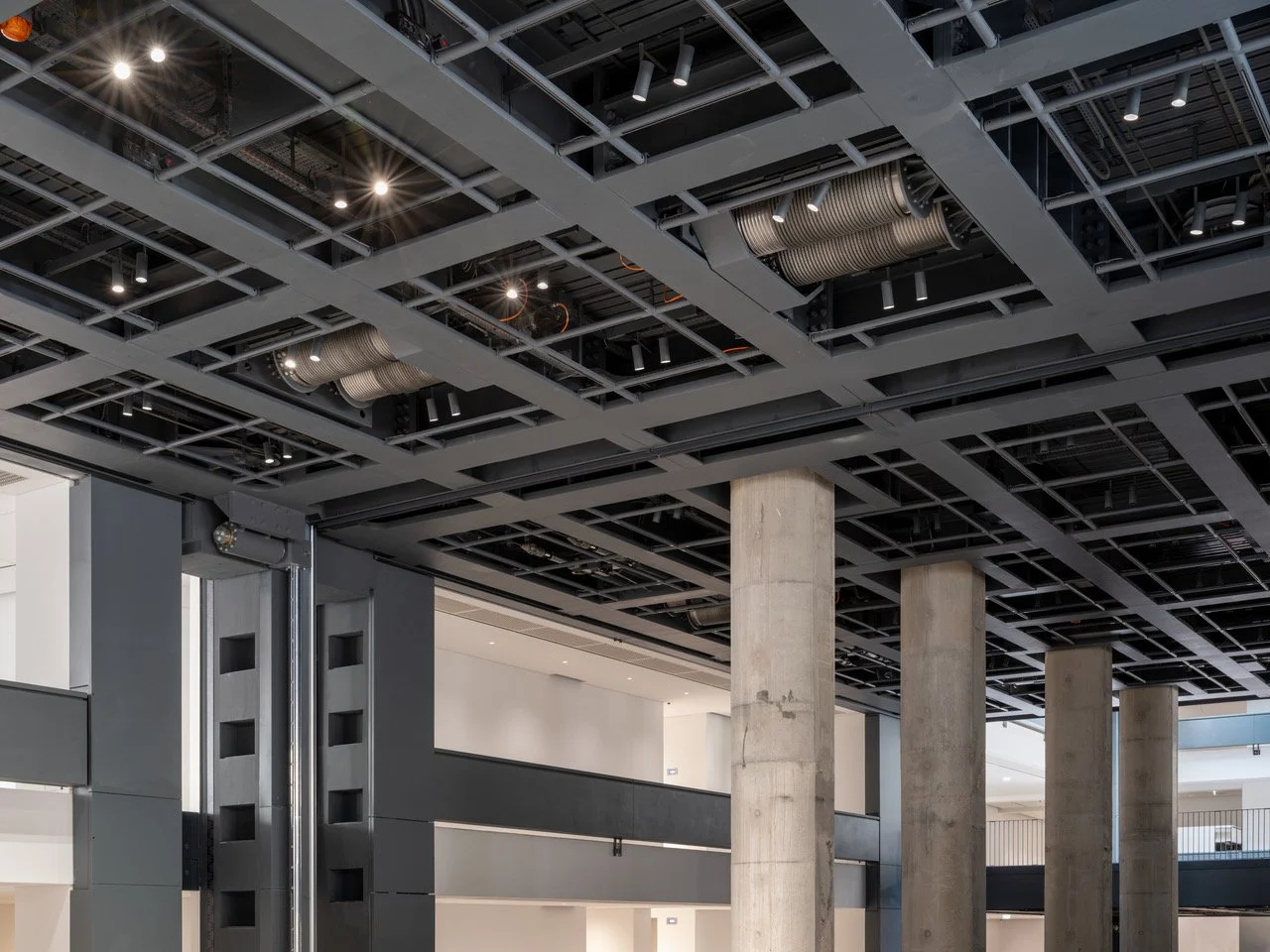
Figure 21. Fondation Cartier, mechanisms
La Fondation Cartier pour l’art contemporain, 2 place du Palais-Royal, Paris. © Jean Nouvel / ADAGP, Paris, 2025. Photo © Martin Argyroglo
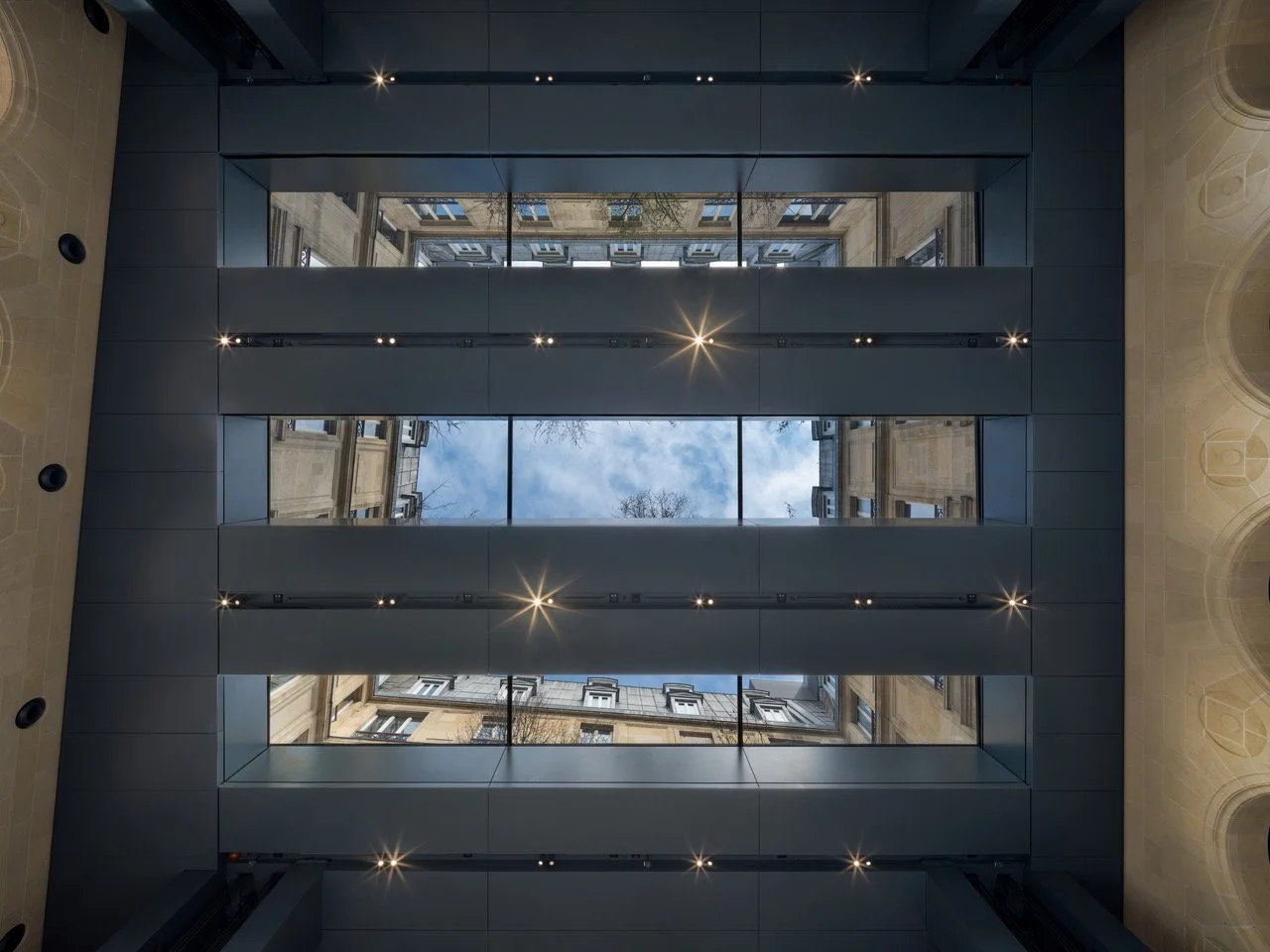
Figure 22. Fondation Cartier looking up at sky
La Fondation Cartier pour l’art contemporain, 2 place du Palais-Royal, Paris.
© Jean Nouvel / ADAGP, Paris, 2025. Photo © Martin Argyroglo
As the guide was lauding the inventiveness of movable floors, I noted that movable floors was already a thing at another museum in Paris, Lafayette Anticipations designed by Rem Koolhaas. Another converted 19th century building with preserved exterior and gutted interior. That’s true, the guide said but this is the first time such multiple movable floors have been done on such a grand scale. As I was preparing this article, I learned that Rogers & Piano had planned for moveable floors at the Pompidou. But that building was publicly funded and the cost was too high so the idea had to be abandoned.
As we walked through this massive museum, there were times when it felt intimate. The guide explained that large objects don’t dwarf the spaces in which they are found, while the creation of nooks and crannies through the manipulation of the floors and walls, means that smaller pieces can be contemplated serenely. (Figs 23, 24)
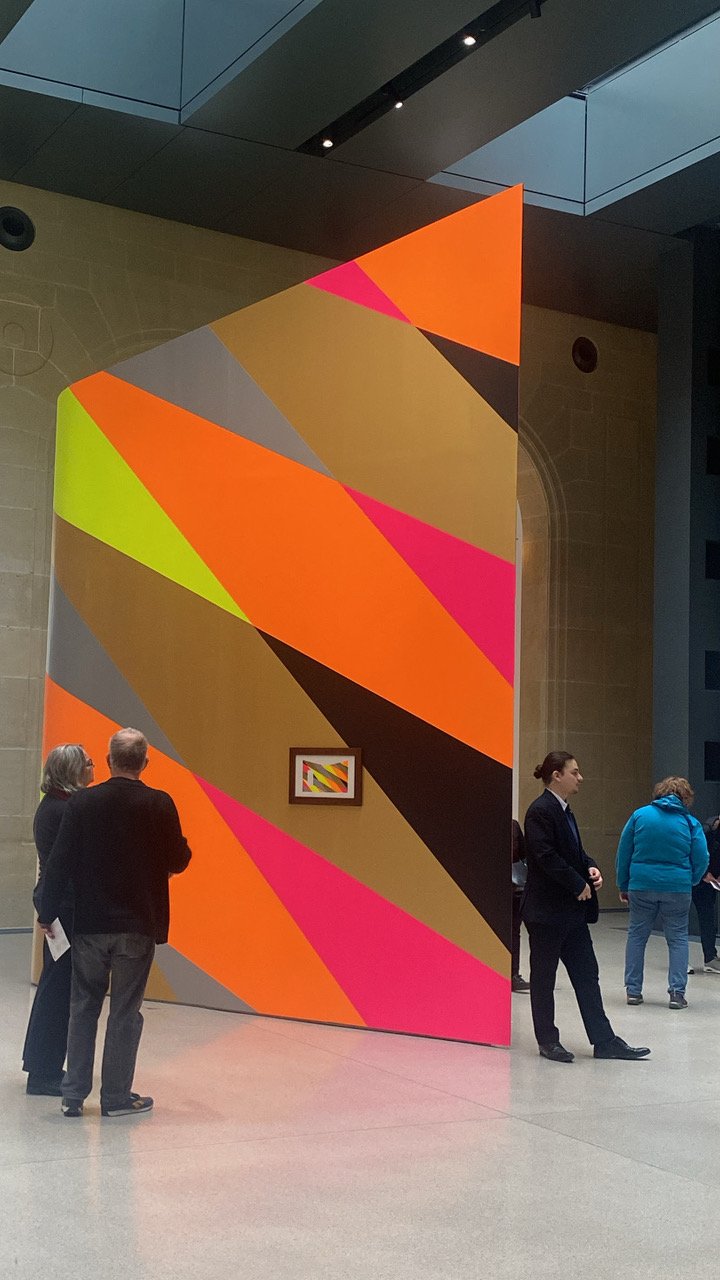
Figure 23. At entry of Fondation Cartier
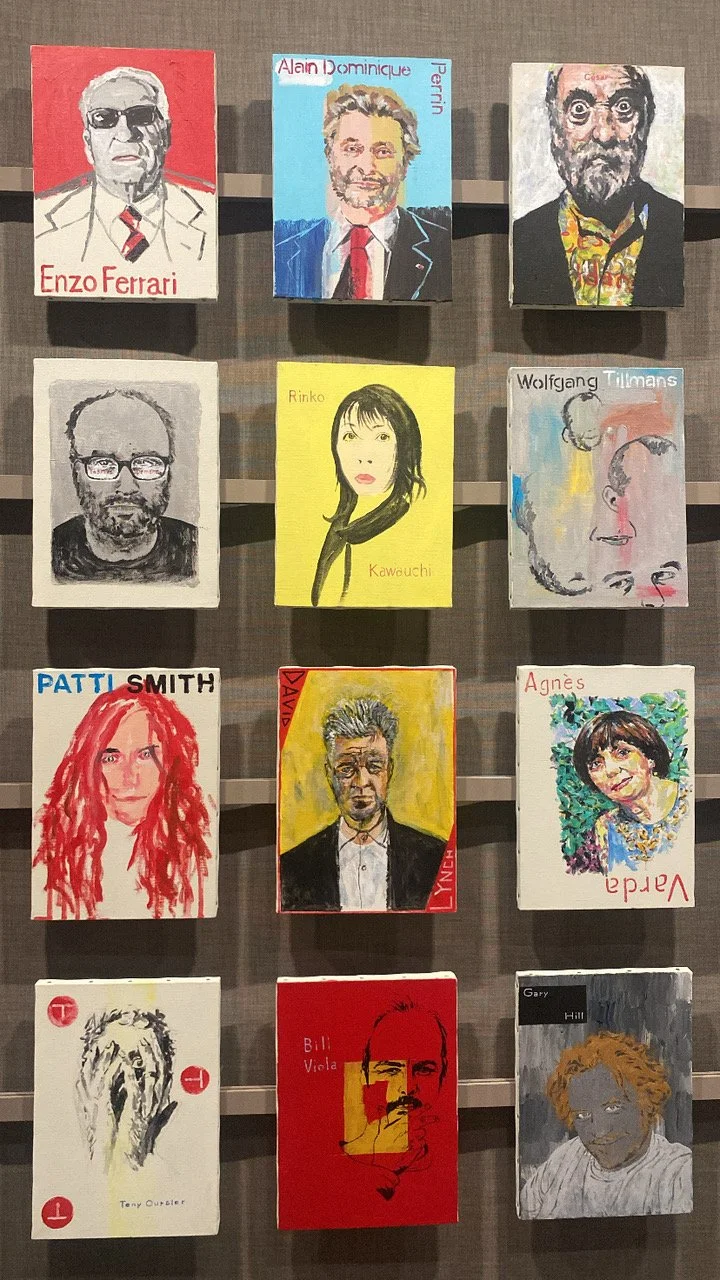
Figure 24. A group of portraits tucked into its own space, among those depicted: Patty Smith, David Lynch, Agnès Varda
The title of this inaugural exhibition (on until August), is Exposition Générale. According to Catherine Slessor (Guardian) that’s an allusion to “exhibitions of the latest fashions, textiles, appliances and accoutrements – highly anticipated cultural events in themselves – that were organized by the Grands Magasins du Louvre in the 19th and early 20th centuries.” In this context it means that works from the museum’s own collection, many of which were donated by artists after temporary exhibitions of their work. It’s one of the things I like best about the Musée de la Chasse et de la Nature, too. Each time I see a temporary exhibition, I walk through the museum looking for pieces that I remember from previous exhibitions.
As we walked through the museum, the guide pointed out the works by the artists I asked her about. We stopped in front of one of Damien Hirst’s Cherry Blossoms. (Fig 25) It was a perfect blend of blossoms and grass and sky. The Ron Mueck work wasn’t one of his enormous pieces but the hyper realism of those pieces was very much on display. It was a smaller than life sculpture of a woman, wearing her newborn on her chest under her coat, his tiny head peaking out. She was the epitome of exhaustion, laden as she was with newborn and heavy shopping bags in each hand. I’ve been there. (Fig 26)
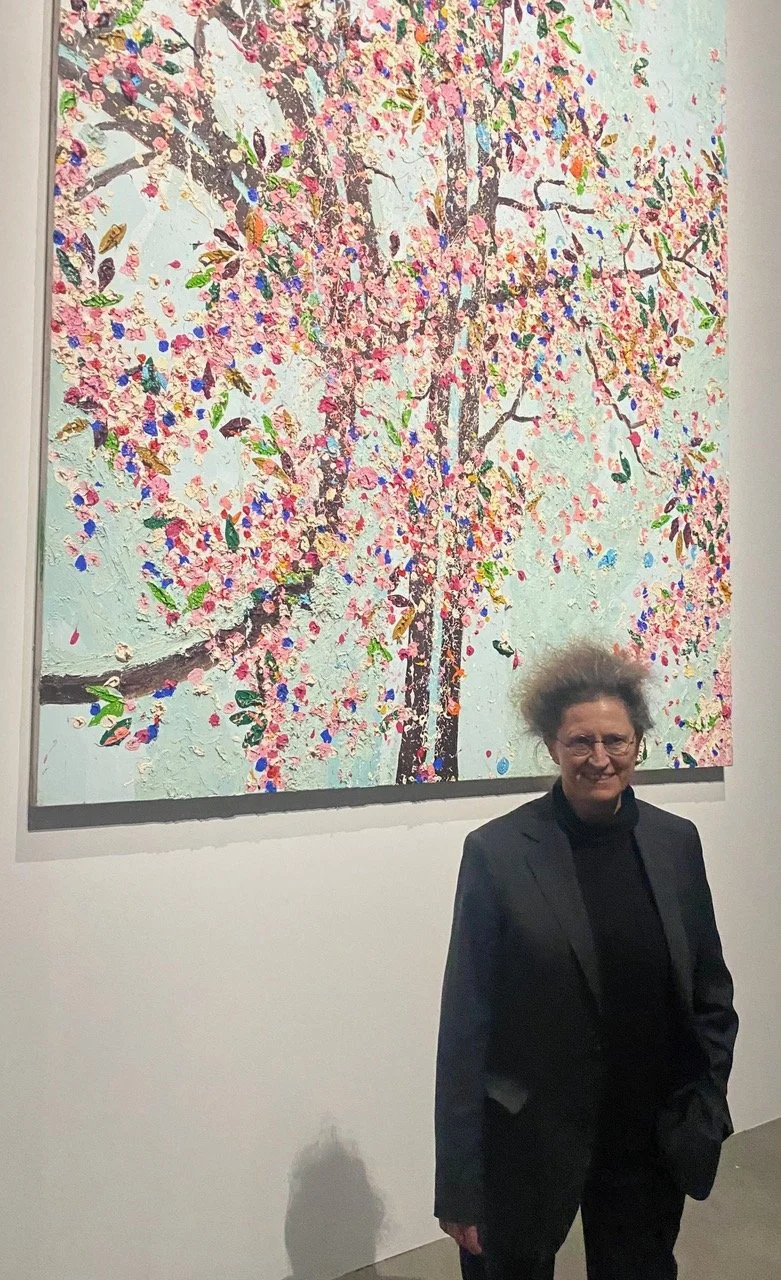
Figure 25. Damien Hirst painting with our guide
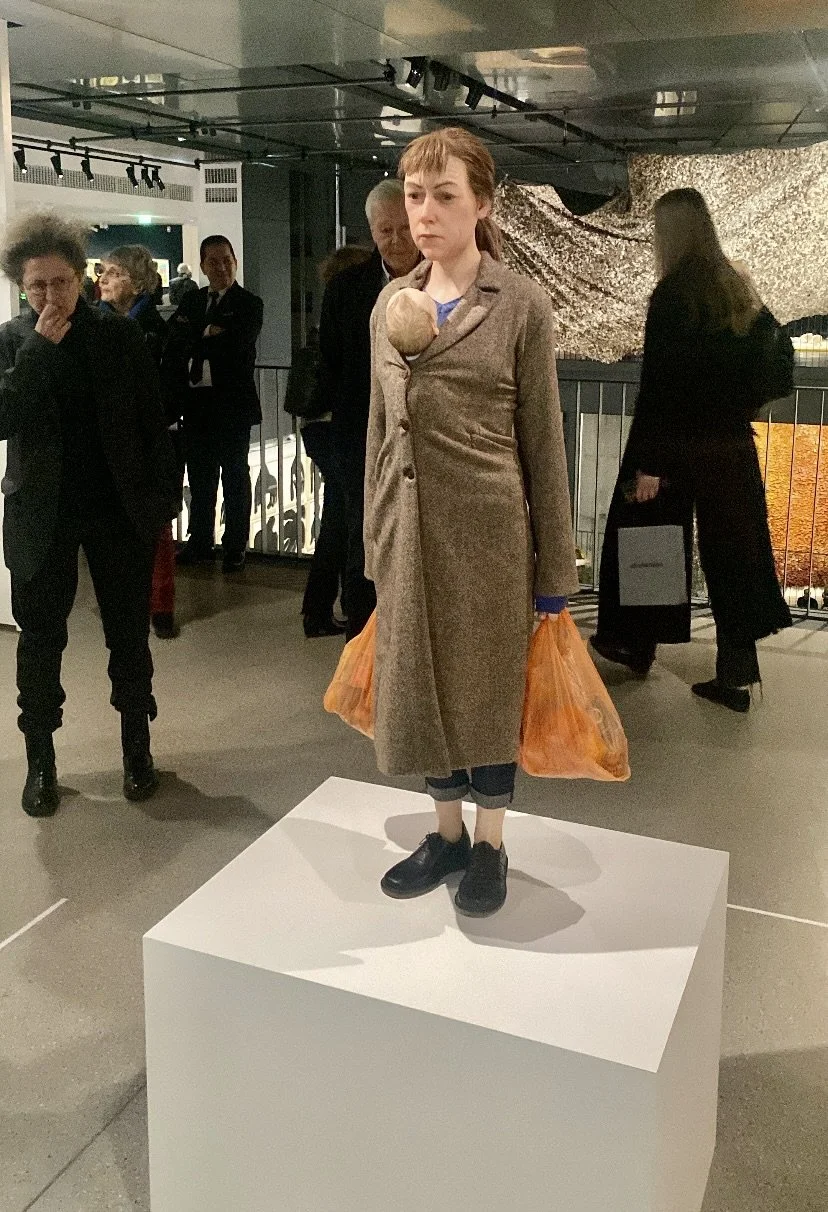
Figure 26. Ron Mueck and our guide
Then I remembered the garden at the Fondation’s museum on Boulevard Raspail and asked our guide about the sculpture of a cat and the cabane that I used to visit. She explained that they had been installed in the garden for the exhibition that Agnes Varda created in 2016. The cat was there, the cabane wasn’t on display. (Figs 27, 28)
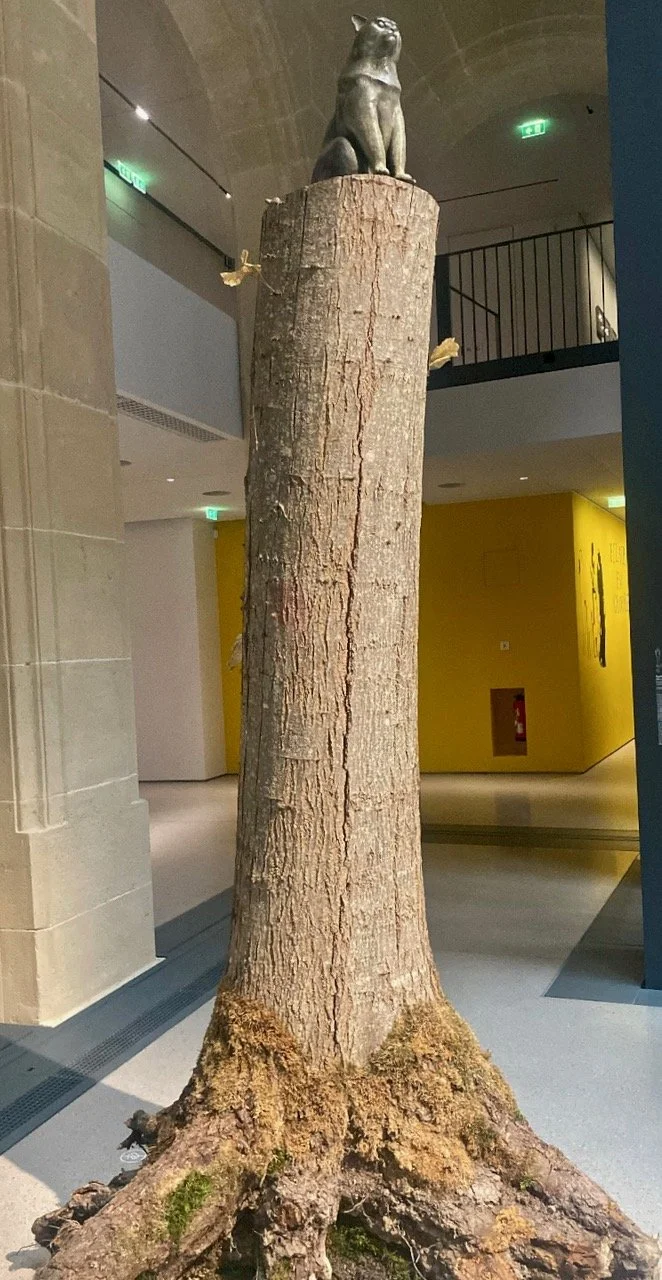
Figure 27. Agnès Varda, sculpture of Nini
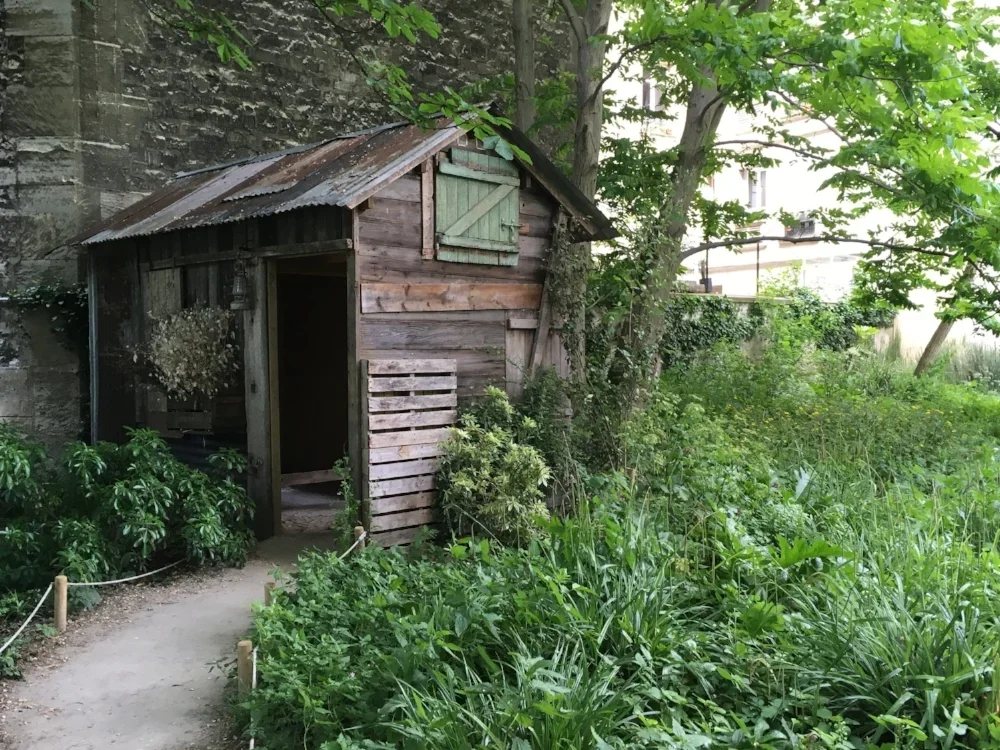
Figure 28. Cabana of Agnès Varda at Fondation Cartier on Blvd Raspail, not on view for this exhibition
When you go to this museum, and you really must, my advice is to look around, get a sense of the building and then linger at the pieces that catch your eye. It’s much better to get to know a few pieces intimately than to glance at lots of things superficially.
A few times during our visit, the guide told us that there would be a fashion show/performance piece at 5:00 p.m. When the tour ended at 4:15 p.m. I sat on a bench which was actually where the show would take place. I proceeded to have one of my not infrequent internal struggles. Should I stay, should I go. Would it be too dark for me to walk home. Would I be too tired to make dinner etc. And then a couple sat down, a young man speaking English with a French accent and an older American woman who told me she had lived in Paris for 35 years. She had on big black sunglasses, a big black multilayered outfit and on her head, a large black mantilla. We started chatting. She and I discussed autophagy and intermittent fasting. I’ve started fasting for 12-14 hours a day, she’s been doing it for years. He told me that she was a style icon in France. I didn’t recognize her, which means nothing. No I didn’t take a photo, I was too shy.
And then it was too late to leave, the fashion show/performance began. And my seat was the best one in the house! According to the program, the performance had been designed and conceived especially for the Cartier Foundation by Olivier Saillard, the director of the Alaïa Foundation, about which I must tell you very soon. As the performance got underway, it looked very familiar. I remembered having seen Tilda Swinton performing something very much like it. I just can’t for the life of me remember where (when I looked at the program later, I saw that Tilda Swinton would be joining M Saillard on another evening). This piece, called The Living Museum of Fashion is, according to the brochure the guide handed to all of us, the result of reflections on museums and the heritage-making of costumes that are “at the heart of Olivier Saillard's practice and performances.” Three older women, whose grace and figures can only mean that they have been modeling for a long time, took turns holding up, rather than wearing, a range of garments, from haute couture dresses to shirts and pants found at flea markets or abandoned on the street. From garments whose provenance (history) is known - who made them and when, who wore them and where; to garments worn at some time in the unknown past by people unknown to us now. (Figs 29-34) As these “fragments of faded clothing, abandoned items, and worn-out costumes,” paraded down the runway, Monsieur Saillard described them to us. As the program states, it’s “another history of fashion, deliberately more social than stylistic…It’s a manifesto for a new fashion museum where movement is archived as much as its packaging, the performance intends to offer new responses to the silences and immobility of the clothes in shop windows and exhibitions…” And as quietly as it had begun, it was over. When I walked out of the museum, it was still light and warm. I was home before 7:00 p.m. with my head and heart filled with the pleasure of living in a city where cultural events are just waiting to be enjoyed. And maybe when you go, there will be a program waiting for you to enjoy and not worry about where you have to be next. Gros bisous, Dr. B.
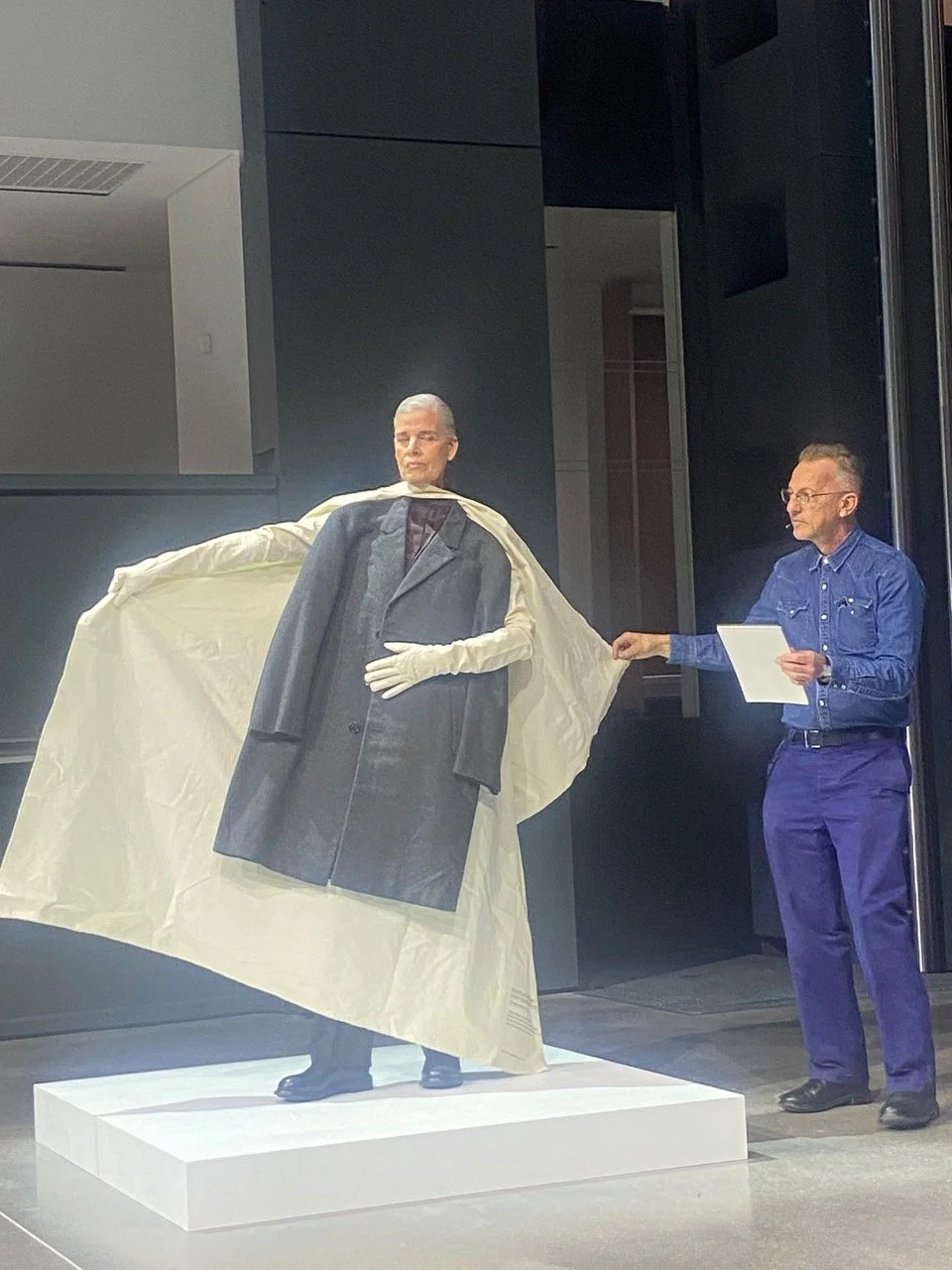
Figure 29. Man’s Coat, Fashion Show, Olivier Saillard & Co.
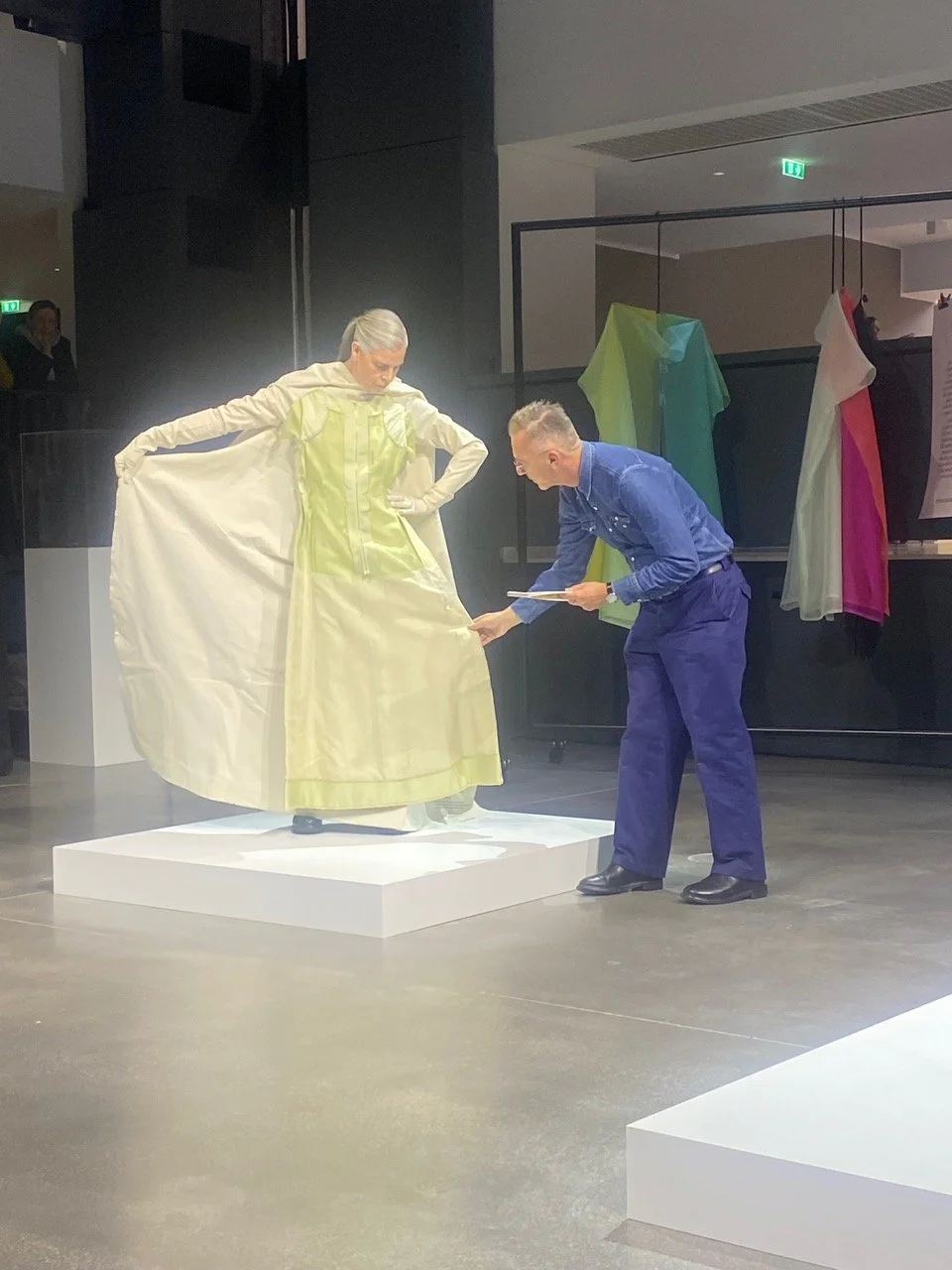
Figure 30. Woman’s dress, Fashion Show, Olivier Saillard
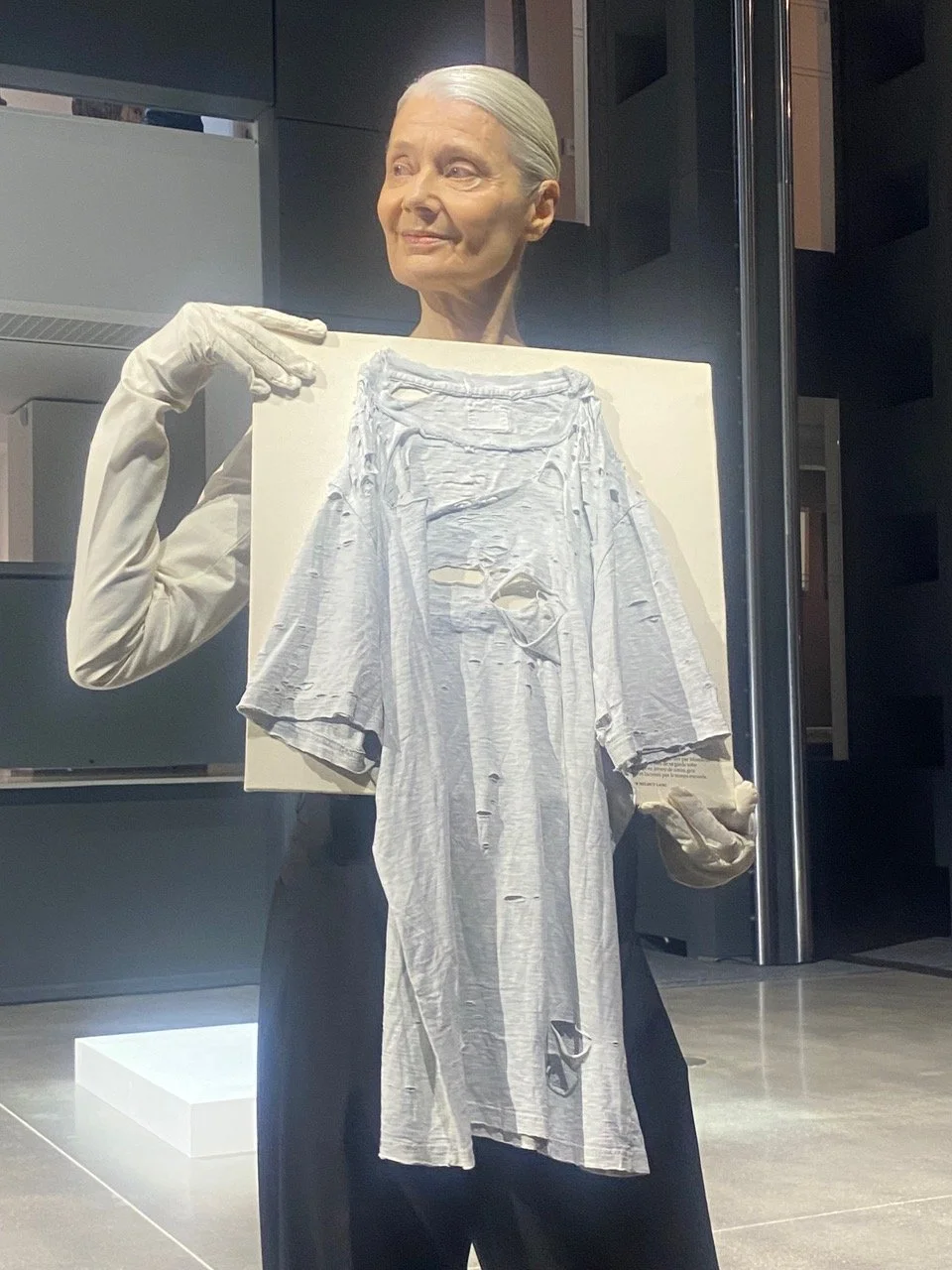
Figure 31. Tee shirt, Fashion Show, Olivier Saillard
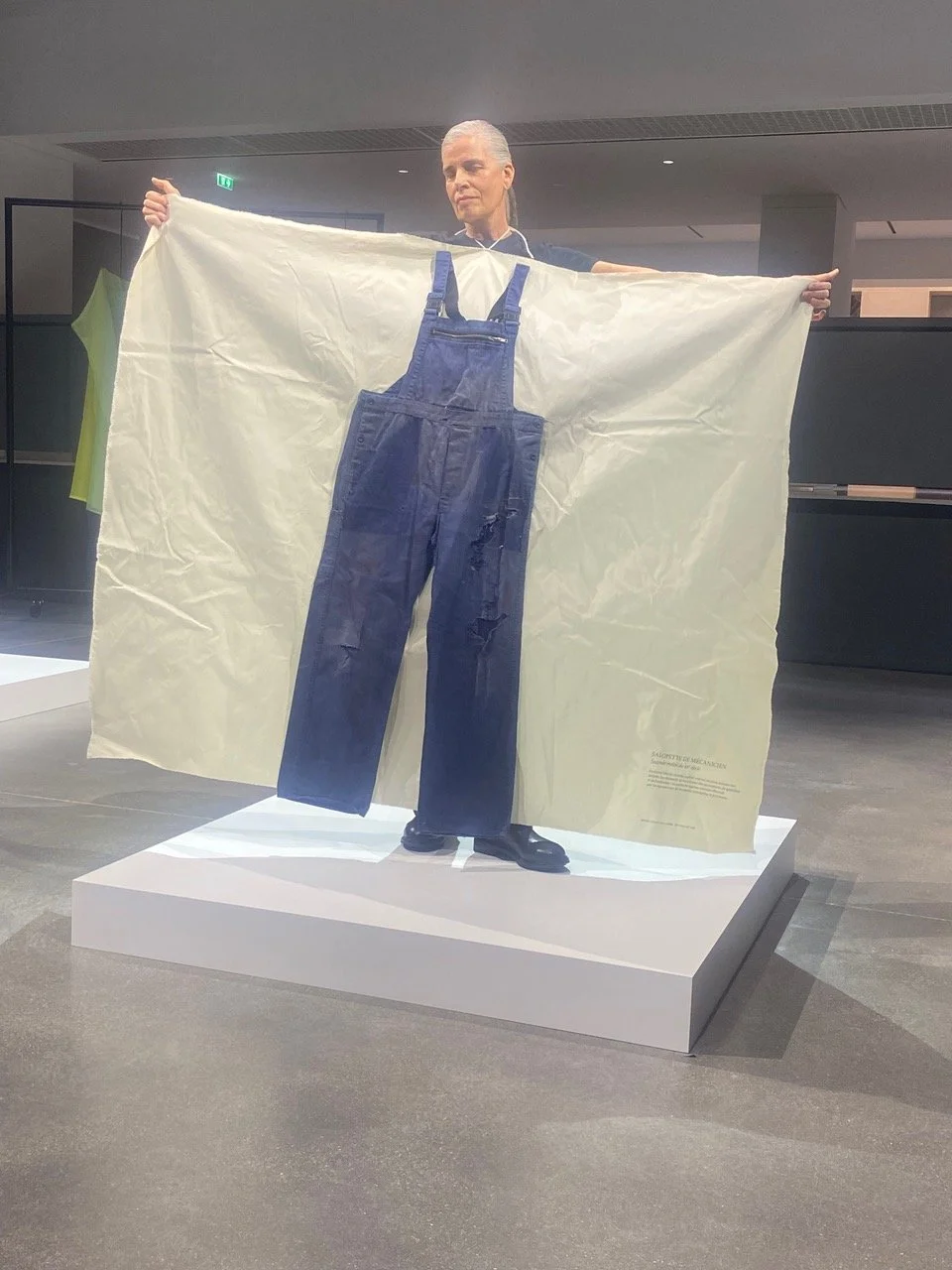
Figure 32. Overalls, Fashion Show, Olivier Saillard
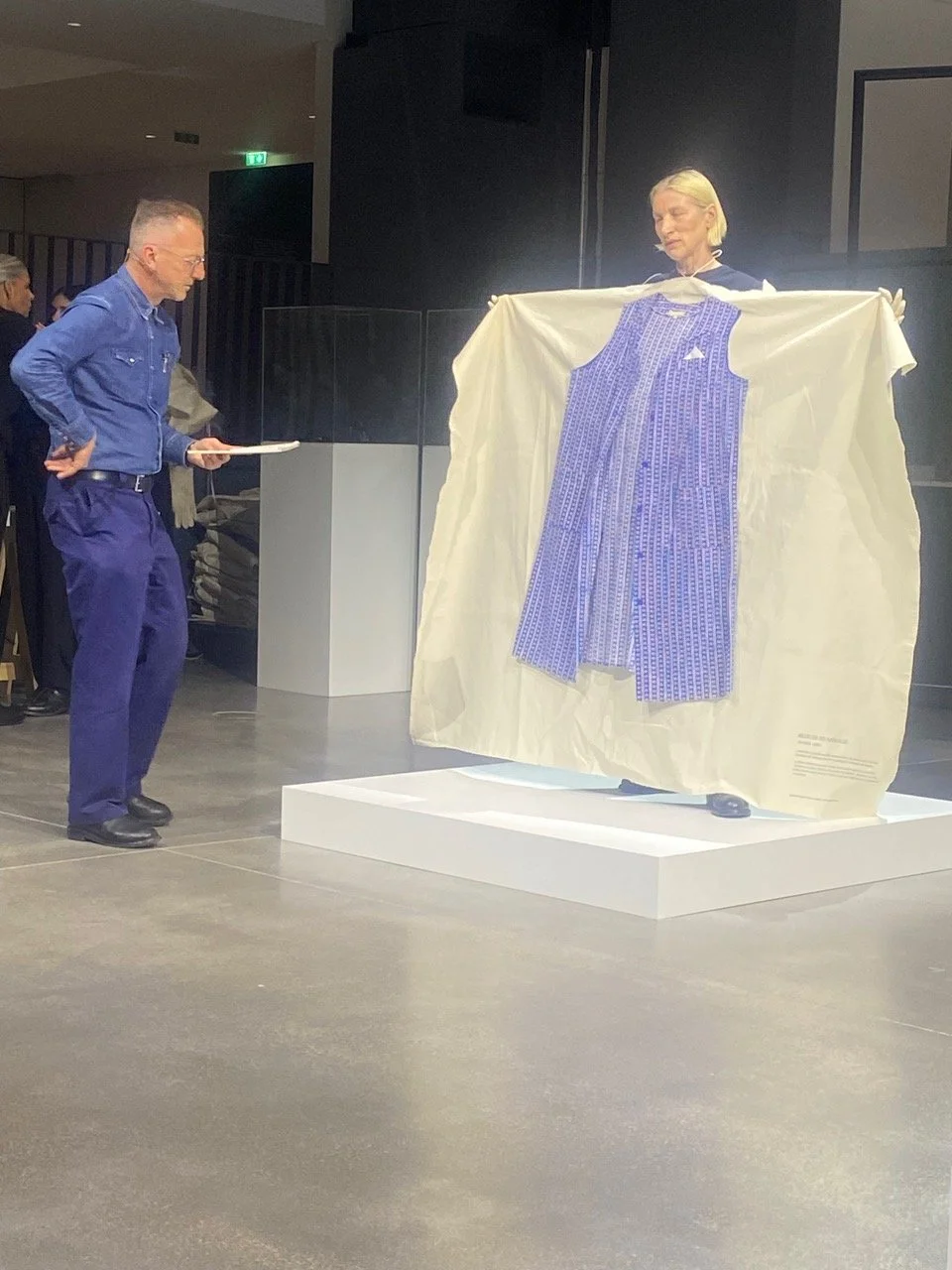
Figure 33. Cleaner’s Smock, Fashion Show, Olivier Saillard
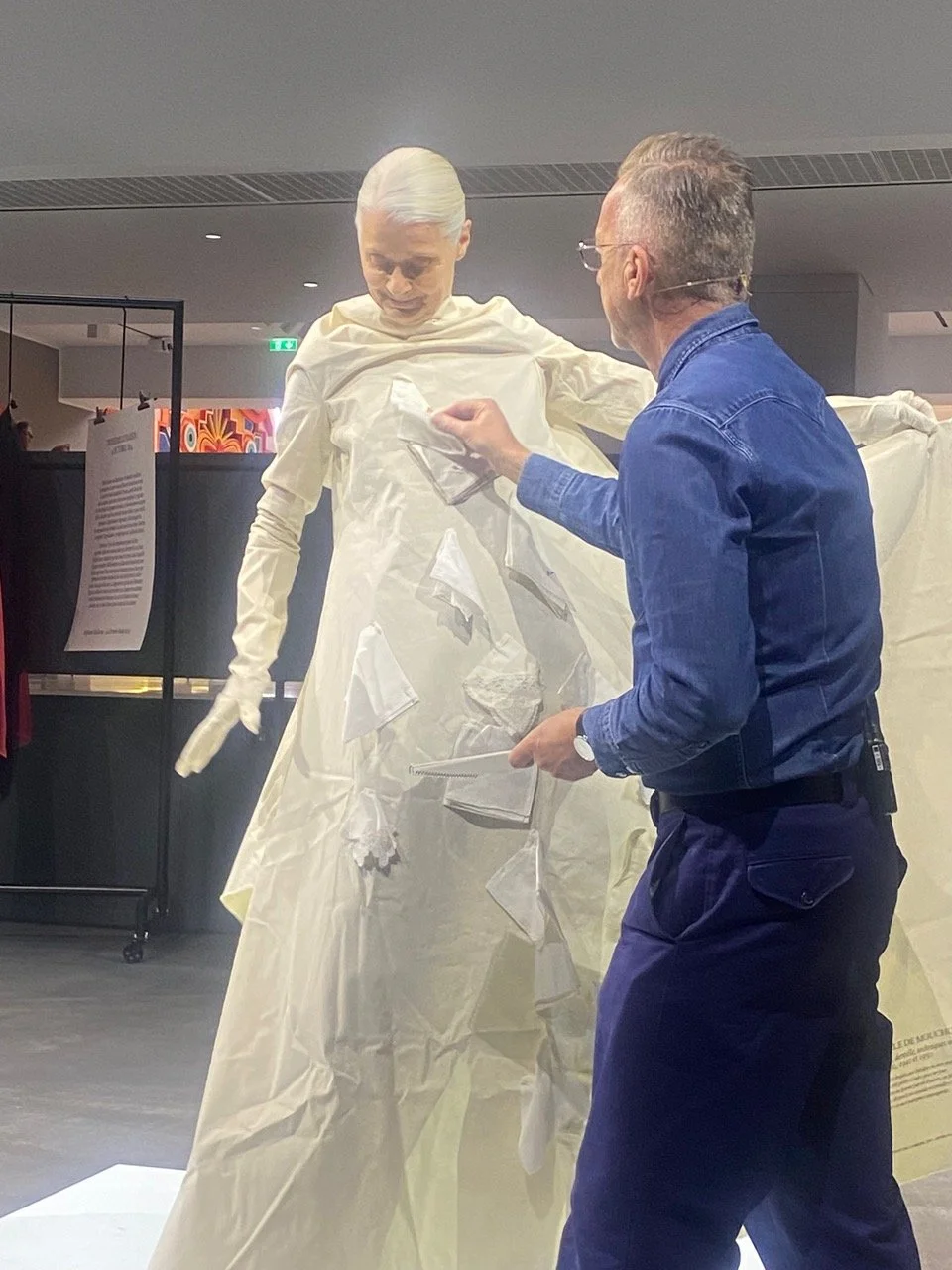
Figure 34. Handkerchiefs (some of which are embroidered with names of owners) Fashion Show, Olivier Saillard