Always a Bridesmaid, Never a Bride
Le Grand Dauphin: Son of a King, Father of a King, Never a King, Chateau de Versailles
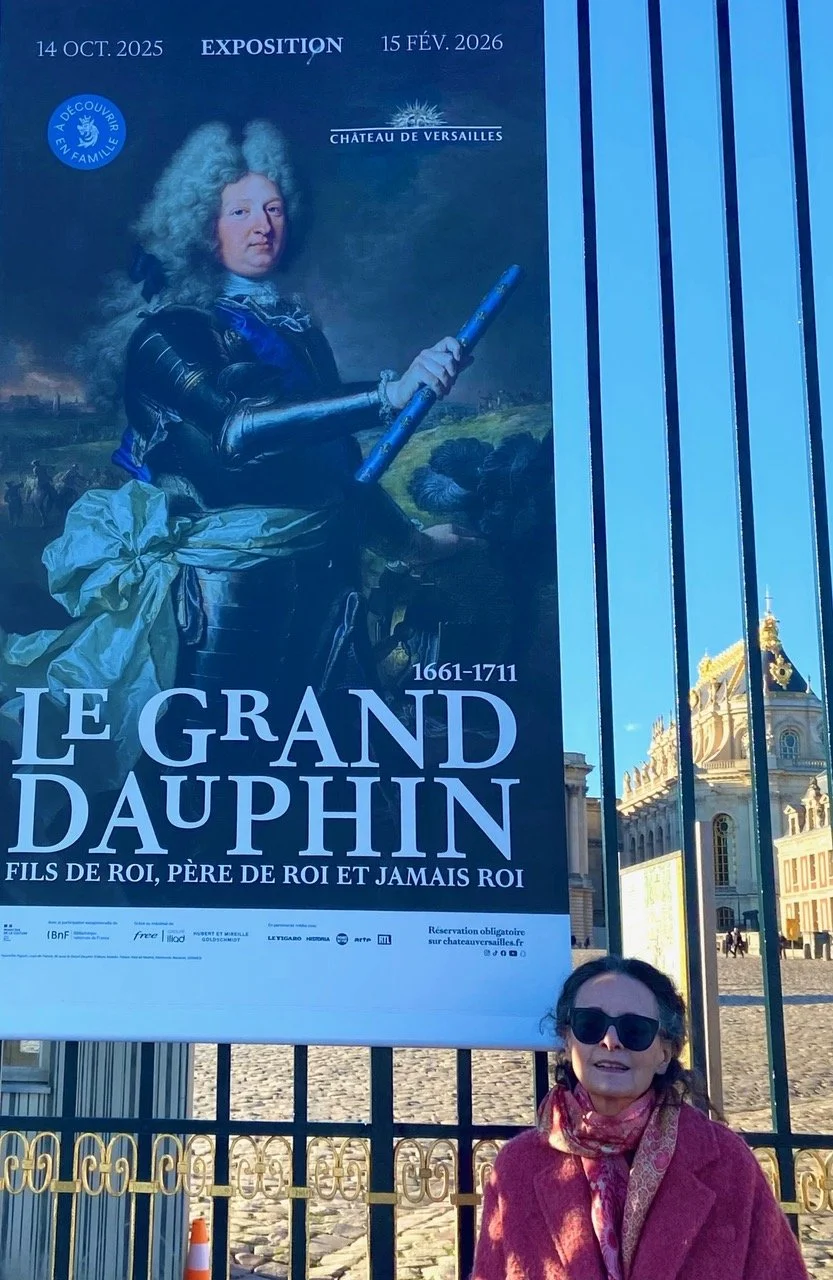
Bienvenue and welcome back to Musée Musings, your idiosyncratic guide to Paris and art. I am finally turning the corner on jet lag. I know there are people who get off a plane and onto a tour bus. I’ve never been one of those people. I read somewhere that when you travel between time zones, it takes one day to recuperate for each hour of difference between your point of departure and your destination. I also recently read something that I’ve known for ages, but which I thought was personal. Jet lag is worse if you’re traveling east. I thought it was because west, for me, was San Francisco and home. Which meant, for me, a return to my normal, quotidian life. When I traveled east, especially when my vacations were short, I was always anxious to maximize my time. I thought increased tension was the source of my increased jet lag. Turns out, this traveling east and west thing is not personal, it’s not about going home vs going on vacation. According to Weill Cornell, the reason is simple and universal. It is more difficult for our bodies to adjust to lost time (temps perdu) then to gained time (temps retrouvé well trouvé). With the 9 hour time difference, aka time lost, between San Francisco and Paris, it’s no wonder that I have been walking around like a zombie for the past week.

I did however manage to get a few things accomplished this week. My main objective was the buying and the trying of as many different galettes des rois as I could before January came to an end and French pâtisseries were no longer permitted, by law, to sell galettes des rois, or at least call anything with puff pastry and almond paste, galettes des rois. For more on all that you can have a look here: Fit for a King or a Queen - Galette des Rois. (Figs 1-3)
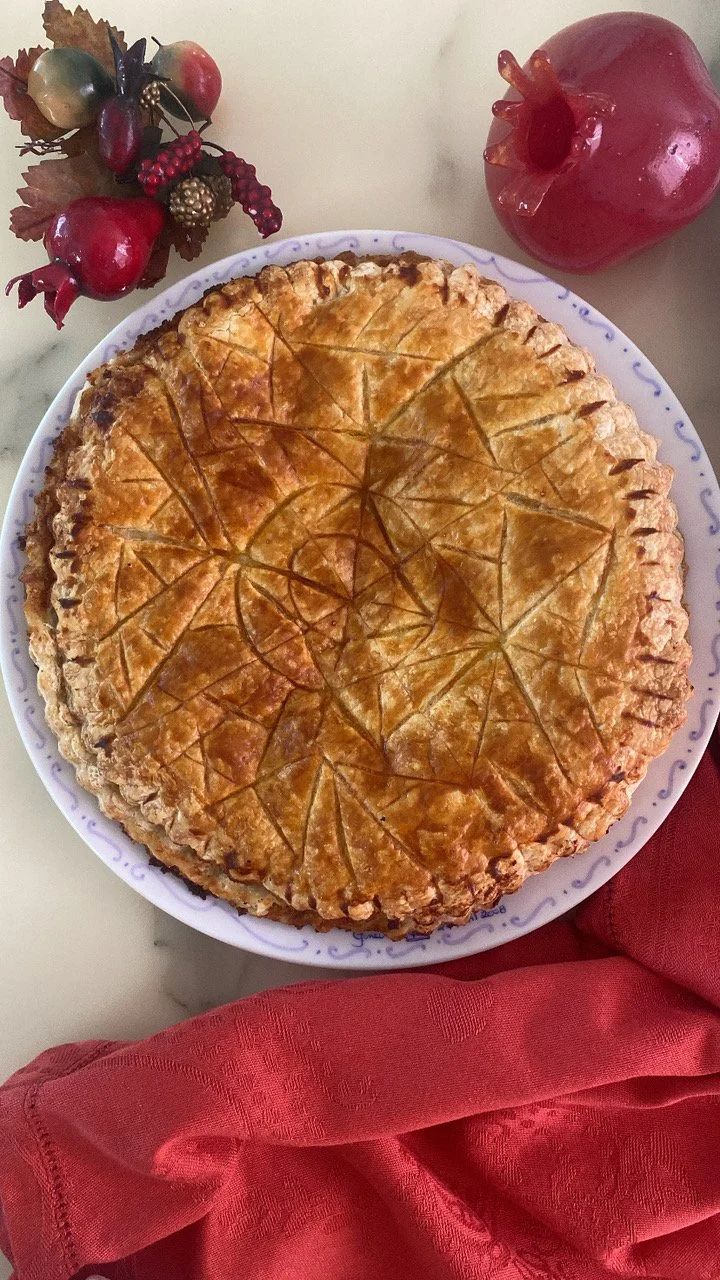
Figure 1. Galette that Ginevra and I made on Epiphany (January 6) recipe by Dorie Greenspan
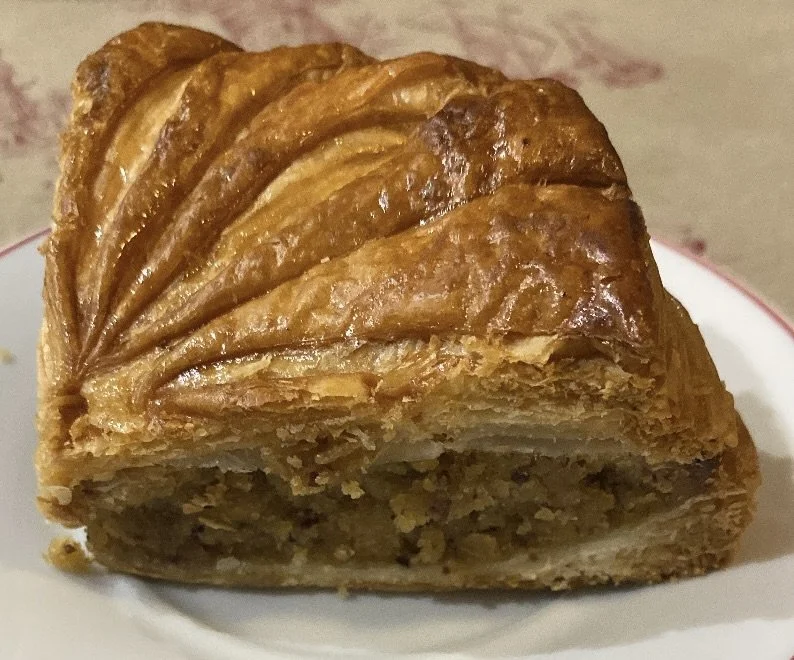
Figure 2. Traditional Galette - puff pastry and almond paste (here unpeeled almonds) Miemie
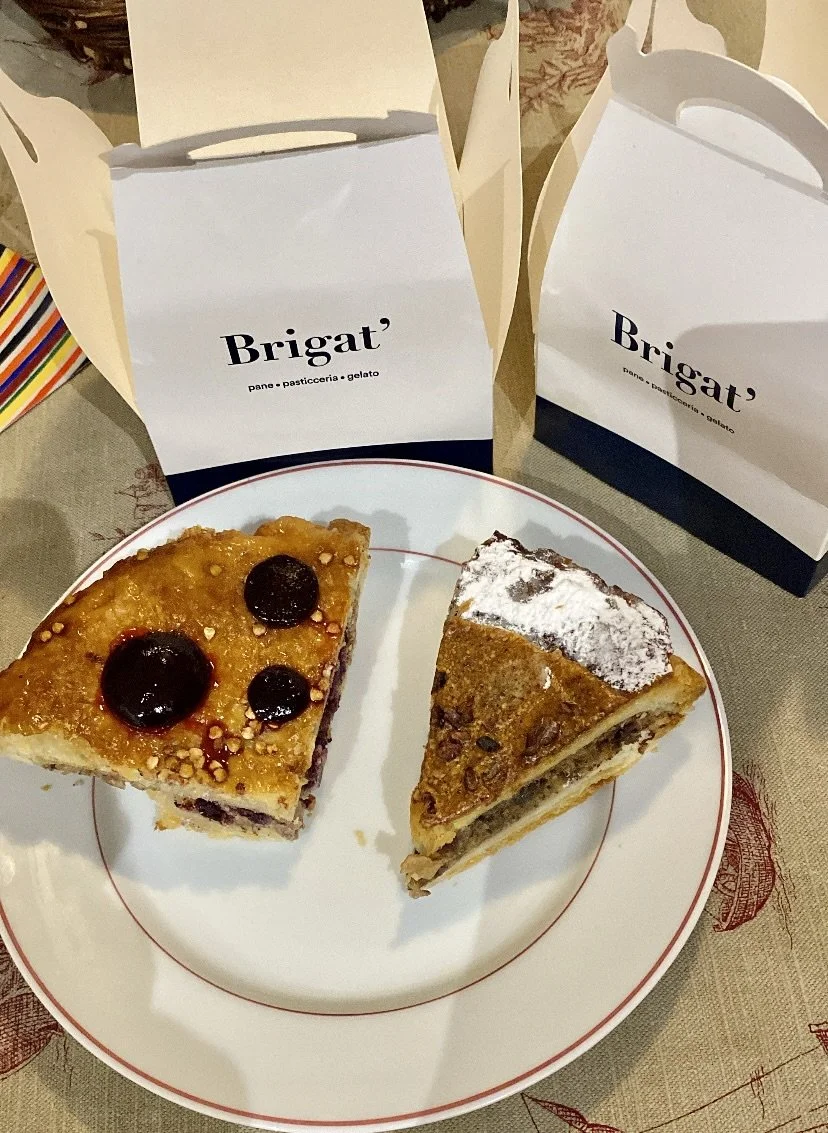
Figure 3. Two riffs on traditional galette des rois from Brigat, Left Berry & Buckwheat; Right, Chocolate & hazelnuts
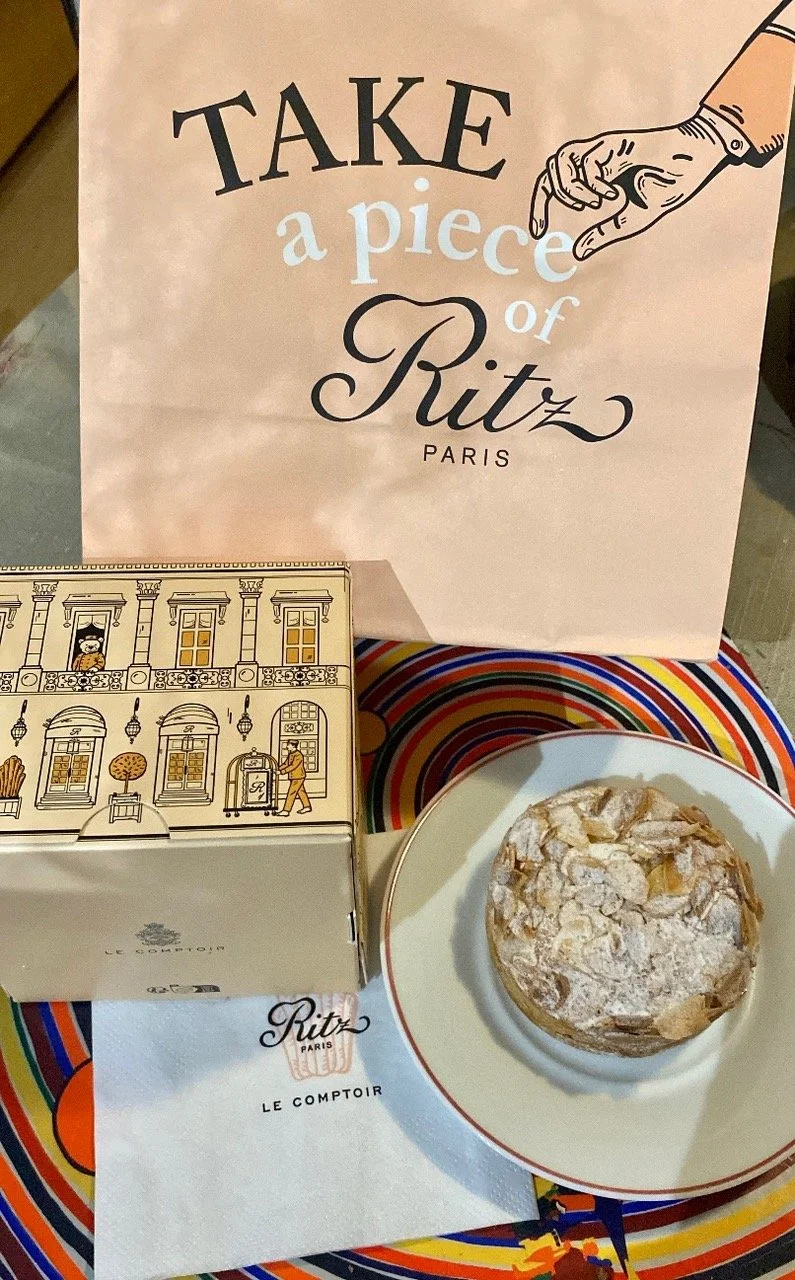
Figure 3a. Ritz Galette
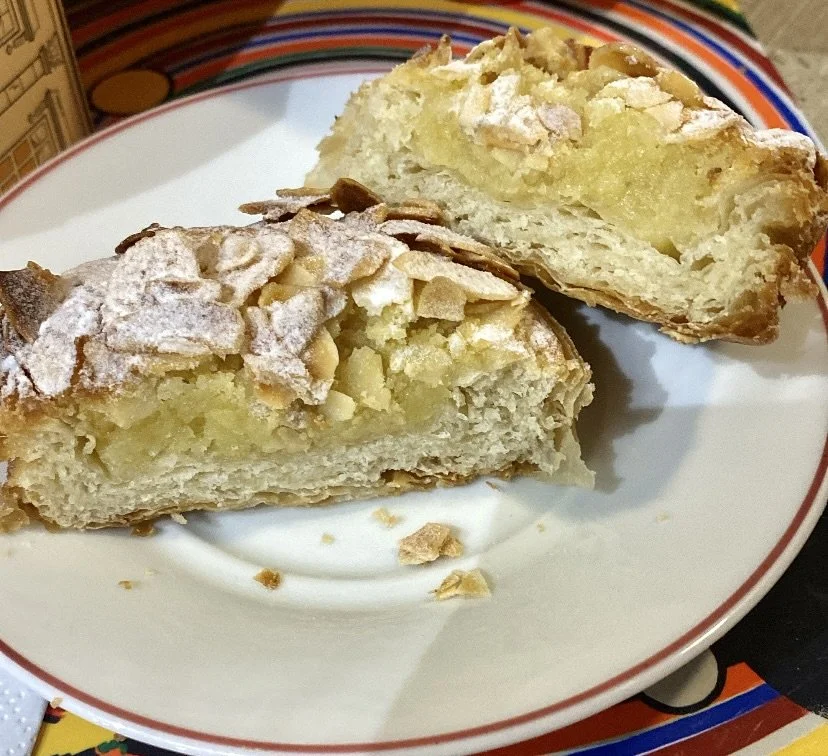
Figure 3b. Galette Interieur
Another thing I did, as I waited out my jet lag, was to pick up my titre de sejour at the préfecture. For which I must reapply every year to stay, legally, in France for another 12 months. I renewed the titre in July. I have been waiting since then for the new carte. Why six months? It’s a long and frustrating story that seems to hinge on the fact that while some branches of the French government have my cell phone number, the branch that is tasked with contacting me by SMS when my titre de sejour is ready for pick-up, does not. And I cannot simply show up at the prefecture to pick up my titre, I have to wait for an SMS to make an appointment. And no matter how many times I email the branch involved, to give them my telephone number, nothing happens. It’s been like this for 4 years. Finally I spoke to someone on the phone in early November. The first date available for me to pick up the carte was the day I left for San Francisco. At the end of December, I was able to schedule a pickup for the end of January.
On a less frustrating note, I traveled to Versailles last Saturday to see an exhibition. Although the weather was nothing like the balmy 60+ degree weather I left behind in sunny California, it wasn’t bad for Paris at the end of January. The day was crisp rather than cold and the sky was blue rather than overcast. The Chateau was looking particularly fetching. One can understand why our dear leader wants his residence to look like this. But alas, it is at this palace for kings rather than the house for the people where gold and gilding have a history, just like, well just like well attended military parades. (Fig 4)
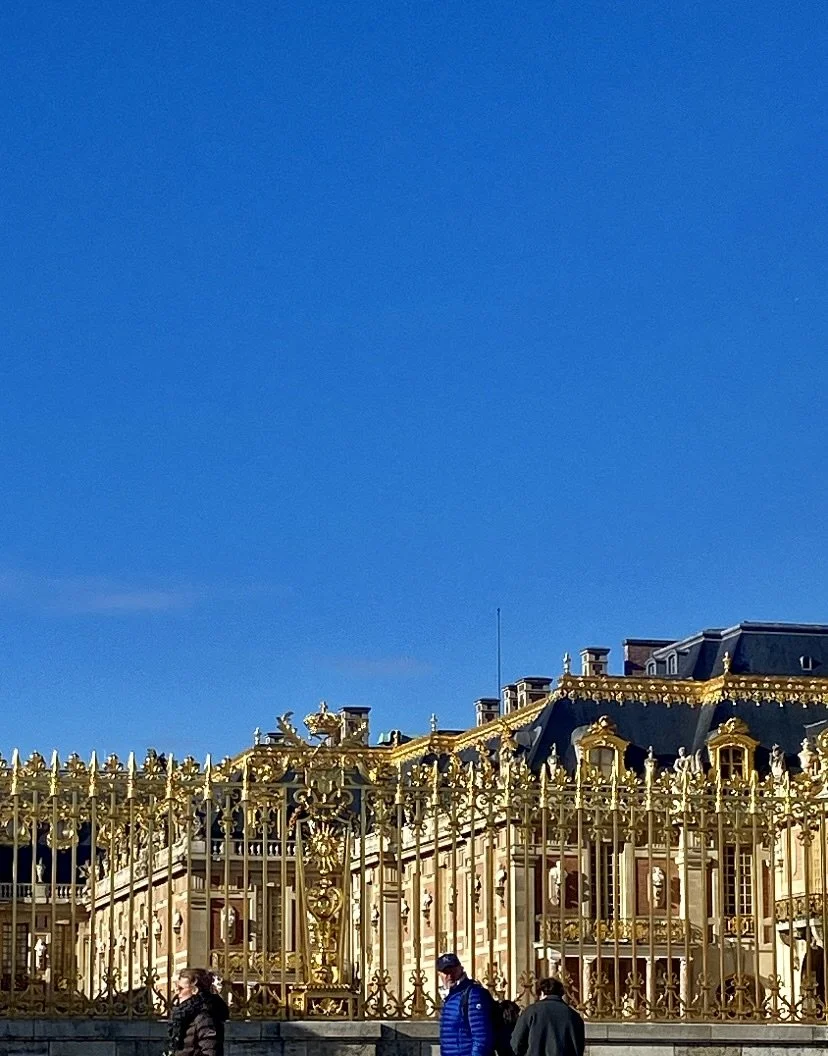
Figure 4. Chateau de Versailles, gold everywhere and a brilliant blue sky
The exhibition was about Le Grand Dauphin. The subtitle of the exhibition is, “Son of a king, father of a king but never king.” How did that happen? Turns out that it was a lethal (or effective, depending upon your point of view) combination of intermarriage and smallpox (question: if smallpox was still a thing, would RFK, Jr. allow people in the U.S. to be vaccinated against it, would it be covered by health insurance?)
The exhibition was about this eldest son of Louis XIV, who, after the death of his siblings (infant mortality was a big thing back then, even for royals and it might be making a comeback, at least in the United States) was Louis XIV’s sole surviving legitimate child. When the Grand Dauphin, who was called Monseigneur before his own children were born, was 19, he married Maria Anna of Bavaria. With the birth of their first son, Louis, Duke of Burgundy, Monseigneur became Le Grand Dauphin and his son became Le Petit Dauphin. As it turned out, both Le Grand Dauphin and Le Petit Dauphin met their demise before Louis XIV, the Sun King, did.
Le Grand Dauphin was 49 when he died of smallpox in 1711. Le Petit Dauphin, who was already 29 and married, died of measles a year later, (another disease which is making a comeback in the United States thanks to RFK, Jr.’s anti-science, anti-vax policies). Apparently, Le Petit Dauphin who had become Le Grand Dauphin upon the death of his father, was, unlike his own father, a caring husband who stayed by his wife’s side as she suffered from and then died of measles in 1712. Le Grand Dauphin succumbed to the same disease six days later. Both of their sons got measles, too. The elder son, Louis, Duke of Brittany, who became Le Petit Dauphin with the death of his grandfather and the elevation of his father to Le Grand Dauphine, died a few days after his father. His younger brother, who was wisely hidden from the doctors (quacks?) by his nurse (I learned about this a couple years ago in an exhibition about him, Louis XV) survived. The only family members still living then were this little boy’s 73 year old great grandfather, Louis XIV and his uncle, his father’s brother, who inherited the Spanish throne as Philip V. So, that’s how Le Grand Dauphin, son of of a king (Louis XIV) who was also the father of a king, (the King of Spain) never became a king. Which shows how great a role chance played when it came to who survived to rule and who succumbed to disease or in the case of the English monarchy, to the attractions of a twice divorced American socialite and Nazi sympathizer (like her husband).
The exhibition was divided into three sections. The childhood of Le Grand Dauphin and his education was first. His teachers wrote in their private journals (which we get to see) that he was a stupid boy, not interested in learning. The exhibition is more sensitive, suggesting that perhaps he was dyslexic. (Figs 5 - 7) The next section is about his marriage and children. Le Grand Dauphin and Maria Anna of Bavaria were betrothed at the ages of 9 and 10. A decade later, at 19 and 20, they consummated their marriage. In their early years together, they were well suited since they “shared a love of the pursuit of pleasure.” Apparently, his pleasures became a little too kinky for her tastes. The combination of her husband’s infidelities and a succession of miscarriages caused the Dauphine to become withdrawn…” In 1690, after 10 years of marriage, she died. Cause of death: exhaustion. She was 30. Note to self: don’t marry a libertine.
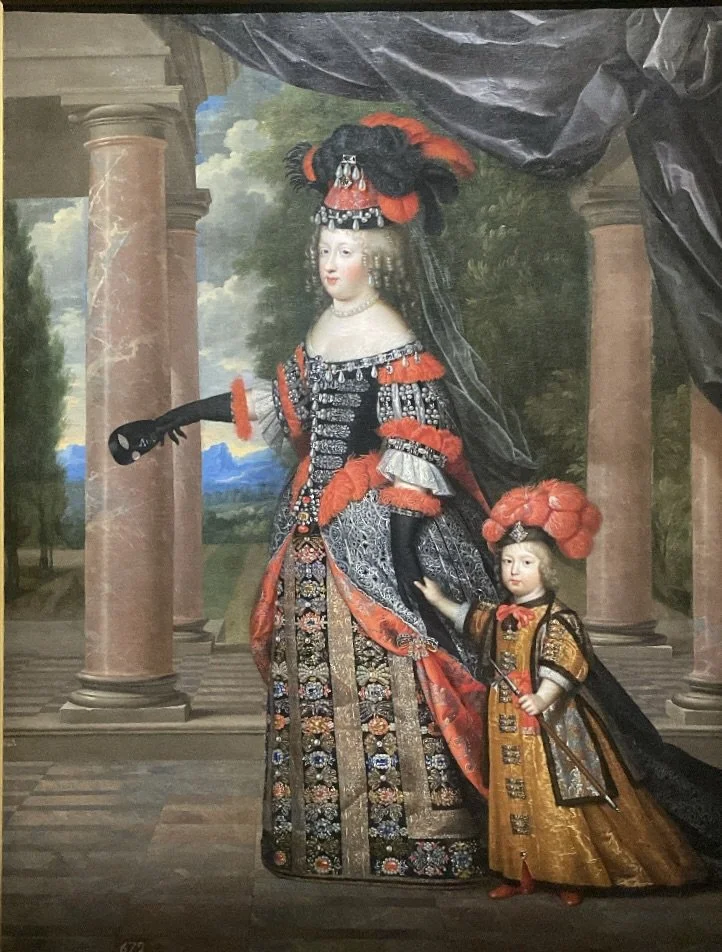
Figure 5. The Dauphin and his Mother in costumes a la polonaise, 1664
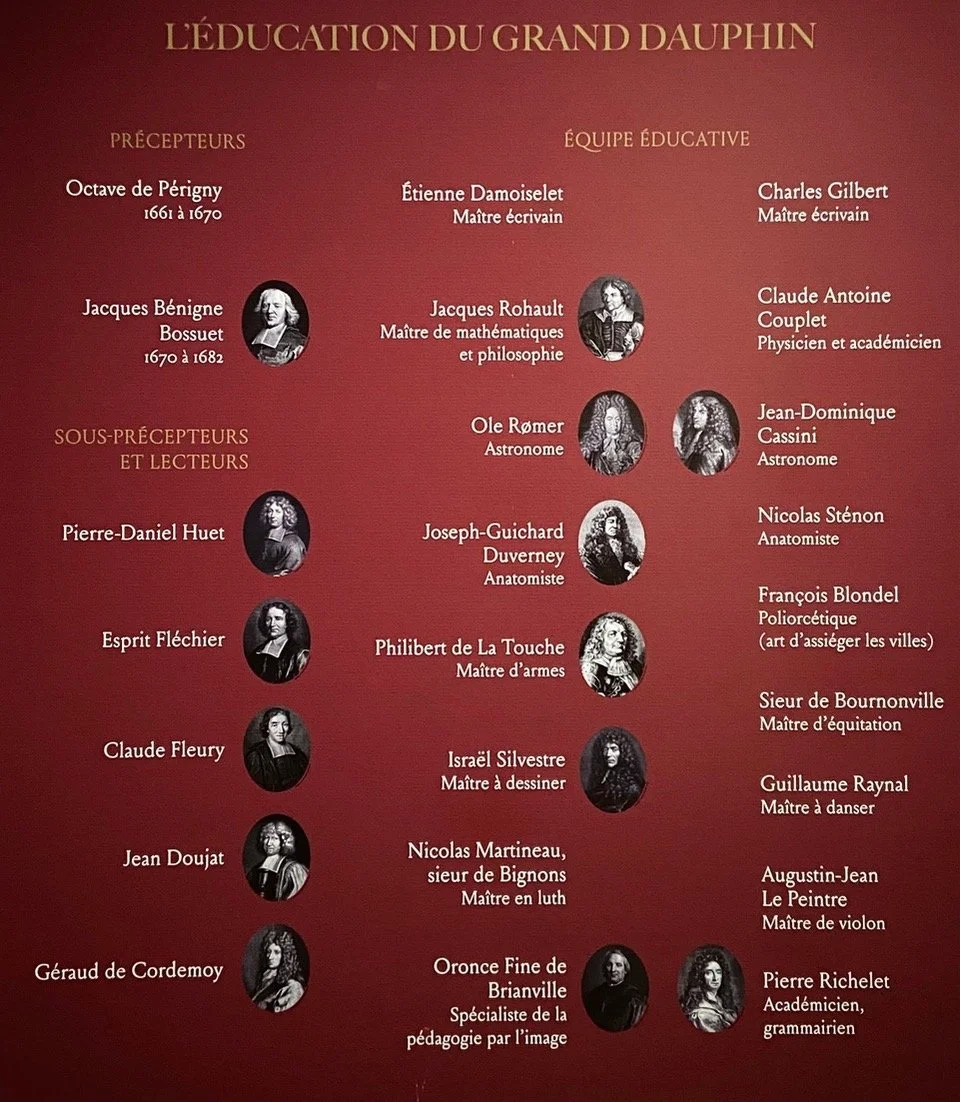
Figure 6. The Dauphin’s teachers
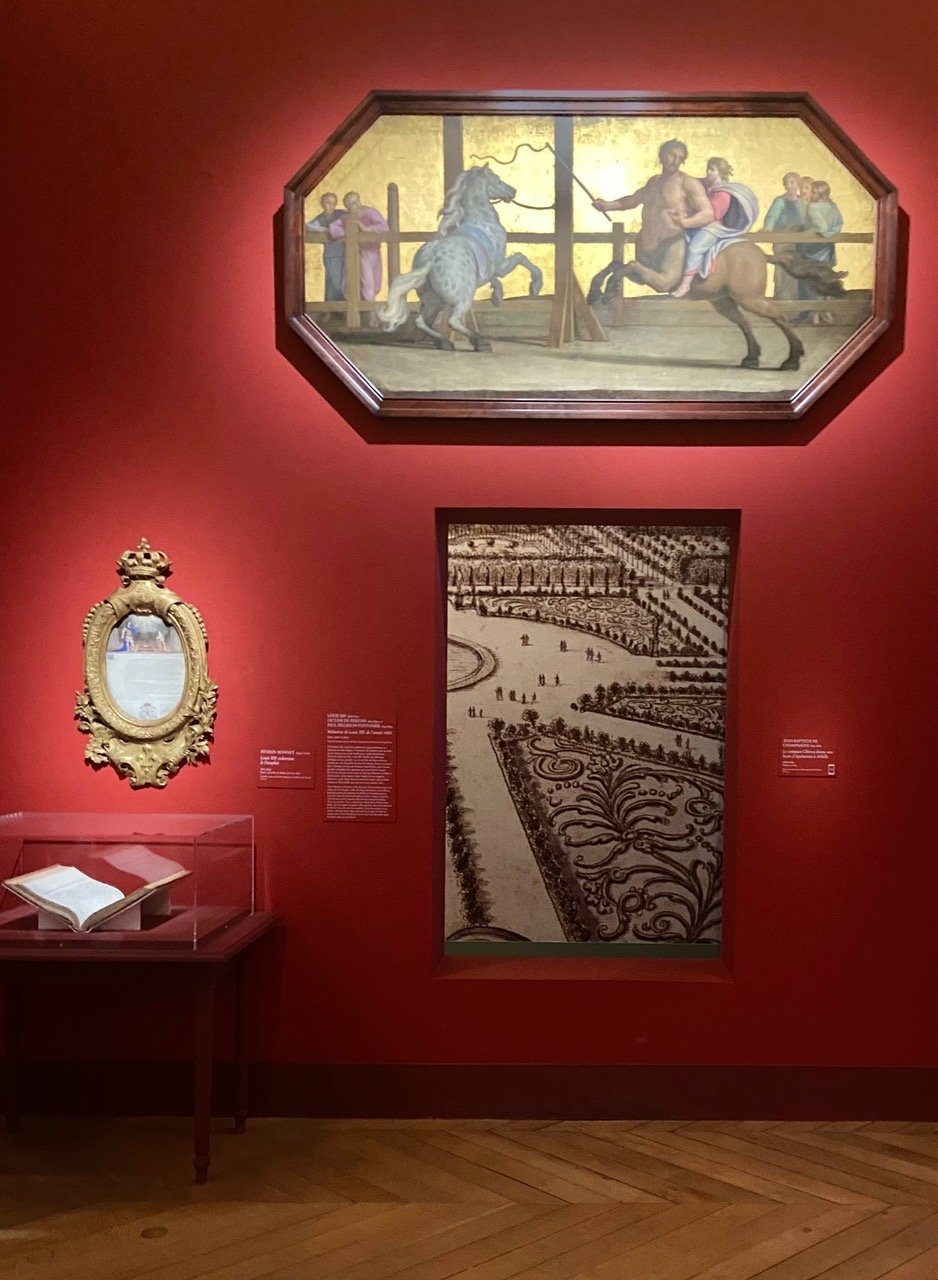
Figure 7. Top, Chiron teaching Achilles to tame horses, an allegorical reference to the education of the Dauphin
The most spectacular part of the exhibition concentrated on the sybaritic Dauphin’s art collection. He was evidently as catholic in his tastes for art as he was in his other predilections. We learn about his Jewel Gallery, his gilded Cabinet Doré and his mirror-lined Cabinet de Glace, all of which were at Versailles, none of which survive although precious objects from them, do. The Cabinet de Glace we are told, was so fragile that anyone who entered had to wear soft slippers. And then there was Le Grand Dauphin’s chateau at Meudon which also does not survive as he left it. This Renaissance chateau was owned by a widow who Louis XIV, Le Grand Dauphin’s father, convinced to trade for another chateau. I don’t imagine the widow had much choice. In addition to pouring money into the chateau and the gardens, Le Grand Dauphin destroyed a Renaissance pavilion to build a second chateau. The original chateau, which came to be called Château-Vieux burned down in 1795, during the French Revolution. The Château-Neuf, burned down in 1871, during the Franco-Prussian war. Built so his hedonistic friends had somewhere to stay, Chateau-Neuf was completed in 1709. Le Grand Dauphin died two years later. (Figs 8-14)
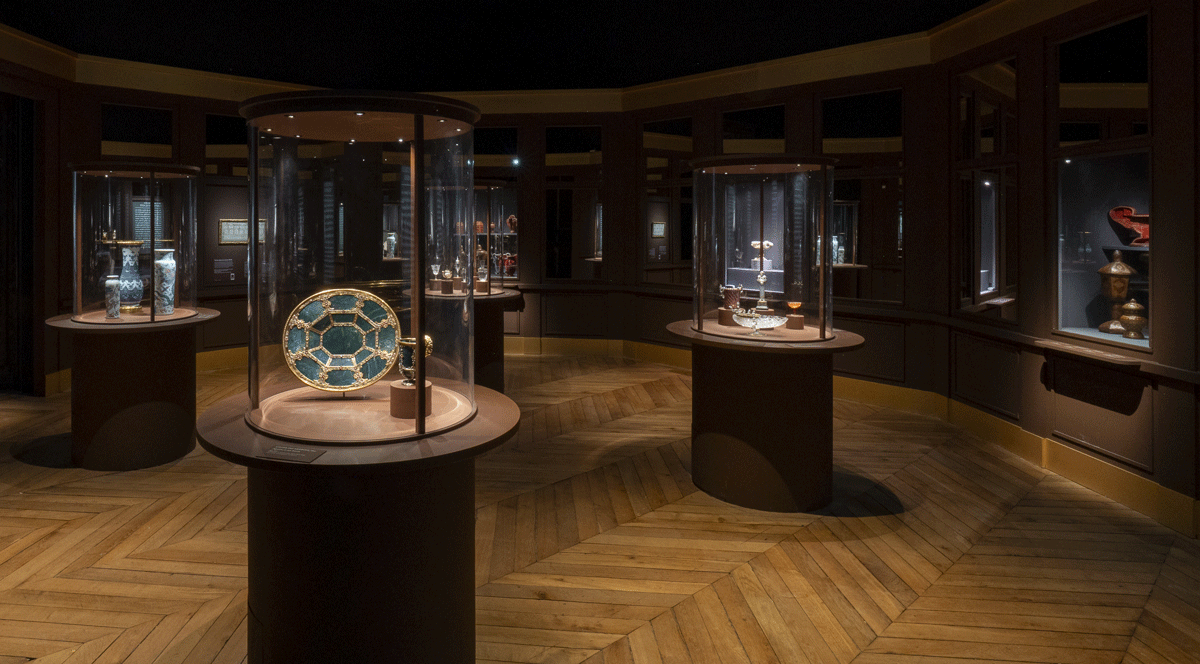
Figure 8. Sampling of sumptuous objets Le Grand Dauphin collected or selected from his father’s (Louis XIV) collection
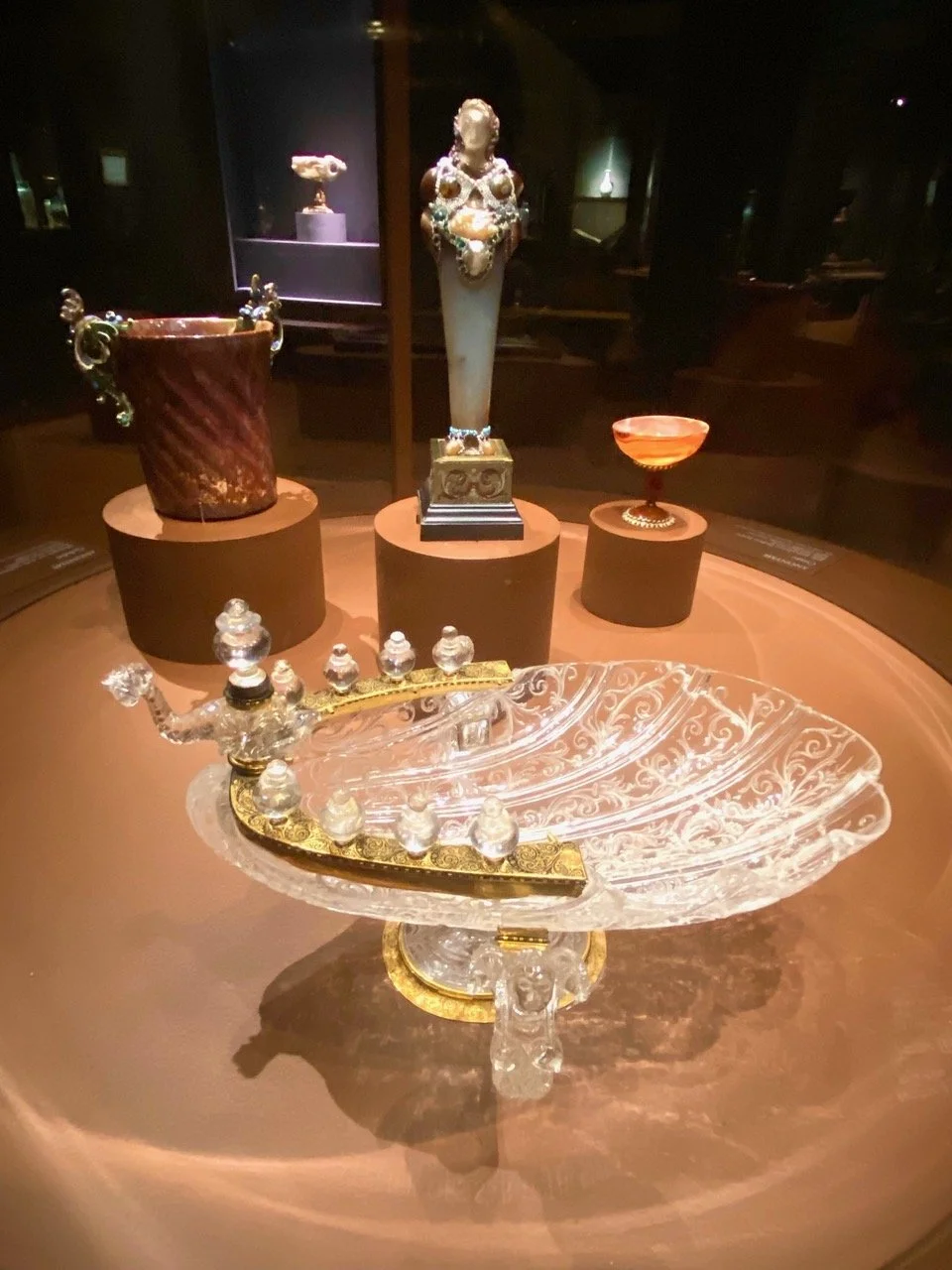
Figure 9. A closer view of this collection of exquisite objets
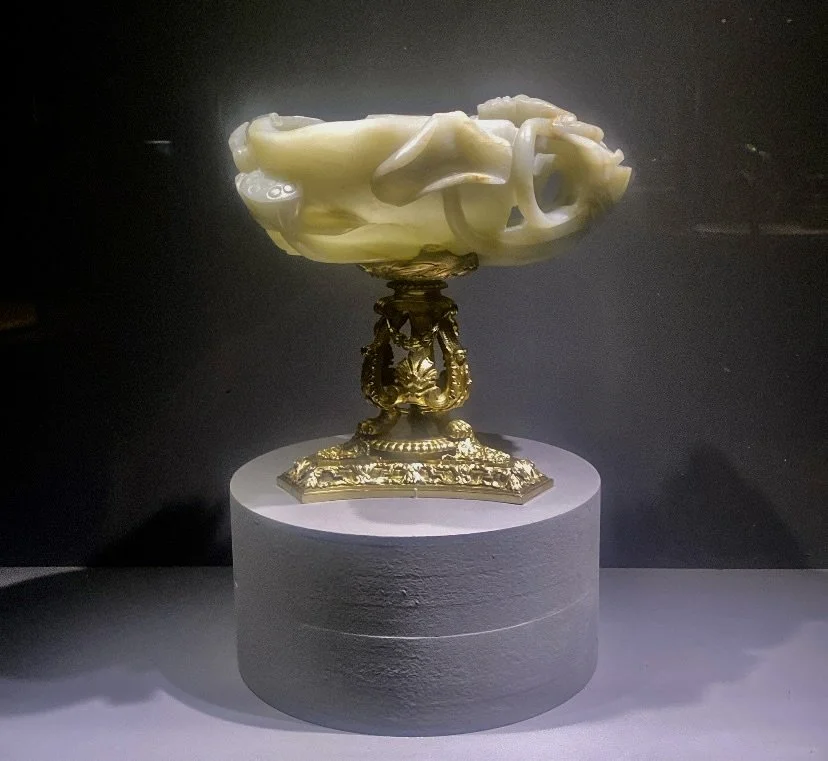
Figure 10. Coupe en jade sur un pied en vermeil, Dynastie Qing (coupe) et 1684-1687 (monture), same collection
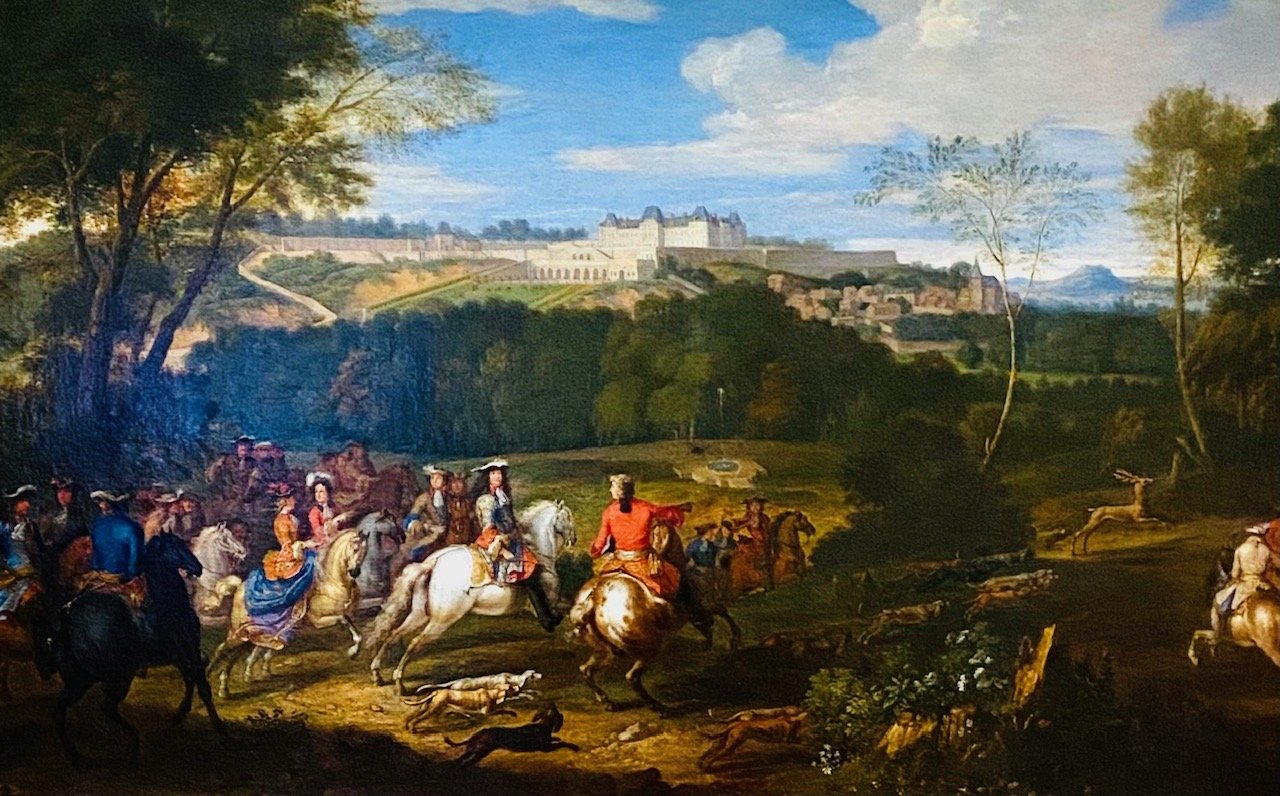
Figure 11. A hunt with Chateau de Meudon in the background
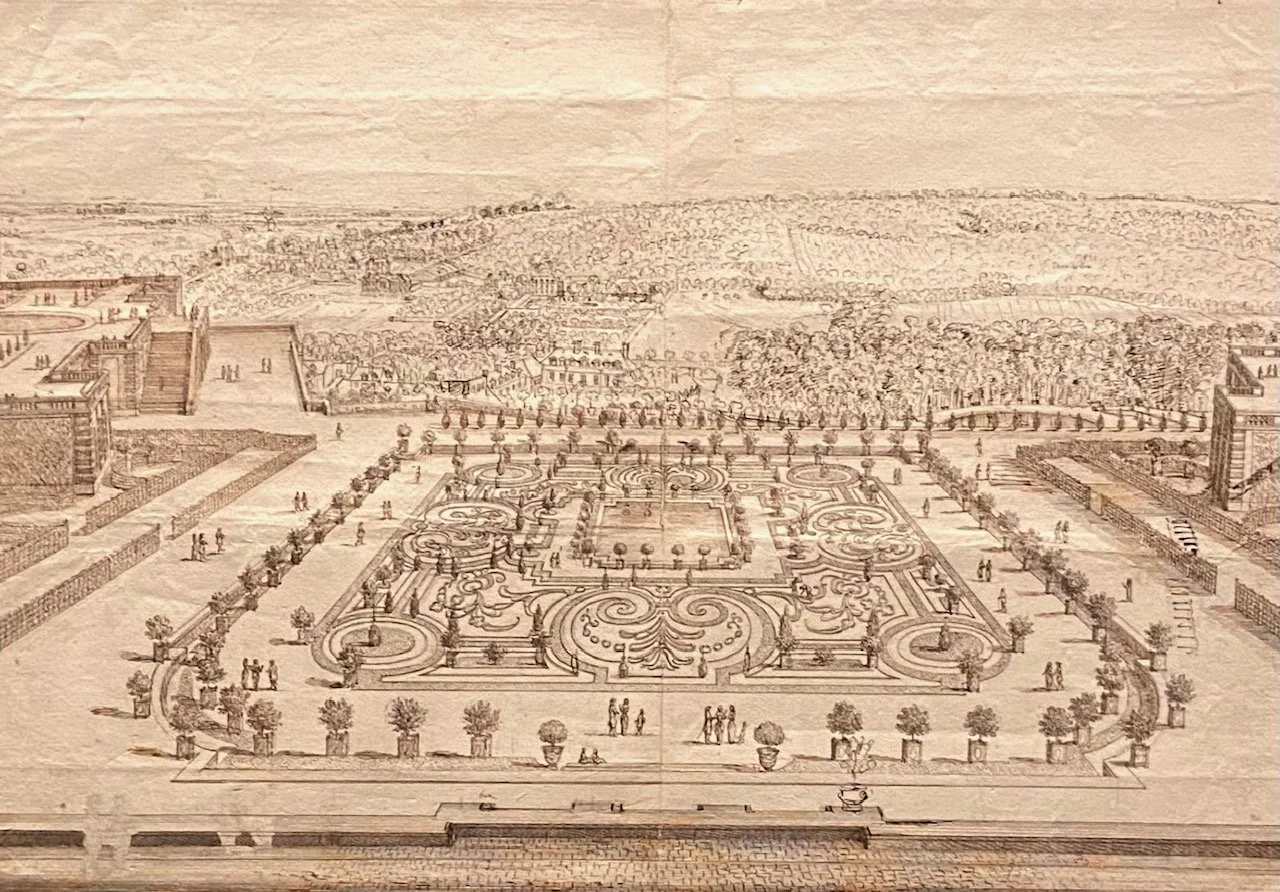
Figure 12. Grotto of Chateau de Meudon
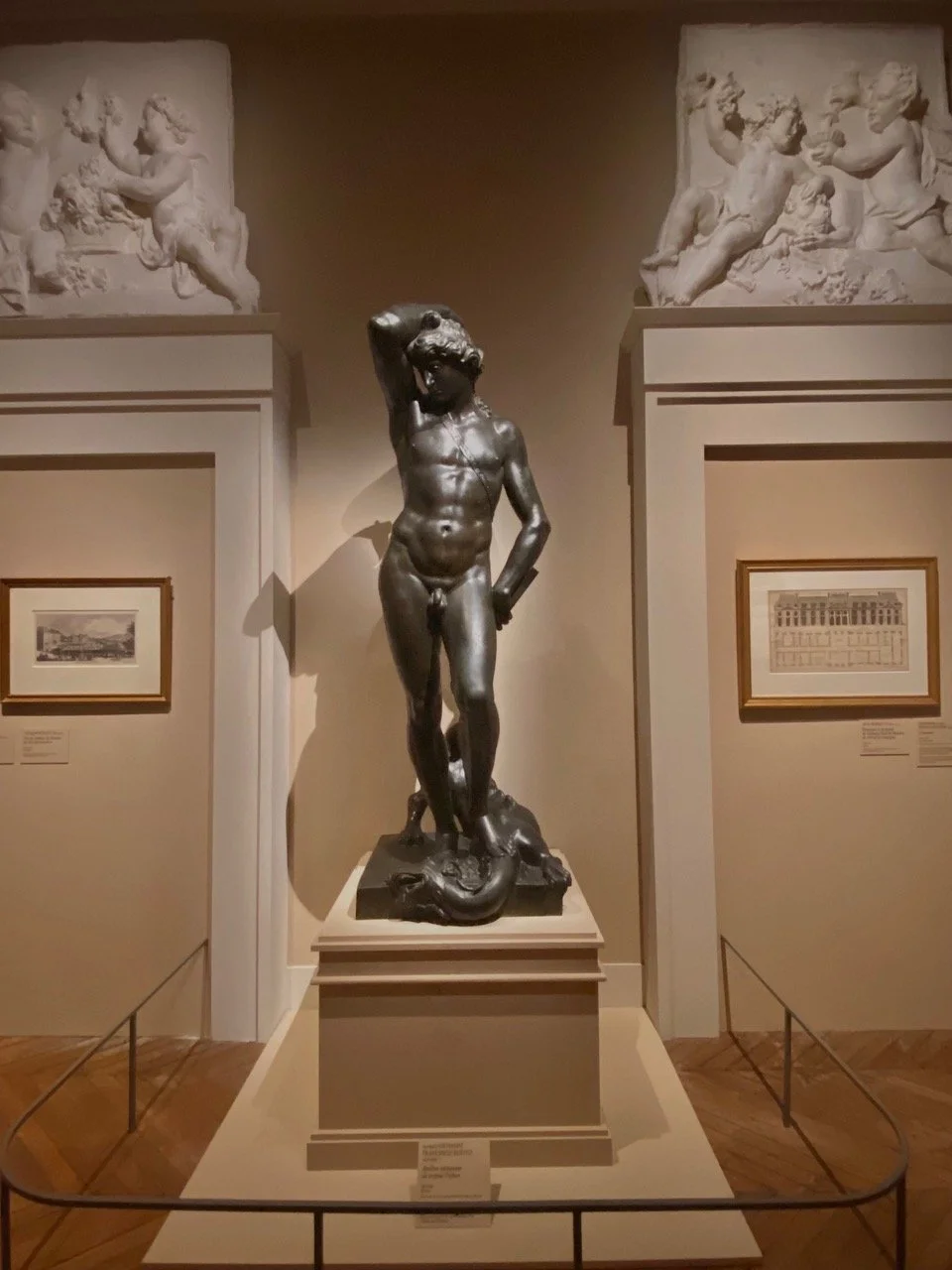
Figure 13. A statue from Chateau-Neuf, Chateau de Meudon
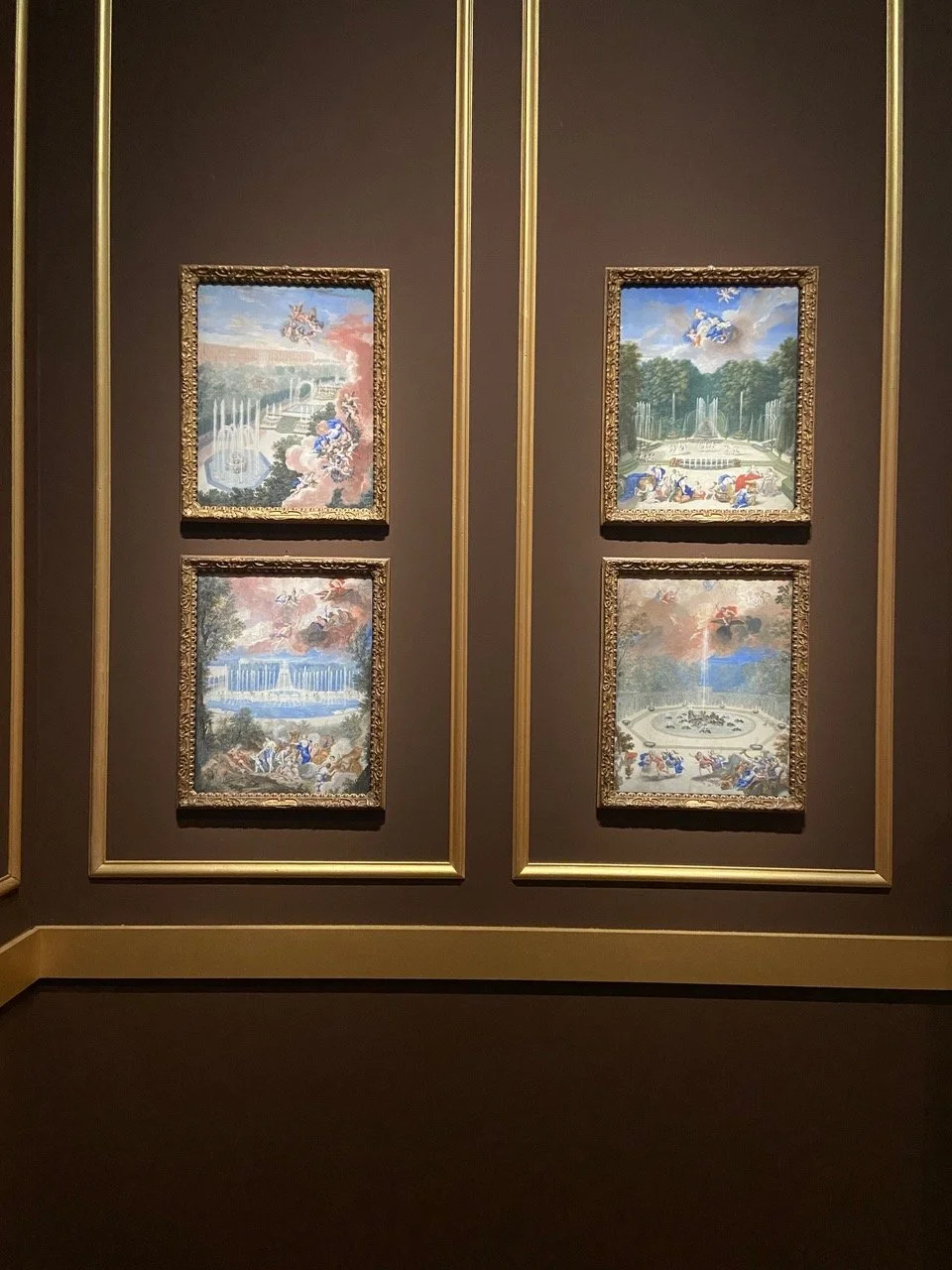
Figure 14. Four of 20 miniature paintings after full scale ones, of gardens & fountains of Chateau de Versailles, Louis XIV kept the large scale paintings, Le Grand Dauphin took the miniatures to the Chateau-Vieux, Chateau de Meudon
Of all the Le Grand Dauphin’s tastes, the one I appreciated most, because I share it, was his interest in ephemeral displays. He had “a passion for all forms of entertainment including theatre, masquerades and equestrian tournaments.” Many of the ephemeral displays are documented by drawings and prints of costumes and displays. (Figs 15-18)
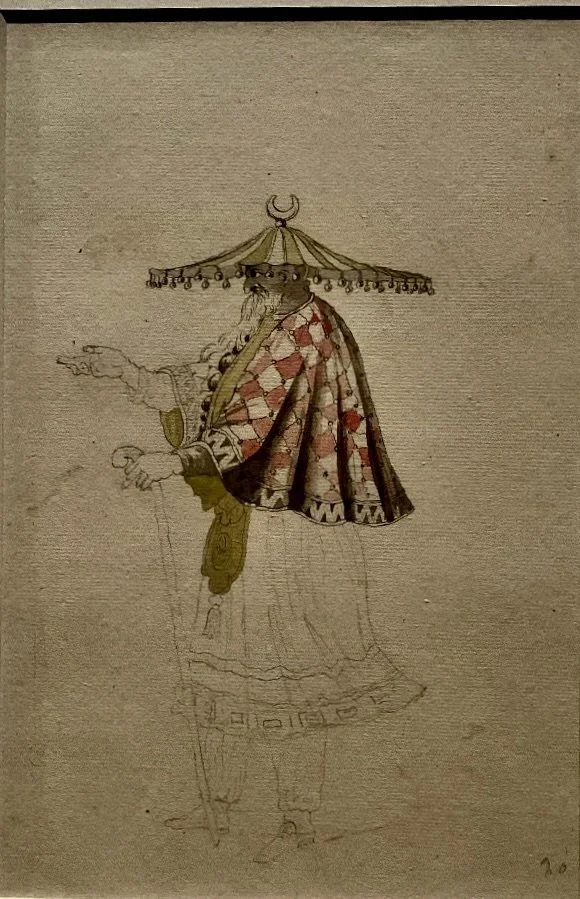
Figure 15. Chinese costume for Grand Masquerade, 1700

Figure 16. Costumes of Zephyr and Flora for Dauphin & Dauphine, 1781
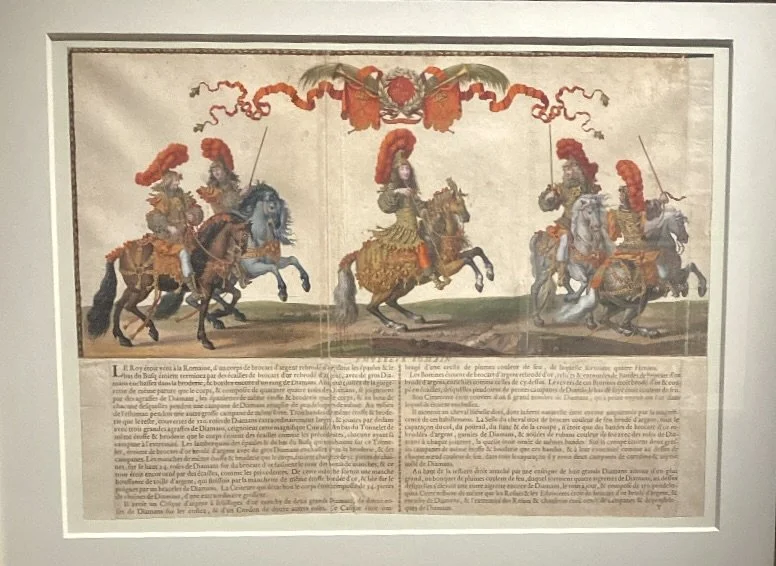
Figure 17. Défilé de Chevaux enchantés
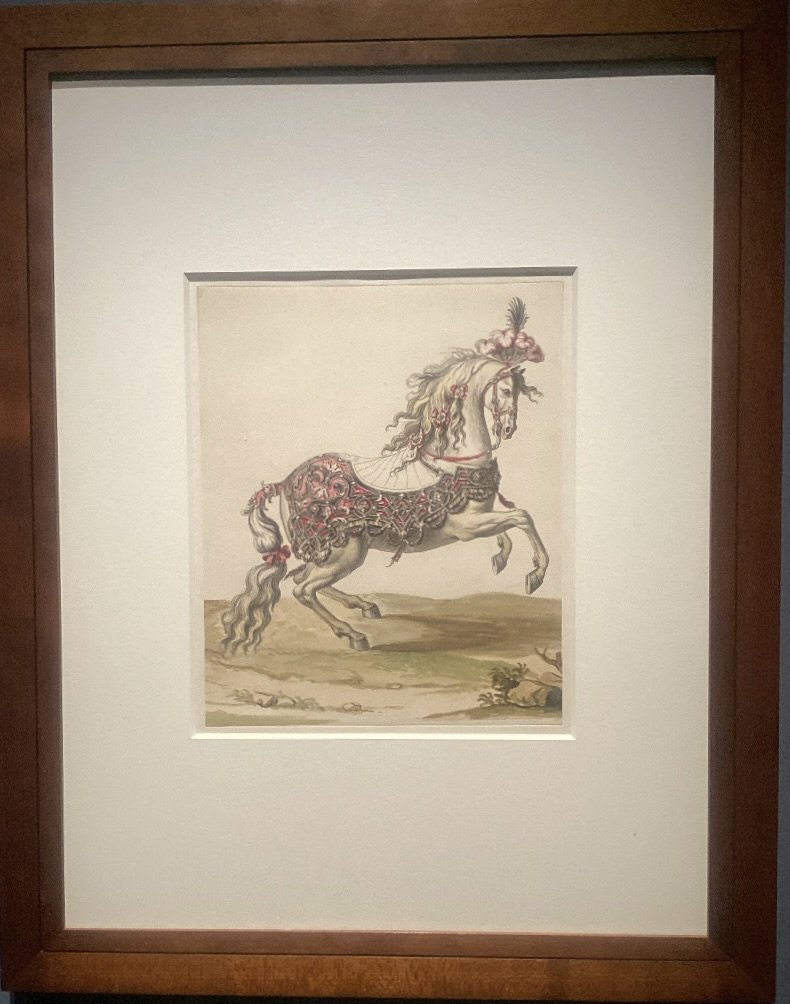
Figure 18. Horse upon which Le Grand Dauphin rode, 1685
The final section of the exhibition, “From Death to Oblivion,” concludes with an estimation of Le Grand Dauphin, written by the Duke of Saint-Simon in his Mémoires. Le Grand Dauphin was a man,"drowning in fat and apathy.” Sounds like a fitting epitaph for you know who. (Figs 19-21)
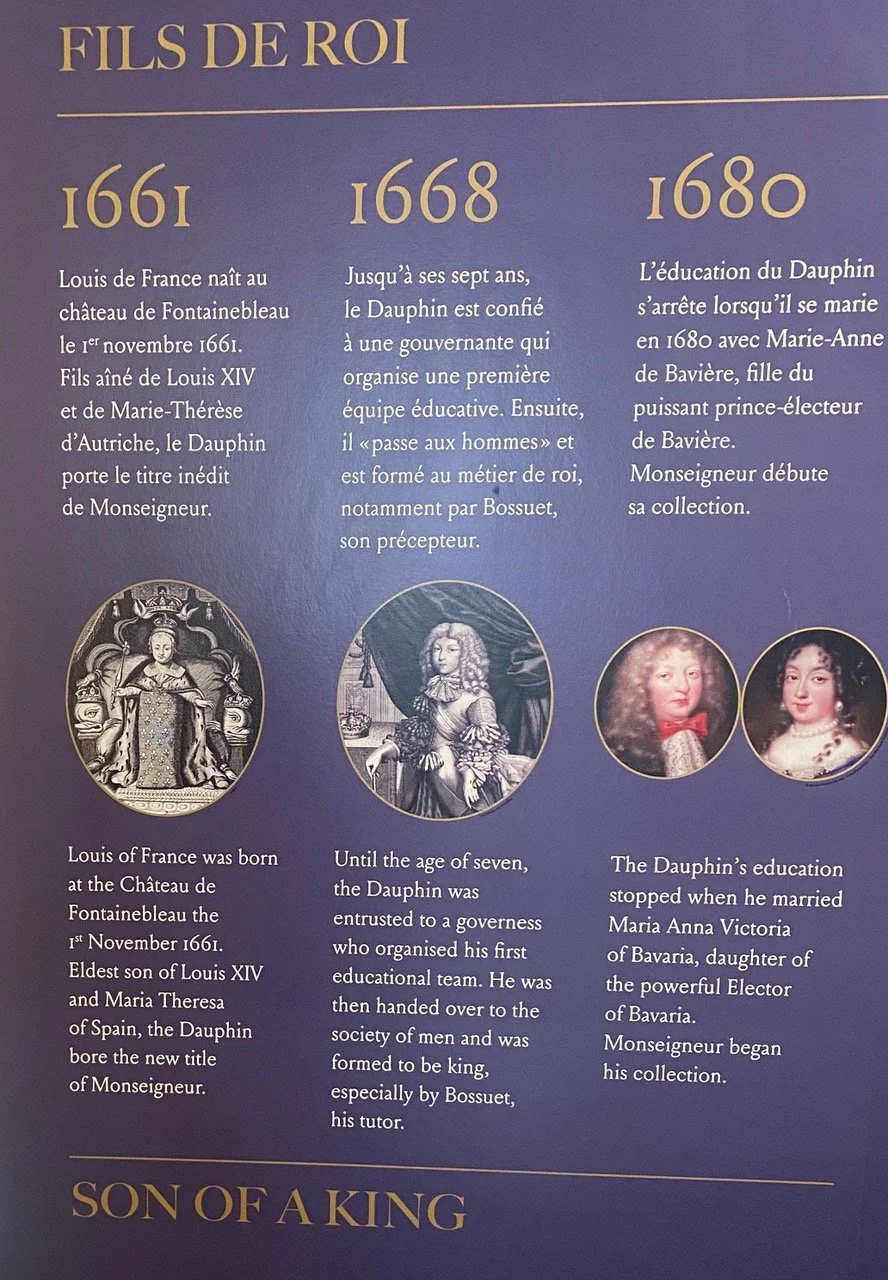
Figure 19. Son of a King
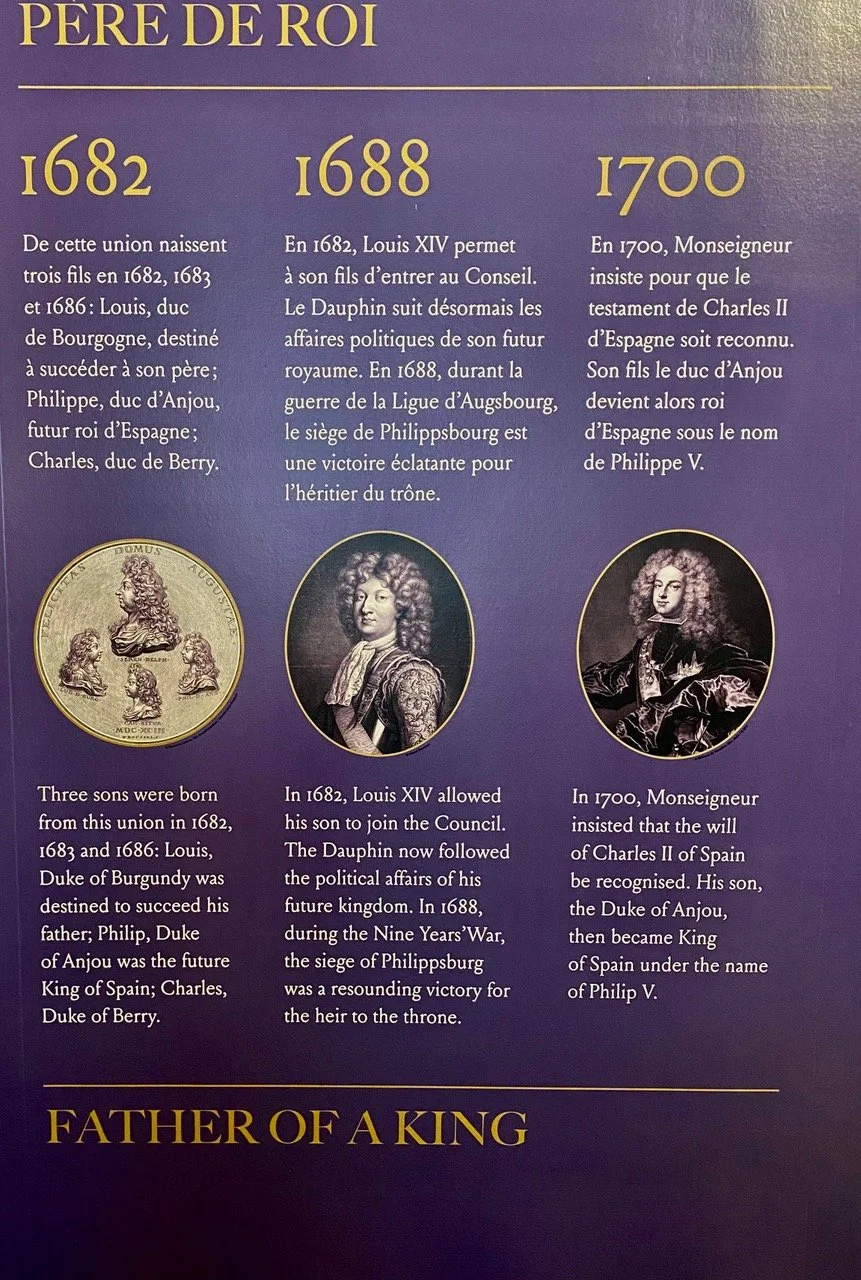
Figure 20. Father of a King
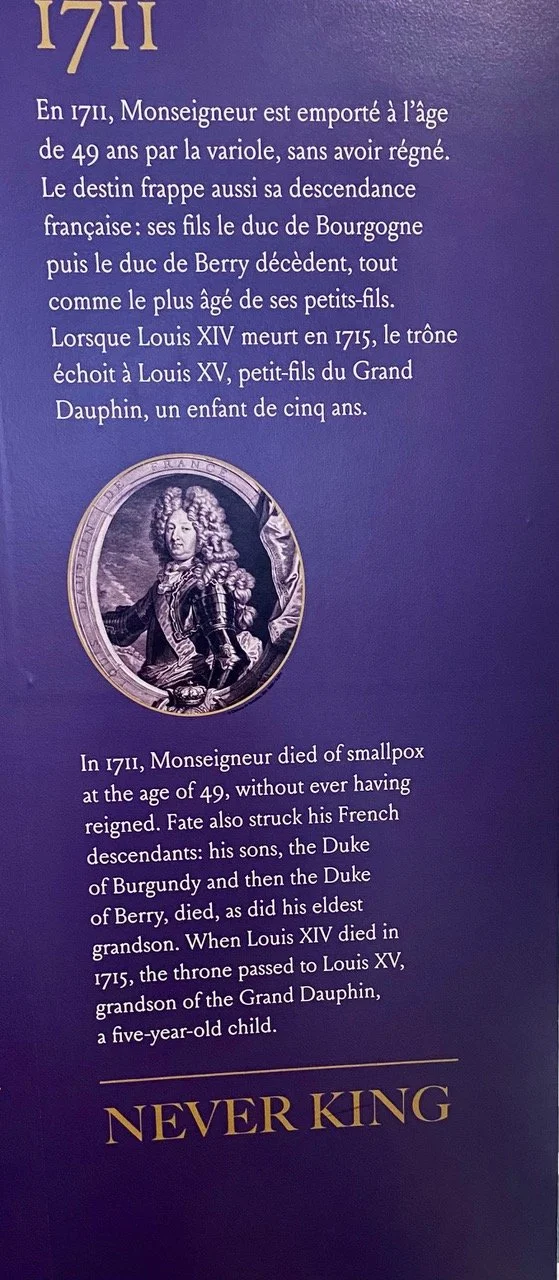
Figure 21. Never King
There was a second exhibition at Versailles, celebrating the 300 anniversary of a visit to France by five Native Americans. (Fig 22) According to the exhibition introduction, “In 1725, four Native American chiefs and the daughter of another, from the Mississippi Valley were received in France… The event marked the climax of efforts by the French crown to build relationships with Indigenous nations in North America, amidst ongoing conflicts between European colonial powers and the Indigenous allies. This exhibition offers a rare opportunity to explore the history and lives of the Native American nations of the Mississippi Valley in the 18th century, their connections with France, … and their meeting with Louis XV, the royal court, and the capital.” Lots of interesting artifacts were here, like headdresses and calumets brought by the Native Americans. And French objets and decorations showing America as one of the four corners of the world. (Figs 23-24)
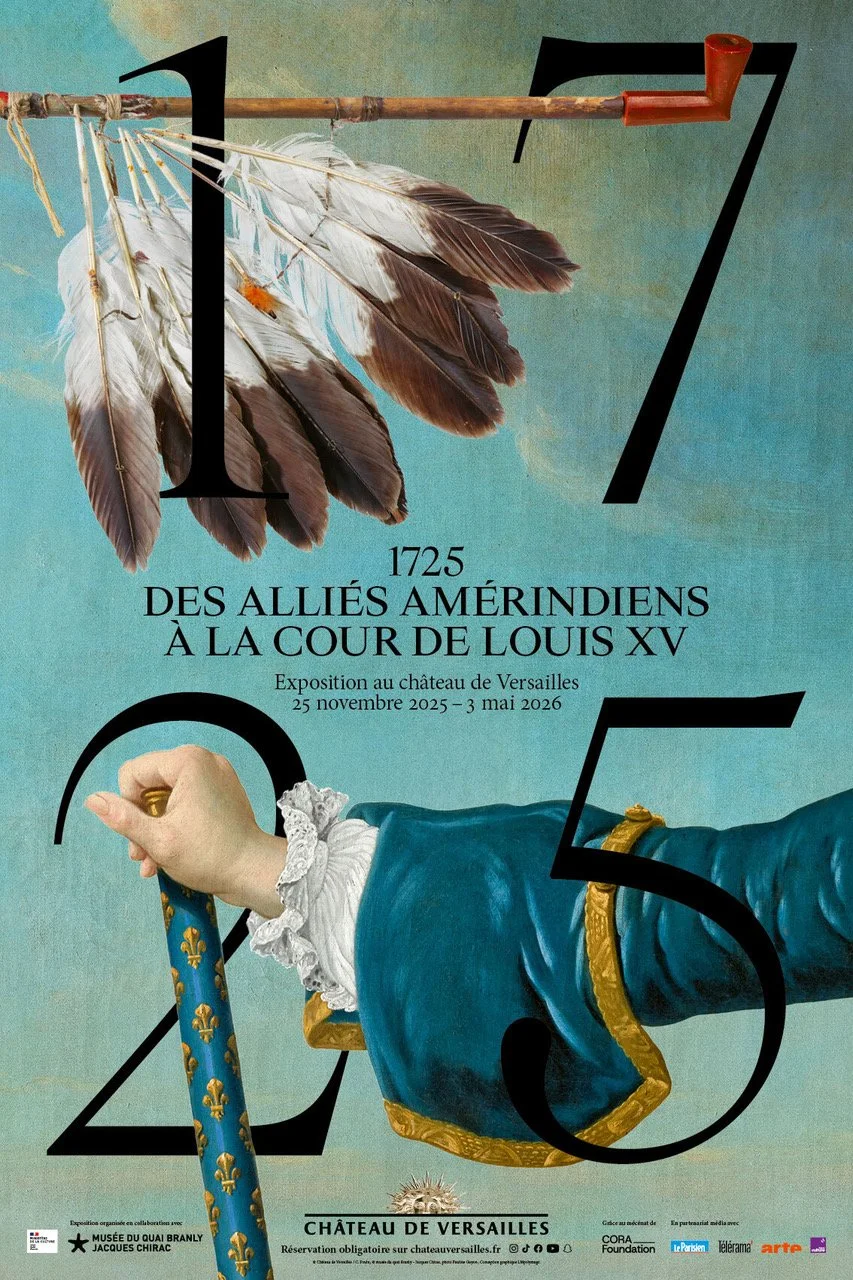
Figure 22. 1725 Amerindien Allies at the Court of Louis XV
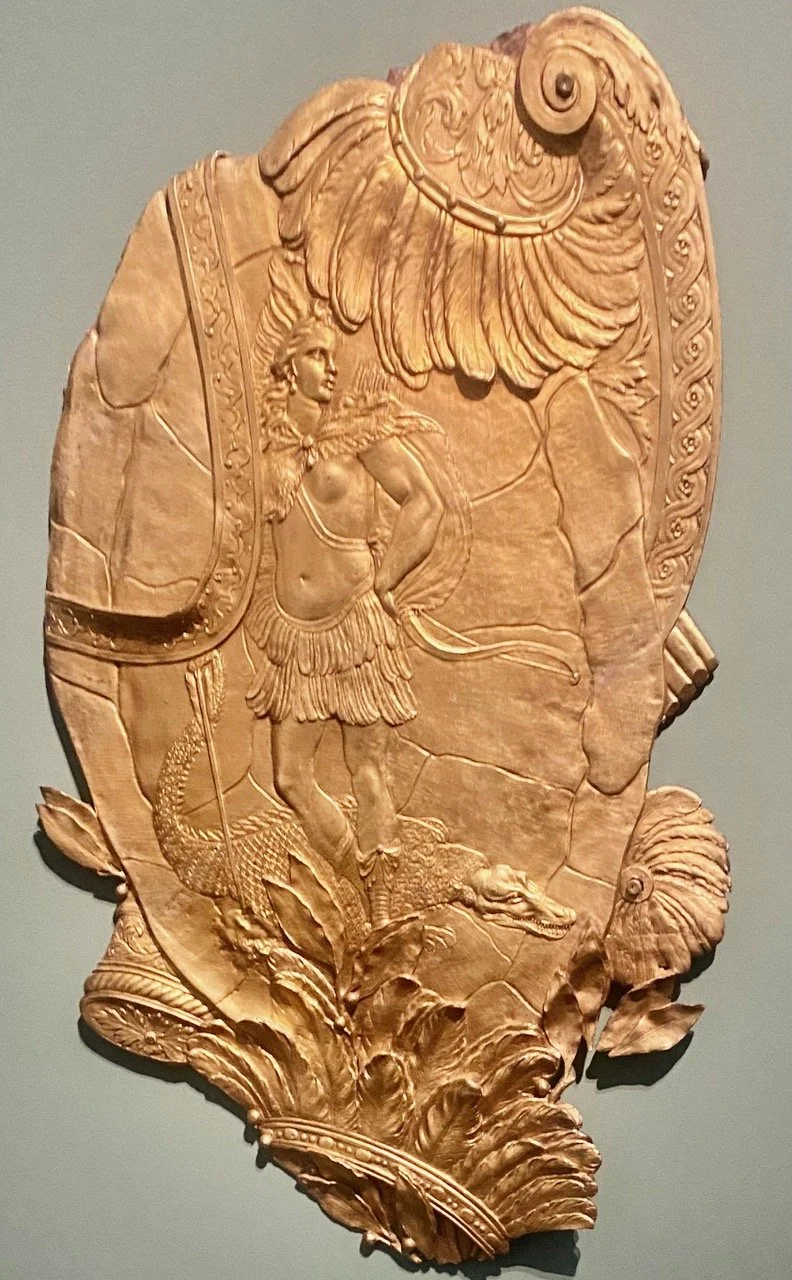
Figure 23. America as one of four corners of world, American Indian woman, with bow, arrow and quiver, crocodile at feet, feathered headdress following Cesare Ripa's Iconologia book of how to represent ideas and places with images
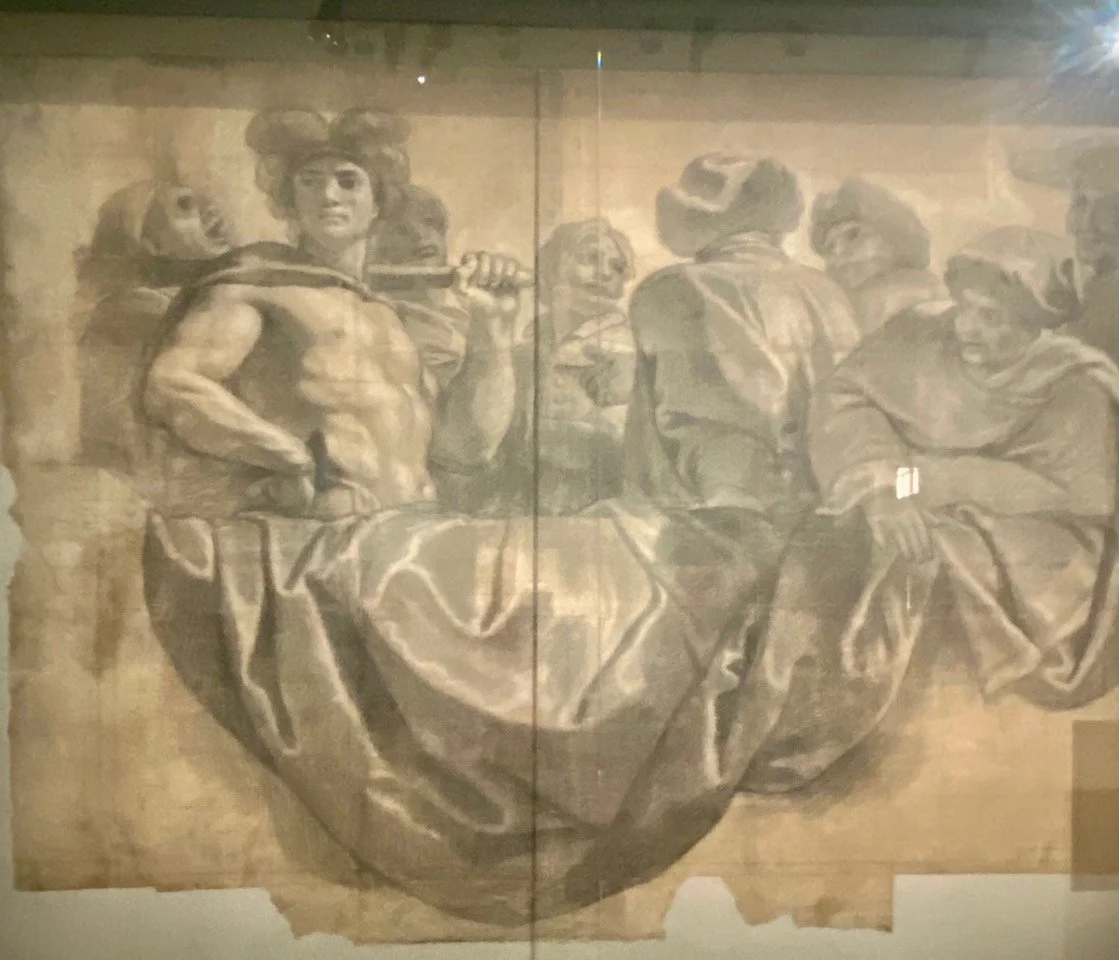
Figure 24. Design for decoration of Ambassadors Staircase, Chateau de Versailles. Native American as one of the four corners of the world
I forgot to mention that during the 11+ hour flight from San Francisco to Paris, I watched two films. One was an old favorite, Wes Anderson’s 2007 Darjeeling Limited. Maybe it was the Dramamine, maybe it was how close the screen was to my face. But never have the colors of that film seemed more vibrant, and the phrase that Nicolas says whenever anyone is speaking too loudly, more funny. It’s what Adrien Brody says when he and his two brothers are sitting in the dining car of the train taking them to visit their mother in India. “These Germans are bothering me.” And with that, he goes over and asks the two old ladies who are bothering him to please lower their voices. (Fig 25)
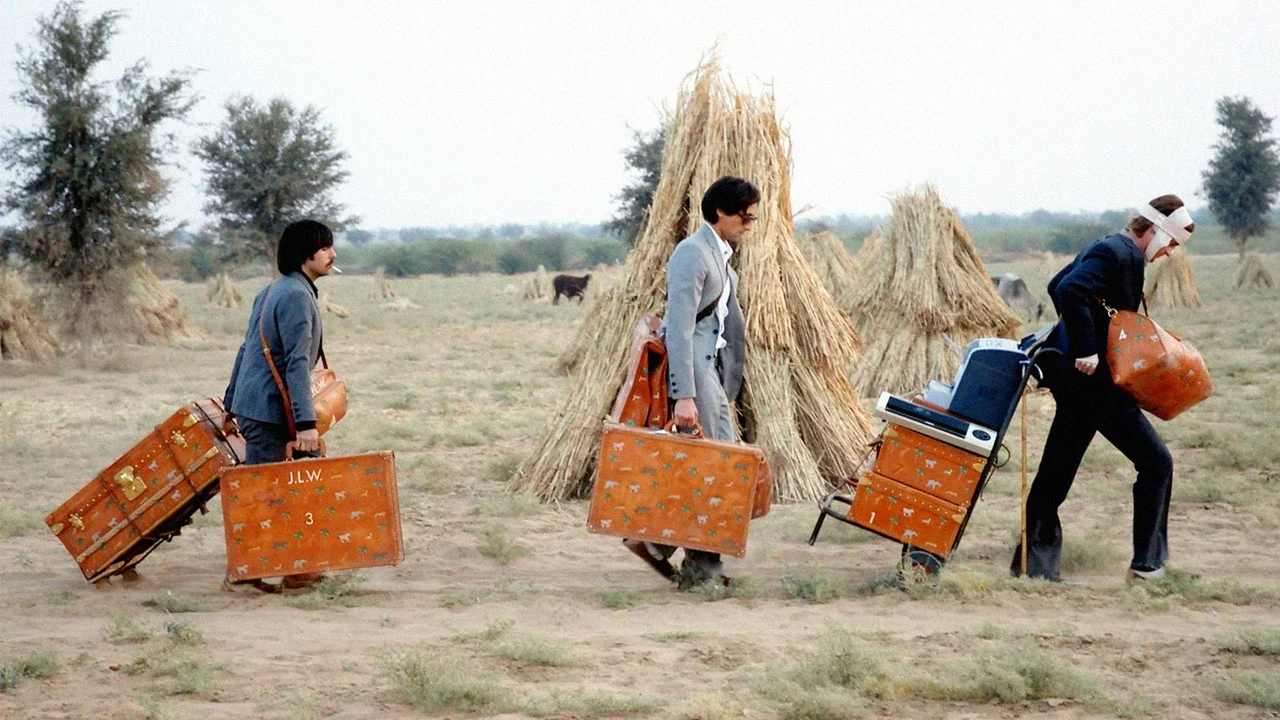
Figure 25. The Darjeeling Limited, three brothers carrying their father’s Louis Vuitton luggage
The other film, from 2024, ‘Jane Austen a gâché ma vie,’ was about a young woman who works at Shakespeare and Company in Paris and wants to be a writer. Unbeknownst to her, one of her colleagues signs her up for a writers retreat in England run by Jane Austen’s descendants. She is accepted. After a few traumas and false starts, our heroine finds personal happiness and professional success. (Fig 26)
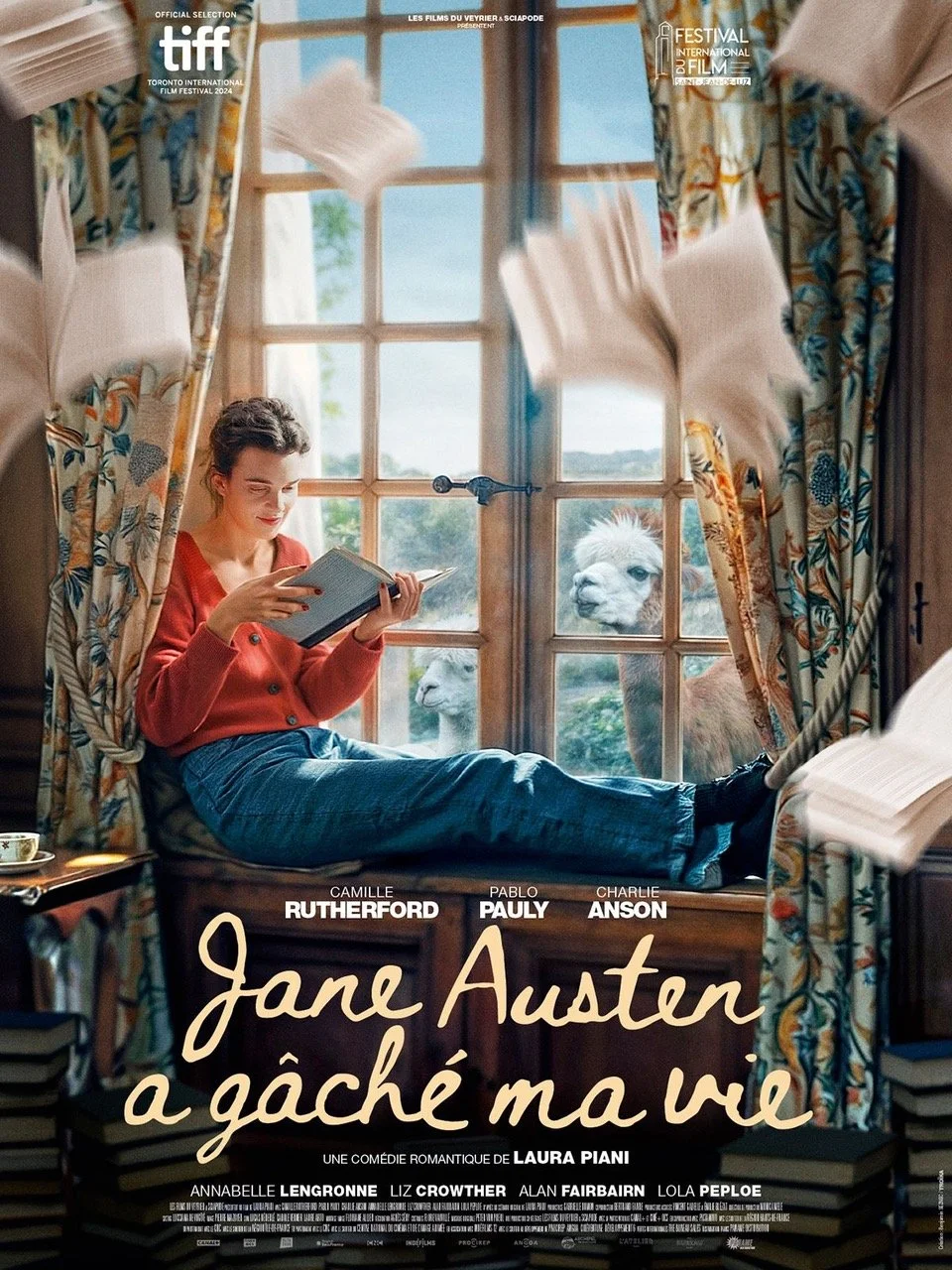
Figure 26. Jane Austen a gâché ma vie
The name of the film stuck with me as the credits rolled. I began to think about what had ‘gâchéd’ ma vie in San Francisco and what was about to gâché ma vie in Paris. I am not talking about the death of democracy and the return of the brown shirts. Nothing as profound and scary as that. In San Francisco, what had gâchéd my life was definitely bread. I have access to lots of good, fresh food. There’s a marché every Wednesday morning a few blocks from my house. But what there isn’t is reasonably priced, reasonably tasting bread. The baguettes, twice the size of a traditional French baguette, cost four times more and are mostly flabby and tasteless.
In Paris what gâchés my life is bike lanes. The mayor, Annie Hildago thinks she has done the city a great service by eliminating so much vehicular traffic from Paris streets. But the (I hope) unintended consequences of all the bike lanes is that pedestrians are not safe in Paris. Car lanes are clearly marked and motorists obey them. Traffic signs are clearly marked and motorists obey them. But cyclists fly with impunity through clearly marked crosswalks and everywhere else. I don’t know anyone who doesn’t have a story about a friend or a neighbor or themselves getting run into or nearly run over by a cyclist - when they were in a crosswalk, obeying the laws. Paris used to be a city for walkers but not anymore. Hidalgo’s term ends soon. My question for any candidate for mayor, is what are they going to do to make Paris streets safe again for pedestrians.
After pondering what had/would soon be gâché/ing ma vie, I slept for 5 hours. And disembarked at 2:00 a.m. my time and 11:00 a.m. French time. The flight was over. My jet lag was about to begin. Gros bisous, Dr. B.
Thanks for everyone who sent Comments this past week, they are much appreciated.
New comment on Les Parisiennes et les Parisiens d'antan:
This is a very interesting exhibition that shows the living conditions of the lower middle class people in Paris back in that interwar period. Thank you very much for bringing it to us. In that same period of time, F. Scott Fitzgerald and the decadence of the roaring twenties came to mind, perhaps because I’m currently rereading The Great Gatsby with one of my book clubs. The book was published in 1925, just prior to the publication, the Fitzgerald couple took up an apartment at 14 Rue de Tilsitt, and right around this time in Paris the couple met Hemingway, and in 1928 the Fitzgerald couple changed their place to 58 Rue de Vaugirard. I don’t know much about Paris but these two addresses seem to be quite central.
Last year I read a beautiful short story titled Spring in Fialta, by Vladimir Nabokov, about an aristocrat Russian emigré in the 1920s and 1930s Europe, some of the scenes set in Paris around the time of the exhibition. The inter-war period in Paris (1919–1939) was such a complex era of profound contradictions, so much was happening, socially, politically, economically. When people read about this period of time in Paris, often the artists, writers, and perhaps, immigrants were talked about - the jubilant, creative, and bohemian "Roaring Twenties.” In that context, or against that background, I think your exhibition is really meaningful to look at. Thank you! Shiao-Ping, Brisbane, Australia
New comment on Mission Accomplished - Julie Manet as Champion & Collector:
Dr. B. I very much enjoy every week's article. I minored in Art History at University (65 years ago) and am still interested in and await each week's report. Vincent
Dear Beverly, So lovely to see you in San Francisco this year and appreciate the time we spent together for your insightful comments on the art exhibitions we saw at MoMA . As disappointed as I was not to find my favorite Morisot at MM in Paris this past year, I was happily relieved to find them all in my home town musée, Legion of Honor. Alas , I wish you could join me ( as I plan to return ) for your insightful comments, wit and wisdom. I look forward to your next post ! Best always. Franny, Larkspur, CA
New comment on Brave Kusama: Impresionante informatie over deze zeer bijzondere kunstenaar (Impressive information about this very special artist! Marijke