Food for Thought
From the Pantheon to Paul Bert by way of Paper Boy
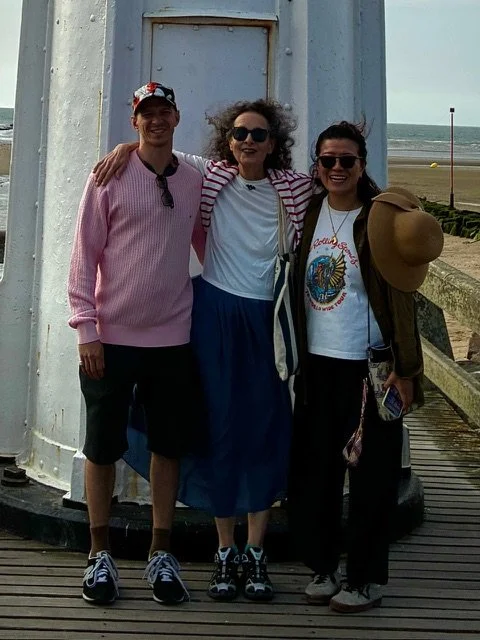
Bienvenue and welcome back to Musée Musings, your idiosyncratic guide to Paris and art. This week is mostly a roundup of where I’ve been eating lately, places I think you might like, too. Having guests has meant that I’ve spent more time sitting on restaurant chairs (or perching precariously on bistro stools) than standing in front of my own stove.
My son Nicolas and Min (my soon to be daughter in law) arrived two weeks after Ginevra left. With Ginevra, no matter where we are, we are together, checking out art exhibitions and wandering around whatever city we’re in. For meals, although we occasionally eat out, we prefer to buy the best ingredients we can find and prepare our own repas. With Nicolas, it’s a different story. Whether we are in Paris or traveling, we spend as much time on our own as we do together. When we go to exhibitions, he mostly goes to make me happy. When it comes to food, he loves eating at restaurants, he hates eating at home. When I prepare dinners for us, he waits until he thinks I’m asleep and then either orders in or slips out to a nearby late night eatery. When we do eat out, he’s mostly in charge of where we go and I’m happy to go along with his choices because they are usually (always) more creative than mine.
This summer, I knew things were going to be even less predictable than they normally are with him. Because Nicolas was brining Min. It was her first trip to France. After sharing a big, comfortable house with them in Normandy for 10 days, (Figs 1-3) I knew that in Paris, the best thing would be to find them an apartment near mine. (Fig 4, 5) As for what we could do together, Nicolas vetoed exhibitions. He wanted to do whatever Min wanted to do. So she consulted a Chinese website with lists of places to go in Paris. I was happy as a clam to follow their suggestions!
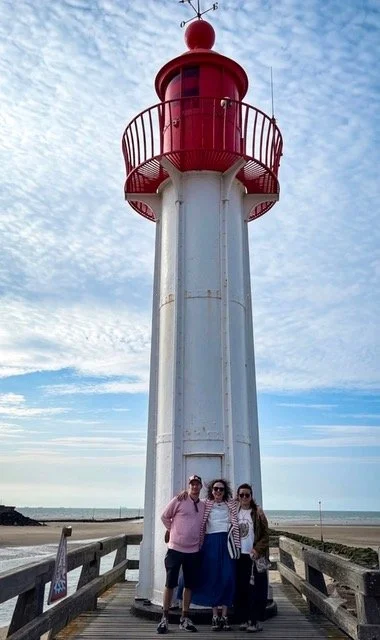
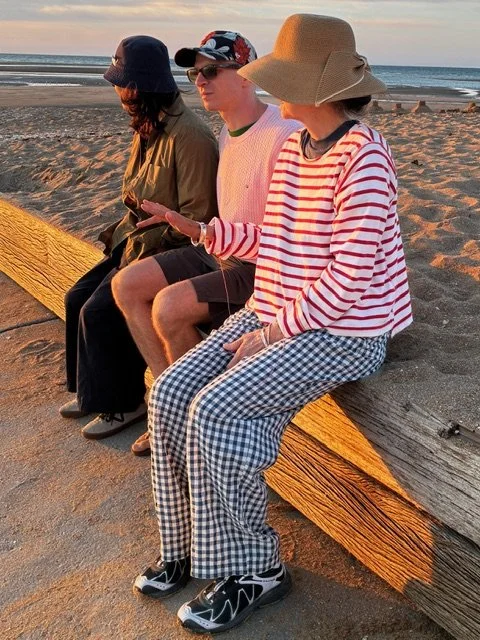
Figure 1. Me and Nic and Min in Houlgate at sunset
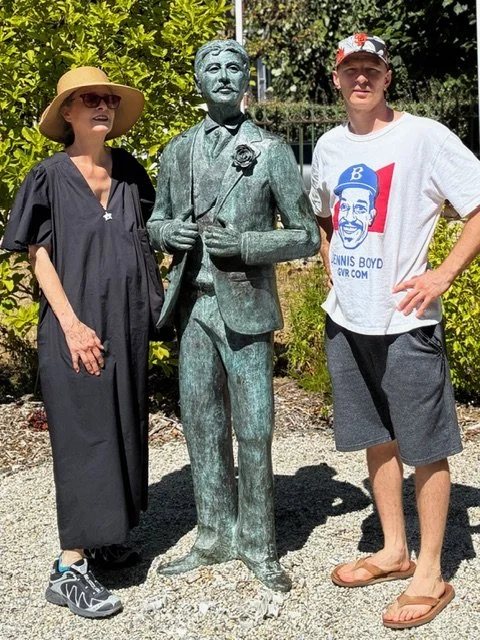
Figure 2. Me and Marcel (Proust) and Nic in Cabourg
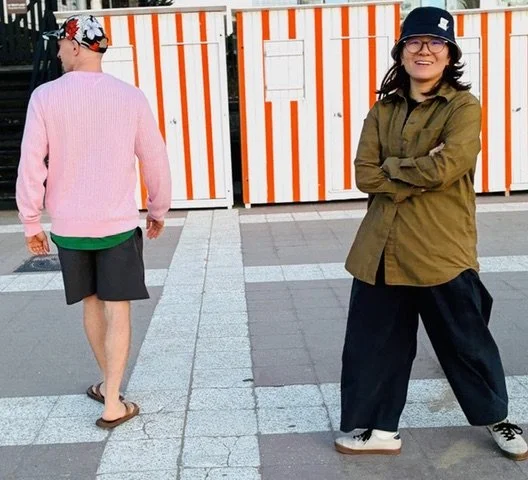
Figure 3. Nic and Min in Houlgate
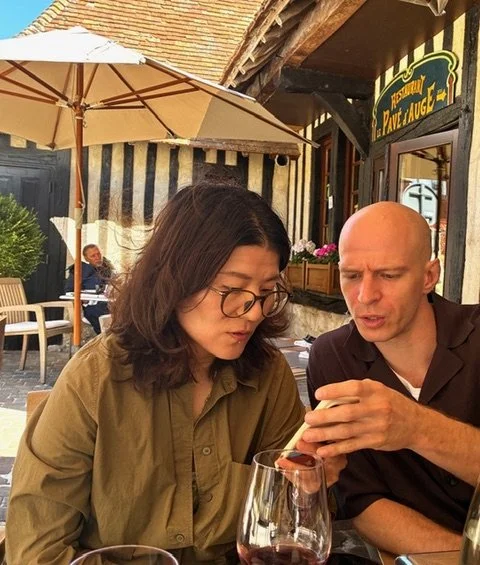
Figure 3a. Min and Nic translating the menu at Pavé d’Auge in Auge en Beuvron
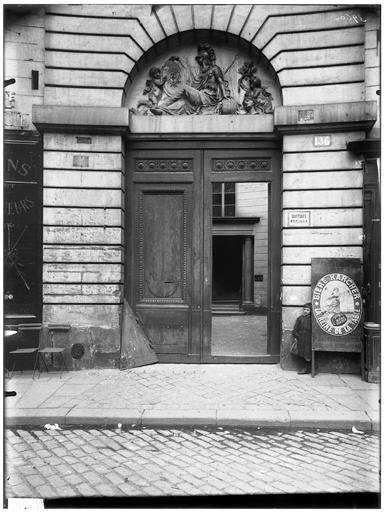
Figure 4. Old photo I found of the facade of the building where Min and Nic stayed on rue Amulet
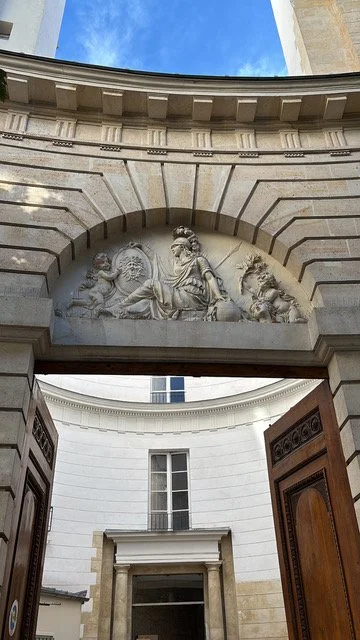
Figure 5. The close-up photo I took of the tympanum of their building with the doors open and the sky blue
First on the list was the Louvre. Nicolas hadn’t been to the Louvre with me for more than 20 years. The last time was the day before we returned to San Francisco after our summer in the Dordogne. Our mission was to find Greek amphorae and pithoi and kraters and vases decorated with scenes from the Iliad and the Odyssey. Nicolas was 10 years old that summer and we had been reading junior versions of both Homeric tales, thanks to Brad Pitt and the film Achilles. We spent a couple hours at the Louvre happily identifying figures and scenes we had come to know so well.(Figs 6, 7)
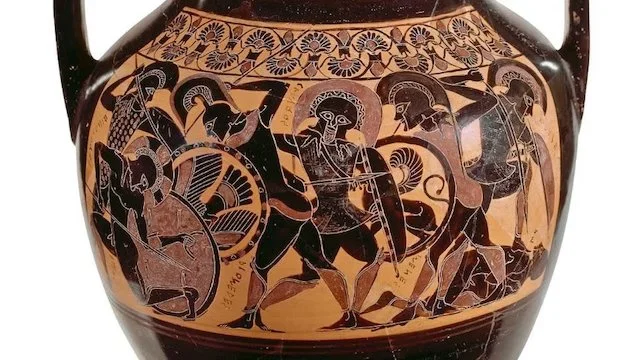
Figure 6. Greeks and Trojans at the Battle of Troy, Louvre Museum
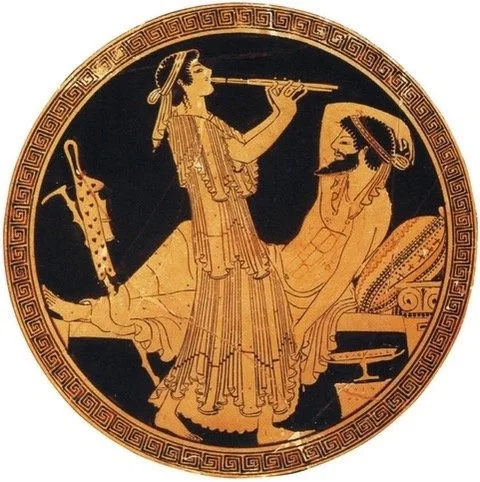
Figure 7. Calypso charming Odysseus, Louvre Museum
This time, it was Min’s turn to choose what to see at the Louvre. She selected French paintings and sculptures from the late 18th through the mid 19th centuries, from the French Revolution through the 1830s. And she wanted to visit the Mona Lisa. To see what all the fuss about. Unlike Nicolas, Min listened to my explanations of paintings by J. L. David, Baron Gros and Eugène Delacroix. (Figs 8-10) And what I had to say about the Italian Renaissance paintings (Figs 11, 12) that fill the walls in Mona Lisa’s room. It was a hot day and the Louvre is mostly not air conditioned. So, whenever we happened upon a vent blasting cold air, we stopped and pretended we were Marilyn Monroe. (Fig 13)
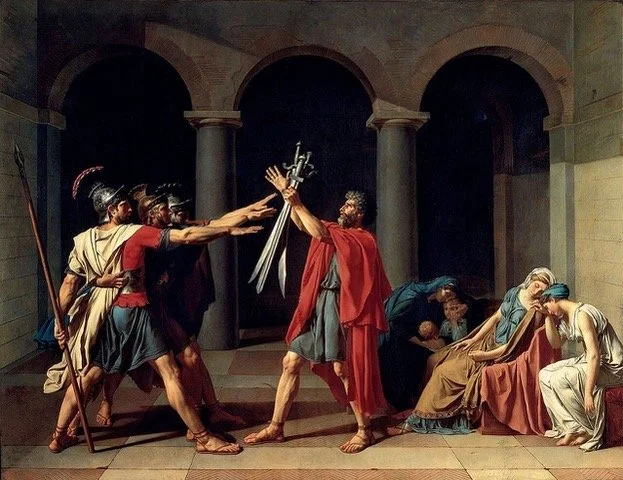
Figure 8. Oath of the Horatii, J. L. David, 1784, Louvre Museum
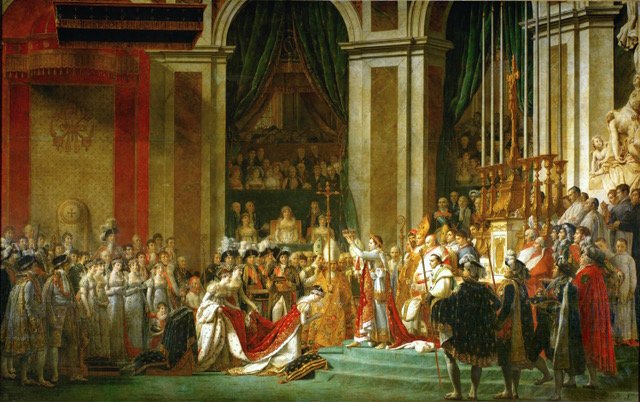
Figure 9. Coronation of Empress Josephine, J. L. David, 1807, Louvre Museum
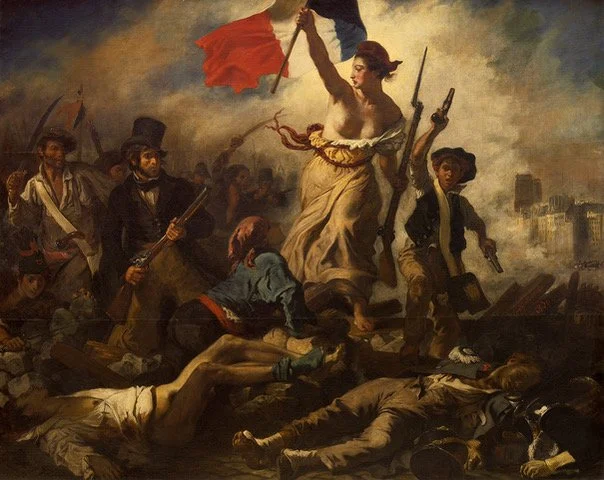
Figure 10. Liberty Leading the People, Éugene Delacroix, 1830, Louvre Museum
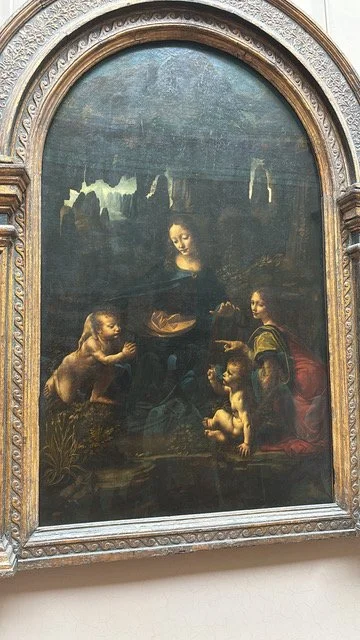
Figure 11. Mother and Child with Angel and John the Baptist, Leonardo, Louvre Museum
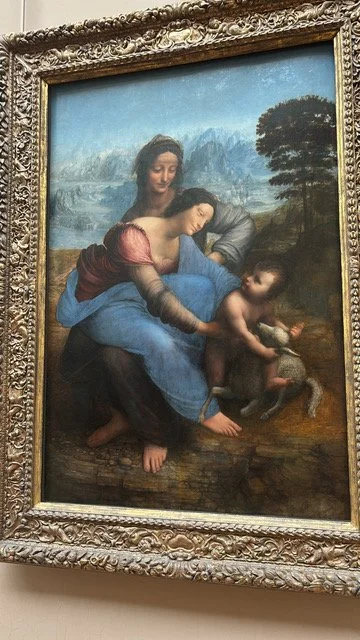
Figure 12. Virgin and Child with St. Anne, Leonardo, 1501-19, Louvre Museum
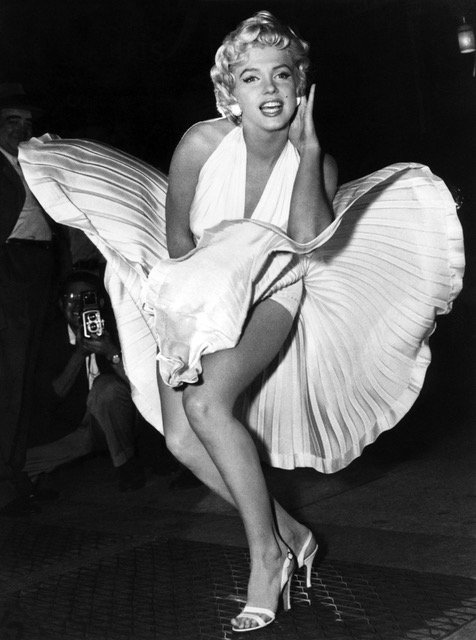
Figure 13. Marilyn Monroe above a ventilation grate, taken during filming of Seven Year Itch, 1955
Another place on Min’s list was the Pantheon. Dear reader, I am embarrassed to admit that I had never been inside the Pantheon. How is that possible? Especially since for a few years, when Nicolas was a little guy with energy to spare, we stayed at the Hotel des Grands Hommes on Place du Pantheon. Our huge ground floor family room was just beyond the reception. There wasn’t as much traffic back then as there is now, so if Nicolas darted out of the hotel without us noticing, there was a mostly car-free zone in front of the hotel for him to run around in.
I think I didn’t go into the Pantheon then because, unlike the Pantheon in Rome, you had to pay to go in. What a mistake to deny myself this pleasure for all those years. Of course, the exterior is splendid and I always enjoy walking by this neoclassical gem designed by Soufflot. (Fig 14) Louis XV, under whose auspices it was built, intended it as a church dedicated to the patron saint of Paris, Saint Genevieve. By the time the church was completed, both king and architect were dead and the French Revolution had begun. In 1791, the National Assembly voted to transform the church into a mausoleum for the remains of distinguished French citizens. For 90 years, the building went back and forth from church to mausoleum. Finally, in 1881, the French government decreed that the building's exclusive use would be as a mausoleum. People who made significant contributions to France and indeed the world, are honored and sometimes buried here. There are sculptural homages to some of them. If that was all there was, I would have been happy to finally check the Pantheon off my list of places to go. But the big surprise when I got there, was two temporary exhibitions!
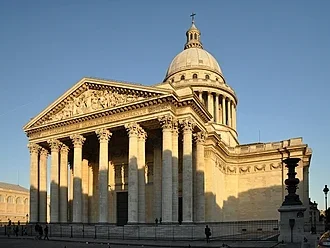
Figure 14. Pantheon, Soufflot, Paris
The first exhibition was by Anselm Kiefer, the German born artist who has lived in France since 1992. He was commissioned to create a piece celebrating Maurice Genevoix, a World War I veteran and writer, who was interred in the Pantheon in 2020. Genevoix is remembered for his book, Ceux de 14 (Men of 1914,) a collection of first hand accounts, war narratives by the men who fought in WWI. Kiefer created six monumental vitrines (display cases) that evoke the reality of the Great War. Each vitrine contains objects one might find on a deserted battlefield - destroyed buildings with the broken remains of people’s lives scattered around and trampled stalks of wheat. And quotations from Genevoix's book. As the gallery text tells us, “the various objects assembled by the artist create different meanings through their association with one another…and (v)iewers find their own interpretation.” (Figs 15-18) As I looked at the vitrines, I was reminded of Anjet Daanje’s book, 'The Remembered Soldier,’ in which the protagonist is a World War I veteran and photographer. One day, he and his wife go on a bus tour of battle sites. At Ypres, while fellow passengers buy souvenirs and trinkets, they climb over the rubble and stroll through the trenches taking photos. Kiefer’s work reminded me of what they must have walked through and recorded.
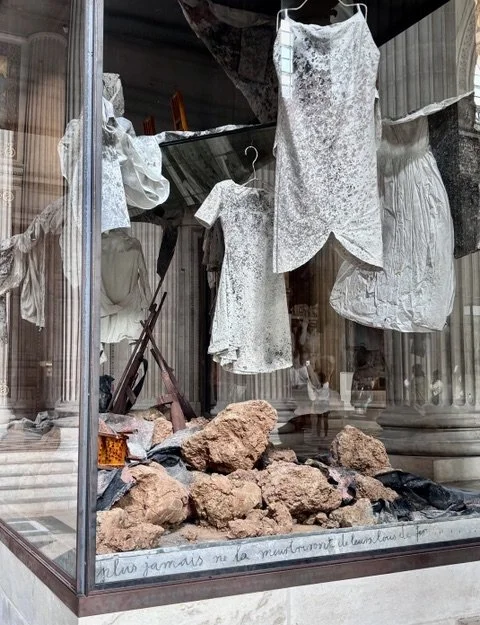
Figure 15. Exhibition honoring Maurice Genevoix, Anselm Kiefer, 2020, Pantheon. Clothes & Rubble
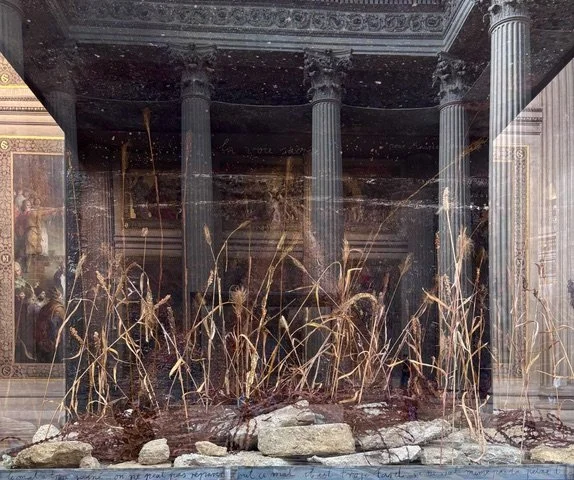
Figure 16. Exhibition honoring Maurice Genevoix, Anselm Kiefer, 2020, Pantheon, stalks of wheat and rubble
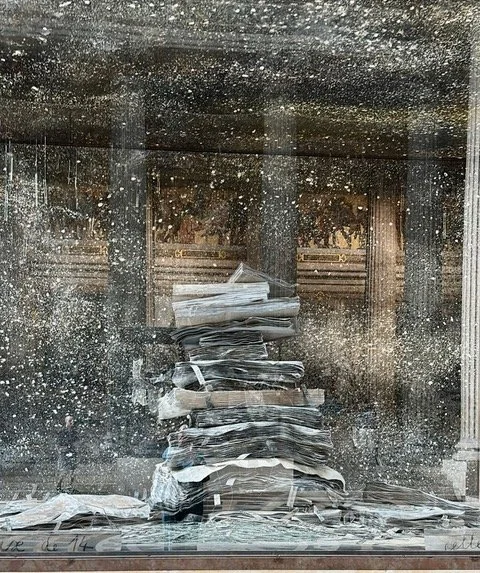
Figure 17. Exhibition honoring Maurice Genevoix, Anselm Kiefer, 2020, Pantheon, abandoned books
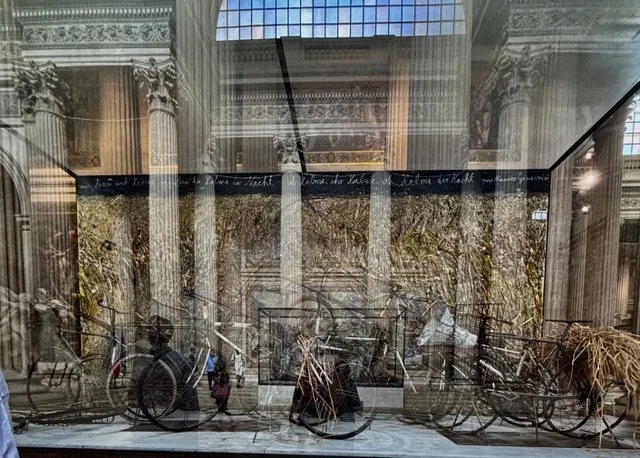
Figure 18. Exhibition honoring Maurice Genevoix, Anselm Kiefer, 2020, Pantheon, bikes and rubble
The second exhibition at the Pantheon (until January) is “Marc Bloch, the Spirit of History.” It’s about the French historian and resistance fighter, Marc Bloch who was honored at the Pantheon this year. A veteran of both world wars, he was awarded the Legion of Honor for military service in WWI and the Croix de Guerre for service in both wars. But in 1940, the anti-Semitic laws of the Vichy Regime caught up with him. He lost his teaching position at the Sorbonne. He could have emigrated to the United States, he had received a formal invitation to teach at the New School for Social Research in New York. Instead he joined the Resistance to fight for the soul of his country. In March 1944, he was captured by the Gestapo, tortured by them for several months and then executed. According to one historian, “Freedom and critical thinking were Marc Bloch's guiding principles, shaping his career as a teacher and researcher.” From his days as a student to his days in the resistance, “he strove to align his actions with his words. The study of history, of both the present and the distant Middle Ages, was his reason for living, for fighting, and for passing on his knowledge….” The exhibition is very moving. (19-21)
Except for the Louvre and Pantheon, most of the time Min and Nic were in Paris, we went our separate ways, meeting up for brunch or lunch or dinner. Their first day in Paris coincided with the day I went to the Prefecture de Police to pick up my titre de sejour. Before I headed over, I walked to their place for an early lunch with them. We ate at a restaurant I first noticed years ago when it was at Lafayette Anticipations. I have been meaning to try it ever since. I decided that the stars had aligned when I saw it on the ground floor of their apartment building! It’s a vegan restaurant. Which could have been okay except that it’s a vegan restaurant that camouflages rather than celebrates the plant based products it serves. Before I had time to explain what was going on to Nicolas, he had ordered a ‘pastrami’ sandwich. Extruded pieces of meatless something flattened to look like but not taste at all like, pastrami. I thought I would be safer with a Banh Mi sandwich because I often make it with tofu. But this Banh Mi strips of ‘vegan meat’ stood in for but didn’t taste at all like, shredded pork. Oh well.
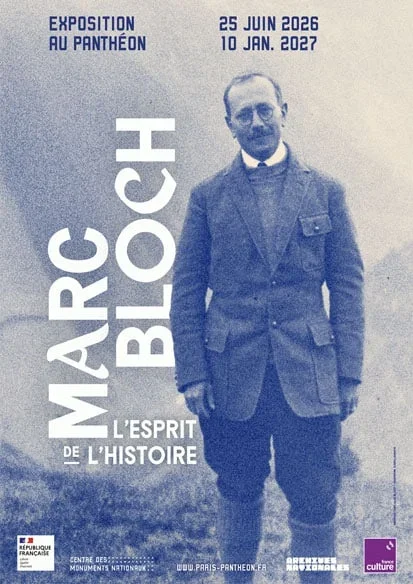
Figure 19. Marc Bloch, L’esprit de l’histoire, exhibition poster, Pantheon
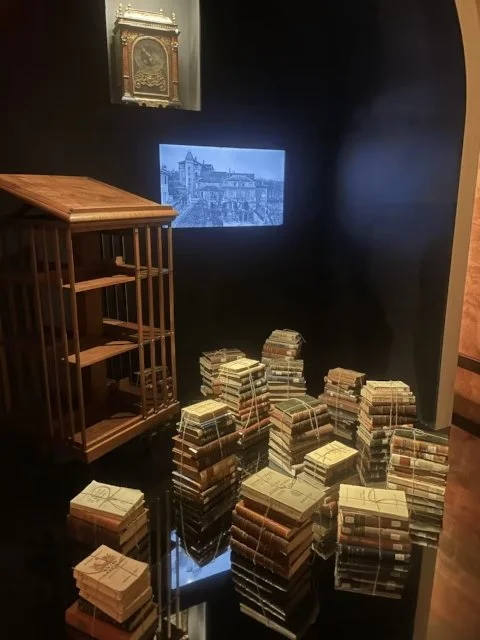
Figure 20. Books taken from Bloch’s study, Pantheon
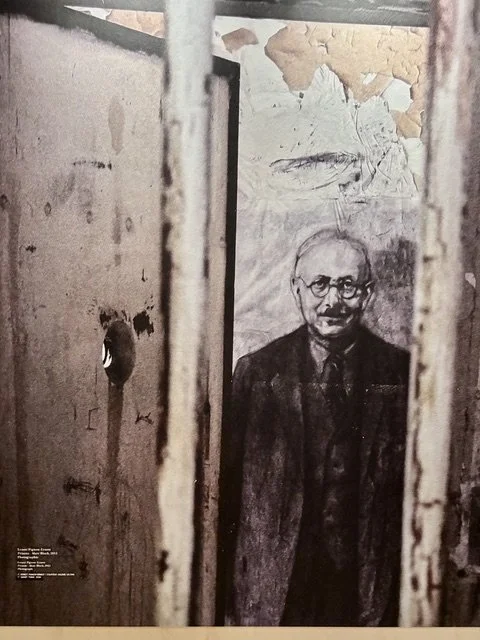
Figure 21. Marc Bloch as he looked when he was captured by the Gastapo, Pantheon
That evening, I wanted to celebrate finally getting my Carte de Residence de Longue Durée. The application for which requires considerably more work than the one year visa does. Last year, my application had been rejected. This year, I hired someone to help me with the process. His clients must be Americans because his rates are the eye-popping ones any American who has consulted a lawyer in the States would expect. The person reviewing my application at the Prefecture kept requesting more information, more documentation. Like a French translation of my birth certificate. A birth certificate is very short, almost no text. I wanted to translate it myself, but my advisor urged me to have it professionally translated. Which I did. Ka-ching, another couple hundred euros gone.
Anyway, that’s why we went to the elegant brasserie, The Grand Colbert. (Figs 22, 23) Filled with Belle Époque and Art Nouveau details, it’s also filled with Americans talking too loudly. The menu was perfect for Min who wanted to taste as many quintessentially French dishes as she could. We started with escargot and cuisses de grenouille. This was the first time I ever ate frog legs. Just like they say when you ask what lobster tastes like before you taste it, frog legs taste a lot like chicken! For her main, Min had a dish from the Dordogne, confit du canard with pommes sarladaise (slow cooked duck leg with potatoes fried in duck fat). I had a choucroute de la mer, a riff on the traditional Alsatian dish made with seafood rather than pork and sausage. Nicolas stuck beef, probably trying to get the taste of the faux pastrami from lunch out of his mouth and out of his mind. Min’s choice for the dessert we shared was Omelette Norvégienne. AI just told me that it was created in 1867 for the Paris World’s Fair. Baked Alaska is the American version that came into being nine years later (1876) to celebrate the U.S. acquisition of Alaska. We were all impressed with the waiter blow torching our dessert. (Figs 24-27)
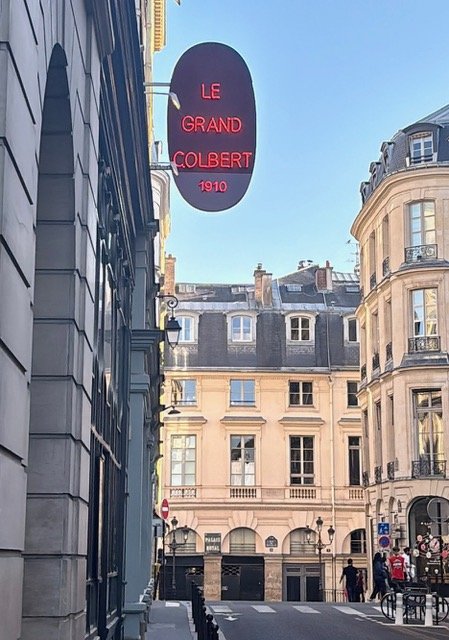
Figure 22. As I made my way to Le Grand Colbert
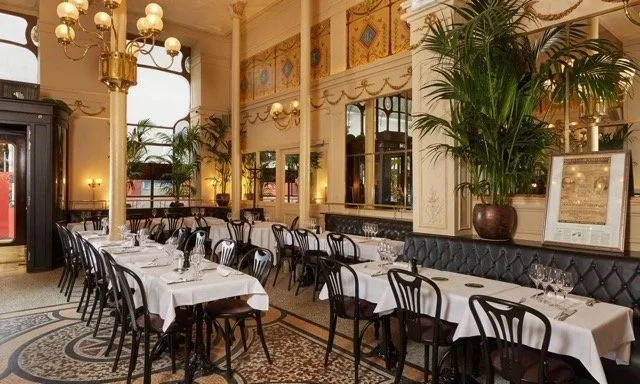
Figure 23. Interior of Le Grand Colbert (Forbes Magazine)
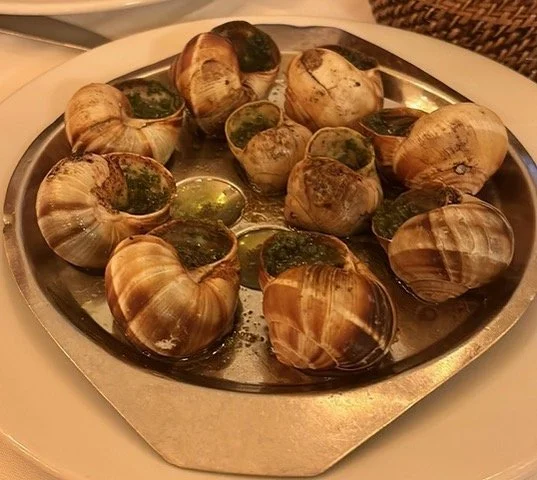
Figure 24. Escargot for Entrée, Le Grand Colbert
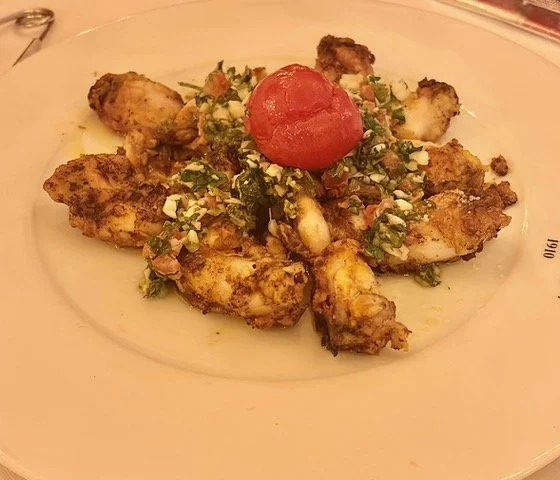
Figure 25. Frogs’ Legs, Le Grand Colbert
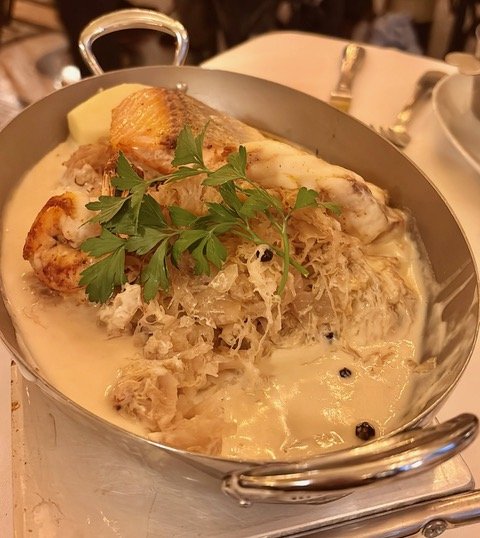
Figure 26. A very generous portion of Choucroute de la Mer, Le Grand Colbert
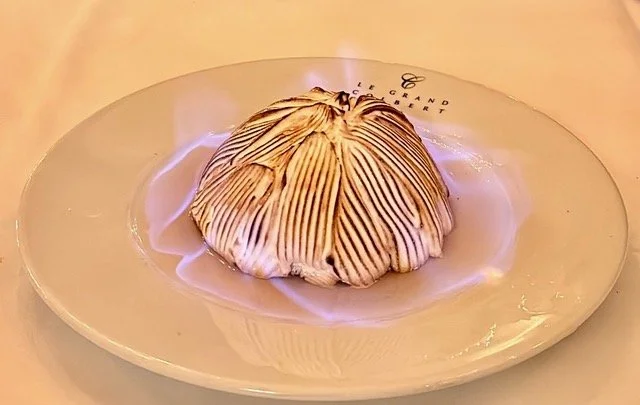
Figure 27. Omelette Norvévienne (aka Baked Alaska) after the waiter blow torched it, before we ate it. Le Grand Colbert
For the two other dinners we shared, we went to places Nicolas and I had enjoyed on previous trips. At Pieds au Cochon, even in the heat, Min opted for a classic - onion soup, one of the restaurant’s specialities. Nicolas had his usual, pig’s trotter. At Bofinger, Min and I shared a plateau de fruits de mer and Nicolas had the choucroute. (F 28-30)
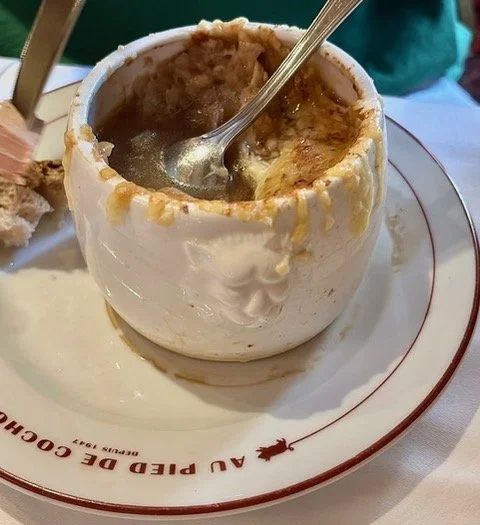
Figure 28. Onion Soup, Au Pied du Cochon - which I didn’t eat but which I was told was great
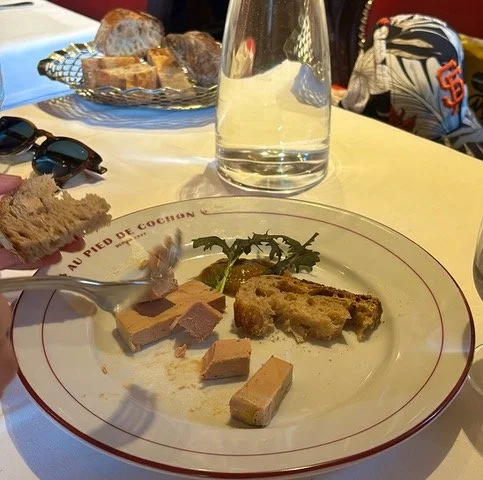
Figure 29. Foie Gras, Au Pied du Cochon - which I did eat which was great
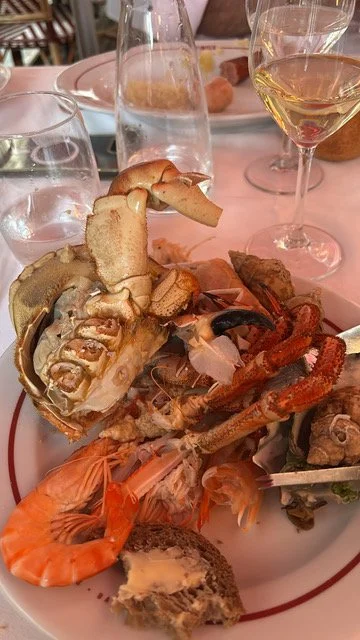
Figure 30. Part of the Plateau de fruits de mer that Min and I shared
Sharing dinner was fun but brunches and lunches were even better. Their apartment was just blocks from mine, but their neighborhood seemed cooler somehow. Or maybe it’s just that Nicolas is always able to sniff out the ‘cooler’ places. We ate at a café called Paperboy. Nicolas loved the graphics of their logo. We all loved the slice of banana bread we ordered with our beverages. It was covered with slices of bananas, pomegranate seeds and chunks of mango. (Figs 31-33). At another café, we sat outside on rickety stools and enjoyed our cafés with a thick slice of lemon poppy seed cake.
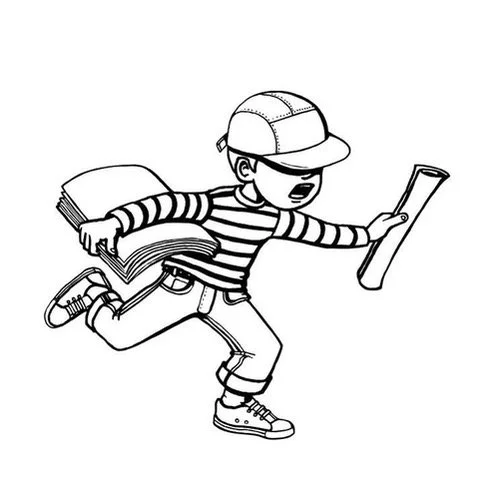
Figure 31. Paper Boy Logo
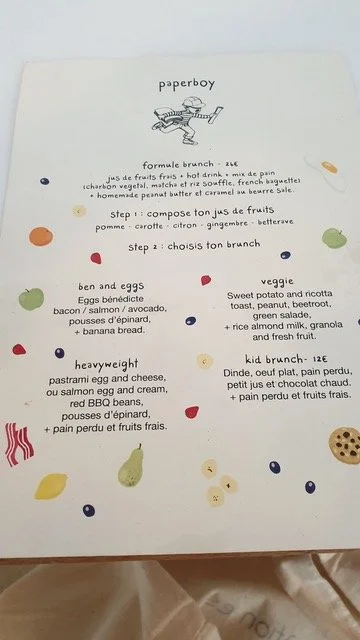
Figure 32. Paper Boy Menu
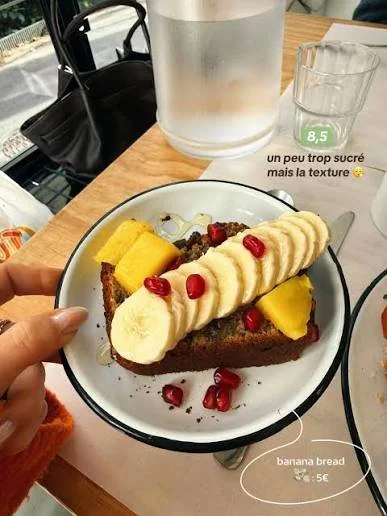
Figure 33. Photo I found on TicTok (because I forgot to take one of my own) of the Banana Cake, at Paper Boy ours looked exactly like this
There’s a trend going on here. Just as it’s easy to get a croissant at a café in London and impossible to get a scone, it’s much easier to get a slice of cake at a café in Paris than it is to find a croissant. I love the café cake in Paris, I’m definitely not a fan of croissants instead of scones in London! The difference is that you can get a croissant in any boulangerie in the city. But it is almost impossible to find scones in London bakeries.
One of the lunches we had was at a branch of the bagel shop I love, Bob’s Bagels. It wasn’t as pleasant a setting but the bagels, cream cheese and smoked salmon were just as good. The day we had a picnic in the Champs du Mars, we went to Eataly for charcuterie which we ate with the cheeses I brought back from Normandy. (Figs 34 - 36)
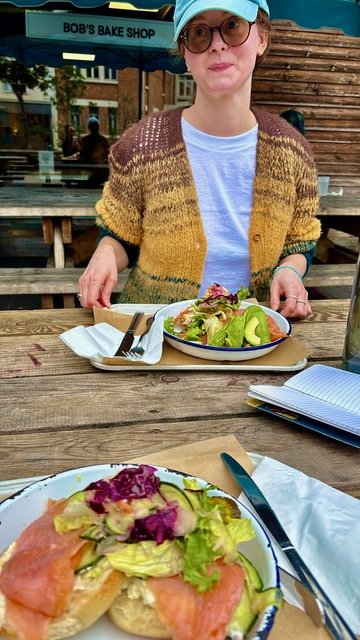
Figure 34. No Ginevra wasn’t with us but these were the bagels with smoked salmon & etc. that Nic, Min and I enjoyed at Bob’s Bake Shop on rue Lucien Sampaix
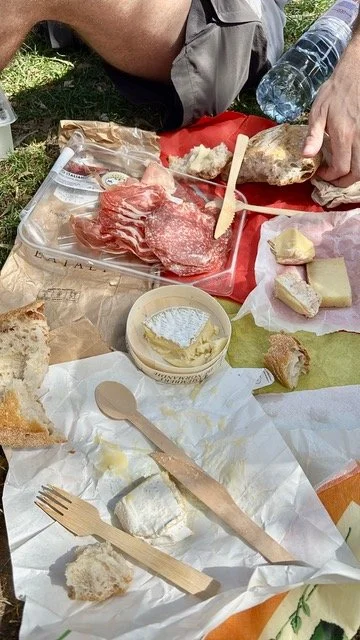
Figure 35. Our picnic on Champs de Mars
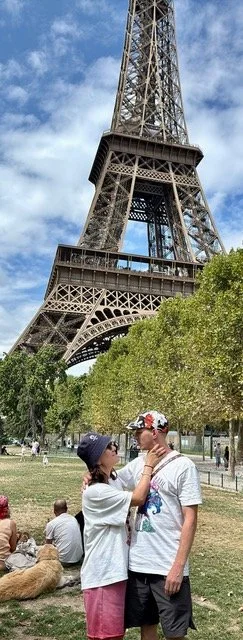
Figure 36. Our view as we ate our picnic on the Champs de Mars
My favorite lunch was at Back in Black. Which I thought was a reference to a song by Amy Winehouse (Back to Black) but which turns out is a reference to a song by the Australian band AC/DC. Never mind, the drinks were delicious and so was lunch. Min and I shared the Turkish eggs - two poached eggs and garlic cream, cherry tomatoes, fresh herbs and toasted black bread. We thoughtfully helped Nicolas eat his savory pancake stack which is described as “3 pancakes, dark maple syrup, fried egg and a difficult choice between smoked bacon or salmon or season veggies.” (Figs 37, 38)
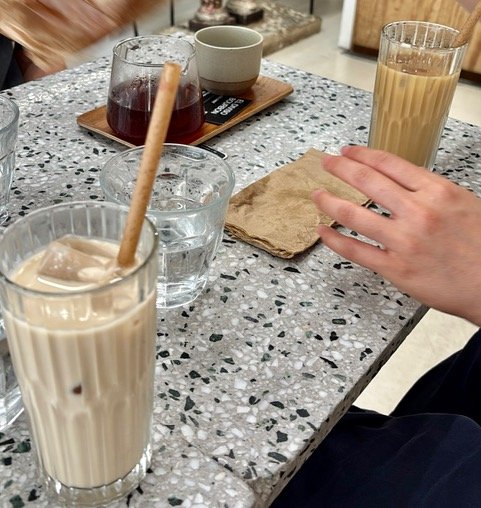
Figure 37. Our iced coffees and coffees at Back in Black
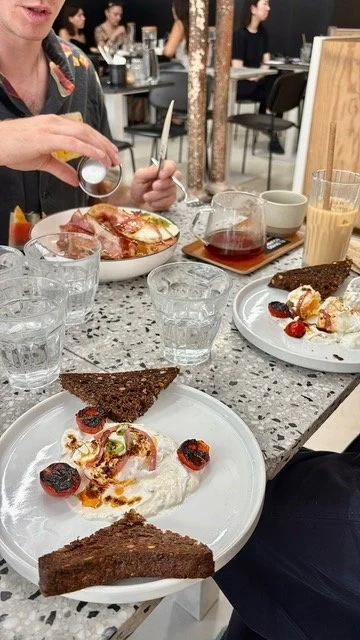
Figure 38. Min and I split the Turkish egg dish and we helped Nic eat his savory pancakes
For our last lunch together in Paris, we decided to have something simple. So I booked at the nearby Bouillon Republique, a sister bouillon to the one we used to go to often, in Pigalle, right down from Montmartre. It was a funny place to have a celebratory flute of champagne but a celebration was in order. (Figs 39, 40) Nicolas had asked Min to marry him the night before. He wanted to propose at the Eiffel Tower. I suggested that he wait until the evening, so the tower’s twinkling could herald in their happiness. He sent me a photo of exactly that, with the caption “She said yes!”
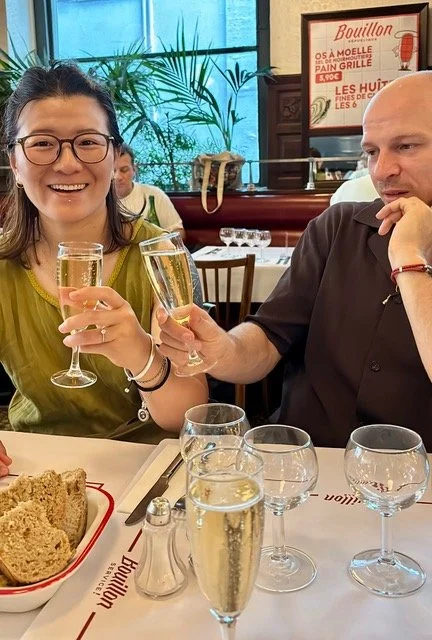
Figure 39. Celebrating Nic & Min’s engagement at Bouillon République, note the engagement ring he bought at Tiffany
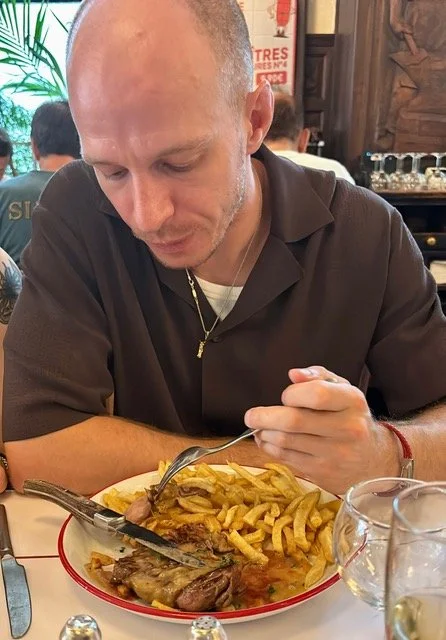
Figure 40. After the champagne, Nic tucked into a Steak Frites at Bouillon République
I was sad to see them go but our holiday had been such a happy one, despite the heat, that I’m looking forward to our next adventure. Which will probably be in China.
To finish my round-up of places to eat, I’ll tell you about the restaurants at which my cousin Katherine and I ate last week, before I came down with this cold that just won’t quit. My brief from Katherine for her four day visit was brief: find one museum exhibition to see each day and one place to eat either lunch or dinner each day. I happily obliged. I’ll tell you about the museums next time. For Dinner on Day 1, we sauntered over to the nearby Bouillon Republique. Walking along Blvd Beaumarchais, we passed by Moon Croissants. The mother of the owner was in the shop. It was closing time and she beckoned us in using sign language. Buy 1, Get a 2nd one free. So we did. One pistachio stuffed croissant, one stuffed with black sesame paste. A chocolate chip cookie and a canelé. Everything was delicious. Would I pay full price? Absolutely.
We had a 7:00 p.m. reservation but we still had to wait. Never mind, the food was good and cheap and the two boys we chatted with at dinner were amusing. The tables are so close together, the only alternative to talking with them was shouting over them and the laryngitis that plagued me the entire time Katherine was here had begun. (Fig 41)
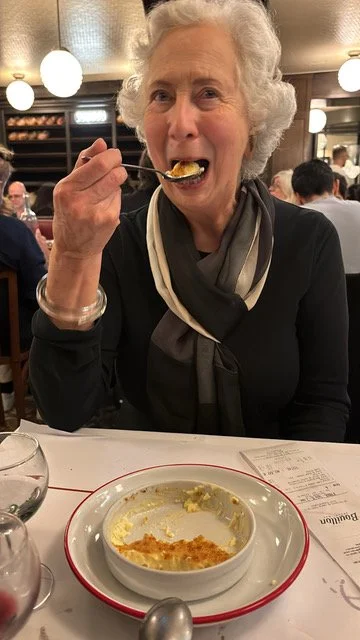
Figure 41. Katherine working her way through a creme brulée at Bouillon République
On Monday my friend Franny, who is visiting from San Francisco, joined us for the museum and lunch. Thank goodness because my voice was completely gone by then. The three of us ate at Mokochaya, the café I had wanted to take Nicolas and Min to when they were here but we ran out of time. I tried to make reservations for Katherine and me to have lunch at Mokochaya’s sister restaurant, Mokonuts. But when I called two weeks before Katherine arrived, it was all booked out. So we went to Mokochaya, a walk-in-only cafe, which calls itself a Japanese-style cantine. Which AI has explained to me is a “shokudo (食堂)—a traditional, unpretentious Japanese diner or neighborhood eatery that serves hearty, affordable, and everyday comfort food” Mokochaya meals are exactly that, served in bento boxes, you choose your protein - meat (chicken or pork) or fish (salmon or mackerel) or vegetarian, served on a bed of rice. The other compartments are filled with pickled or fermented vegetables, shiso cabbage, cucumbers, kabocha (Japanese pumpkin), a soft-boiled egg, and tarragon potato salad. Light but filling. Would I go back? I sure would, in fact Franny and I did return a few days after Katherine left.(Figs 42, 43)
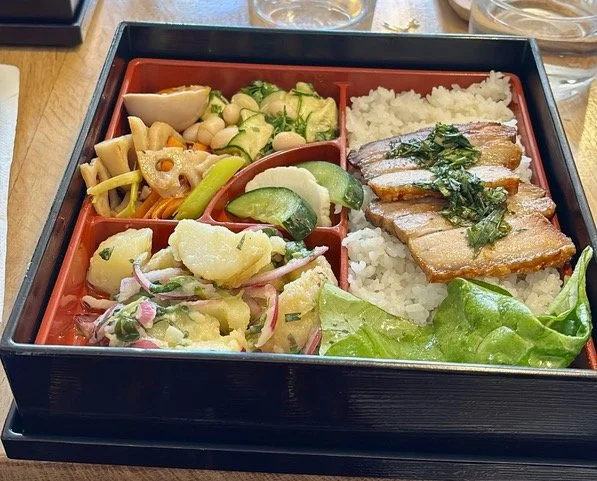
Figure 42. My Bento Box, Mokochaya
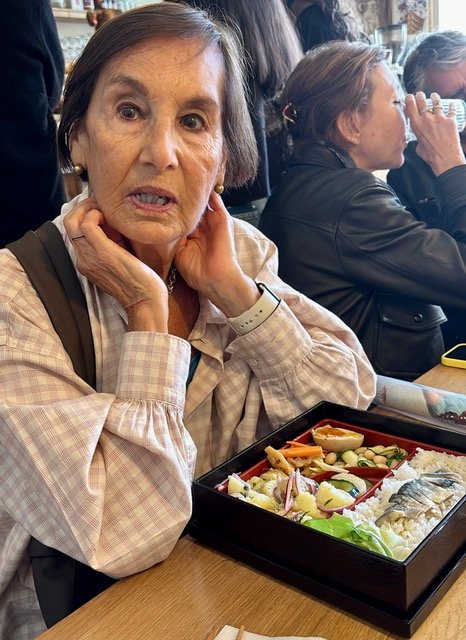
Figure 43. Franny and her Bento Box, Mokochaya
Katherine and I had one blow out meal - lunch at Bistrot Paul Bert. I had taken Nicolas there last February when he came to help me prepare Petit Bout for its new owners. When Nicolas and I were at Paul Bert, he chose from the menu. I ate the plat du jour. There was no comparison. My meal was okay, his was spectacular. I vowed that the next time I went, I would order the meal he enjoyed. And that’s what I did. My herring and boiled potatoes starter was every bit as delicious as I remembered it from when Nicolas and I shared it in February. For my main course, I had what Nicolas had, Steak au Poivre, the restaurant’s “undisputed signature specialty.” It’s a filet mignon in a creamy Cognac and Sarawak black pepper sauce served with the most delicious house-made frites. (Figs 44-47) Did I deserve it? Maybe not all the time, but definitely once in a while! I won’t tell you about the fourth meal Franny, Katherine and I ate after seeing the fabulous exhibition at the Musée Bourdelle, the day Katherine returned to Oxford. But I’ll tell you about the exhibition we saw there next week. Gros bisous, Dr. B.
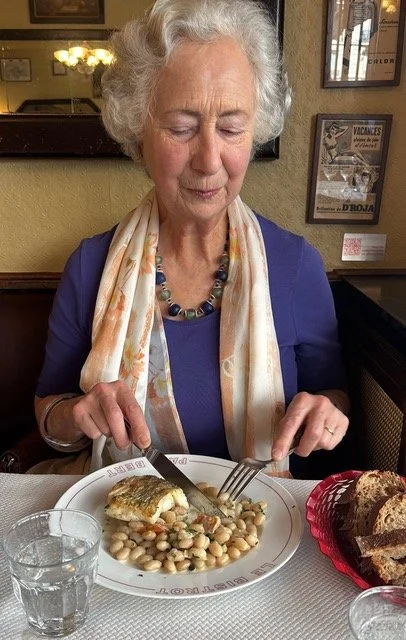
Figure 44. Katherine eating her fish and special French beans that are in the markets NOT, Bistro Paul Bert
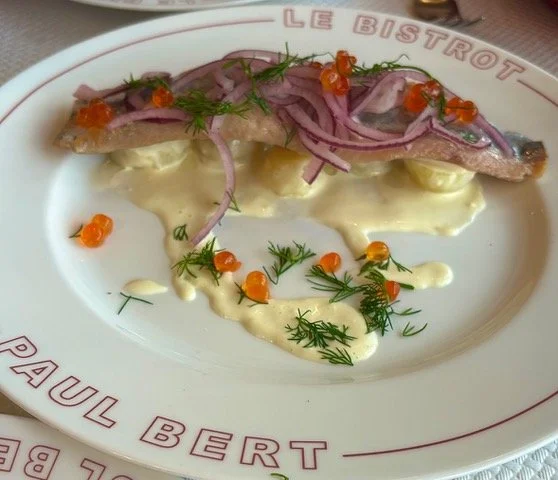
Figure 45. The best Herring and potatoes ever! Bistro Paul Bert
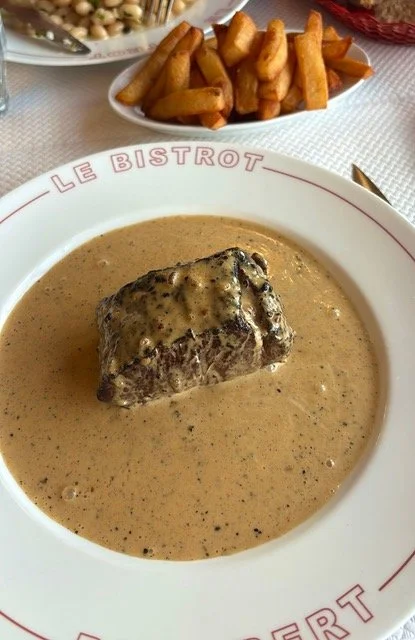
Figure 46. Steak au Poivre, Part i, Bistro Paul Bert
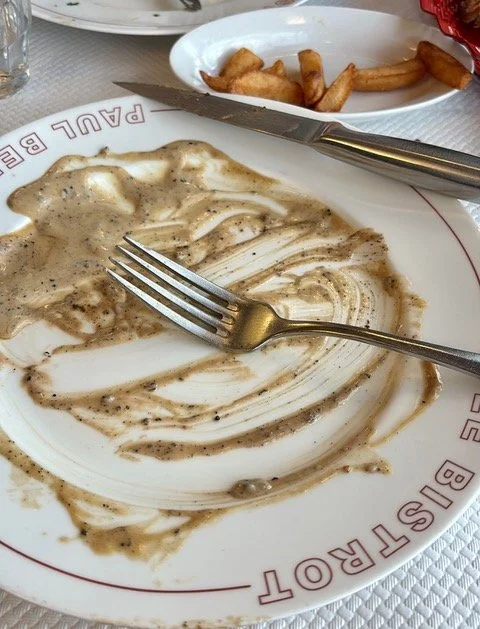
Figure 47. Steak au Poivre, Part 2 Paul Bert. I was so happy that my hunger didn’t fail me as it often does. I was so very happy to be able to eat this steak, with a lot of help from Katherine, that’s true. But I didn’t need a Doggy Bag!!
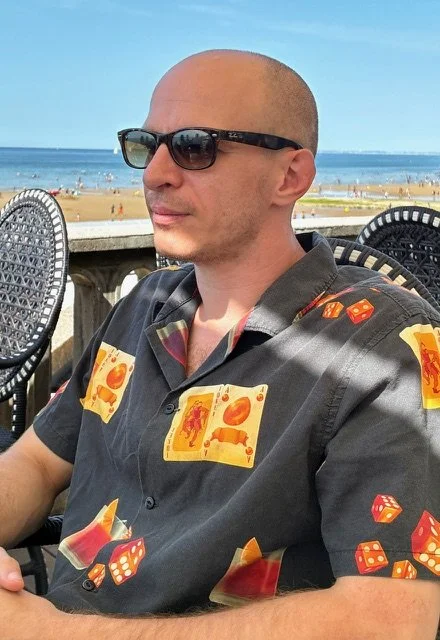
To End: Nicolas at the Grand Hotel, Cabourg
Thanks so much for your Comments, they are much appreciated1
New Comments on Gardens: where Art and Nature meet:
I love the Foundation Giacometti and we visited this exhibition just last week ona gloomy, rainy day. It was a serene experience to enjoy the works in that lovely intimate building. This past spring, the Metropolitan Museum had a temporary exhibition of Giacometti sculptures placed around the Temple of Dendur which made one see both the sculptures and the Egyptian temple in new ways. Thanks always for your essays. Maribeth
Thank you! I loved this post about all of the gardens and their history. What a wonderful tour you have shared with us! Sydney, Portland, OR