Gardens: where Art and Nature meet
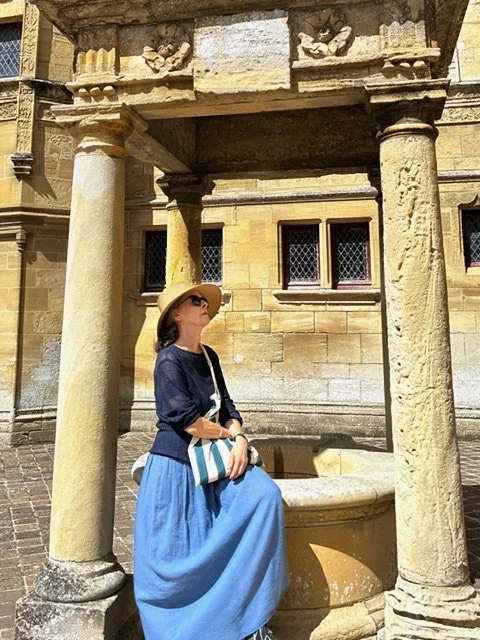
Bienvenue and welcome back to Musée Musings, your idiosyncratic guide to Paris and art. The heat is finally on retreat and winter is hopefully a little way off, so if you are here this month and ideally with a car, I have two words for you: Normandy Gardens.
But before that, I have two closer recommendations. An exhibition in Paris up until November 1, “Giacometti the Surrealist: Objects like Sculptures,” at the Fondation Giacometti. You will be forgiven if you have never visited or even heard of this museum in the 14th. It’s a lovely little hôtel particulier, built for the Art Deco artist and interior designer, Paul Follet as both his home and his studio. There are lots of nice architectural and interior design touches that the architect who transformed the mansion into a museum, wisely retained. This exhibition juxtaposes Giacometti’s “avant-garde, subconscious-driven surrealist masterpieces” with functional objects, like the lamps and vases he created for the interior designer, Jean-Michel Frank. On loan from the Centre Pompidou is Giacometti’s 1933 Table, the quintessential expression of Giacometti’s “surrealist-decorative crossover” (according to one reviewer.) (Figs 1-3) The museum invites local artists, including students, to collaborate here. This time it is with horticultural students. (Fig 4) A local artist was commissioned to design a 3-D replica of the stage set and costumes Giacometti designed for a ballet in 1932. it’s fascinating and fun to see a modern (and moving) recreation of a century’s old design. (Figs 5-6)
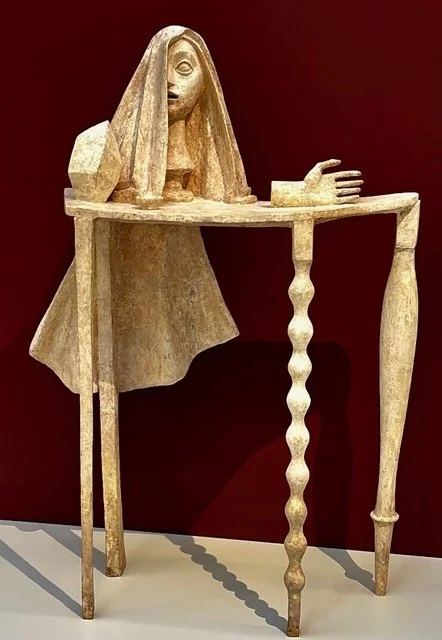
Figure 1. Table, Alberto Giacometti, 1933
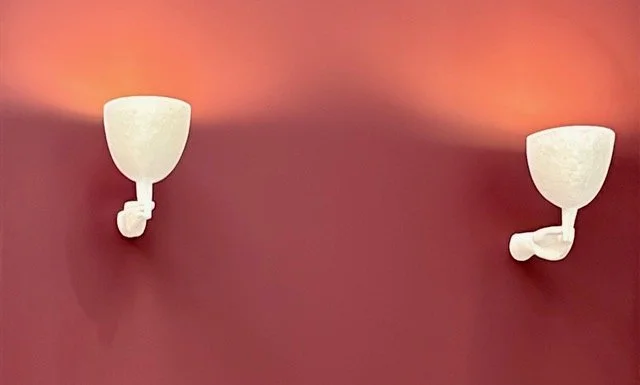
Figure 2. Hands holding wall lamps, Giacometti
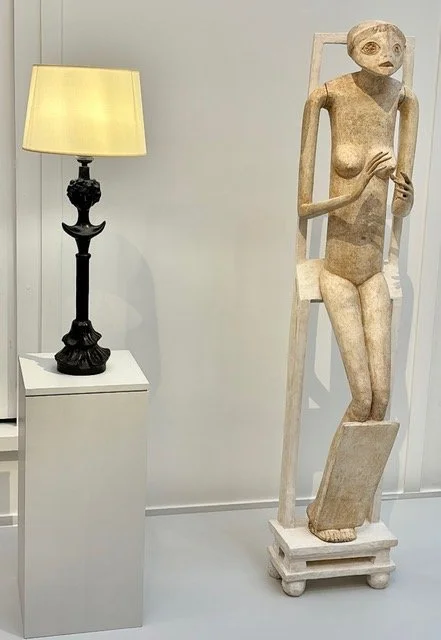
Figure 3. Lamp, left, Sculpture, right, Giacometti
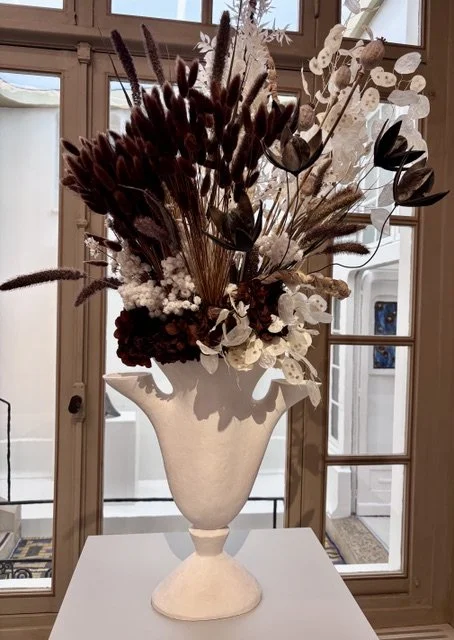
Figure 4. Vase, Giacometti, flowers selected and arranged by horticulture students
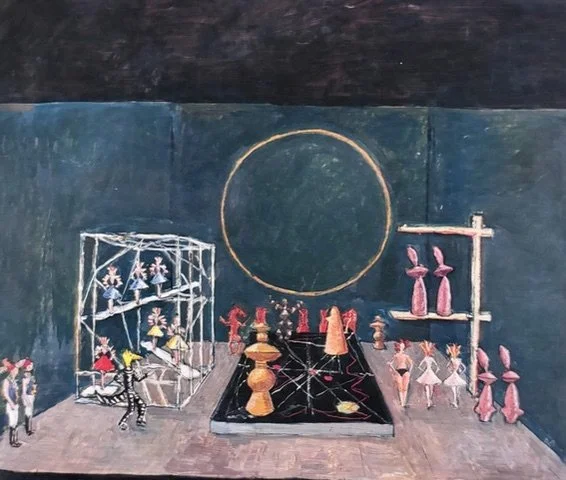
Figure 5. Sketch for stage set and costumes, Giacometti
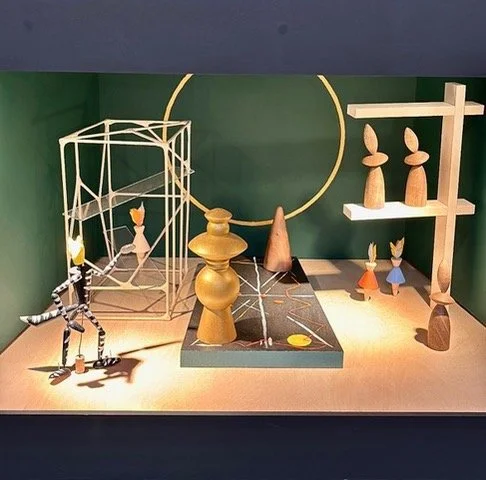
Figure 6. Contemporary 3-D construction of Giacometti’s drawing, 2026
Here’s another suggestion. A little outside Paris and easily accessible by public transportation is the house and landscape park of Monet’s dear friend, the independently wealthy artist, Gustave Caillebotte. The two men shared a deep love for gardening, horticulture, boating and painting en plein air. They were such close friends that Monet asked Caillebotte to be his best man when he married Alice Hoschedé in 1892.
The landscape park is free and you can bring a picnic lunch, although there is a cafe if eating on the grass isn’t your thing. This park was Caillebotte's open-air studio. It inspired nearly 90 of his canvases. Designed as an English garden in 1824, it was “conceived as a promenade punctuated by…follies . … (where) nature is idealized and staged: valleys, rocky outcrops, and vistas compose a picturesque landscape.…” Monet visited often and it is thought that this garden inspired Monet’s own design choices at Giverny, including his famous Japanese bridge. (Figs 7-9)
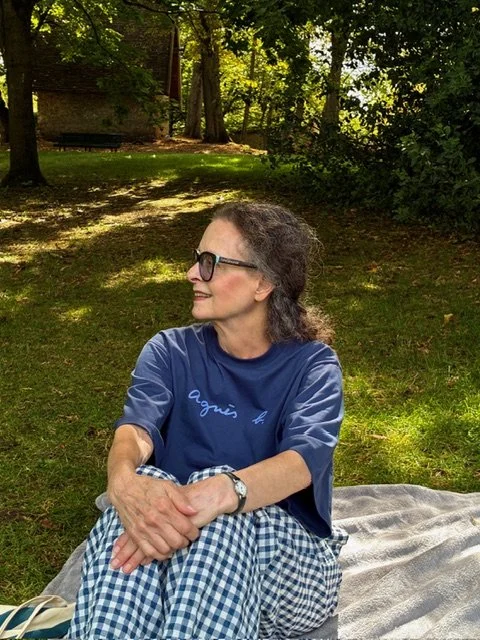
Figure 7. Me picnicking at Caillebotte Garden, Yerres
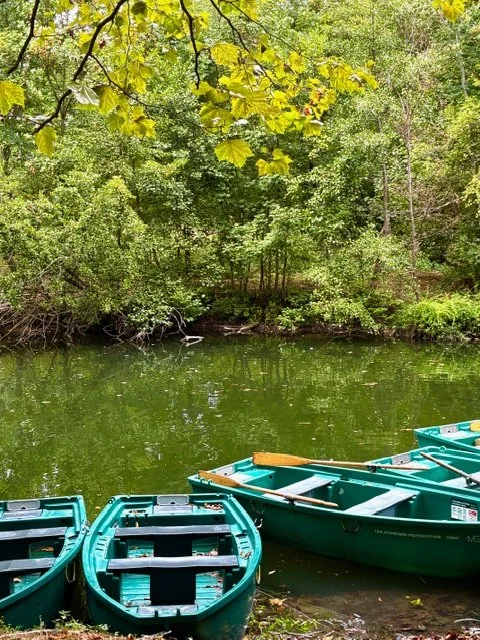
Figure 8. Boats in the water at Caillebotte’s garden, Yerres
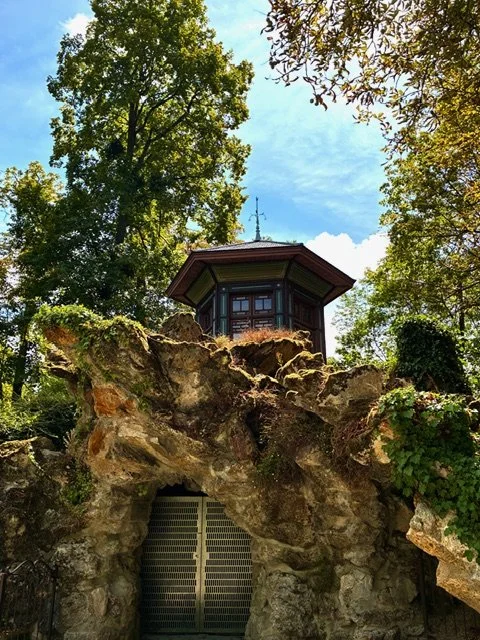
Figure 9. Pagoda, one of the ‘follies’ in Caillebotte’s garden, Yerres
The contemporary art museum on site (La Ferme Ornée) was originally a series of barn structures. The exhibition on now (until 1/11) is La nature n’est pas un décor (Nature is not a backdrop) (Fig 10). Like the exhibitions in Normandy that I discussed last week, this one “arose from the desire to create a dialogue between works by Claude Monet, on the centenary of his death, and those of contemporary artists.” Most of these artists had already exhibited at this museum. All of them, like Monet, strive, “to paint as closely as possible to sensation, to reveal the invisible forces at work in nature, and to give form to what escapes immediate observation.” Sixty works by eight contemporary artists “respond in their own way to the questions raised by Monet.” (Figs 11- 14)
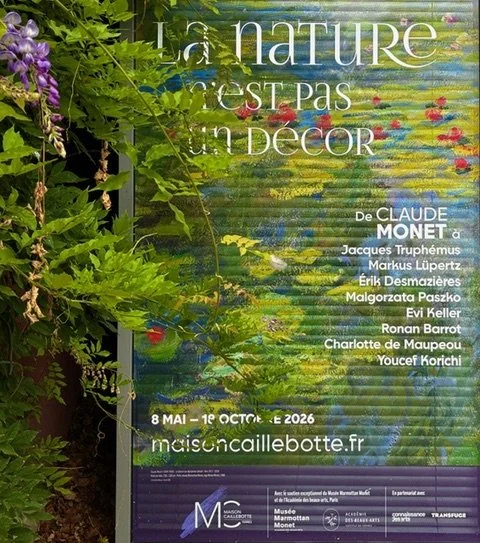
Figure 10. La Nature n’est pas un décor, Maison Caillebotte, Yerres
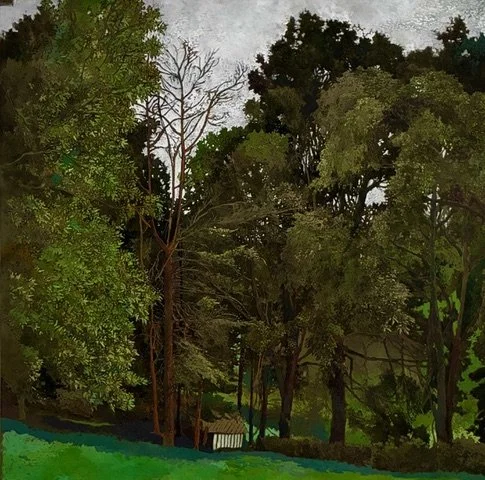
Figure 11. Poplars of Thomery, Eric Desmazieres, 2017
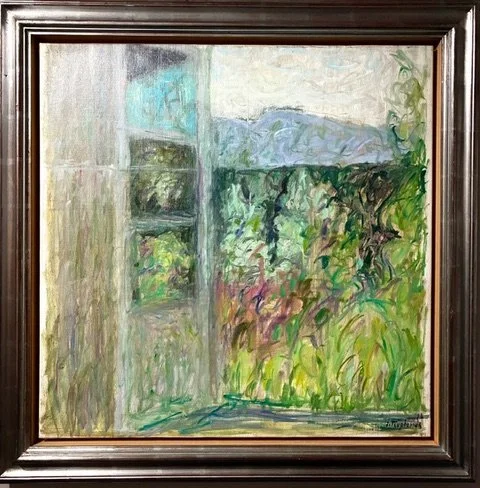
Figure 12. Jacques Truphemus, 1998
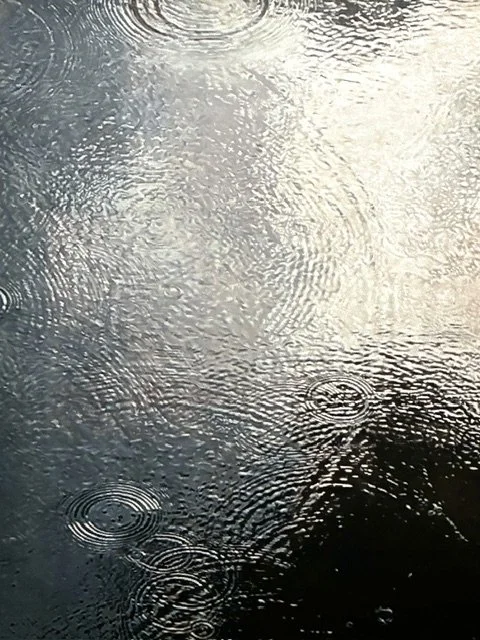
Figure 13, Raining, Yusef Korichi, 2020
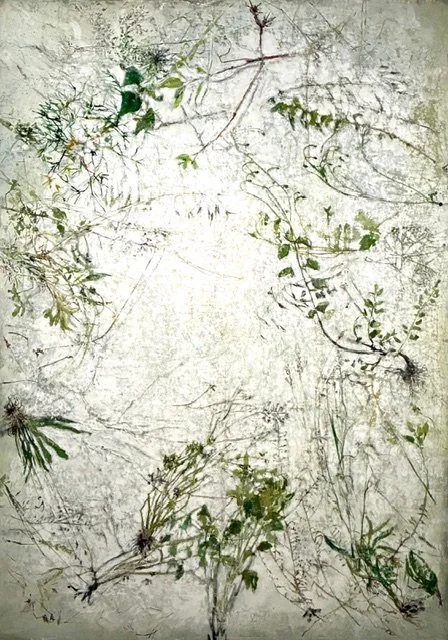
Figure 14. Malgorzato Pasko, 2013
Normandy Gardens. The prize for the ‘Most Unexpected Garden’ goes to the first garden we visited, Chateau de Canon. Most of what survives was created during the Enlightenment, the second half of the 18th century, when the property was owned by Jean-Baptiste-Jacques Élie de Beaumont, a lawyer and defender of religious freedom. Voltaire called him “the philosopher of oppressed innocence.” (Fig 15)
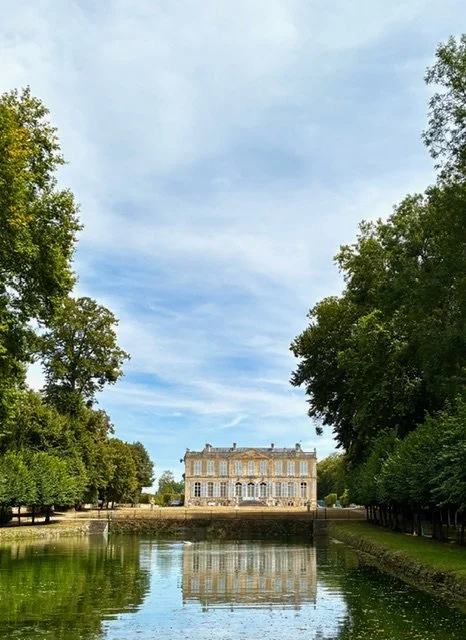
Figure 15. Chateau de Canon, view of chateau and its reflection in the lake
Beaumont came to own the property after he began investigating the questionable conditions of its 1727 sale. Beaumont’s wife, whom he married in 1760 was, like he, raised Catholic with Huguenot (Protestant) roots. Her uncle had been forced to sell the chateau and flee to England, a victim of the revocation of the Edict of Nantes (which gave Protestants religious freedom). After their marriage, Beaumont began court proceedings to regain the chateau which his wife had inherited (it’s complicated). In 1768, the couple won the case and the chateau became theirs. They immediately began restoring it. Which resulted in a serious depletion of their fortune. Things got so bad that they were forced to sell their furniture at auction 18 years later, in 1786 (Beaumont died that year).
The estate has remained in the same family since 1768. It survived the French Revolution and WWI mostly intact. It wasn’t so lucky during WWII when it was used as a German military hospital and the Americans bombed it. After the war, the Americans paid for its restoration, even fixing up stonework that had been damaged much earlier.
The Chateau is a listed Historic Monument. The gardens, which have "Remarkable Garden” status, are comprised of formal parterres (French), wild groves (English) and Chinese and Greek follies (both). The meandering English garden includes a lake and streams and waterfalls and canals. Everywhere the hand of man discreetly allows nature the upper hand. (Figs 16-19) Although Greek temples are ubiquitous in 18th century gardens, this one had special meaning for the chateau’s 18th century owners.The temple was a testimony of their “love match in the face of all opposition.” The letters they exchanged as they waited for their families’ permission to marry, are at the chateau.
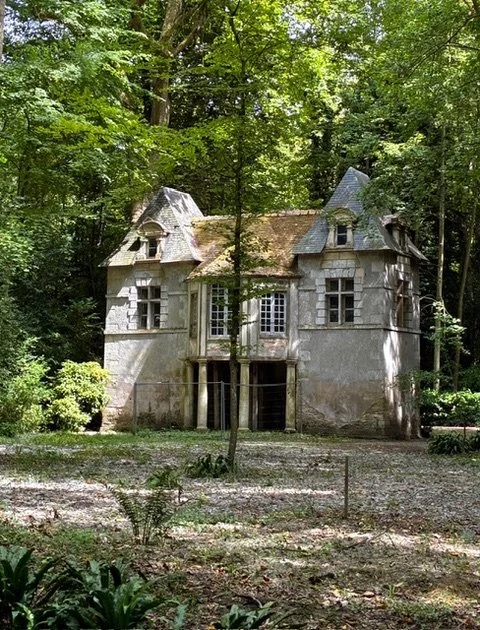
Figure 16. Garden Folly, Chateau de Canon
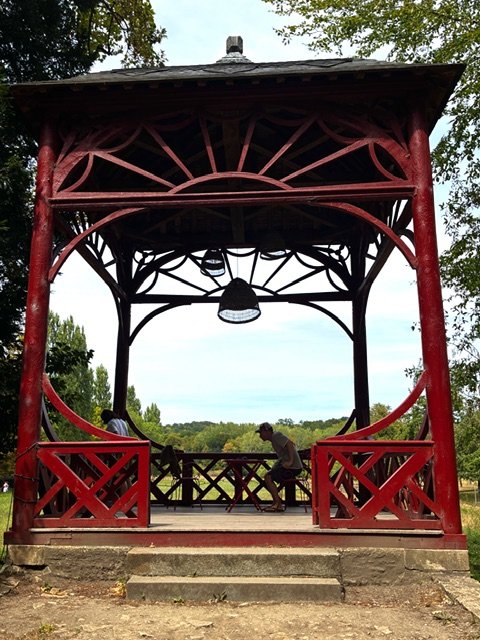
Figure 17. Chinese Bridge Folly, Chateau de Canon
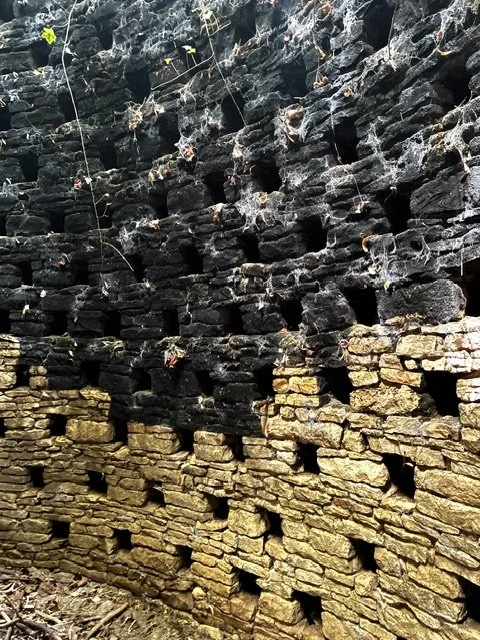
Figure 18. Pigeonnier, Chateau de Canon
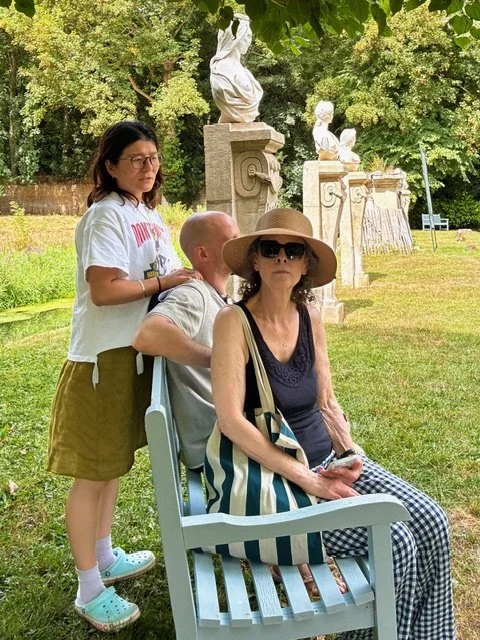
Figure 19. Me, Min & Nicolas, Chateau de Canon
The most surprising part of the garden were the Chartreuses, 10 (maybe 13 - depends upon how you count) gardens are connected by 850 meters (2789 feet) of stone walls pierced with arches. The gardens originally had fruit trees. They grew flat against the south-facing stone walls (en espalier). This permitted the brick walls to absorb daytime heat and radiate it back out at night. This microclimate meant that the estate could have peaches, figs, apricots, almonds, grapes - fruits that don’t grow in Normandy’s climate.
In the 20th century, the fruit gardens were transformed into flower gardens. The original layout was retained and a few espaliered fruit trees are still here. But the outdoor garden rooms are now individual enclosures for different flowers - nasturtiums, peonies, dahlias, asters - each blossoming in their turn from May to October. A statue of Pomona, the Roman goddess of gardens and orchards presides over the whole. (Figs 20-22)
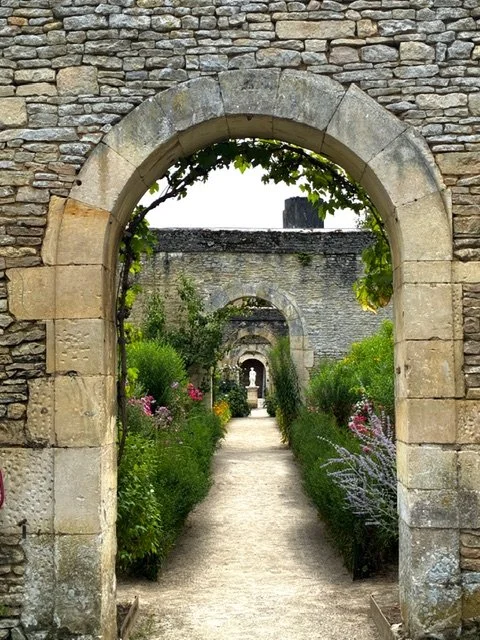
Figure 20. The long view of the Chartreuses, Chateau de Canon
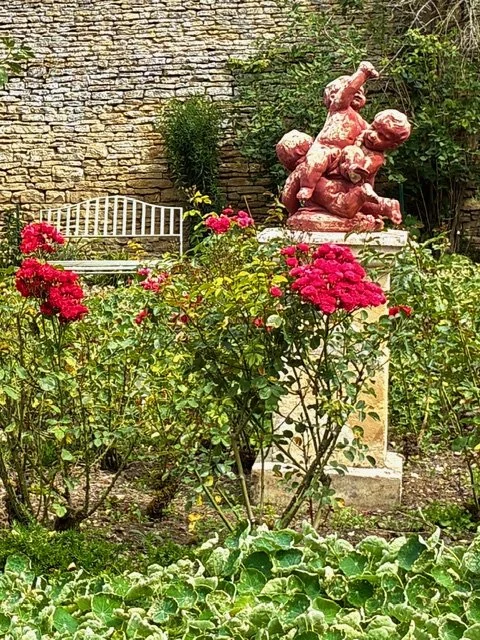
Figure 21. Roses in one of the Chartreuses, Chateau de Canon
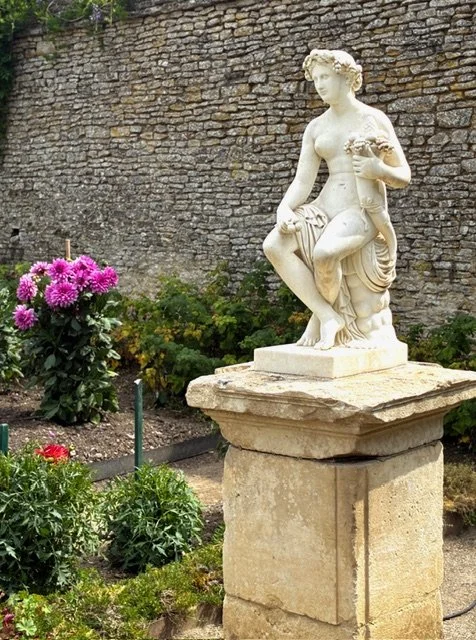
Figure 22. Pomona, Goddess of fruit trees, gardens & orchards
The prize for Most Beautiful garden goes to the tiny, stately, still very French, Chateau de Brécy, a listed Historic Monument with "Remarkable Garden” status. The Brécy garden retains its original French design, with four ascending terraced formal gardens, intricate topiary, ornamented stone balustrades and classical statues. Depending upon the season, tulips, irises, hellebores, peonies or magnolias bloom.
No one knows who designed the Château de Brécy. Built between 1626 and 1636, it was influenced by the celebrated architect, François Mansart (mansart/d roof fame). The chateau’s first owner oversaw the creation of a “surprisingly sophisticated garden for a rural setting so far from Paris and the royal court.” The harmonious integration of chateau and garden recalls the designs of Château de Vaux-le-Vicomte and Chateau de Versailles.
Brécy survived both the French Revolution and WWII bombing. But over the centuries, the gardens fell into disrepair. In 1955, a new owner began the task of clearing the garden’s weeds and brambles. Forty years later, he passed the torch on to Didier and Barbara Wirth. They had been negotiating the purchase of an estate in Burgundy. Just before that sale was finalized, a friend of theirs, the fashion designer Hubert de Givenchy called to tell them that Brécy was on the market. The Wirths rushed to Normandy, fell in love with the property and bought it within the week. (Figs 23-29)
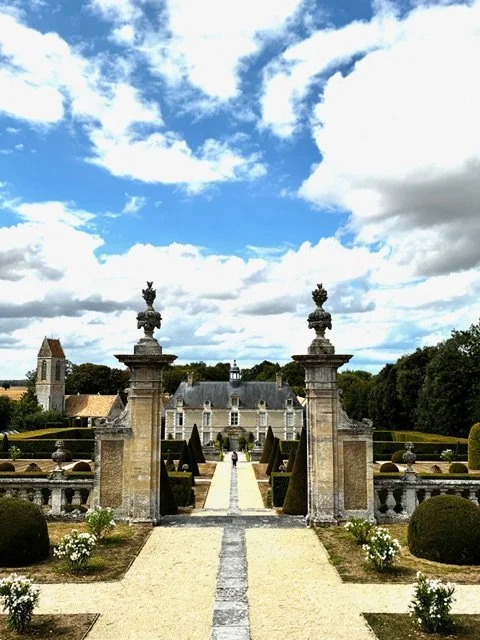
Figure 23. Chateau de Brecy, from above
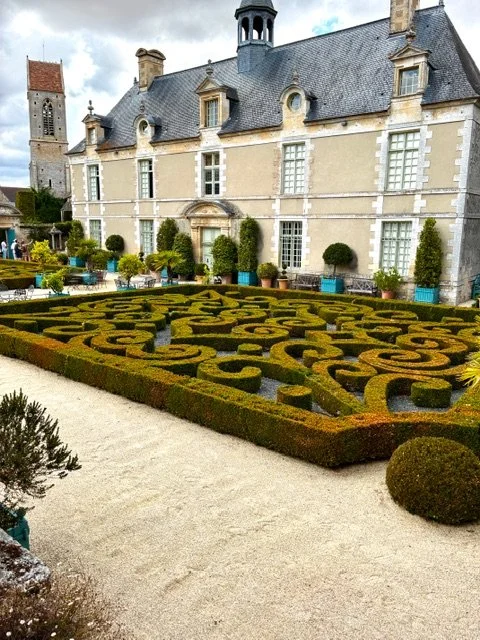
Figure 24. One of the parterres in front of the Chateau de Brecy
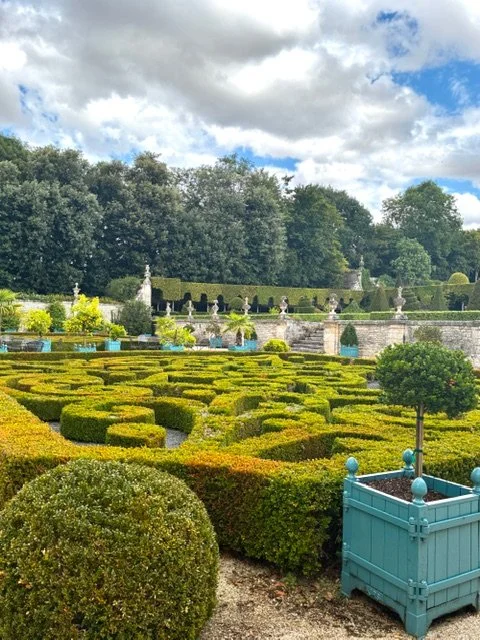
Figure 25. One of the parterres, Chateau de Brecy
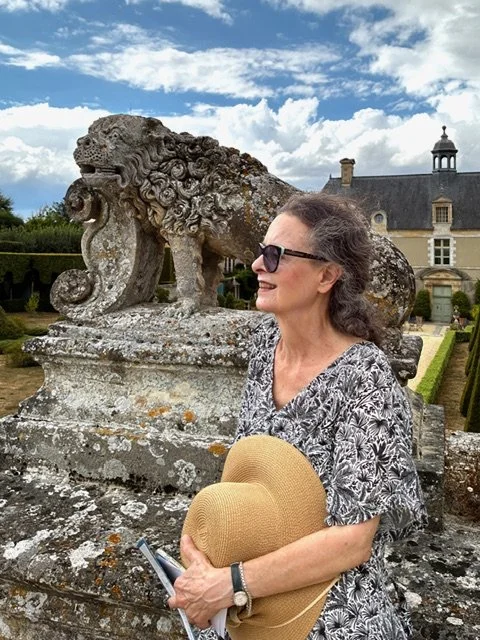
Figure 26. The lion and me in the garden, Chateau de Brecy
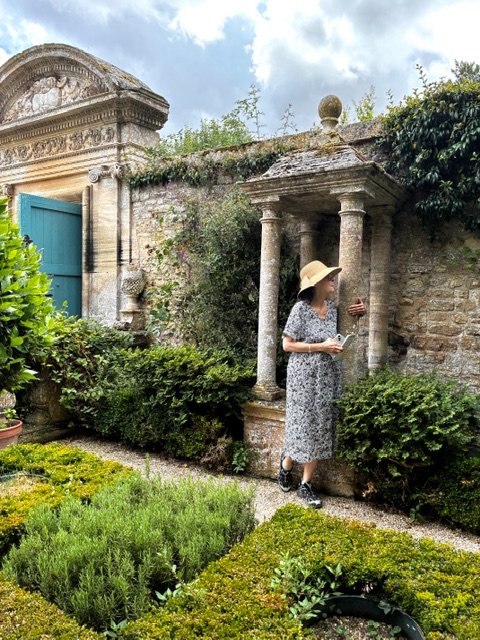
Figure 27. Me poking around in the formal garden, Chateau de Brecy
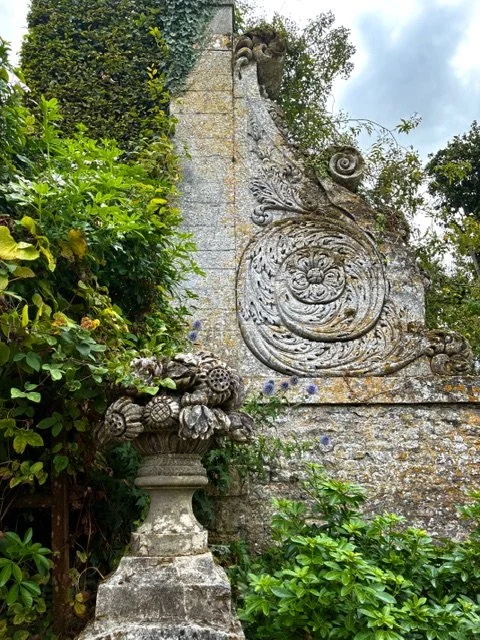
Figure 28. So many lovely details, Chateau de Brecy
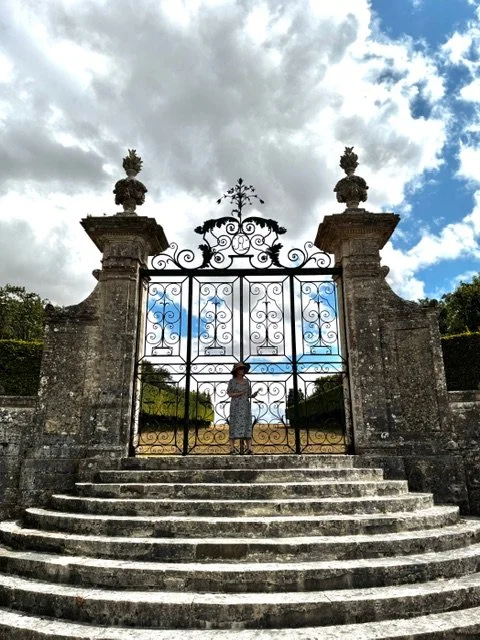
Figure 29. At the very top of the garden, where the land was raised to mask the sight & sound of highway, Ch. de Brecy
When the Wirths arrived, their first thought was trees, there were virtually none surrounding the property. Their decision reminded me of a proverb which is probably not Chinese: “The best time to plant a tree was 20 years ago; the second best time is now.” And another proverb, which probably is: “The older generation plants the trees, and the younger generation enjoys the shade.” Still thinking about privacy, the Wirths had the hill behind the garden raised to mask the sight and sound of the highway beyond. The garden’s four terraces were brought back to life with topiaries, hedges and sculptures of fruit, flowers and lions. Barbara Wirth’s white, green and blue color palette led to her selecting agapanthus, iris, lily and hellebore to grow in her garden.
While we were there, a well dressed man walked out of the Chateau. He spoke with a gardener and then came over to me. It was Mr. Wirth wanting to chat. He told me about the berm that protects his garden from the highway. He told me about the Chateau’s library filled with thousands of gardening books. He told me that there was going to be a wedding reception that evening. In the past, he said, there would have been four tents, but now there could only be three. Because of his wife’s grave. The French government had given him permission to bury her here. Which is highly unusual, since the only place bodies can be buried in France is in cemeteries. As we stood looking at the grave, he told me how hard it was to continue alone. The date on the headstone is 2013. For 13 years he has worked on their shared project, with her spirit guiding him. (Fig 30)
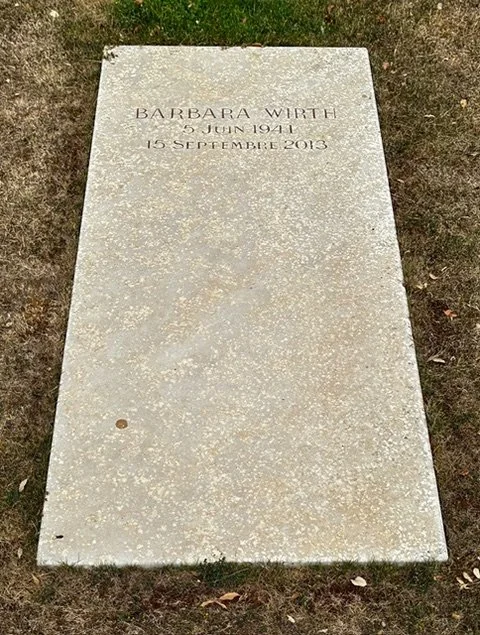
Figure 30. Barbara Wirth’s gravestone, Chateau de Brecy
The prize for the Most Disappointing Garden goes to the Chateau Fontaine-Henry (yes, Henry, it’s Anglo-Norman). We hadn’t booked a guided tour of the chateau in advance, which is the only way to see it. When we arrived, the next tour wasn’t for another hour. We weren’t sure there would be enough to do to warrant the wait. So we skipped it and really, if the interior is like the gardens and park, I’m glad we did. (F 31, 32)
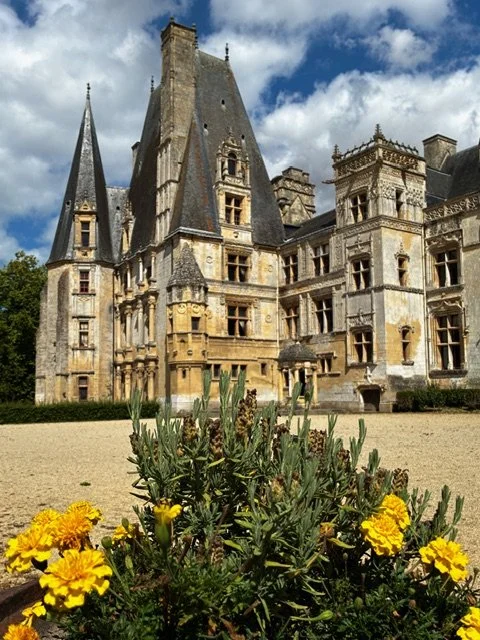
Figure 31. Chateau Fontaine-Henry, highest roof in France
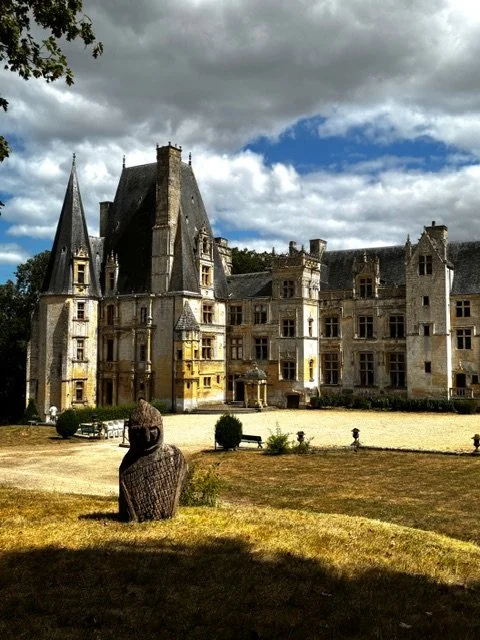
Figure 32. Chateau Fontaine -Henry
The chateau was built in the 13th century on the foundations of an 11th-century fortress. The family who built the 13th c chateau was Anglo-Norman. It’s been in the same family ever since. The descendants who owned the chateau during the 100 Years War, assessed the damage after the war. It was such a mess that they rebuilt it in the style of the day, the Louis XII (French Renaissance) style. The chateau’s central façades, with its amusing sculptures and huge roof (the tallest in France, measuring 15 meters [2,500 feet] high), are the best part of the chateau. (Figs 33-35) Until the 18th century, a public road ran right through the courtyard. It was for travelers, if they were traveling slowly enough, that the fancy façades and the impressive roof were designed. A 17th century point of interest? Sure. One of the family descendants married Mme de Sévigne’s daughter.
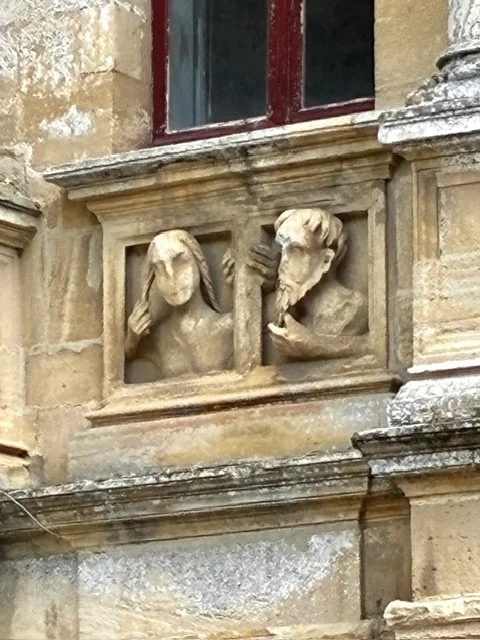
Figure 33. Sculptural details on facade of Chateau Fontaine-Henry
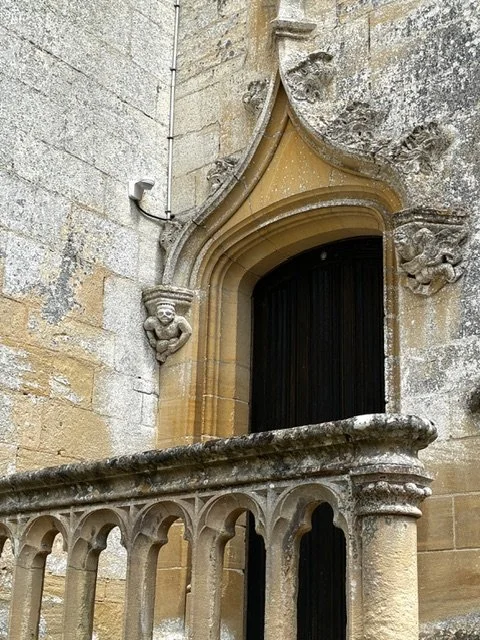
Figure 34. Some more charming details on facade of Chateau Fontaine-Henry
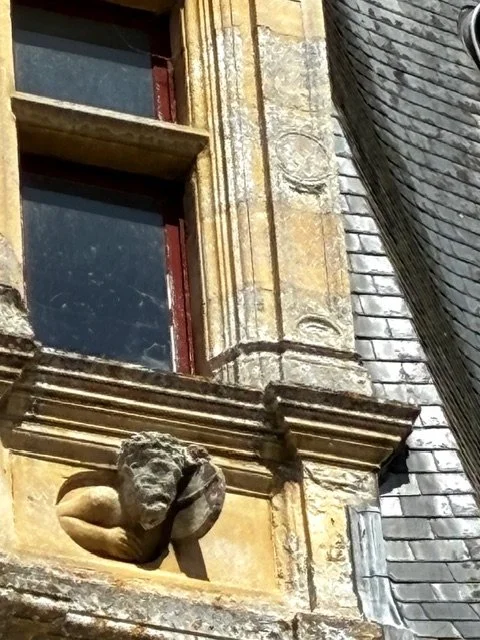
Figure 35. Another charming facade detail
In the 19th century, the French formal gardens were transformed into English ones. At the beginning of the 20th century, the d’Oilliamsons (Franco-Scottish nobles, it’s the phonetic French spelling of Williamson) inherited the chateau. Marquis Pierre-Apollinaire d’Oilliamson is the 27th generation of his family to live here.
The chateau’s garden and grounds are sorely in need of work. There are allegedly three gardens. A Medieval Garden, the design, layout and crop choice of which correspond to what such a garden would have been like in the 13th century. The garden is a symbolic link between Earth and Heaven. There are culinary herbs, medicinal plants and vegetables. Good idea, flawed execution.
There’s an Enclosed Garden, a ‘Hortus Conclusus’ a type also frequently found in medieval gardens near fortified castles and manors; abbeys, monasteries and priories. At monasteries, monks cultivated small enclosures with white flowers around a statue of the Virgin, as a place of meditation. At chateaux, the enclosed garden was where a young woman could meet her future husband and have some ‘alone time’ with him. (Fig. 36)
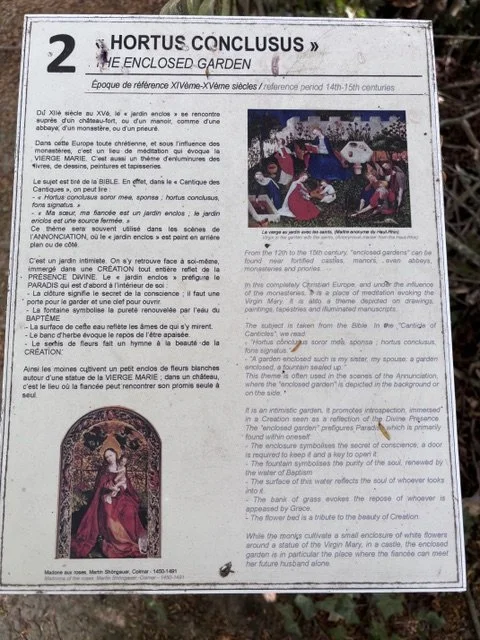
Figure 36. The signage was better than the garden ….. Chateau Fontaine-Henry
The third garden, La Gerbe du Parnasse, “Wreath of Mt. Parnassus” was a 17th century addition inspired by the groves of Greek and Roman mythology. The style was selected to correspond with “the Classical façade at the east end of the chateau.” Maybe this garden was here, but I couldn’t find it. (Fig 37). Beyond the gardens is a mess of a maze - overgrown and underwhelming and peacock aviary in which none of the scrawny peacocks had feathers. A young boy, dressed very smartly indeed (son of current owner?) was unsuccessfully chasing the peacocks around inside the aviary. (Fig 38)
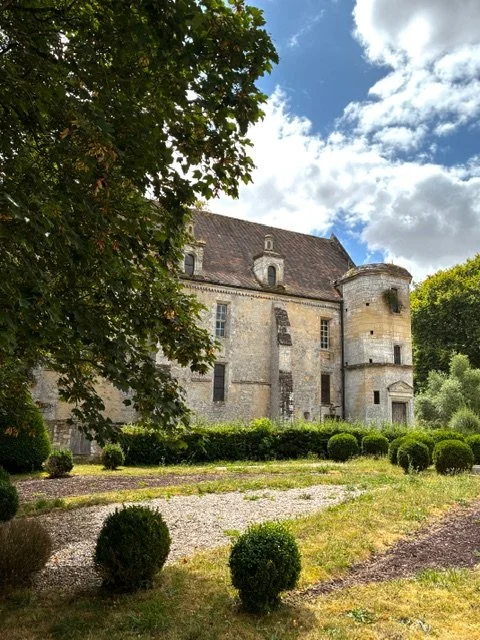
Figure 37. Side of the Garden, Chateau Fontaine-Henry
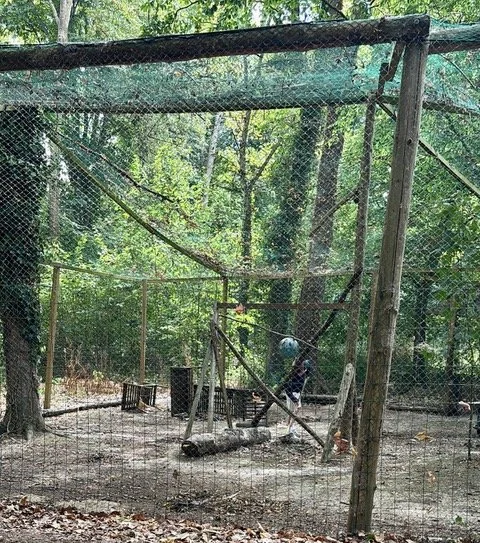
Figure 38. Aviary with peacocks, Chateau Fontaine-Henry
The fourth garden we visited, Jardins des Personalities in Honfleur, turned out alright but began as a ‘bait and switch.’ We didn’t go to the village of Honfleur which is a little too precious for me. The problem with Honfleur is that it knows it is lovely and wants to be paid for it. Everything is expensive, even stuff you can get for a lot less money in lots of other towns nearby. For example, caramels. There’s a boutique on the main street that sells caramels by weight. You get a cute little bucket to fill with caramels and then you take your bucket to the cashier. S/he weighs the caramels and tells you how much you owe. It is not until that moment that you find out that a few caramels will set you back quite a few euros. Not me. I looked at the price, looked at my little bucket and left.
Let’s see, what else. Eugene Boudin’s eponymous museum is in Honfleur. Although paintings by him owned by MuMA in Le Havre and paintings of his I saw last year, at an exhibition at the Musée Marmottan-Monet, were all much better examples of his work.
But I digress. We went to Honfleur’s Jardin des Personalities. Because I wanted to experience Fujiko Nakaya Fog Sculpture outside, where it’s supposed to be experienced. I had experienced it once this summer, at the Bourse in Paris. Because of the heat and because we were inside, it was more like a steam room than a cloud. According to the Bourse gallery sheet, Nakaya doesn’t depict fog, she sculpts it “using a complex system of high-pressure pumps and rows of nozzles that emit micro-droplets of water identical to those of fog.” She started making clouds in the mid-1960s when she gave up painting. Her goal is to produce ‘fog on a grand scale.’ Collaborating with an engineer, she invented a "system/device for producing a cloud sculpture from water mist.” (Figs. 39)
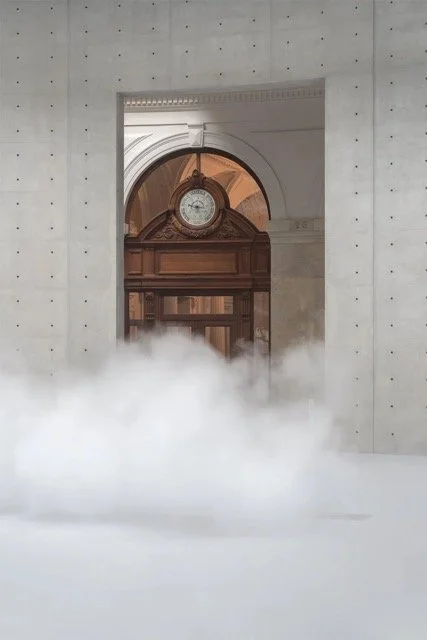
Figure 39. Cloud sculpture, Fujiko Nakaya, Bourse de la Commerce
Parking at the Jardin des Personalities in Honfleur is like parking anywhere in Honfleur. Nothing is free and everything is expensive. We planned to stay for 2 hours so we tried to pay for 2 hours of parking. That’s when we learned that you can’t pay for less than 24 hours. What a racket but not much of a surprise given the price of caramels in town. So we parked, we paid, and we went looking for Fjiko Nakaya’s Cloud. I should mention that along one side of the garden is a sandy beach. And beyond the sand is a lot of water. When we got to where the Cloud was supposed to be, we noticed this notice:
Subject: Visitor Notice – Installation by Fujiko Nakaya
Due to the drought currently affecting the Calvados region and in the interest of water conservation, the City of Honfleur has decided to keep the mist installation by artist Fujiko Nakaya—located in the Jardin des Personnalités—switched off. This decision follows a tightening of precautionary measures and discussions with state authorities. The installation operates using potable water and lacks a recycling system, making its use incompatible with current requirements for water conservation. The City is fully aware that many visitors had planned to experience this iconic artwork as part of the Normandie Impressionniste festival.
This decision is driven solely by the exceptional circumstances we are facing. It in no way reflects on the quality of Fujiko Nakaya’s work or the strong partnership between the City of Honfleur, the Normandie Impressionniste festival, and the Normandy Region. The City thanks visitors for their understanding and solidarity regarding an issue that affects our entire region: the preservation of water resources.
Which seems so seriously stupid that even I was speechless. All summer, all over Paris, because of the heat and despite the lack of rain, there were misters everywhere. Paris this summer was like the vegetable section at Safeway. There were 3 misters within a few blocks of my flat. And Honfleur couldn’t let people cool off in Ms Nakaya’s Cloud?
Well, that was a drag but after paying for 24 hours of parking, we really couldn’t leave after 2.4 minutes. So, we wandered. The garden is actually hedges shaped like boats, or at least the prows of boats. In each ‘prow’ is the bust of, you guessed it, a personality associated in some way, sometimes very obtuse ways, with the city of Honfleur. According to a plaque, the park “is to transmit the history of the city to children who were born here, as well as people who adopted Honfleur as their hometown; it also aims to introduce all the celebrities who found inspiration here …”
Among the personalities whose busts I saw was Anne Marie Louise of Orleans, aka the Grande Mademoiselle. She had land and a chateau in Normandy. When her cousin Louis XIV periodically banned her from court, as for example when she opposed him during the Fronde (1648 - 1652), she lived in exile at her chateau in Normandy. (Fig 40)
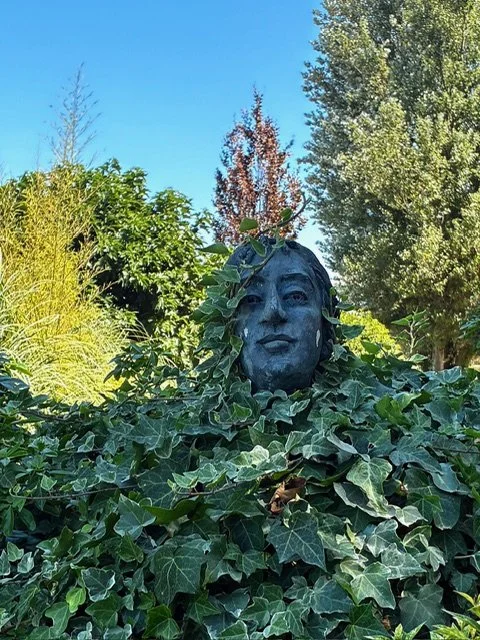
Figure 40. Grande Mademoiselle, Jardin des Personnalités, Honfleur
There’s a bust of the artist Eugène Boudin who was born in Honfleur and a bust of Johan Jongkind who visited. Both taught Monet in Le Havre. Another prow has a bust of Monet who stayed in Honfleur several times between 1858 and 1872. ((Figs 41-45)
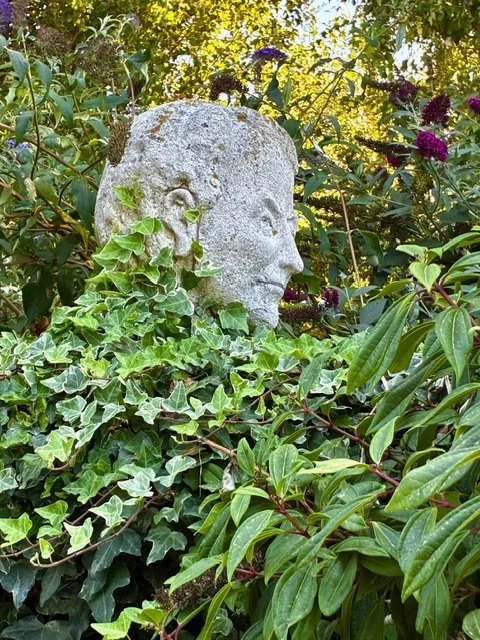
Figure 41. Baudelaire, Jardin des Personalities, Honfleur
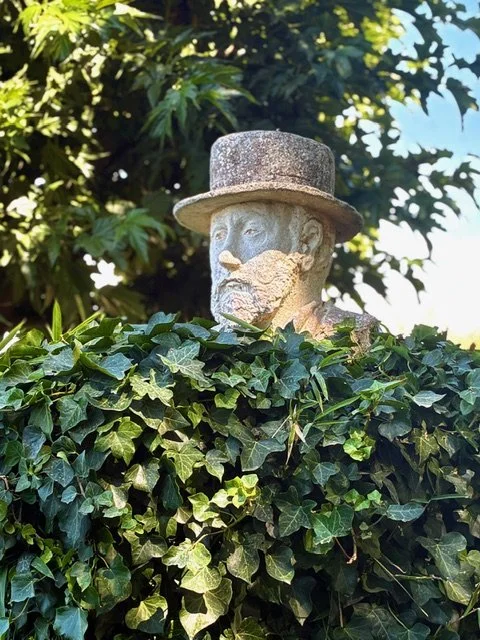
Figure 42. Johan Jongkind, Jardin des Personalities, Honfleur
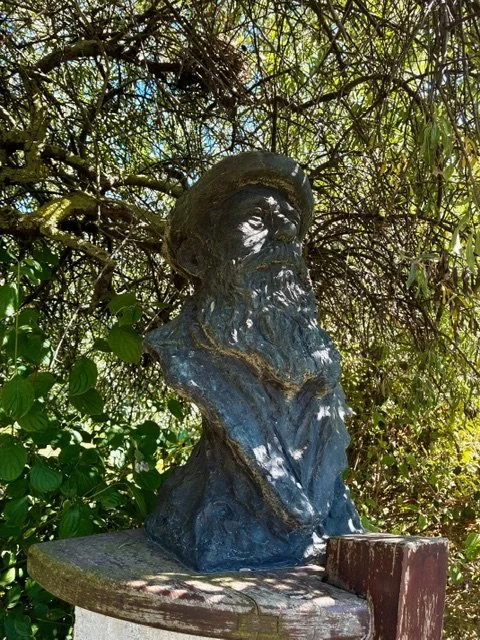
Figure 43. Claude Monet, Jardin des Personalities, Honfleur
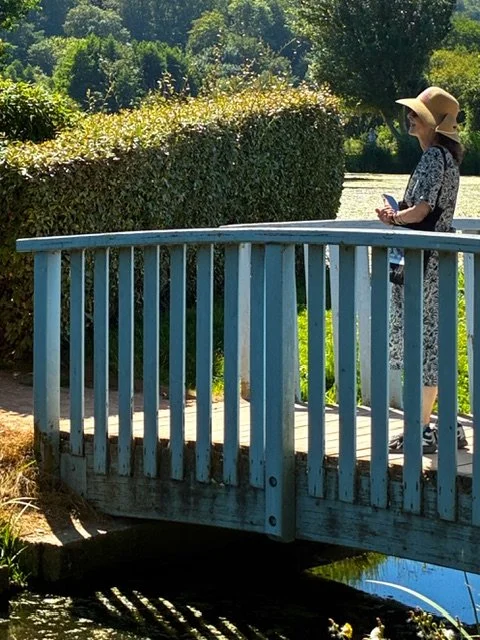
Figure 44. Bridge near Monet’s head, Jardin des Personalities, Honfleur
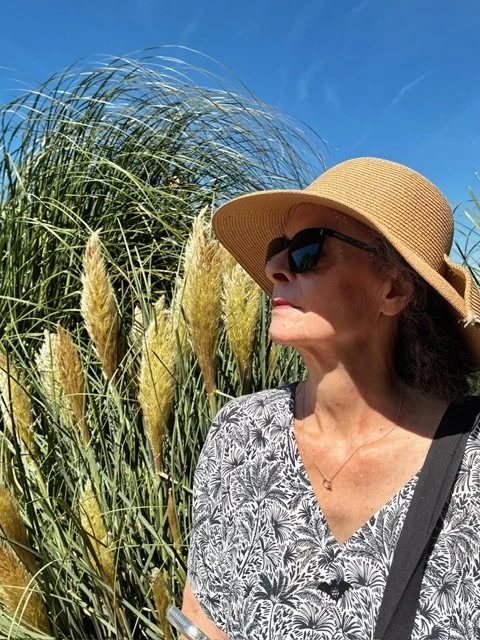
Figure 45. Jardin des Personalities et moi, Honfleur
We saw one final garden on our way back to Paris from Normandy. Monet’s garden in Giverny where he lived for 1/2 of his life. He moved there in 1883, when he was 43 and he lived there for 43 years, until his death in 1926. A.I. just told me that at his funeral, at the little church in Giverny where he is buried, his friend, the former Prime Minister of France, Georges Clemenceau “removed the traditional black cloth from his coffin and replaced it with a colorful, flowery covering, declaring, ‘No black for Monet!’”
The garden was teeming with people. The charming little bridges were so packed that I feared they would collapse from the weight. The garden is a series of beautiful plantings and gorgeous vistas. When I first visited Giverny many years ago, a very young Ginevra was our guide. She had read ‘Linnea in Monet’s Garden’ that summer. But even 30 years ago, crowd control had defined the way visitors enjoy the garden. The central allée was blocked off then and it has remained blocked off ever since, even though Monet designed it to be walked along, as Linnea had done in the mid-1980s. (Figs 46-49)
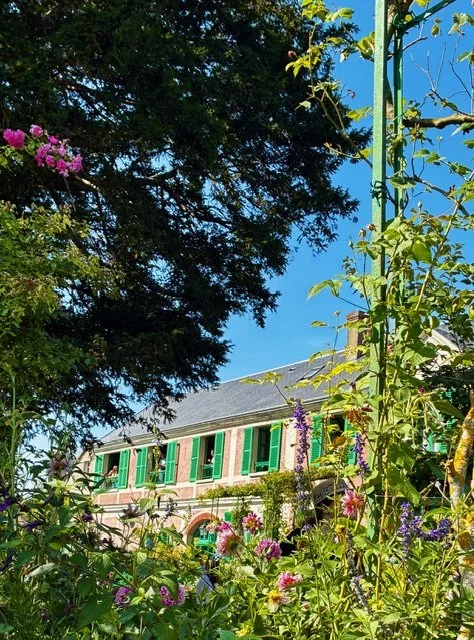
Figure 46. Monet’s house seen from the garden, Giverny
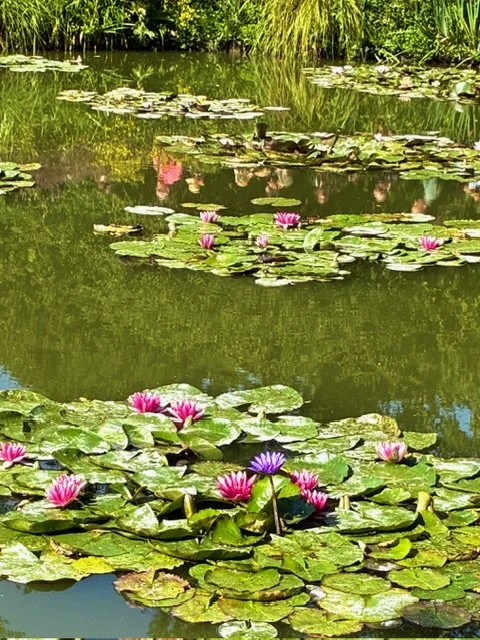
Figure 47. Waterlilies, Monet’s Garden, Giverny
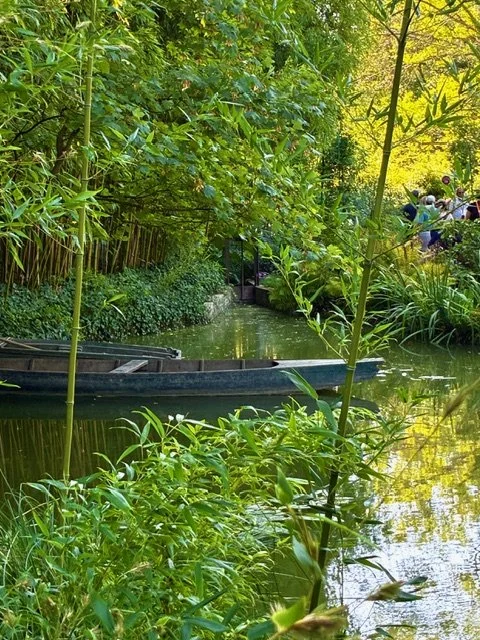
Figure 48. Boats, just at Caillebotte’s garden in Yerres, Monet’s garden, Giverny
If you go, accept it for what it is and make sure to visit the Musée des Impressionnismes just down the block. It’s much less crowded, has a wonderful garden filled with Bourdelle sculptures and a wonderful museum with temporary exhibitions. (Figs 49,50) Gros bisous, Dr. B.
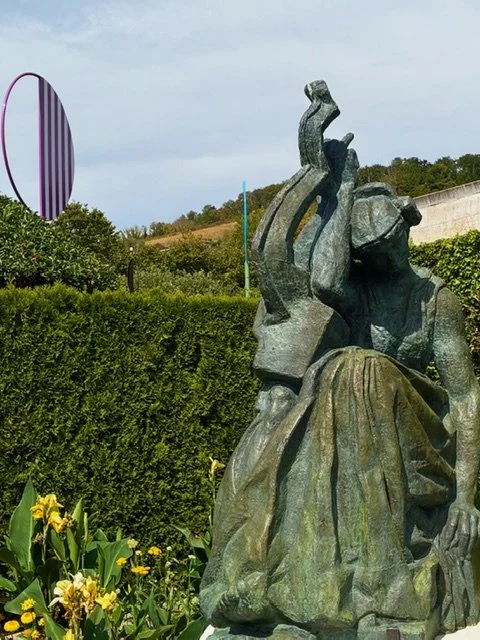
Figure 49. Statue by Bourdelle in Garden at Musée d’mpressionnismes, Giverny
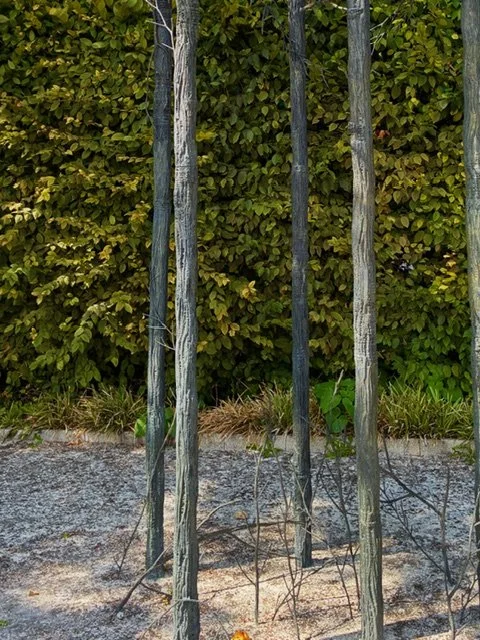
Figure 50. Eva Jospin sculpture in garden of Musée d’Impressionnismes, Giverny
Thanks to everyone who ‘likes’ my posts on Substack and to everyone who has time to send a Comment (either on Substack or my website). Both are very much appreciated.
Comment on Impressive Impressionists
Thank you so much Dr. B.! This post was extraordinary! I have been following you for several years - I first learned of you from Julia Nolet because you reviewed her book about Toulouse-Lautrec, which I admire, and interviewed her. I have been following your enjoyable, informative posts ever since. I am planning to spend a month in Paris mid-April to mid-May 2027 and I hope you’ll write about some exhibits and /or happenings that will be (in Paris) during that time. Thank you, again, for this one and all of your work. Kathleen