Impressive Impressionists
Normandie Impressionniste 2026
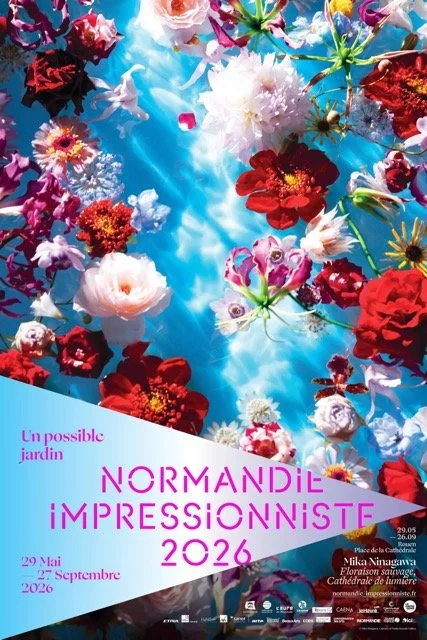
Bienvenue and welcome back to Musée Musings, your idiosyncratic guide to Paris and art. When I described my sejour in London with my daughter Ginevra, I wrote that for the entire very hot summer that is now mostly just a memory seared into my still steaming soul, there was only one time the weather did not impede me from doing what I wanted to do. Which is mostly going to museum exhibitions and wandering through (and sometimes relaxing in) as many gardens along the way as possible. Well, that’s not entirely true. I did have a second respite from the heat, ten days in Normandy with my son and my soon to be daughter in law. The days and nights in Normandy, which is known for its cool and rainy weather, were pleasantly warm, not really cool, but definitely never Paris-hot.
The plan was for me to go a couple days before they arrived from China, to get the house ready. As I drove to Normandy, I thought about the decision my husband and I had made so many years ago, to purchase the ruin, that eventually became our home, in the Dordogne. Why hadn’t we found someplace closer to Paris, like Normandy for example. The answer was simple, we lived in San Francisco. The idea of traveling across a continent and then an ocean for cool, rainy summers didn’t make sense. What we were looking for, what we wanted our kids to experience, were the kind of summers we remembered growing up in Pennsylvania and Ohio. Summers spent paddling around swimming pools or sitting under the shade of trees or riding bikes on traffic-free streets. A summer very different from what our kids could experience in San Francisco. Mark Twain may not have said “The coldest winter I ever spent was a summer in San Francisco,” but whoever did say it was right.
But I live in Paris now (do you know that Judy Collins song?) and the idea of traveling to the Dordogne for a ‘real summer’ has lost its allure. Although it is true that summers in the south of France, in an old stone house with thick stone walls, following the ritual of opening shutters in the morning to allow the cool morning breezes in and keeping the shutters closed during the day to keep the hot air out, before opening the shutters again for the cool evening breezes, makes even really hot summers in the right kind of house, in the countryside, in the south of France, even during the sweltering heat of summer, bearable. Certainly more bearable than living through successive heatwaves in an apartment with no cross ventilation in a city where even when the temperature drops in the evening, cement sidewalks retain the heat.
I was delighted to be returning to Normandy this summer because there was another Normandy Impressionist Festival to enjoy. It’s held whenever there is something to celebrate or commemorate related to Impressionism and the artists who made Normandy their home. This year commemorates the 100th anniversary of Claude Monet’s death. (Figs. 1, 2)
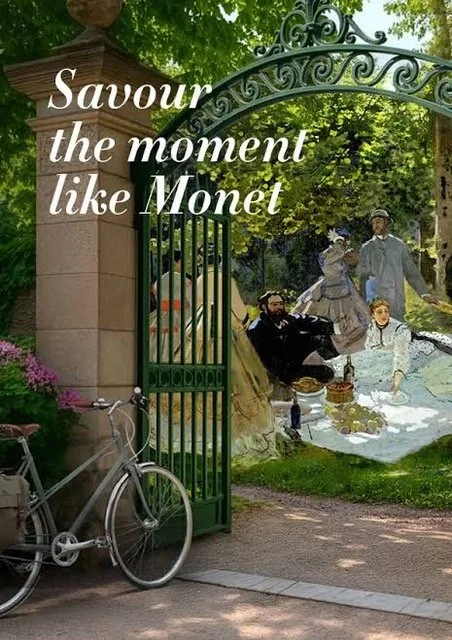
Figure 1. Another poster inviting us to join the gracious people in the central panel of Manet’s Dejeuner sur l’herbe (Musée d’Orsay)
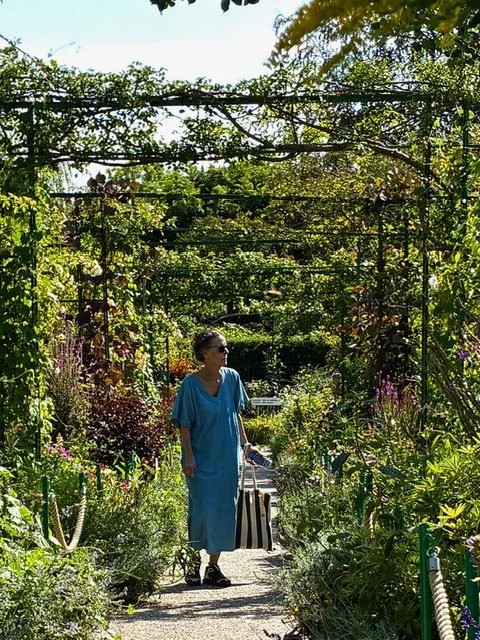
Figure 2. Me in Monet’s Garden, Giverny
Normandy is associated with Impressionism for several, movement-defining reasons. Among them, Claude Monet, the most prominent member of the Impressionist group, met his own mentor, Eugène Boudin in Le Havre (a port city in Normandy). Boudin taught Monet to paint en plein aire (outdoors) and to capture the transient effects of light and water. It was from a hotel window in Le Havre that Monet painted a canvas he called ‘Impression, Sunrise’ in 1872. (Fig 3)
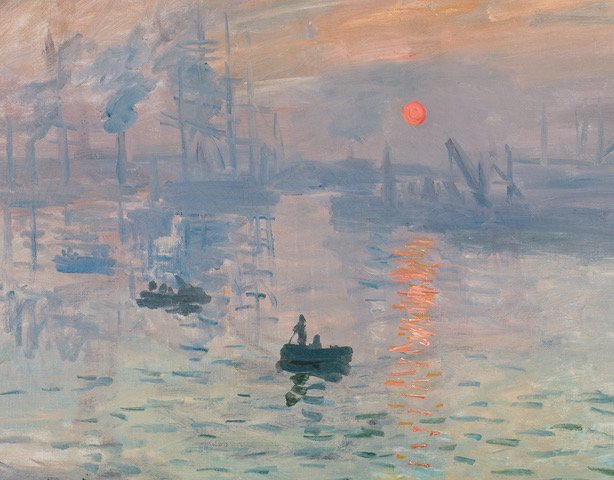
Figure 3. Impression, Sunrise, Claude Monet, 1872
It was from the title of that painting that Louis Leroy, who reviewed the first impressionist exhibition in Paris in 1874, took the title for his review. Leroy considered Monet’s painting and others like it, unfinished "impressions" not finished works of art. Intended to mock the movement, the word Impressionism came to define it. Other towns and villages in Normandy that the Impressionists captured in paint, that ‘served as vital workshops for the development of Impressionist techniques,’ include the cliffs of Étretat, the Cathedral of Rouen, the port of Le Havre and eventually Monet’s garden at Giverny where he lived from 1883 until his death in 1926. (Figs 4-7)
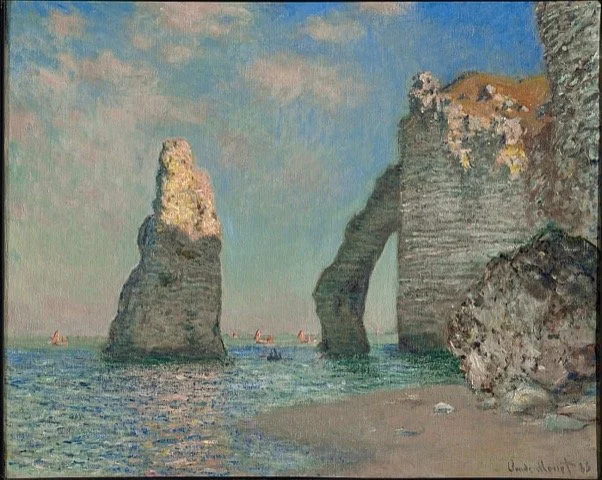
Figure 4. Cliffs of Etretat, Normandy, Claude Monet, 1884
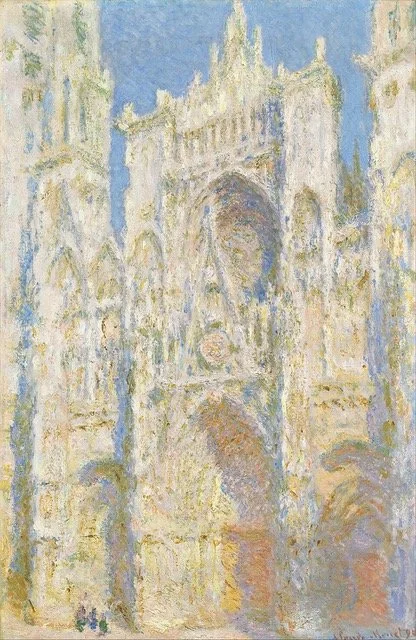
Figure 5. Rouen Cathedral, Claude Monet, 1894
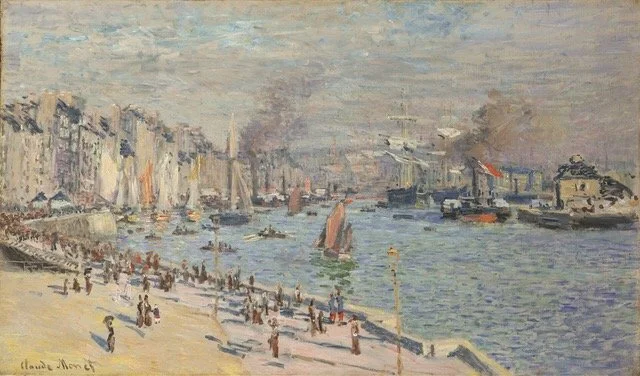
Figure 6. Harbor at Le Havre, Claude Monet, 1874
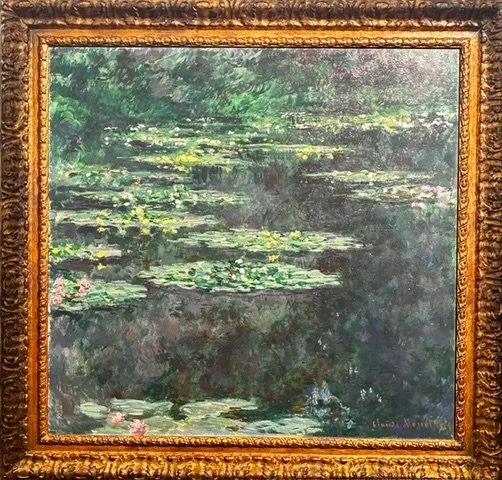
Figure 7. Water Lilies, Claude Monet
The first exhibition I saw was in Rouen, en route to the house in which I have now happily spent a few weeks every summer for the past three, Dives-sur-Mer. It’s where William the Conqueror set sail to conquer England, the tapestry history of which you can see now, in London, for the first time, at the British Museum, on loan from the museum in Bayeux which gives the tapestry its name.
The exhibition at the Musée des Beaux Arts in Rouen was a thematic one, on Rain, called Sous la pluie, peindre vivre et rêver (In the rain, paint, live, and dream). (Fig 8) The curators found paintings, prints and photographs that span 250 years - from the late 18th century to now. For most of us, rain is an inconvenience about which we mostly just complain. For poets writing sonnets and musicians composing sonatas, rain can be a source of inspiration, contemplated from warm and dry studies and studios. But to paint the rain and certainly to photograph it, means hanging around in the rain and getting wet!
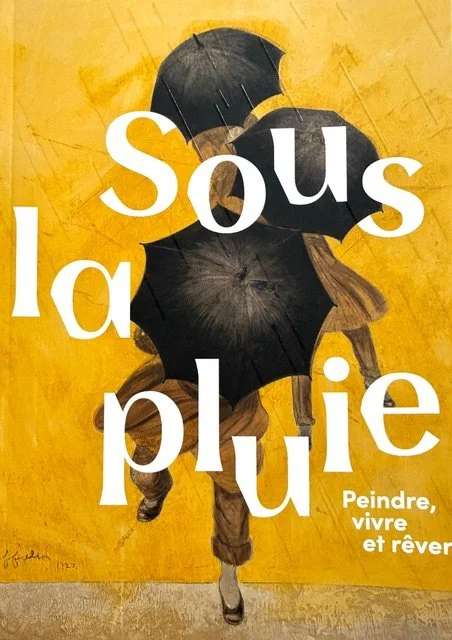
Figure 8. Sous la pluie, Musée des Beaux Arts, Rouen, Poster
The museum’s website asks a few questions artists who painted rain must have considered. Among them, “how does one paint the formless?” “how can one depict a translucent, colorless element that veils the landscape and obscures the horizon?” and “how can one make visible that which blurs the view?” Painting rain is a “magnificent challenge for artists” not unlike painting a clear liquid in a glass - the challenge faced by still-life artists, who at least didn’t have to get wet. (Fig 8a)

8a. Still life with fruit pie, Willem Claesz, 1634
The artists in this exhibition, “ventured beyond their studios to capture (rural and urban) landscapes transformed by rain…” At the beginning of the 20th century, photographers joined painters, focusing mostly on scenes in the city. Then, like now, for busy city dwellers, life goes on at its normal pace, even in a downpour. (Figs 9-15) While the exhibition didn’t focus on the Impressionists, they were well represented here. And because of this exhibition on paintings of rain, it was paintings of the rain that drew my attention in the other exhibitions I saw during my stay in Normandy (as you will shortly see). In Normandy, like Maine, or any coastal region, the most predictable thing about the weather is its unpredictability. A painter who sets out to depict a sunny scene can find himself painting a rainy one if he sticks around after the clouds begin to form.
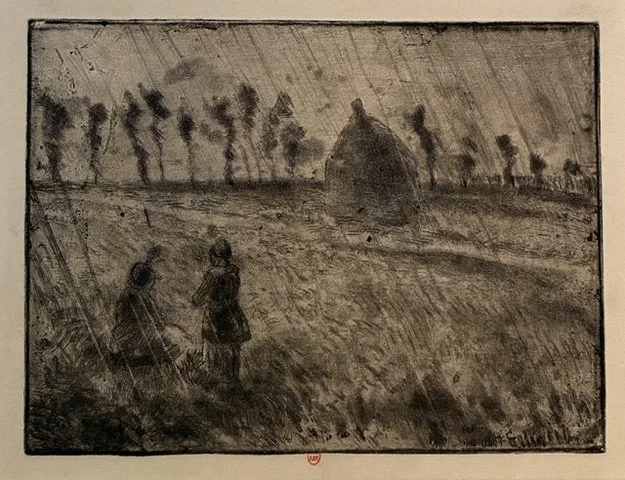
Figure 9. Effects of Rain, Camille Pissaro, 1879
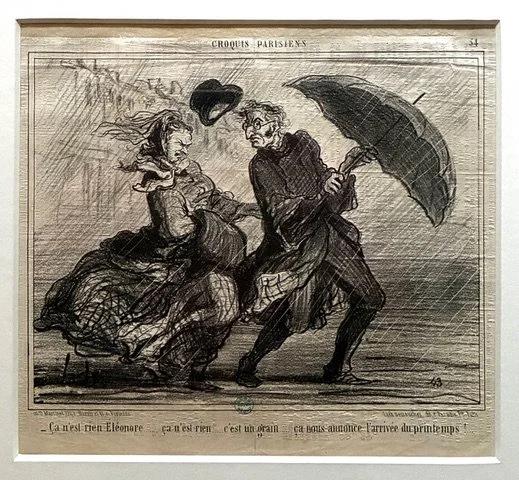
Figure 10. Croquis parisiens, “Ca n’est rien Eleonore…,na n’est rien, c’est un grain…Ca nous announce l’arrived du printemps!… Honoré Daumier, Charivari, 1857
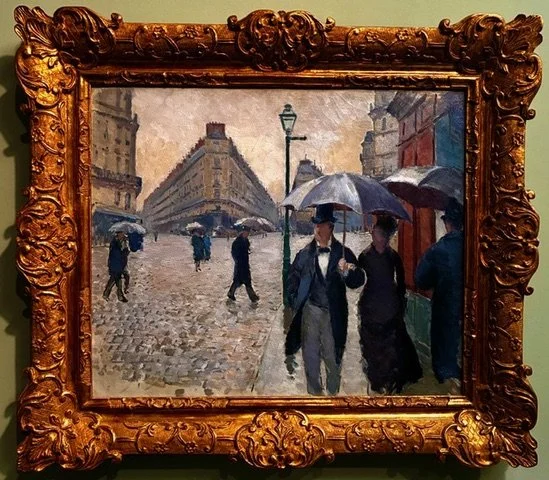
Figure 11. Rue de Paris temps du pluie, Gustave Caillebotte, 1877
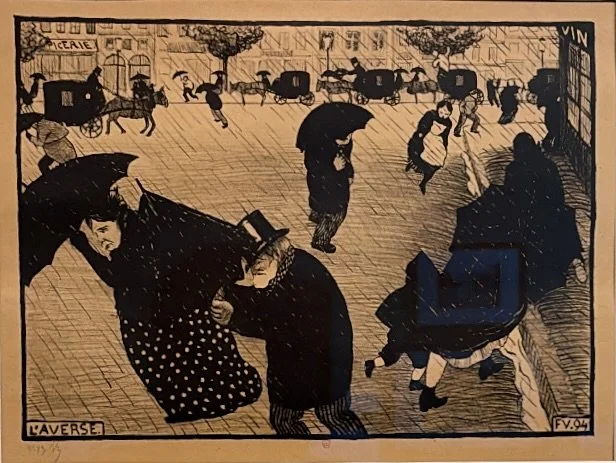
Figure 12. L'Averse, Felix Valleton, 1894
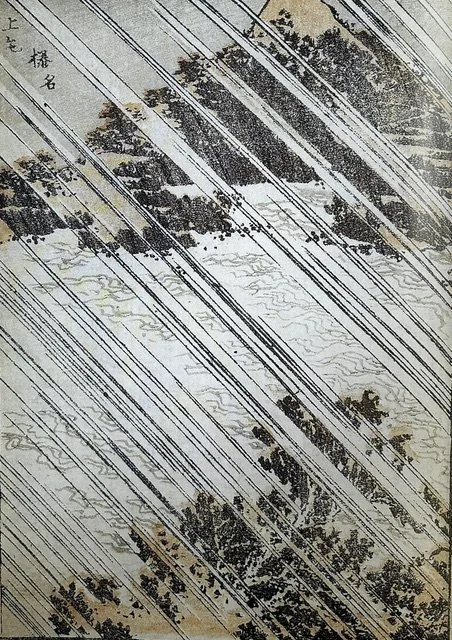
Figure 13. The Nature of Things, Hokusai, mid 19th century
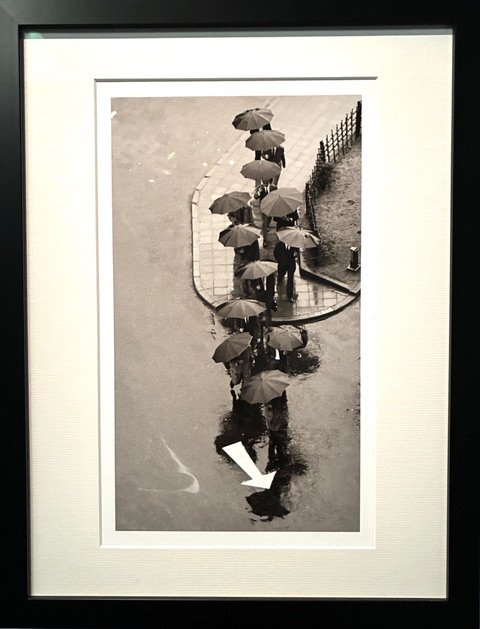
Figure 14. Rainy Day, André Kertész, 1968
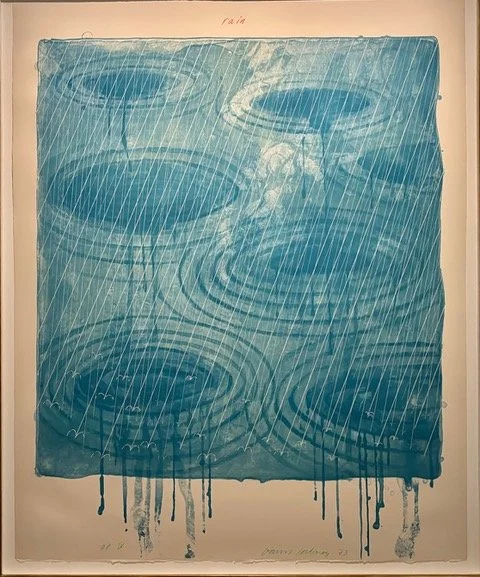
Figure 15. Rain, David Hockney, 1973
A room at the start of the exhibition provided a wonderful preparation for what was ahead. It invited visitors to experience rain as more than “just a weather phenomenon.” The space was filled with sound designs, films and musical effects. A place to slow down and listen to the rain, look at the rain and feel the rain. The perfect way to introduce an exhibition and indeed, to begin a holiday! (Figs 16)
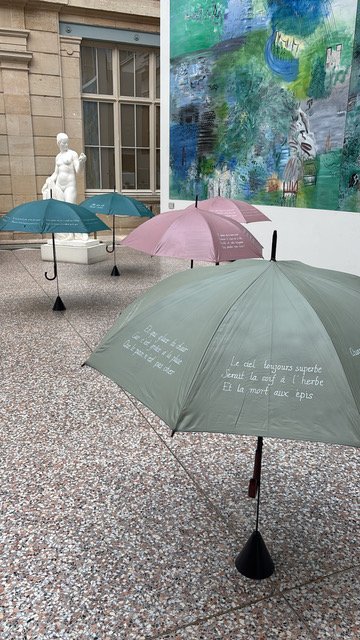
Figure 16. The courtyard of the museum was filled with umbrellas on which quotes from various authors were written
The next day, I fetched Nicolas and Min at the train station in Deauville. Since they aren’t museum fanatics like me, I arrived early to check out the exhibitions at the Franciscaines, a cultural arts center that opened five years ago. There were two exhibitions to see. One, in collaboration with the Pompidou (which is closed until 2030) was on the artist Raoul Dufy (1877-1953), whose most famous work is on permanent display at the Musée de l’art Moderne. (Fig 17)
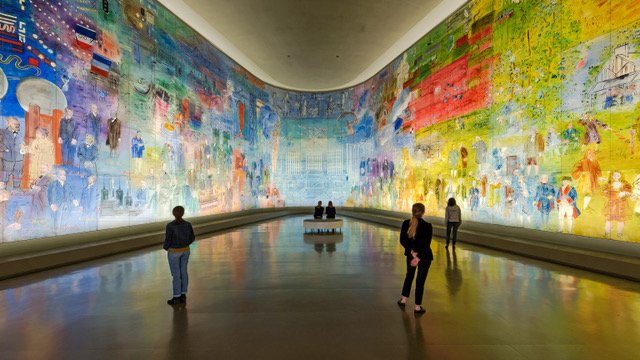
Figure 17. Electricité, Raoul Dufy, Musée de l’art Moderne, Paris
The exhibition at the Franciscaines, called The Melody of Happiness, (Fig 18) is divided into 10 sections, some chronological, some thematic. The first three sections are chronological - each an ‘ism’ Dufy dabbled in at the start of his career. Born in Le Havre, birthplace of Monet and Impressionism, it’s not surprising that Dufy’s first ism was Impressionism. Which he continued to experiment with when he moved to Paris (1900).
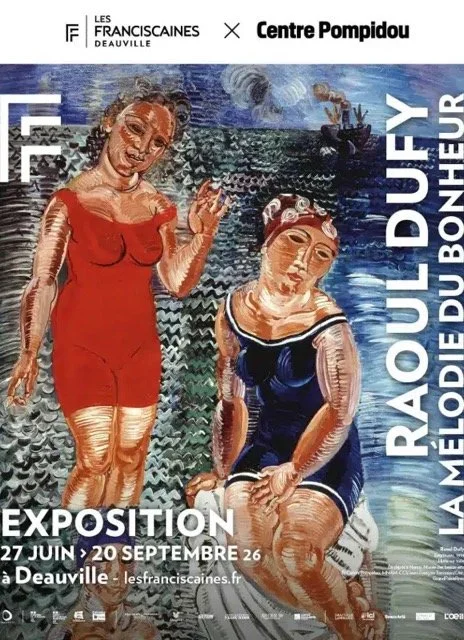
Figure 18. Raoul Dufy La Mélodie du Bonheur, Les Franciscaines, Deauville
Dufy’s next ism was Fauvism which got its name at the 1905 Salon d’Automne. Just as the name Impressionism was meant to demean, the term Fauvism was pejorative. The art critic Louis Vauxcelles used the term to describe the bright, boldly painted, non-naturalistic canvases displayed along with a traditional sculpture. Vauxcelles wrote that the sculpture was like a Donatello (17a) among the wild beasts! The label stuck, the artists embraced it. Matisse’s paintings and those by other future Fauves inspired Dufy to adopt the same bold colors and expressive brushwork.
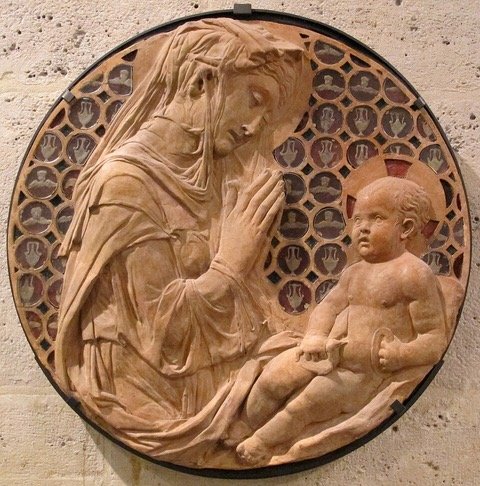
Figure 17a. Madonna and Child, Donatello, 1440
In 1908, Dufy traveled to Marseille with his friend Georges Braque, who months earlier had ‘invented’ Cubism with Picasso. How did that name for paintings by Braque and Picasso come into being? Once again, it was the art critic Louis Vauxcelles who coined the word that year (1908) as a derisive description of Braque’s geometric landscape paintings. Dufy had been planning to follow in the footsteps of Paul Cézanne and paint at L'Estaque, near Marseille. Dufy did go to Estaque but since he was with Braque, he began experimenting with Cubism instead, adopting a more constructive rigor in his landscapes.
And then the exhibition changes tracks and begins to explore themes, the first of which is the Sea. Dufy was initially inspired by the landscapes of the English Channel off the coast of Le Havre and later by the landscapes of the Mediterranean that he came to know well. Dufy painted the leisure activities people enjoyed by the sea - sailing festivals, competitions and regattas. Connected to the Sea in Dufy’s work was the image of a Bather, often in the form of Amphitrite, Greek Goddess of the Sea, wife of Poseidon. She is always recognizable in Dufy’s work by her symbol, the shell which she holds to her ear.
Studios is the last theme I’ll tell you about. It was one Dufy explored throughout his career. The paintings of the places where he created, are filled with easels, canvases, paint brushes - and sometimes models. Light from large windows pours into each of his color coded studios: orange-red for his studio in Vence, white for his studio in Perpignan and blue for his main studio in Paris. Dufy painted many homages to composers in his Paris studio, especially during the Second World War. One painting shows a red violin and these words "Music and painting by Raoul Dufy" It’s almost a self portrait. (Figs 19-26)
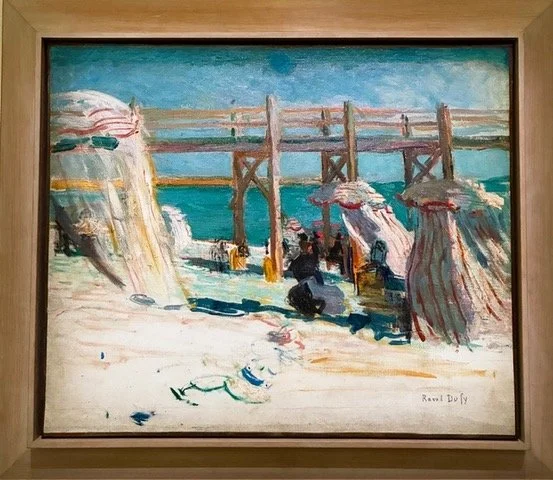
Figure 19. Ste-Adresse, Raoul Dufy, 1902
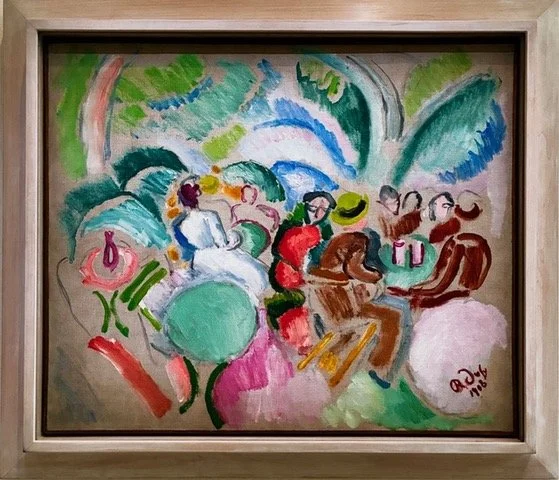
Figure 20. L’Estaque, Raoul Dufy, 1908
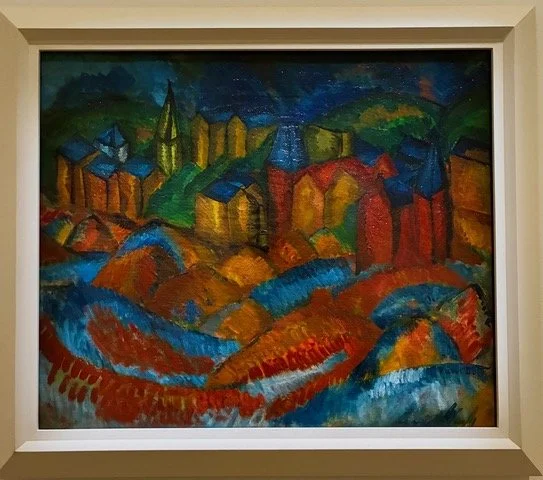
Figure 21. Ste-Adresse, Raoul Dufy, 1912
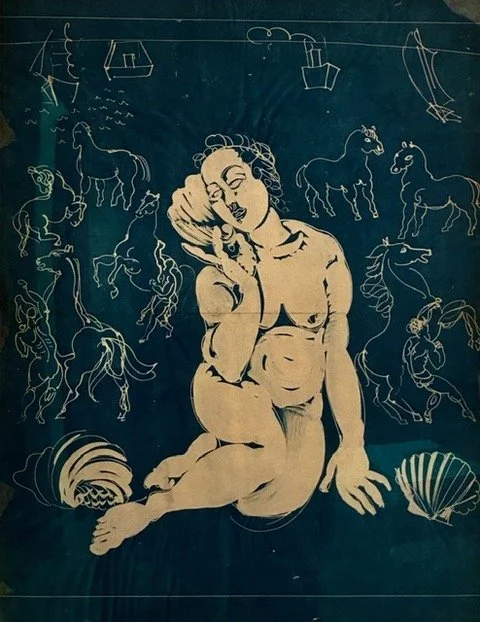
Figure 21. Amphitrite, Raoul Dufy
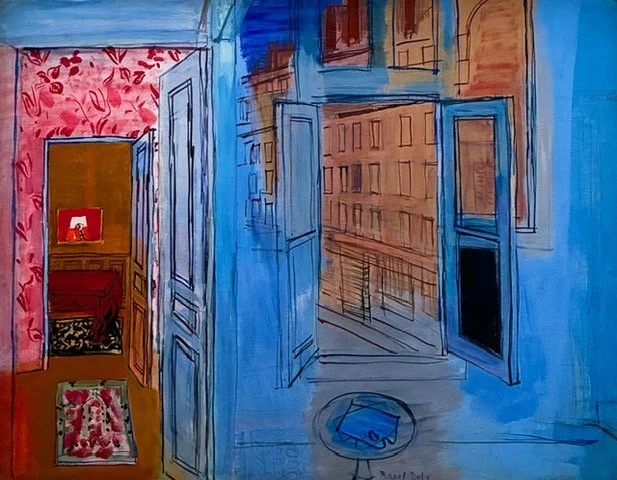
Figure 22. Paris Studio, Raoul Dufy, 1935-52
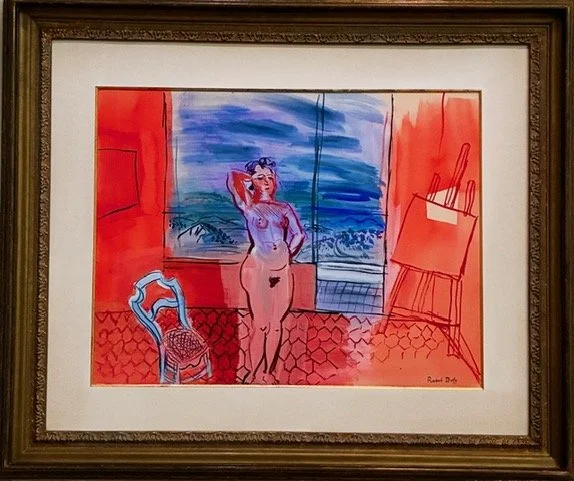
Figure 23. Studio in Vence, Raoul Dufy, 1943
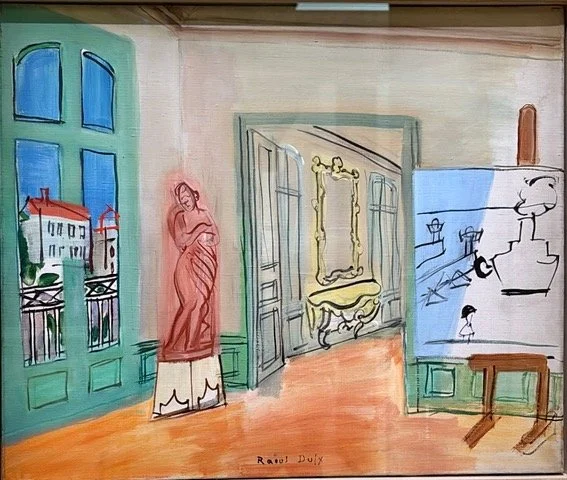
Figure 24. Studio in Perpignan, Raoul Dufy, 1949
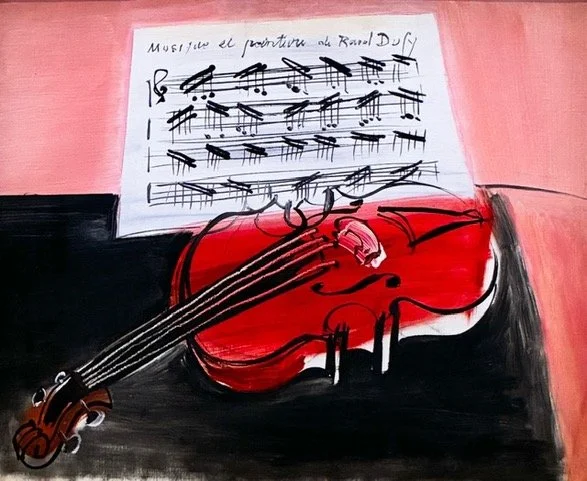
Figure 25, Red Violin, Music and Painting by Raoul Dufy, 1948
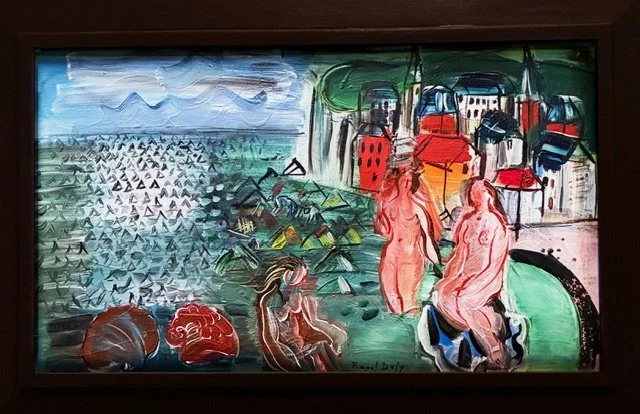
Figure 26. Bay of Ste. Adresse, Raoul Dufy, 1950
The second exhibition at the Franciscaines is a celebration of Monet’s legacy. An exhibition of the work by artists inspired by Monet’s paintings and garden and in dialogue with paintings by Monet. This was the first of two exhibitions I saw with this theme. As you will see below, the artists selected by the two institutions were very different. This is the kind of exhibition that the Musée Marmottan-Monet and the Musée Picasso, both in Paris, actively pursue. It insures an artist’s relevance by keeping their legacy alive. It also provides material for new exhibitions that keep patrons returning.
The exhibition at the Franciscaines is filled with interpretations of Monet’s paintings and garden by artists from around the world who share Monet’s fascination with light, color and gardens. From Japan to North Africa; Europe to North America, the exhibition transcends borders and periods. The garden at Giverny that Monet envisioned and then made ‘real’, is a living painting made of living materials. Some images in this exhibition were created by contemporary photographers and artists who were invited to Giverny, to be inspired by what Monet made and to create their own response to it. Their canvases and photographs show an ever changing, never predictable garden. (Figs 27-34)
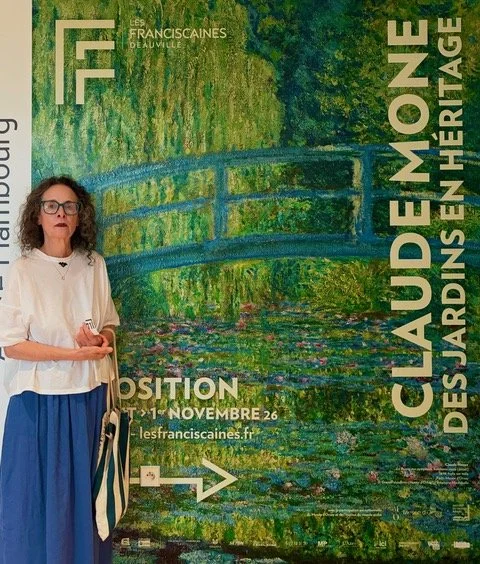
Figure 27. Claude Monet des Jardins en Héritage, Franciscaines, Deauville until 26 November
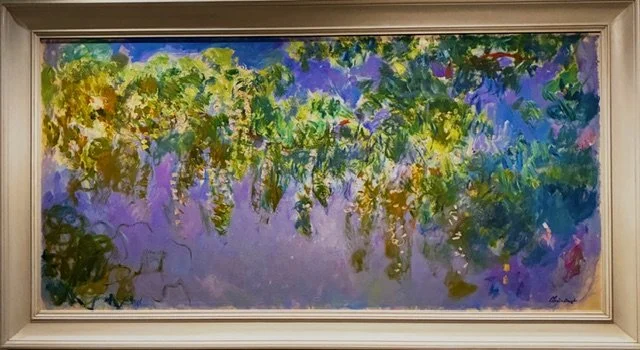
Figure 28. Wisteria, Claude Monet, 1919 Paintings this like one
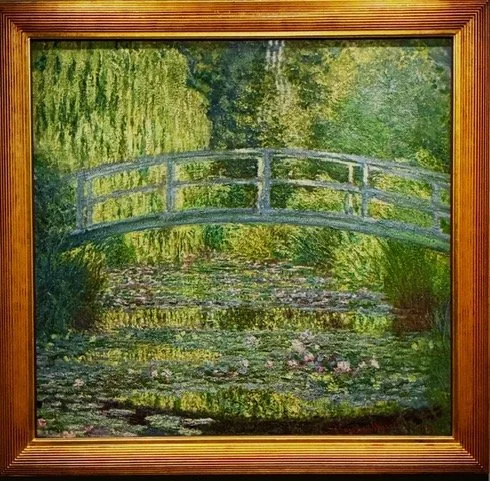
Figure 29. Bridge at Giverny, Claude Monet, And this one were juxtaposed with paintings like these:
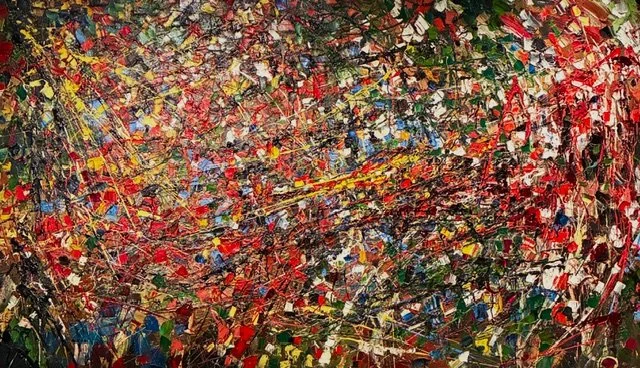
Figure 30. Riopolle, 1950
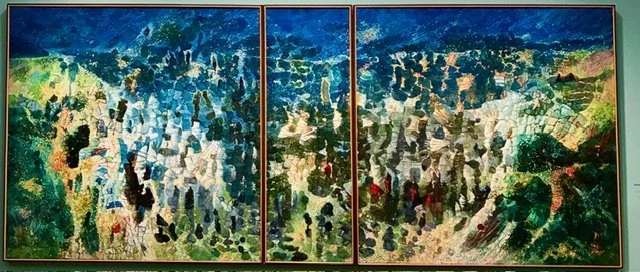
Figure 31. Abdullah Benetaur, 1987
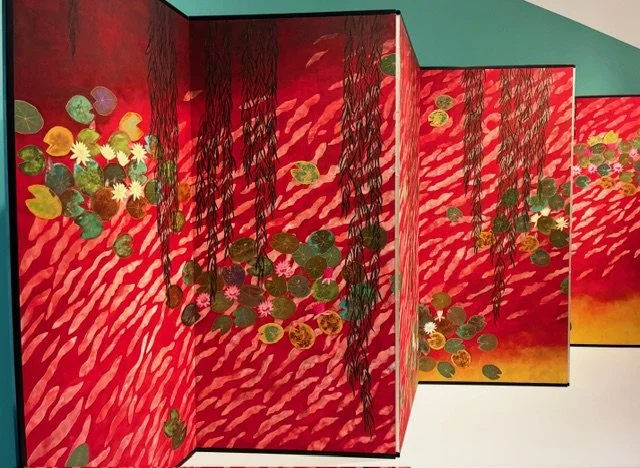
Figure 32. Hiramatsu Reiji, 2011
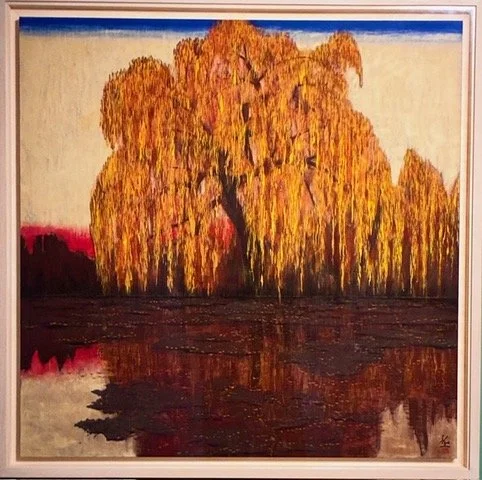
Figure 33. Hiramatsu Reiji, 2011
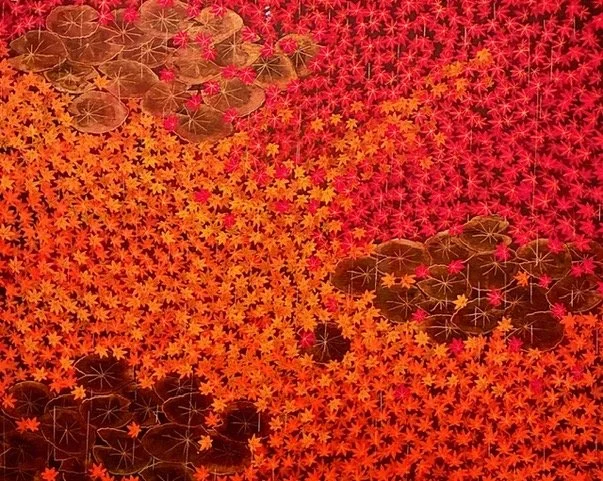
Figure 34. Hiramatsu Reiji, 2010
The next day, we drove to Le Havre to pick up a rental car so that Nicolas and Min could visit places without me, places that maybe didn’t have museums. But I didn’t let them leave Le Havre without visiting the Musée d’arte Moderne André Malraux. The lure was the Chinese artist Ai Weiwei (about whom more in a moment).
The exhibition here, in the town Monet grew up in, is biographical and spans the years from 1845, when Monet’s family moved to Le Havre from Paris (Monet was 5) until 1874, the year of the first Impressionist exhibition in Paris. Drawing upon original source material, the exhibition provides information about Monet’s family, his life in Le Havre, his sources of inspiration and the circumstances of his training. Examples of his numerous caricatures are here as are the locations he chose to depict and the vital role played by his early collectors. Excerpts from correspondence, never before published, are here, too. There’s a postscript on Monet’s donation of three major paintings to the city of his youth.
Monet started school in 1851, but he spent most of his waking hours honing his drawing skills by drawing caricatures of his teachers, local notables and the characters who hung around the port. His caricatures, exhibited at a framer's shop, sold well.
Beginning in 1856 (age 11), Monet began filling sketchbooks with scenes of daily life, noting dates and places as he went. When he was 18, he met the artist, Eugène Boudin, who introduced him to plein aire (outdoor) painting. At first reluctant, he gradually felt more comfortable observing and sketching the changing skies and the Norman landscape. Not long after meeting Boudin, he met the painter Johan Barthold Jongkind, whose approach to light variations also affected Monet’s way of seeing.
And then there were the photographers, among them Gustave Le Gray (1820-1884) who came to Le Havre and who,“from the 1850s onwards, produced ‘instant seascapes’ that captured ships, waves and atmospheric effects …” Having studied painting, Le Gray had a painter’s eye for framing his views. In Le Havre, Le Gray produced seascapes using an innovative technique called ciel rapporté, in which several negatives are spliced together to produce a more accurate image. Monet's own gaze developed in the context of Le Gray’s photos and those of other photographers who came to Le Havre.
Contemporary painters and photographers working in Le Havre all provided a range of motifs for Monet to consider. Indeed, during the summer of 1856, 15-year-old Monet was looking at and painting the same landscapes that Le Gray was looking at and photographing. From the wild landscapes of Ste-Adresse, the "edge of the world" according to Le Havre locals to the lively regattas and teeming industrial port of Le Havre. Monet’s canvases from his Le Havre days are a chronicle of his maturation as “a painter with a modern vision.” (Figs 35-39)
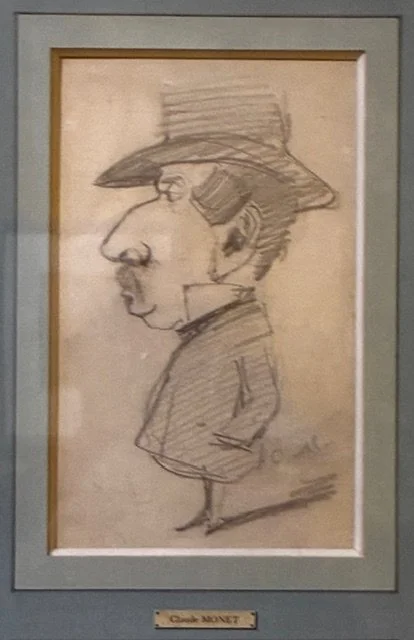
Figure 35. Caricature of grandfather, Claude Monet, 1858
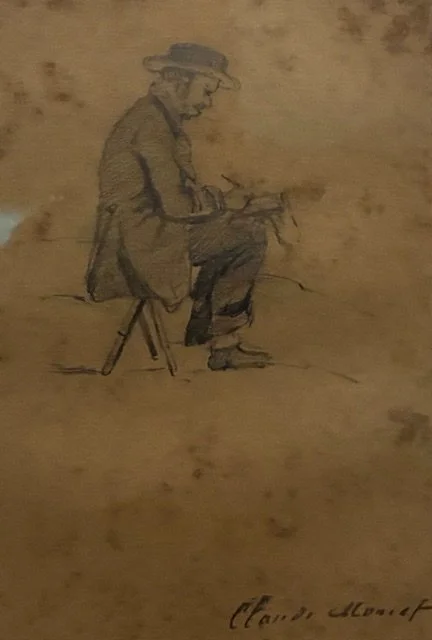
Figure 36. Eugène Boudin painting, Claude Monet, 1857
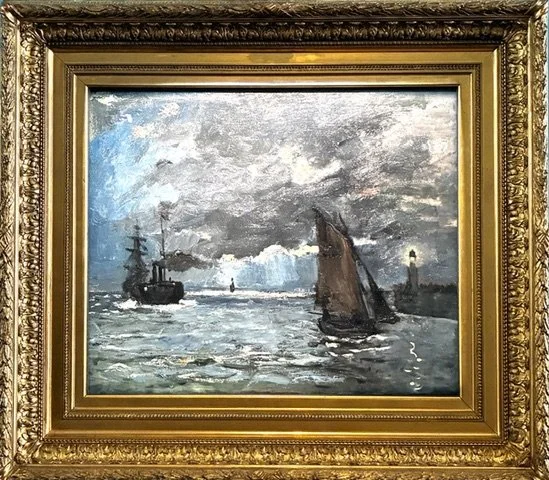
Figure 37. Le Havre, Claude Monet, 1864
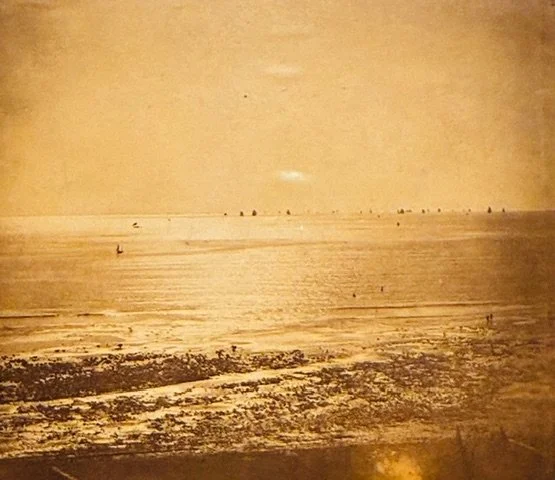
Figure 38. After the Rain, Gustave Le Gray, 1856
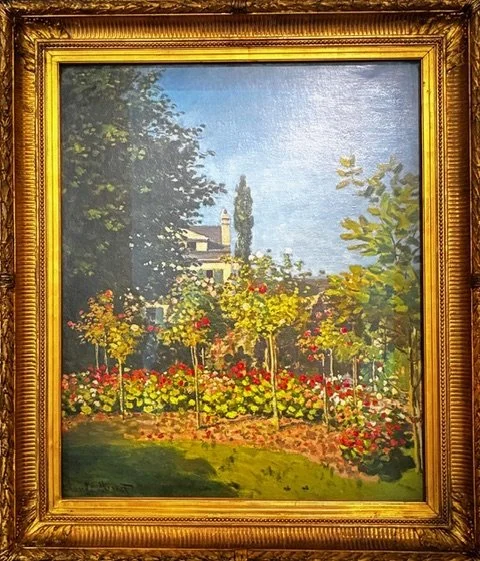
Figure 39. Ste Adresse, Claude Monet, 1866
Near the end of his life, Monet thanked the city that had been so kind to him. In 1910, he donated 3 major artworks to Le Havre Museum: Falaise à Varengevill, (1897) London Parliament, Fog Effect (1903) and Water Lilies (1904). With this gift, Monet helped make Le Havre a place in the vanguard of recognizing modern art. (Figs 40-42)
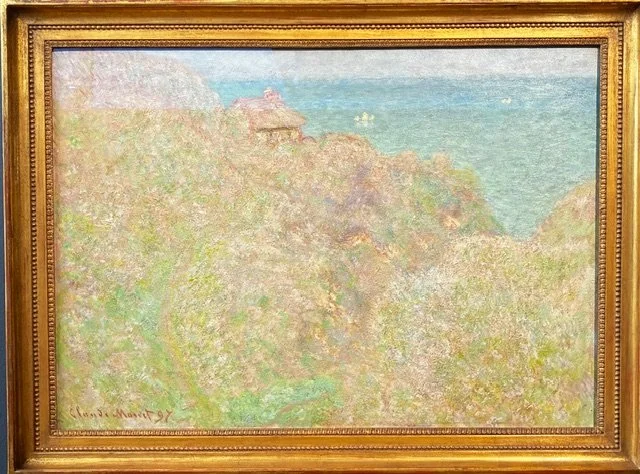
Figure 40. Les Falaises at Varengeville, Claude Monet
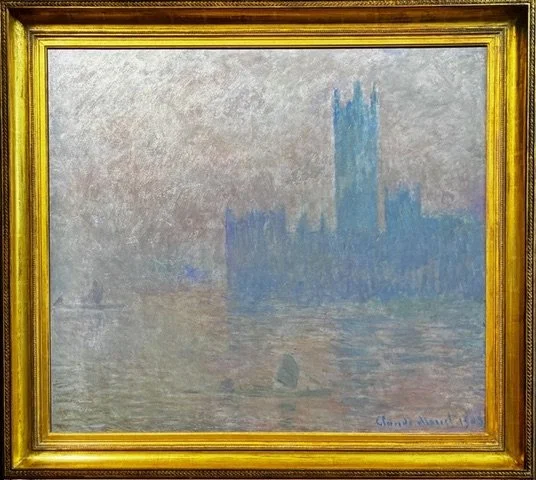
Figure 41. London Parliament, Fog Effect
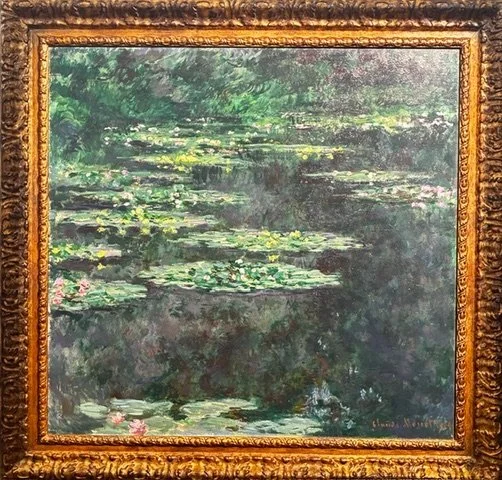
Figure 42. Waterlilies, Claude Monet, 1904
And if that was’t enough, for the first time in France, a huge installation by the Chinese artist Ai Weiwei is on display. Ten panels measuring 15 meters (nearly 50 feet) in length) composed of 650,000 LEGO® bricks, (Figs 43, 44, 45) enter into dialogue with Claude Monet’s 1904 Water Lilies.” Ai Weiwei already knew Monet’s Water Lilies, having spent time gazing at MoMA’s version in New York. (Fig 46) I have seen Ai Weiwei’s riffs on Mondrian and Morandi in Paris (Figs 47, 48) but the scale of this work is overwhelming. Instead of Monet’s brushstrokes, there are industrial, mass-produced colored bricks. It’s both an artistic and ‘engineering’ triumph. Monet’s Water Lilies* we learn have a personal meaning for Ai Weiwei. The work is a tribute to his father, a poet trained in Paris, influenced by Impressionism, who was silenced by the Communists when he returned to China. From the London Design Museum where Ai Weiwei’s Water Lilies installation was exhibited 2023, we learn that Ai Weiwei has incorporated something very personal into “the idyllic lily ponds of Monet’s home in Giverny…” On the far right-hand side of the work is a “dark portal,” an allusion to Ai Weiwei’s own childhood. It “represents the door to an underground dugout where the artist lived with his father in exile during the 1960s.”At MuMa, Ai Weiwei’s installation opens and closes the exhibition. It is the quintessential encounter between East and West, past and present, at the birthplace of Impressionism. Ai Weiwei’s first visit to Normandy coincided with the official opening of this exhibition.
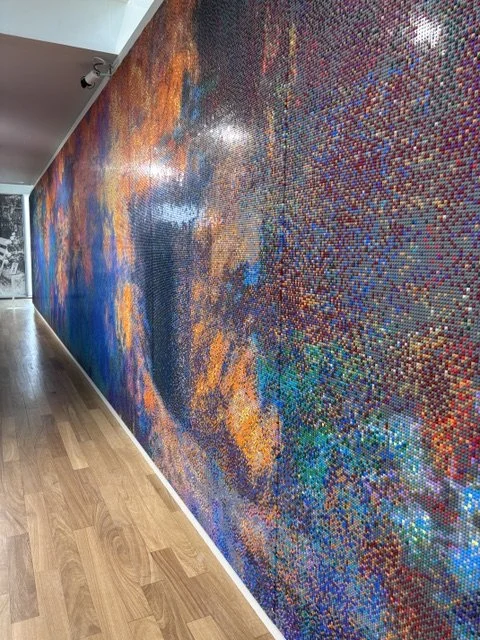
Figure 43, Water Lilies, Ai Weiwei, 2022
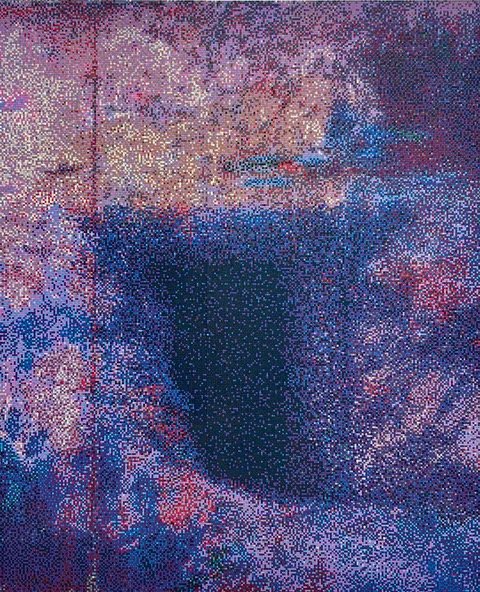
Figure 44. Ai Weiwei, detail
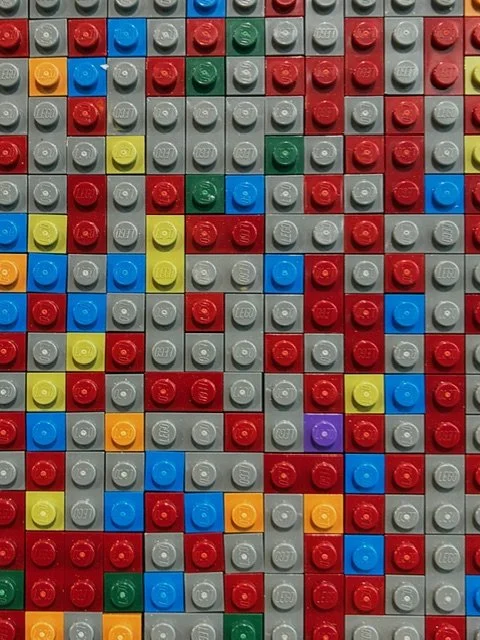
Figure 45. Ai Weiwei, detail of detail
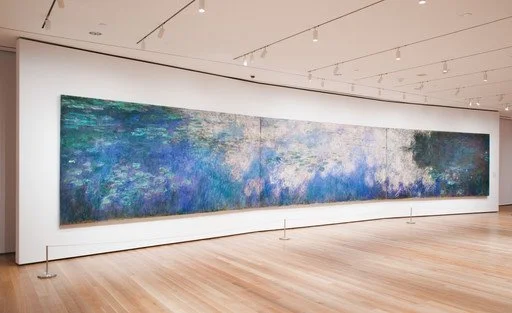
Figure 46. Waterlilies, Claude Monet, Museum of Modern Art, New York
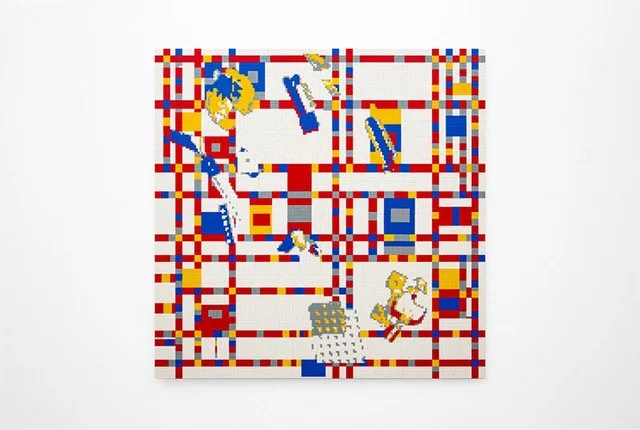
Figure 47. Ai Weiwei ‘homage’ to Mondrian
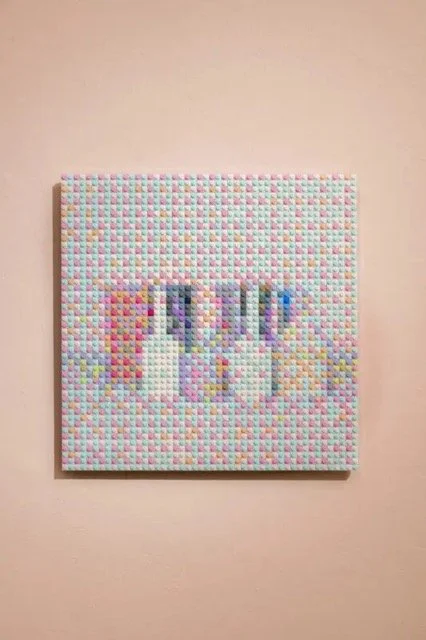
Figure 48. Ai Weiwei homage to Giorgio Morandi
Our holiday in Normandy was a full one. I visited four new (for me) gardens and I returned to the Villa du Temps Retrouvé, I’ll tell you more about them next time. I’ll leave you with one last museum, in Giverny, which we visited on our way home. We did go to Monet’s garden, but my real reason for going to Giverny this summer, was to see a museum I have never visited before, the Musée des Impressionnismes. Especially because a work by Daniel Buren, one of my favorite contemporary artists, is here through October. He was charged with the task of creating a site specific work for the museum to commemorate Monet. (Fig 49)
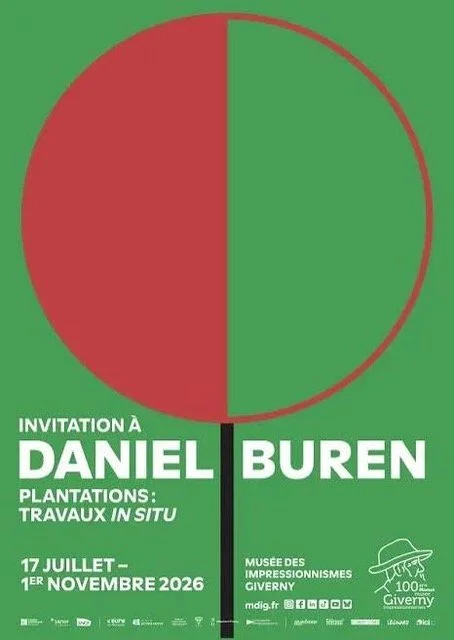
Figure 49. Daniel Buren Plantations: Travaux in Situ, Musée des Impressionnismes, Giverny UNTIL 1 NOVEMBER
It’s wonderful and playful and exuberant. It doesn’t nestle into the museum, where you could walk by it and then keep going. It doesn’t nestle into the museum’s garden, either. And it doesn’t disappear into the distant hills behind the museum. But it’s in all three of those places! Called Plantations, travaux in situ, it’s multiples of Buren’s signature device—alternating white and colored vertical stripes, 8.7 cm (about 3 1/2”) wide. And they’re everywhere. Outside, the plantations move with the wind and onside, they play with the works on display. “Buren builds upon key intuitions of the Impressionist painters, who were fascinated by the shifting effects of color and light in nature.” While Monet painted the “shimmering of water, landscapes and the sky,” Buren’s plantations have become part of the landscape, “creating vistas of color that blend into the hillside and gardens” and then they invade the museum itself! (Figs 50-53))
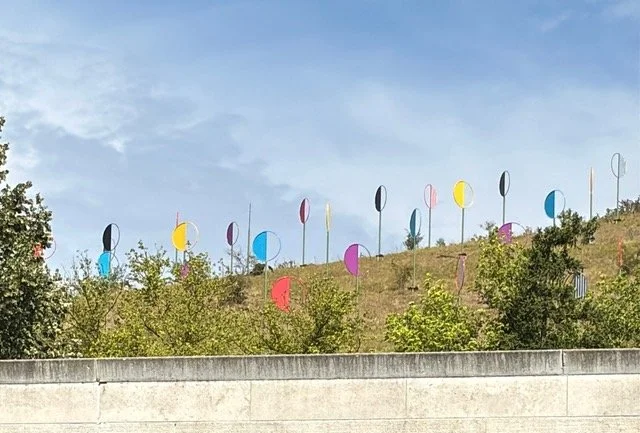
Figure 50. Buren on the hillside, Musée des Impressionnismes, Giverny
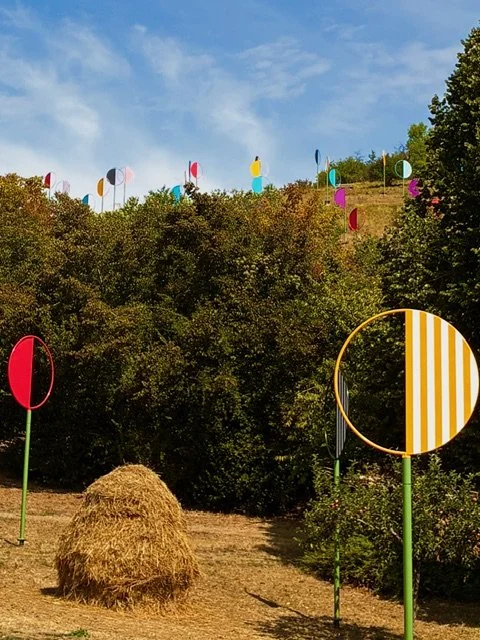
Figure 51. Buren and the haystack, Musée des Impressionnismes, Giverny
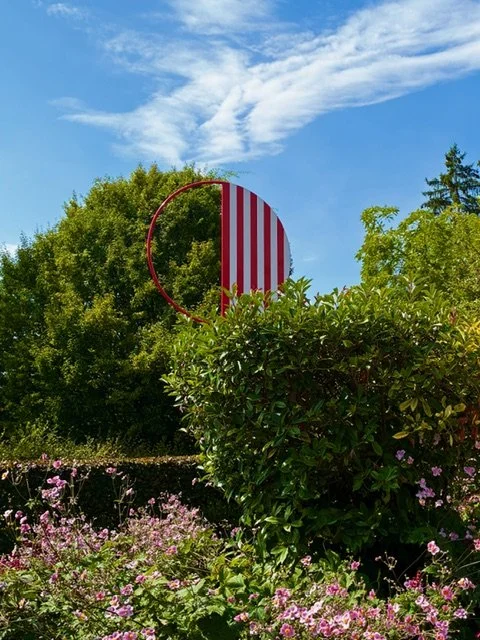
Figure 51. Buren and the haystack, Musée des Impressionnismes, Giverny
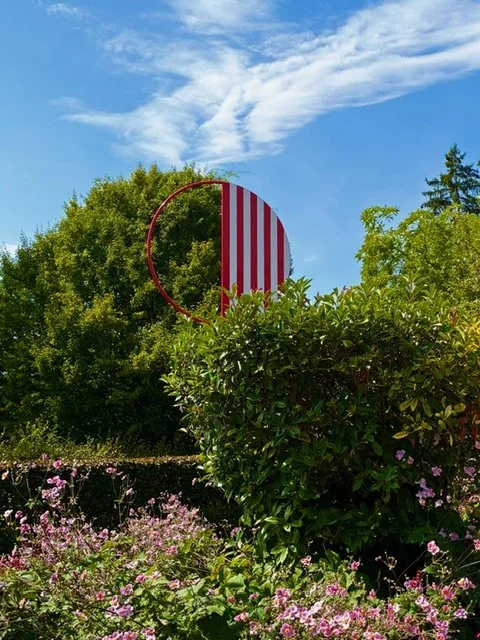
Figure 52. Buren in the Garden, Musée des Impressionnismes, Giverny
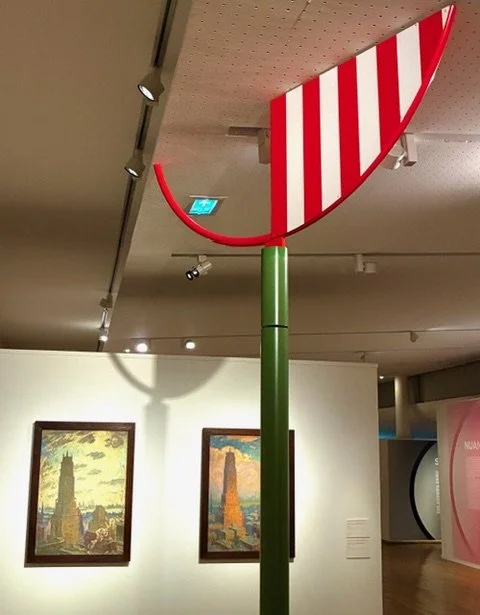
Figure 53. (One of many) Buren in the museum. Musée des Impressionnismes, Giverny
Inside, there are Impressionist paintings by Monet and his teachers, Boudin and Jongkind. And there are paintings, sculptures, graphic arts, photographs and decorative arts by other artists, from Monet’s time to our own time, some of which rebel against Impressionism, some of which found/find inspiration in it. As you will see, except for one artist, they are very different from the works of art selected by the Franciscaines for their homage to Monet. The added attraction at this museum, in Giverny is Daniel Buren’s contribution to an already rich roster of works. It was a wonderful way to end a holiday. (Figs 54-63) Gros bisous, Dr. B.
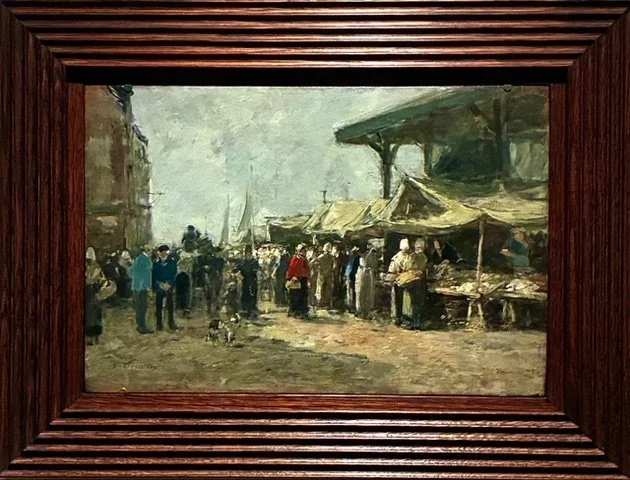
Figure 54. Marché at Trouville, Eugène Boudin, 1875
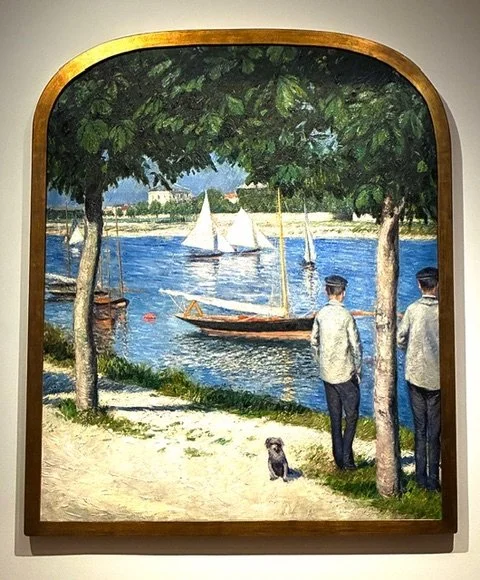
Figure 55. Gustave Caillebotte, 1890
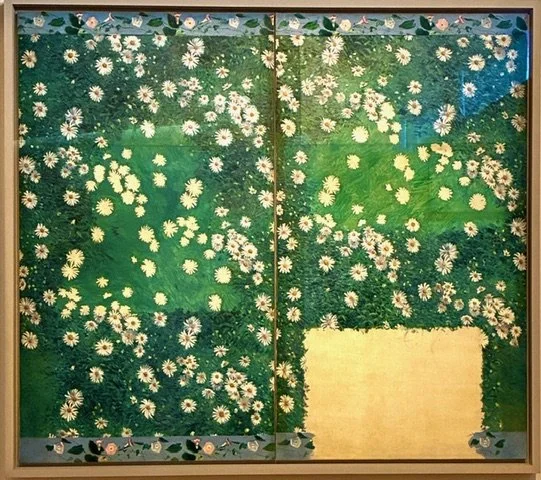
Figure 56. Daisies, Gustave Caillebotte, 1893
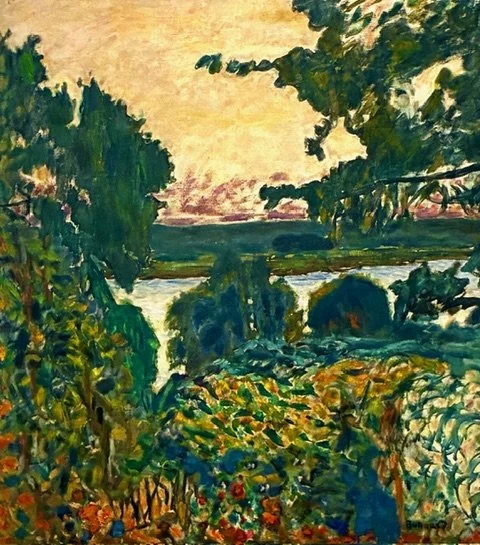
Figure 57. Giverny, Pierre Bonnard, 1915
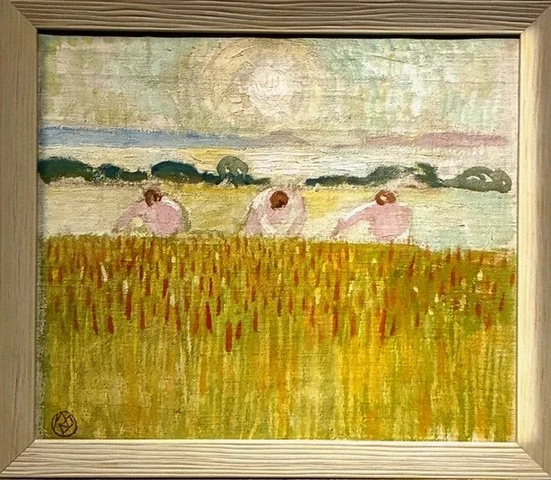
Figure 58. Maurice Denis, 1914
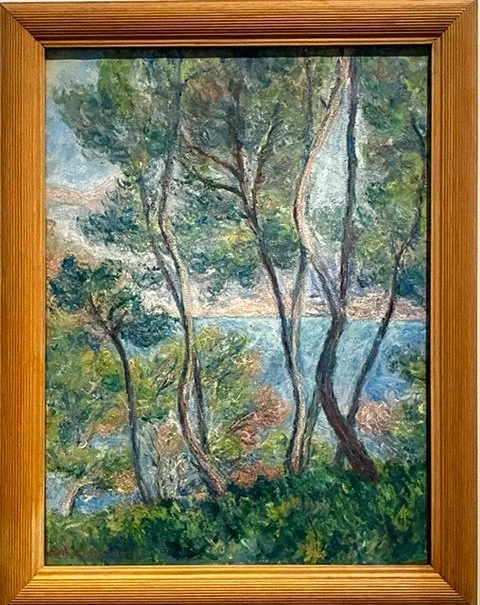
Figure 59. Blanche Hoschede-Monet, 1928
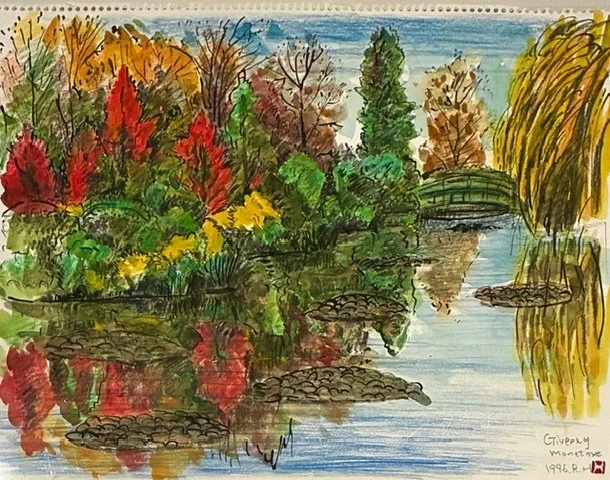
Figure 60. Monet’s Pond, Hiramatsu Reiji
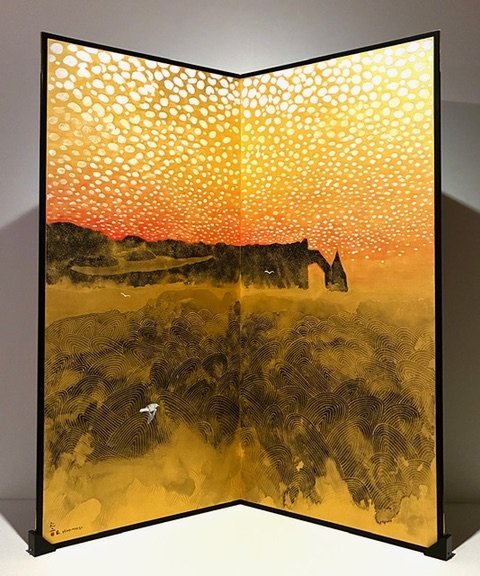
Figure 61. Etretat (beloved subject of Monet, Matisse, etc), Hiramatsu Reiji, 2018
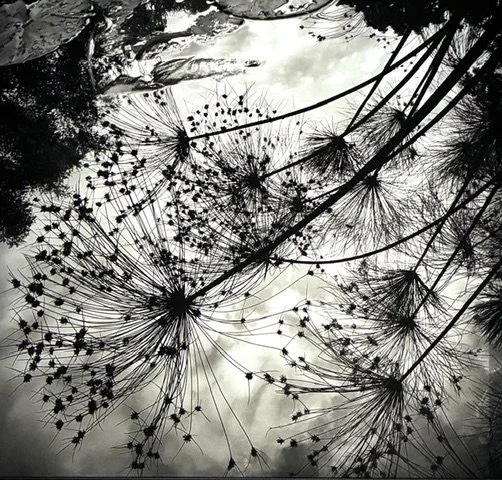
Figure 62. Nature after Giverny, J. Gaumy, 2018
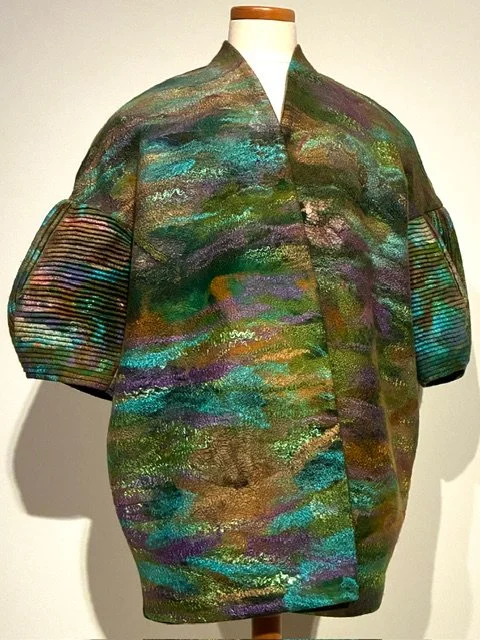
Figure 63. Giverny Coat, Sergazi Firenzi, 2023
Thanks to everyone who has taken time to Comment on my reviews.
New comment on Lovely London Town:
As I mostly live in London, following you as you made your way around, I could only admire your stamina! I am good for only one cultural outing a day though my advanced age, in my 89th year, I find has put me at a disadvantage. Well done you two! Suzanne