Part I
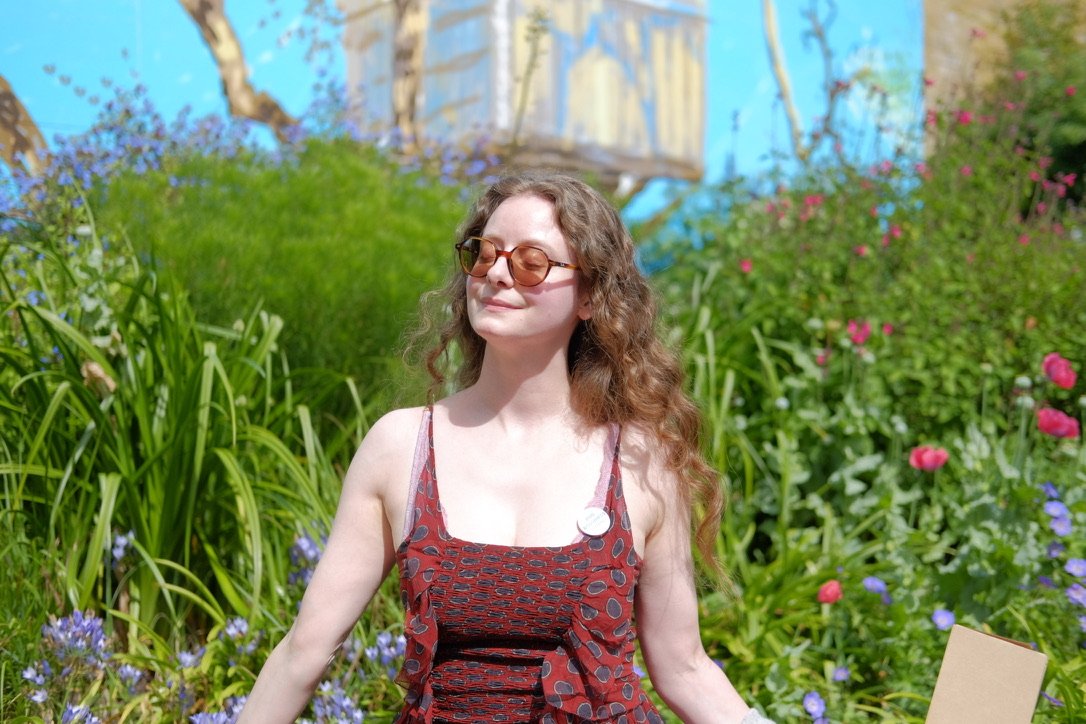
London: warm enough :)
Bienvenue and welcome back to Musée Musings, your idiosyncratic guide to Paris and art. Since this post is about London and since we are now mourning the death of Gloria Steinem, an icon and trailblazer of the feminist movement, I thought you might be interested in reading what Lee Miller’s husband, the Englishman Roland Penrose said in 1982, 5 years after Miller’s death. It was in response to a question posed by the feminist art historian, Whitney Chadwick who was doing research for her book ‘Women Artists and the Surrealist Movement.’ Penrose said this about the role of women in Surrealism. “Of course the women were important, but it was because they were our muses. They weren’t artists.” Leonora Carrington (a female, surrealist artist) told Chadwick what she thought about the muse thing, “I thought it was bullshit. I didn’t have time to be anyone’s muse...I was too busy…learning to be an artist.”
Gloria Steinem died 2 weeks ago at the age of 92. She devoted her life to fighting for women’s rights and against the facile way Roland and (too many) men like him have dismissed and continue to dismiss women’s contributions and accomplishments. As a journalist, political activist and leader of second-wave feminism in the United States, Steinem and her colleagues advocated for women to live fuller, more equal lives. Except when she posed as a Playboy Bunny for an exposé she wrote about the working conditions at the Playboy Club in New York, Steinem didn’t use her looks or hide them either. Fifty two years ago, when someone told her that she didn’t ‘look 40’ she replied, ‘This is what 40 looks like.’ When my 40th birthday eventually rolled around, that’s what I had the bakery write on my birthday cake! Dolly Parton and Gloria Steinem, two women who did not have biological children who mothered us all.
With the summer of 2026 almost a memory, I can’t help but wonder if the extreme heat that we experienced during the past 4 month, that used to be extremely rare and extremely short is what our summers are going to be like from now on. This year, I really understood the meaning of the term heat wave. The heat really did come in waves - persistent, recurrent waves which the weather bureau graded - red, orange or yellow. After the first assault, there was the sense of ‘whew, glad that’s over.’ But when the second wave ended, we asked, ’how long do we have until the next one.’
Usually the people who suffer the most from unexpected heatwaves or cold snaps are the people who have the misfortune of showing up just in time for the atypical ‘weather event.’ They grumble and complain and then they are gone. Back to New York City where it’s just as hot but there’s air-conditioning or to San Francisco where it’s cold and the local sport is counting tourists wearing S. F. logo sweatshirts in August, purchased once they realize that San Francisco is not sunny L.A.
This year, here in Paris, the lucky ones have been the tourists who could escape after a few days of unbearable heat. It’s those of us who live here who have suffered in apartments without air-conditioning. Why is there no air conditioning? Apparently it’s not because we don’t need it (like San Francisco) or because it’s costly to install (although surely it must be) it’s aesthetics. We’re stuck until someone figures out how to make the outside component of an air conditioner less ugly.
As I reflect upon the summer that is almost over, I remember brushes with bad weather in Paris over the years. One year, a long time ago, it was really hot, probably not as hot as this year, but hot. Ginevra and I had booked a bus tour to Versailles. In my mind’s eye, I see us scurrying like mice, along the edges of buildings, desperately seeking shelter from the sun. But it’s not always heat that has been the unpleasant surprise. Another year, Ginevra and I were in Paris during Fashion Week. We were sitting in the Tuileries Gardens. Models walked by and so did Anna Wintour and the New York Times photographer, Bill Cunningham. But we were too cold to appreciate the show, dressed as we were for the weather we were expecting, not the unseasonably cold weather we got.
This summer, as a string of long anticipated guests arrived, the heat forced us to modify or cancel nearly all of our plans. Nicolas and Min were here during a promised respite from the heat. It didn’t arrive until the day they flew back to China. It’s no cooler in Xi’an, but everybody has air-conditioning and when it’s hot, everybody stays indoors.
There has been only one time in the past four months that my stars and the weather have aligned. The six days Ginevra and I were in London. It was sunny, breezy and warm. I found our accommodations through a home swapping company I joined last year, Kindred. It’s a little different from the more homey HomeExchange (of which I’ve been a member for years). With Kindred, guests pay to stay and hosts’ homes are cleaned before and after their guests’ stay. The site has fewer listings, but we eventually found a place in Hackney.
Have you ever heard of Hackney? I hadn’t. Google told me that, “Hackney is a vibrant, culturally diverse borough known for its creative industries, nightlife, and historic parks, it bridges urban regeneration with a rich heritage dating back to medieval times.” The place we stayed wasn’t in the coolest part of Hackney but it wasn’t that far away, either. The nearby ‘High Street’ (Main Street) was filled with cafés and restaurants, bakeries and bistros. There was an organic food store and a conveniently located convenience store. To get to any of those places, we could either walk along a boutique and tree lined street or a few steps down, along Regent’s Canal. (Figs 1, 2)
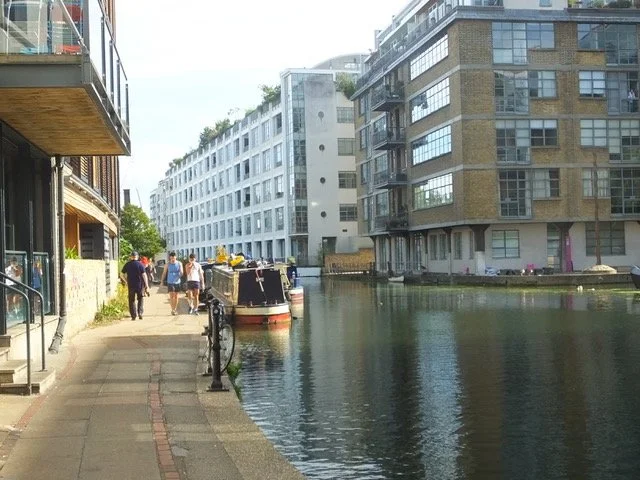
Figure 1. Regent’s Canal
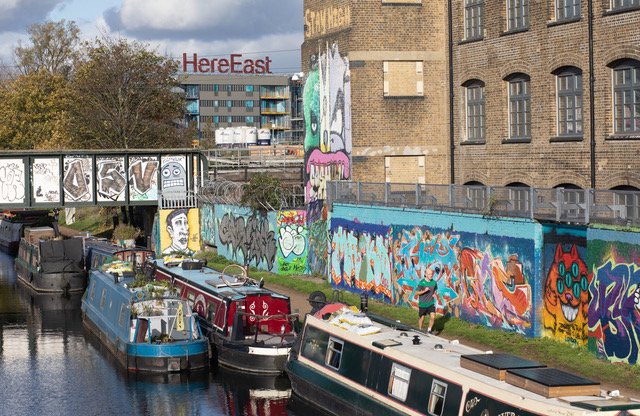
Figure 2. Another section of Regent’s Canal
Ginevra organized our London trip to include as many parks and gardens as possible, Holland Park one day, Hyde Park another and Kensington Garden, a third. We were in a park almost every day at midday to enjoy a picnic lunch. Even our last day, when there wasn’t a garden, there was a welcoming green space with a perfect view of Tower Bridge.
Sitting on the grass our first day, Ginevra and I compared London gardens with Paris ones. Parks in London are for sitting in, parks in Paris are for looking at. The French formal landscape gardens (jardin à la française) which developed in the 17th century were based upon Italian Renaissance gardens which were conceived as formal, geometric extensions of the villa which they surrounded, a blending of architecture and nature. French classical landscape gardens, like their Italian precursors, are meant to be appreciated as geometric masterpieces. Reaching their summit during the reign of Louis XIV, French gardens, like Vaux-le-Vicomte and Versailles, both designed by André Le Nôtre, were conceived as statements of political control and mathematical precision. Through symmetry and geometry, they celebrate human dominance over nature. You don’t walk in these gardens, you contemplate them. Eighteenth century English parks and gardens are a rejection of the formal symmetry of French designs. The goal of landscape artists and gardeners like Capability Brown, was to create natural-looking parklands geared to spark the imagination. The hand of man is concealed with winding paths, rolling lawns and irregular ponds. What looks like (but of course isn’t) untouched nature, encourages people to linger and lounge, play and picnic. (Figs 3-6)
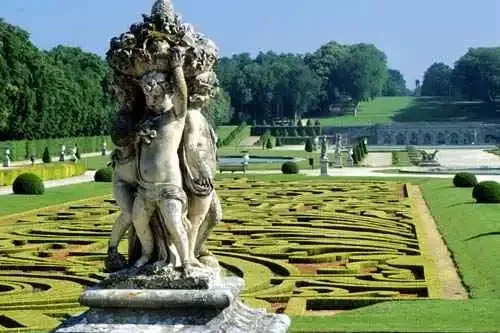
Figure 3. Vaux-le-Vicomte, the chateau that led to the incarceration for life of its owner, Nicolas Fouquet, designed by André le Nôtre
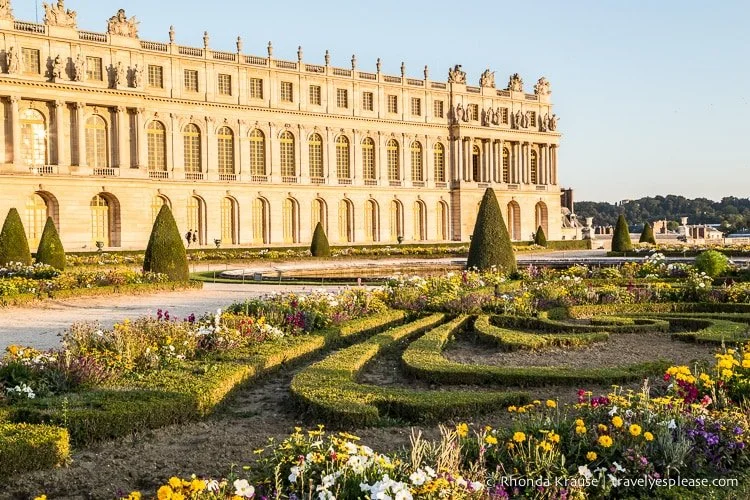
Figure 4. Gardens of the Chateau de Versailles, which Louis XIV commissioned Andre le Notre to create to be bigger and better than the gardens at Vaux-le-Vicomte
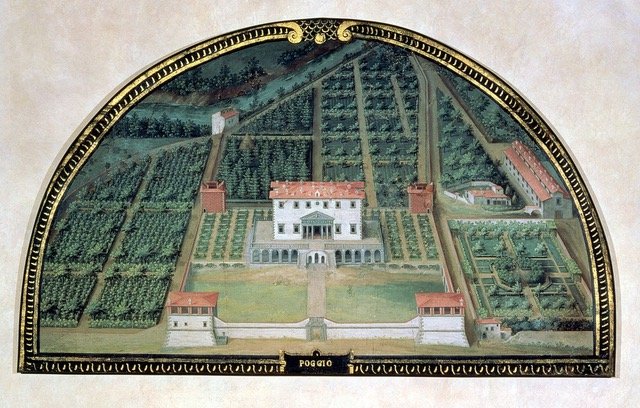
Figure 5. Painted view of the Medici Villa of Poggio a Caiano, in the hills of Tuscany. In the 19th century, the owner (a Medici) replaced this geometric, symmetrical garden with an English garden
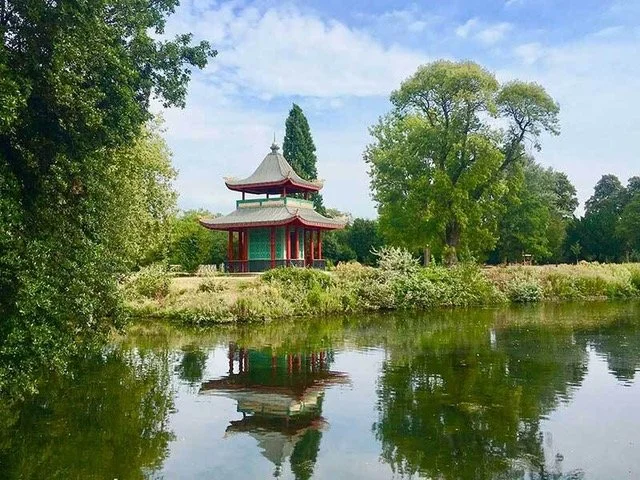
Figure 6. Victoria Park, in Hackney, London, a garden in the English garden style, created in mid-19th century
But I’m getting ahead of myself. Since we were going to be in London for only six days, including travel days, we wanted to maximize our time there. So I asked our host if we could drop our luggage off earlier than 4p.m. The answer was no. But he suggested that we store our luggage with a company called Bounce. That’s a word Nicolas uses when he’s ready to leave. That’s AI’s definition, too - “to leave or depart a place quickly.”
Bounce isn’t a place but a platform, a match maker that matches places that have storage facilities with people who want to leave their luggage somewhere temporarily. You find and pay for a place on Bounce’s app. The place we found was across the street from St. Pancras, the arrival station for the Eurostar. It was a nondescript funky old computer shop that seemed like something out of the early 2000s.
First on Ginevra’s list for our first day in London was Coal Drops Yard for lunch. It’s a place that had just opened the last time Ginevra was in London, Fall 2018. We couldn’t have walked there with our suitcases, but it was a pleasant stroll from the train station without them. The first thing I saw was an enormous green space overlooking a canal with lots of people milling around. Set back from this gorgeous expanse of green was a wonderland of boutiques and cafes and restaurants.
Coal Drops Yard is an urban renewal project. The two main buildings started out as coal drop sheds, built in 1850 to receive and distribute coal arriving by train from Northern England. A couple definitions - a coal drop is an elevated railway track designed to permit material to fall unimpeded between the rails into a hoper, a railroad freight car that unloads its cargo from openings on the underside. The coal collected was then transferred either onto narrowboats, barges built to fit the narrow locks of the U.K. or onto horse-drawn carts to be distributed to waiting households and businesses.
When the Coal Drops Sheds were built, coal heated and lit the buildings of London. Thirty years later, electricity replaced coal and the coal drops sheds were obselete. Their ‘afterlife’ included use as a warehouse and a nightclub, the later of which closed in 2008. In 2014, developers, working with the architect who designed the 2012 London Olympic Cauldron, transformed the Victorian sheds into a high-end shopping complex and public space. Using the two iron coal drops sheds as a base, the architect raised the roof, adding two more stories and lots more space. The slate used for the roof is from the same seam in the Welsh quarry that was used on the original roofs. With so many food options, it was difficult to choose, but in the end, we went with what was familiar and easy to eat - Chinese fried rice - a bed of well seasoned rice with a heaping serving of perfectly cooked pork and crunchy, barely sautéed vegetables.(Figs 7-9)
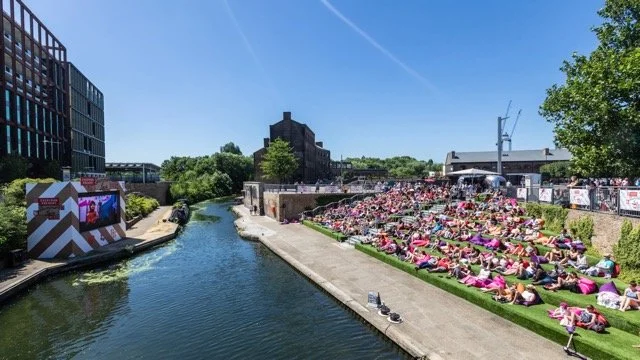
Figure 7. People lounging around on the grass at Coal Drops Yard
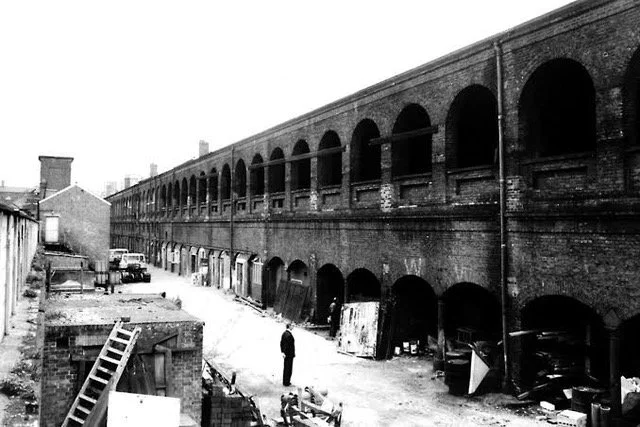
Figure 8. Coal Drops Sheds, before renovation
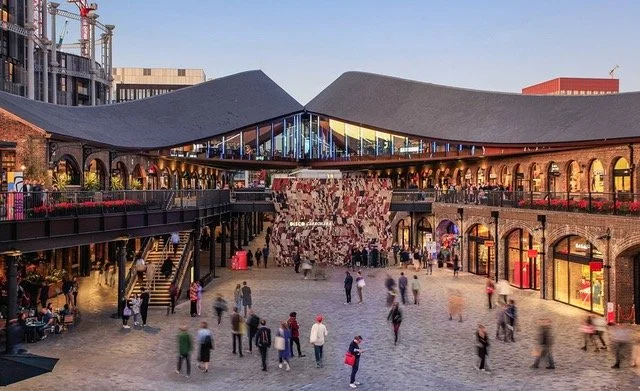
Figure 9. Coal Drops Sheds now
After enjoying the peaceful park we walked over to Sir John Soane’s House. But the line of people waiting to get in was too long. So, we walked over to the British Museum. In which, as the comic quips, “there’s nothing British in there.” (Fig 10)
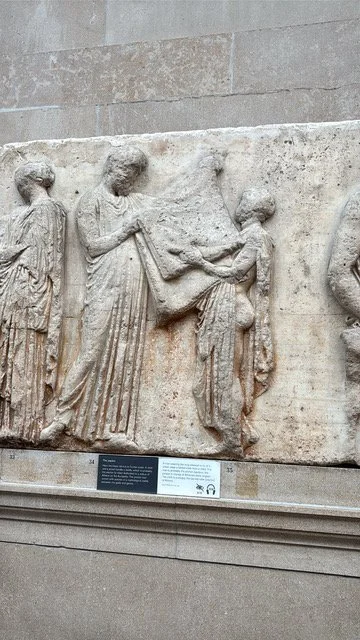
Figure 10. One of my favorite sections of the Parthenon frieze, a child hands a priest the folded peplos for the statue of Athena
Finally, it was time to retrieve our luggage and find our accommodations. Hackney turned out to be a sweet little village. I wouldn’t stay in the same accommodations, a two story ‘maisonette’ (owner’s term) on the ground floor of which was a garden, separated from a busy road by a low, flimsy wall. I’m too much of a city girl to think that’s a good idea.
On Sunday, our first full day in London, we wandered over to nearby Victoria Park for the Sunday morning farmers market where we bought ingredients for the picnic we ate in Holland Park between our morning visit to Fredrick Leighton’s House and our afternoon at the Design Museum.
I am sure I must have visited Leighton’s House years ago but I was happy to return, since between my first visit and this one, the House has been restored, refurnished and renovated several times. (Figs 11, 12)
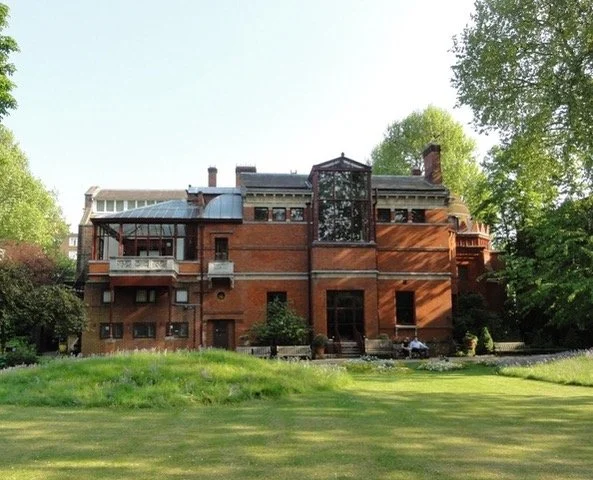
Figure 11. Leighton House, London
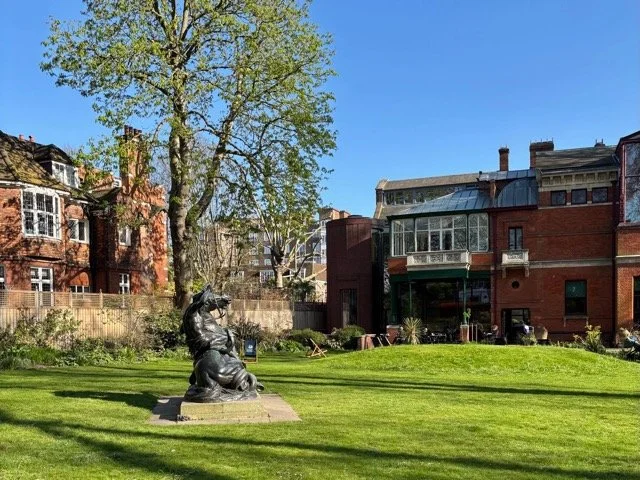
Figure 12, Leighton House Garden & Café (M Totoe photographer)
As we wandered through Leighton’s sumptuous mansion and garden I was reminded of the French artist who, like Leighton, was born into a wealthy family and didn’t need to sell his work to survive, but who bought other artist’s works so that they could. Gustave Caillebotte, whose home near Paris you should definitely plan on visiting.
Ginevra likes Leighton because of one painting, ‘Flaming June’. (Fig 13) Ginevra and Nicolas and I saw it at the Belvedere in Vienna in 2010 (that long ago?) It was in an exhibition of paintings from the Museo de Arte de Ponce (Puerto Rico). Most of the paintings were by Pre-Raphaelites. Leighton was definitely not a Pre-Raphaelite.
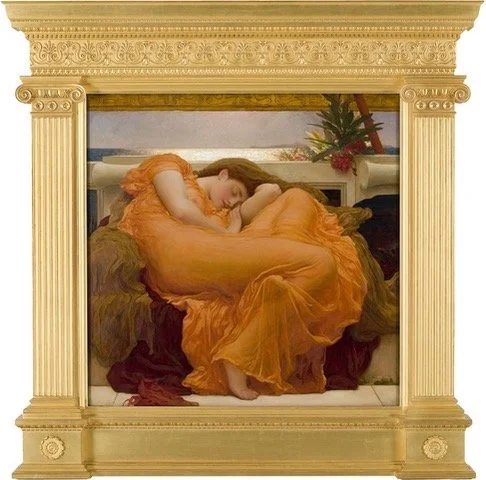
Figure 13. Flaming June, Sir Frederick Leighton, 1895
In 19th century England, there were two opposing art movements. Academic and Pre-Raphaelite. They clashed over everything - from rules and techniques to the definition of beauty. Academic artists followed the rules set by official art academies, like the Royal Academy. of which Leighton was President from 1878 until his death in 1896. Academic artists chose as their subjects themes from religion, history and mythology. The Pre-Raphaelites were a group of artists who came together in 1848. They rebelled against everything the Royal Academy advocated. Instead of depicting Greco-Roman heroes and grand political victories, they depicted Arthurian legends and medieval romances. In both style and subject, the Pre-Raphaelites looked back to art before (pre) Raphael. Leighton may have been friendly with some members of the group but their training and style and beliefs differed fundamentally from his own. (Figs 14, 15)
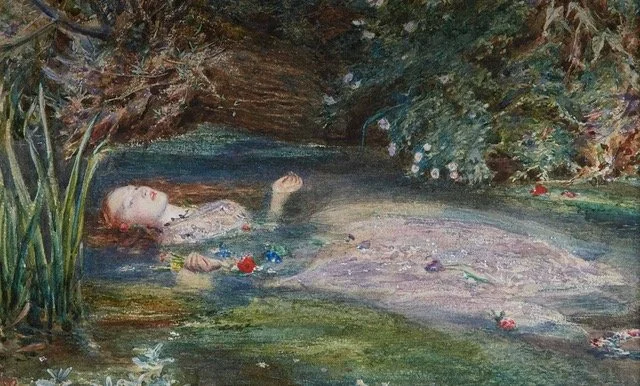
Figure 14. Ophelia, John Everett Millais, 1851 (the model Elizabeth Siddall, was 22. She got so sick posing for hours in a bathtub filled with cold water, in the winter that her father sued the artist for medical costs)

Figure 15. Proserpina, Dante Gabriel Rossetti, 1874
Frederic Leighton was the son and grandson of physicians. His grandfather was the primary physician for two Russian tzars, Alexandre I and Nicholas I and their families. Through his service to them, he amassed great wealth, a wealth that cushioned his grandson’s entire life. When Leighton was a child he traveled extensively with his family. As an adult, he continue to travel frequently. He lived briefly in Florence, Rome and Paris. Among the European countries he visited were Austria, Germany, Greece, Netherlands and Spain. His travels outside of Europe - to Algeria, Egypt, Lebanon, Morocco, Syria and Turkey - were of particular significance for the aesthetic sensibility he brought to the design and decoration of what was his home, what is now his museum.
In 1859, Leighton decided to settle permanently in London. After renting for a while, he wanted his own home, But he didn’t want to buy one, he wanted to build one. The first iteration of the house Leighton built, on an empty lot he acquired in 1864, was small. But with his friend, the architect George Aitchison, Leighton worked on a series of extensions and embellishments until his death in 1896. Leighton’s house became an aesthetic palace of art, with opulent public spaces, like the ground floor ‘halls’ and his upstairs painting studio and simple private spaces, like his modest bedroom.
Leighton’s house became a museum in 1900. Much of the artist’s art collection had already been dispersed and most of his own works were, gone, too. The house is now filled with drawings and small-format works by Leighton and some of the painters of his period that the museum collected. Mostly though, people visit the museum for the same reason we did, for the grand interior spaces - Staircase Hall, Narcissus Hall and Arab Hall.
Leighton and his architect were inspired by external staircase courtyards at the rear of 15th century Venetian palazzi when they designed Staircase Hall. The objects Leighton chose to display here celebrate his collection’s cultural diversity - Turkish tiles, an inlaid Syrian chest front and a copy of Michelangelo's Creation of Adam fresco!
Narcissus Hall links Staircase Hall to Arab Hall. The space is dominated by a 19th century bronze cast of a Roman statue found at Pompeii. Although now identified as a statue of Dionysius, the god of wine, when Leighton bought his copy, it was thought to be Narcissus, the beautiful youth who fell in love with his own reflection in a pool. And drowned. The idea of a pool is evoked by deep turquoise blue floor tiles that reflect the gilded ceiling above. Water bubbling in the fountain in the Arab Hall heightens the effect.
The Arab Hall was not part of the original house but the centerpiece of an 1870s extension which cost more than the entire original house. Leighton’s visitors loved it. Leighton’s only recorded comment was that he had it built "for the sake of something beautiful to look at once in a while.” Leighton was inspired by North African and Middle Eastern interiors and courtyard gardens, as well as the 12th-century palazzo La Zisa, in Palermo. Leighton found his Arab Hall the best place to display his collection of tiles, many of which came from Damascus. Although they have been dated to the late 16th - early 17th centuries, no one knows who created them. And nobody knows how or from whom Leighton got them. All scholars know is that Leighton visited Damascus in 1873. And for the next 23 years, until his death, Leighton acquired more and more decorative tiles. But nobody knows anything about “the original setting in which the tiles were displayed, the circumstances of their removal and information about any transactions involved…” How very British Museum of Leighton! (Figs 16 - 26)
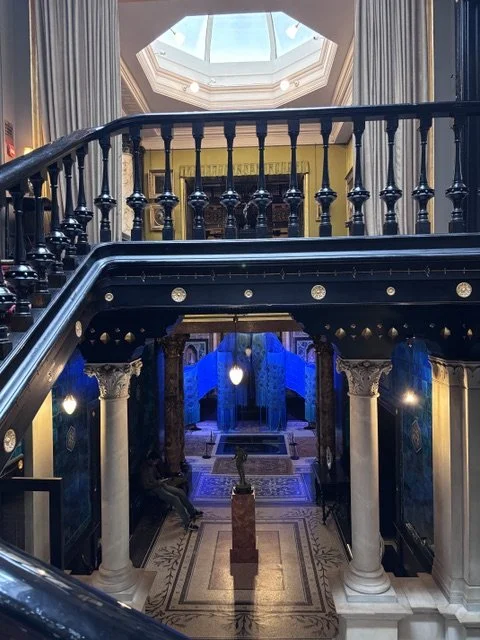
Figure 16. Stairway Hall
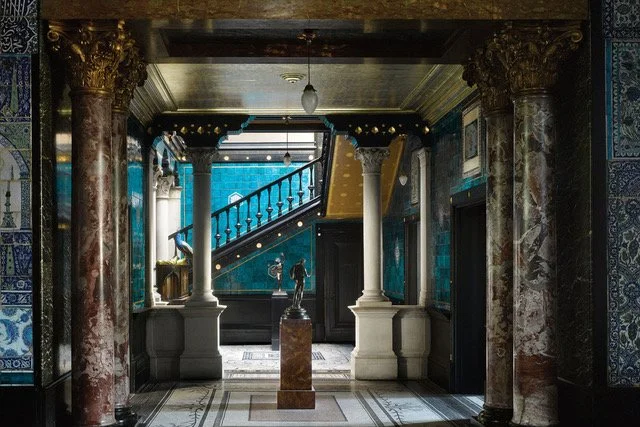
Figure 17. Narcissus Hall
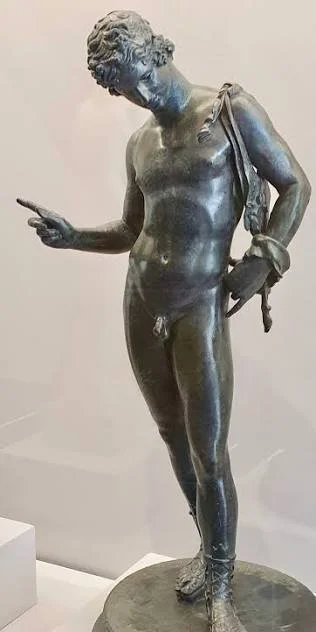
Figure 18. Dionysus, thought to be Narcissus, thus the name of the hall, Narcissus Hall
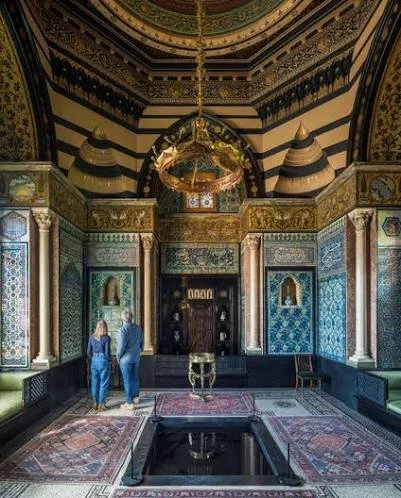
Figure 19. Arab Hall (without temporary exhibition)
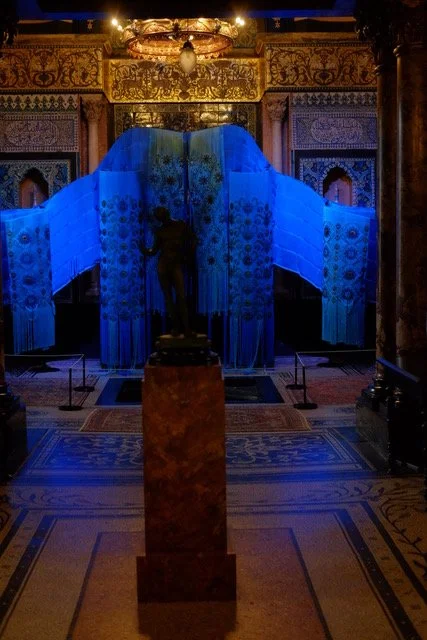
Figure 20. Arab Hall with temporary exhibition in front (the way we saw it)
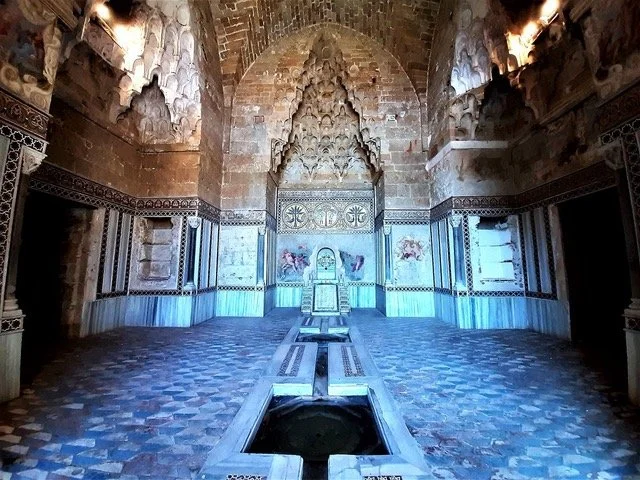
Figure 21. La Zisa, 12th-century palazzo in Palermo, Italy. One of Leighton’s inspirations
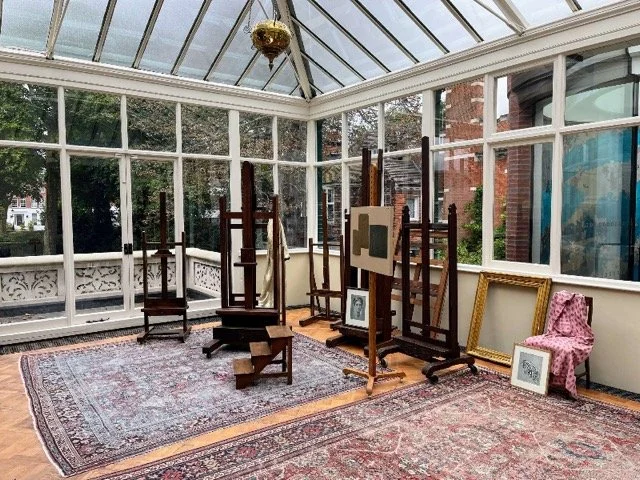
Figure 22. Leighton’s upstairs studio, Leighton House
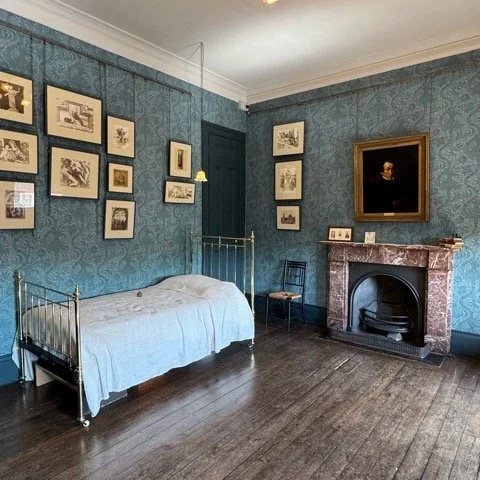
Figure 23. Leighton’s bedroom (upstairs), Leighton House
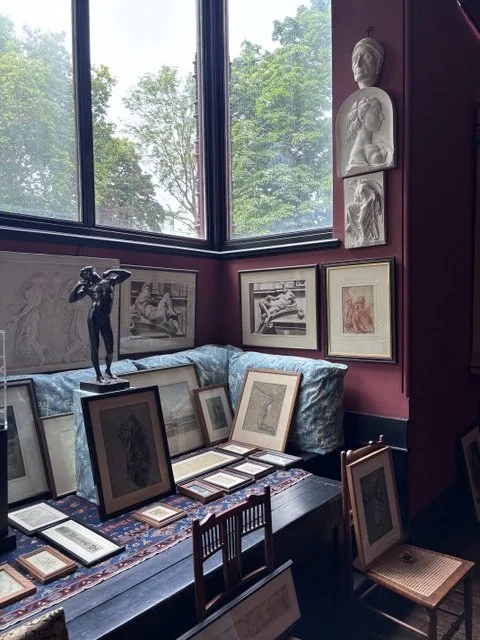
Figure 24. Details of Leighton House, photos of Michelangelo’s statues for Medici Chapel in far left
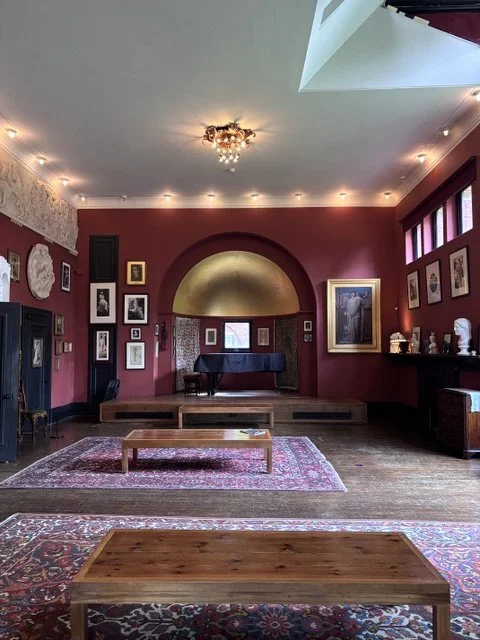
Figure 25. Long view of room, Leighton House
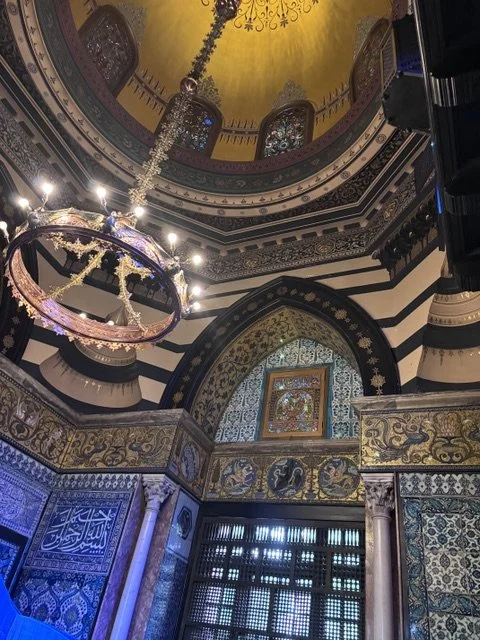
Figure 26. Closeup of the tiles, Leighton House
There was a temporary exhibition in Arab Hall when we were there, to celebrate the 100th anniversary of Leighton House as a public museum. Called ’The Arab Hall: Past and Present,’ a contemporary installation masked part of the Hall, How frustrating!
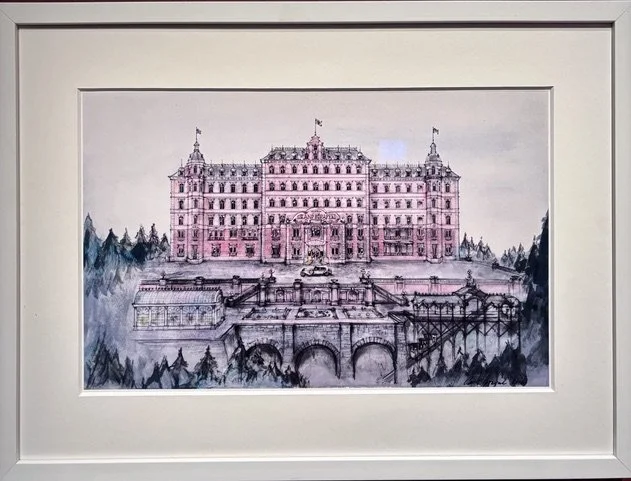
Figure 27. The Grand Budapest Hotel, Wes Anderson exhibition, Design Museum, London
The Wes Anderson Exhibition at the Design Museum (Fig 27) was a welcome relief after all that 19th century English decoration. I saw a similar (maybe the same?) exhibition last year at the Cinematheque Française here in Paris. I wrote about the Paris exhibition here: A lot of Anderson and a little bit of Hockney. Ginevra wrote about the London exhibition here: Accidentally Wes Anderson. I love seeing an exhibition more than once. It’s more relaxing and I seem to notice so many things I hadn’t before.
And then it was time to walk to the nearby Ottolenghi to get whatever delicious take away took our fancy. It was the end of the day and the selection was less splendid than it surely must have been earlier, but what we bought made for a marvelous feast - salads with unexpected combinations of ingredients celebrating their middle eastern origins. There was lightly poached fish with a refreshing sweet and tangy sauce and of course, too many beautiful dessert choices that competed for our attention. (Figs 28-30) Part II of London Town next week. Gros bisous, Dr. B.
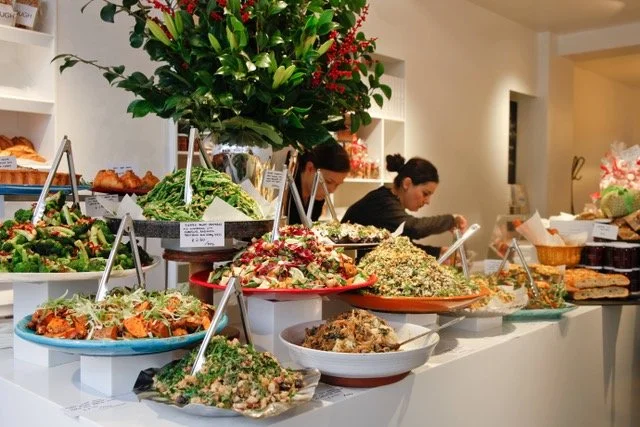
Figure 28. An ‘average’ selection at an Ottolenghi café
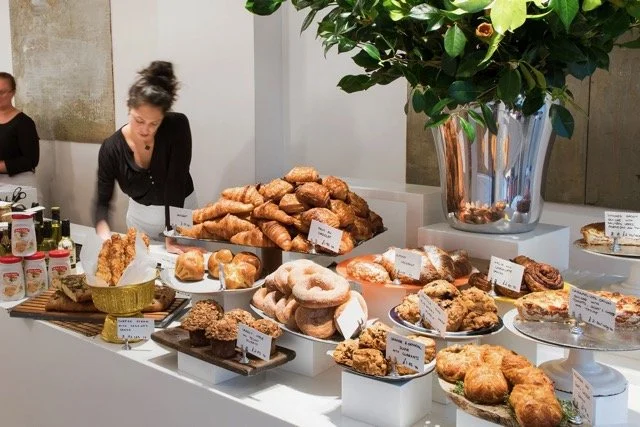
Figure 29. Some of the baked goods to choose from, Ottolenghi
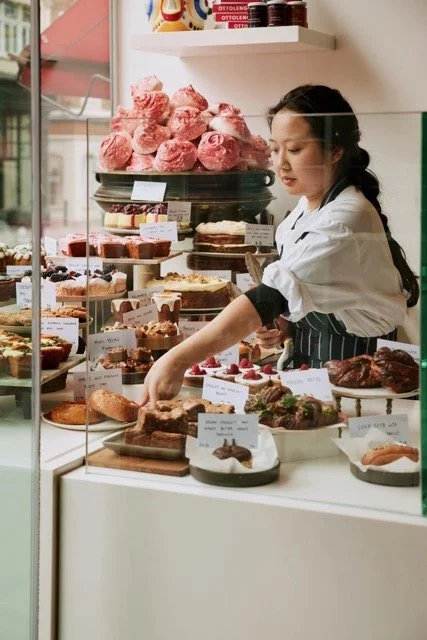
Figure 30. And just a few of the dessert options to choose from, Ottolenghi
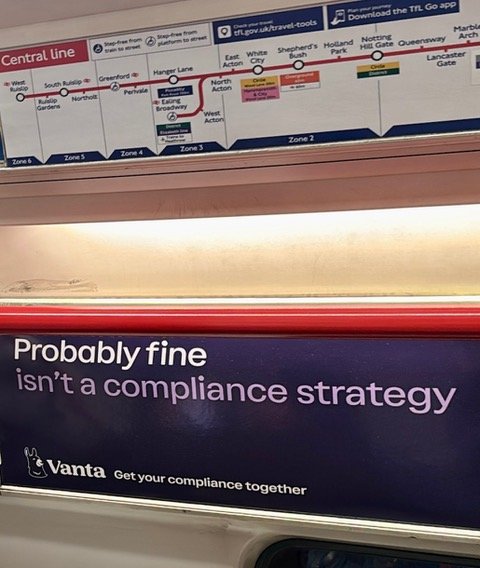
One of the many funny ads in the Tube from this company that makes sure that your company is in compliance …..
Thanks to everyone who sent Comments They are very much appreciated.