Lovely London Town
Part II
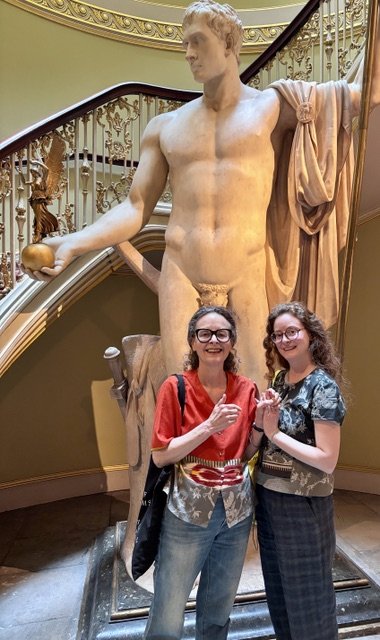
Me & G & Napoleon (as Mars) Apsley House
Bienvenue and welcome back to Musée Musing, your idiosyncratic guide to Paris and art. This week another loving look at London Town. But first, I want to mention an interview I heard recently, with Stephen Dubner and James Daunt, an English bookseller. I’ve recommended Dubner in the past - his podcast series on the art market featuring the portrait painter Alice Neel, The Hidden Side of the Art Market and his podcast series, How to Return Stolen Art about what happens when museums discover that works in their collection were stolen and what happens when they try to give them back.
Janes Daunt, the founder of Daunt Books, gave up a promising banking career in New York City to open a book store in London. A foolhardy endeavor in 1990 when everyone assumed that Amazon meant the demise of brick and mortar bookstores. His one bookstore grew to eight. In 2011, Daunt became managing director of the English bookstore chain, Waterstones - hours before it was set to declare bankruptcy. In 2019, he became CEO of the American bookstore chain Barnes & Noble.
Daunt said that he never thought Amazon would mean the end of bookstores because they are part of the Commons. By which he meant that they are cultural spaces, like public parks and village greens. Where children read with their parents, young people flirt after school and caregivers and their charges drop by for a change of scenery. And some people, enlivened by the spirit of community, actually buy books.
Daunt explained how advertising works in bookstores. When he arrived at Waterstones, their advertisement budget was £30 million. Dubner asked what Waterstones got for that sum, Daunt said very little. When I fact checked this, I learned that Waterstones didn’t pay for advertising, they got money from publishers who, with it, “bought total control over what went into the store windows, front-of-store display tables and prime shelf spots.” Daunt canceled those contracts “and handed.…display curation power … to individual local store managers.” Now Daunt relies on ‘organic’ advertising, like TicTokers, author talks and people (sometimes celebrities) toting tote bags.
One subject I wasn’t expecting was American versus English bankruptcy laws. The U.S.’s ‘fluid economy’ is possible, according to Daunt, because declaring bankruptcy is easy in the U.S. In England, when a business or person declares bankruptcy, they can’t get credit, they can’t even open a bank account. To Daunt, America’s lenient laws lead to risk taking, resilience and rewards. For anyone who has followed Donald Trump’s career, the downsides are clear. A man who never takes debt seriously because he always gets out of it. His creditors may lose money, but he doesn’t. Any law that permits a psychopath to destroy everything he touches should be reexamined. IMHO.
Daunt Books will be on my list next time I go to London. Last time I was in London Town, we had afternoon reservations at the Serpentine Gallery for a small exhibition of David Hockney’s work. It was the last exhibition for which Hockney created new works. He died soon after the exhibition opened, just before we saw it. (Figs 1, 2)
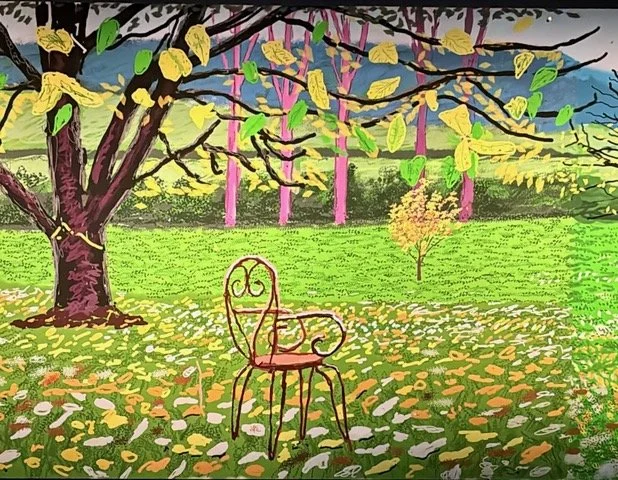
Figure 1. A Year in Normandie, David Hockney Serpentine
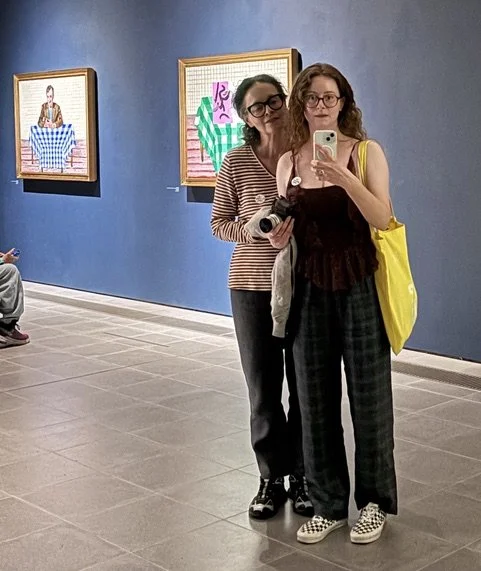
Figure 2. Ginevra and me in front of two of the portraits Hockney painted for this exhibition, Serpentine Gallery
Our day began at the Wallace Collection. We weren’t there to see the temporary exhibition, ‘Winston Churchill The Painter’ but to say hello to paintings we love, like Fragonard’s Swing. (Fig 3) And look at paintings and objects we may have walked by during past visits. One glass cabinet had a piece of paper attached that caught my eye. It was a 1793 announcement for an auction of stuff from Marie-Antoinette’s Petit Trianon. Among the objets in the cabinet was a cup decorated with Benjamin Franklin’s profile and one decorated with a liberty cap (worn by freed slaves) and fasces, bound bundle of rods with an axe in the middle. Fasces originated in ancient Rome as a symbol of authority, jurisdiction and power. In the American and then the French Republic, the bound fasces represents governance, justice and civic unity. (Figs 4 - 6) When Mussolini's political party adopted the emblem, Fascism was born and the original meaning disappeared.
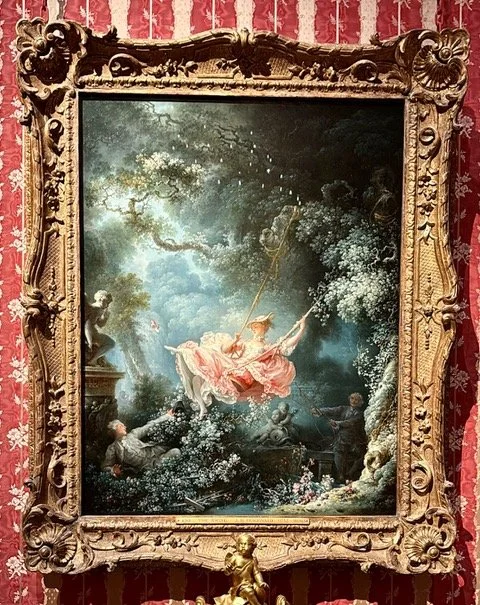
Figure 3. The Swing, Jean-Honoré Fragonard, Wallace Collection
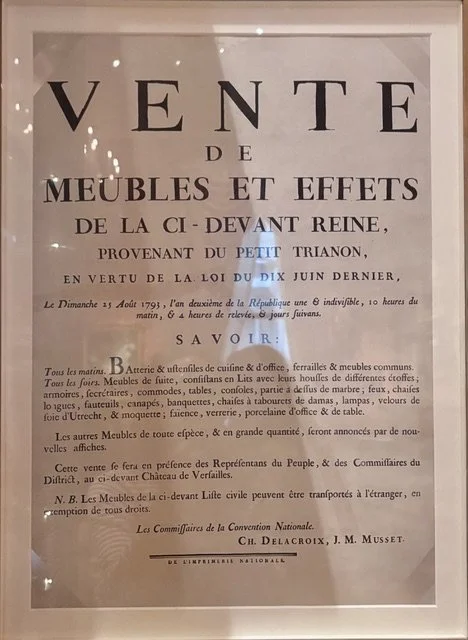
Figure 4. Announcement of Auction of Marie-Antoinette’s furniture & objets. 1793
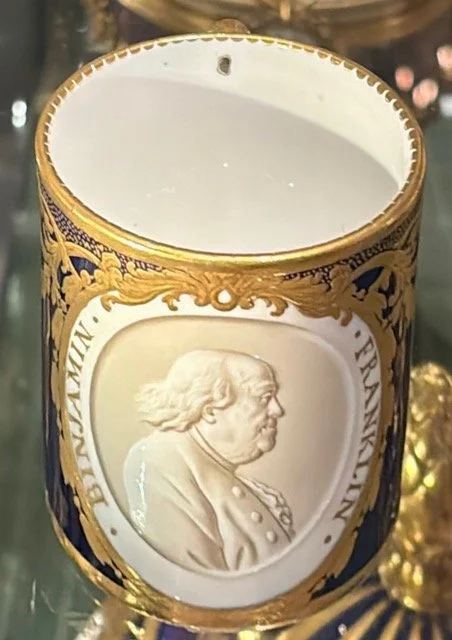
Figure 5. Cup with profile portrait of Benjamin Franklin, Wallace Collection
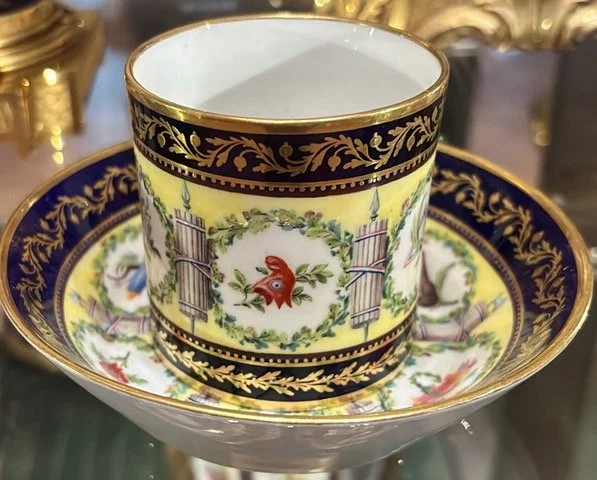
Figure 6. Liberty Cap and Bound Fasces, Wallace Collection
After lunch at Wagamama, (a chain of good if not too authentic Asian food) and then again after our visit to the Serpentine Gallery for the Hockney exhibition, we walked in both Kensington Garden and Hyde Park. Which, as you may know, are separated by the Serpentine Lake, along which we also walked. Everything in those gardens, from the inviting grass to the charming little bistros, was neat and clean and welcoming. Even the public toilet was as clean as those reserved for customers in fancy restaurants!
We eventually found our way to Fortnum and Mason. I had been unsuccessfully trying to buy a scone since I got to London. I found croissants galore, but I repeatedly came up empty scone handed. I was sure that Fortnum and Mason wouldn’t let me down. But they did. When we got there at 5:00 p.m., the scone shelf was bare. We comforted ourselves with some English cheeses and a huge loaf of potato bread which I was sure we would never finish and a chutney which proved a nice compliment to both.
Another day, we saw the Marilyn Monroe exhibit at the National Portrait Gallery. (Fig 7) At the museum’s entrance was a memorial to David Hockney whose portraits have graced many exhibitions here. (Fig 8) Marilyn and Dolly Parton, as we learned after her death, both suffered from endometriosis. (when uterine cells migrate from and grow outside the uterus). Dolly’s battle with endometriosis resulted in a partial hysterectomy in her mid 30s and the end of her dream to have children. Because of endometriosis, Marilyn’s much wanted pregnancies resulted in miscarriage. Marilyn was described by detractors as “unprofessional, showing up late, not knowing her lines, staying in her dressing room.” Her erratic behavior was not because she was a spoiled starlet or a substance abuser. It was because she was in a lot of physical pain. For which her doctors prescribed way too many drugs. It was her doctors who promoted the idea that she committed suicide so that their own culpability in overprescribing drugs would not be discovered. (My Two Exhibitions with Marilyn) I’m sure many of you know the magnificent trilogy on Thomas Cromwell by the two-time Booker Prize winner, Hilary Mantel. She also had endometriosis. She detailed her suffering and her doctors’ indifference in a memoir. She, like Marilyn, was told that her condition was psychological, not physical. Enough.
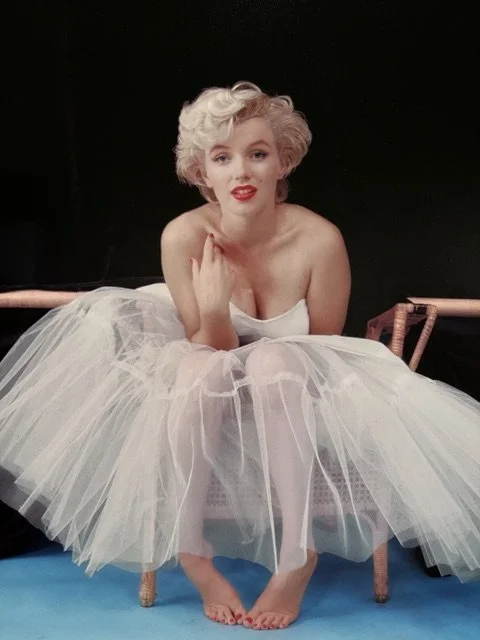
Figure 7. Marily Monroe, ‘Ballerina’ Milton Greene, photo 1954, National Portrait Gallery exhibition
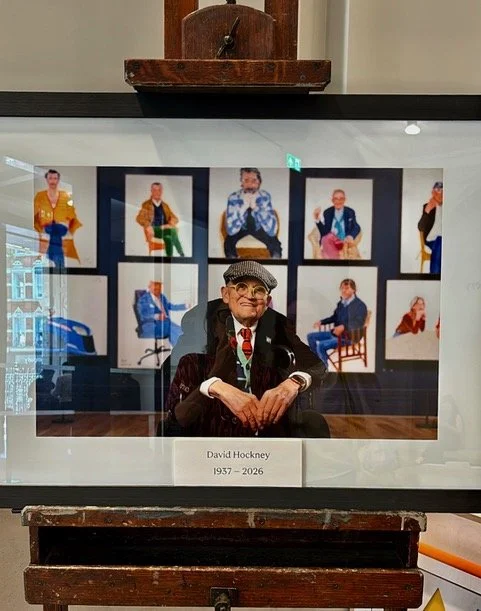
Figure 8. David Hockney, in memoriam, National Portrait Gallery
After the Marilyn exhibition, we planned to eat lunch at Dishoom, an Indian restaurant chain where we happily enjoyed a great meal in Edinburgh last year. But I was feeling a little rocky so we returned to the National Gallery, to Audrey’s cafe, a simple tea salon where we shared a sandwich that would not have disturbed (or awakened) anyone’s senses, olfactory or otherwise. There was a little card at the cashier advertising a 3:00 p.m. tea time. So, after visiting some of our favorite paintings at the National Gallery, among them Venus and Mars, Cupid, Venus and Time and The Marriage of Giovanni Arnolfini, (Figs 9-11) we returned for tea and I finally had a scone.
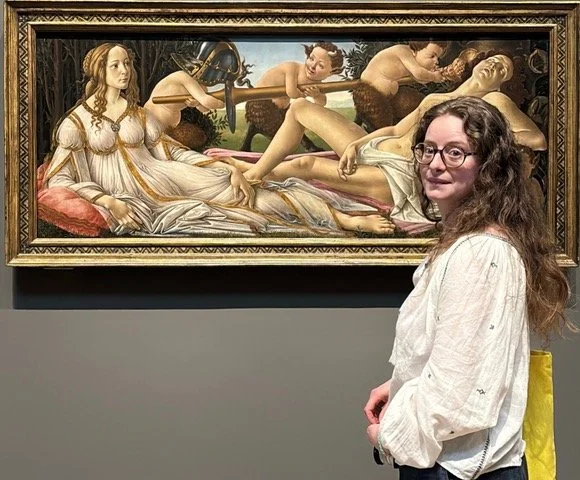
Figure 9. Venus & Mars (& Ginevra), Sandro Botticelli, National Gallery
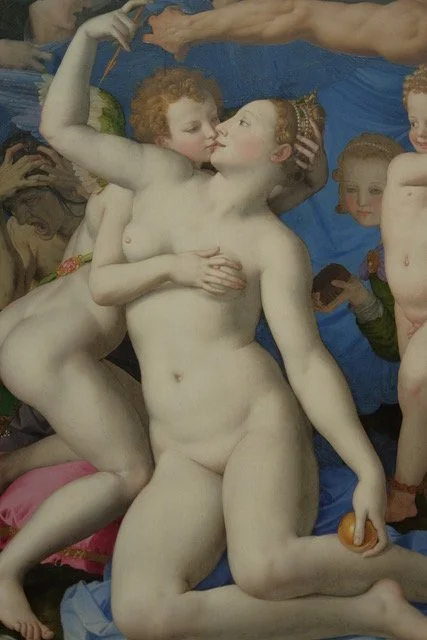
Figure 10. Cupid, Venus, Folly and Time, Agnolo Bronzino
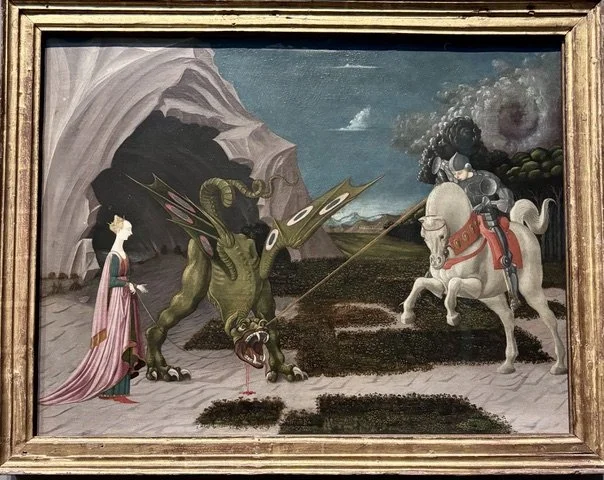
Bonus!!. St. George & the Dragon, Paolo Uccello, National Gallery
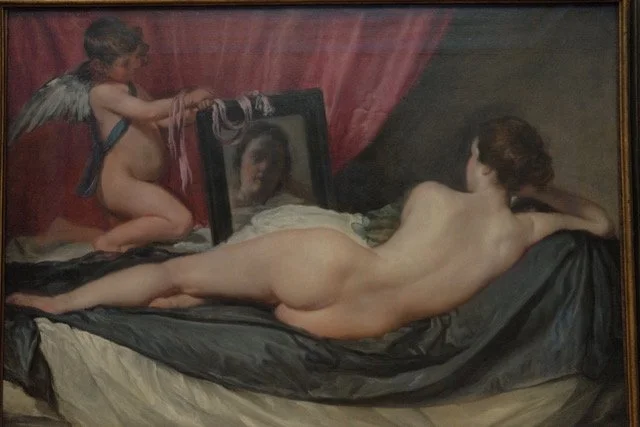
Figure 11. Rokeby Venus, Diago Velázquez, National Gallery
For dinner that night, we decided to stick with cheese and keep trying to make a dent in the aforementioned potato bread from Fortnum and Mason. But we needed more cheese. This was not a problem but an opportunity to visit my favorite cheese shop in London, Neal’s Yard Dairy. It was a short walk and an interesting one, past St Martin-in-the-Fields, (on Trafalgar Square across from the galleries), through the theatre district (Leister Square and Garrick Street) a slight detour to Covent Garden, (where we poked around inside and out), and through Seven Dials to our destination. (Fig 12)
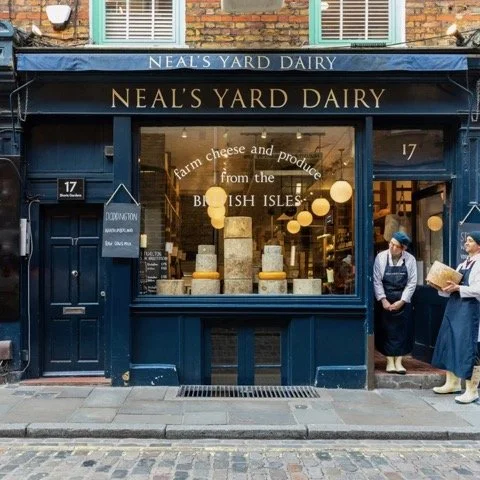
Figure 12. Neal’s Yard Dairy
Wednesday, June 17, was our last full day in London. We started at Apsley House, the Duke of Wellington’s House, now museum, not realizing that it was on that date, in 1815, that Wellington established his military headquarters in Waterloo, Belgium. The next morning, he and his troops defeated Napoleon at the Battle of Waterloo.
I remember visiting Apsley House a long time ago to see the Duke’s art collection, especially Valázquez’s Water Carrier of Seville. (Figs 13-16) But this time, as a more well rounded person, I returned wanting to learn something about Wellington, too. First, why is it Apsley House and not Wellington House. Good question, right? Because the house was designed and built (1771 to 1778) by that architect to the stars, Robert Adam, for the 1st Baron Apsley. He paid £10,000 for the building and its furnishings. Thirty years later, in 1807, Richard, Marquess Wellesley, the older brother of Arthur Wellesley (aka the Duke of Wellington) paid £16,000 to buy the lease on Apsley House. Not much appreciation in 30 years says this San Francisco girl. The price wasn’t excessive, but his wife (French, of course) was. She spent another £20,000 on furniture and decorations. All that money didn’t buy the Marquess love and nine years later, the couple separated. The Marquess was on the brink of bankruptcy. That’s when Arthur, now the Duke of Wellington, who had been voted £700,000 by Parliament to build a ‘Waterloo Palace’ came to his brother’s aid. He bought Apsley House for £40,000 and his brother’s finances were sorted. The house has been altered numerous times since then, even its location vis-a-vis the rest of Piccadilly has changed. Now it’s in the middle of a roadway, accessed by an underground passage. (Fig 18) When the Duke of Wellington died, his son opened the house to the public. It became a museum in 1952, the centenary of the Duke of Wellington’s death.
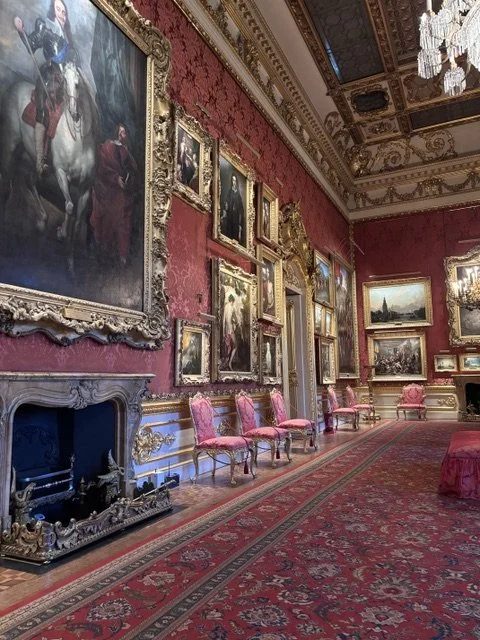
Figure 13. Apsley House painting gallery
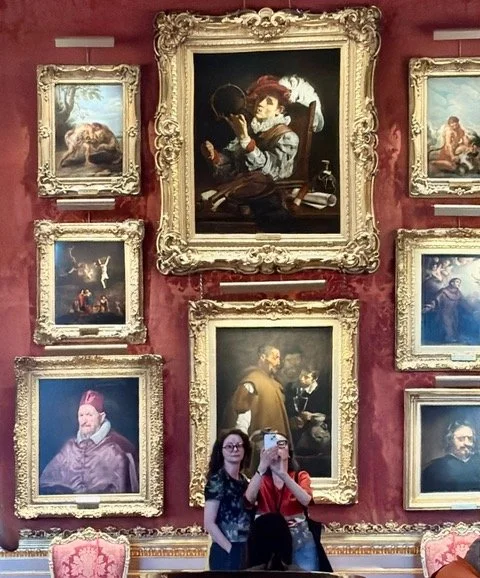
Figure 14. The Watercarrier of Seville and a few other paintings
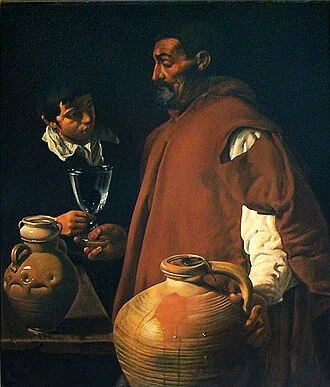
Figure 15. Watercarrier of Seville, Velazquez, Aplsey House
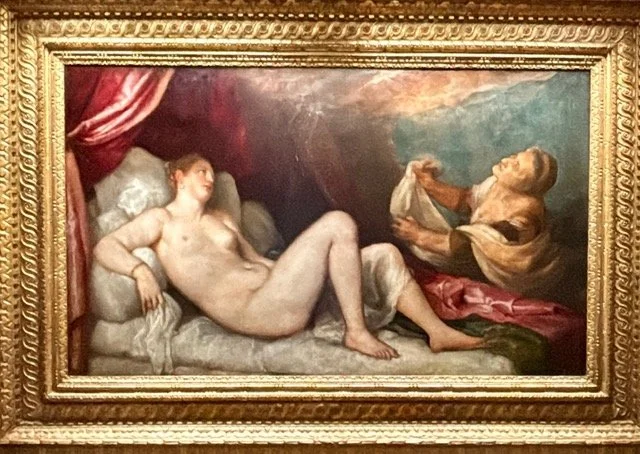
Figure 16. Danae and the Shower of Gold, Titian, Apsley House
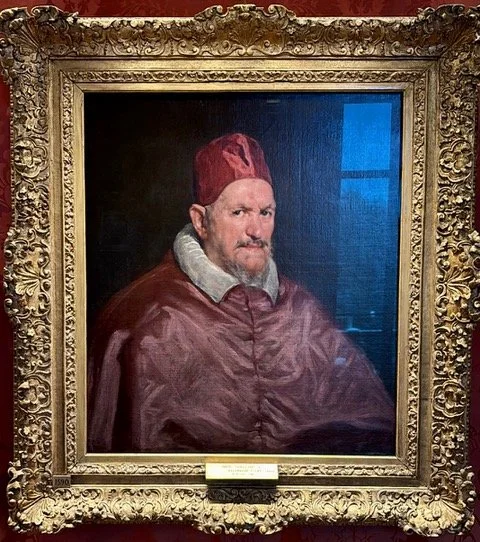
Figure 17. Pope Innocent X, Diego Velazquez, Apsley House
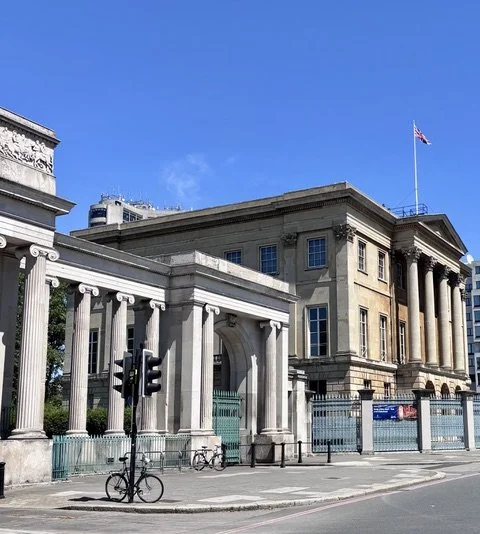
Figure 18. Apsley House, exterior
Nobody would have predicted what Arthur Wellesley was to achieve during his lifetime, least of all his mother. Who is known to have said this (at least once) about her son when he was young, "I vow to God I don't know what I shall do with my awkward son Arthur. He is food for powder and nothing more.” (Food for powder = cannon fodder). As a child and later a student at Eton, he showed such little academic promise and so little talent of any kind that his mother encouraged him to join the army. Which, with the family in financial difficulty, seemed a prudent suggestion. Maybe low expectations spurred Arthur Wellesley to achieve all he did. As I read Wellington’s mother’s assessment of her son, which proved to be wrong, I couldn’t help but think of remarks credited to our dear leader’s mother. Who (at least once) said (or maybe didn’t) “Yes, he's an idiot with zero common sense, and no social skills, but he is my son. I just hope he never gets into politics. He'd be a disaster.” Unlike Wellington’s mother, she was right.
Wellington came to be revered by the British public but it doesn’t seem as if he was much liked. The men who fought under him admired him, but they did not love him. When he was Prime Minister he was often reviled. His opposition to the Great Reform Act, which sought to expand voting rights, outraged the British public, riots broke out and protesters smashed the windows of Apsley House. The Duke had iron shutters installed to protect his windows and his property. That’s probably when got his nickname, the ‘Iron Duke’. It was meant to mock him, not to praise him.
Wellington seems never to have thrown anything out and so many items were made in his honor, that this museum is simply swimming in stuff, much of ‘ephemera’ stuff that wasn’t meant to last. But a lot of it did and a lot of it’s here! Included in the cases are some useful things that Wellington owned which give a sense of his quotidian life. In one glass case are objects that made his life more comfortable during military campaigns. His officers nicknamed him Beau because he was so fastidious about his appearance. It’s no surprise then that his dressing case is filled with razors, creams and ointments; brushes and tweezers; a bleeding cup, a tongue scraper and pill boxes filled with rhubarb pills for constipation.
For the days he spent riding on military campaigns, he had a traveling canteen with a glass tumbler, a silver beaker and cutlery all neatly wrapped in a leather holder. For long days spent at camp, when Wellington ate more than the hard boiled egg and bread he carried in his pocket when he was on the trail, he dined on beef or mutton and potatoes, prepared by his personal cook. For those meals, he had a silver dinner service which we are told was a sensible choice: silver is hard-wearing, hygienic and reflected Wellington's status, important when he invited officers to dine with him.
Since Wellington enjoyed a cuppa, he always had an ample supply of tea with him when he traveled. And a way to property enjoy it. His silver tea set included a teapot and milk jug, the handles of both are removable so they could be stored when traveling.
There’s a pair of leather boots here, from 1805 which Wellington’s shoemaker made to Wellington’s specifications. They were easier to wear than the traditional boots with the tighter-fitting style of trousers the military introduced. Within a decade, everybody was wearing this new style of boot, which became known as Wellingtons.
I’m not going to tell you about Wellington’s love life. Except to say that he married a woman he had once loved. Wellington courted Catherine Pakenham in Dublin in 1792. He was a poor 23-year-old captain of light dragoons. She was the 19-year-old daughter of an Irish peer. (Figs 19, 20) They shared an interest in music and books and she was pretty. Wellington proposed marriage, twice (1793, 94). Both proposals were rejected. He had neither fortune nor prospects. Here’s where Wellington made his mistake. Before he left on his first campaign, he sent Kitty a letter promising that his feelings for her would not change but if his situation improved, he would propose again. They did not see or communicate with one another for the next 11 years. When Wellington returned to England in 1805, feeling honor bound, he proposed to Kitty again. Proposal accepted.
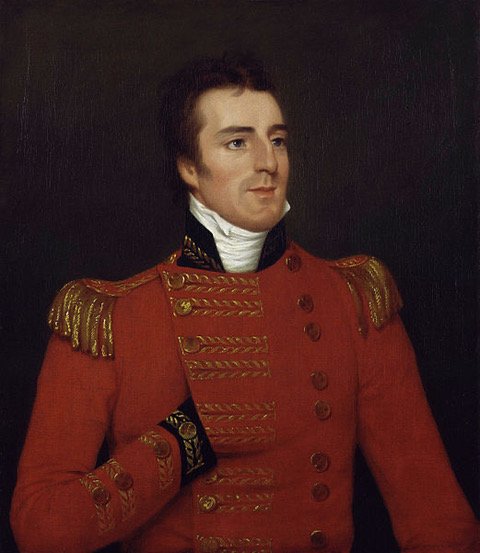
Figure 19. Arthur Wellesley, (Duke of Wellington) 1804
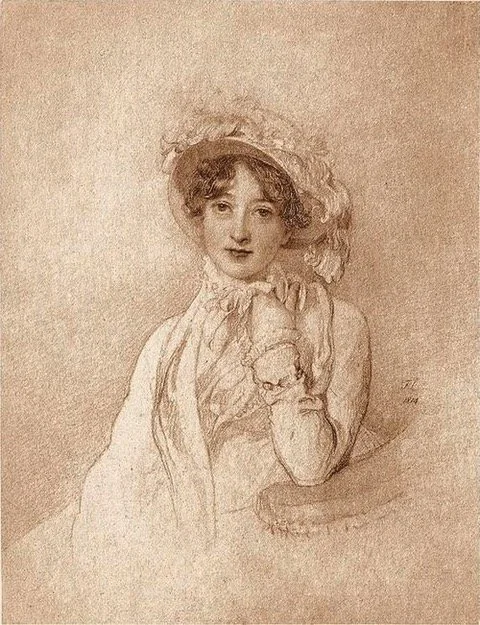
Figure 20. Catherine Pakenham, Duchess of Wellington
When Wellington saw Kitty in 1806, she was no longer the pretty young girl he remembered. He told his brother that she “has grown ugly, by Jove!” But he went ahead with the wedding. Kitty gave birth to two sons (an heir and a spare) within 2 years of their marriage and after that, the couple had almost nothing to do with each other. Kitty and the boys lived in Hampshire, Wellington lived in London. Wellington, always a ladies man, enjoyed the company of women, some more intimately than others.
Among the personal items from Wellington’s time at Apsley house are a pair of slippers one of his daughters in law made with a thank you note from Wellington, in which he wrote that the slippers “are too fine for a veteran; who in his whole life has used as slippers his old shoes too bad for wear out of doors. However as you have taken the trouble of making them I will wear them.” And he did, these ones are properly scruffy.
There’s a hearing aid here, too. It’s one of many which he tried as he got older. He needed them, especially for his left ear, the one most affected by the firing of the artillery guns he inspected throughout his military career. There’s a nightcap from around 1850, which he (and Scrooge) wore not only to bed but around the house, in rooms that were often uncomfortably chilly in the winter.
When the Duke of Wellington died in 1852, 10,000 people received tickets to his funeral at St Paul's Cathedral. The ticket on display had been received by Sarah Jordan, who was described in the 1841 census as a servant at Stratfield Saye House (the Duke of Wellington’s country estate). Of course loads of commemorative items were produced during the Duke’s lifetime to celebrate his achievements, from cheap mass-produced souvenirs to expensive hand-crafted treasures. From jugs and clay pipes to ivory knives and enamel boxes. When he died, even more stuff was produced. A commemorative ivory box that, with a portrait of Wellington embossed in gold inside. There’s also a lock of the Duke's hair, taken shortly after his death. Which may sound creepy to us but was customary at the time. Locks of hair would have been cut off Wellington's corpse for his family and close friends.
There’s a plaster cast of Wellington's death mask, made from the original mold three days after Wellington died. The face looks sunken but that’s because it was made after Wellington's false teeth had been removed. (Figs 21-24)
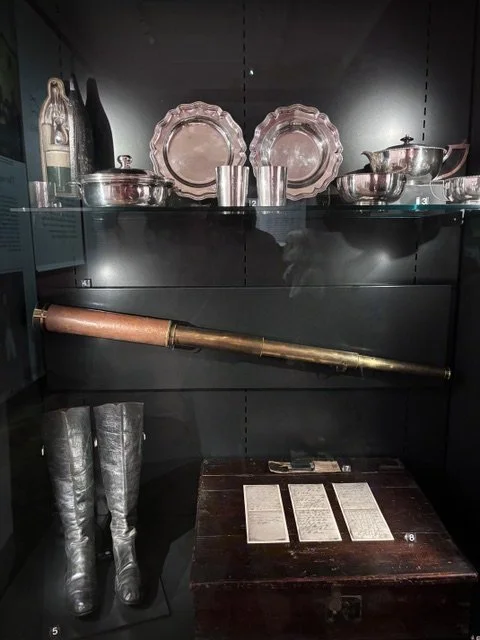
Figure 21. Wellington Memorabilia, including boots, Apsley House
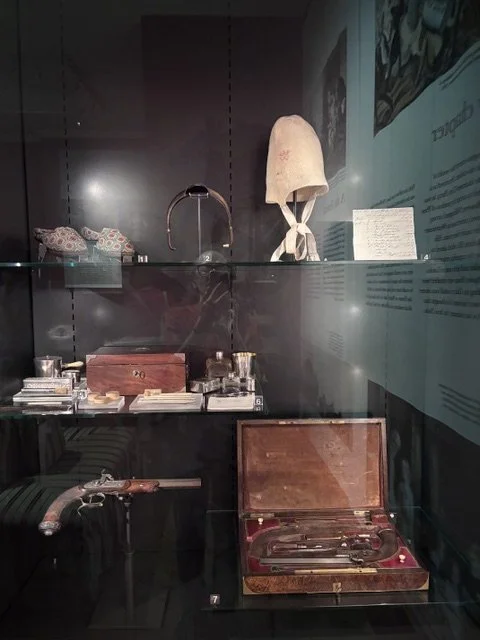
Figure 22. Wellington memorabilia, including hearing aids & nightcap
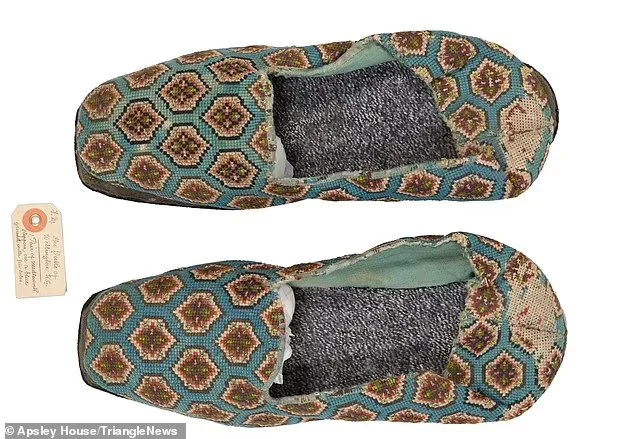
Figure 23. Wellington’s slippers made by his daughter in law
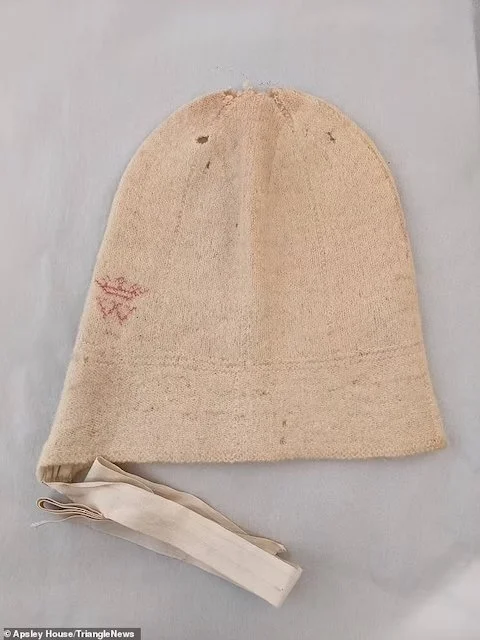
Figure 24. Wellington’s Nightcap, Apsley House (see above #22)
In addition to commemorative plates and dinner services celebrating Wellington’s various victories, there’s also a surprising amount of Napoleon stuff. I’ll tell you about two things. The Egyptian Service (Sevres porcelain) from 1810-1812 was originally made as a divorce present from Napoleon to his former Empress Josephine! She didn’t want it and neither did the King of France, Louis XVIII, who presented it to Wellington in 1818. The centerpiece depicts the Temples of Karnak, Dendra and Philae. (Figs 26 - 29)
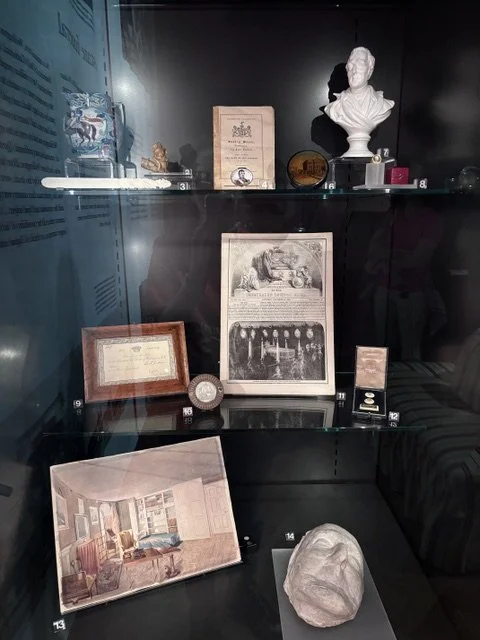
Figure 25. Wellington Memorabilia including Death Mask, Apsley House
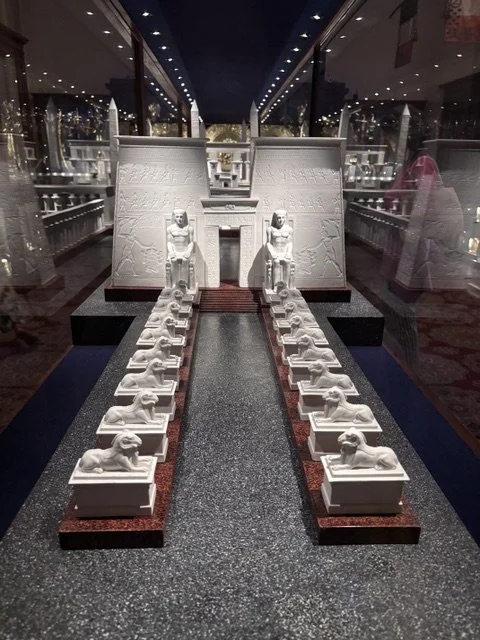
Figure 26. Egyptian Service
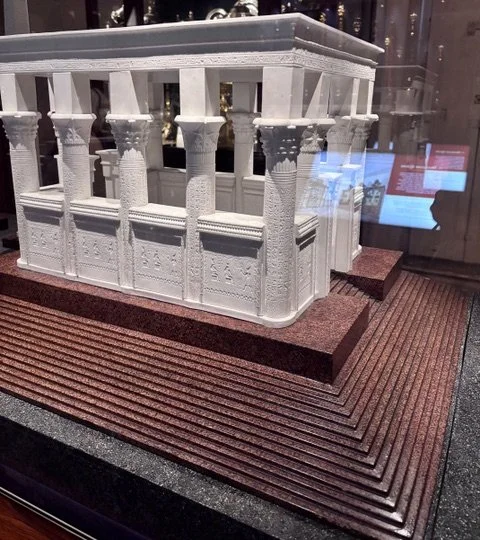
Figure 27. Egyptian Service, detail
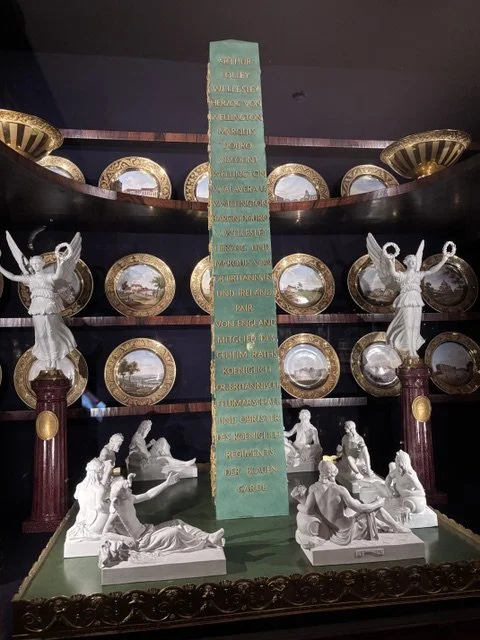
Figure 28. Another set of plates given to Wellington by a grateful nation
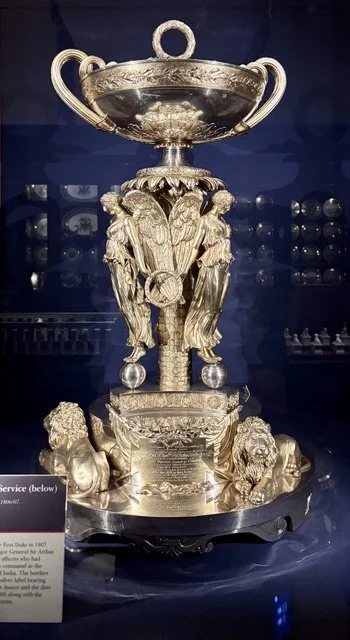
Figure 29. The centerpiece of another set of plates, filled with symbolism from a grateful nation
But the most curious Napoleon related item greets you at the bottom of the grand staircase leading up to the museum. It is -wait for it-Napoleon as Mars the Peacemaker! Sculpted by Antonio Canova in Rome. (Fig 30) It was commissioned in 1802, completed in 1806 and delivered to Paris in 1811. Napoleon did not like the statue so it was consigned to a storage room in the Louvre and never put on public display. After Napoleon's defeat at Waterloo, the allied armies entered Paris and, among other things, reclaimed artworks taken by the French during the Napoleonic Wars. Louis XVIII instructed the director of the Louvre to get rid of any painting that had Napoleon in it, from all the royal palaces and all the royal houses. But what about the colossal statue? After much negotiation the British purchased the statue and the Prince Regent (later George IV) presented it to Wellington in 1816. When the statue arrived at Apsley House the only possible location for it was at the bottom of the grand staircase; the wine cellar beneath the statue had to be strengthened to take the 3-ton weight!
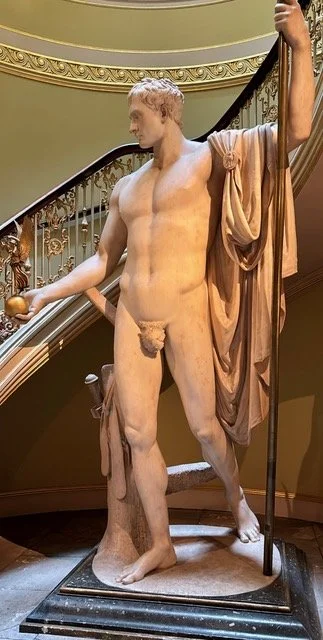
Figure 30. Napoleon as Mars the Peacemaker, Antonio Canova, 1802-06, Apsley House
After all that history, there was nothing for it but to go to one of Ginevra’s favorite department stores, Harvey Nichols and get some takeaway sandwiches for lunch, which we ate in the park, talking about Wellington and getting ready for the Victoria and Albert. (Fig. 31) The last time I was at the V & A it was for the Marie Antoinette exhibition. This time, we had waited too long and there were no tickets left for the Schiaparelli exhibition. So we just wandered around looking at Ginevra’s favorite things - plaster casts after Greek, Roman and Renaissance originals and the glorious William Morris designed café. (Figs 32 - 35) And then it was off to another Ottolenghi, this time the one in Knightsbridge and this time we were earlier so the choices were even more overwhelming.

Figure 31. Sandwich from Harvey Nicols (which we split)
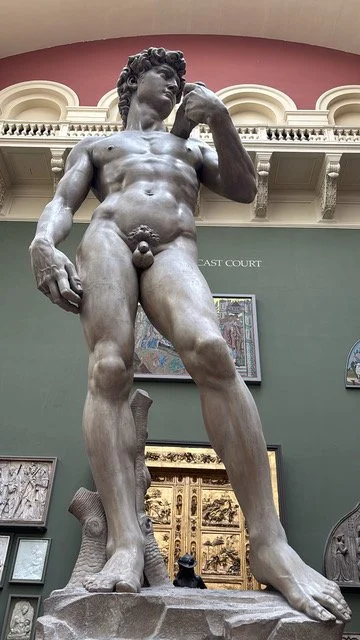
Figure 32. Copy of Michelangelo’s David, Victoria & Albert Museum
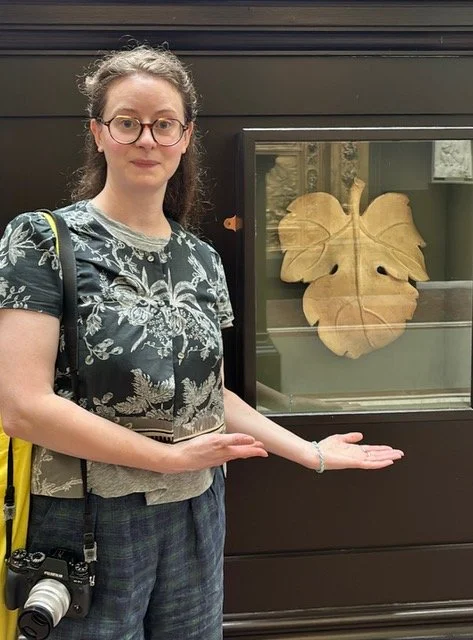
Figure 33. Ginevra and the Fig Leaf formerly attached to the above statue of David
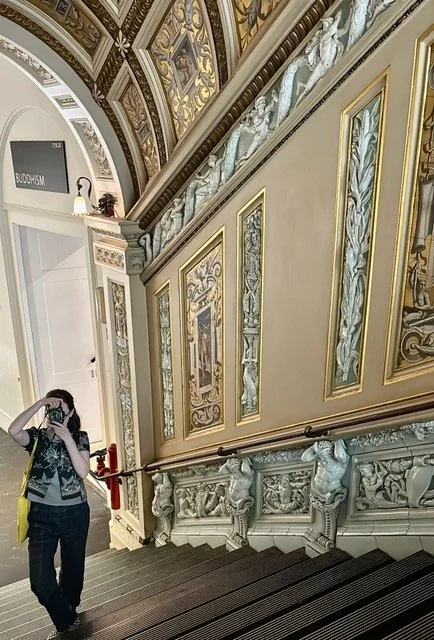
Figure 34. Walking up and down and photographing a beautiful flight of stairs, V & A
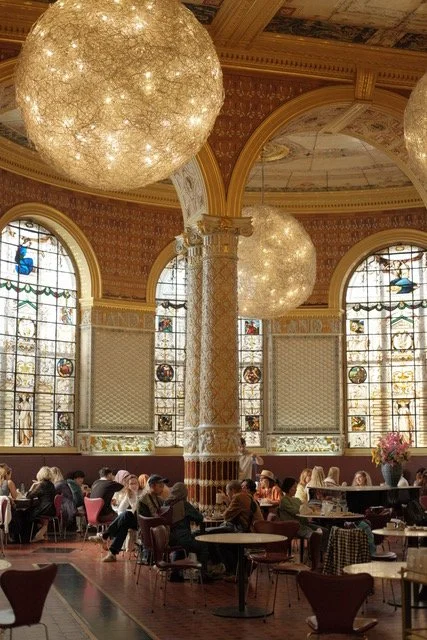
Figure 35. A little taste of William Morris beautifully designed café, V & A
Our final day in London started early even though our train tickets to Paris weren’t until the end of the day. We lugged our luggage into the City and left it while we wandered. Our destination was Borough Market which we have loved on previous trips. It’s a covered market hall in Southwark. One of the largest and oldest food markets in London, it’s been around since the 12th century. But it’s not the Borough Market we remember. It’s now so overrun by people, it was impossible to enjoy it. What we bought for lunch was so ordinary, I would rather just forget it. So, get to Coal Drops Yard soon, before it winds up like Borough Market. The place Ginevra found for us to eat our lunch was exceptional. A large swath of green overlooking the Thames with an unobstructed view of Tower Bridge. (Fig 36) After lunch, we walked along the Thames to Tate Modern, whee we poked around a bit and then had a leisurely walk back to St Pancras, over the Millennium Bridge and past St. Pauls. (Figs 37 - 40) The train ride home was uneventful and we were back in Paris before bedtime. Gros bisous, Dr. B.
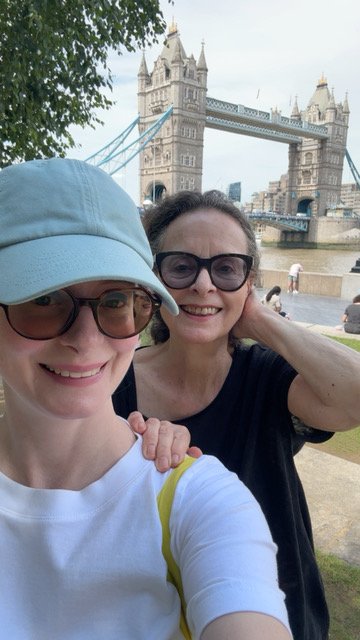
Figure 36. Ginevra & me with Tower Bridge behind
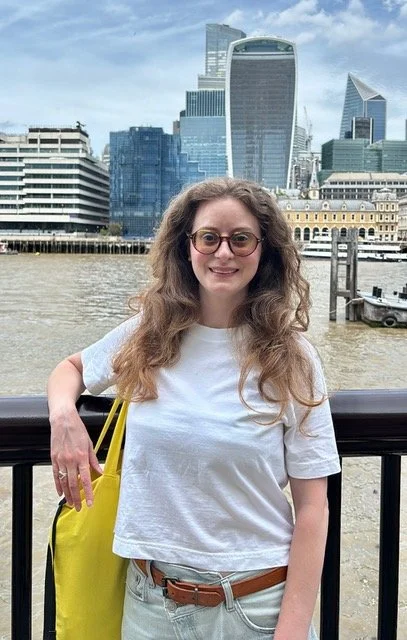
Figure 37. Ginevra along the Thames path
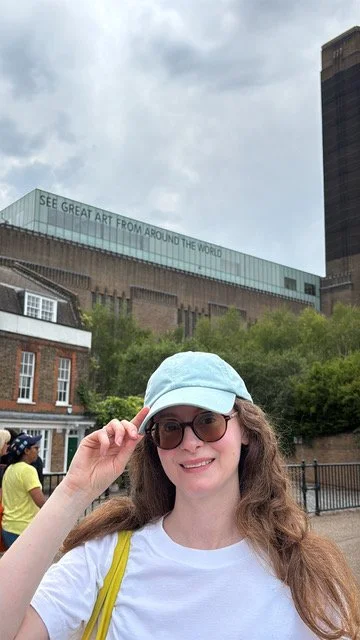
Figure 38. Ginevra in front of Tate Modern (See Great Art from Around the World)
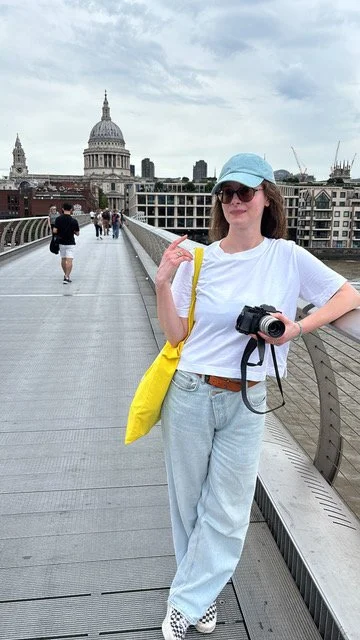
Figure 39. Ginevra on Millennium Bridge with St. Paul’s as our destination
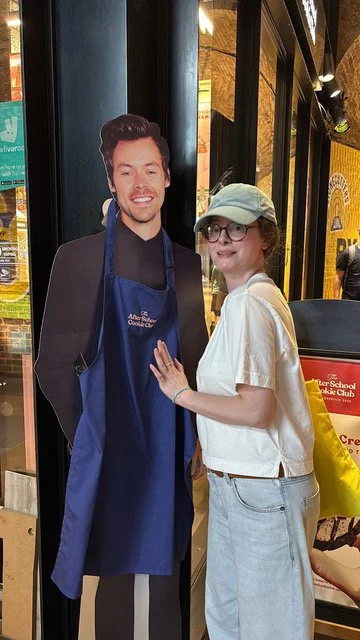
Figure 40. Ginevra and Harry Styles somewhere in London (maybe Borough Market)

Another advertisement on the Tube encouraging you to get your compliance strategy in order
Thanks to everyone who has sent Comments for the last few posts, they are much, much appreciated.
New comment on Accidentally Wes Anderson:
Another great post Ginevra. I am a Wes Anderson fan as well. Deedee, Baltimore
New Comment on Kusama’s Final Infinity and Dolly’s Departure
I, too, was very sad about the deaths of both Dolly Parton and Yayoi Kusama. I very much enjoyed her two short lived variety shows on television and h. I have several of her albums and especially like the ones she recorded with Emmy Lou Harris and Linda Ronstadt. She was a very private public person and I respected her for her ambition, talent, hard work, modesty, and philanthropy. It's hard to imagine what it took for a kid of her background to become so successful. While I never liked her oversized hair, makeup and breasts, I appreciated that she wasn't apologetic about looking the way she wanted. Since she was active and "only" 80 I thought she had more years. Kusama's passing is sad and the the world has lost a remarkable artist, but at 97, her time had come. She and Dolly have left behind so much for us to enjoy. Thank you and may you both rest in peace. Sharon, Haifa
New comments on From Surviving to Thriving:
Hello again, I lived (and worked, naturally) in New York City in the 1960s and '70s and had occasion to meet Ms Kusama. In fact, took photos of her and her small troupe as they stripped on camera during a segment of the Alan Burke Show on network television. She was already deep into polka dots and if you read the copy you'll see she saw everything through that bizarre entity. Thank you for noting her 94th. Best, Jim
I always enjoy it when you write about Proust. Loved this recent time too and the photos that go with it. I still haven't read Proust but you certainly are making me want to give it a try. Here's to your third time and maybe my first?! Sydney, Portland, OR
New comment on Lovely London Town
Marvelous post! Dr. B, you are an artist with words and with their framing among your splendid images! Morris