Tutus and trumpets
Degas à l’Opéra, Musée D’Orsay
Bienvenue and welcome back to Musée Musings, your idiosyncratic guide to Paris and art. This week, we’re dipping into the archives for a review I wrote about an exhibition that was held a few years ago in Paris that traveled to the National Gallery in Washington. The exhibition was about the artist Degas and his paintings of the Opera. As you read, you’ll see a reference to Donald Trump and what he assumed he owned when he bought those beauty pageants. Turns out it was much worse than we thought. Wars have been started and untold damage has been done to distract us from learning exactly what’s in those Epstein files. Apparently it wasn’t just peeks he purchased.
Let’s talk about Degas. When we think of Degas, we think immediately of ballerinas and that was the subject of a beautiful exhibition held at the Musee d’Orsay which then traveled to the National Gallery in Washington, D.C. When I think of Degas, I also think of two other women’s occupations. One is the modiste, (milliner) who created the beautiful hats worn by elegant women in the 19th century. (Figure 1) The other is the repasseuse, (clothes ironer), who Degas depicts either in the process of doing back breaking work or yawning and stretching. (Figure 2)

Figure 1. Degas, Modiste, The Millinery Shop, 1879-86
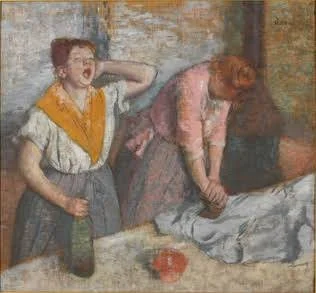
Figure 2. Degas Repasseuses, Women Ironing, 1884 - 86
Degas’ paintings, drawings, prints and statues of ballerinas seem either to be like his depictions of milliners or his depictions of ironers. On the one hand, when we sit with him in the audience of a ballet, we see a glittering spectacle, the scenery, the costumes, the ballerinas dancing in perfect unison, the orchestra in the pit below accompanying them. And when we go backstage with Degas, we see the dancers working, stretching. yawning. The stage, like the milliner’s shop, shows us the finished piece, the performance. The backstage images, seem, to me, like the paintings of ironers working, an intrusion into a private space.
Long before there was an ‘#me too’ movement, Edgar Degas’ sketches, drawings, paintings and sculptures of ballerinas bothered me. Depictions of the private, awkward moments of a ballerina’s professional life, as she stretches, bends and rubs her sore limbs and feet. Who let him in, I wanted to know. Those images are invasive, but they are not the most disturbing. The really disturbing ones are of ballerinas going over their steps in practice rooms, while men, wearing business suits, sit idly by, on chairs, watching them. I bristled as I looked at these men looking, always wondering why they were allowed to enter into what should have been private spaces reserved for the dancers. Those questions seem even more pertinent with our current crop of dirty old (or young) men. Donald Trump, to take one example, thought that when he bought the rights to the Miss America Beauty Pageant, that he also bought access to the dressing rooms while young beauty pageant hopefuls changed costumes. In the case of Degas’ old men, turns out that is exactly what they had bought. By purchasing subscriptions to the opera, (abonnés) these wealthy aristocrats and financiers had bought access to the backstage, specifically to the young, vulnerable, ballerinas, the corps de ballet (petits rats) . (Figure 3)
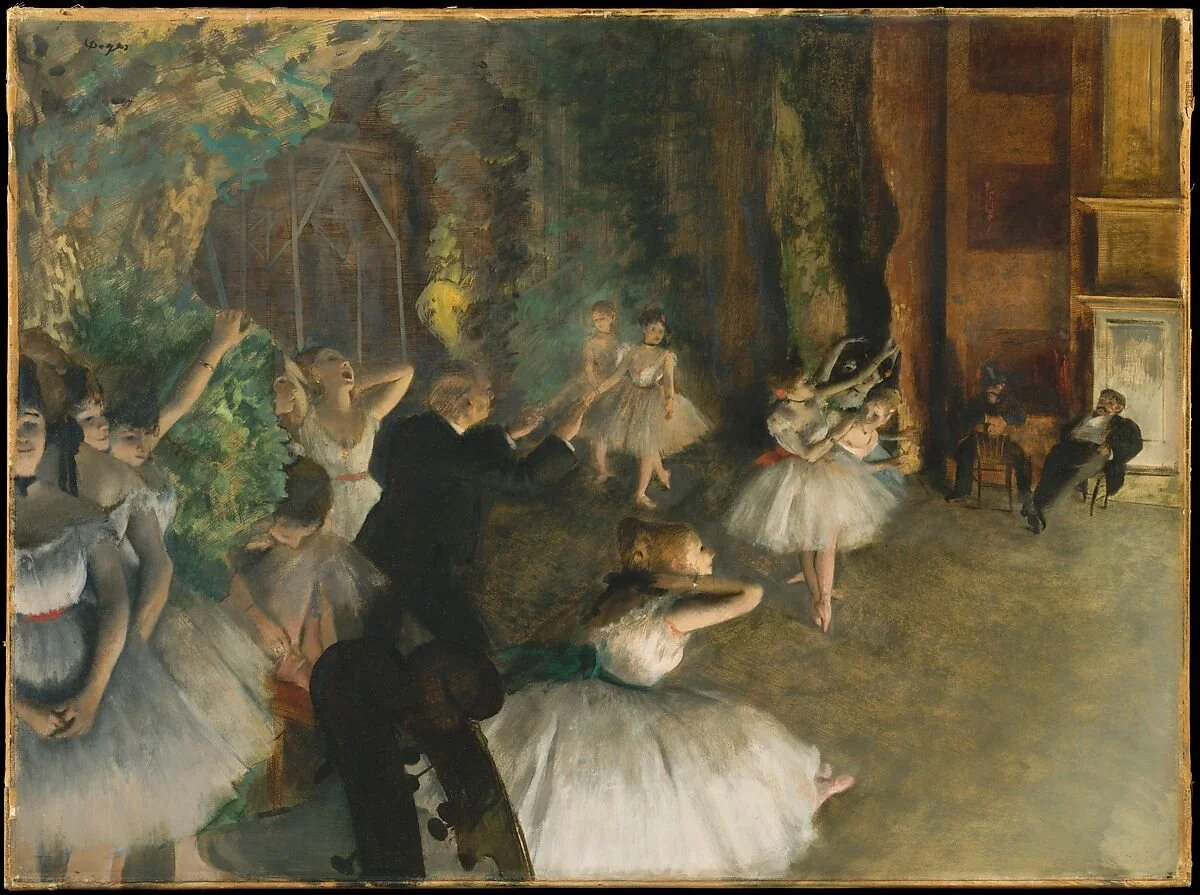
Figure 3 - Degas, Repetition d’un ballet sur la scene, 1874
These girls, many of whom had joined the Opera as young as six years old, worked to help support their families. Like factory workers, they worked six days a week. Poorly paid, they were easy prey to the advances of wealthy old men. Then, as now - or at least recently (think Harvey Weinstein) if any of the dancers dared refuse a rich man’s advances, it could mean the end of a dancer’s careers since it was these same men who underwrote the opera’s operating budget. With one word, they could end a young dancer’s career. Degas wasn’t wealthy enough to have such a pass, so he borrowed them from his wealthy friends and what we get is behind-the-scenes views of dancers practicing and lecherous male subscribers, watching. Degas isn’t judging anyone, he is making art. Indeed some of these young girls became his private models.
So now you know. Yet after having said all that, I must tell you that the exhibition ‘Degas at the Opera’ at the Musee d’Orsay was lovely and if you didn’t get a chance to see it, that’s an even better reason to keep reading this review! One of the first paintings in the exhibition, from 1868, is a portrait of the ballerina, Mlle Fiocre. Figure 4.
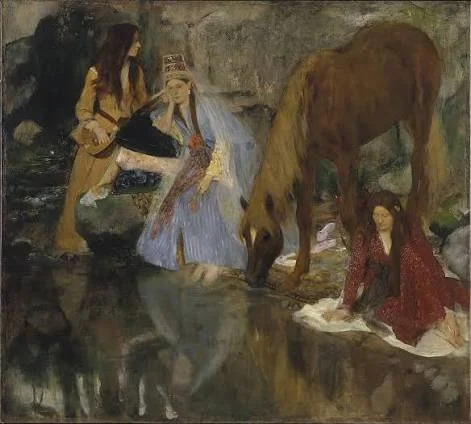
Figure 4. Degas, Portrait of Mlle Fiocre, 1868
The painting doesn’t work, it is a hodgepodge of portraiture, history painting, orientalism and landscape, with a pair of ballet slippers set incongruently on the grass next to a horse. But just two years later, Degas has become Degas. The portrait of his friend, Desire Dihau, a bassoonist in the Paris Opera orchestra, depicts the musician playing his bassoon, surrounded by fellow musicians.
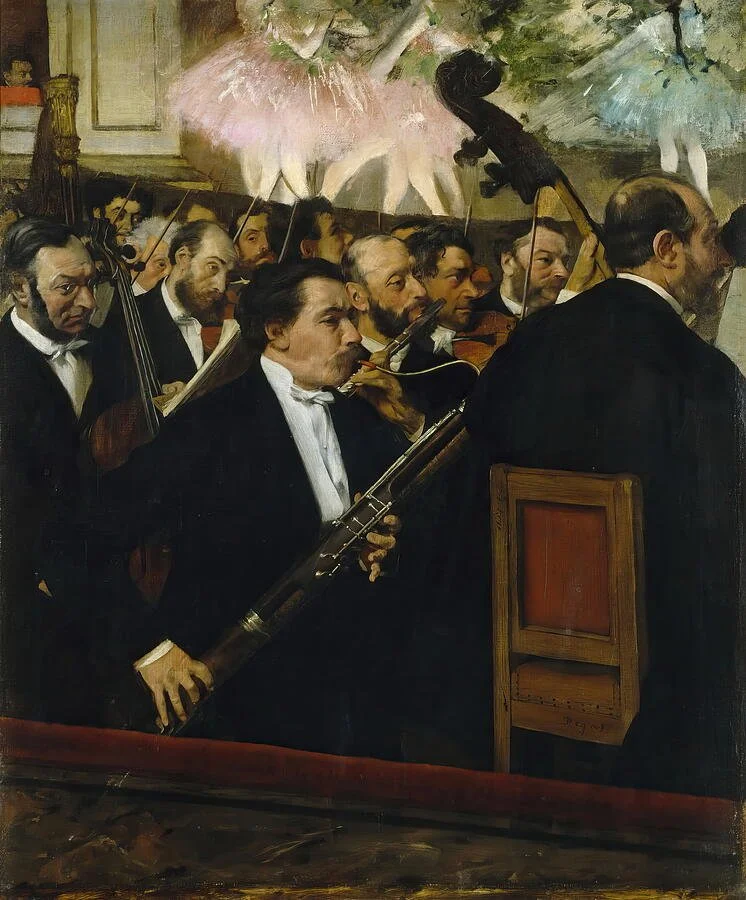
Figure 5 – Degas, Portrait of Desire Dihau, 1870
Above and behind is the stage of dancing ballerinas - all truncated legs and tutus. A third painting, from 1871 has so much going on, you might miss the man who caught my eye immediately.
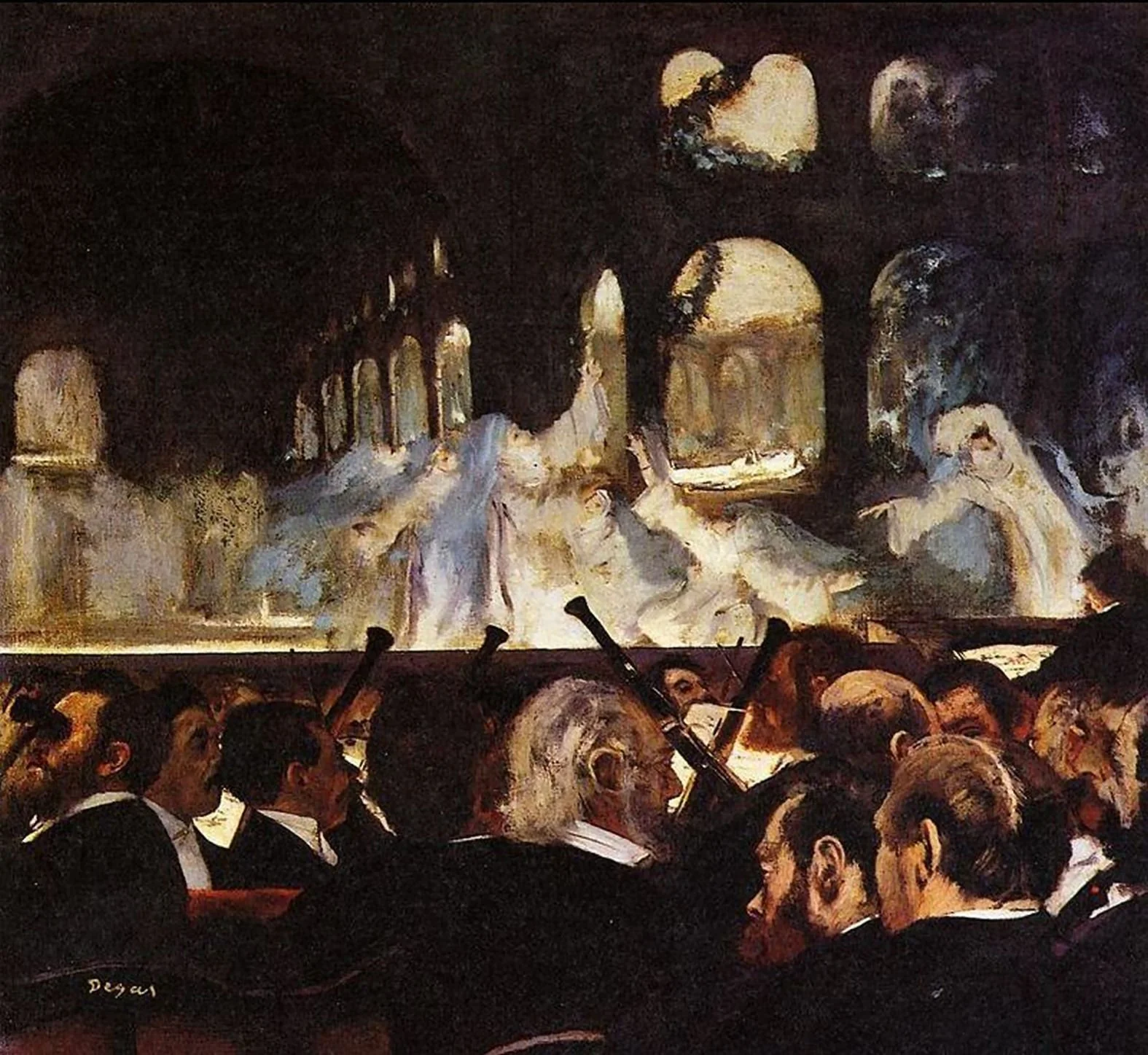
Figure 6 – Degas, The Ballet from Robert le Diable, 1871
In the background of ‘The Ballet from Robert le Diable’ is a huge stage set, the orchestra is in the foreground. In the immediate foreground, is a man with binoculars looking away from the stage, towards the audience. The idea of looking at someone besides the spectacle is an image that appears in the art of Degas’ contemporaries. One such painting is by Mary Cassatt, Degas’ dear friend and fellow painter. In it, a woman at a theatrical performance looks at a performance through binoculars, in the distance a man in the audience trains his own binoculars on the woman herself.

Figure 7 - Mary Cassatt, In the Loge, 1878
Like the Impressionists, Degas painted the world around him, and for him, like them, no subject was too ordinary or too insignificant. But Degas’ world was the artificial world of the theater, the opera, the ballet and not the natural world of the Impressionists. And while the impressionists often painted ‘en plein aire’ Degas sketched when he was at the opera house but he painted in his studio. Degas said that his subject was movement, for him the ballerinas were an opportunity to depict movement. He was interested in the photographic experiments of Muybridge and others who sequenced the movements of runners and horses.
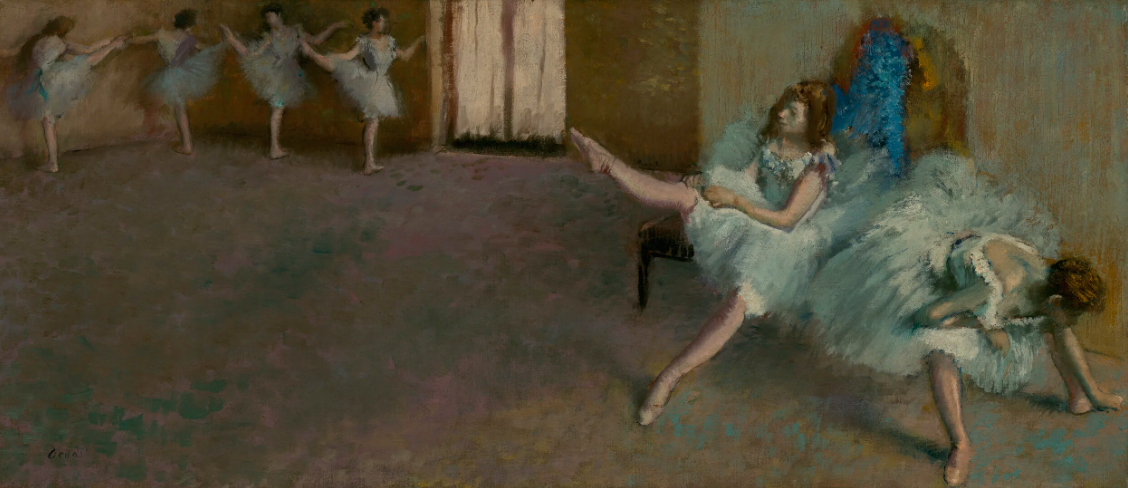
Figure 8 - Degas, Le Foyer de la danse, 1890-1892
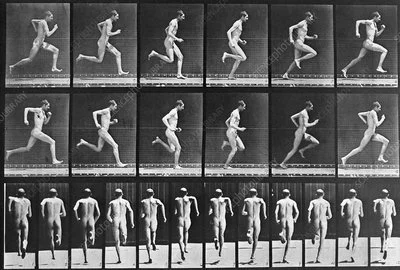
Figure 9 - Eadweard Muybridge, Sequence photography of a man running, 1887
Degas’ double width canvases show the same sort of progression of female dancers whose movements naturally follow one another. Degas seems also to be channeling the 18th century artist Watteau.
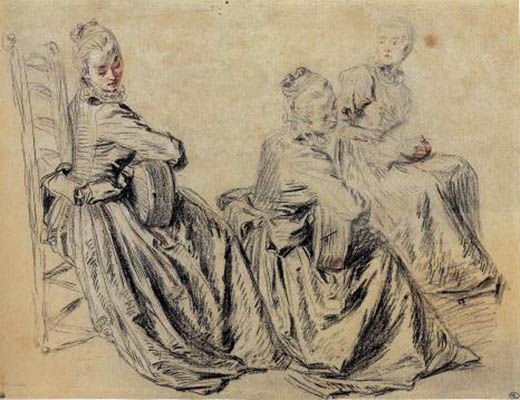
Figure 10 - Antoine Watteau, Study of a Woman playing a guitar, 1717 Model from different sides
In addition to Degas’ work, the exhibition offered a history of the Paris Opera Ballet, the world’s first professional ballet company (founded in the 17th century). We learned about the Salle Le Peletier, where Degas first painted musicians and ballerinas and which was the home of the Paris Opera from 1821 until it was destroyed by fire in 1873. Through drawings and moquettes,we learned about the building project of the Opera Garnier which opened in 1875. Models of stage sets enhanced our appreciation of the productions that have been mounted there. It was a rich and varied exhibition. The exhibition catalogue, which may still be available on you know what site, might be just the thing we need to get us through the shorter days and longer nights ahead. Below are a few links if you are interested in learning more about the lives of ‘les petits rats,’ the ballerinas Degas painted. Gros bisous, Dr. B.
(Erin Blakemore, https://www.history.com/news/sexual-exploitation-was-the-norm-for-19th-century-ballerinas, Deidra Kelly, Ballerina, Sex, Scandal and Suffering Behind the Symbol of Perfection, (2012) Lorraine Coons, Artiste ou coquette? Les petits rats of the Paris Opera Ballet, 2014)