Forever in vogue, forever reimagined
Or glamour, spectacle and tragedy - you decide
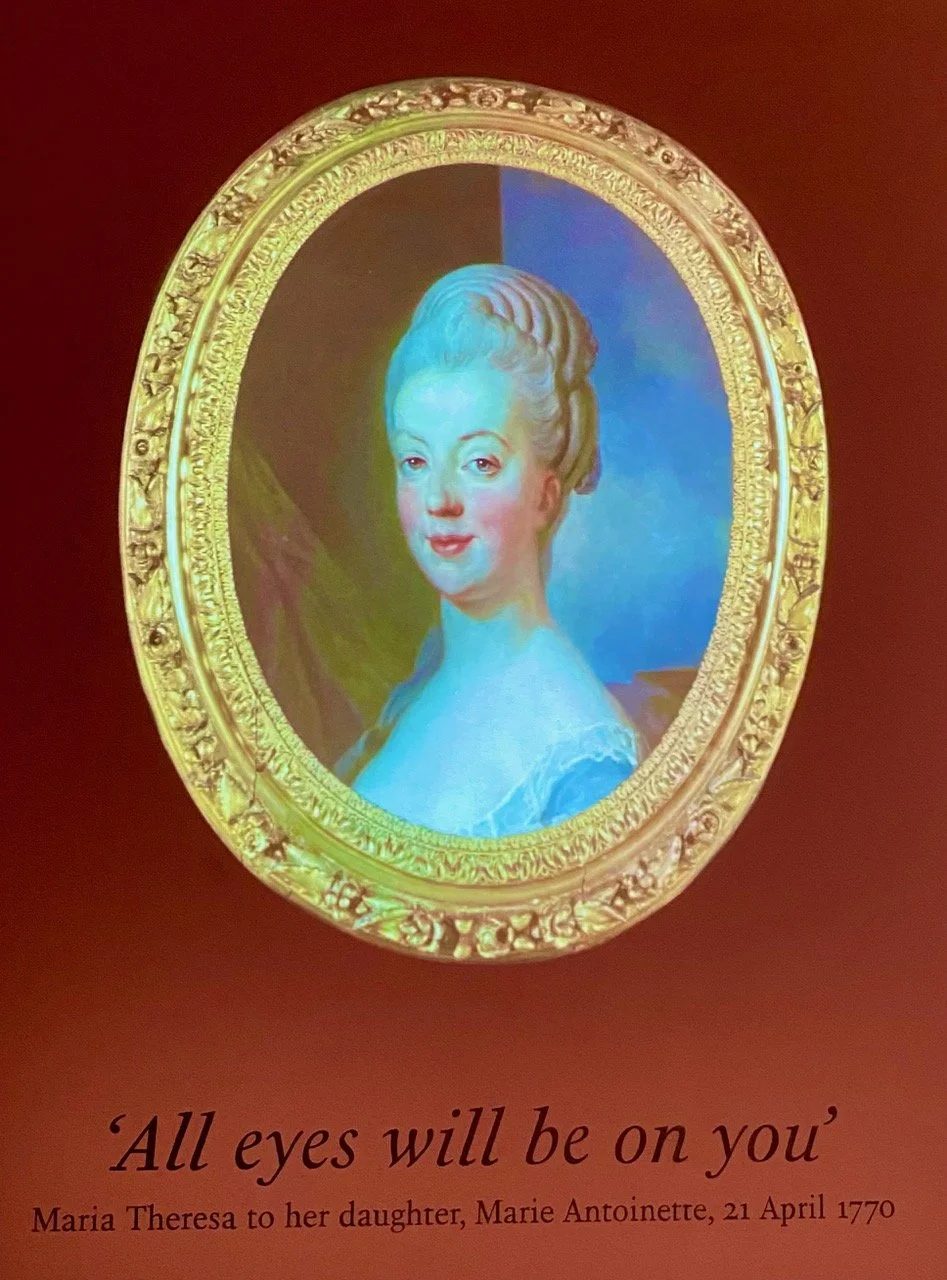
A mother’s warning, too often unheeded
Bienvenue and welcome back to Musée Musings, your idiosyncratic guide to Paris and art. When I first wrote about Marie Antoinette in 2019, after seeing and loving the exhibition at the Conciergerie, ‘Marie-Antoinette Metamorphosis of an Image,’ I declared that I am never as interested in the ‘real’ person as I am in the subsequent mythologizing of that person. But the exhibitions I have seen recently both in London and in Paris have me questioning that assertion. Because the way in which M-A’s life unfolds in these exhibitions shows that the mythologizing was there from the very beginning.
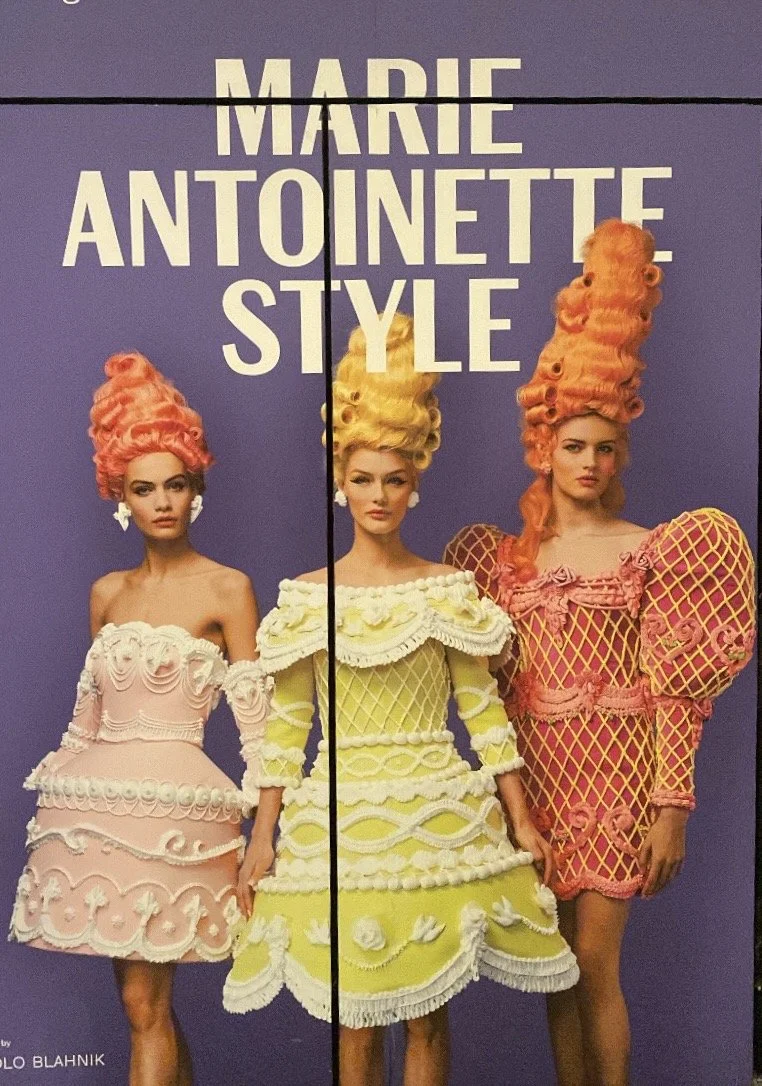
Marie Antoinette Style, Victoria & Albert, Door
The V & A exhibition was excellent preparation on virtually every count for the exhibitions I subsequently saw in Paris. To set them up for you, I will begin with the the V & A exhibition, which may be over but which survives, not just in the memories of those who saw it, but in a richly illustrated exhibition catalogue, Marie Antoinette Style. (Fig 1)
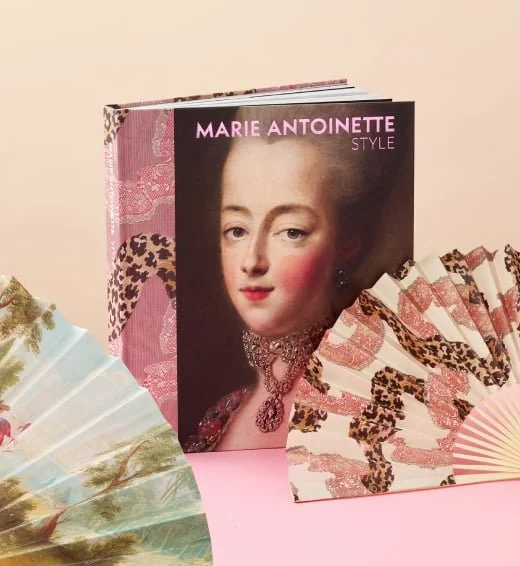
Figure 1. Marie Antoinette Style, exhibition catalogue with some of the ‘merch’ available at the Gift Shop
The exhibition at the V & A was sponsored by Manolo Blahnik. Maybe you own a pair or two of Manolo Blahnik shoes. Or maybe you remember his name from the television series, Sex and the City in which Carrie Bradshaw lovingly referred to her shoes as ‘Manalos.’ Or maybe you remember that Sofia Coppola called upon Mr Blahnik to design the mules and slippers Kirsten Dunst wore in Coppola’s 2006 film Marie-Antoinette, the edges of which Mr Blahnik hand-frayed himself. When asked why she chose Manolo Blahnik to design M-A’s shoes for her film, Ms Coppola replied “I thought he’s who Marie Antoinette would have ordered her shoes from.” Ms Coppola knows her cobblers, in the forward to the V & A catalogue, Mr Blahnik wrote, “There has not been a book about her (M-A) that I have not read, nor a film that I have not seen.” (Figs 2, 3)
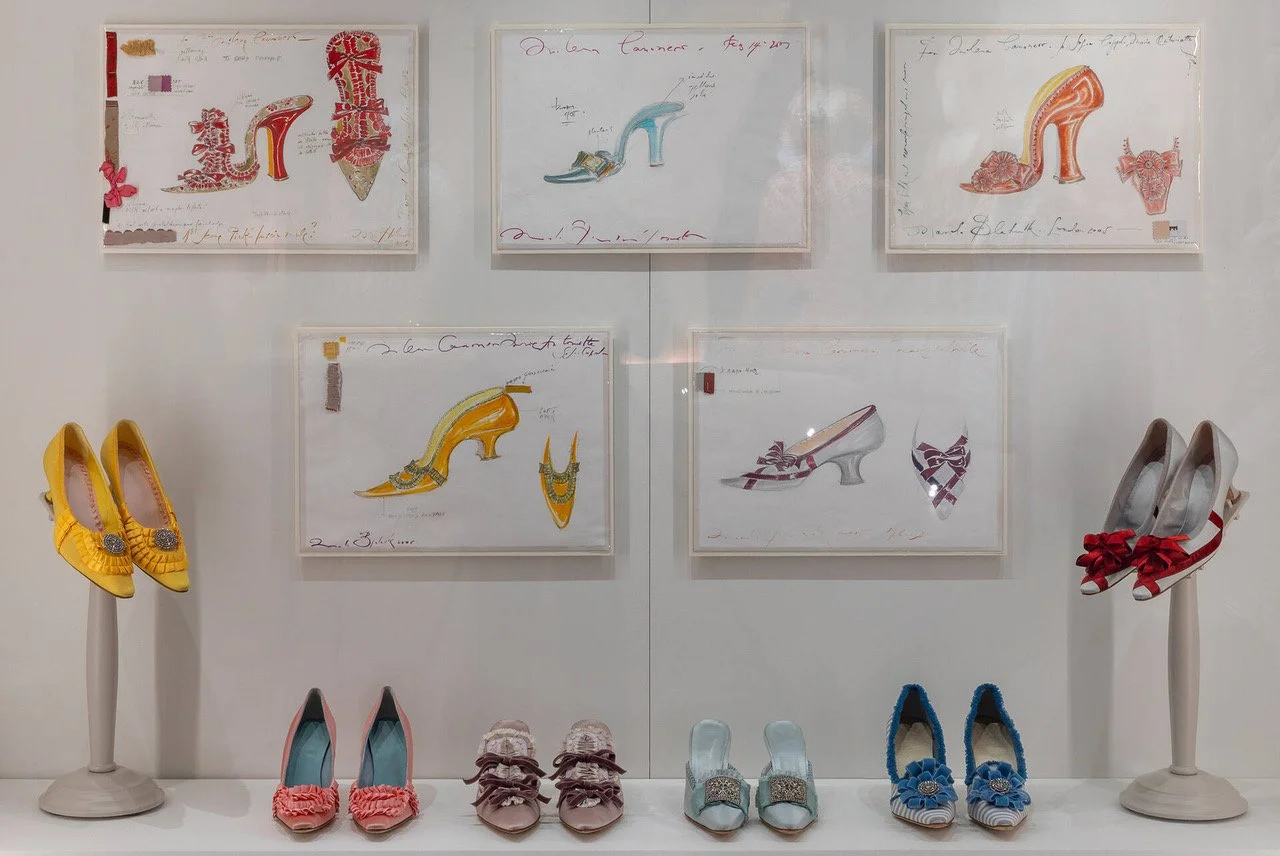
Figure 2. Sketches of shoes and shoes, Manolo Blahnik, Marie-Antoinette, V & A
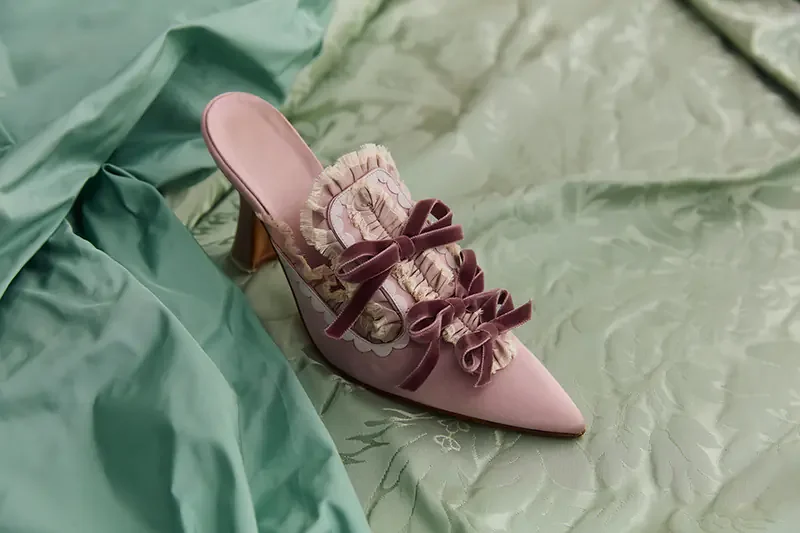
Figure 3. Shoes for V & A exhibition, Manolo Blahnik
The exhibition at the Victoria & Albert begins with the style queen herself. Contextualizing M-A in time and place, documenting her rise to the heights of fashion stardom, recording her fall from grace - a victim of political machinations and intrigue not entirely of her own making. As one reviewer noted, as her husband and his ministers were bankrupting the country (in large part by funding the American rebellion against their enemy, the English) Marie Antoinette was staying out of sight, quietly playing shepherdess at the Petit Trianon.
Once M-A’s head rolled off its royal neck, the style icon’s afterlife takes center stage. The V & A’s aim was to show “how Marie Antoinette, the person, shaped not just the dress, design and interiors of her own time but has continued to exert an influence over the past 232 years of decorative arts, fashion and film. This is the design legacy of an early modern celebrity and the story of a woman whose power to fascinate has never ebbed.” 232 is the number of years between the queen’s beheading and the opening of the exhibition at the V & A. Her influence began earlier than that, of course, in 1774, the year she became queen, 252 years ago - a quarter of a millennium of influence.
Jonathan Jones (Guardian) called the exhibition “a superb lesson in how history can be understood through images and objects.” Which, for a person with an M.A. in ‘Material Culture,’ (aka stuff) is music to the ears. Images, like words, are there, waiting to be read and interpreted. Dominic Green (WSJ) writes that the exhibition “brings you as close as it’s possible to get to the real Marie Antoinette,” who he identifies in a burst of alliteration as the “foreign-born fall girl for a failed state.” In the exhibition, we mostly meet the mythologized M-A and the mythologizing began immediately - fueled on the one hand by a fashion industry focused on luxury goods and on the other, by critics always ready to take pot shots at the Austrian princess.
The exhibition began by asking this obvious question: what did Marie Antoinette look like? The curators consulted the Queen’s favorite painter, Elizabeth Vigée Le Brun, for the answer. She described the young queen in her memoir this way, “Marie Antoinette was tall, with an admirable figure, rather plump, but not too much so. Her arms were superb, her hands small and perfectly formed, her feet were charming |…] Her features were not regular; she inherited the long and narrow oval face peculiar to her Austrian nationality. Her eyes were rather small, their color was nearly blue; her expression was intelligent and gentle. Her nose was small and pretty, and her mouth was not too big.. But the most remarkable thing about her face was the brilliance of her complexion.” (Figs 4-6)
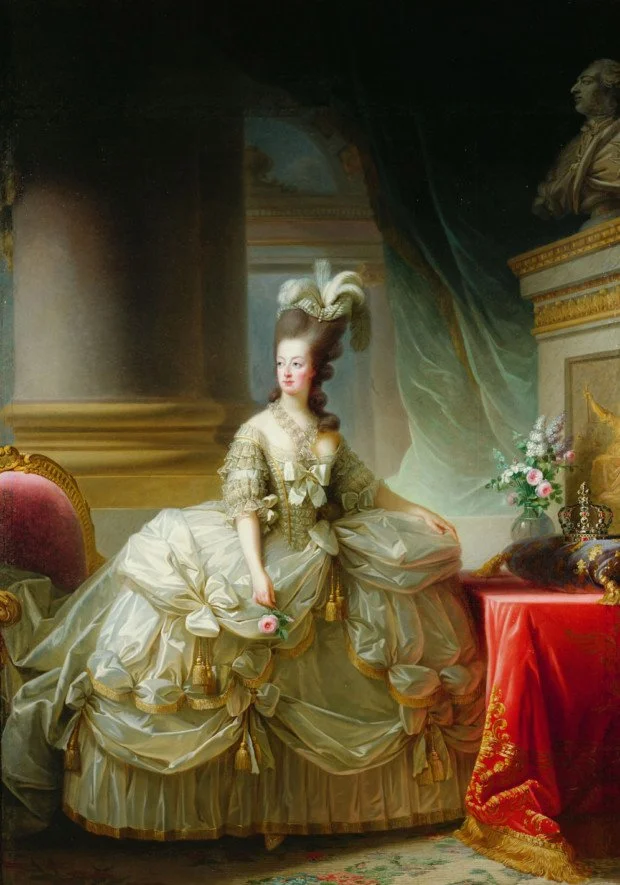
Figure 4. Marie Antoinette, Elizabeth Vigée Le Brun, 1778. MA "wears official court dress and the velvet mantle and the crown (emblems of royalty), are on the table at a her side. The plain white silk satin fabric of her gown takes a traditional ensemble and transforms it into something stylish and contemporary.” (Text from MA Style, V & A)
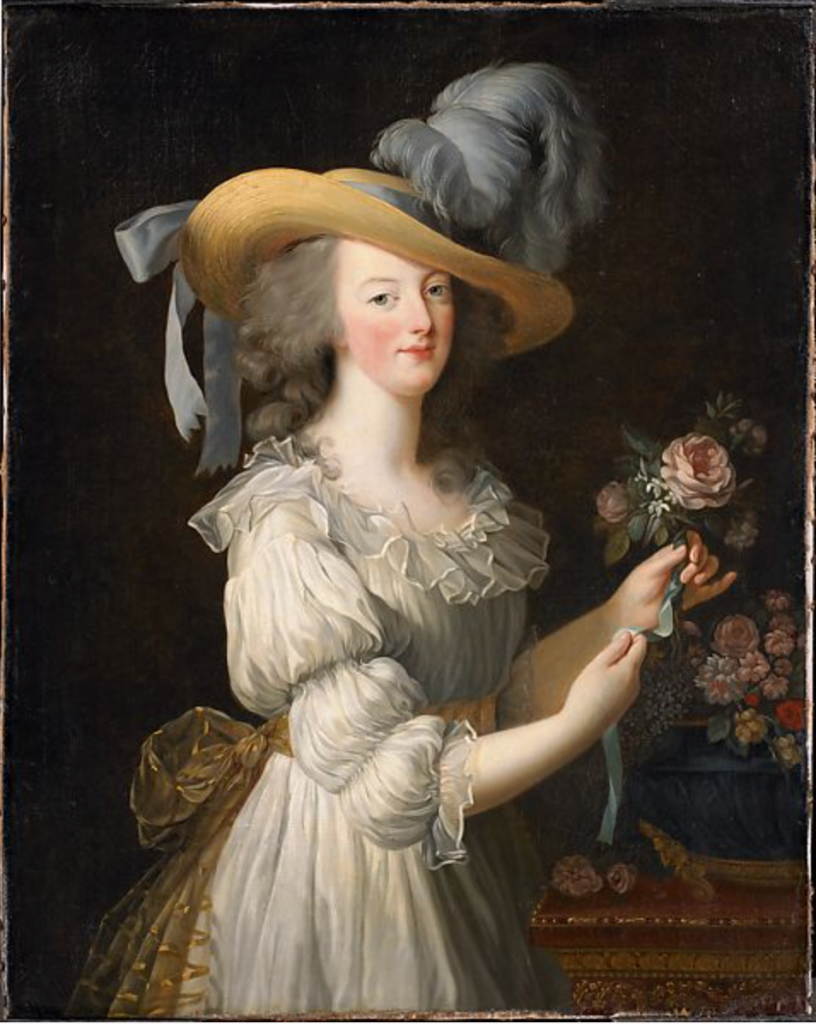
Figure 5. Marie Antoinette, 1783, Elizabeth Vigée-Le Brun
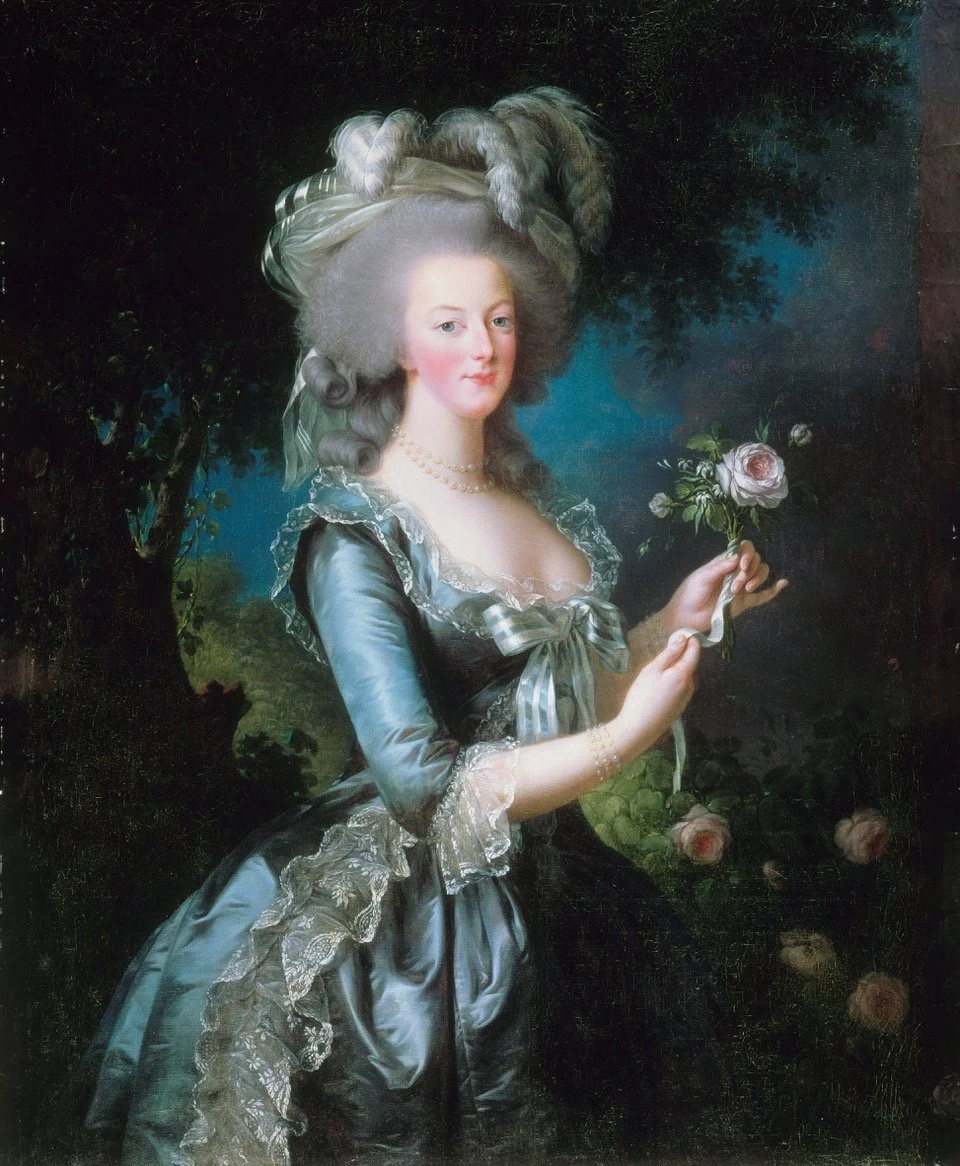
Figure 6. Marie Antoinette, 1783, Vigée Le Brun, this portrait replaced Fig. 5, which was seen as too informal because of the material of the dress
The second gallery, called “A Style Icon,” is a dark room twinkling with mirrors that permit you to see the many gowns on display from both fore and aft, their elaborate fronts and their impressive backs. M-A arrived at the French court at age 14 (1769). For the next 20 years, whatever M-A wore wherever she went was inspected, dissected and copied. As the curators note, the dress code at court was rigid, yet M-A found ways to use it as a spring board ‘for bold new styles.’ She played around with the code, made it her own.
Apparently, if you were interested and you could get there, M-A’s clothes were on display at Versailles. If that sounds a little over the top, Dominic Green (WSJ) notes that Queen Elizabeth II said (at least once) “I have to be seen to be believed.” And not to be outdone by any 18th century French queen, ’Queen Elizabeth II: Her Life in Style,’ has just opened at Buckingham Palace. The exhibition includes gowns from all 10 decades of the Queen’s life. According to the exhibition’s curator, the Queen wore bright clothes so she could be spotted in a crowd. (Fig 7) These days, our style icons are mostly actresses whose gowns are analyzed on the red carpets they walk-Hollywood, Cannes, Met Gala.
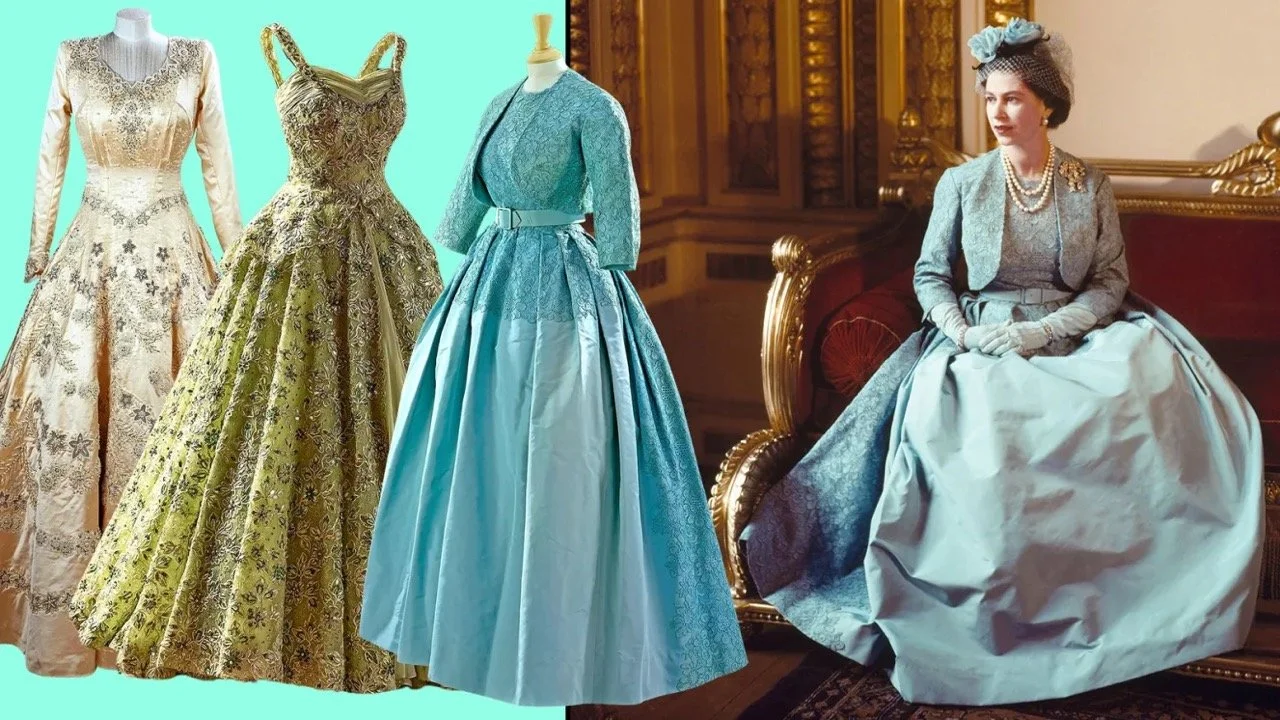
Figure 7. Queen Elizabeth II: Her Life in Style, Buckingham Palace exhibition
Until the late 1780s, M-A changed her wardrobe every year. Her ladies in waiting then chose amongst ‘last year’s gowns’ the ones they wanted for themselves, to keep or sell or repurpose. What gowns M-A still had at Versailles were damaged in 1789 when a mob invaded the palace; what remained of those were damaged or destroyed in 1792 when the Tuileries palace, where the royal family had been taken, was attacked as the king and queen with their children were transported to the Temple prison. After her imprisonment and execution, what little was left was scattered. There is a small sampling of the very few authenticated M-A garments in the V & A exhibition, but not her corset. I’ll tell you why in a moment. Portraits of M-A and gowns worn by others have to suffice. There are robes a la française, robes a la anglaise and robes a la polonaise. And a handy primer for telling them apart and when they were worn. Among the gowns, there is one that the Queen of Sweden wore for her wedding. It is thought that M-A’s wedding gown would have been similar. Also on display is a wardrobe book from the Archives Nationale in Paris that contains samples of the 101 dresses that M-A ordered in 1782. (Figs 8-14)
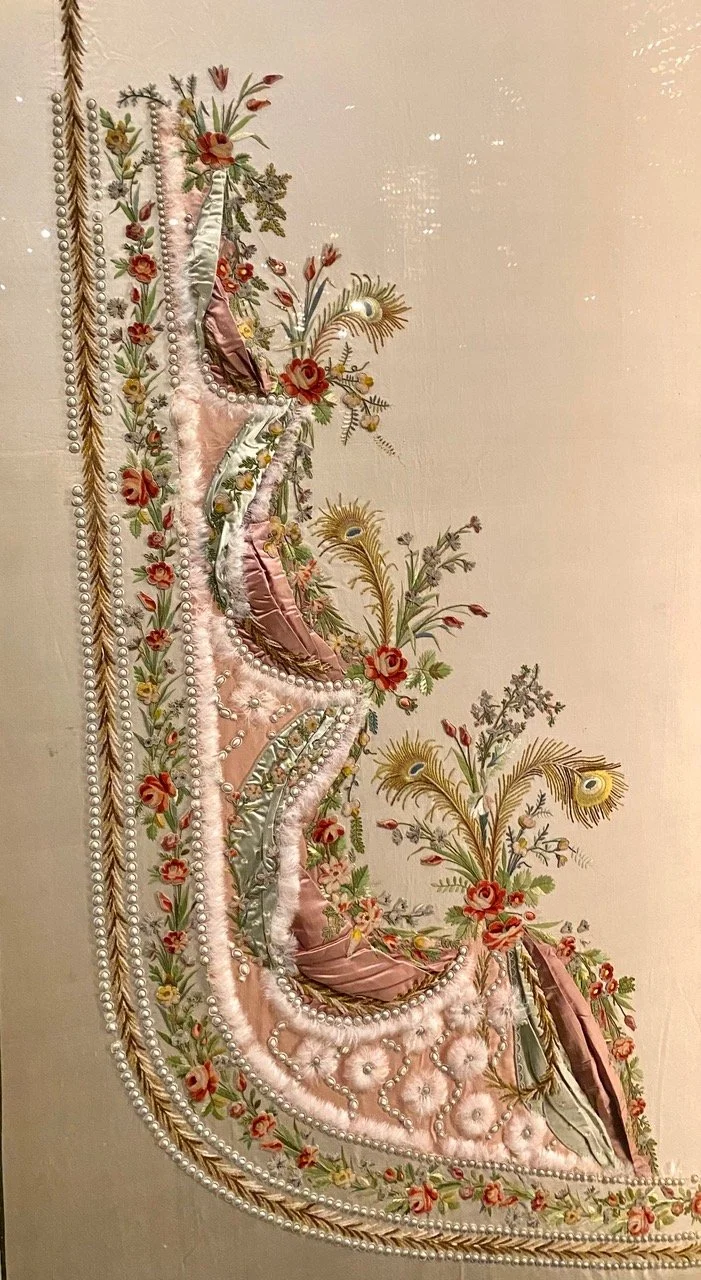
Figure 8. Fragment of a dress worn by Marie Antoinette
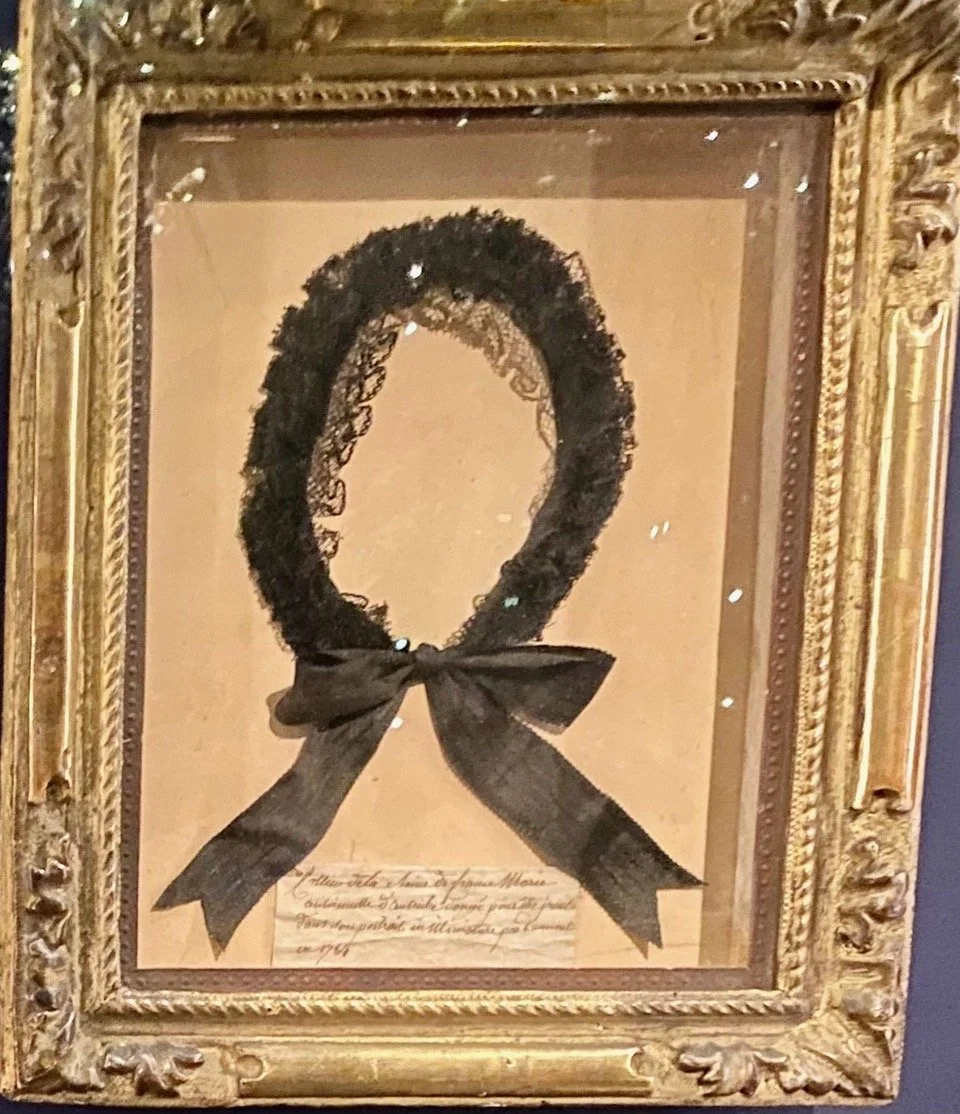
Figure 9. Colleret worn by Marie Antionette
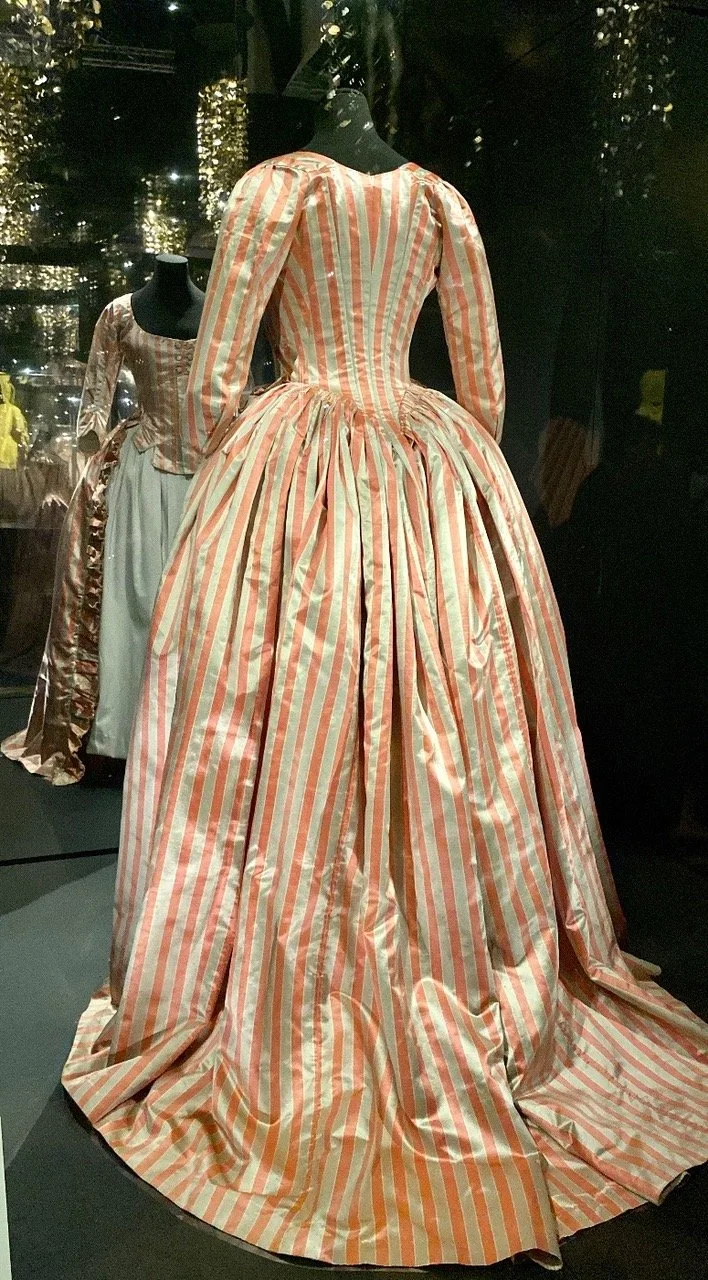
Figure 9. Mirrors allow you to see gowns both fore and aft
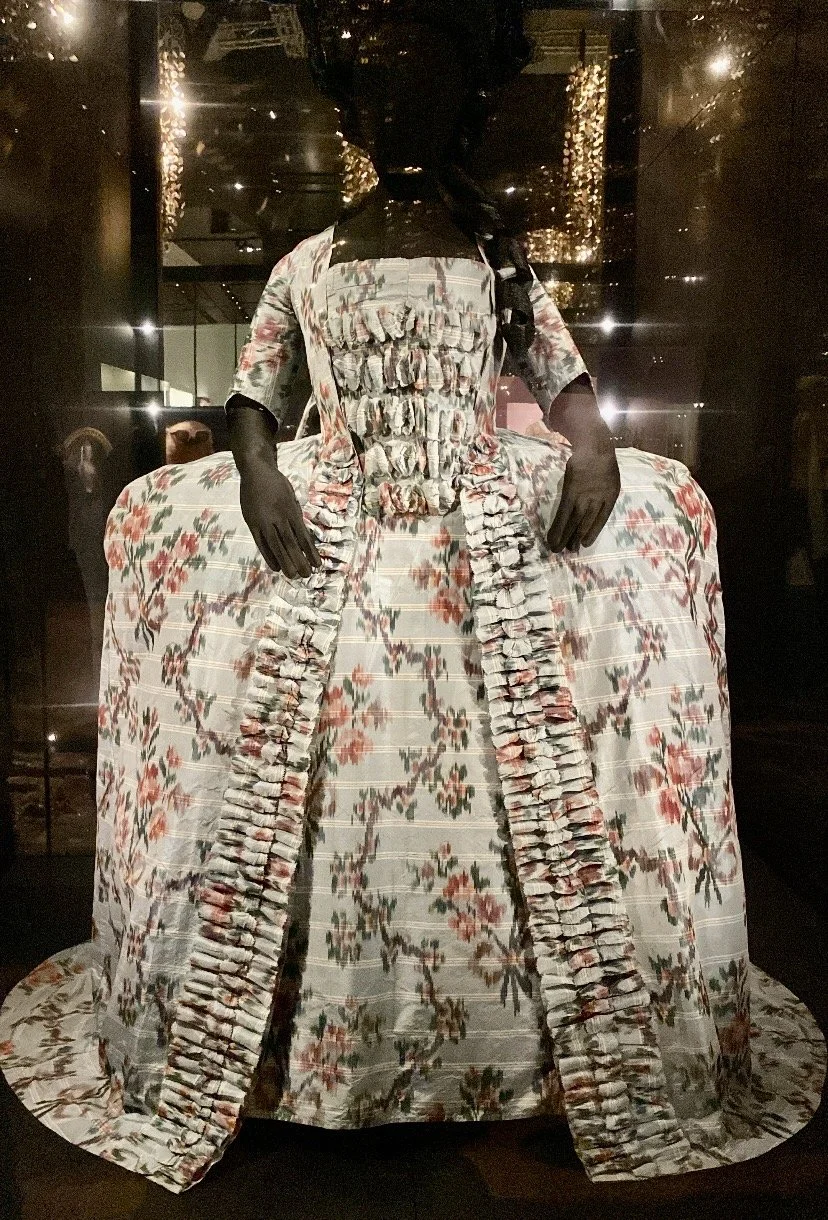
Figure 10. Robe a la Française
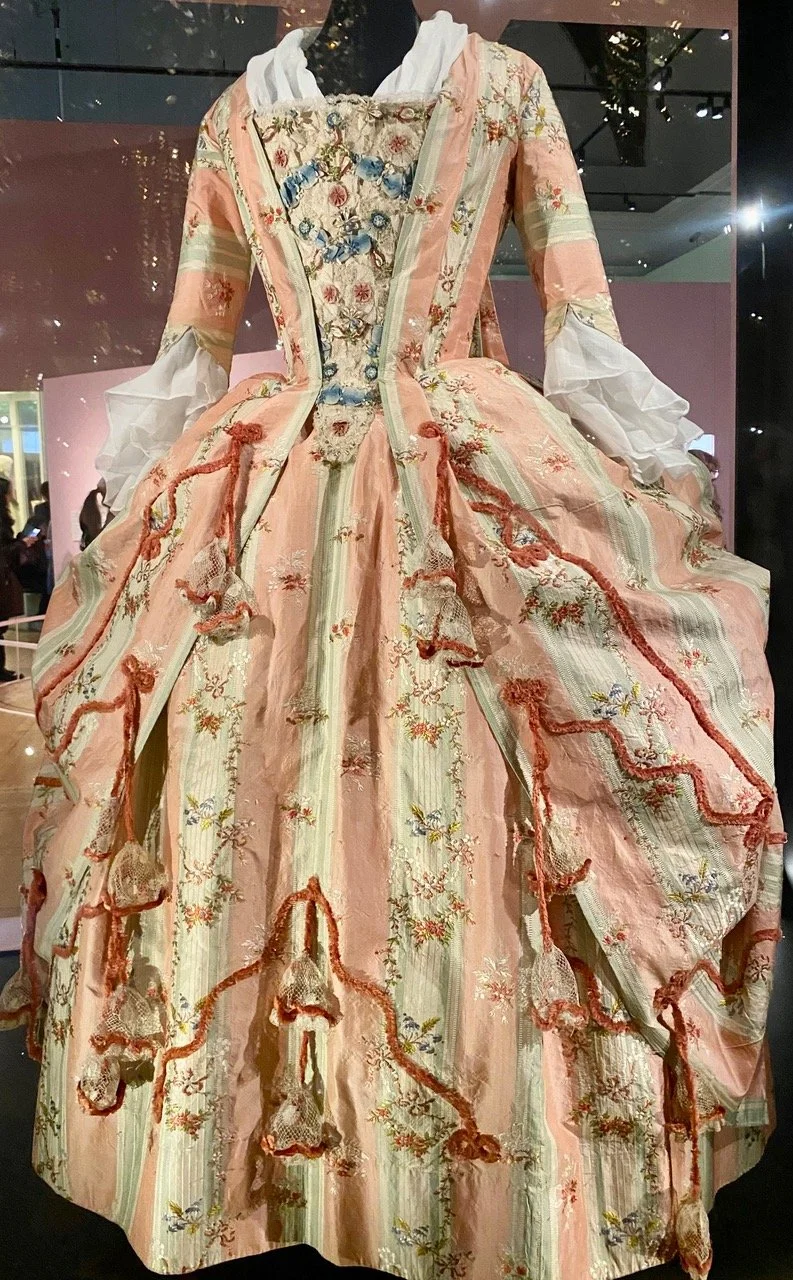
Figure 11. Robe a la Polonaisse
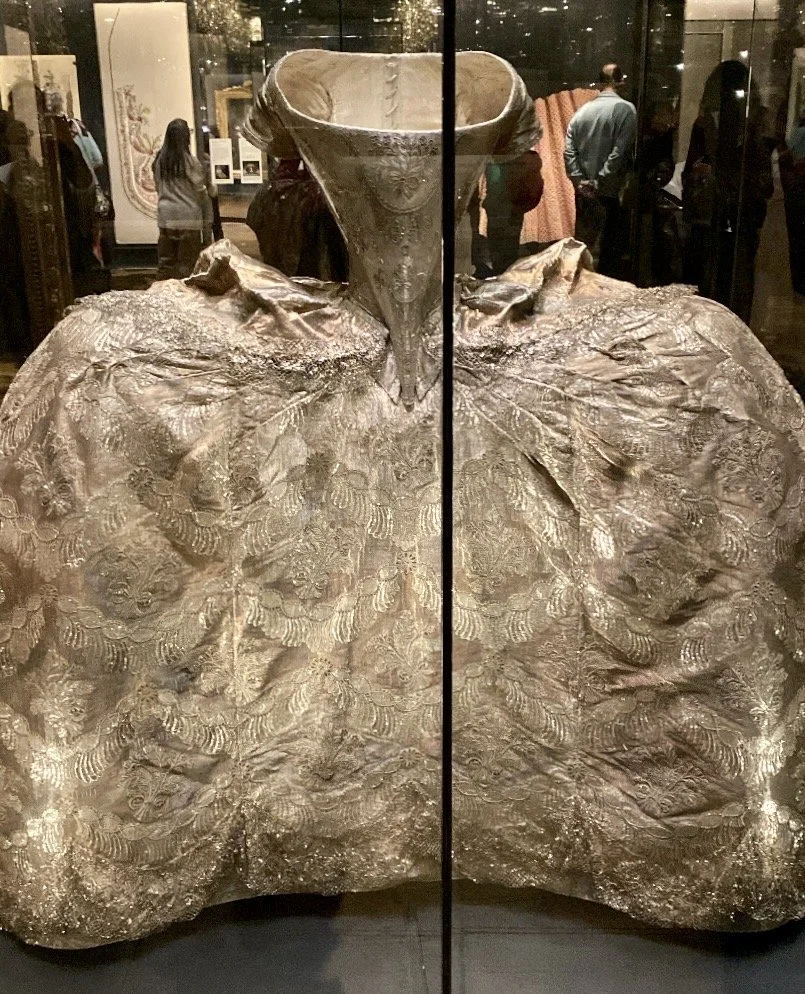
Figure 13. Queen of Sweden’s Wedding Dress which is similar to the one which would have been worn by MA
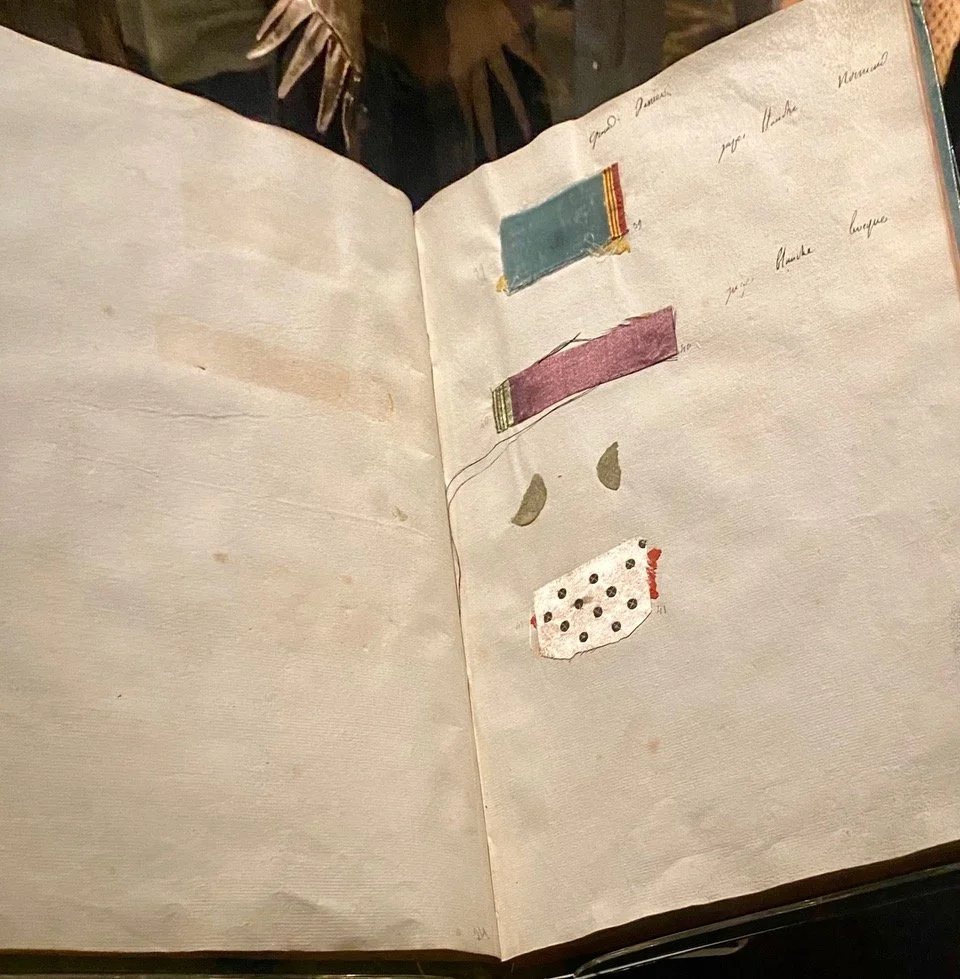
Figure 14. One of the 101 pages of fabric samples for the 101 dresses Marie Antoinette ordered in 1782
The section called ‘Styling the Queen’ introduces us to the people whose job it was to create the queen’s ‘look,’ These were the female milliners/marchandes de modes (hat makers/fashion merchants) and the coiffeurs. The marchandes de modes was a short lived Parisian guild (1776-1791) for the women who created ornaments for hairdos, hats and dresses. (Fig 15) The guild played a dominant role in the French fashion industry for 15 years, from its inception until the guild system was abolished in France in 1791.
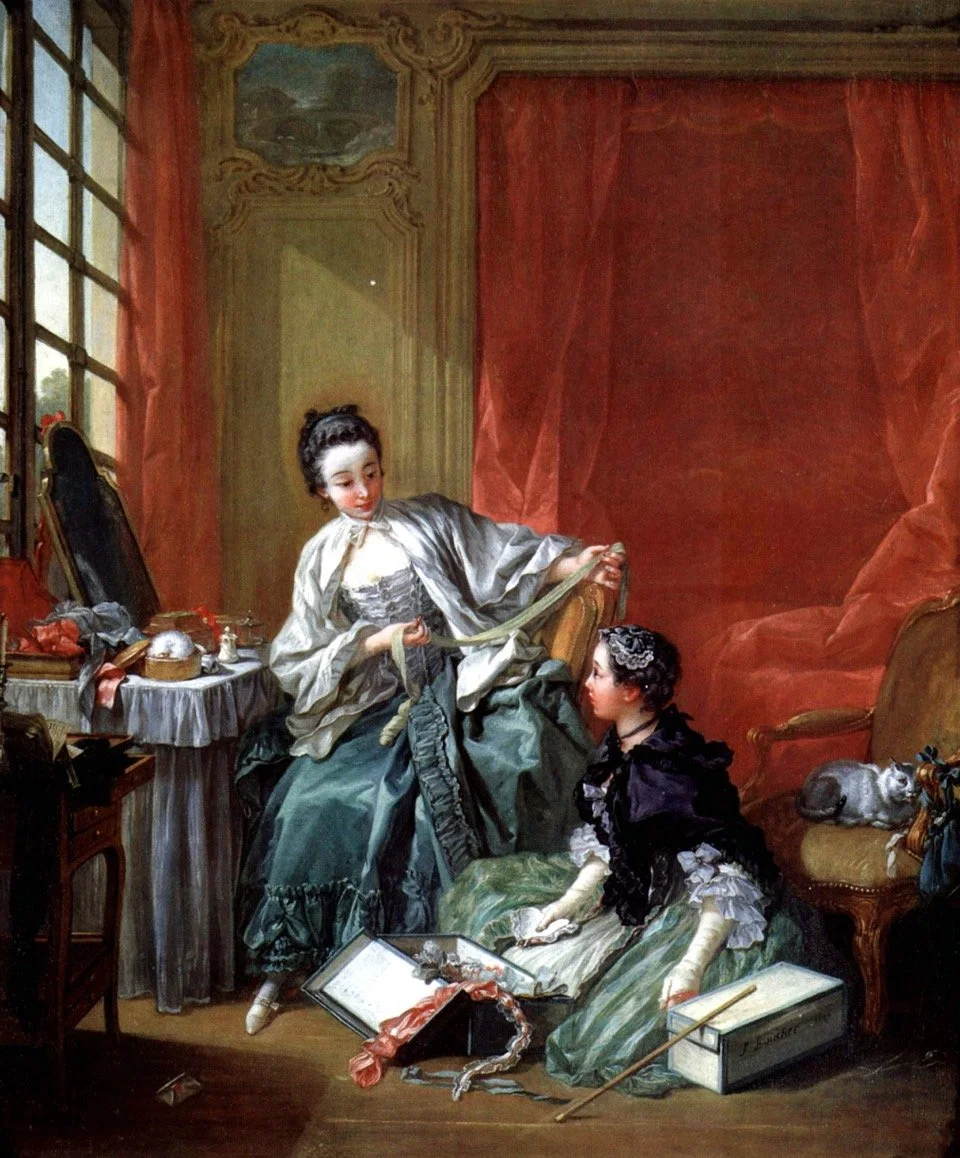
Figure 15. Consulting with Marchande de modes, François Boucher, 1775
The curators liken the role of the milliners/fashion merchants to that of modern-day stylists. They were the ones who ‘punched up’ M-A’s clothes by adding the trimmings to the gowns her dressmakers created. They were the ones who completed her ensembles with hats, fans, lace and jewels. The most famous of these women was Rose Bertin (Fig 16) who M-A called the ‘Minister of Fashion.’ Through sheer drive and talent, she rose from humble beginnings to become a respected and acclaimed designer. Like M-A, today’s actors, celebrities and influencers all have their ‘own stylists.’ Maybe the only new thing is that now women in the spotlight have their own personal trainers.
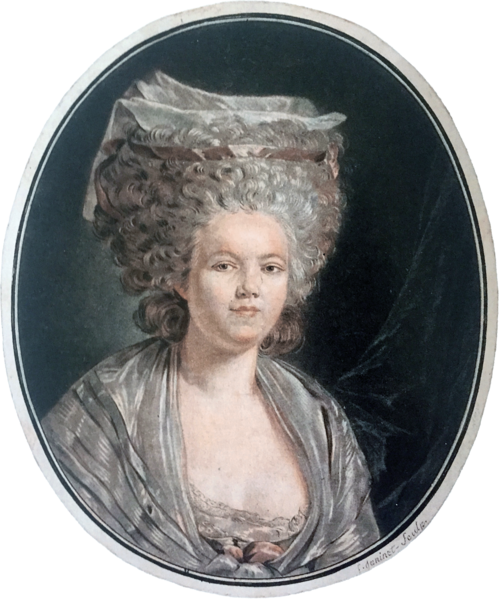
Figure 16. Rosa Bertin, the most famous and most successful Marchande de modes, she was Marie Antoinette’s stylist
During M-A’s reign, hairdressers prepared the stage for the milliners. M-A’s hairdresser, Léonard Autie styled her hair with extensions, pomade and powder. Then Rose Bertin took over and put whatever wire and silk poufs she created to put on top. Poufs were beautiful and topical. One of M-A’s poufs depicted the queen's morning ritual, another celebrated a naval victory in the American Revolution. Cartoonists made fun of M-A’s elaborate hairstyles, good preparation if any was needed for the cruelty of the satires that lay ahead. (Figs 17-22) In this section, too we see Toile de Jouy fabrics, the designs of some of which celebrated events of the day. Topical subjects could get tricky and did, as the heroes of one moment became the villains of the next. (Figs 23, 24)
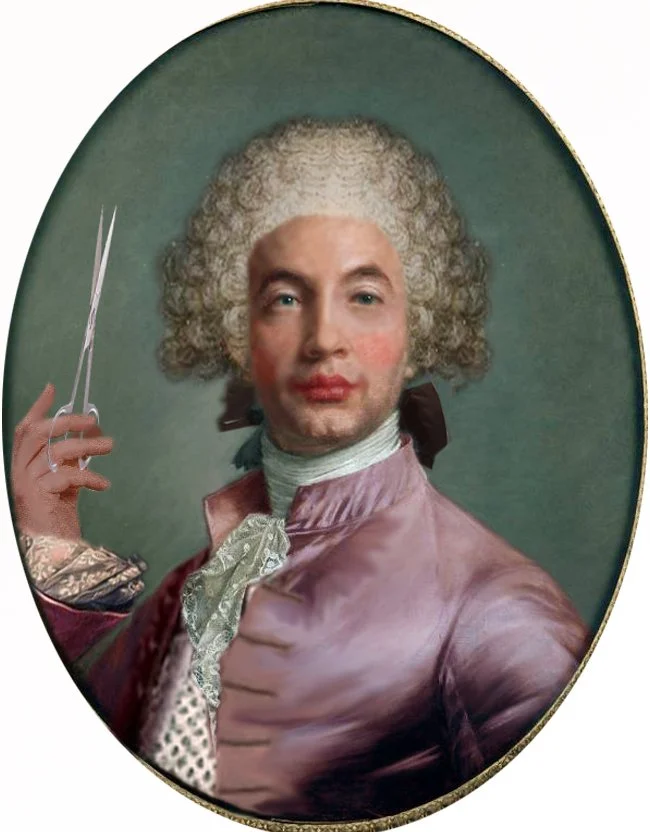
Figure 17. Leonard Auti, Marie Antoinette’s coiffeur
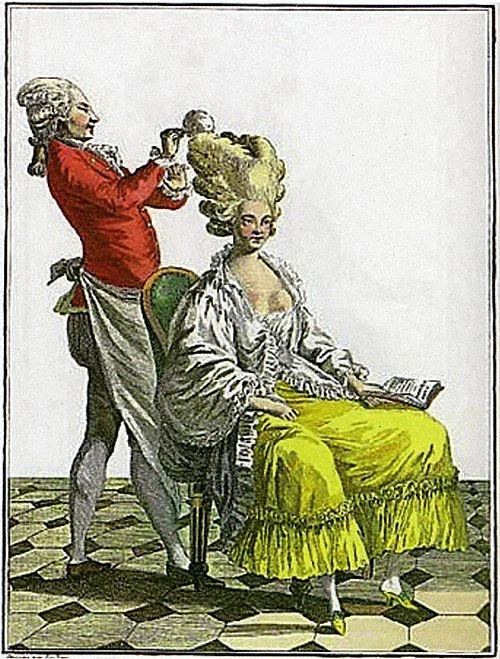
Figure 18. Leonard doing a woman’s hair
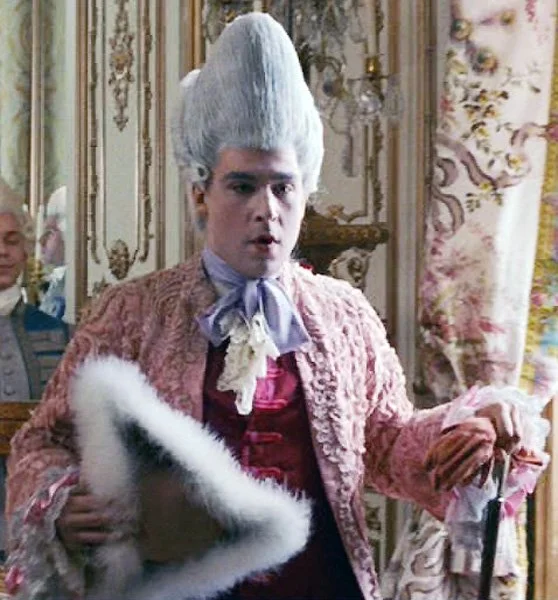
Figure 19. Leonard Auti in Sophia Coppola’s Marie Antoinette, 2006
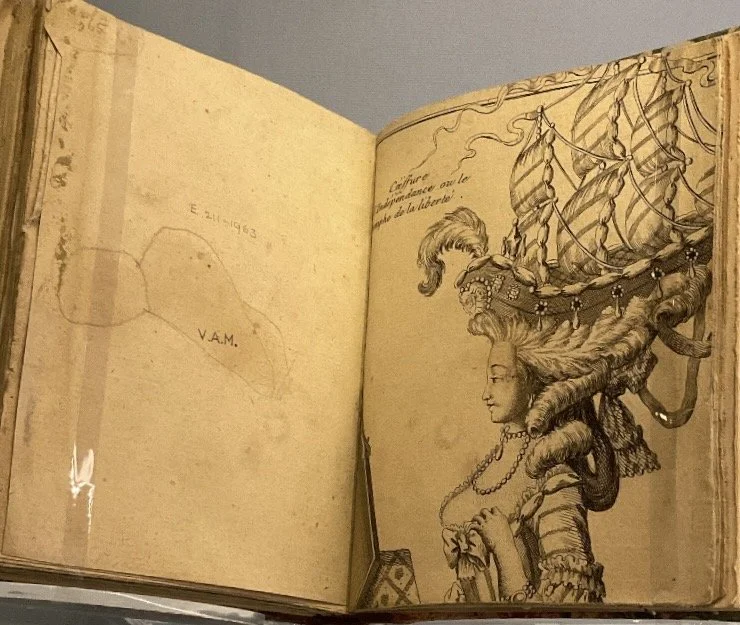
Figure 20. Drawing of ‘pouf’ Marie Antoinette wore celebrating Naval Victory during American Revolution
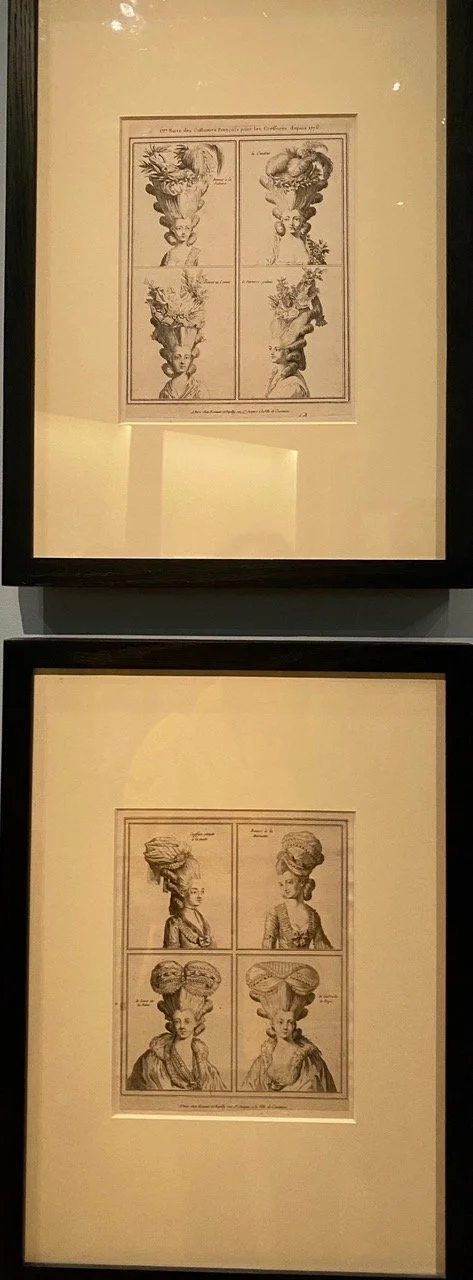
Figure 21. Two pages from a book of ‘poufs,’ hairstyles
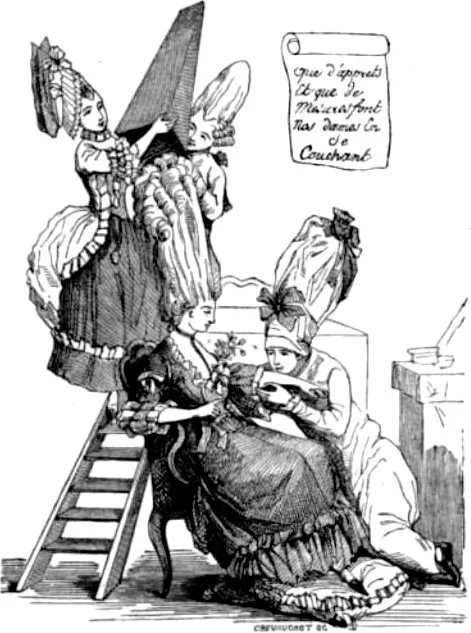
Figure 22. Caricature (one of many) of Marie Antoinette’ ‘poufs’
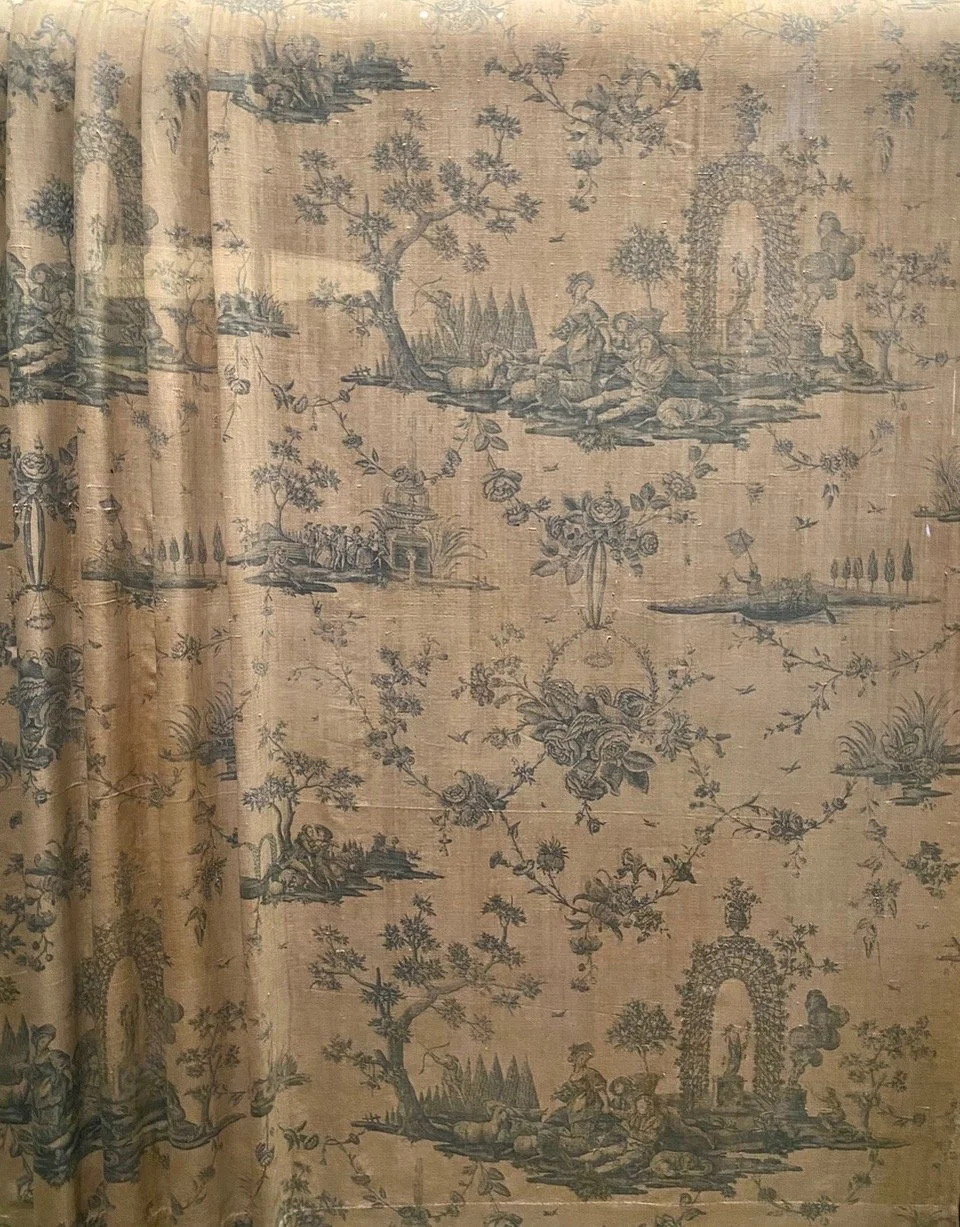
Figure 23. Bucolic Scene, Toile de Jouy
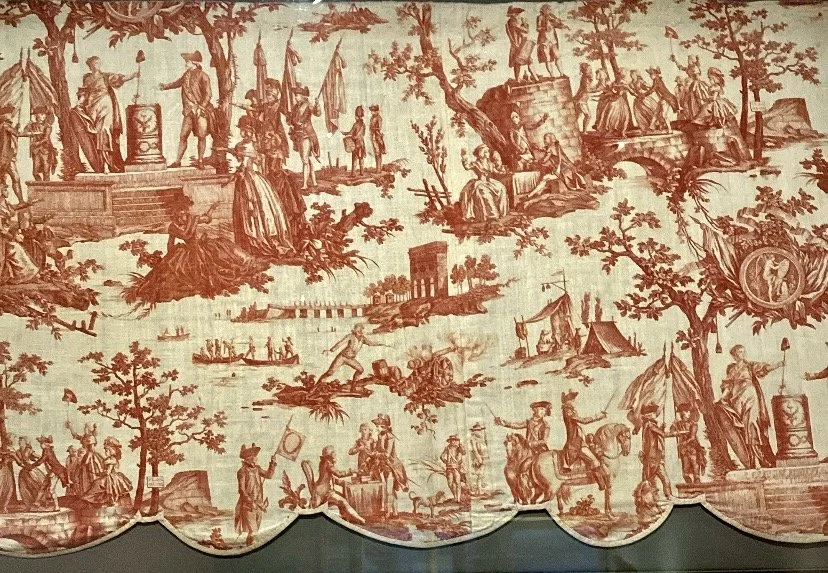
Figure 24. Festival of Federation, Toile de Jouy, 1790
In 1775, Empress Maria Theresa of Austria wrote the following to her daughter, the Queen of France, "Likewise I cannot help but touch upon a point that many of the papers repeat to me too often: it is the hairstyle that you wear. They say that from the roots it measures 36 pouces high (36 inches or 91.44 cm) and with all the feathers and ribbons that hold all of that up! You know that I have always been of the opinion that one should follow fashion moderately, but never carry it to excess. A pretty young queen full of charms has no need of all these follies. Quite the contrary. A simple hairstyle suits her better and is more appropriate for a queen. She must set the tone, and everyone will hurry to follow even your smallest errors…” M-A should have listened to her mom…..
There is a section, called “Enchanted Escape,” about Le Petit Trianon. When King Louis XVI gave Le Petit Trianon to M-A., she immediately began to transform it. Louis XV's botanical gardens became an Anglo-Oriental garden. The interiors were simplified and it became a private retreat. According to the curators, in its meandering English gardens and rustic village hamlet, the queen adopted streamlined fashions and a lifestyle that paid homage to the pleasures of the countryside. She commissioned music from the best composers and staged entertainments and concerts. (Figs 25-27)

Figure 25. Marie Antoinette and two of her children at Petit Trianon, 1784, Adolf Uldrik Wertmuller
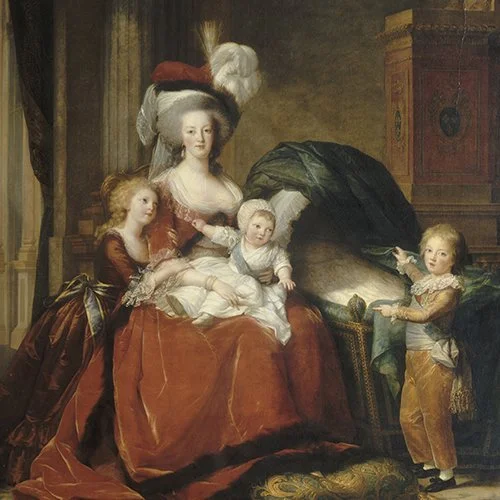
Figure 26. Marie Antoinette and her children, A more formal portrait as MA’s popularity was at an all time (at the time) low Elizabeth Vigée Le Brun, 1787
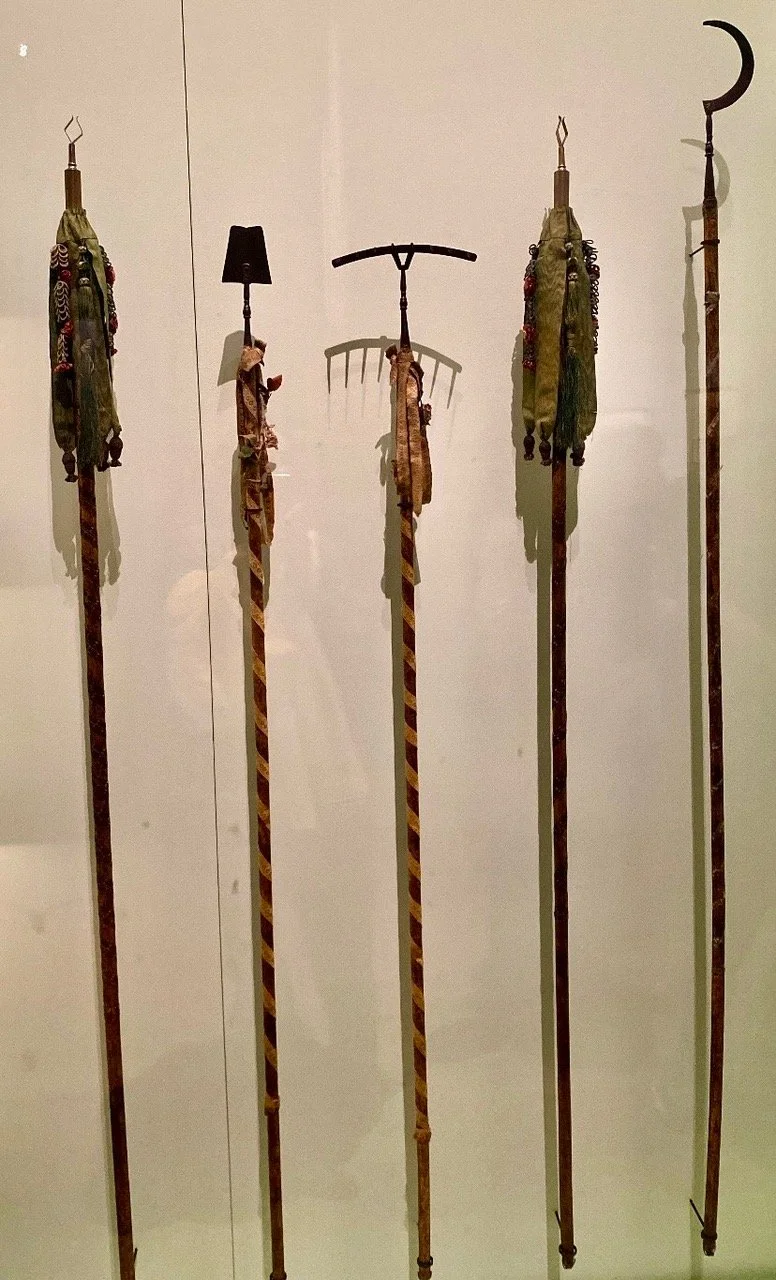
Figure 27. Gardening Props for a performance held at Le Petit Trianon
And then, just like that, it was all over for the glam queen. The Shepherdess of Le Petit Trianon became the Wicked Witch of France. The 2,842 carat diamond necklace of the Diamond Necklace Affair played a part in her vilification. A replica of the necklace is on display at the V & A. (Fig 28) Not because the original wasn’t available but because the original is no more. Louis XV originally ordered the necklace for his mistress, Mme du Barry. It took the jewelers several years to find all the diamonds they needed to create the necklace. But it was still at the jewelers (unpaid for) when Louis XV died. As soon as he became King, Louis XVI sent Mme du Berry packing. But what about the necklace the royal jewelers asked. Louis XVI offered it to M-A. But she didn’t want something that had been intended for a woman she despised. She allegedly told the king that he should use the money for ships for the navy rather than diamonds for the queen.
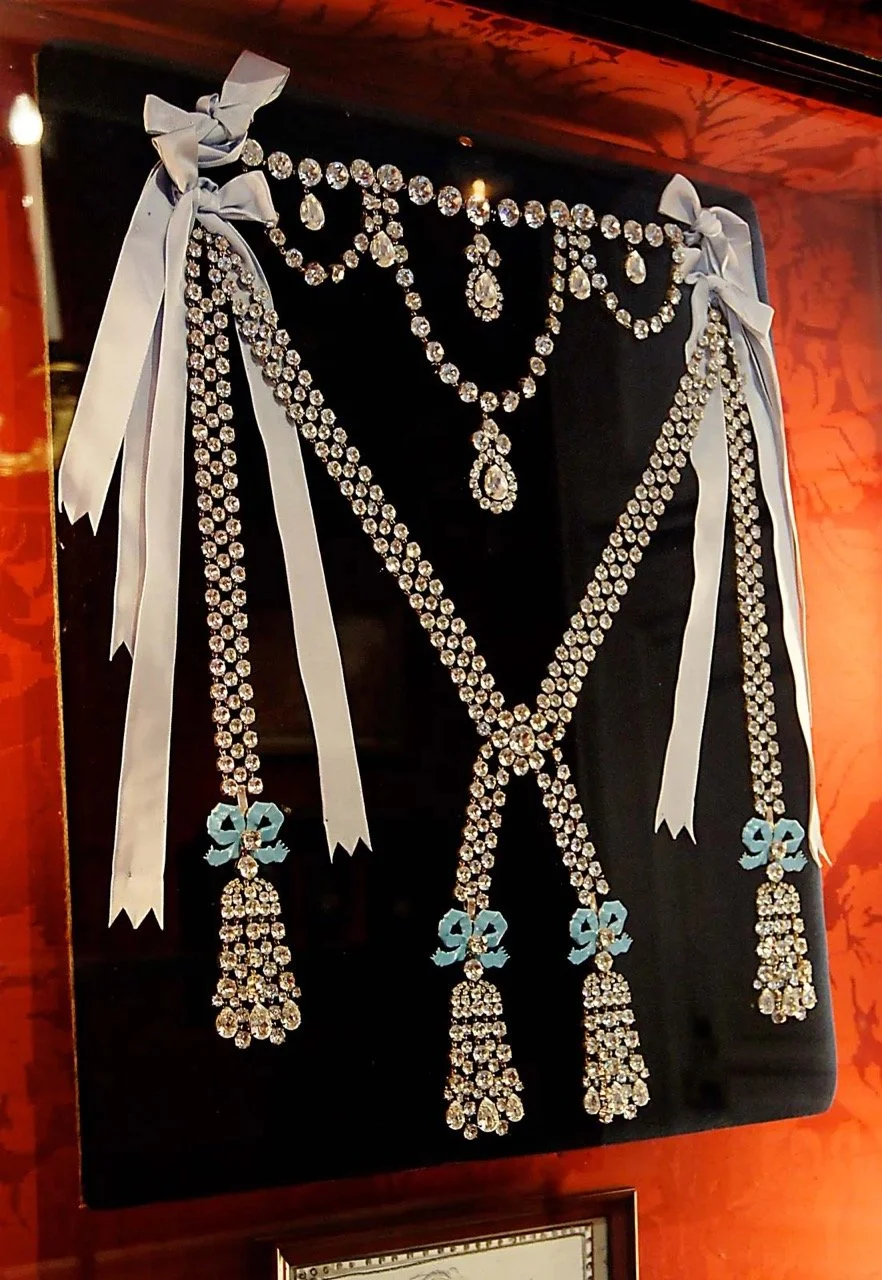
Figure 28, Diamond Necklace replica from Diamond Necklace Affair
Then someone posing as M-A’s agent took (stole) the necklace from the royal jewelers. M-A was implicated in a theft in which she played no part. And even though the culprit admitted her crime, the Diamond Necklace Affair irreparably damaged M-A’s reputation. The necklace could not be returned. The thief had taken the diamonds out of the necklace and her husband had taken the diamonds out of the country to be sold. “The event remains historically significant as one of many that led to the French disillusionment with the monarchy, it was one of the .. scandals that gave moral weight and popular support for the French Revolution.”
A warning that the subject may not be suitable for everyone is posted on the wall before you enter a tiny room in which obscene, sexually explicit cartoons defame the Queen. The queen wrote this to her mother, ”The gazette writers and novelists know more about my [private life] than I do.” The cartoons are like the ones I saw at the Marie Antoinette exhibition at the Concergerie in 2019. As I noted then, salacious images of the queen abounded as the country headed toward Revolution. One historian suggested that they were the kinds of attacks usually reserved for the King’s mistresses. Louis XVI had no mistresses so the attacks were all heaped upon this queen. In plays, pamphlets and prints, M-A is shown having sexual relations with the Marquis de Lafayette, a priest, her ladies in waiting and a host of barnyard animals. Not only did these attacks heap disdain upon the queen, by questioning her fidelity to the king, they questioned the paternity of her children and their right to the French throne. And then, we are in a “dark octagonal chamber where her imprisonment and execution are described.” A guillotine blade is here, said to be from the family of the executioner himself. There is a print of her head being held aloft. And a wax death mask from Mme Tussauds in London. (Figs 29-33).
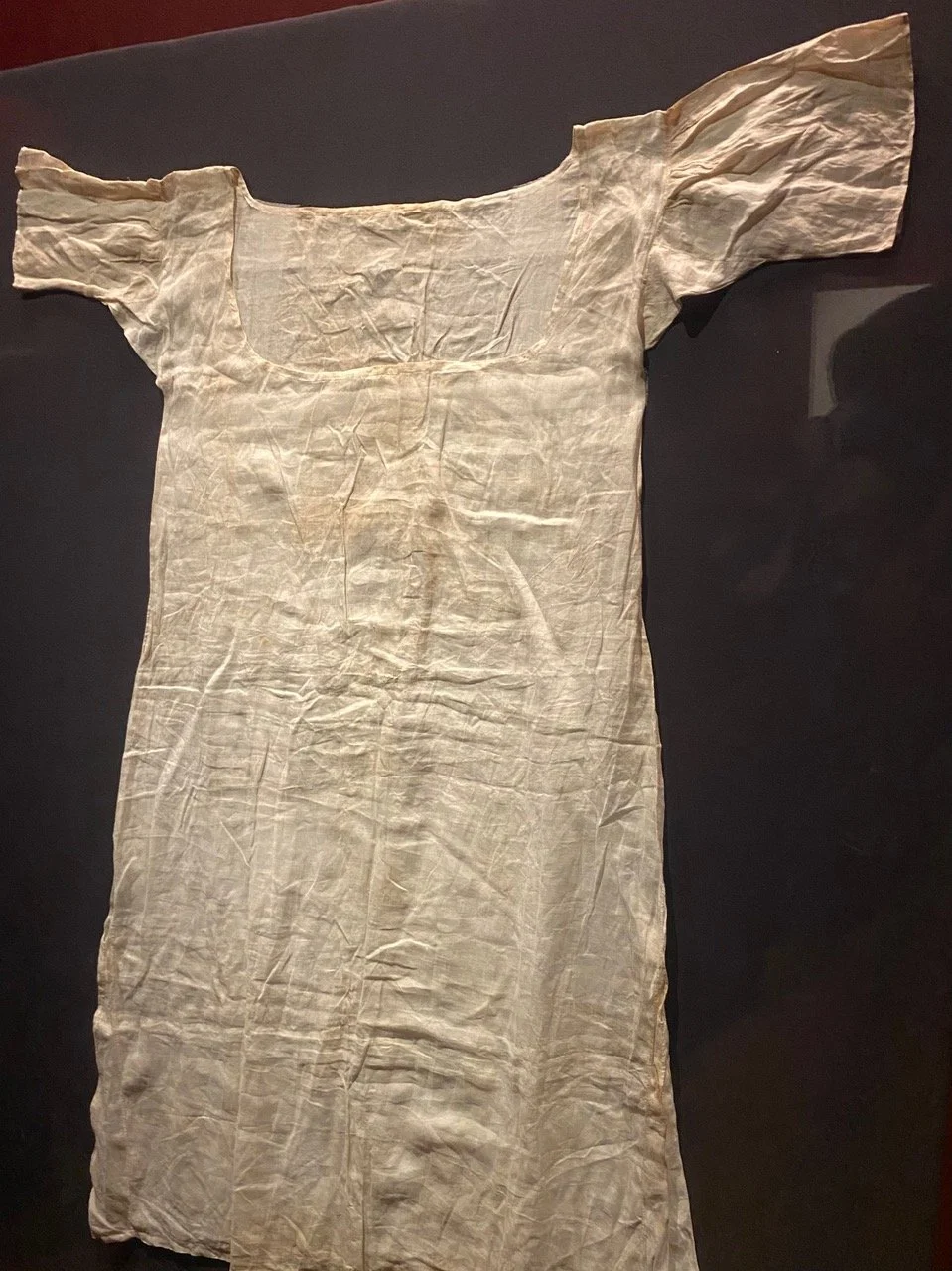
Figure 29. Prison Chemise, what Marie Antoinette wore in prison
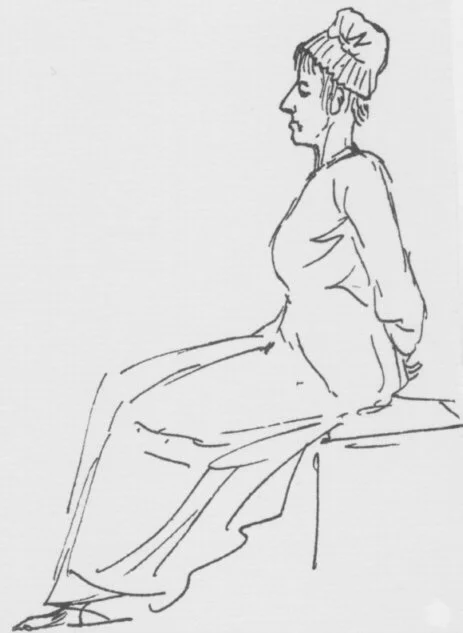
Figure 30. Marie Antoinette on her way to execution, Jacques Louis David sketch, 1793
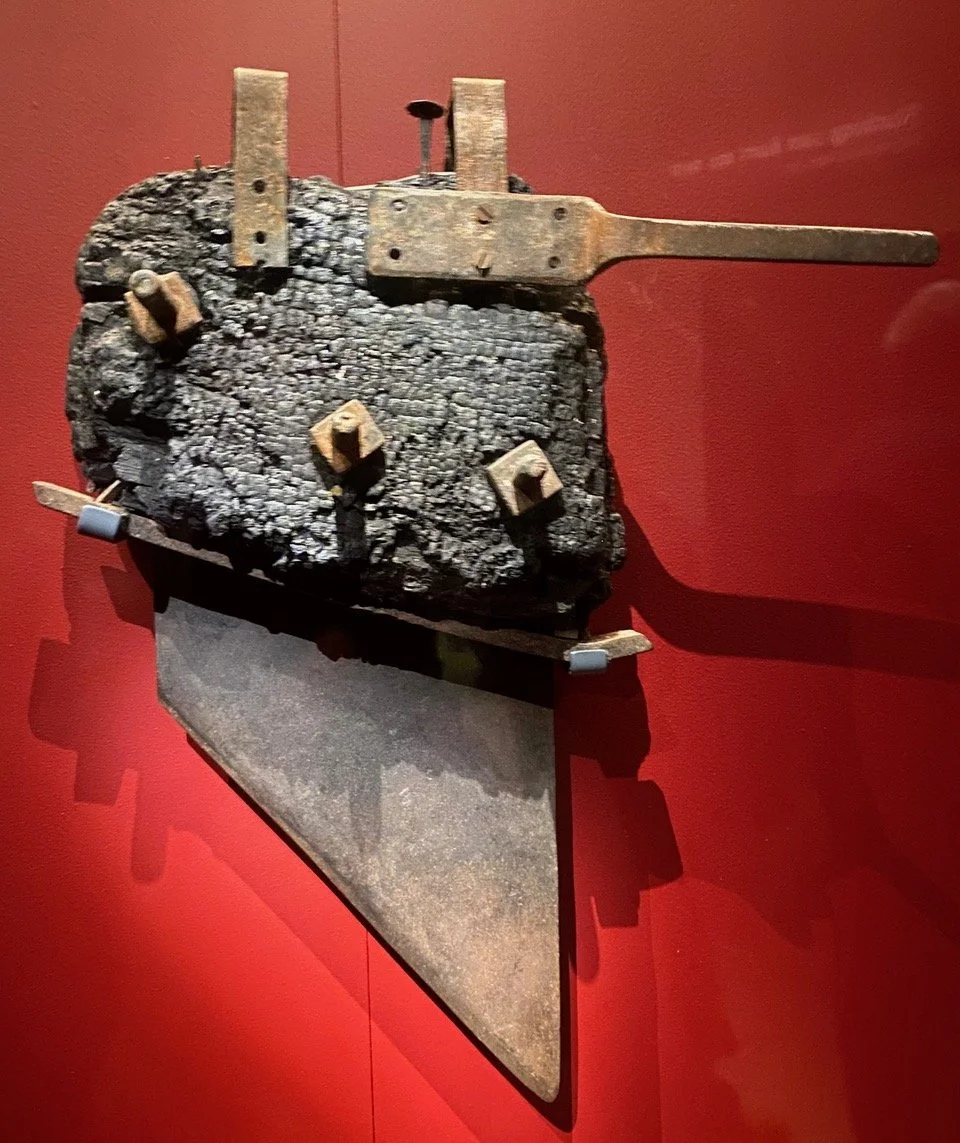
Figure 31. Guillotine blade
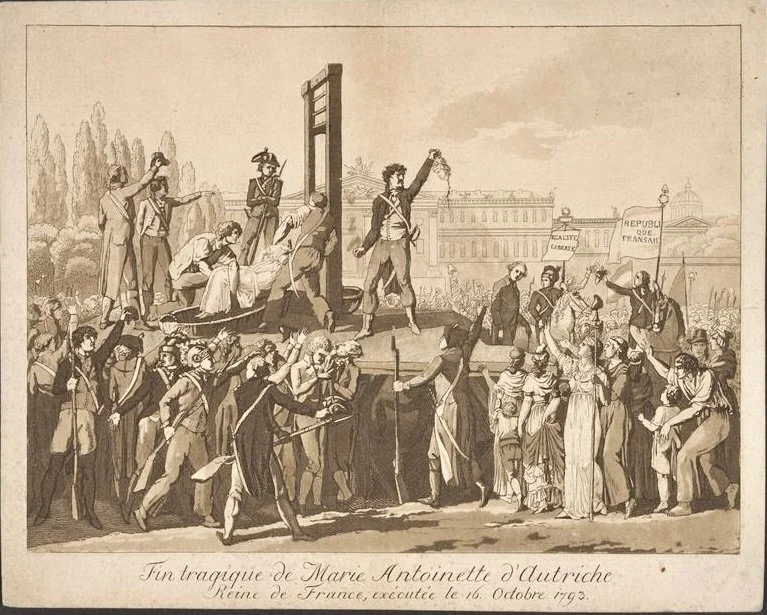
Figure 32. “Tragic end of Marie Antoinette of Austria, Queen of France, executed the 14th October 1793
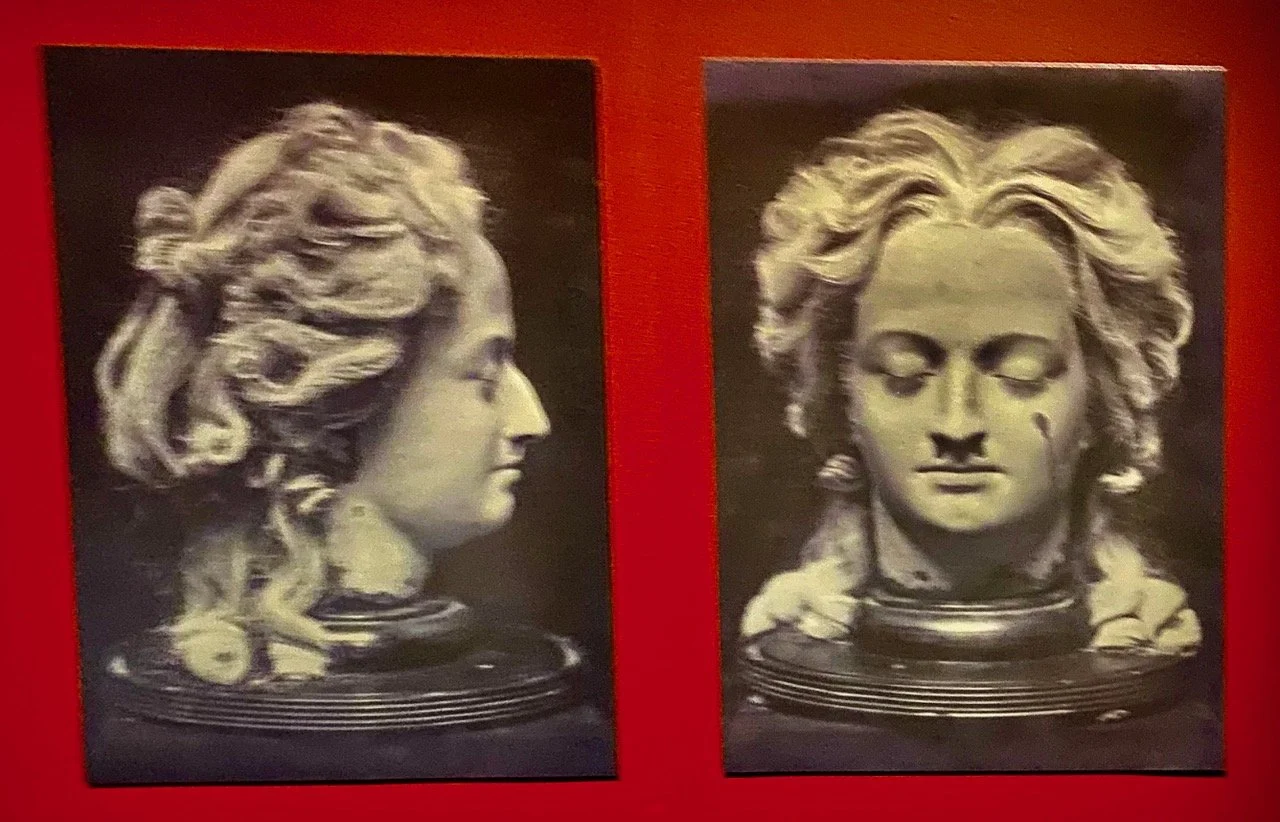
Figure 33. Photo of Marie Antoinette Death Mask (destroyed in a fire) Mme Tussaud, London
And then it’s Party Time again. “Marie Antoinette Memorialized: 1800-1940,” traces M-A’s influence through the 19th and into the 20th century. It was Napoleon III’s wife, Empress Eugénie’s obsession with Marie Antoinette that really got the ball rolling. Eugénie, according to the curators, “invoked and romanticized the ill-fated queen in the creation of her own imperial persona.…” (Figs 34, 35) In 1867, she made the Petit Trianon into a museum dedicated to the memory of Marie-Antoinette and organized an exhibition there devoted to her. According to Lizzie Rogers, “Empress, Eugénie …helped shape a legend of Marie-Antoinette as a martyr queen who had been a model patron of the arts…”

Figure 34. Empress Eugénie in a robe a la Marie Antoinette, Franz Xaver Winterhalter, 1854
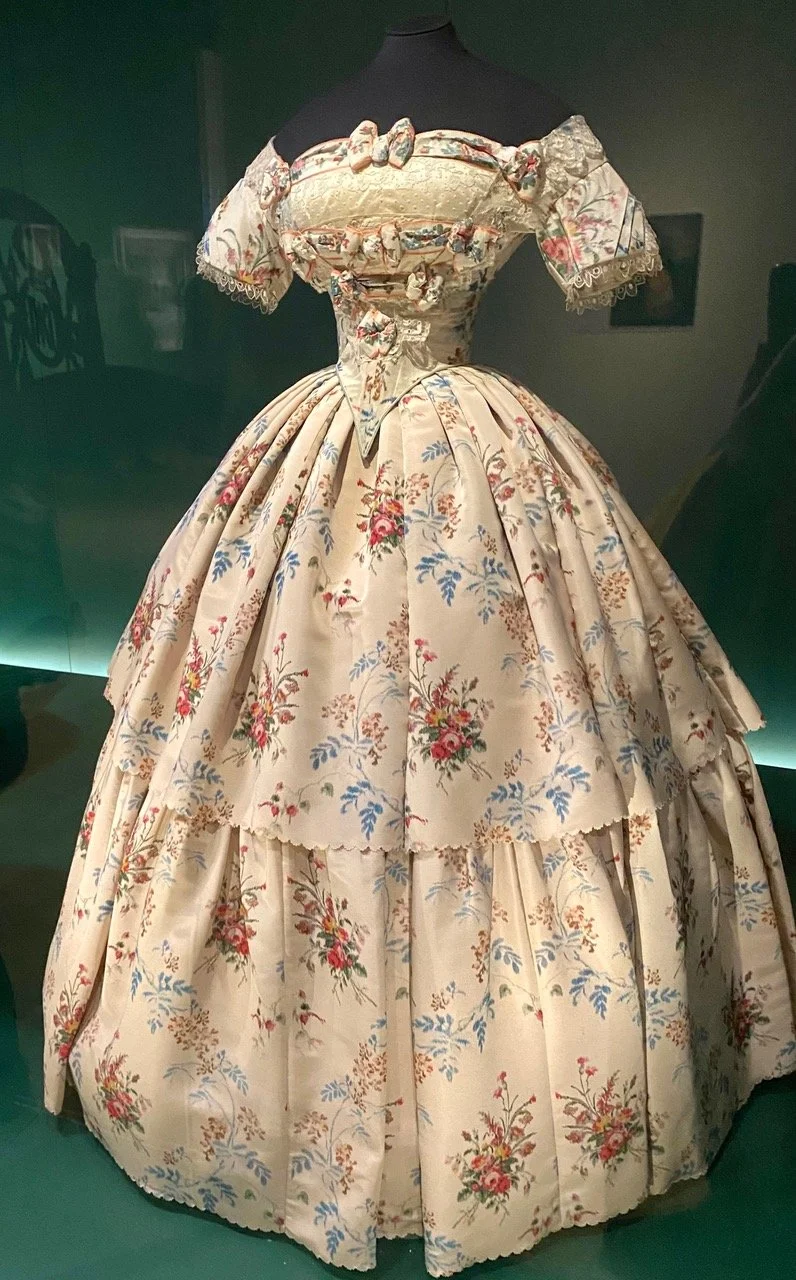
Figure 35. Robe a la Marie Antoinette for Empress Eugénnie, 1855
In the early 20th century, Marie Antoinette and her aesthetic was as varied and mutable as the people who evoke it. As the curators note, to a society emerging from the death and deprivations of the First World War, the 18th century seemed to be a lost golden age, with Marie Antoinette as its figurehead. Never mind that it had been a period marked by extreme brutality and unspeakable violence. By the 1920s, M-A’s style morphed again and became associated with escapism, magic and fairy tales.
The final section of the exhibition, Marie Antoinette Restyled, is truly a grand finale. In a space filled with at least 2 dozen gowns, all of which were inspired by Marie Antoinette’s style, there is a video with clips of films, fashion shows and even L’il Nas X and his entourage in M-A inspired costumes. As the curators note, “since the 1990s, designers have drawn on her style to evoke both sophistication and decadence,” female strength and sexual empowerment. Silhouettes are exaggerated and the outfits, mostly gowns are mostly in Laduree (of macaron fame) pastels. There’s opulence and mischief; femininity and sexuality. Each era has reinterpreted M-A through its own lens - to “suit its own vision and conventions.. Marie Antoinette has become an eternal cultural muse - forever in vogue, forever reimagined.” (Figs 36-42)
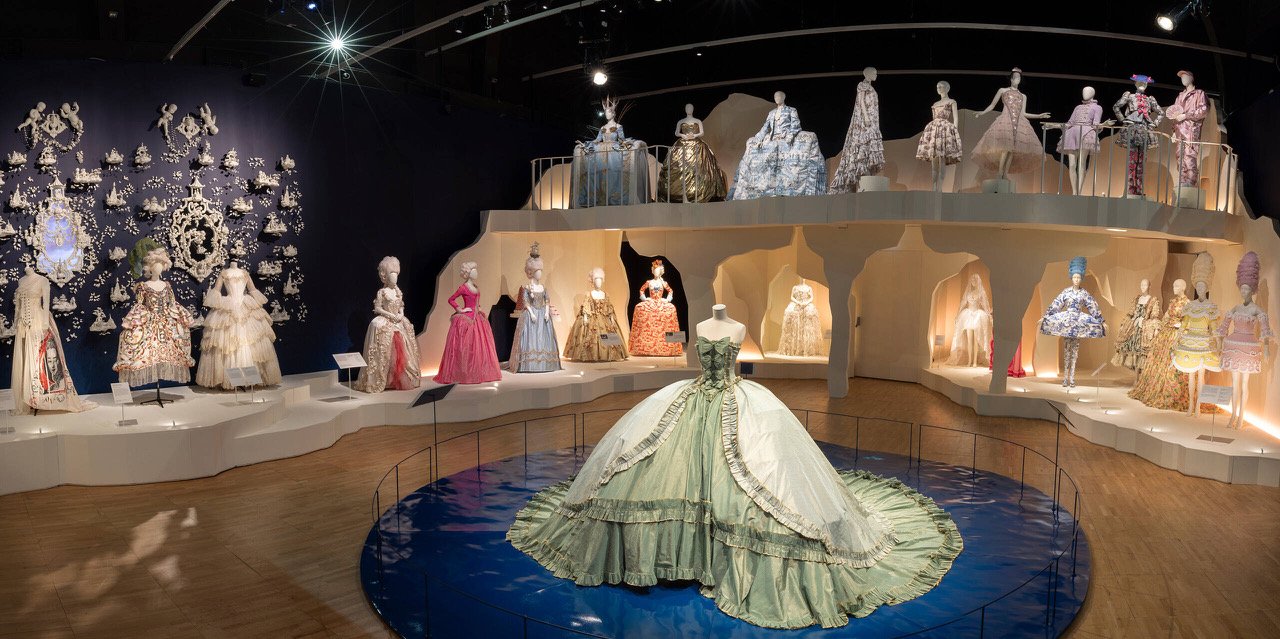
Figure 36. Grande Finale of Marie Antoinette Style, Victoria & Albert
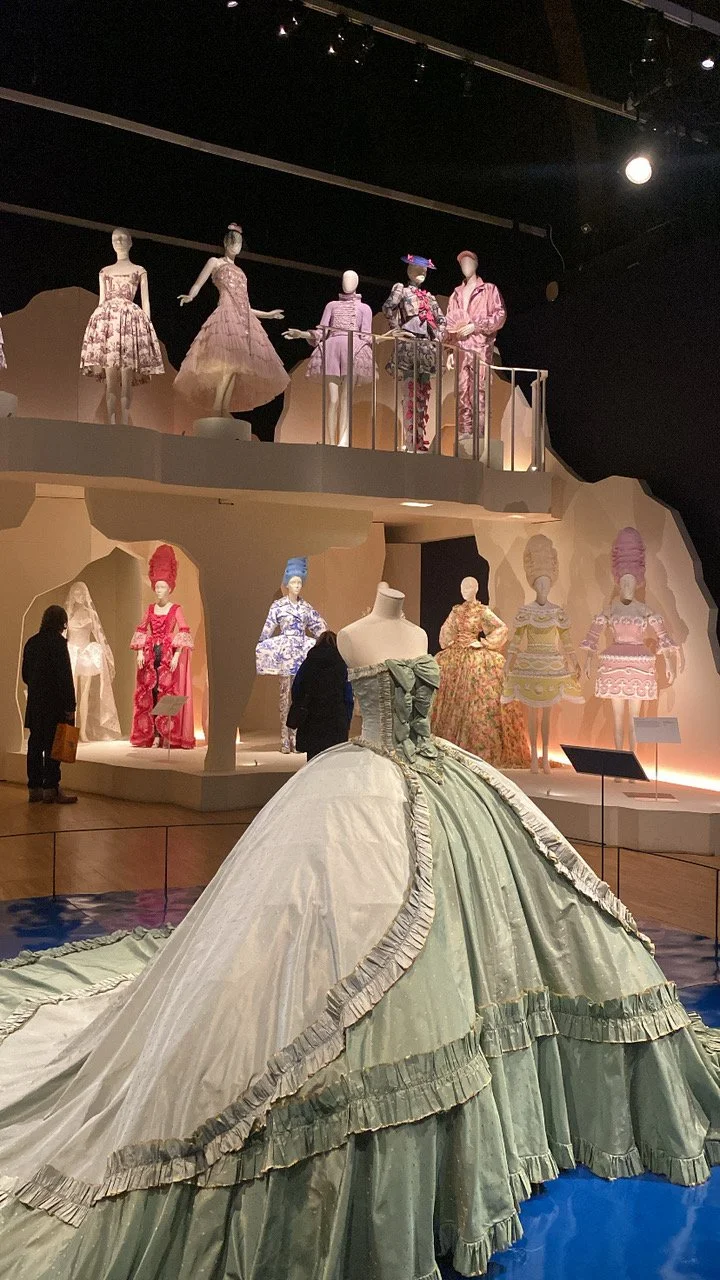
Figure 37. a little closer
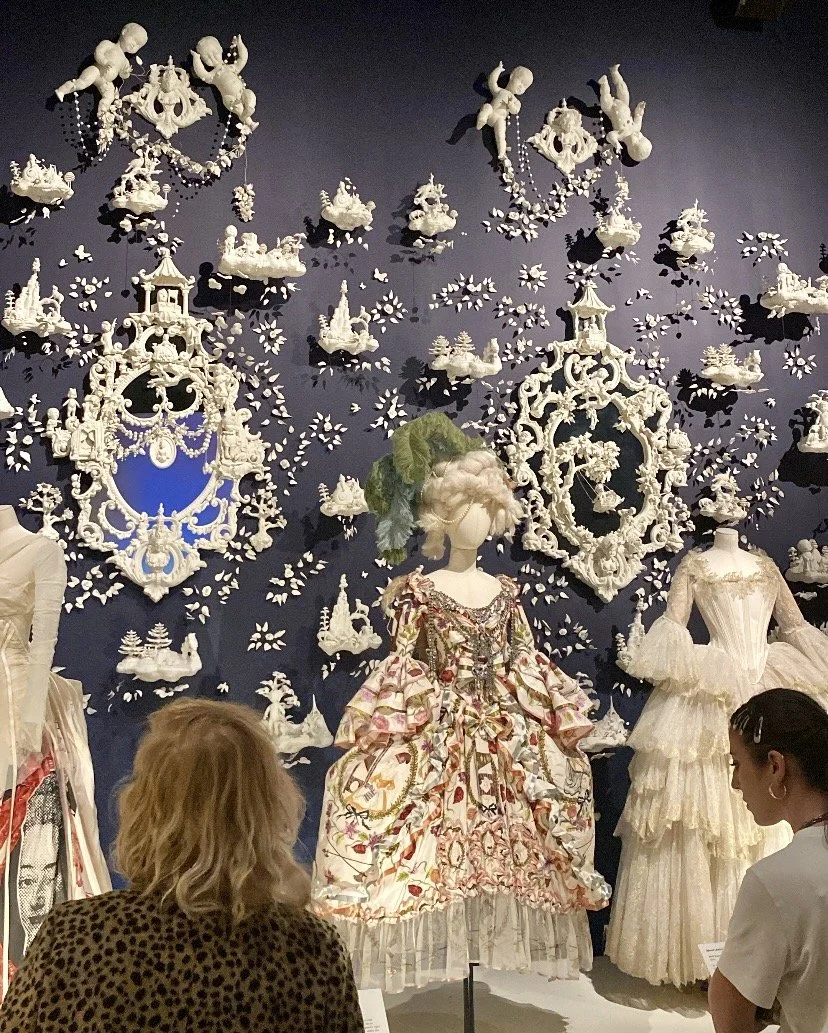
Figure 38. Another detail
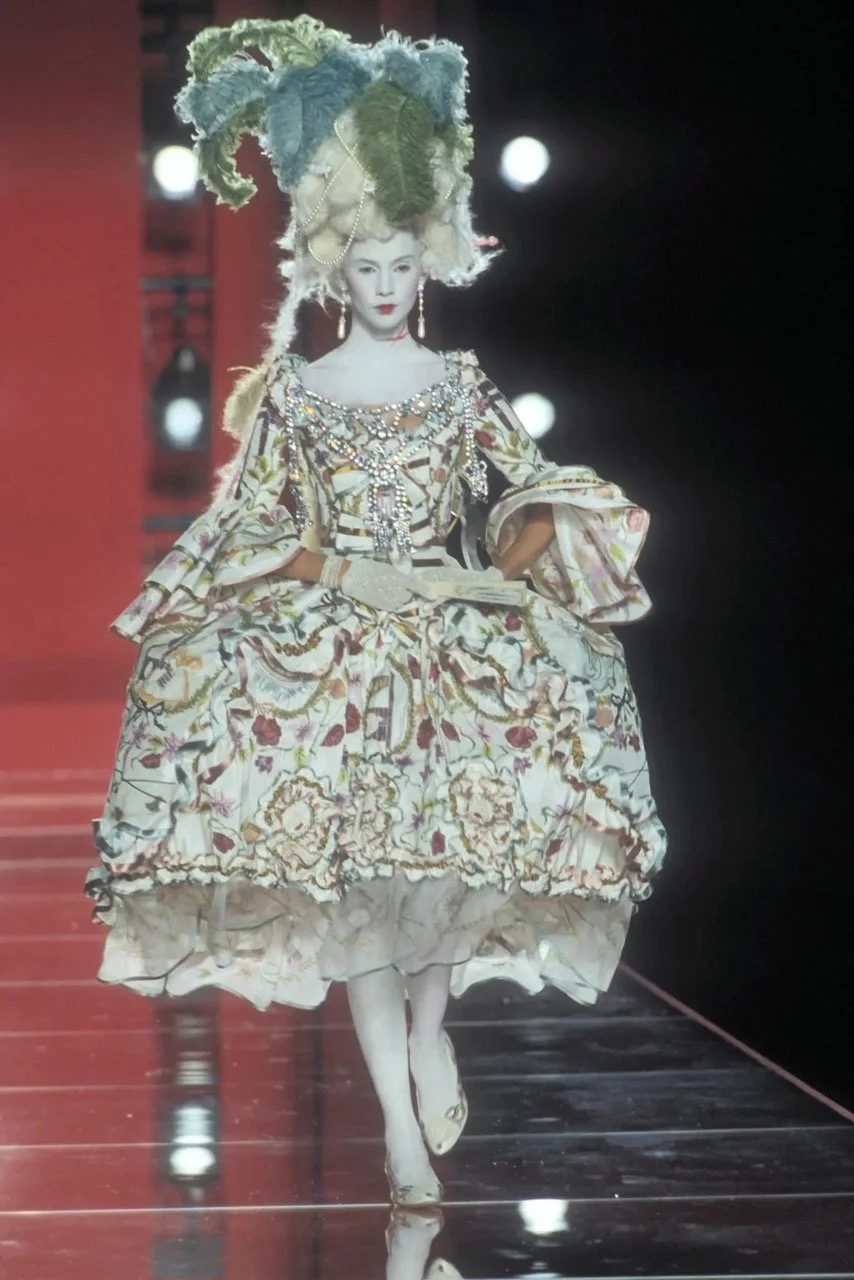
Figure 39. Dress a la Marie Antoinette, John Galliano, on the runway at FIT
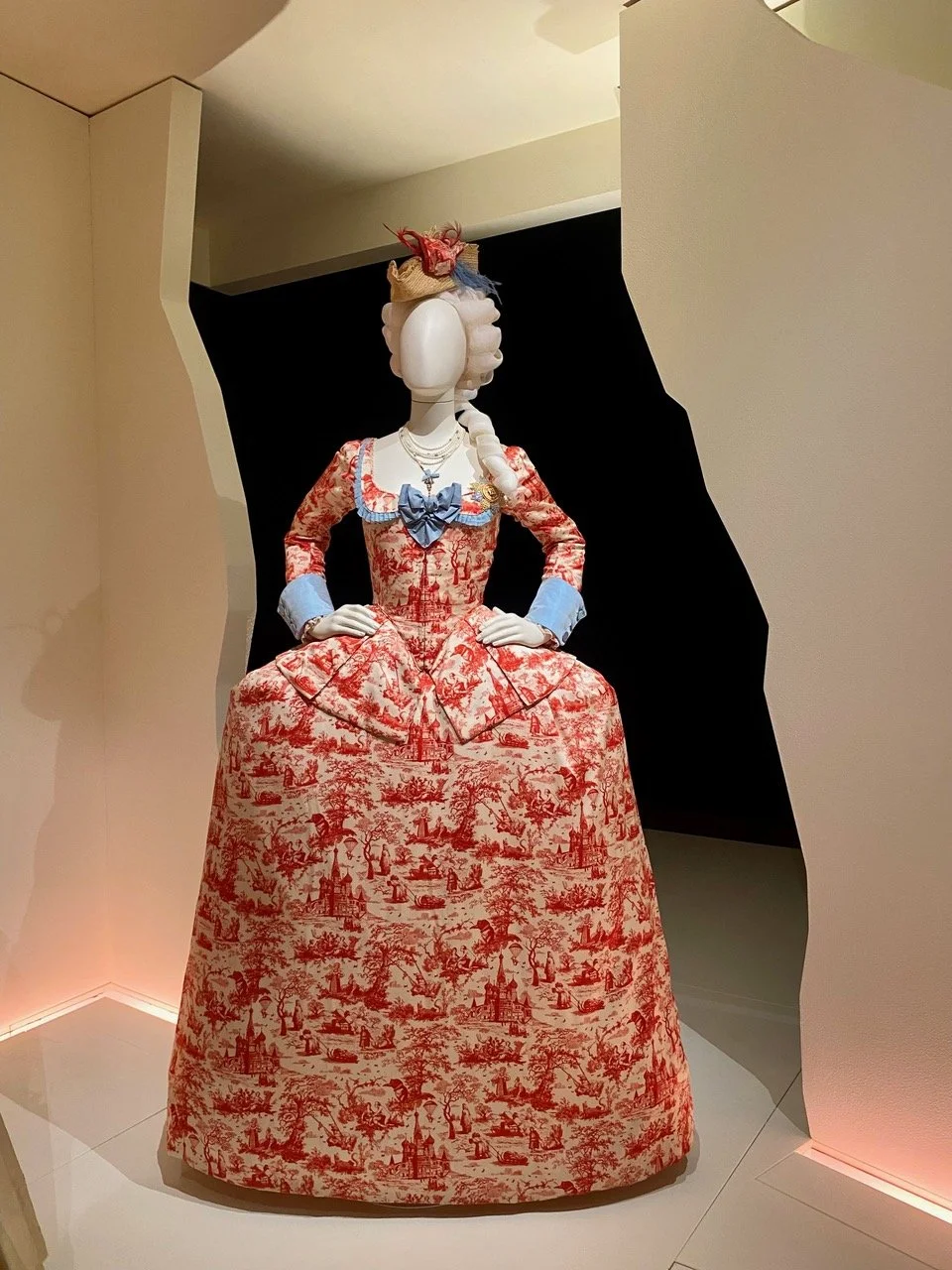
Figure 40. Another dress on display here, worn by Elle Fanning in ‘The Great,’ 2023
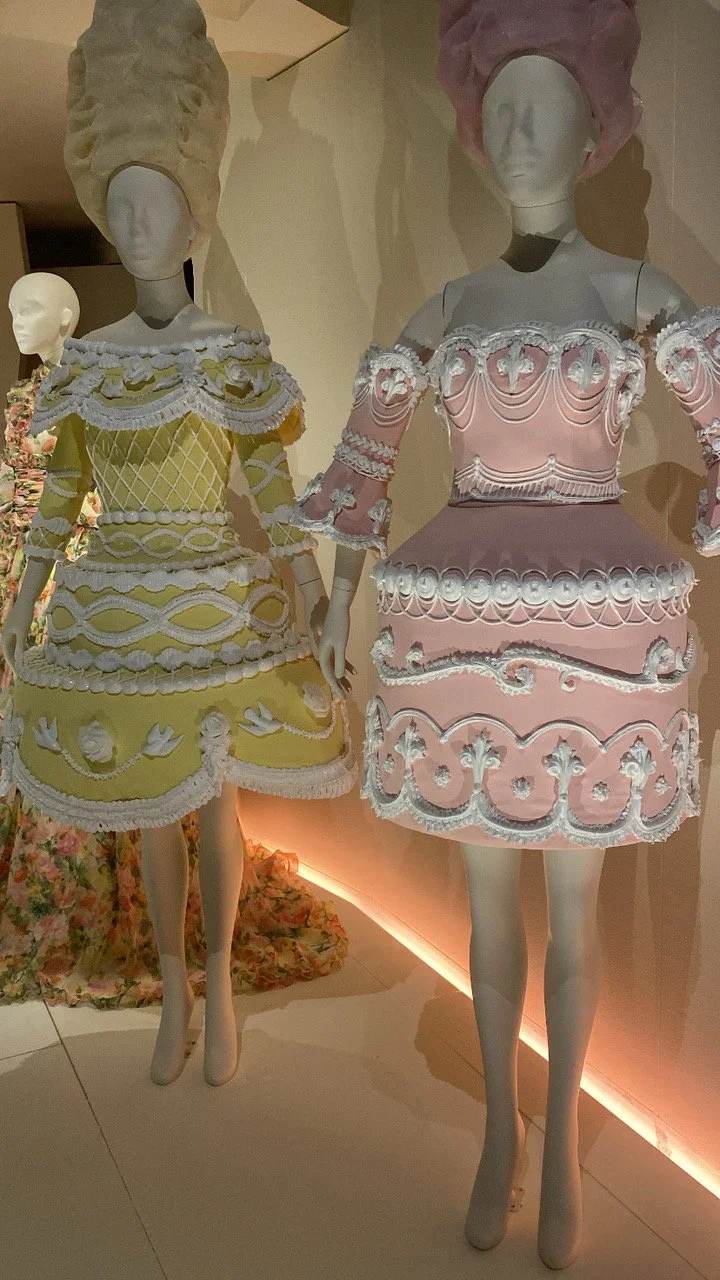
Figure 41. Let them eat cake (brioche) dresses
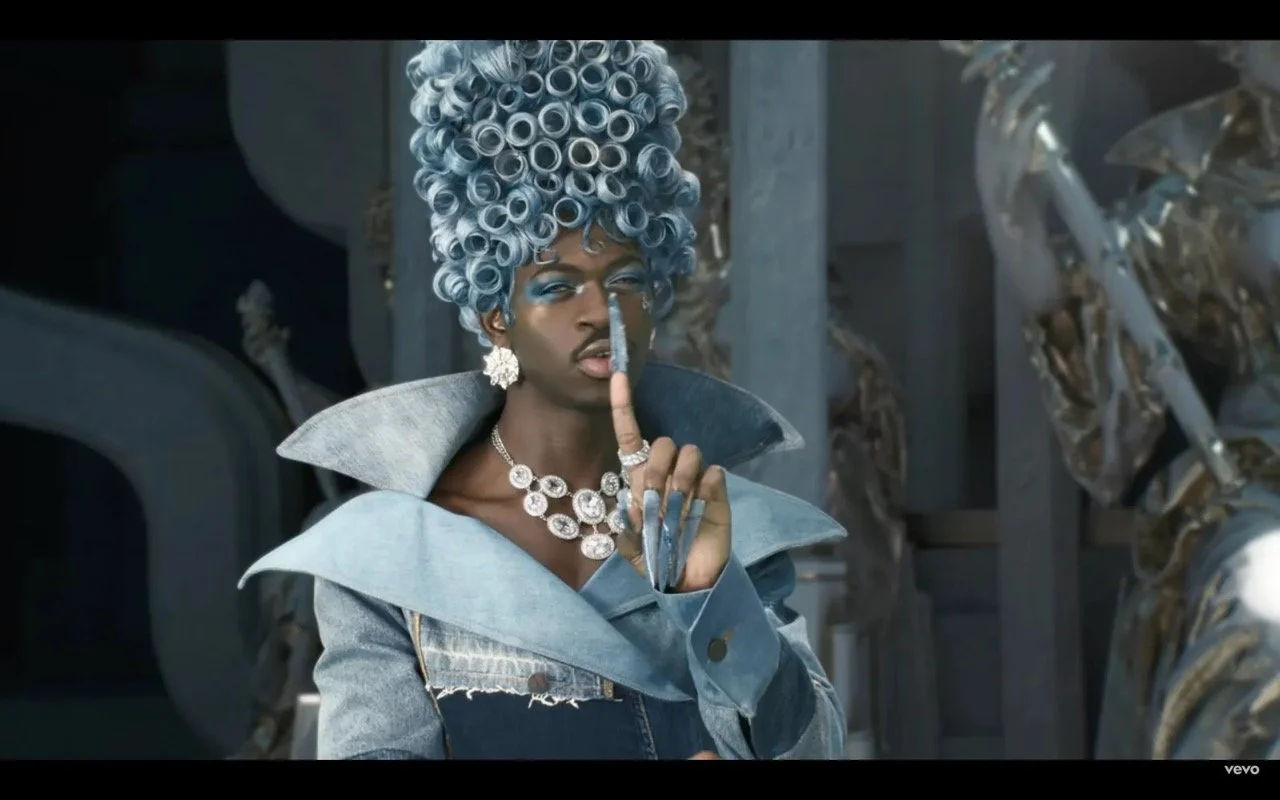
Figure 42. Lil Nas-X, whose country western rap song, Old Town Road, was a sensation. Here dressed as M-A
With the V & A exhibition as your foundation, we’ll be able to move knowledgeably through the three exhibitions about the 18th century that are currently on in Paris. We’ll begin with the exhibition at the Musée des Arts Decoratifs, which flirts with the future but mostly stays in its own lane, the 18th century. The exhibition at the Musée Cognacq-Jay, combines paintings from that museum with frocks from the Palais Galliera and is a lovely introduction to the Palais Galliera’s own very exuberant exhibition. That it’s edgier than the others is confirmed by the poster of a beautiful drag queen dressed in a Marie Antoinette inspired gown and hat. But there is one thing that M-A owned that the V & A could not put on display - her corset! (Fig 43) Why not? It’s at the Palais Galliera, where the corset is part of the 19th century’s appreciation of M-A because that’s when the corset came up for auction and the Palais Galliera’s owners placed the highest bid.
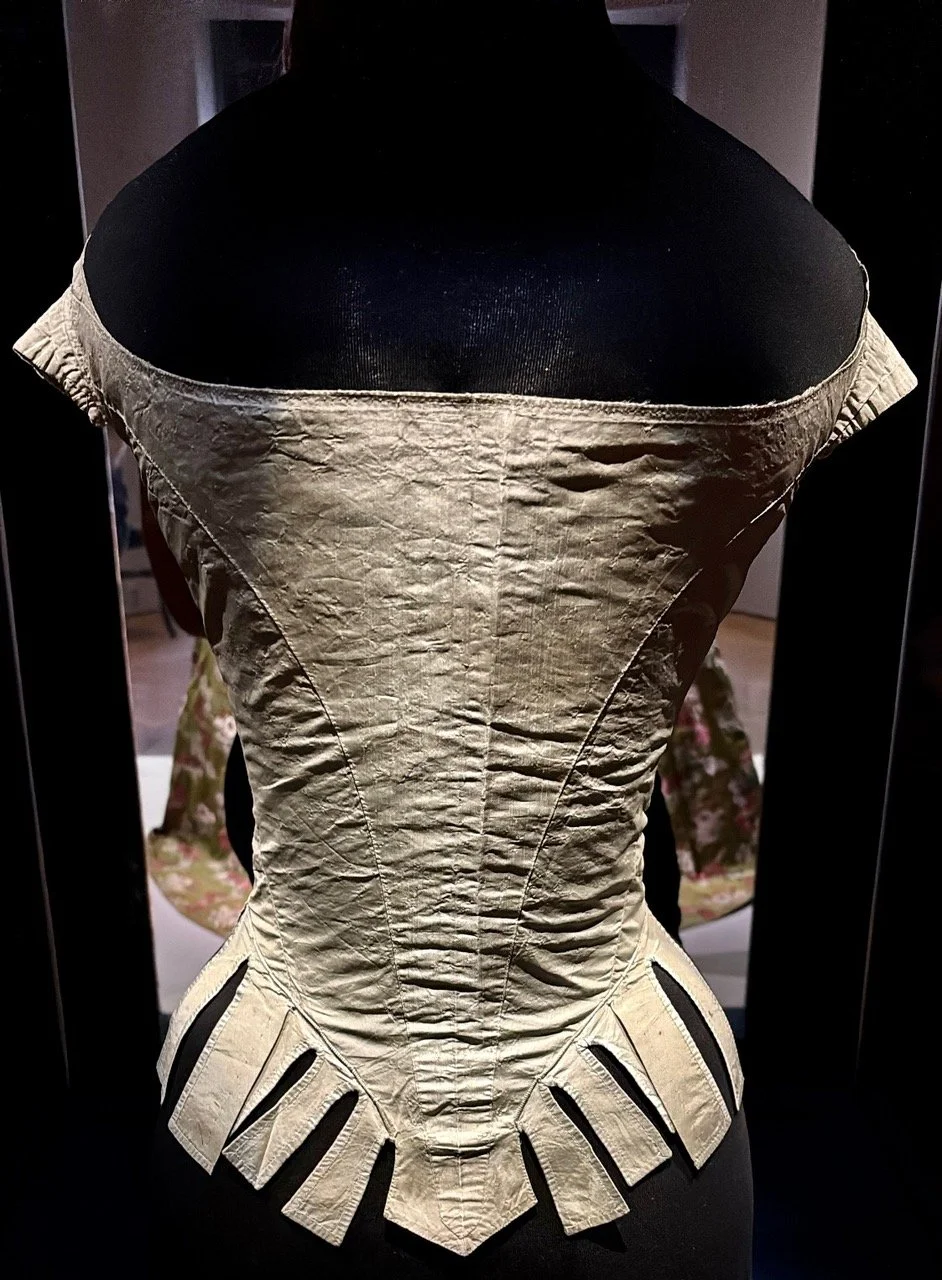
Figure 43. Corset worn by Marie Antoinette, Palais Galliera, Paris
The 18th century is NOW, next week! Gros bisous, Dr. B.
Thanks to everyone who wrote in about my terrible, horrible, no good very bad press tour experience. Since that trip, I’ve returned to Normandie 5 times and visited all and more of the places I barely managed to see that awful time. There’s another Normandie Impressionist festival this year (May 29 to September 27) which coincides with the 100 anniversary of Claude Monet’s death. The Musée d’Orsay is celebrating with two exhibitions on Renoir - about which, as they say, ‘more later.’
Comments on Normandie Impressionists:
Regret that you left your ‘snack’ on the train. Incredible as to the schedule with so many stops calling for more time to explore/enjoy. Fabulous that you had assistance on the return trip with the wheelchair and medical students. Have you recovered with some of your favorite croissants? Bill G Ohio
Oh my goodness, what an ordeal! I presume by the fact you could face writing about it that you have recovered. Sympathy for that ghastly trip. Katherine, Oxford, England
Beverly I am late reading this but the trip you took sounded awful but I am glad you found something redeeming and may return. The roads in this area of France if you are off the main ones are bumpy and one time our transport was interrupted by a flock of sheep crossing from one field to another. I imagined the hedge rows and difficult views when the Allied troops were advancing slower than they first planned due to this terrain. This particular trip was headed by a burnt out tour guide [ I later found out] and she deviated constantly from the itinerary which made for late arrivals, meals, or much of anything. Arriving exhausted, the first lady off the van fell on steps and broke her ankle and had to be taken to a hospital. Her distraught daughter accompanied her so now there were eight of us. We scattered to find a meal and returned to find the guide drinking wine in a paper cup. The end of the day finally found us outside of Amboise in a hotel too far from the city to visit. Later the guide said she was retiring to Palm Springs. This was a long time ago but I did try this type of tour again and it was much better. Dianne