Two Exhibitions on 18th Century Life
Bienvenue and welcome back to Musée Musings, your idiosyncratic guide to Paris and art. Today’s topics - two exhibitions now in Paris about the 18th century. Wait, don’t go, they are not only picturesque but pertinent!
The first, at the Musée des Arts Decoratifs, (MAD) ’A Day in the Eighteenth Century: Chronicle of a Parisian Townhouse’ is basically a ‘house tour’ of an 18th century hôtel particulier, the urban home of a very wealthy family. Under the category of ‘there’s nothing new under the sun,’ Getty Museum in Los Angeles had a similar exhibition 15 years ago. Like this exhibition, it unfolded in a sequence of rooms set up as a hotel particulier, I’ll interweave points made in that exhibition in my discussion of this one.
In the early 20th century, J. Paul Getty amassed a huge collection of 18th century decorative arts and paintings. At the same time, at least three wealthy Frenchmen were doing the same - the founder of La Samarataine department store, Ernest Cognacq and his wife Mary Louise Jay, Moïse de Camondo and Edouard André. The third stopped collecting 18th century French art when his new wife, Nellie Jacquemart convinced him to switch to Italian Renaissance art.
Why was collecting 18th century French art all the rage at the beginning of the 20th century? One reason is that it had been undervalued the previous century so there was a lot of it to choose from. Another reason was a renewed interest in the 18th century. And importantly, provenance was secure. Inventory lists confirmed ownership. I read a paper years ago which argued that at the beginning of the 20th century, when American Robber Barons, were taking risks in business, they were buying art conservatively. That explains why J. Paul Getty collected it. It was probably something else for French collectors. Credibility for the nouveau riche like Ernest Cognacq and Marie-Louise Jay and wanting to be accepted for foreigners like Moïse de Camondo. (Figs 1-3)
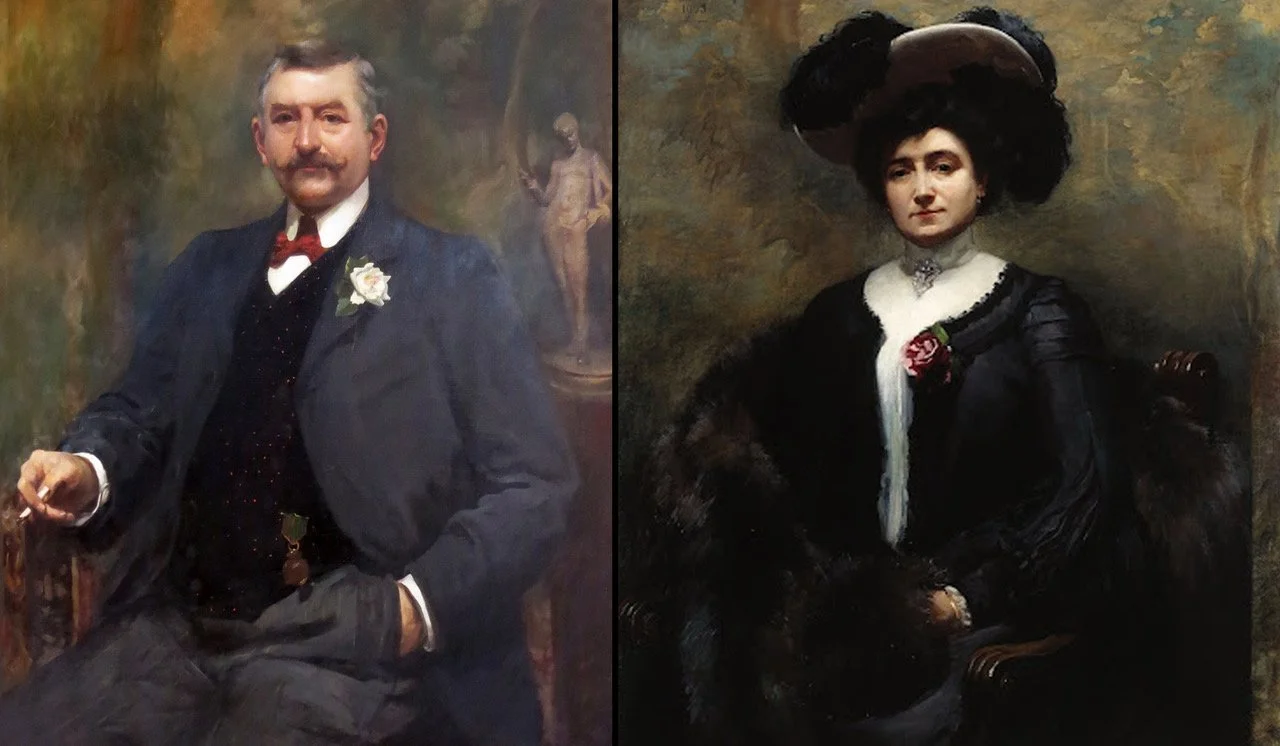
Figure 1. Ernest Cognacq & Marie-Louise Jay, co-founded La Samarataine department store and donated their collection of 18th century French art to the state, now displayed in the Marais townhouse which bears their names
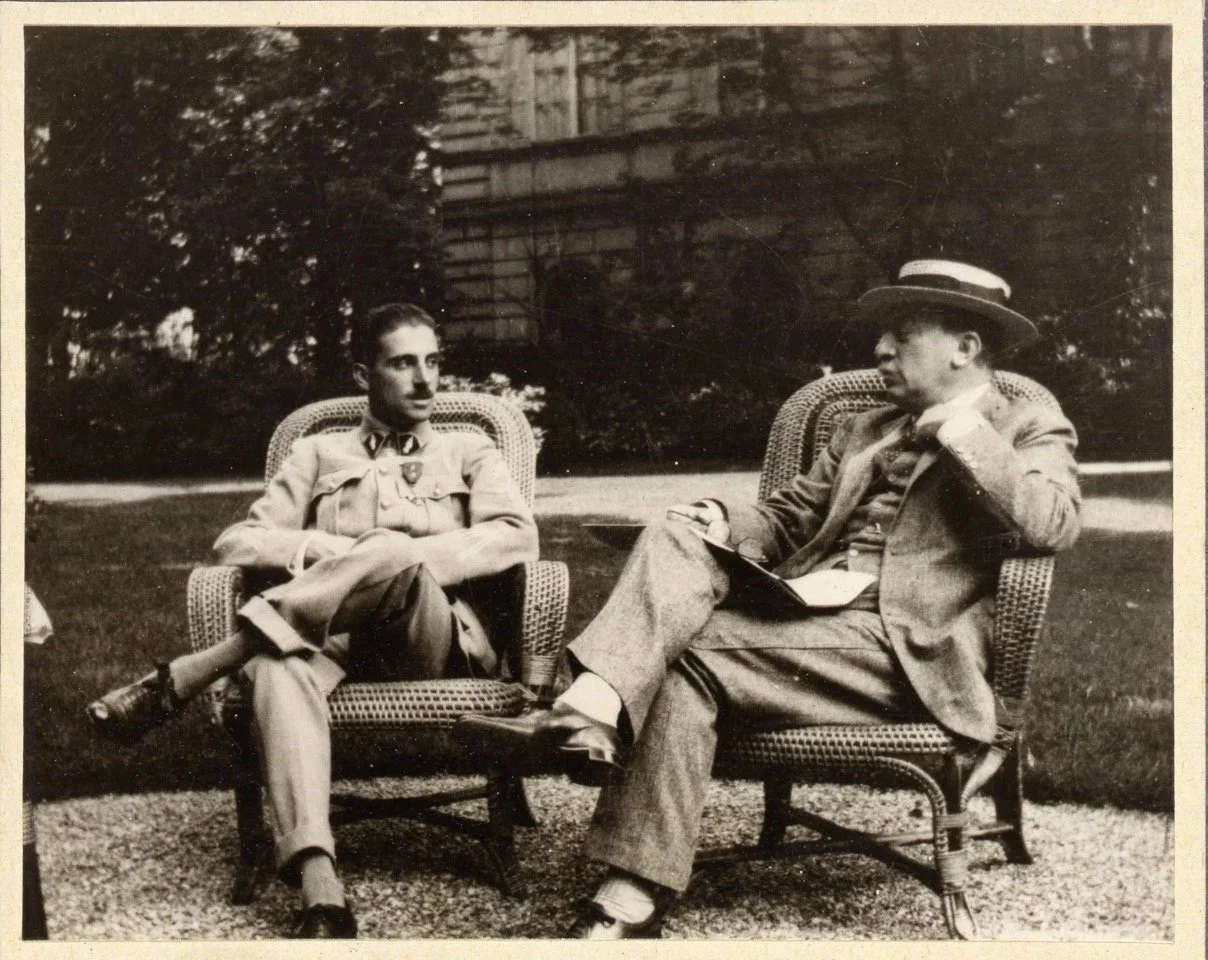
Figure 2. Nissim de Camondo (left) and father Moïse de Camondo. The young man was a pilot and died in WW I , Moïse donated his collection of 18th century French art to t.
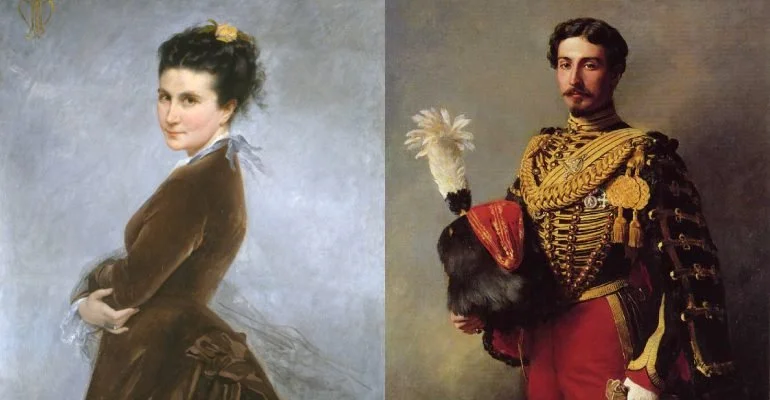
Figure 3. Nellie Jacquemart (self portrait) and Edouard André who, with his wife’s encouragement, began collecting Renaissance art. She donated their collection and townhouse to the state
Do you remember the song that Guinevere and King Arthur sang when they were holed up in their castle in Camelot. “What do the simple folk do to help them escape when they’re blue?” Rest assured, you are not going to find that out at this exhibition. You’re going to learn what extremely wealthy people did to help them get through the day - whether they were ‘blue’ or not. It was these people who had resting upon their delicate shoulders, the responsibility of maintaining the fashions, tastes, values and customs of Paris, which was then, as it is now, the luxury capital of Europe. Before you judge, please note that Voltaire said “The superfluous (is) a very necessary thing.”
The premise of the exhibition is that we have been invited to this elegant mansion. But first we have to get past exterior walls plastered with posters and streets filled with street vendors selling their wares. Since this exhibition comes with sounds and scents as well as scenes, we hear the various vendors’ chants, in a mix of accents and dialects and even languages. Their work was hard, their hours were long but artists mostly (painters, sculptors, eventually photographers) depicted them as charming rustics. (Figs 4, 5)
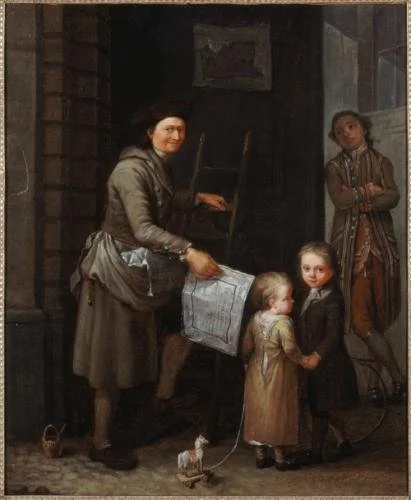
Figure 4. Bills Poster (exterior walls in 18th century Paris), Étienne Jeuarat, 1735-40
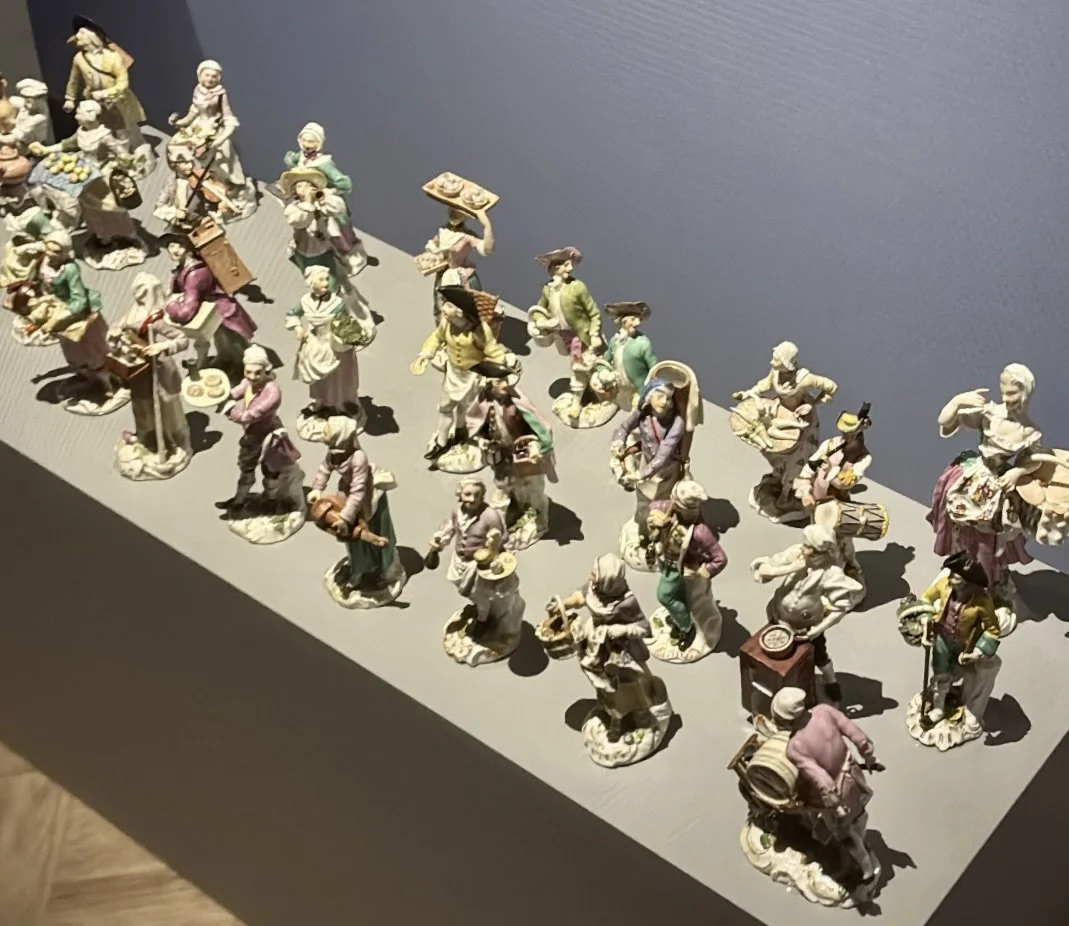
Figure 5. A set of porcelain (Meissen) 18th century Marchands Ambulants, (Street Vendors)
Eighteenth century Paris was no easier to get around than 21st century Paris is. Now, on mostly paved streets, bicycles and scooters and cars fill the roads; rubbish and excrement litter the streets. Back then, people dodged rubbish and puddles and manure while carriages clogged the cobblestone streets. How to get around in all that mess? Working people wore clogs or went barefoot. Aristocrats were transported from one place to another in horse drawn carriages or human powered sedan-chairs. (Figs 6, 7)
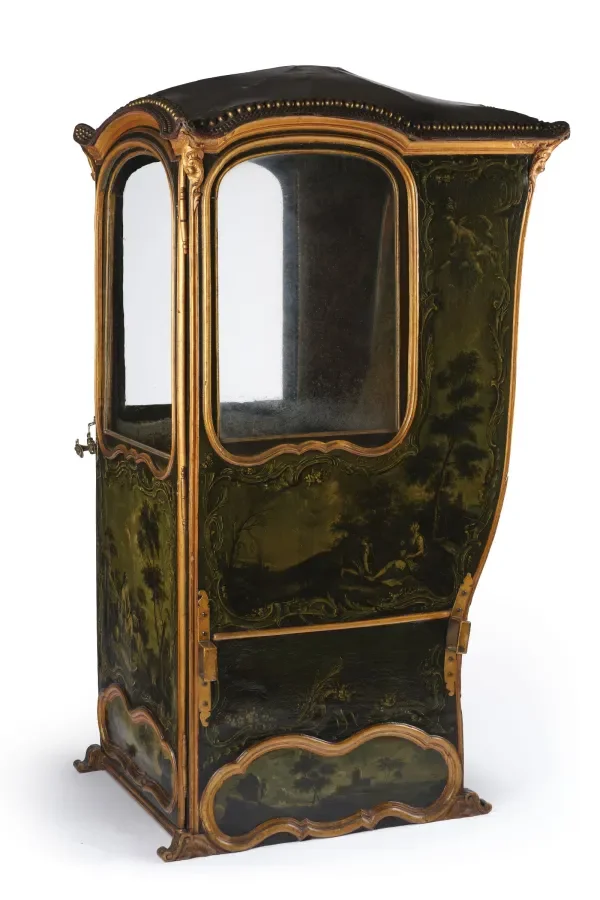
Figure 6. Sedan Chair in which individuals were transported from place to place by 2 strong men
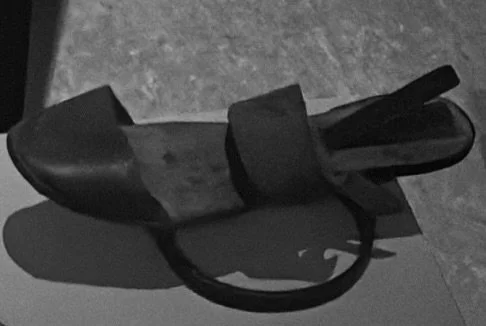
Figure 7. Socques (overshoes) which people wore over their shoes to get from courtyard to house
From the courtyard to the house, people stayed put in their sedan chairs. Once at the door, they put their socques (overshoes) over their shoes and tiptoed into the house. Having run the gauntlet of the street, passed through the courtyard and been admitted into the house, calm and order prevailed. The mansion's interior followed a strict rule of layout and decoration. There were public rooms to entertain guests and private rooms into which only the family went. The curators tell us that museum visitors go “from room to room as if they were close acquaintances or friends…of the family.”
As I walked through this exhibition, I realized that the stifling protocols that defined Marie Antoinette’s life were not so different from those that rigidly controlled the lives of the wealthy elite. They were just as regulated by rules and restrictions. As Amanda Vickery (Guardian) wrote about the Getty exhibition, all activities in a grand mansion were, ‘ritualized activities – from dressing and writing, to collecting, eating and partying – through which the rich…turned their savoir vivre into a performance art.” At the Getty exhibition, and here, too, clocks are very much in evidence. According to Vickery, “(T)he 18th-century spread of public clocks, domestic timepieces and watches hastened the rise of clock-time… The prevalence of clocks instituted more demanding ideas of punctuality and time accounting…” (Figs 8 - 9) Yet, as the curators of the exhibition at MAD note, servants didn’t have clocks or watches to make sure they were on time. They were there to serve their masters and whatever ‘time’ their masters beckoned, was the ‘time’ they had to appear, no matter what time it was! (Figs 10, 11)
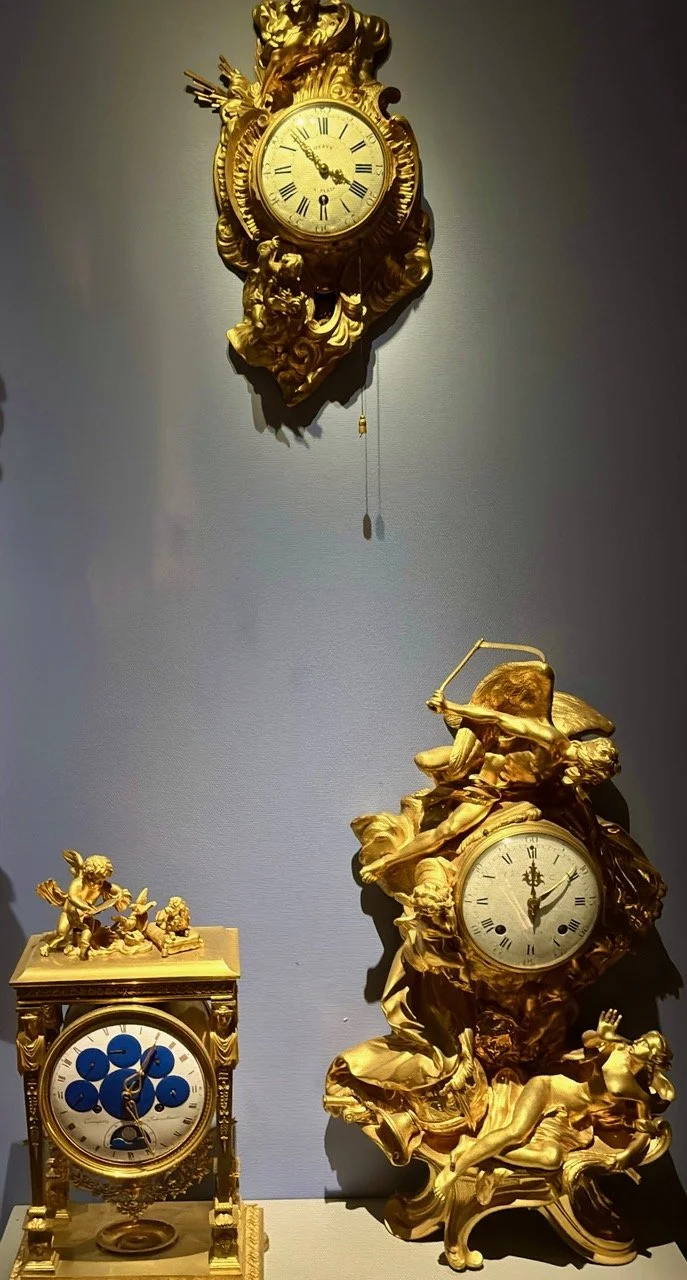
Figure 8. Some of the clocks on display
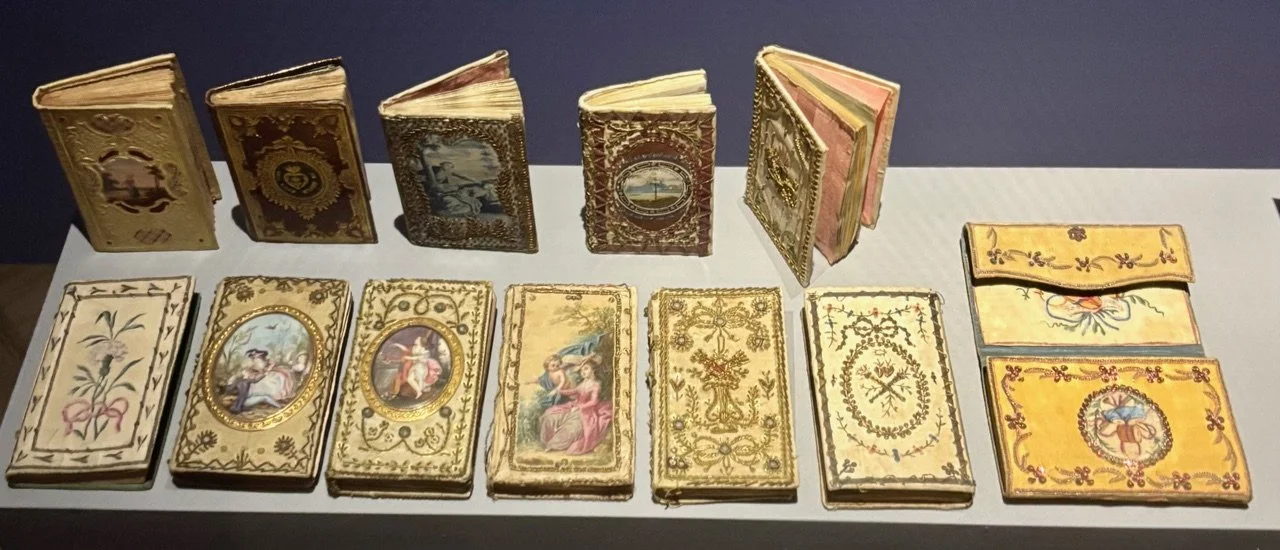
Figure 9. Daily and weekly organizers, too
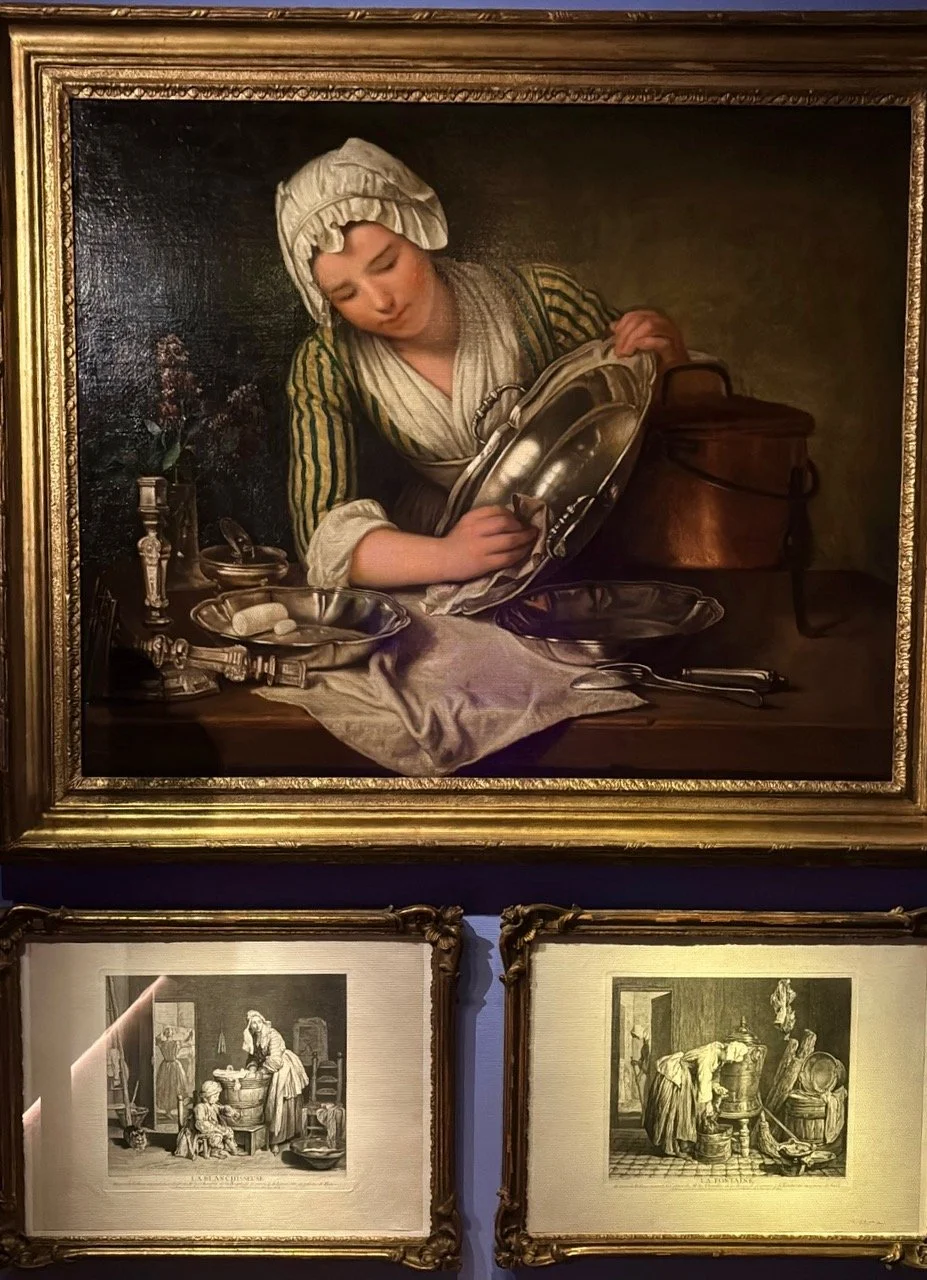
Figure 10. Servants at work, above polishing silver, below doing the laundry
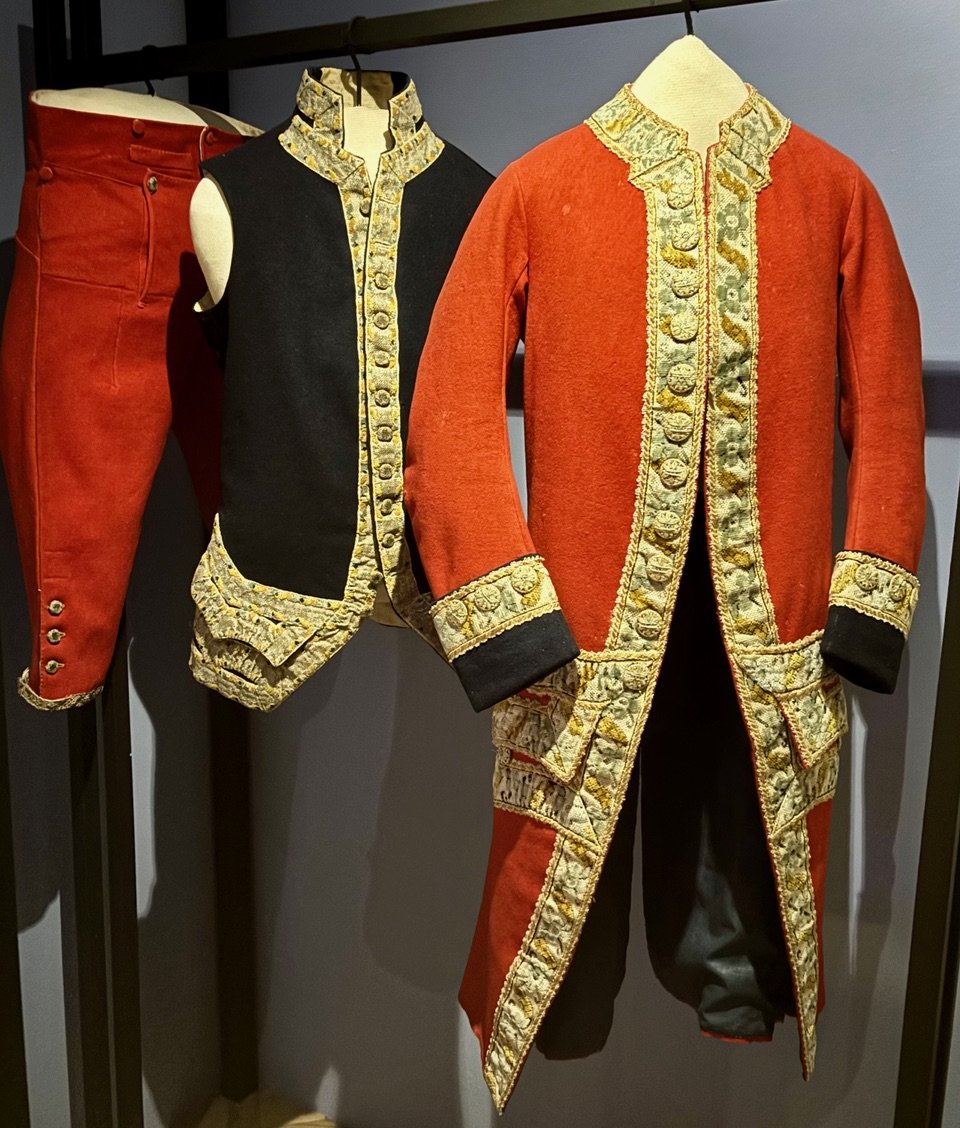
Figure 11.The domestic staff’s bedrooms were in the attic as at Downton Abbey. A strict hierarchy among the staff was in place. This ranking, dominated by male domestic staff, depended, more or less, on the servant’s proximity to the masters. As we all saw in Downton Abbey, the servants insisted on displays on maintaining strict rank protocols
As you pass along the corridor, each room has the furniture, decorative objects and useful ones appropriate to it and the clothes that would have been worn in it. Everything is described, each function is explained. Paintings and prints depict people in similar spaces doing comparable things which further enhances our understanding of their purpose.
Husbands and wives slept separately in their own suite of rooms. Their day began at around 7 a.m. with a moment of private prayer. A servant would then appear to open the curtains surrounding the bed and to serve breakfast. After breakfast and the use of ewers and bowls to wash hands and face, larger bowls to wash feet, bidets to wash private parts, and semi-private chamber stools to take care of other pressing business, the day began. (Fig 12-15)
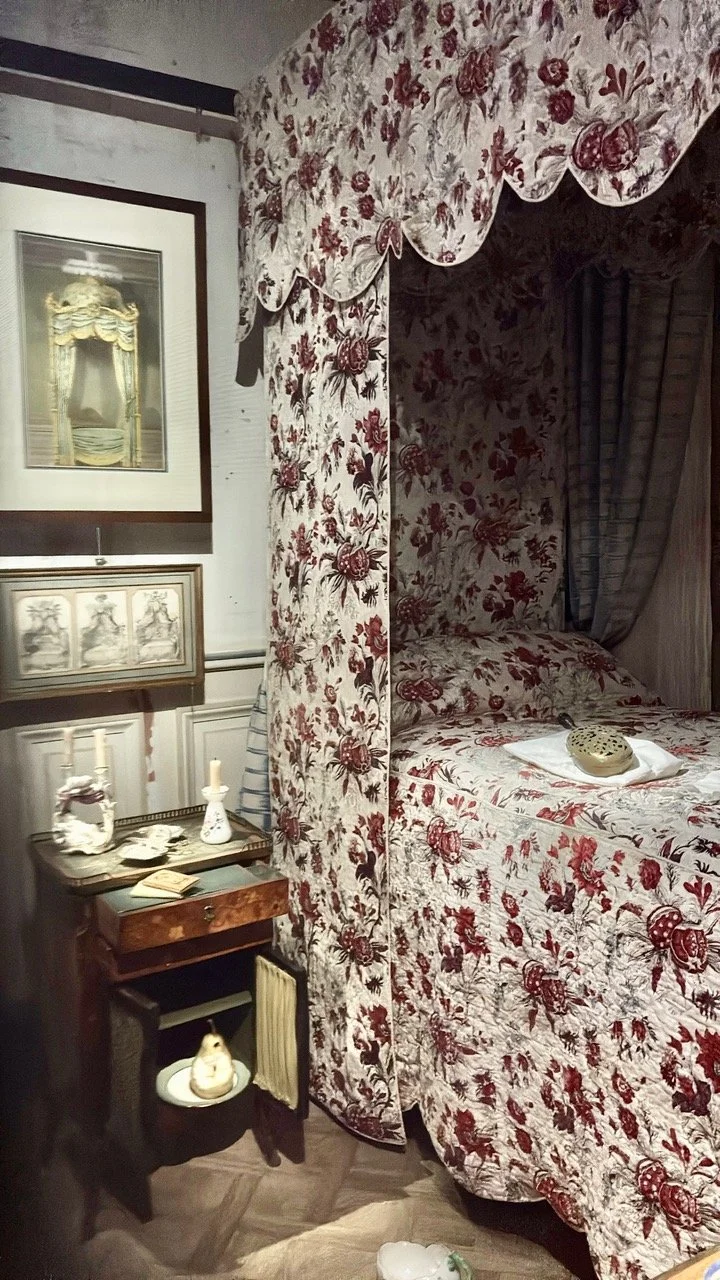
Figure 12. Bedroom Lady of the house
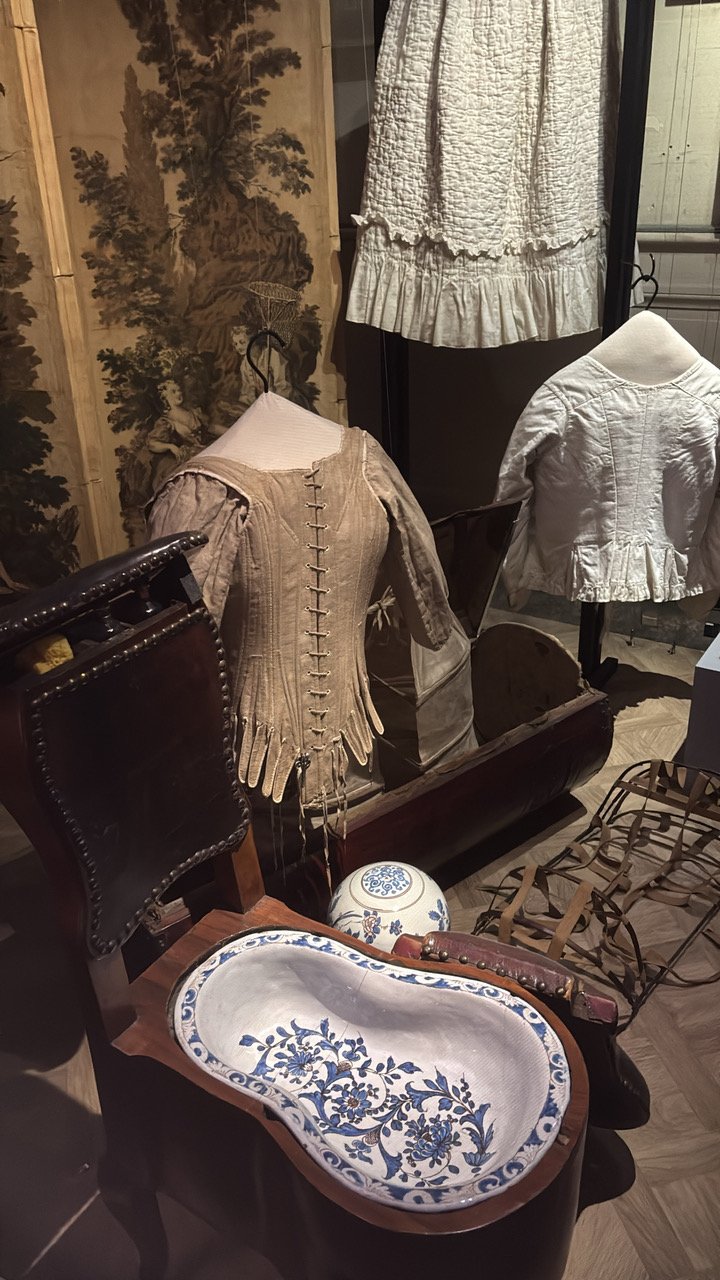
Figure 13. Before the end of the 18th century, there was not a room set aside for bathing, instead, a pitcher of water and a bowl for washing face and hands, a larger basin for the feet, a bidet for private parts. All in the bedroom.
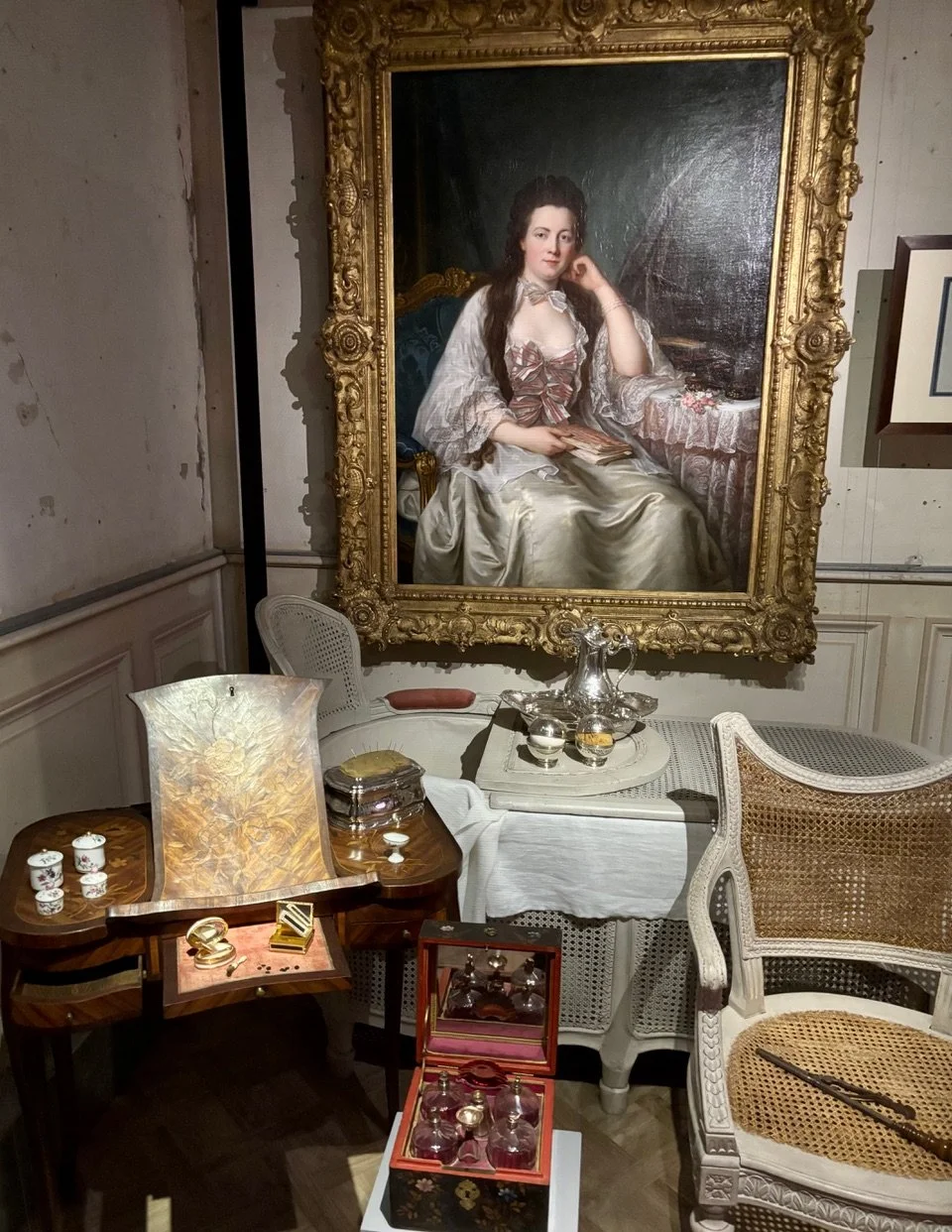
Figure 14. Another view of lady of the house’s bedroom with painting of what she would be doing there
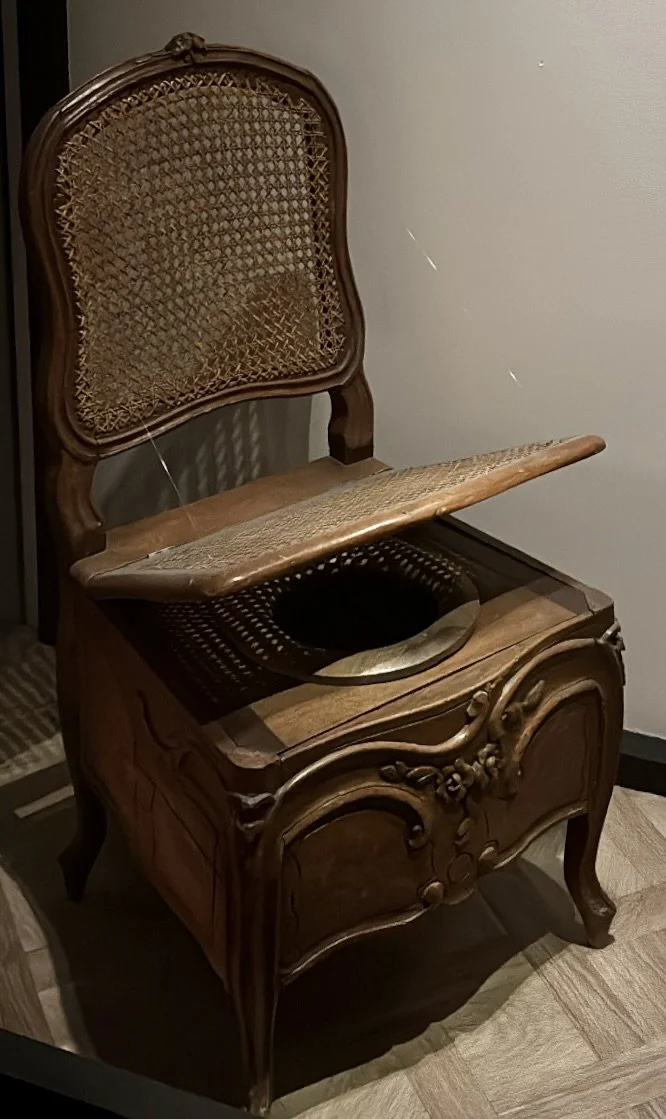
Figure 15. Chamber stools used during the day (vestiges of which we use for potty training toddlers) and chamber pots (tucked under the bed) for nighttime use. A servant would discretely take from the bedroom and dump wherever the family dumped its night soil.
After a woman was dressed, she would pee in a bourdaloue, which looks for all the world like a gravy boat. Since women wore crotchless panties, they could easily slip a bourdaloue under their skirts. The bourdaloue was named after a notoriously long winded French preacher, Louis Bourdaloue (1632-1702).
Monsieur’s barber arrived to shave his head. Next, his valet arrived to help him get dressed. If he was not going out or welcoming tradesmen, he went to the library, wearing a casual, Eastern dressing gown and a comfy bonnet rather than an uncomfortable wig. (Fig 16) He took care of correspondence and managed his properties. And he pursued his interests in science, philosophy and the arts as well as faraway lands like China, Japan.
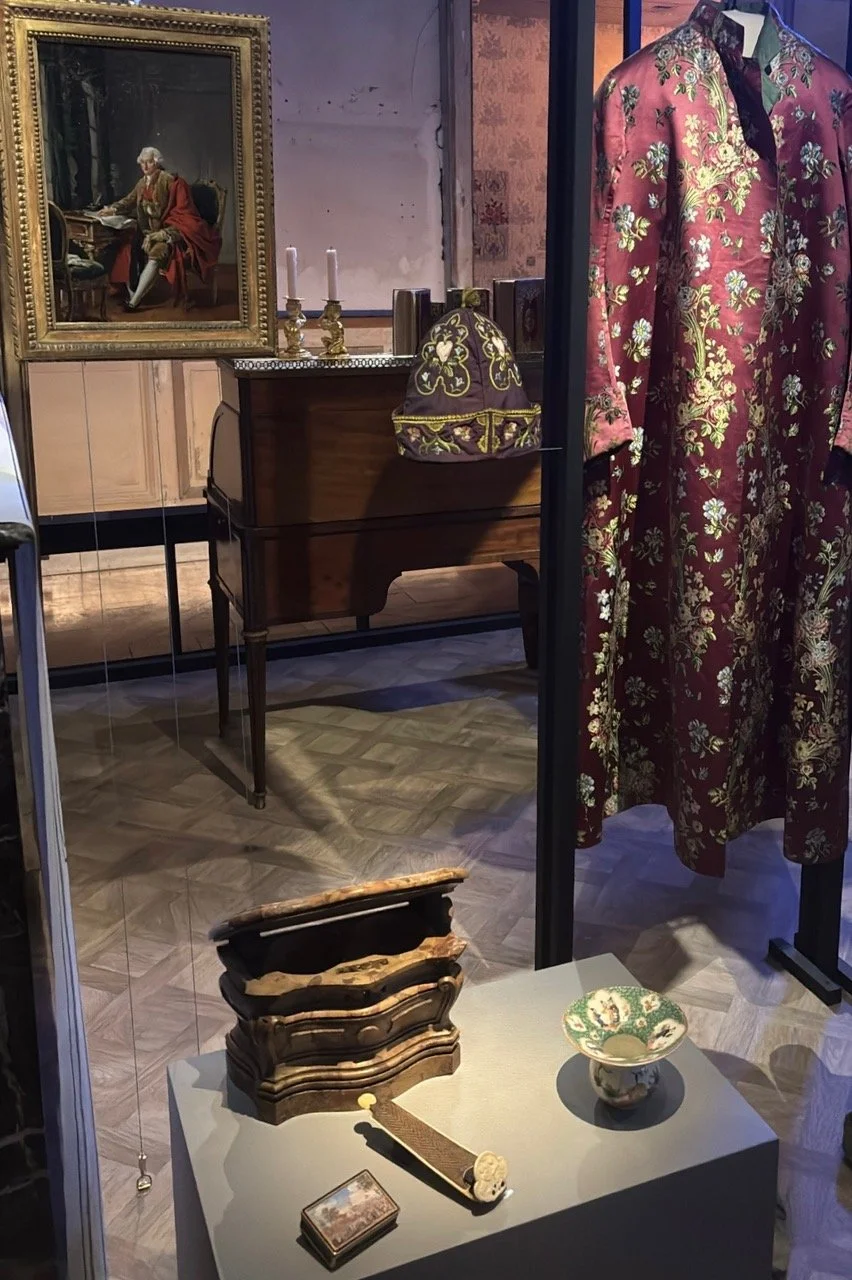
Figure 16. Library used by man of the house, comfortably attired in dressing gown of eastern origin
And what about Madame? After she washed and had breakfast, her hair was combed, powdered and perfumed. And one of her lady's maids helped her get dressed. A woman’s bedroom may have been where she slept, but once she was fed, washed and dressed, it was where she welcomed her secretary, suppliers and friends.
And what about the children? They lived in a separate wing of the mansion with their nannies and would be brought to see their parents when they woke up and after their dinner. If a child lived to the age of 5, (infant mortality rates were high) nannies were replaced by governesses for girls and tutors for boys. At that moment, girls would be dressed as little women and boys as little men - miniature adults. (Figs 17, 18)
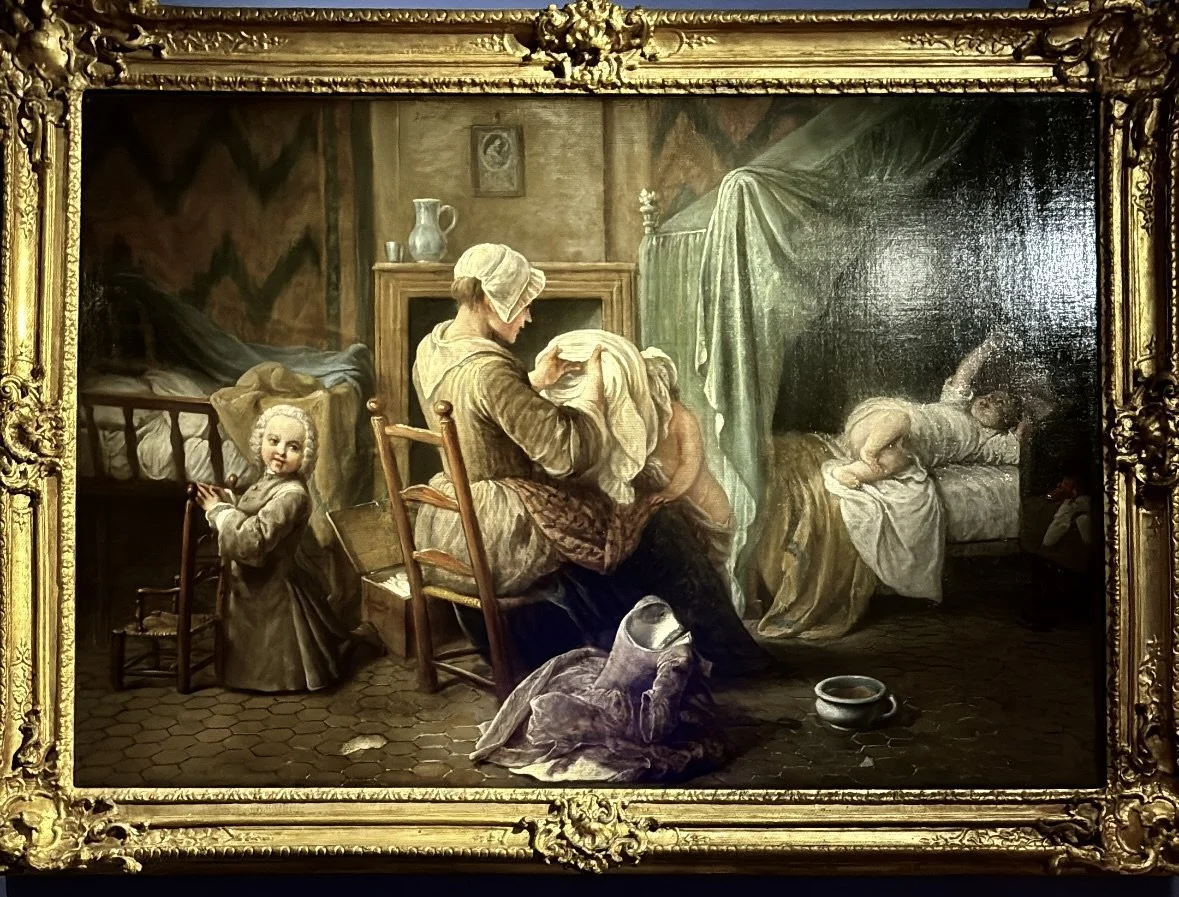
Figure 17. Children and their nanny
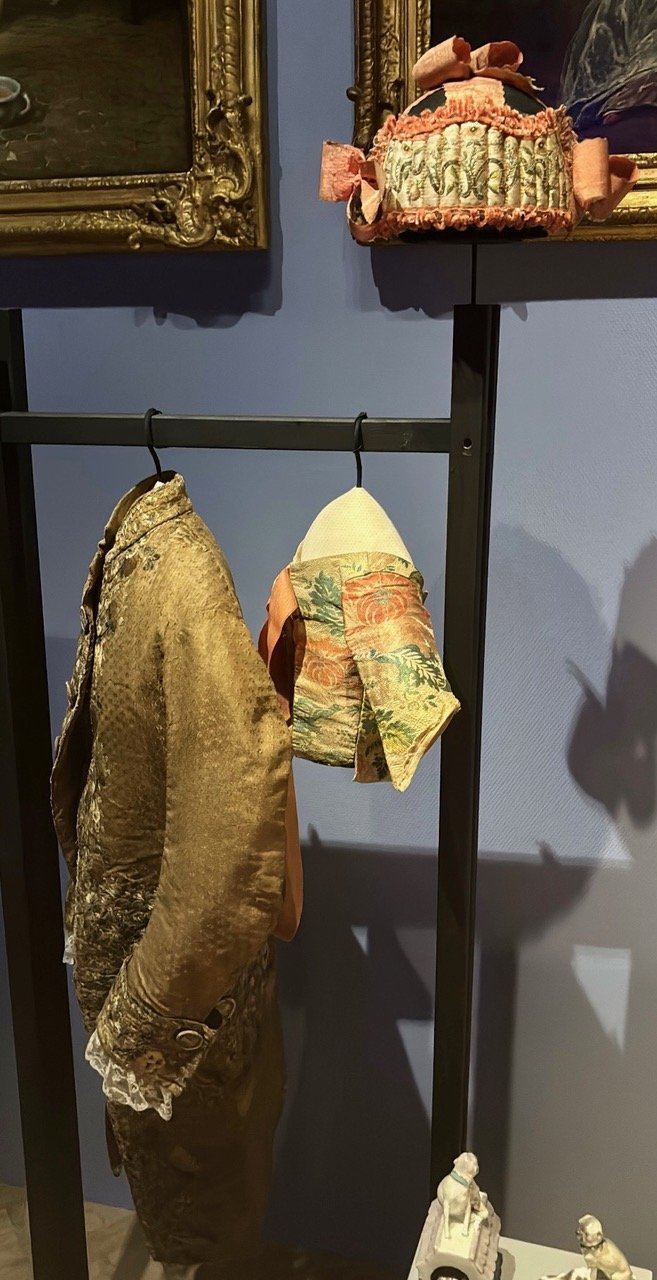
Figure 18, Children lived in separate wing of house. Children stayed with their nannies and were brought to see their parents when they woke up and after their dinner. If a child made it to the age of 5, nannies were replaced by governesses for girls and tutors for the boys at which time, little girls were dressed as little women and little boys as little men - miniature adults.
So, that was the mornings, the second meal of the day was the heartiest of the day. Called Dinner, it was served between 2 p.m. and 4 p.m. In a room that by the mid-18th century, was a specialized one for dining: table, chairs and sideboards. Dishes were put on the table all at once - starters, hors-d’oeuvres, terrines; soup with meat, fish with sauce, vegetables; sweet and savory entremets (palate cleansers) and dessert which would include ice creams, sorbets, compotes, jams and fruits. (Figs 19, 20)
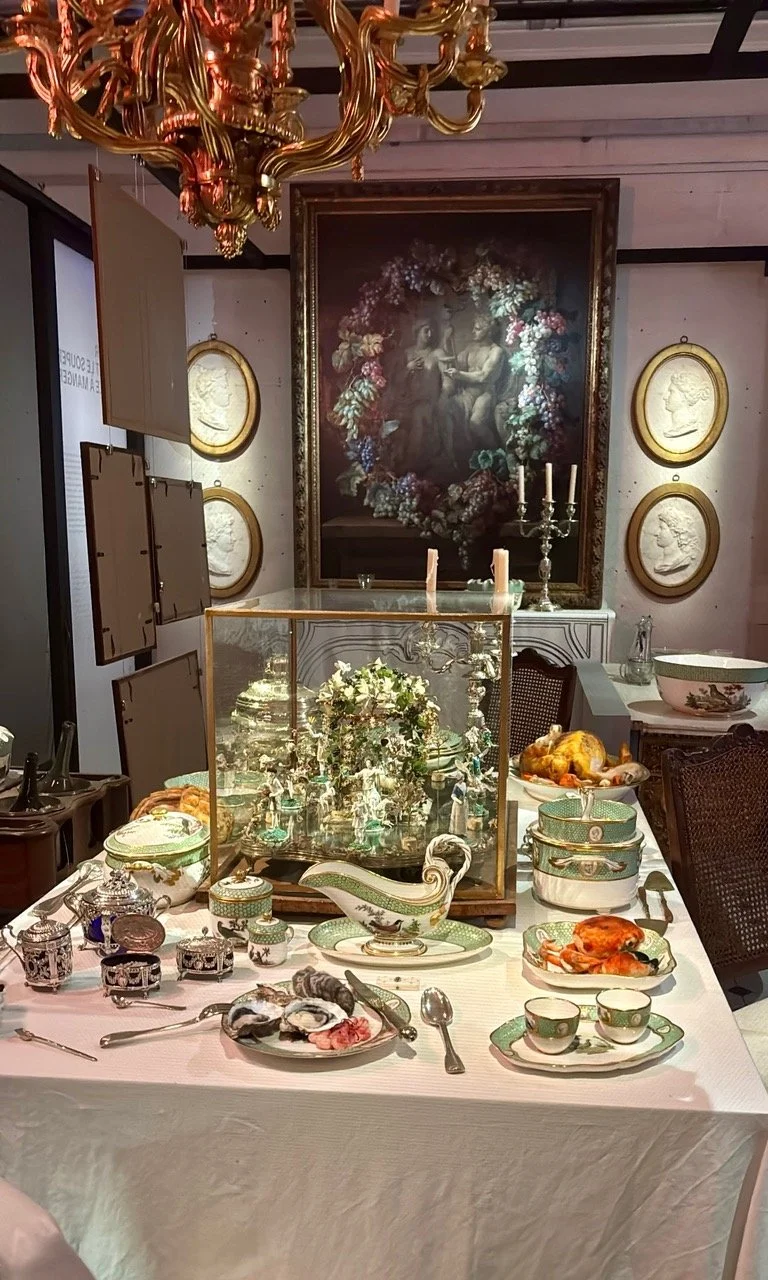
Figure 19. The heavy laden dinner table with plates, cutlery, serving bowls and decoration
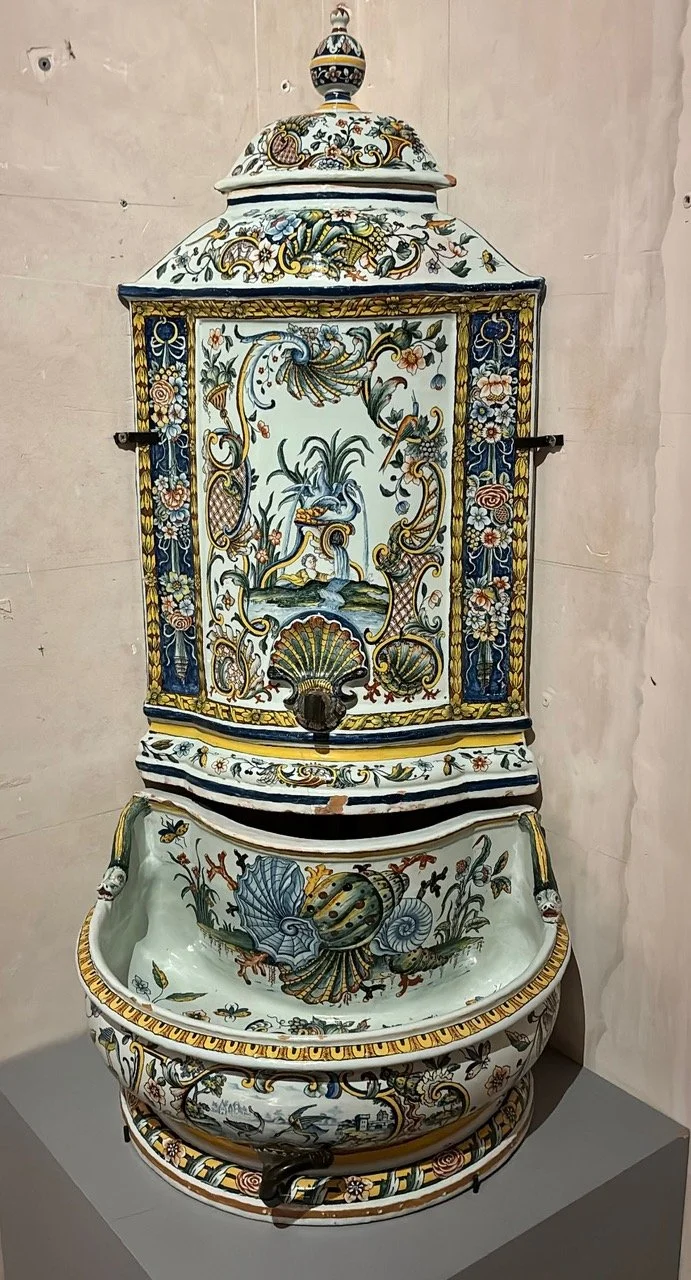
Figure 20. Before sitting down to eat, people washed their hands at the wall fountain. For drinking, the glass that was kept in a cooler was refilled by a servant on request and returned after drinking.
After lunch, if she wasn't going out or holding a salon, Madame returned to her bedroom, to read on a daybed or write letters at her desk (bonheur-du-jour.). (Fig 21)
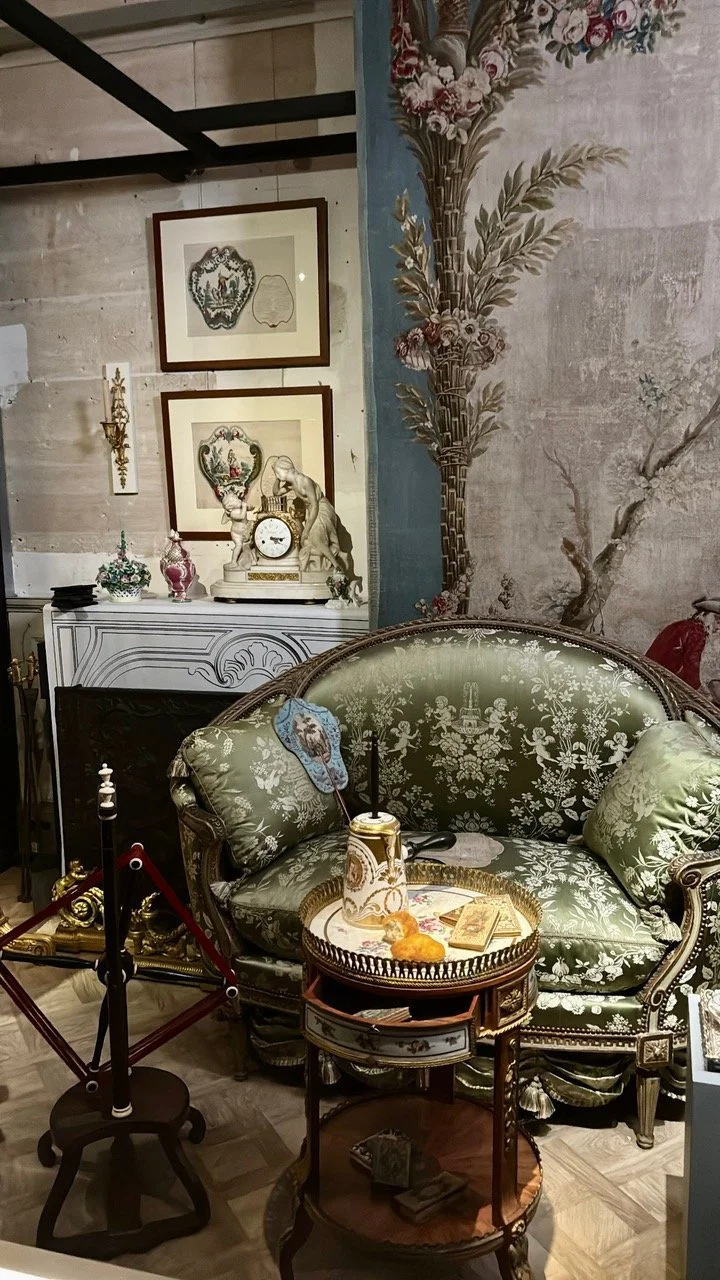
Figure 21. Sofa in lady of the house’s bedroom with a clock on the mantle
A simple supper was served at 9 pm, after which, if there were guests, Madame would invite them to join her in the drawing room for a chamber music concert. After which people might discuss current affairs and then move on to gambling, which could be and often was a very dangerous pastime. (Fig 22)
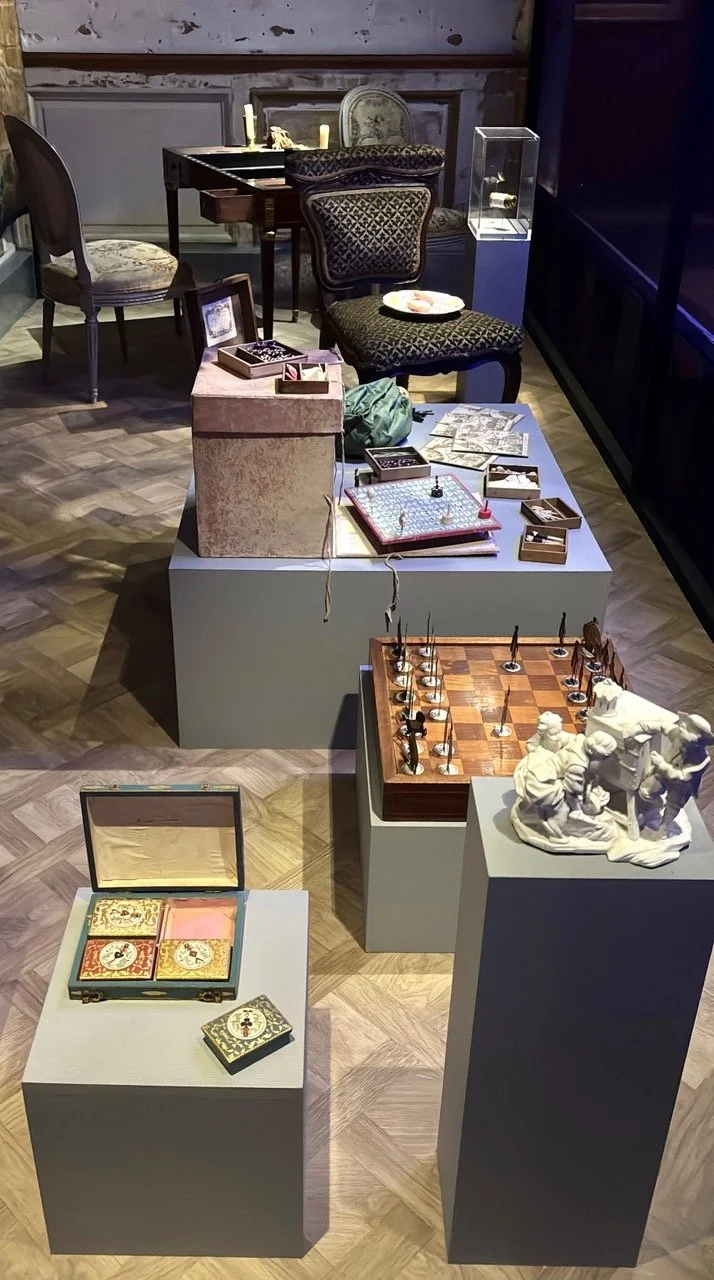
Figure 22. Some of the various (gambling) games they would play
Finally, bedtime. Monsieur and Madame returned to their respective bedrooms. To wash their faces and put on their nightgowns. Monsieur would cover his head with a nightcap. Madame would protect her hair with a "dormeuse" (sleeper). A chamber pot was put next to the bed and refreshments on a shelf nearby. Bon nuit, beaux rêves!
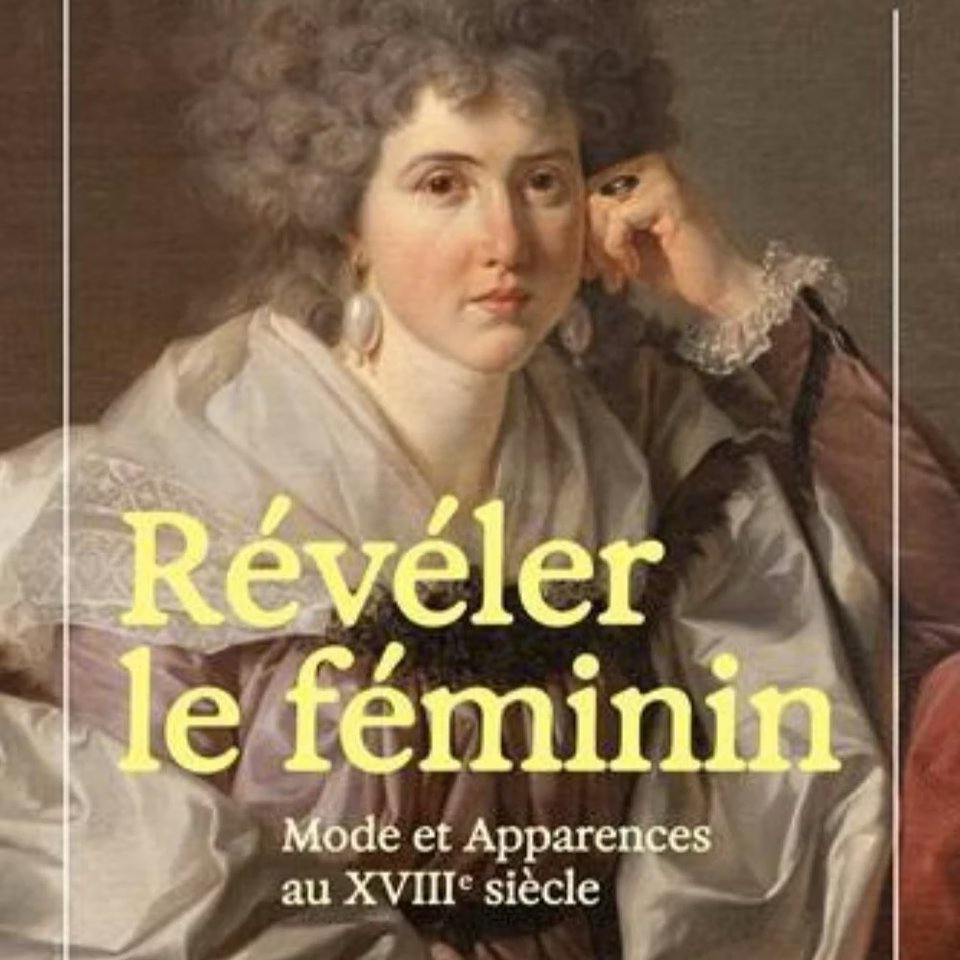
The second exhibition on the 18th century for today is at the Musée Cognacq-Jay. ‘Revealing the Feminine. Fashion and Appearances in the 18th Century’ features lots of paintings from this museum and a few gowns from the Palais Galliera. According to the curators, the exhibition explores ‘the diversity of femininity during the 18th century” by looking at three kinds of paintings: portraits, fêtes galantes and pastorals. It’s an “immersion into the fascinating world of femininity in the Age of Enlightenment,” a French style whose elegance captivated European courts and the aristocracy. (Fig 23)
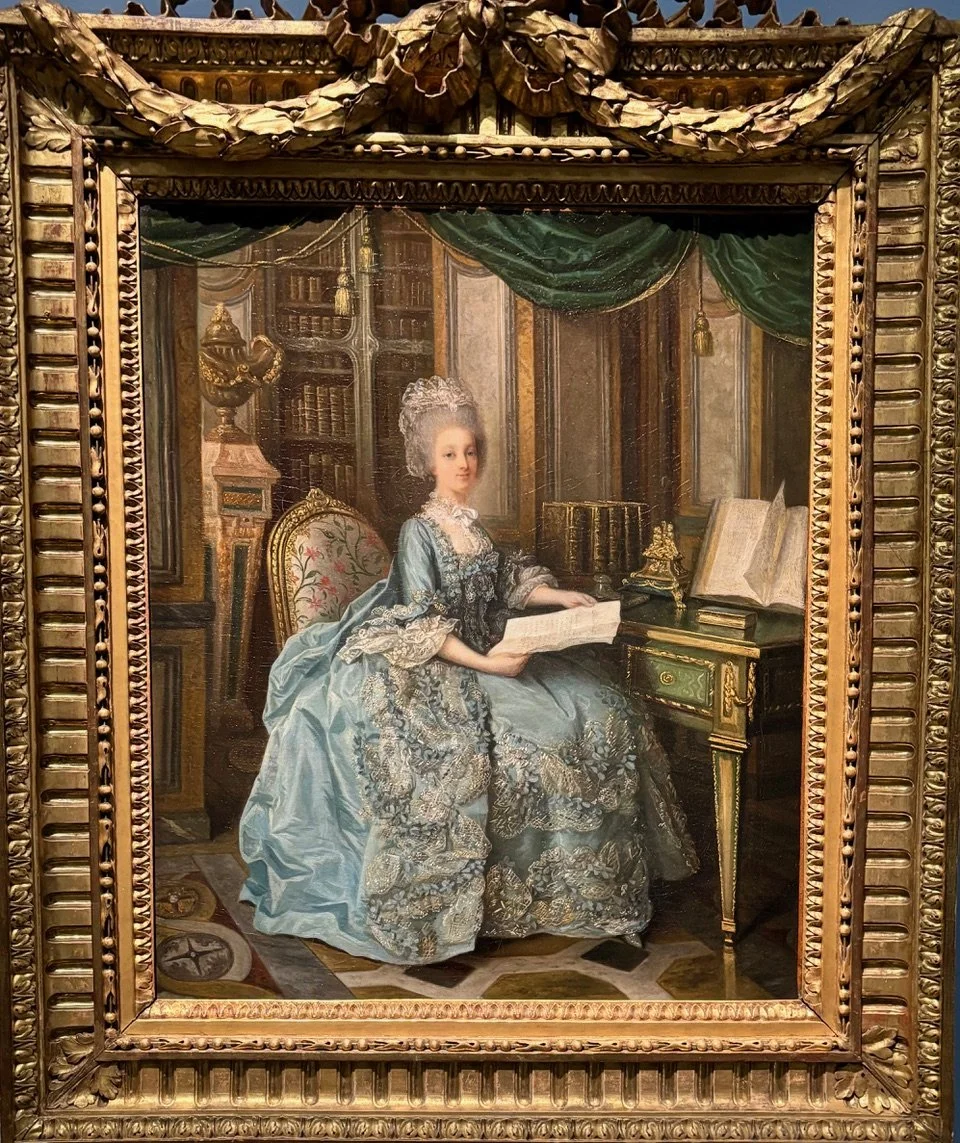
Figure 23. Portrait of Louis XV’s 6th daughter, Lié Louis Périn-Salbreux, 1776
It’s an exhibition about paintings of women wearing gowns rather than about the gowns the women wore. Although, according to the exhibition’s curators, the dialogue between paintings and historical costumes reveals a femininity shaped by the intersecting of the ideal and the real. The women depicted, both aristocrats and bourgeoisie, presumably owned the gowns they wore and therefore actively participated in the crafting of their own images. Their portraits were a way to “stage their identity, to assert their social status, to celebrate their wealth.”
The initial images in the exhibition are portraits of individual women, mostly in interiors, mostly seated - at a desk, pen in hand; on a chair, holding a book. The space is tight, the accessories are limited. Books and pens confirm a certain level of education. We know the name of the sitter and the name of the artist. But we don’t know the name of the couturièr/e (dressmaker). How different from our own times when we know a designer’s name but not until there’s an exhibition of the designer’s work, do we find out who a couture gown was designed for. Were couturières acknowledged for the fabrics they selected in the 18th century, I don’t know. Painters were certainly celebrated for capturing the textures of those fabrics, whether velvet, taffeta, satin or fur. (Figs 24-26)
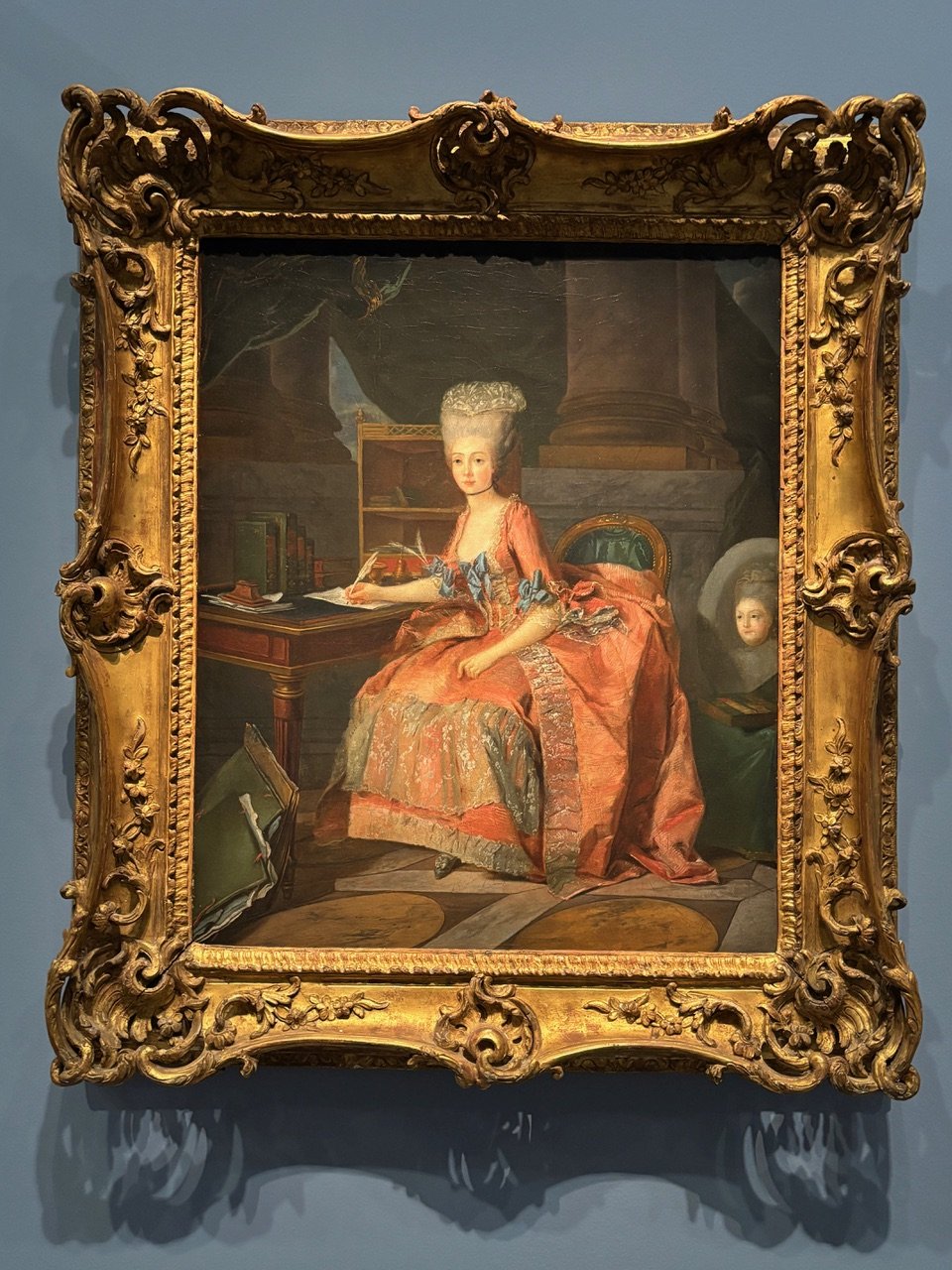
Figure 24. Comtesse d’Artois, Lié Louis Périn-Salbreux
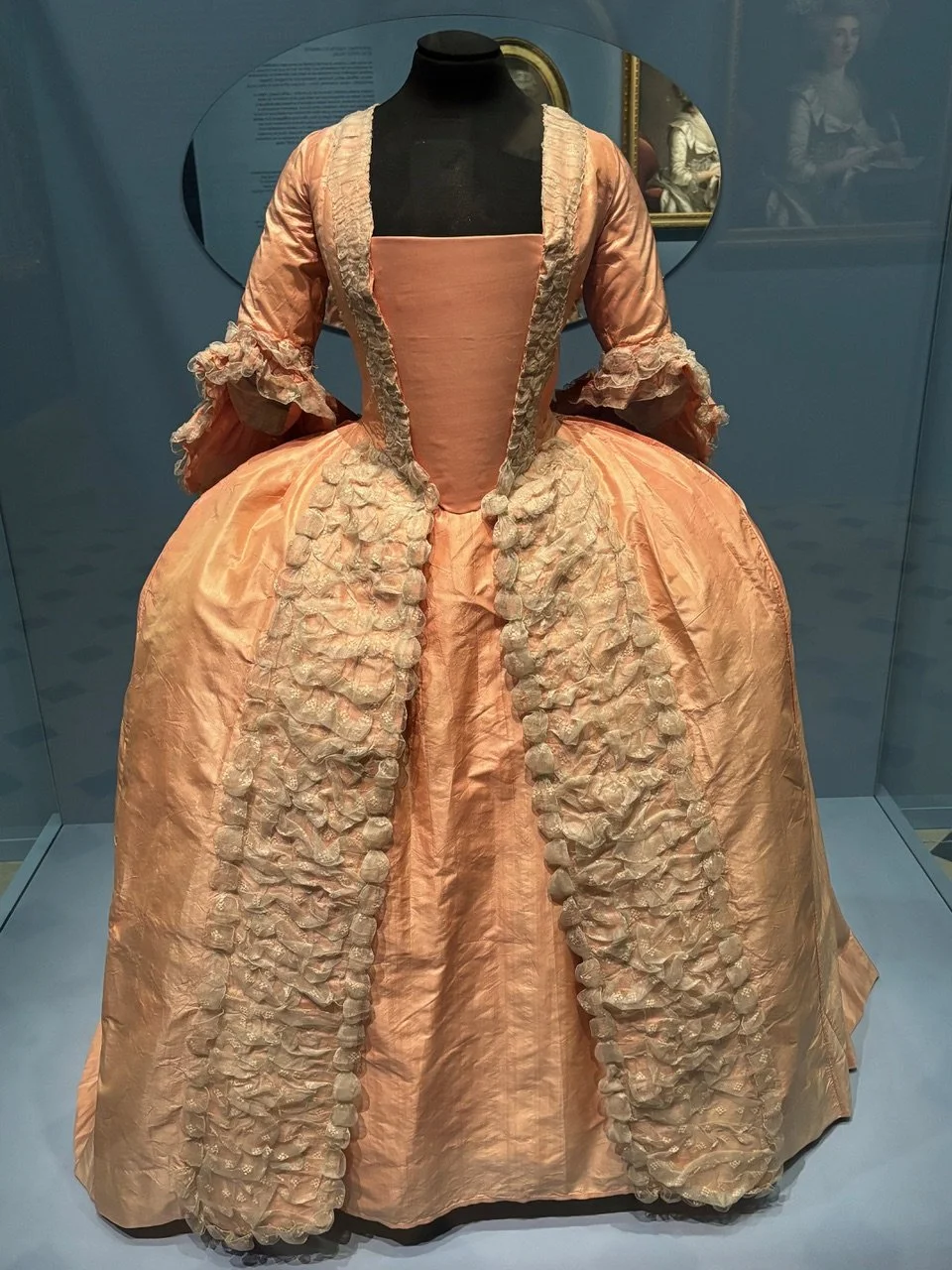
Figure 25. Robe à la française, anonymous, 1770 - 1775
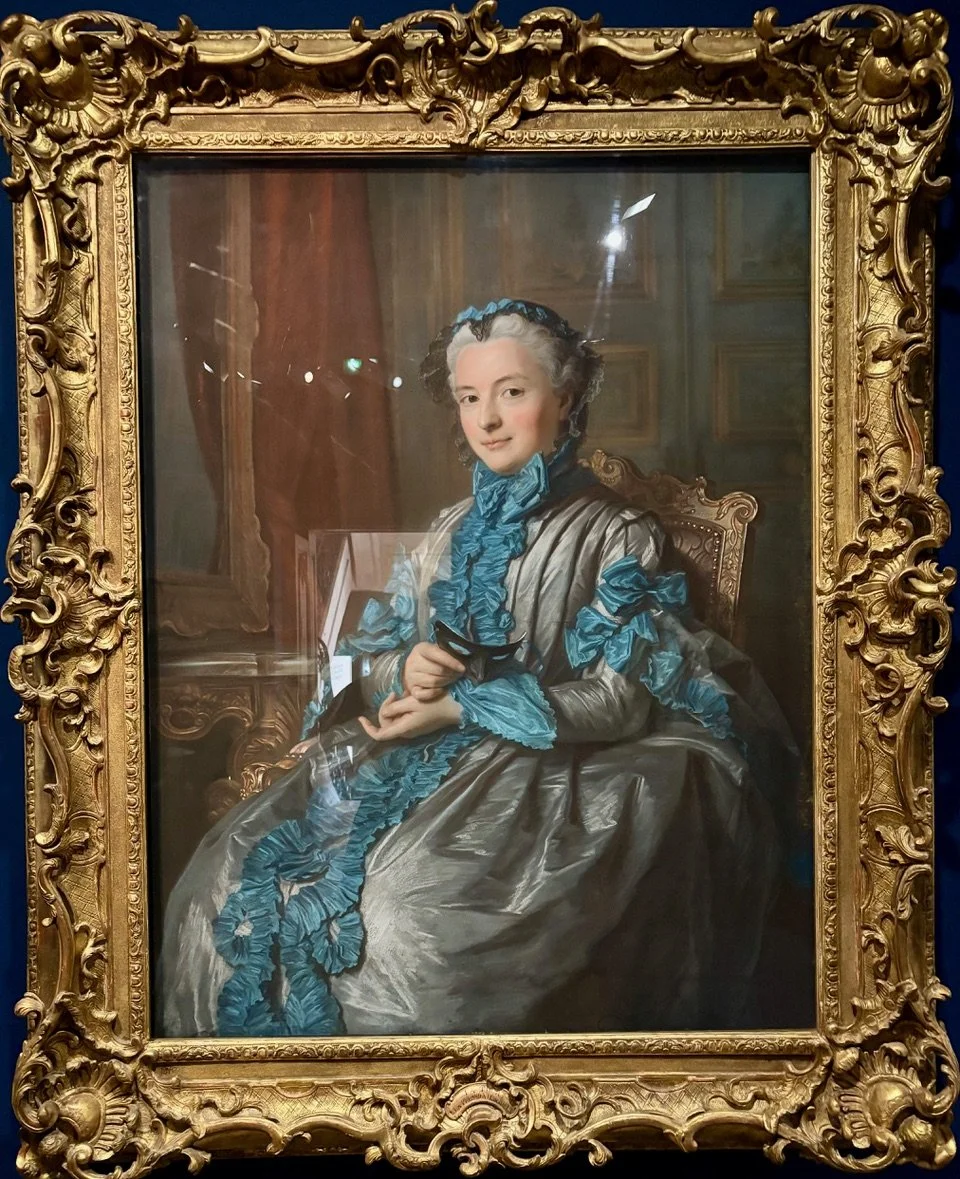
Figure 26. Madame la présidente de Rieux, Maurice-Quentin de la Tour, 1742
Portraits painted by two of my favorite female artists are here. Adelaide Labille-Guiard and Elisabeth Vigée Le Brun. Labille-Guiard is known for her portraits of Louis XVI’s aunts and sisters. Vigée Le Brun was Marie-Antoinette’s preferred painter.
Labille-Guiard, was trained as a miniaturist. She was the daughter of a marchand-mercier, (merchants in 18th century France who were importers, collectors, designers and decorators. Labille-Guiard knew her luxe. She was the first female artist to receive permission to set up a studio for her (female) students at the Louvre. (Fig 27-29)
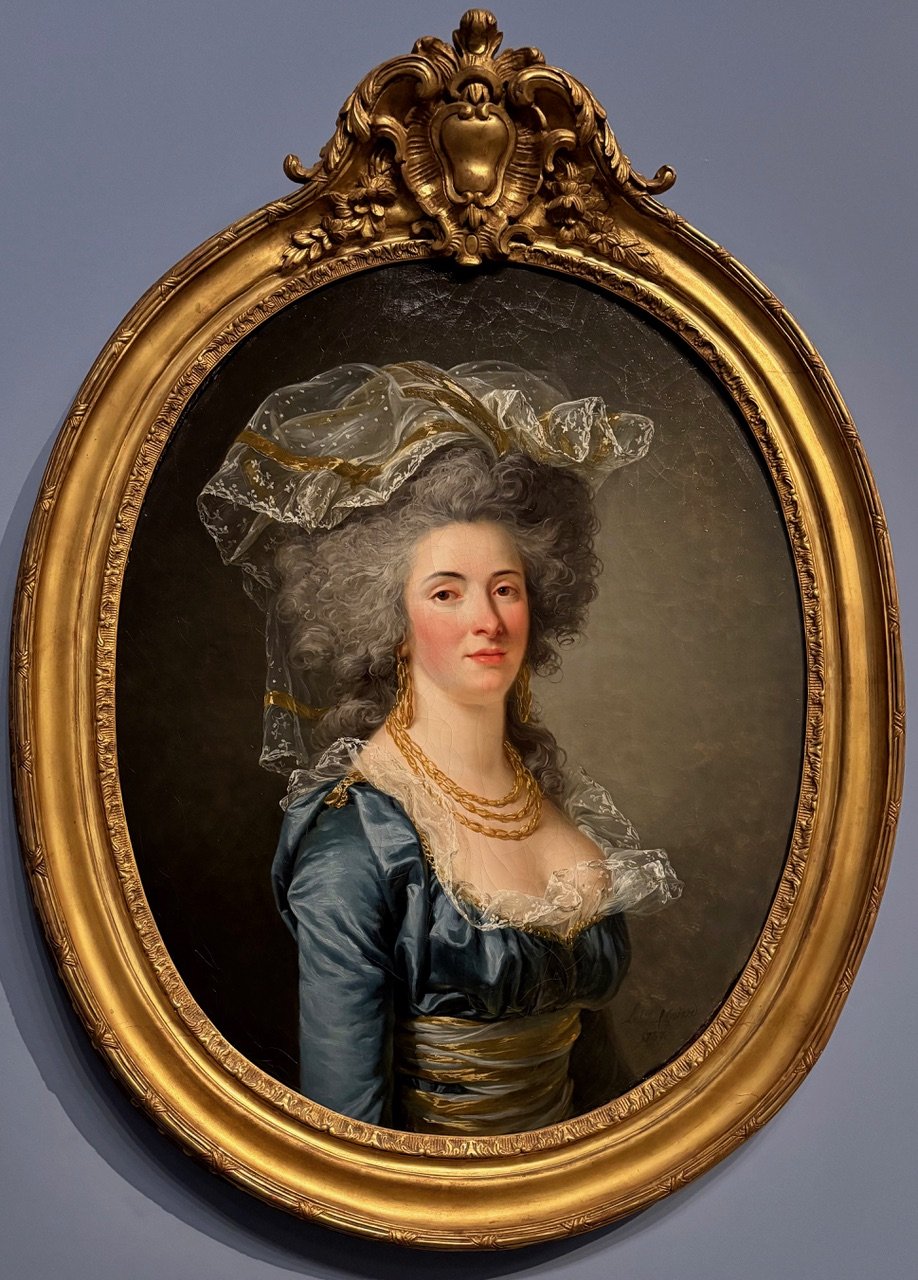
Figure 27. Portrait of Comtesse de Maussion, Adelaïde Labille-Guiard, 1787
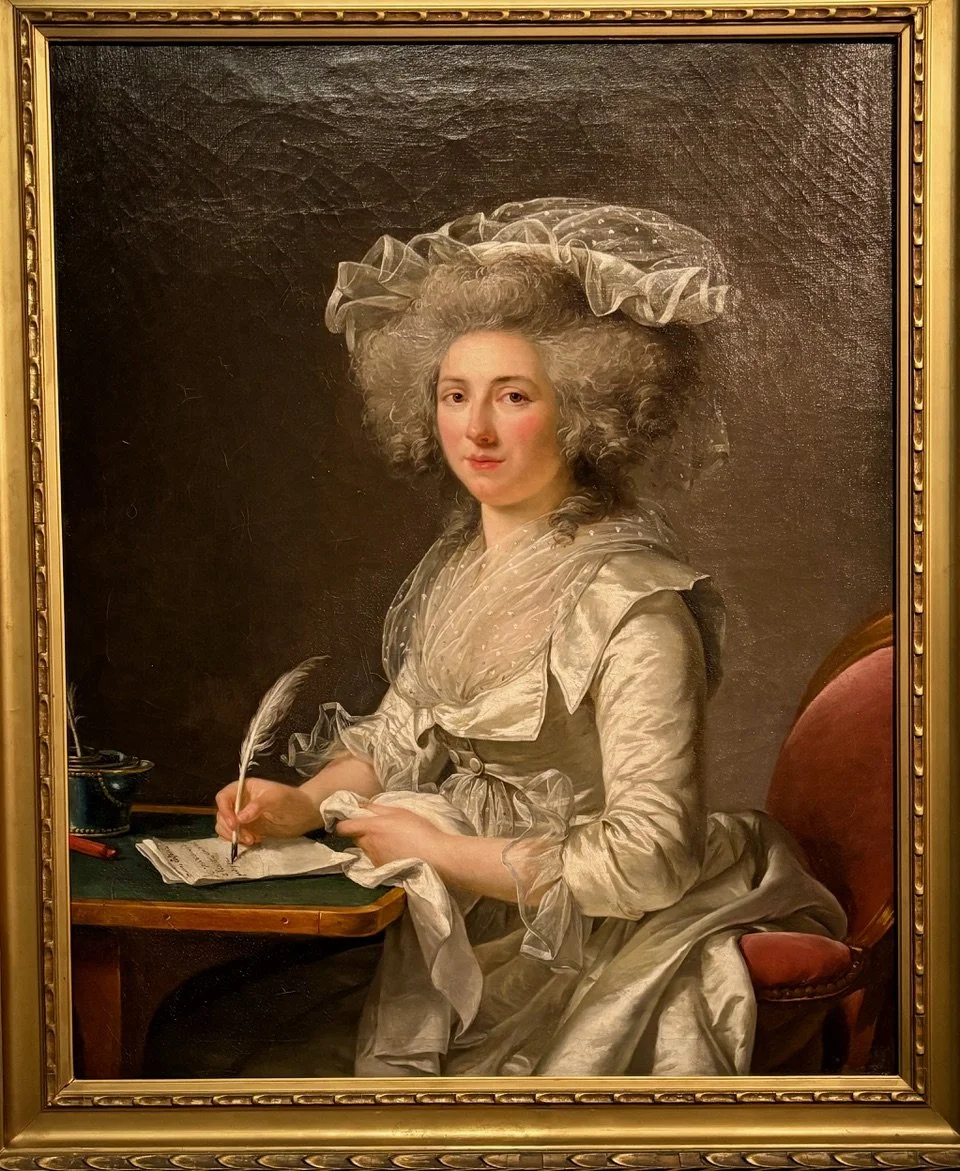
Figure 28. Portrait of a Woman, Adélaïde Labille-Guiard, 1787

Figure 29. Self-portrait with two pupils, Adelaide Labille-Guiard
Vigée Le Brun was the daughter of a hairdresser and a pastel artist whose training with a fan maker insured that she was attentive to detail and decoration. She and Labille-Guiard became members of the Royal Academy on the same day in 1783. (Figs 30-31)
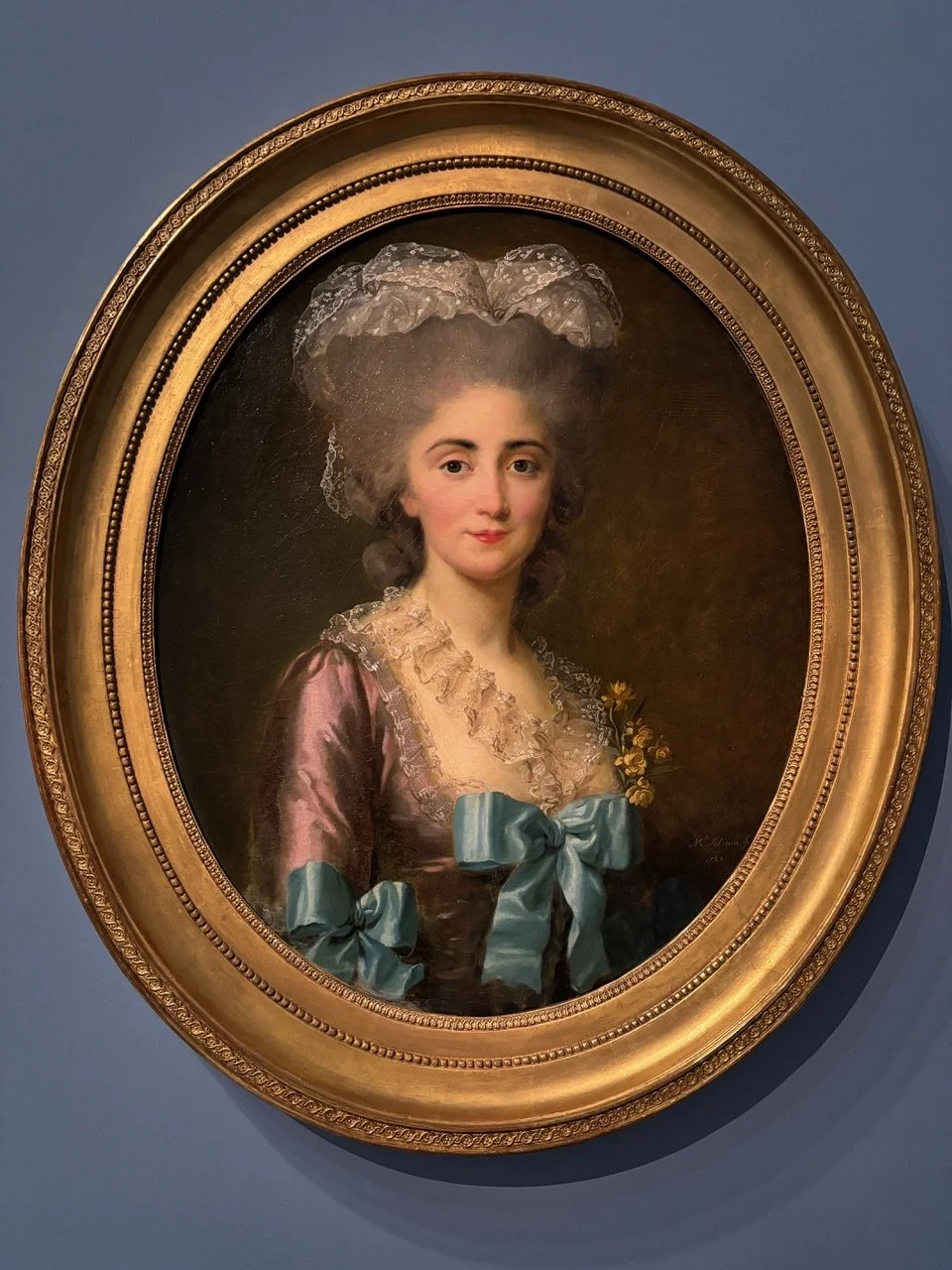
Figure 30. Portrait de Madame Lesould, Elisabeth Vigée Le Brun, 1780
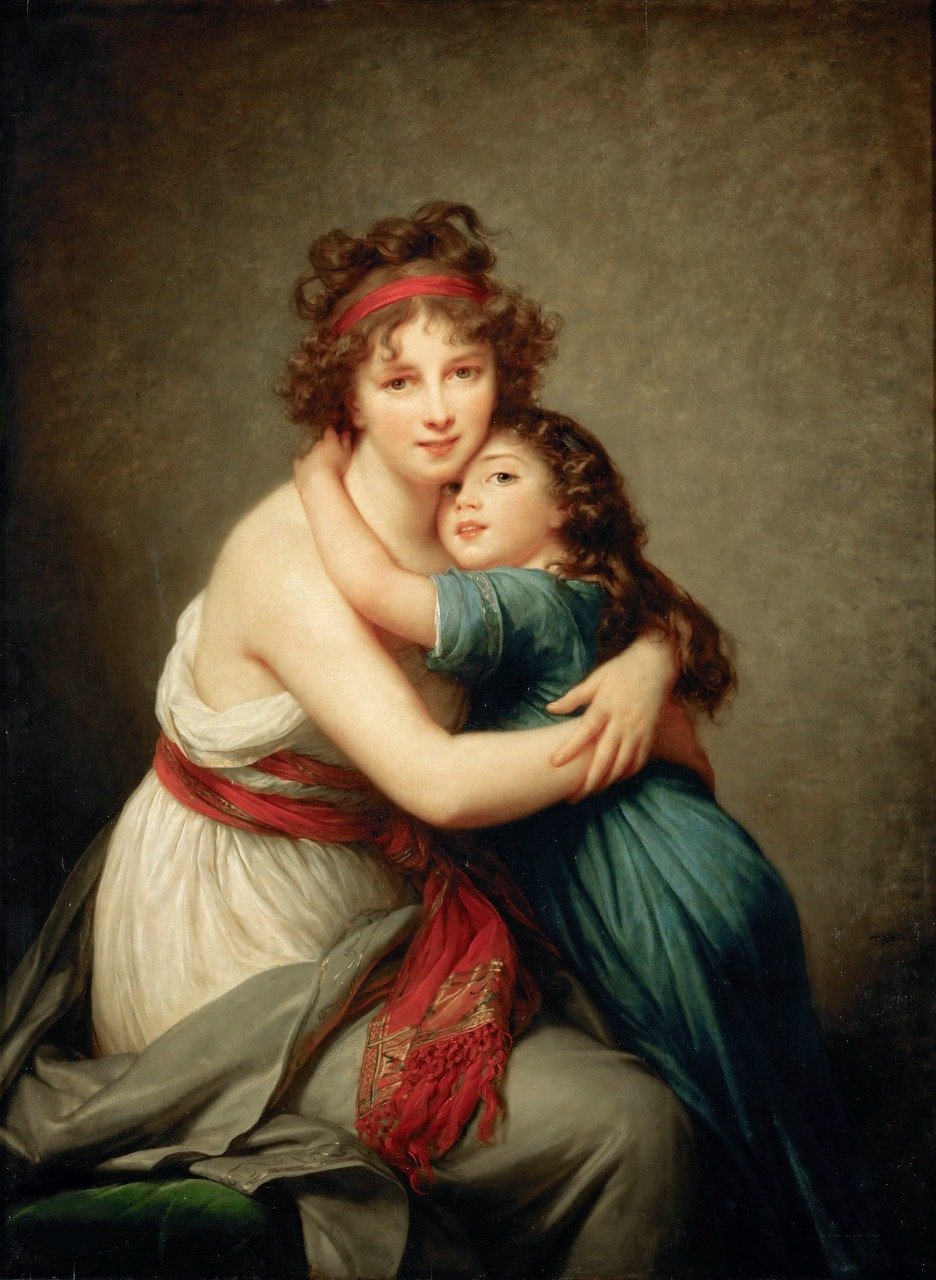
Figure 31. Self portrait with daughter, Julie, Elisabeth Vigée Le Brun, 1789. This painting caused a scandal because the artist showed herself smiling, we can (barely) see her ….. teeth!!!
As M-A’s painter, Vigée Le Brun had to leave Paris in 1789, on the same day that Louis XVI and M-A were taken to the Tuileries from Versailles. Vigée Le Brun was urged to flee Paris in a stagecoach rather than her own carriage. Shabbily dressed. she escaped. The King and Queen might have avoided the guillotine if they had followed her example.
In the next section, “Portraits of Sensibility: Family Bliss and Childlike Wonder,” we are presented with a very different kind of portrait. No longer individual women in solitary pursuits dressed in elegant gowns but women and occasionally couples, with their children celebrating conjugal bliss and the pleasures of parenthood. These portraits en famille, in which women, often wearing simpler gowns, and depicted with playful children, reflect real societal changes. Images of women, as doting mothers, were part of a movement in 18th century French art, literature and philosophy, celebrating motherhood. At a time when it was (incorrectly as it turned out) feared that the population of France was declining, Diderot encouraged men of ‘feeling and sensibility’ to “give your wife children, give her as many as you can, and give them only to her.”(Figs 32-34)
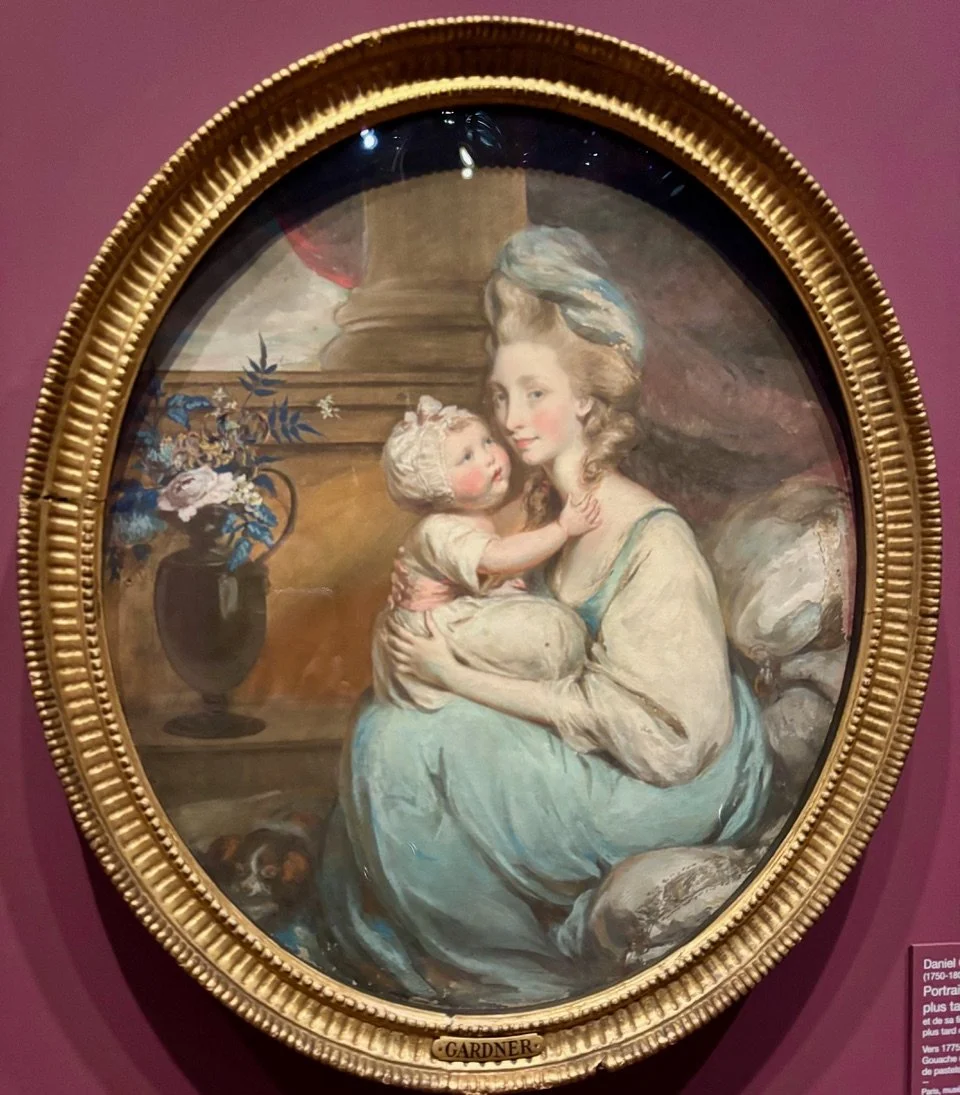
Figure 32 Portrait of Eleanor Eden (Lady Auckland) and her daughter Eleanor Agnes, Daniel Gardner, 1775
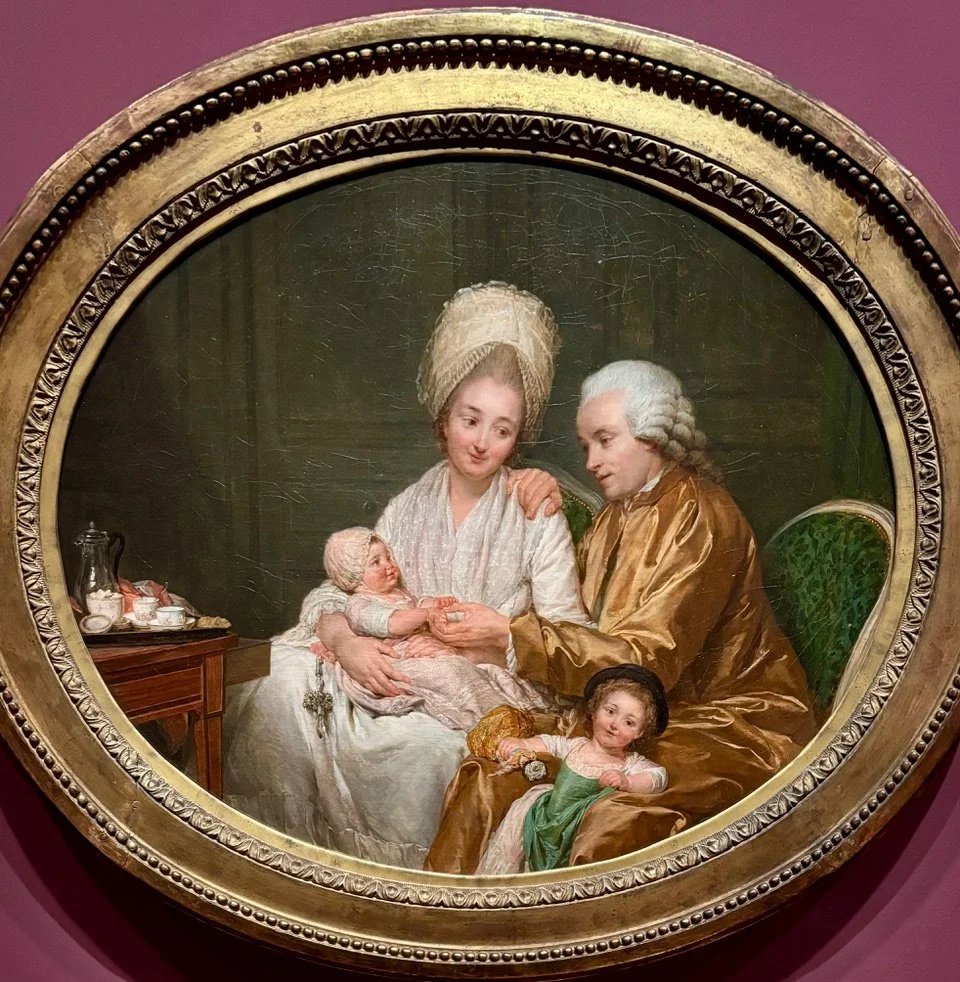
Figure 33. Portrait de Quatremère et de sa famille, Nicolas-Bernard Lépicié, 1780
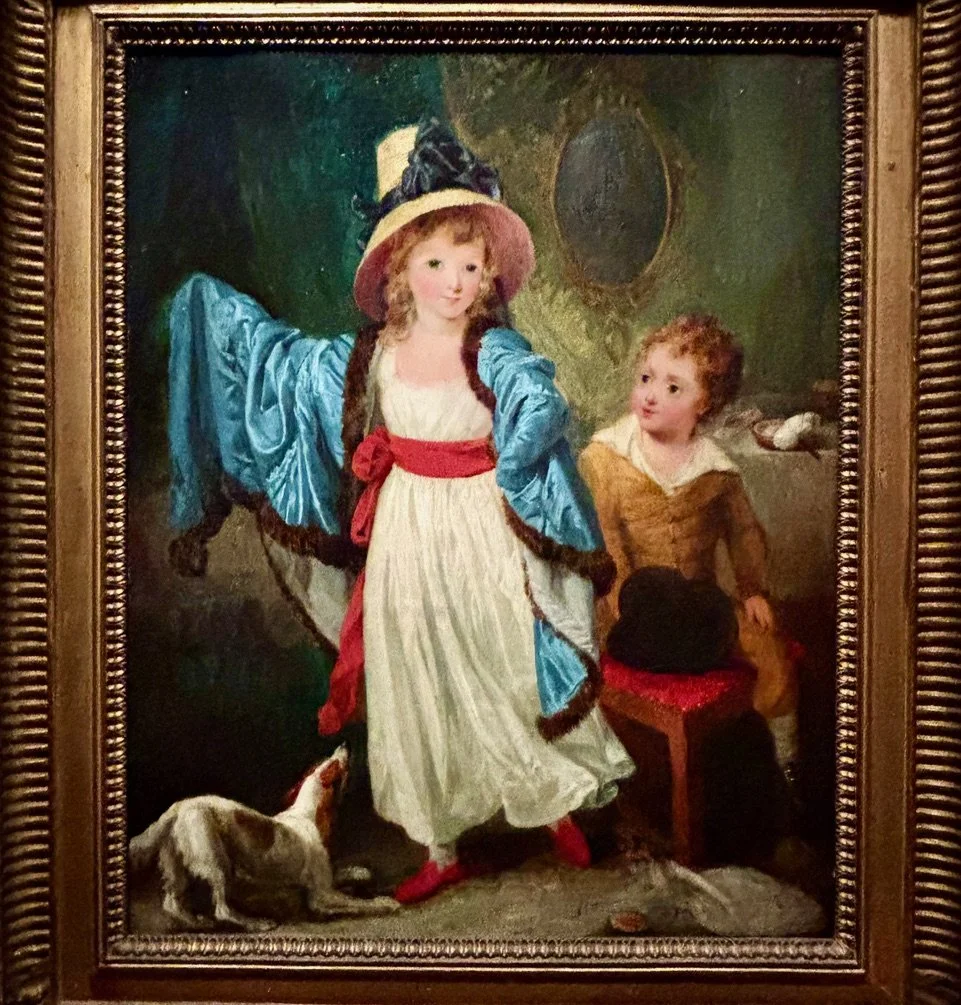
Figure 34. Children playing dress-up
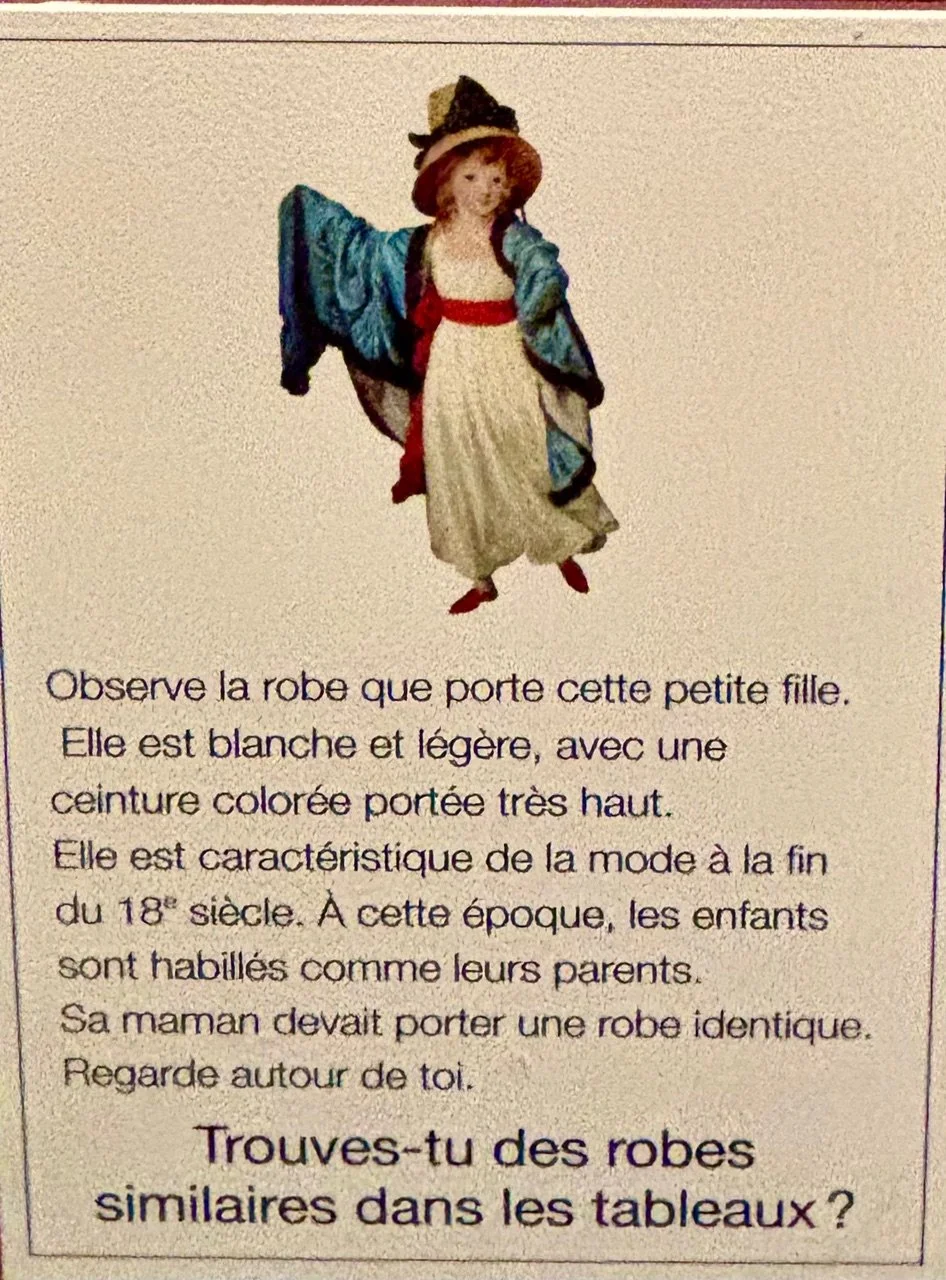
Figure 34a. The information for children had this symbol for this exhibition.
Vigée-Le Brun’s portraits of Marie Antoinette, whether with her children or wearing a simple muslin dress, fit perfectly with this ethos. Critics were scandalized by Vigée Le Brun portrait of M-A in a white muslin gown. the portrait had to be replaced by one in which M-A was more appropriately dressed for a queen (Figs 35-37).
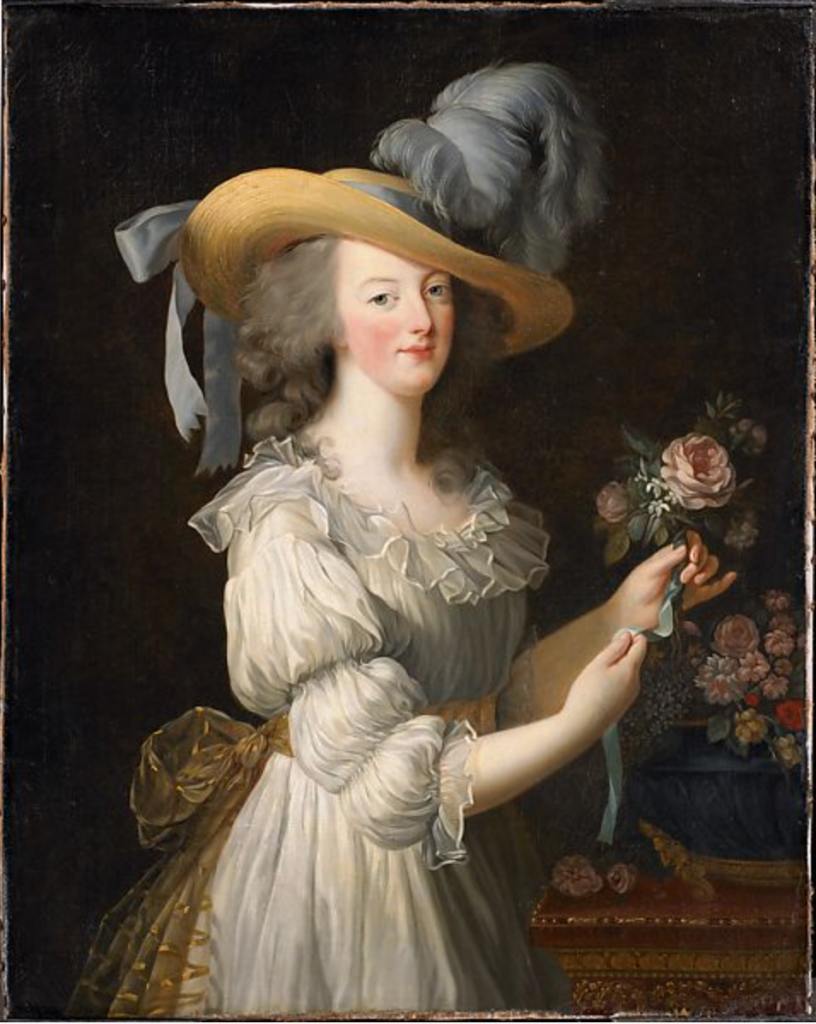
Figure 35. Marie-Antoinette, Vigée Le Brun. Her outfit scandalized her critics she was in her underwear
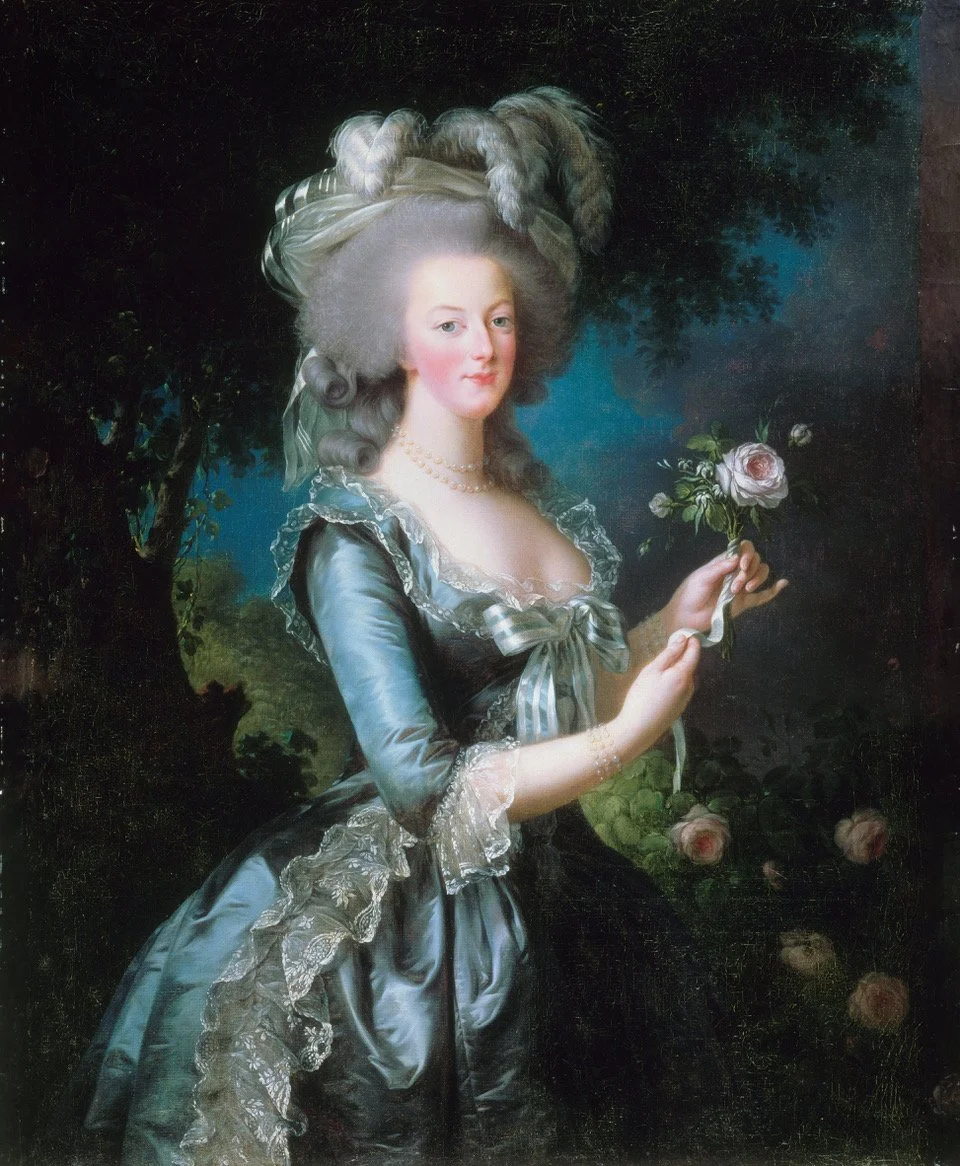
Figure 36. Marie Antoinette, Vigée Le Brun, this portrait replaced the more shocking one
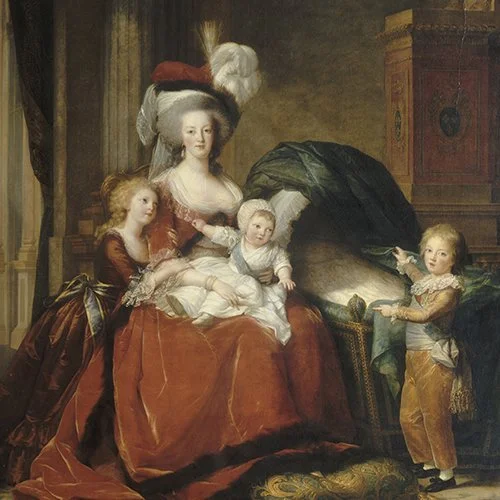
Figure 37. Marie Antoinette and her children, Vigée Le Brun
The exhibition then turns to another way that 18th century femininity was celebrated - with fêtes galantes and pastorales. The curators explain that these two genres,“depict a dreamlike, fantasized version of femininity, of women in costumes and fancy dress, idealized and poetic.”
Fêtes galantes are linked with the artist Antoine Watteau who invented the genre in 1717. They depict elegant people, in costume (mostly from the commedia dell’arte) or fancy dress, in a park or in a garden. Statues of mythological figures decorate the scene and set the mood. The curators tell us that a fete galante is a celebration of “tasteful love, gracefulness and the elegant pleasures of a society that enjoys the performance of representing itself.” Prints after Watteau are here (there aren’t many, he died at 36). Those by his successors, like Nicolas Lancret are here for us to enjoy. (Figs 38-40)
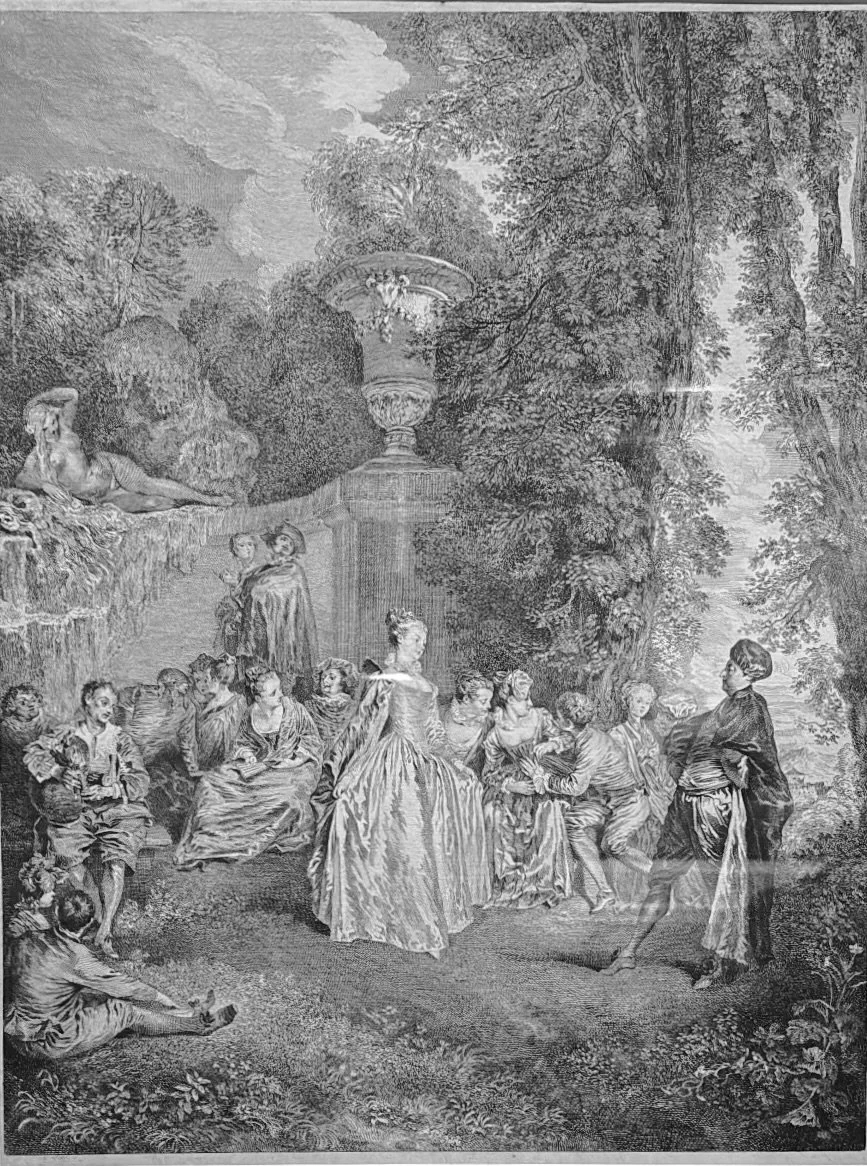
Figure 38. Fete galante in a Park, Antoine Watteau
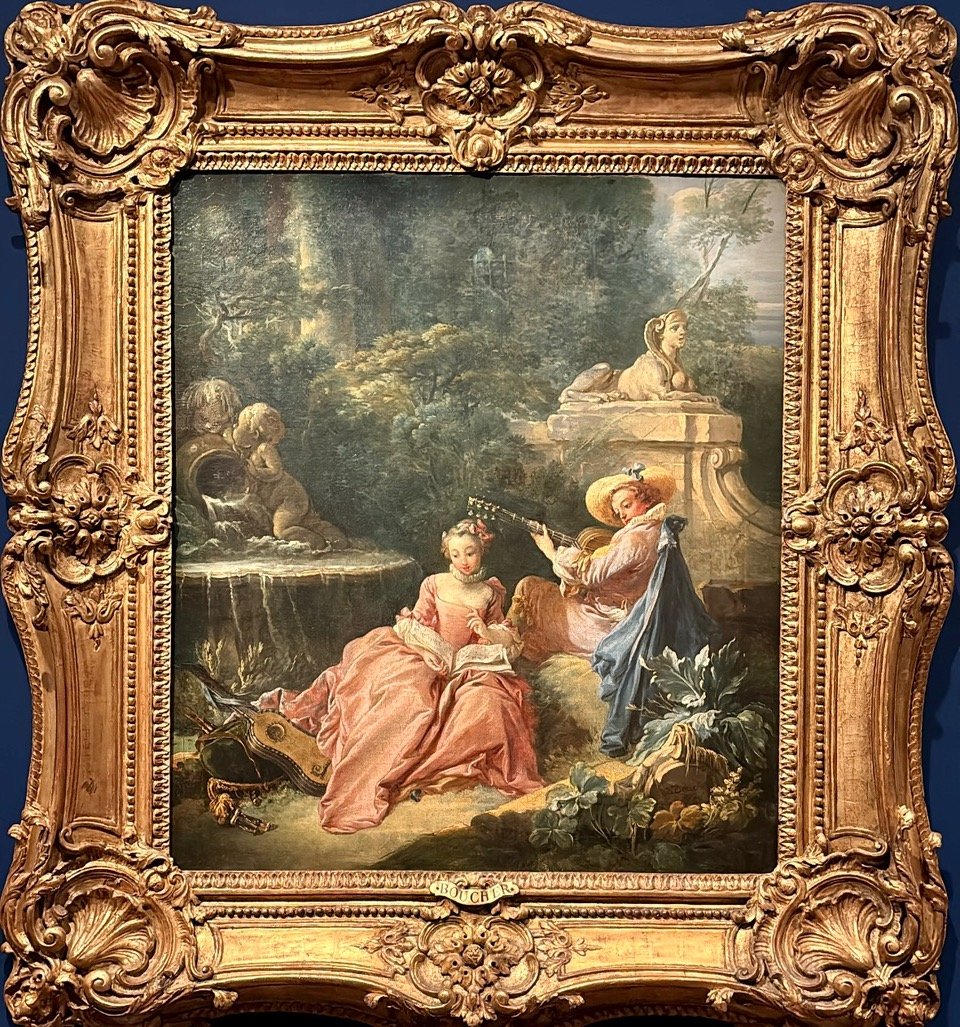
Figure 39. La Leçon de musique, Attribué à François Boucher, 18th c, style of Watteau’s concerts galants
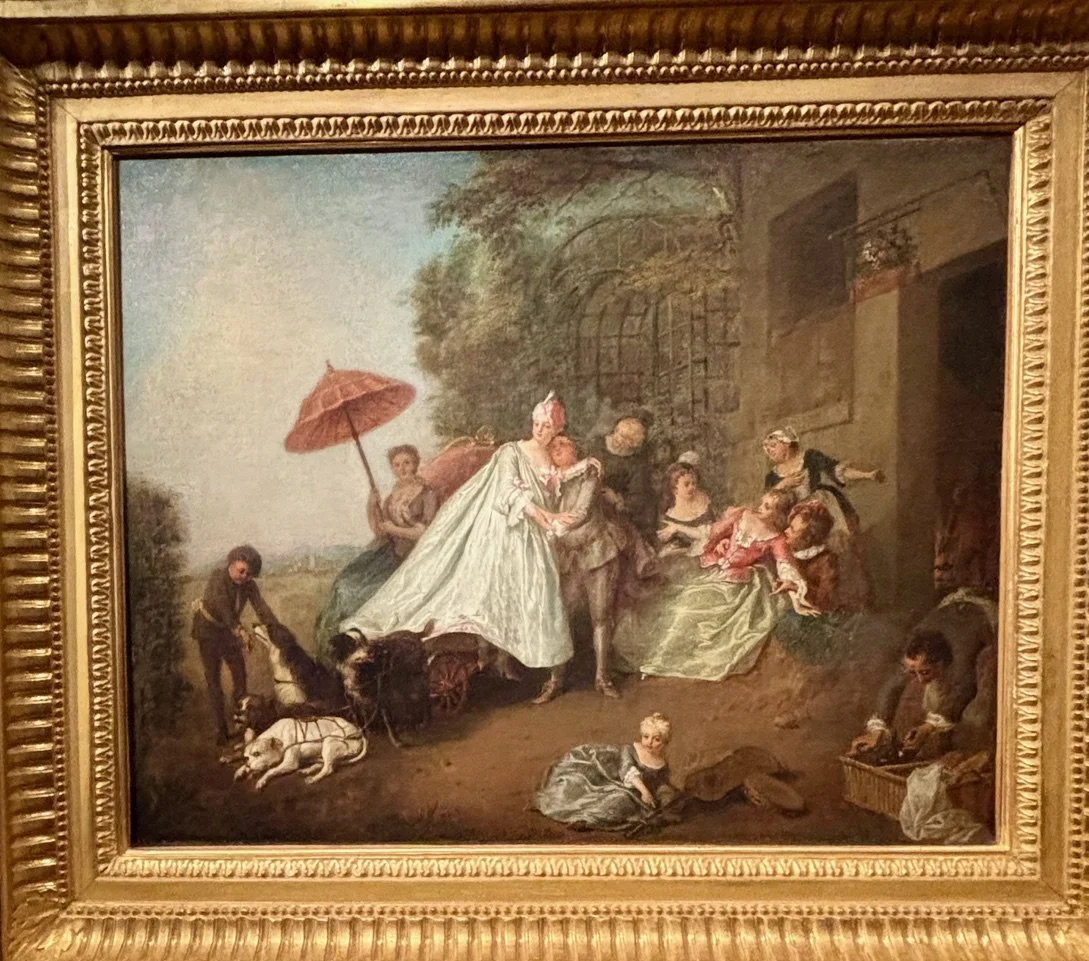
Figure 40. Arrival of a woman in a dog drawn carriage, Nicolas Lancret, 1/2st half 18th c
Pastorales depict “shepherdesses and shepherds dressed in silks and velvets…in an idealized version of nature.” Marie-Antoinette’s shepherdess fantasies at the Petit Trianon were completely in keeping with this genre of painting. Which came first, play acting or paintings? Does it matter? The paintings survive and they are glorious. (F 41-42)
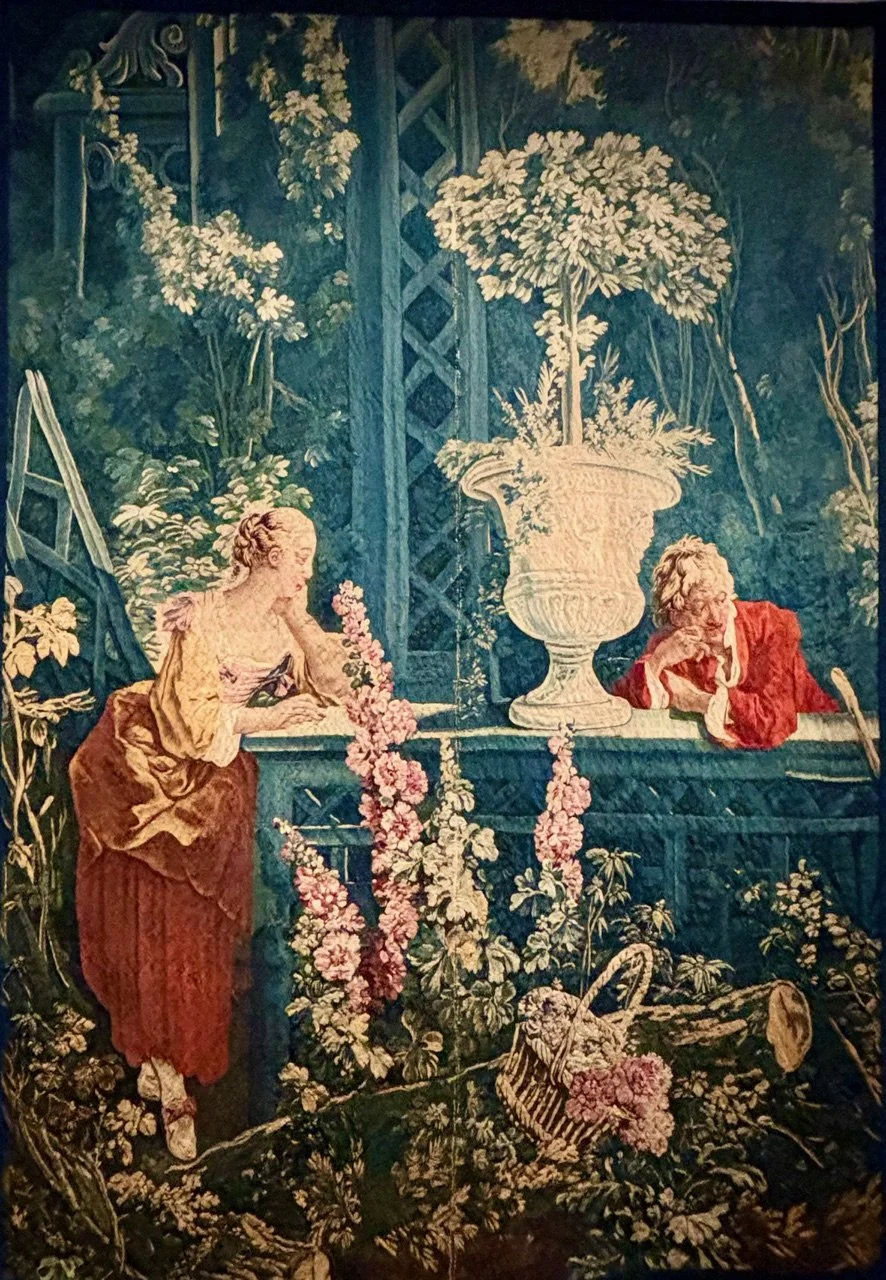
Figure 41. Pastorale tapisserie after Francois Boucher, 1750-90
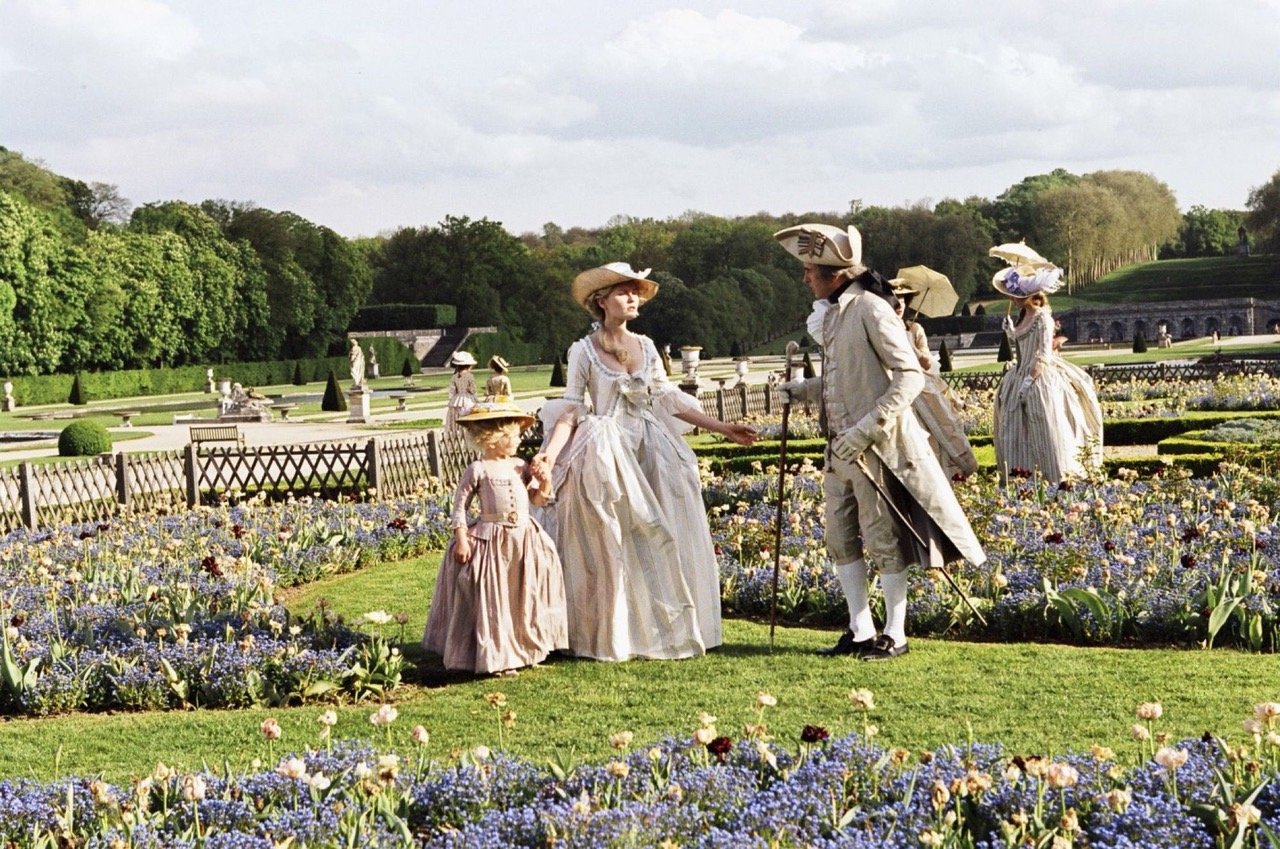
Figure 42. Marie Antoinette in gardens of Le Petit Trianon, Marie Antoinette, Sofia Coppola, 2006
One of my professors in graduate school was an expert on Impressionism. He discovered that fashion magazines influenced artists - both in the dresses their subjects wore and the way the models were presented. Fashion magazines didn’t start until the end of the 18th century, but the direction is the same. Couturière designed gowns that wealthy women bought and in which artists depicted them. Fancy costumes, created by couturières, were worn by their clients before they were painted by artists.
If we weren’t already sated by the extravagance that was the 18th century, the exhibition includes and concludes with modern and contemporary photographs, a bowl by Cindy Sherman and a gown by Karl Lagerfeld for Chanel. (F 43-49) Gros bisous, Dr. B.
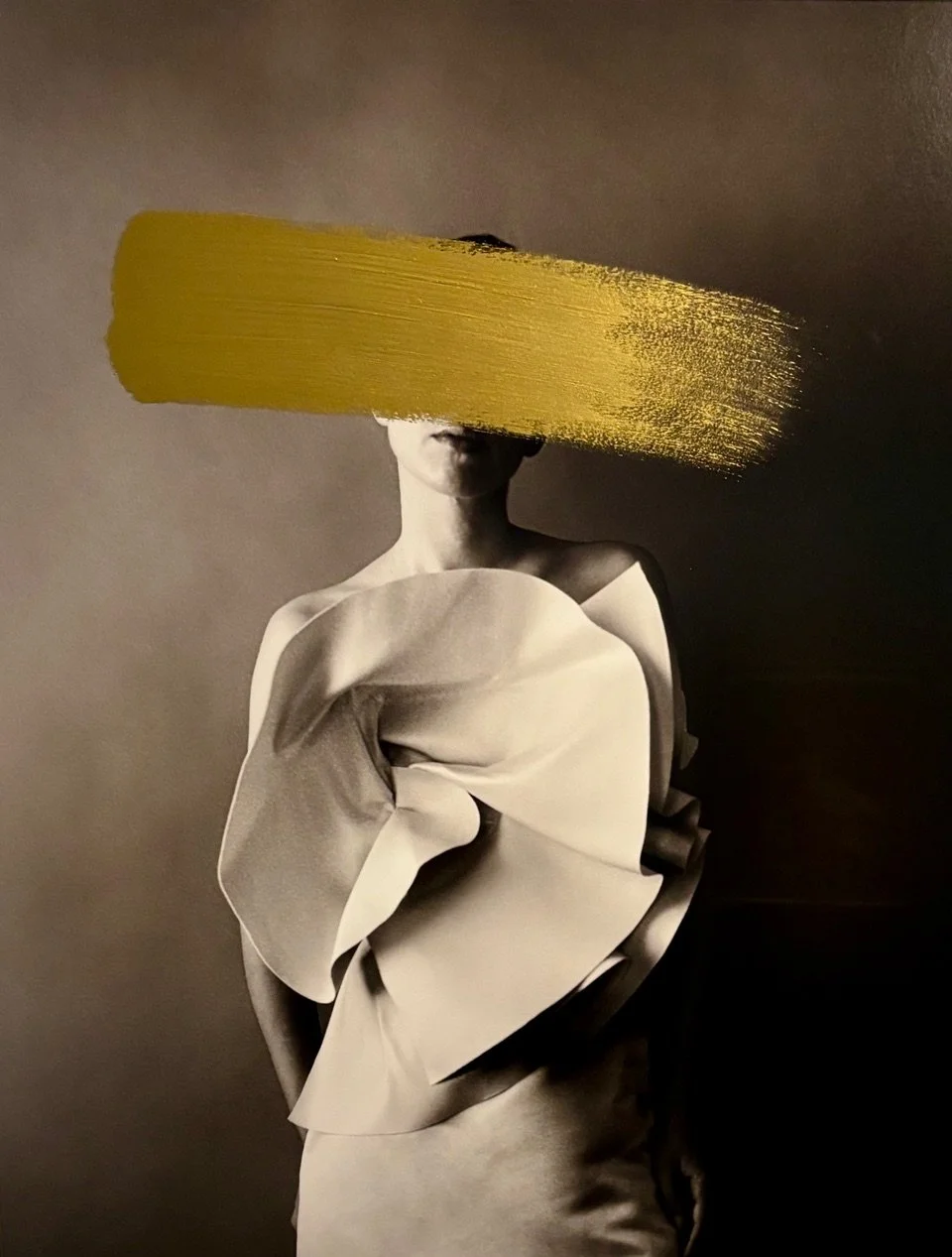
Figure 43. ‘Unknown’ (disappearance of identity) Andrea Torres Balaguer, 2021
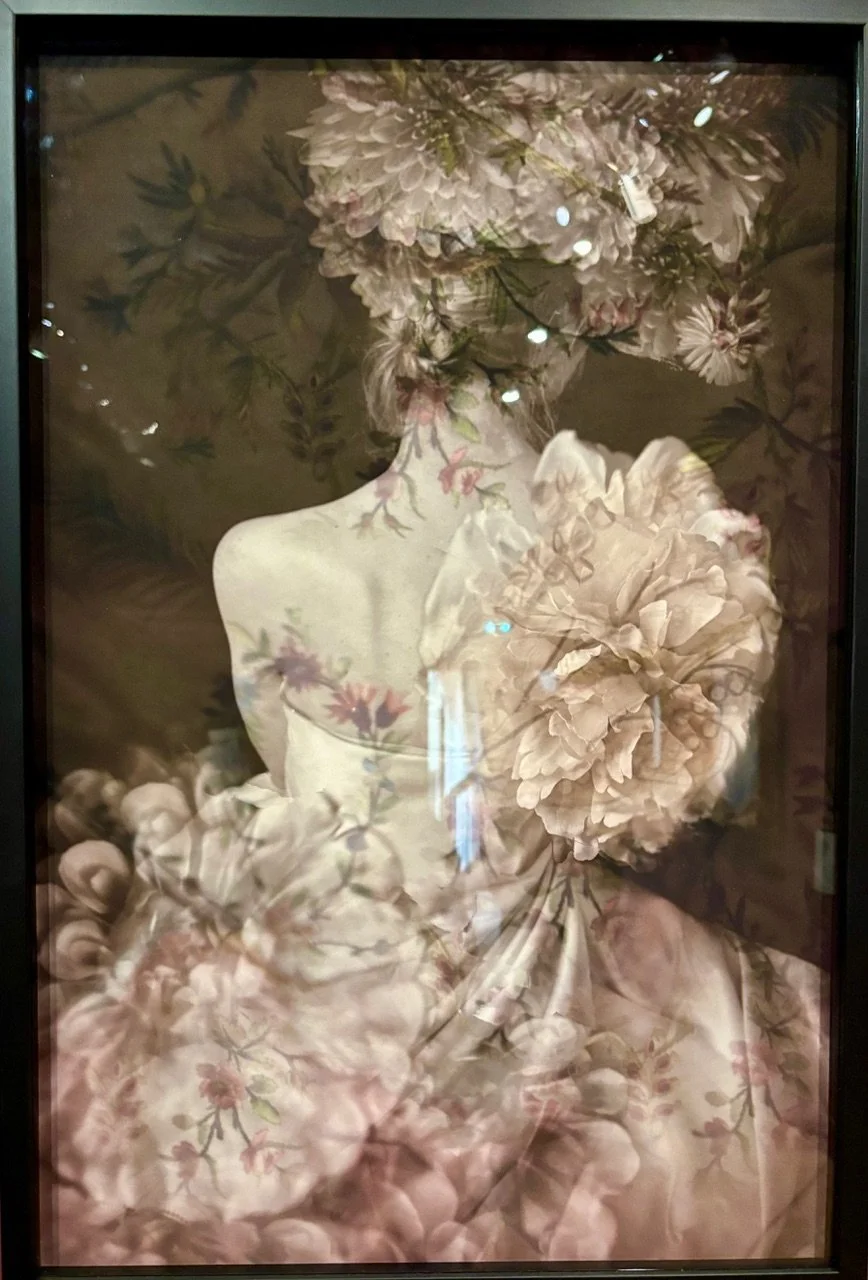
Figure 44. L’effroi du beau,' Ester Ségal, a reference to the constraints the female body endures

Figure 45. Linda Evangalista in a corset, Steven Meisel, photographer, 1991
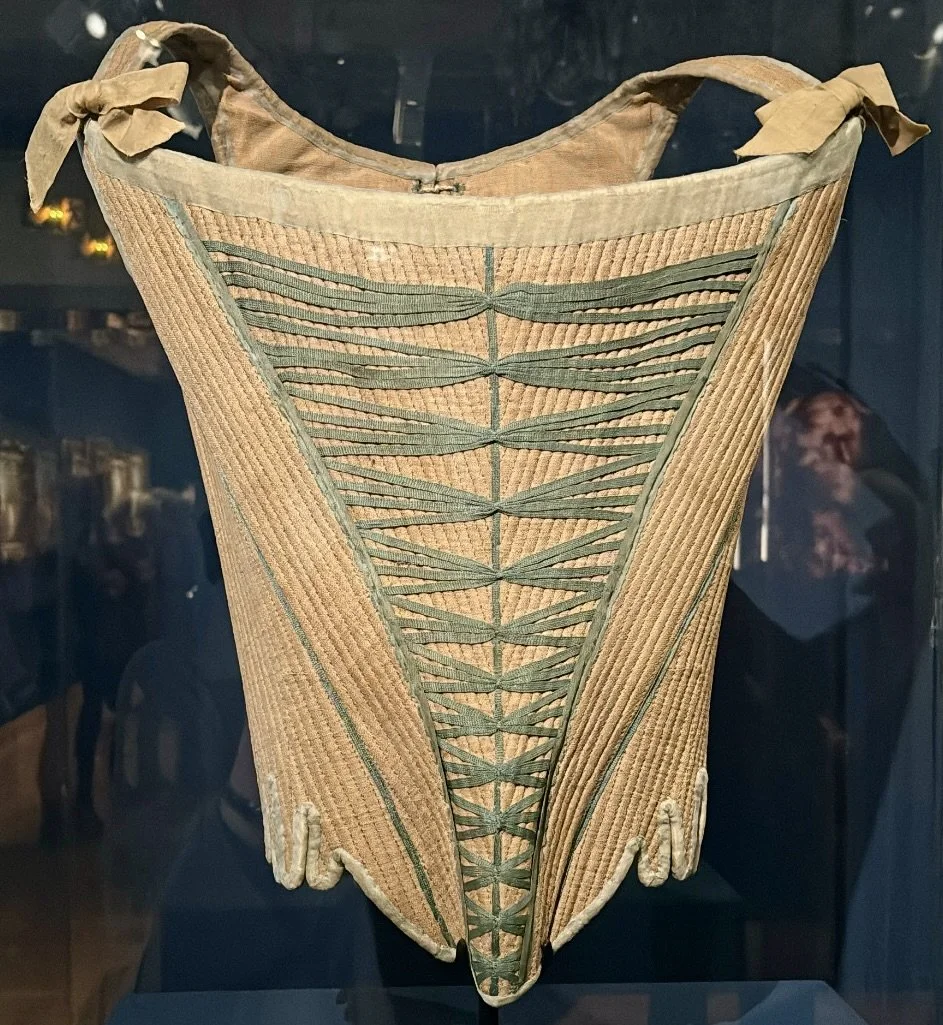
Figure 46. Corset, French, anonymous, 1725-55
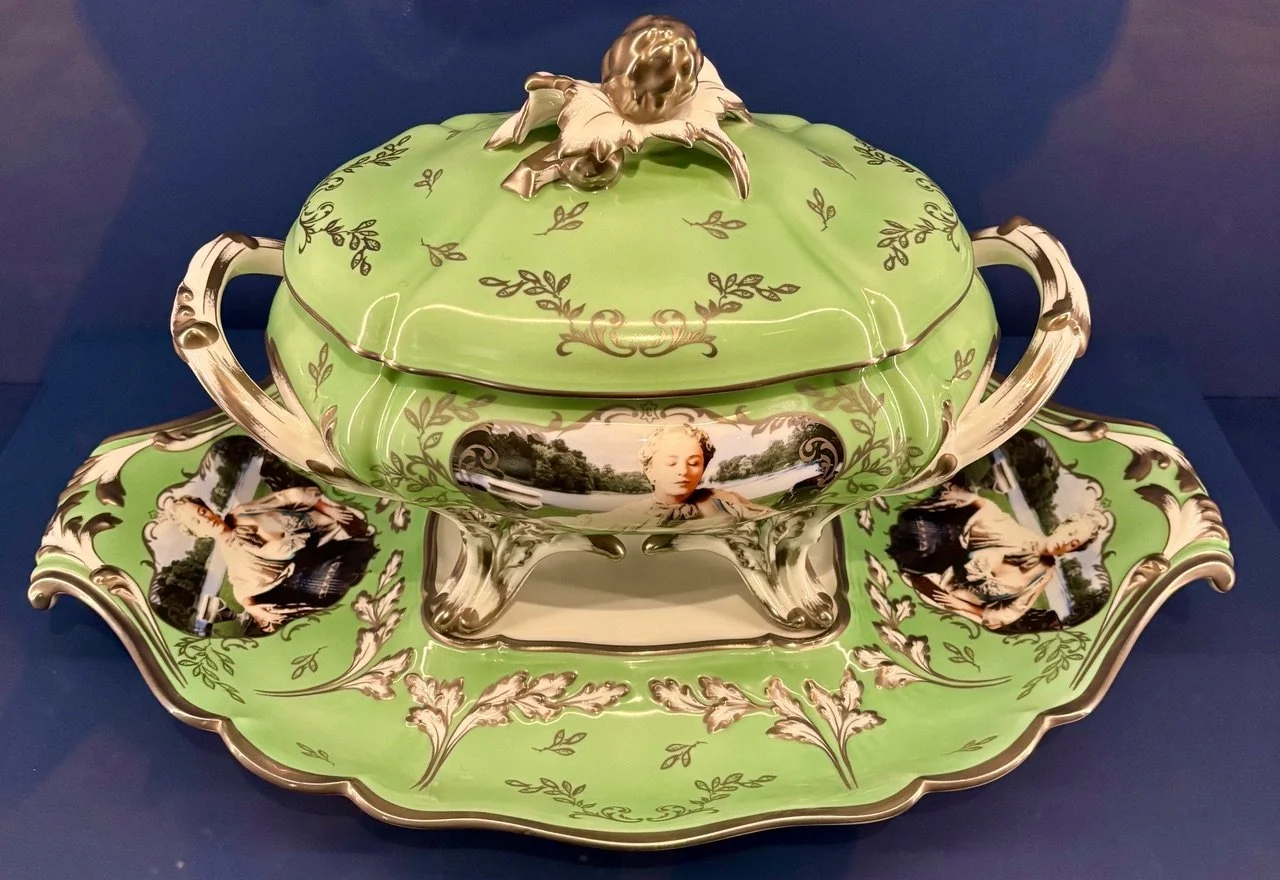
Figure 47. Soup bowl and plate with self portrait of artist as Mme de Pompadour, Cindy Sherman, 1990
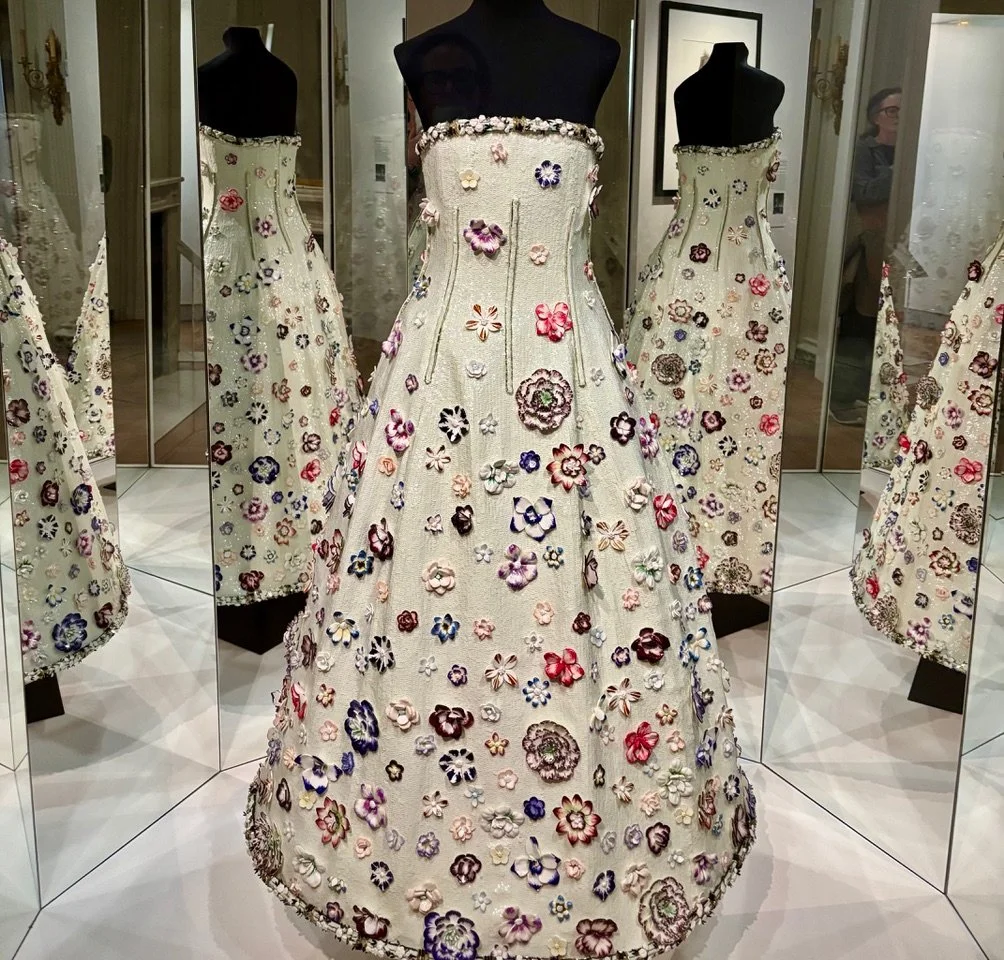
Figure 48. Gown by Karl Lagerfeld for Chanel, 2019. Acetate and silk organza canvas, entirely embroidered with a scattering of glass beads and multicolored, porcelain-effect flowers, hand-painted and varnished, on a background of aqua green sequins.
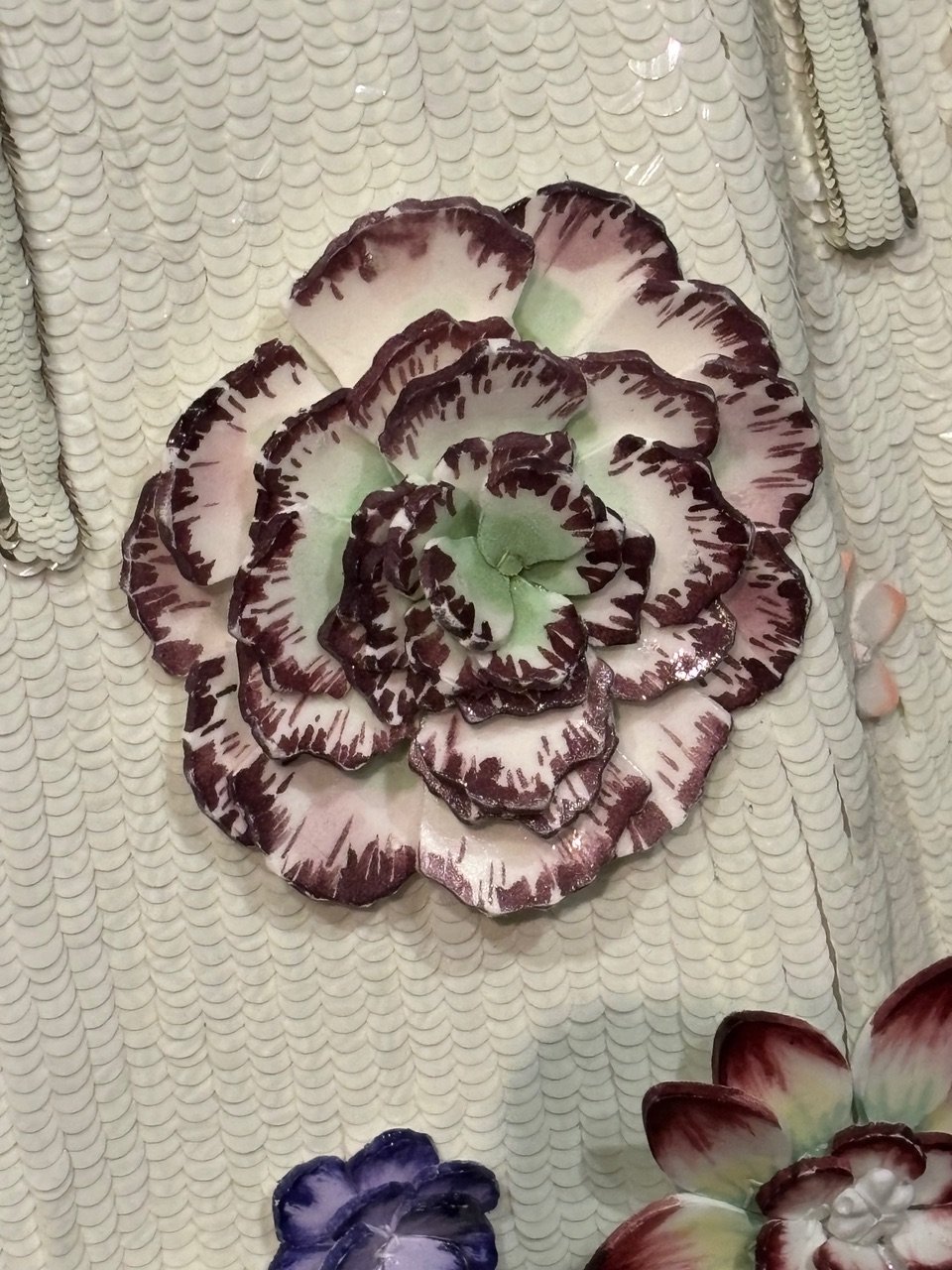
Figure 49. Dress above, detail
Thanks for your Comments on my Marie-Antoinette post, they are very much appreciated.
New comments on Forever in vogue, forever reimagined:
Fabulous visual tour. You make it feel like we are there with you as our tour guide. Deedee, Baltimore
Another enlightening essay about a mis-understood French historical character and her wardrobe. Yes, I will have to read again for all the details. Dr. B, you have a rare gift as not only a being an outstanding art historian but a gifted writer enabling you to open the art world [yes, your current essay on M-A is an example] to those of us [moi] with a marginal background The many French loans to the budding USA, to my knowledge, were never repaid. BTW, the corset >>> what was the winning bid ? verification that is was worn by M-A ? Bill, Ohio