Passel of Parisian Pleasures
Lafayette Anticipations, Musee Vivant du Fromage, the Louvre
Bienvenue and welcome back to Musée Musings your idiosyncratic guide to Paris and art. I’m taking a break from the 18th century this week. And happily, I’ve found what I think will prove to be an interesting way to discuss the current exhibition at the Palais Galliera in a less 18th century-centric way, thanks to the exhibition currently at the Musée Quai Branly, which interestingly enough, originated at the Victoria & Albert Museum.
Today I want to tell you about a few of the places I have visited lately in the potpourri of life that is here for the taking in Paris. Among them, Lafayette Anticipations, a contemporary art museum whose floating exhibition floors preceded those at the Fondation Cartier by 8 years; The Musée Vivant du Fromage on Ile St. Louis that I visited with a small group of fellow journalists. Napoleon (might have) said that an army marches on its stomach. So too, as it turns out, does an art historian. Finally, a quick mention of an exhibition at the Louvre on the northern European artist Martin Schongauer, whose work fascinated Albrecht Dürer. I was going to tell you about a hôtel littéraire in Paris where I saw an exhibition on Proust and Women, which, like Proust and Art, is a subject that never fails to fascinate me - more about that soon.
Lafayette Anticipations, in the Marais, is across the street from Eataly. The building was a heritage-protected, former retail storage facility which the Galeries Lafayette Foundation commissioned one of the coolest architects around, Rem Koolhouse, to transform into a multi-story, multi-functional, create/display space. The exterior of the building could not be changed, so it was impeccably restored. The interior was totally hollowed out and a free standing tower 20 meters high was placed inside. The tower’s floors can be raised or lowered based on the needs of whatever artist the foundation has invited to fill it temporarily. The building’s most important architectural feature is its flexibility. The space is a “curatorial machine” a sort of ideal appliance, according to one critic, equipped with multiple settings that happily and quietly operate in the background.
There are two exhibitions on now, through mid July. The gallery is free, you don’t need to book and it’s usually not very crowded. And if you need a cultural lift after too much retail therapy, this is definitely the place to go.
For the artist Diego Marcon’s animated short films, the gallery’s central space has been transformed into a movie theatre with very comfortable seats. As you watch his short films, you see echoes of various film genres - musicals, melodramas, horror films, slapstick comedies.
Dolle (2023) is set in an underground burrow. Father Mole and Mother Mole are reading a sequence of numbers out loud and adding them up as they go along. But the numbers never add up to the same amount. So they have to start over - again and again and again. Two Baby Moles are asleep in the same space. One baby mole has trouble breathing and makes a lot of racket. Very theater of the absurd.
In Parents’ Room (2021) a man sits at the edge of an unmade bed, looking out a window. It’s snowing and a blackbird sits on the windowsill. While the blackbird chirps, the man sings about murdering his wife and two children. One by one, son, daughter and wife appear, each singing a verse of their own. Then the man sings about his own suicide. The blackbird flies away. The man is still on the bed. Is he alive? Is he a ghost like the other members of his family must be? Very creepy.
In La Gola (2024) a man and a woman read letters they are writing to each other. The man, Gianni, is visiting a friend, a chef who is preparing samples of a grand meal he will be serving. Gianni’s first letter is about the appetizer which he describes in delicious detail, as he does the first course, the main course and the dessert. The woman, Rossana is at her mother’s home. Her letters recount her mother’s illness which goes from bad to worse. First it’s a skin rash, then diarrhea, then vomiting blood and finally dementia. The man acknowledges the woman’s letters, but his focus is never far from the food. He’s so clueless. If his behavior didn’t ring so true, it might be funny. It is funny, but also rings true.
According to the curators, Marcon’s films, which all take place in homes, question the “norms and taboos that govern human relationships. The characters, often ambivalent, move through grotesque, sometimes violent situations that evoke both unease and empathy. The artist, however, imposes neither morality nor conclusion, avoiding any form of resolution.” On the other hand, I had no trouble condemning the father for killing his family and the man for not listening to the woman. I guess that’s me!
Displayed around the theater are the props from the films - the costumes, masks, pieces of miniature furniture. It’s a juxtaposition that plays with reality - two dimensional reality on the screen and the three dimensional reality of the props. (Figs 1 - 7)
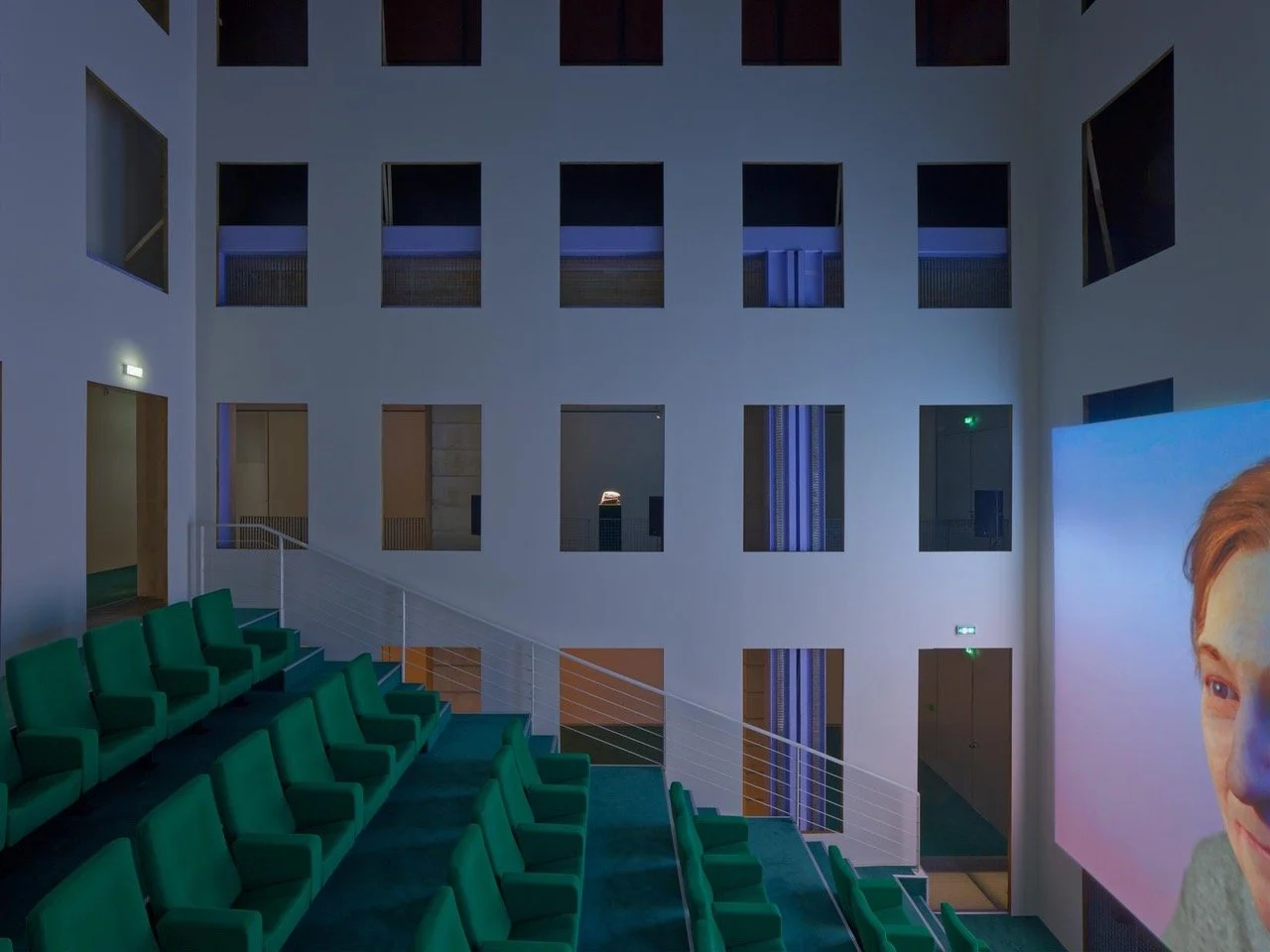
Figure 1. Theatre into which central space of Lafayette Anticipations has been transformed for Diego Marcon’s films
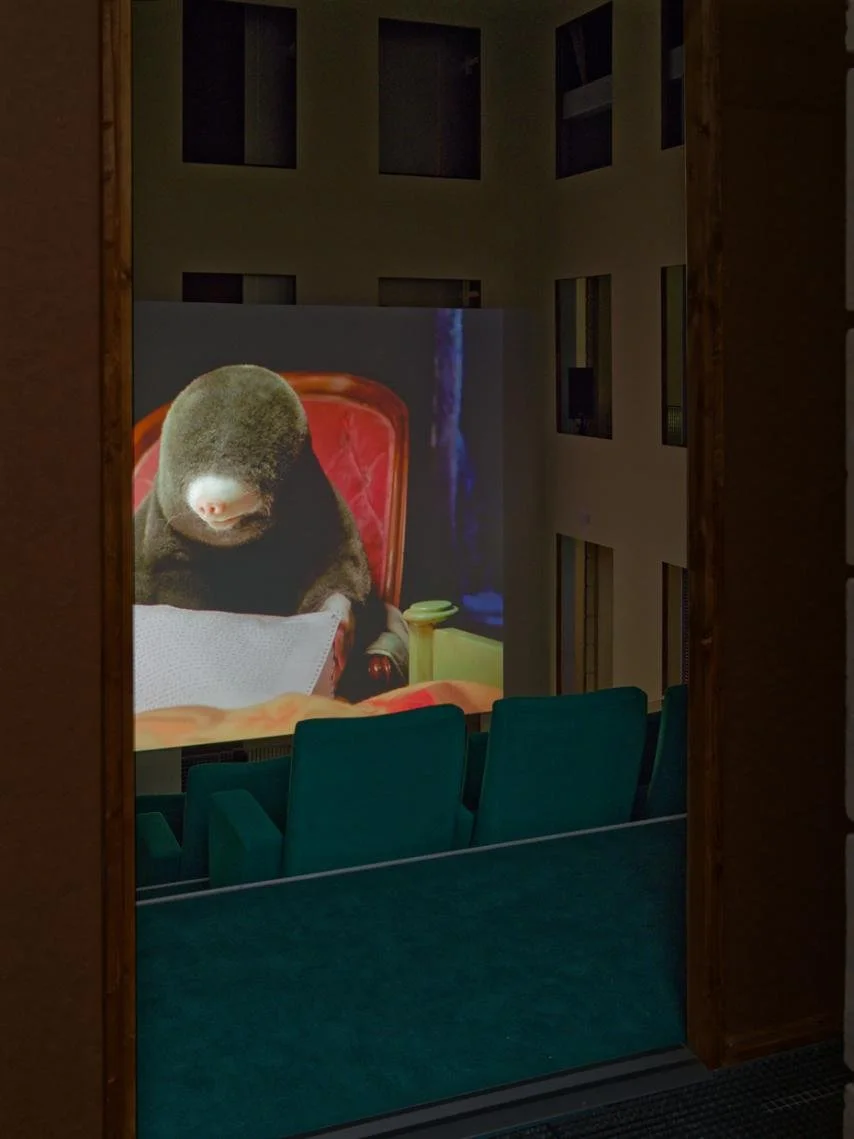
Figure 2. Father Mole reading list of numbers
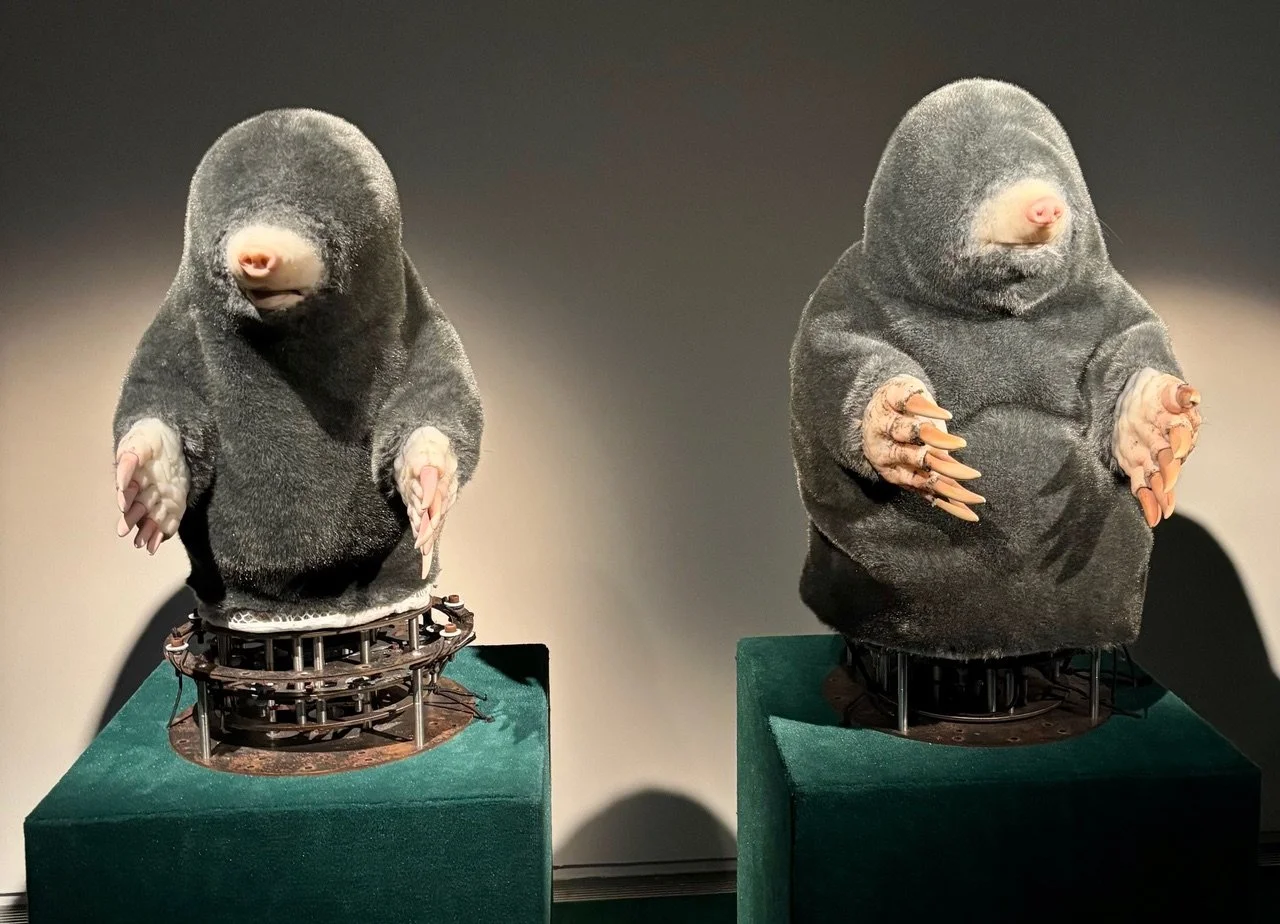
Figure 3. Mole puppets with the mechanism that makes them move
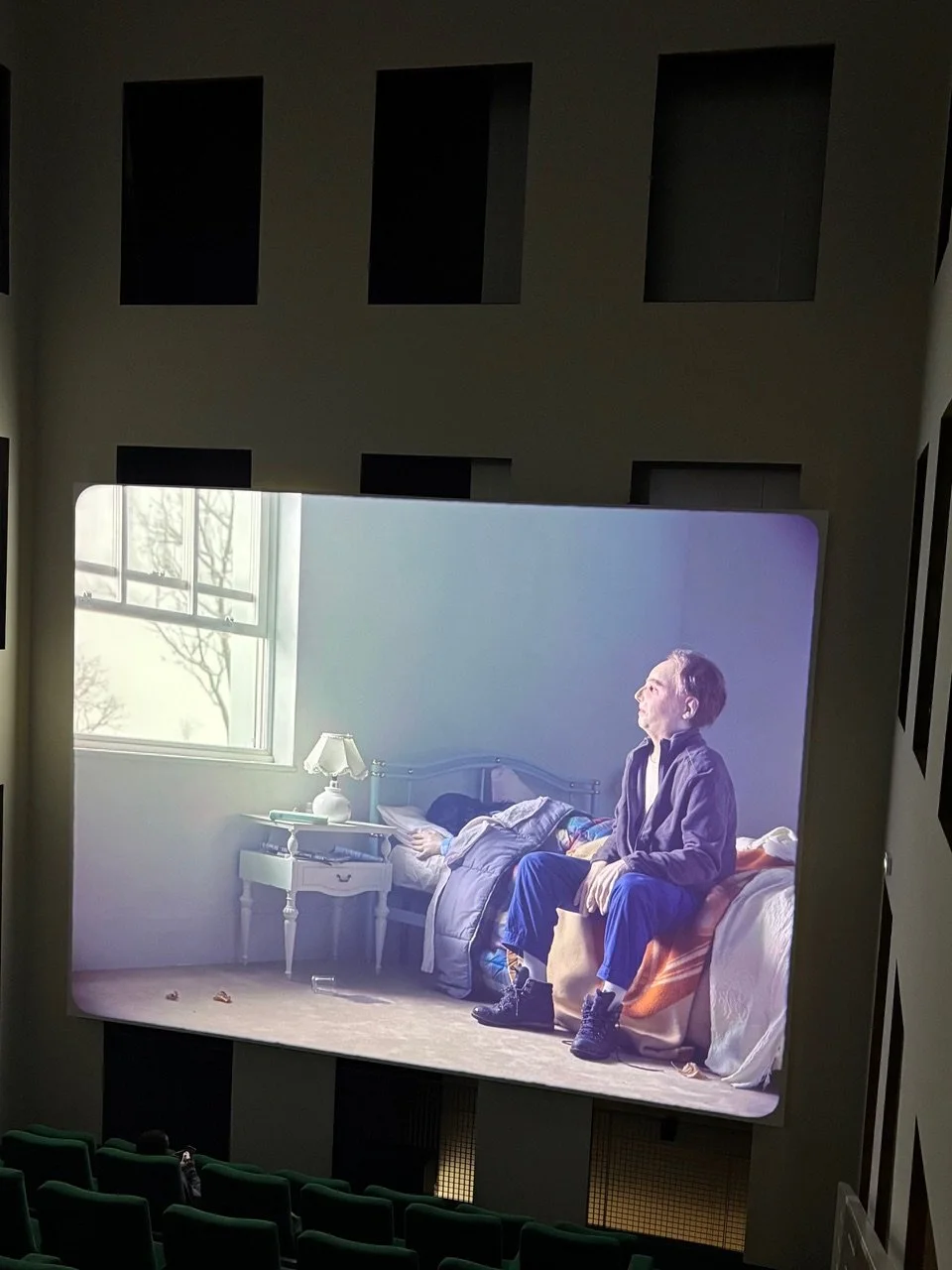
Figure 4. Man who killed family, Parents’ Room
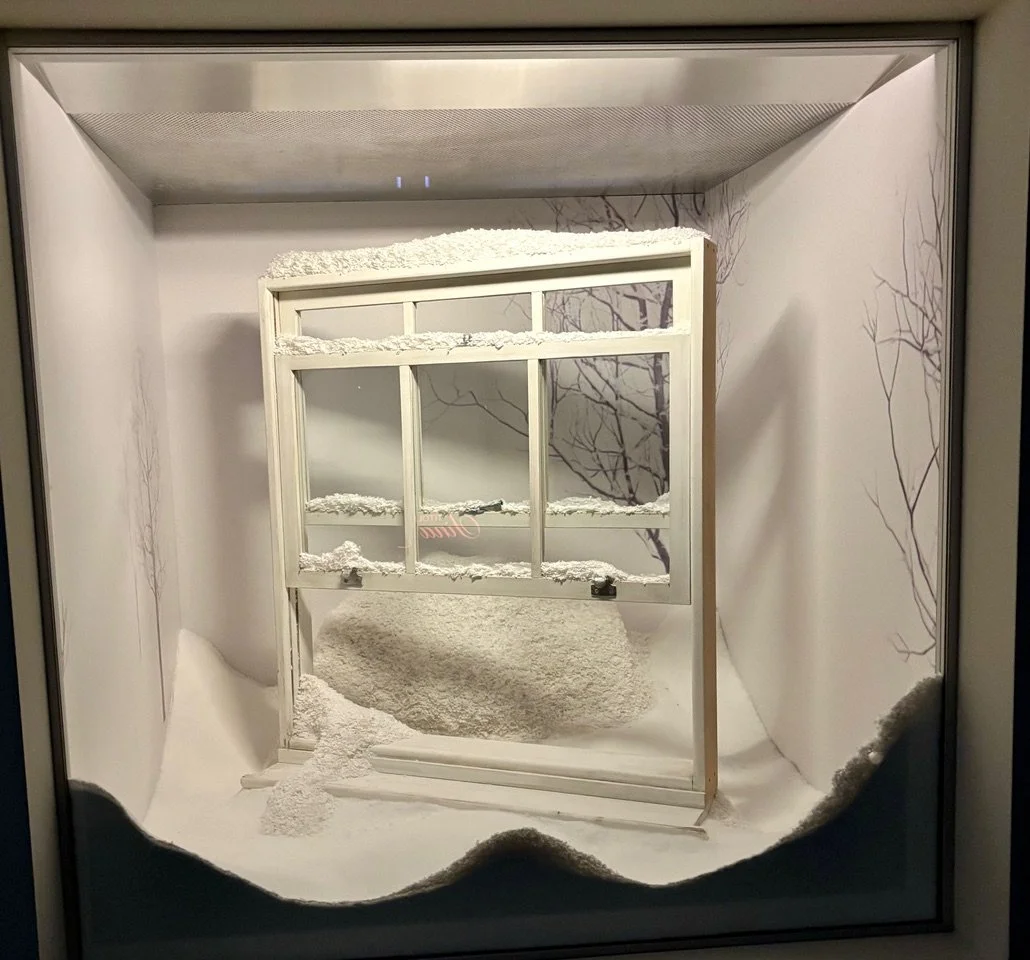
Figure 5. The window through which the man looks with the snow
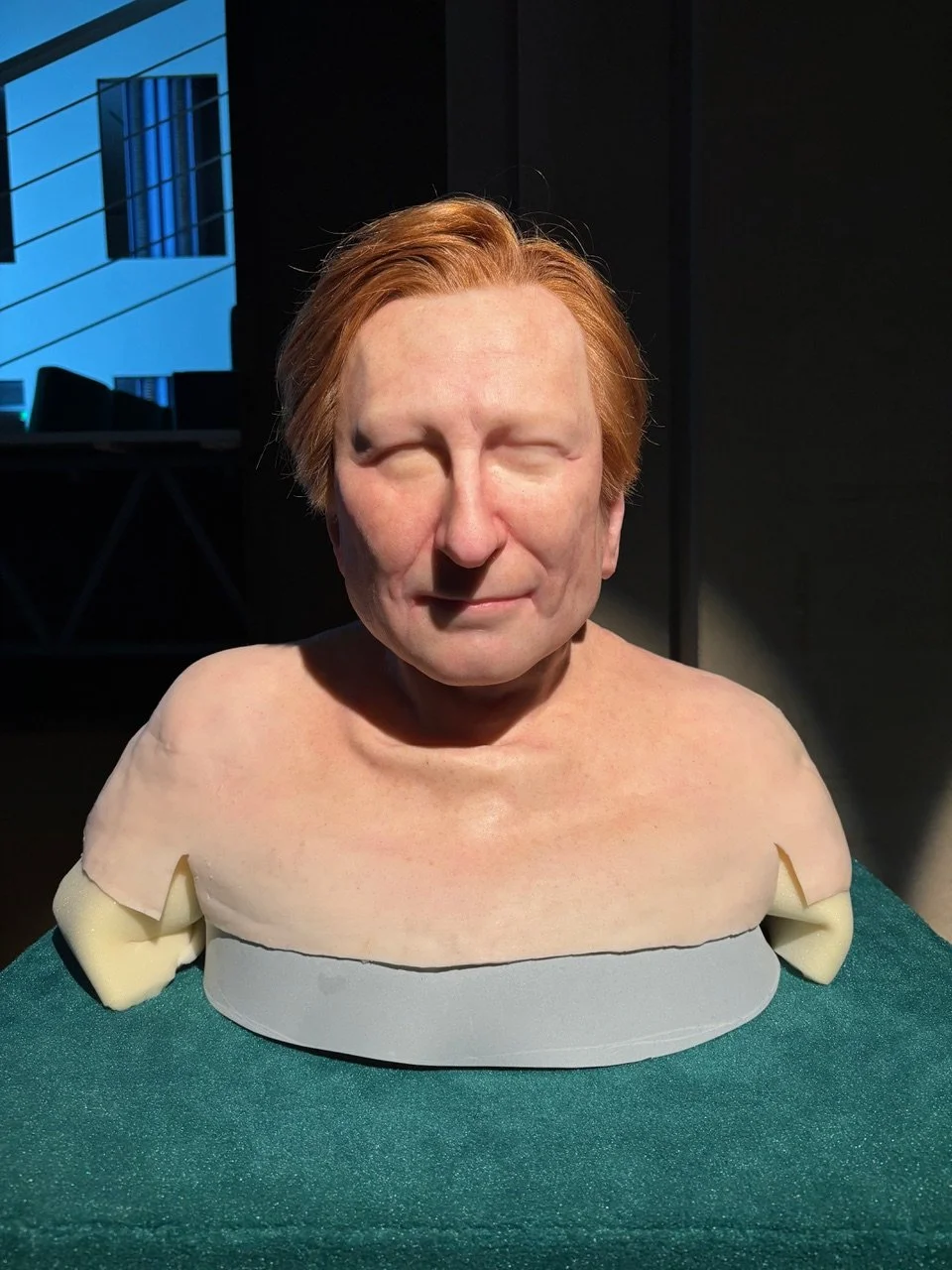
Figure 6. Gianni from La Gola
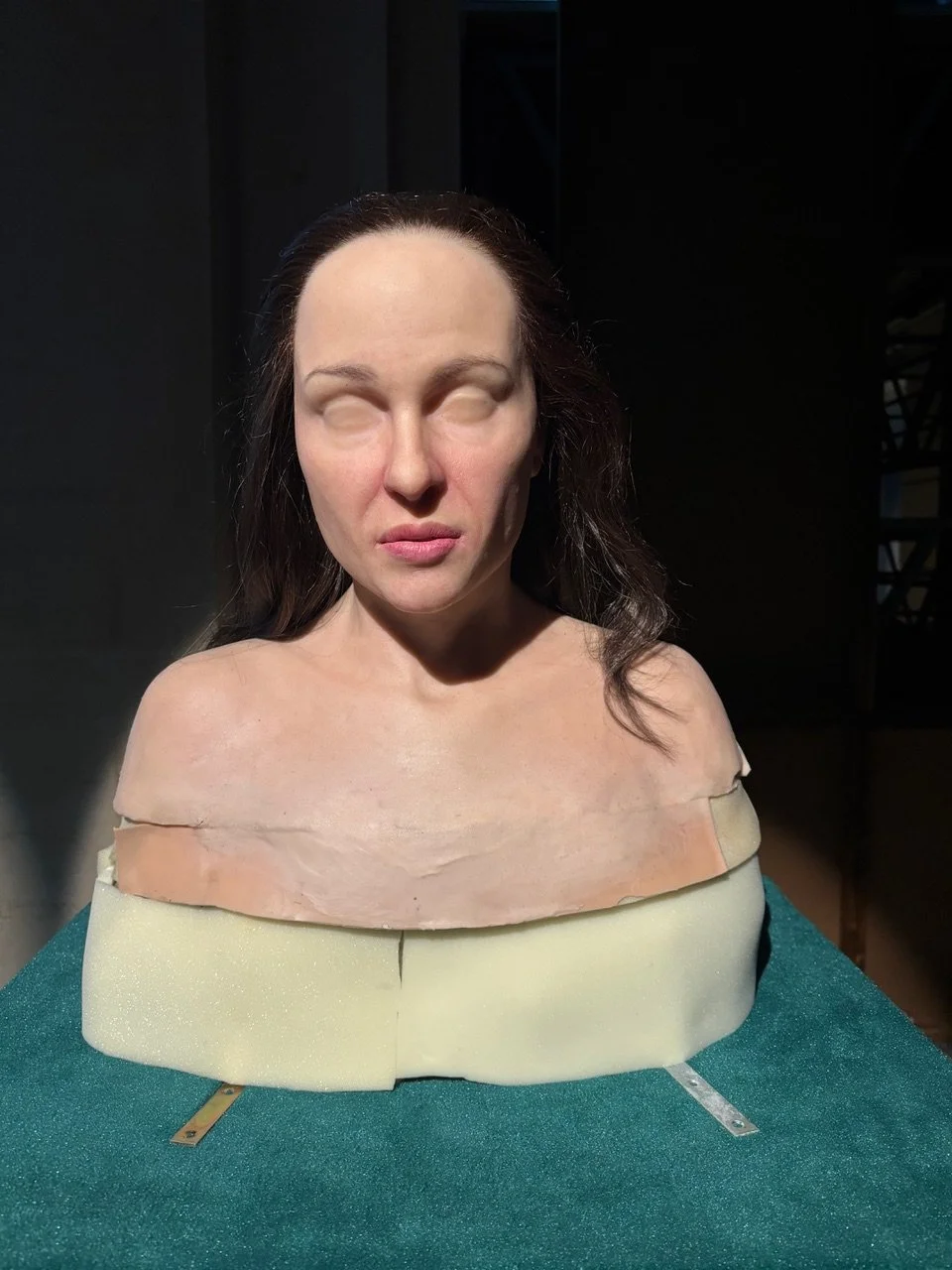
Figure 7. Rosanna from La Gola
The second exhibition is by French born Ladji Diaby, whose family emigrated from Mali. His ’Who's Gonna Save the World? is an installation of furniture that he found on the street or sourced second-hand. The question of the title is a rhetorical one. For Diaby, the collapse of the world is a necessary step towards its reconstruction. The artist believes that if we embrace the world's impending downfall, we can move toward new utopias and avoid repeating past failures. Wouldn’t that be nice.
Ladji Diaby uses used furniture as vitrines (display cases) to present his discarded objects. For Diaby, each work is a symbolic collaboration between himself and the objects’ unknown former owner/s. On the street, the objects have no ‘real’ value but in an art space, that changes. It reminded me of Song Dong’s installation piece in the vitrines of Le Bon Marché. “Diaby’s installation questions the systems which determine cultural value in the West. He believes that his found objects are mechanisms of self-liberation - tools that will allow him to pursue a life beyond the destiny prescribed by Western social hierarchies for a Malian man of Muslim faith living in France.” Heady stuff. (Figs 8-10)
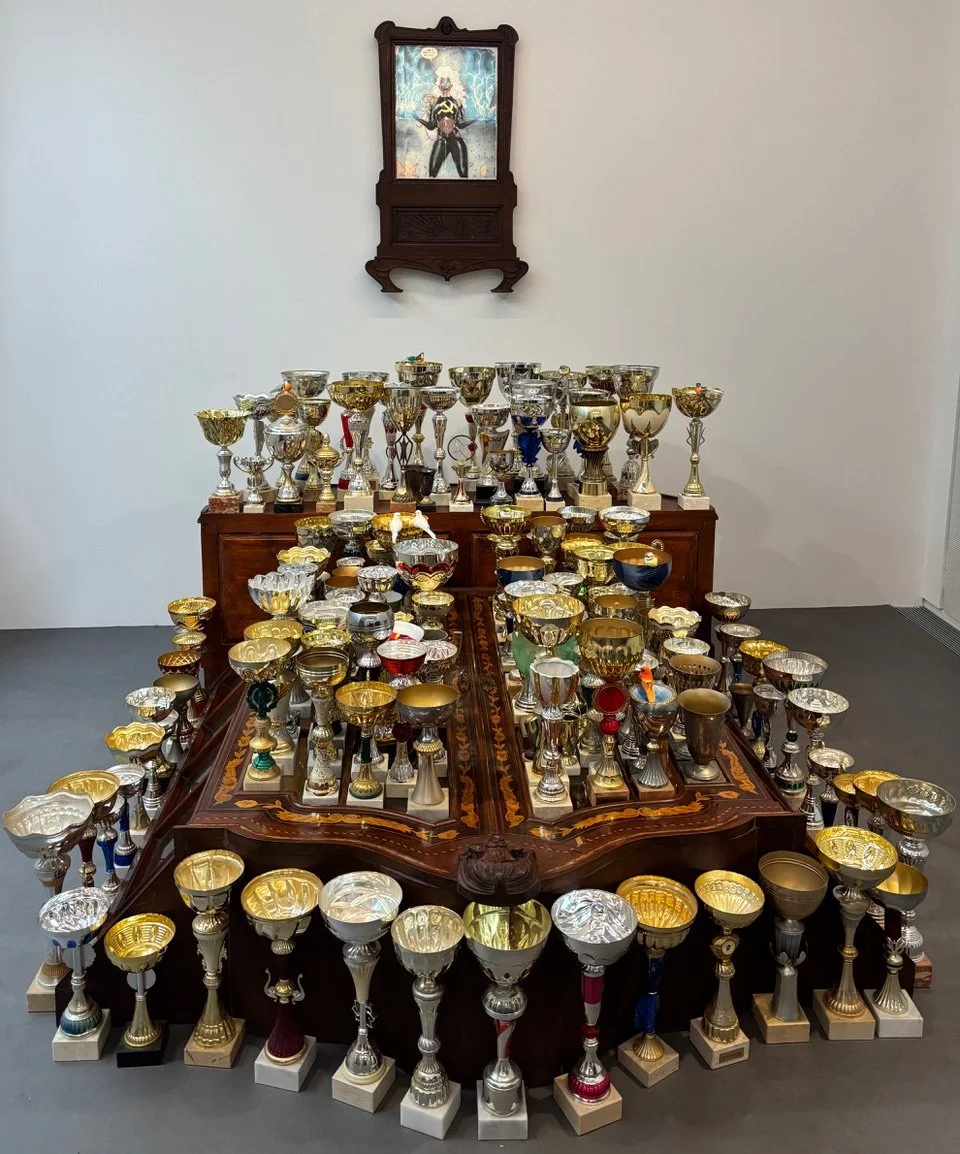
Figure 8. Who’s Gonna Save the World? Ladji Diaby
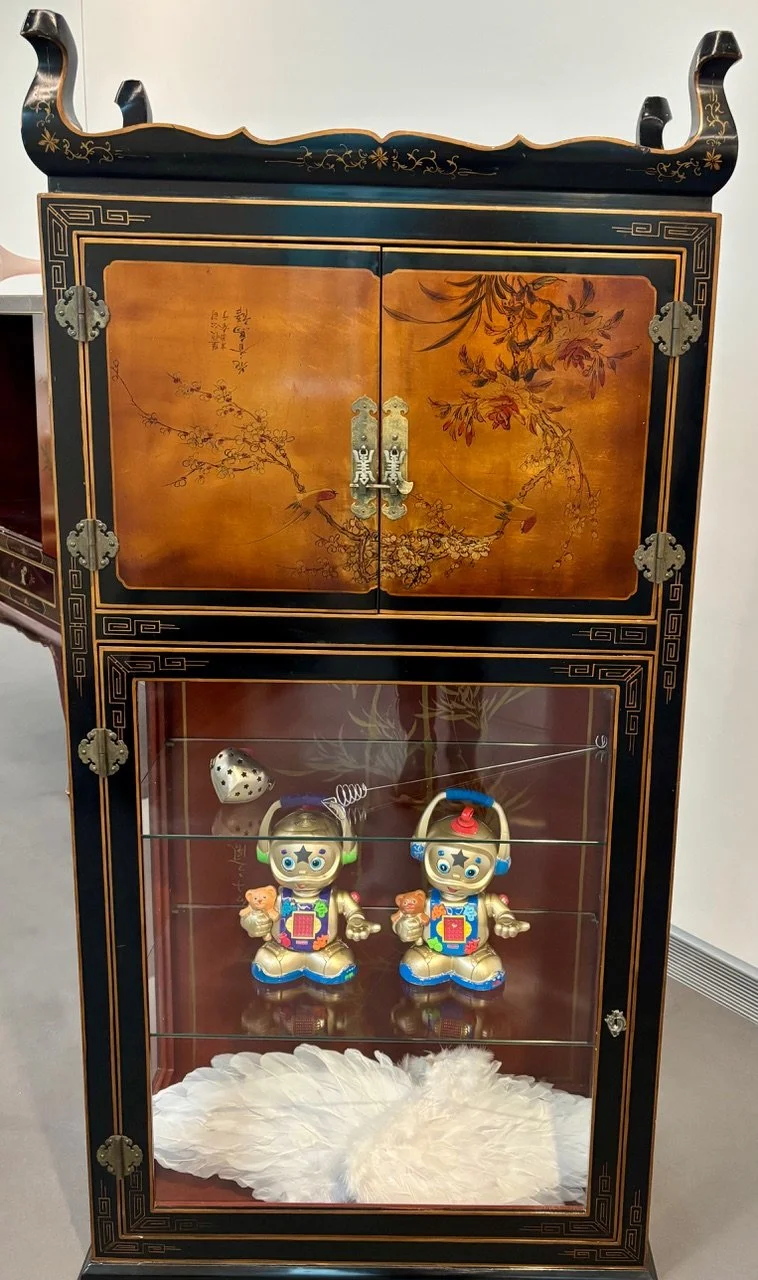
Figure 9. Who’s Gonna Save the World? Ladji Diaby, one piece of furniture upside down on top of another with figurines
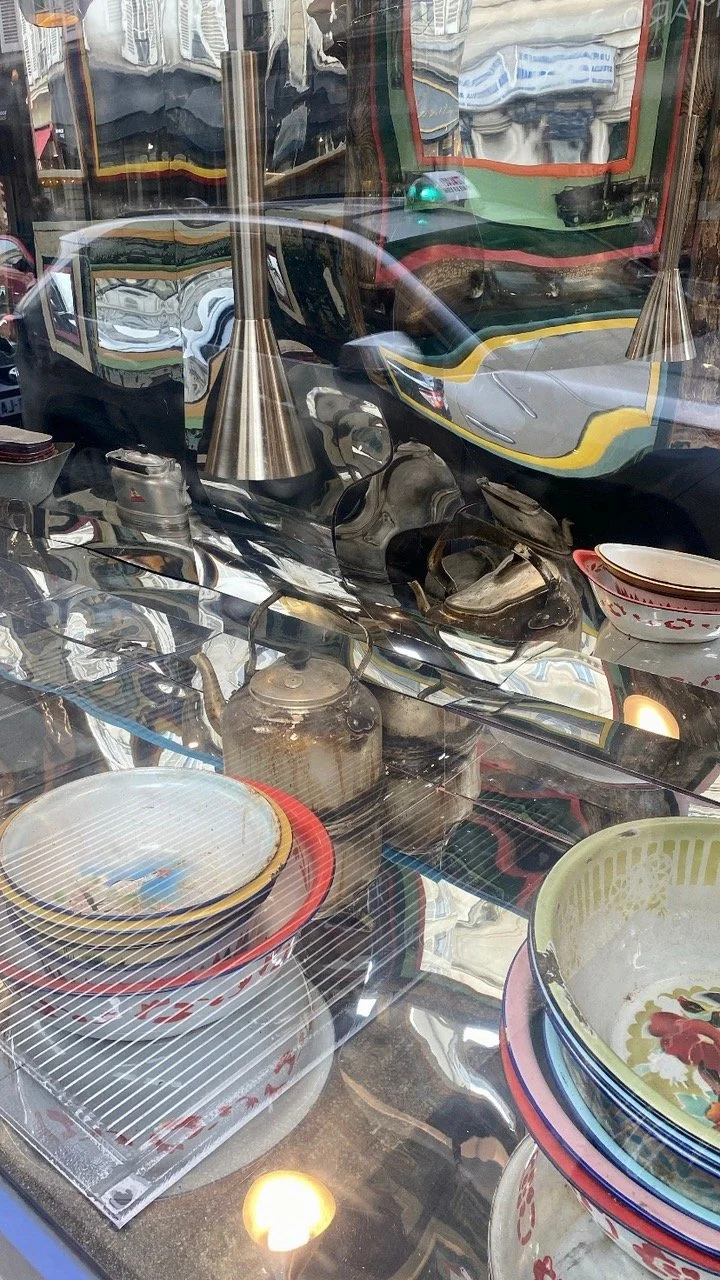
Figure 10. Objets divers et variés” (“Myriad and miscellaneous objects”), Song Dong, Le Bon Marché
After all that reflection, you’ll be hungry and if you’re not eating at Eataly you might want to head over to the Musée Vivant du Fromage (Fig 10)on Ile St. Louis for a guided tour, which happily concludes with a cheese tasting of beautifully ripe, very good cheeses.
My love affair with good cheese, by which I mean cheese from a fromagerie, not from a supermarket, where you can taste before you buy, where the portions are the size you want and sliced from a round or a wedge and not purchased prepackaged in plastic, began when I started visiting France regularly, about half a lifetime ago! At about the same time, I started shopping at San Francisco’s Ferry Building, mostly on Saturdays when the building is surrounded by local farmers with their just picked, ready to eat produce. Cowgirl Creamery which makes its cheese in Petaluma, California, had a cheese shop in the building. In addition to buying cheeses they made, I bought cheeses they imported. And when I was abroad, I headed to a couple of those cheese shops, too - Neal’s Yard Dairy in London and in Bordeaux, Jean d’Alos. Since I was more often in Bordeaux than London, I became a regular at Jean d’Alos and learned that Mme d’Alos was, at the time, one of the few female affeneurs (affineuses), or master agers, of Comte cheese. She was the one who decided when it was time to bring the cheese out of their aging cellar and into the shop. Buying cheese, I learned is like buying a melon at the marché, When you buy a melon, you will be asked when you are going eat it. It’s the same question the fromager will ask you - so that the cheese will be ready to eat when you plan to enjoy it.
Buying cheese at a fromagerie can be intimidating. But the more you know about what you like, the easier it is for the fromager to help you decide what to buy. I have taken both formal and informal cheese courses and I’ve learned something from all of them. What has been a real treat for me since I began traveling to Normandie, is the cheese course at the restaurant Pave d’Auge. Good restaurants are great places to eat great cheese! I try to order a cheese course as often as possible when I’m at a restaurant. And each time, I remember what Uncle Edgar said to the much younger Isabel, with whom he was having an affair in Diane Johnson’s delightful book, Le Divorce. It was something like, France’s downfall can be traced to the moment when restaurants switched from offering Fromage ET Dessert to Fromage OU Dessert! (Figs 11-16)
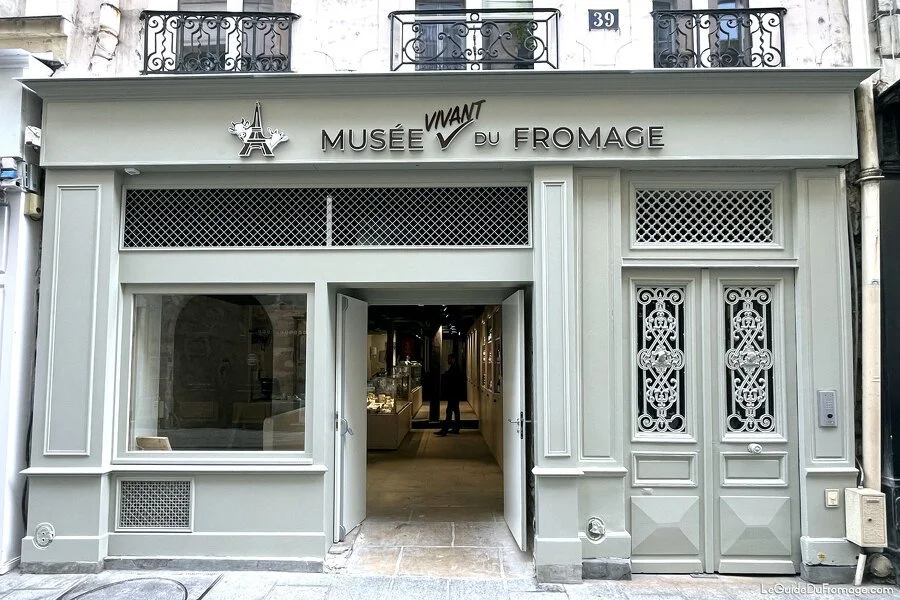
Figure 11. Musée Vivant du Fromage, Ile St. Louis
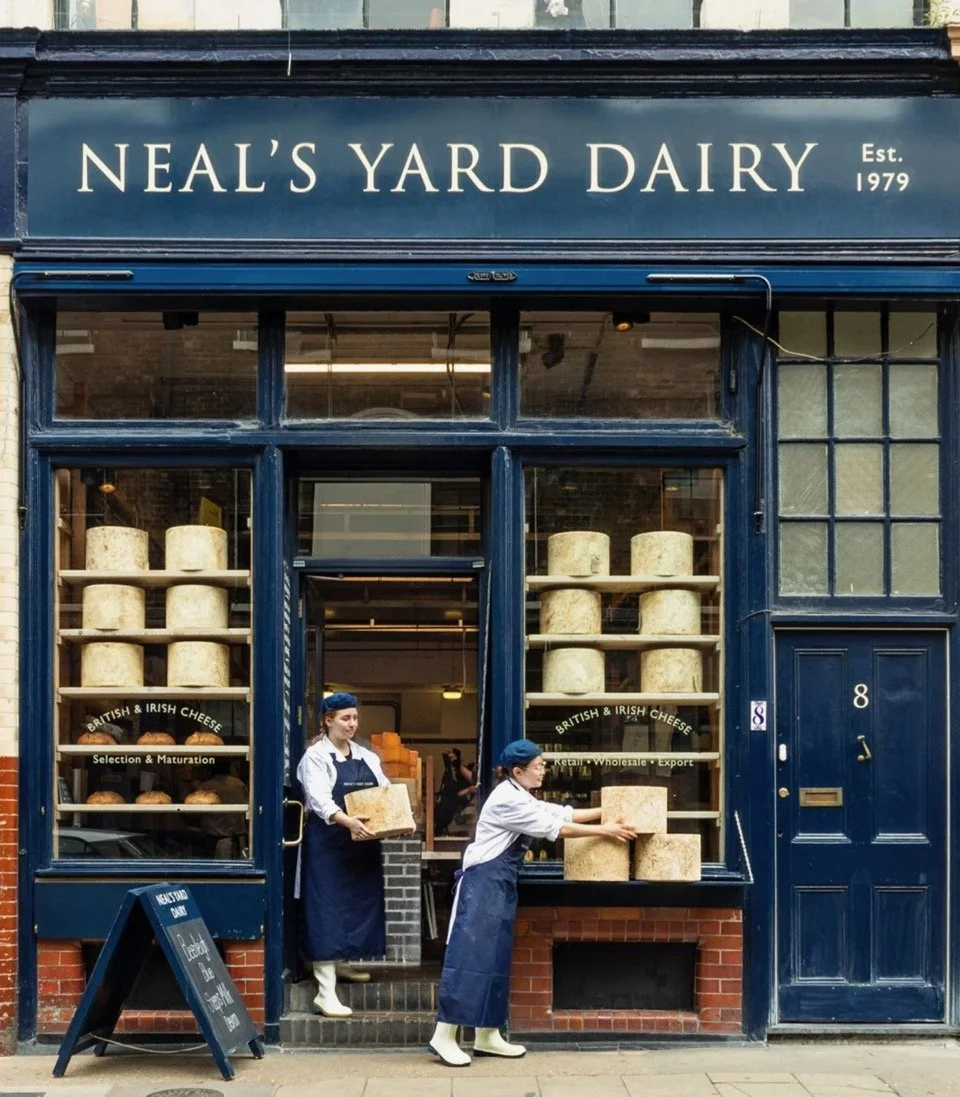
Figure 12. Neal’s Yard Dairy, London
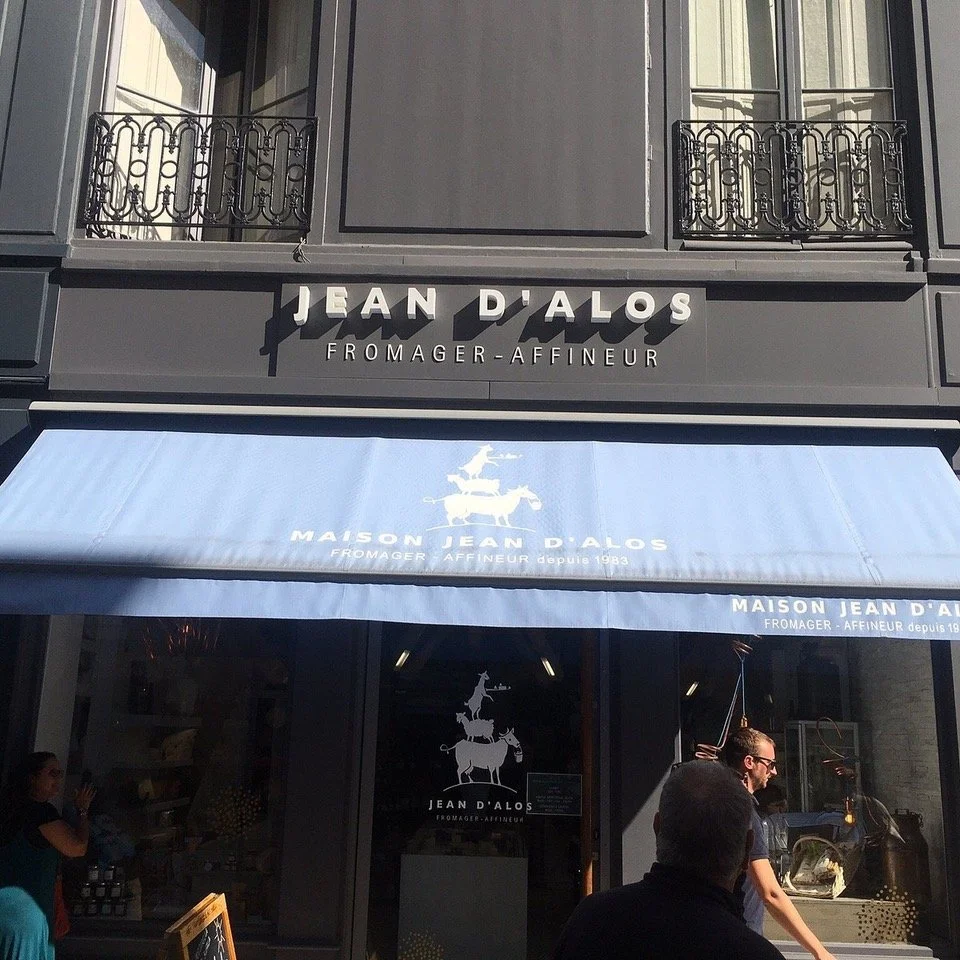
Figure 13. Jean d’Alos, Bordeaux with its Cow, Sheep, Goat emblem
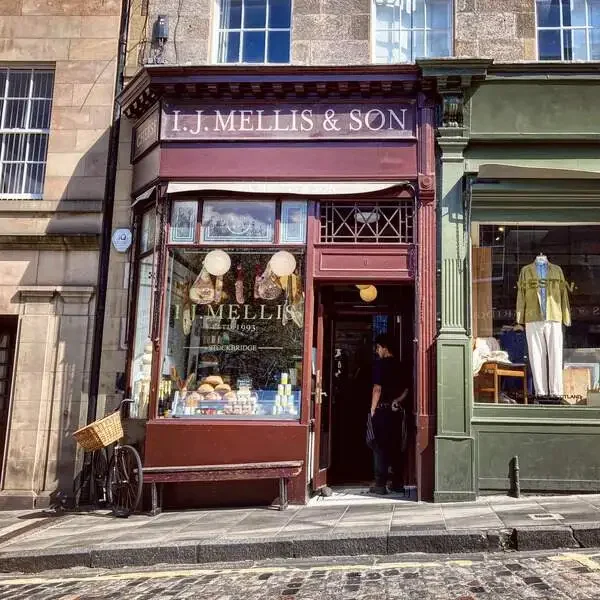
Figure 14, I. J. Mellis, Stockbridge, Edinburgh, Scotland - my new favorite cheese shop
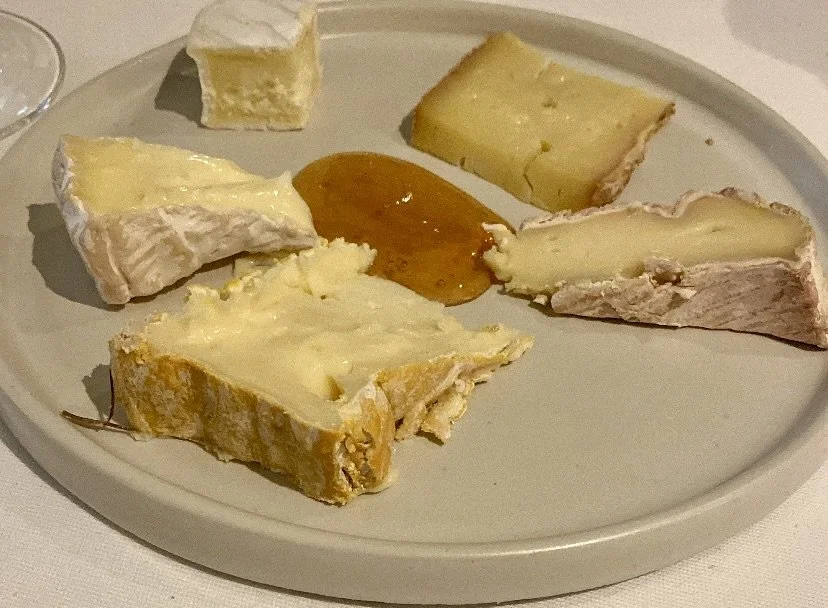
Figure 15. Cheese course / plate from Pavé d’Auge in Beuvron en Auge, Normandie
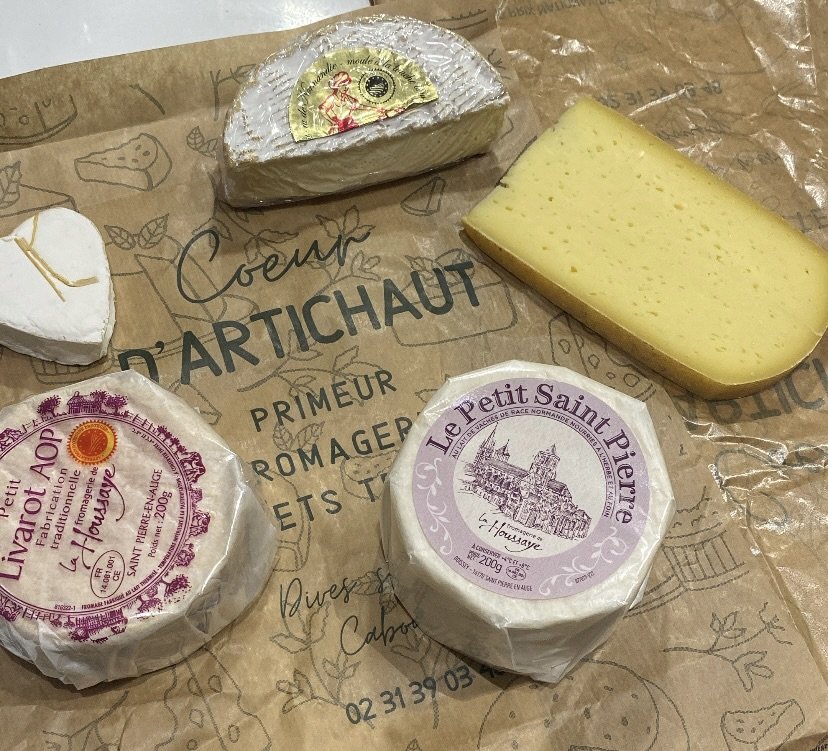
Figure 16. The cheese I bought at Coeur d’Artichaut in Dives-sur-Mer, Normandie
The Musée Vivant du Fromage is on the Ile St. Louis - a wonderful address in Paris and a good excuse, if any is needed, to wander a while on the Ile, either before or after your tour. The museum is a 300-square-meter building that dates back to 1639. The exposed wood beams go very well with the high tech learning tools in the teaching room. The museum came into being when Pierre Brisson, the cheese museum’s owner, moved to Paris from Beaujolais more than a decade ago. He saw lots of fine cheese shops but no cheese museums. So he decided to do for cheese what the two wine museums in Paris do for wine. He initially shared his technical knowledge with cheesemakers and cheesemongers. But he soon realized that tourists and natives alike were also interested in learning about French cheese - a bit about their historical and technical aspects and a lot about more practical concerns - like cutting, tasting, pairing and rind eating.
Brisson’s cheese school became a cheese museum, too - dedicated to highlighting the producers and techniques that make artisanal cheeses such an important part of the ‘French’ experience. The goal of the cheese museum is really quite simple. The more educated the public is about cheese, the more likely it is that artisanal cheese making will survive and not be replaced by industrial cheeses. For a while there was fear in France that baguettes from boulangeries would disappear to be replaced by industrial baguettes that have about as much nuance as Wonder Bread. But that worry seems to be fading.
The Musée Vivant du Fromage wants to make sure that real, artisanal cheeses also survives the competitive pressure of lower priced and easier to buy, industrial cheeses. Brisson’s idea was to have all visits guided by cheese experts who can explain the steps that go into the production of classically made French cheeses, including the different regions, the different classifications, etc. It’s a journey, writes Jennifer Ledonne (France Today 2025) “that touches on every aspect of cheesemaking: its origins and history, its making and aging, the milks used, the lacto-fermentation process and more. Videos and interactive features like The Cheese Route, The Fabrication of Fromage and Which Cheese are You? make the tour entertaining and informative.…”
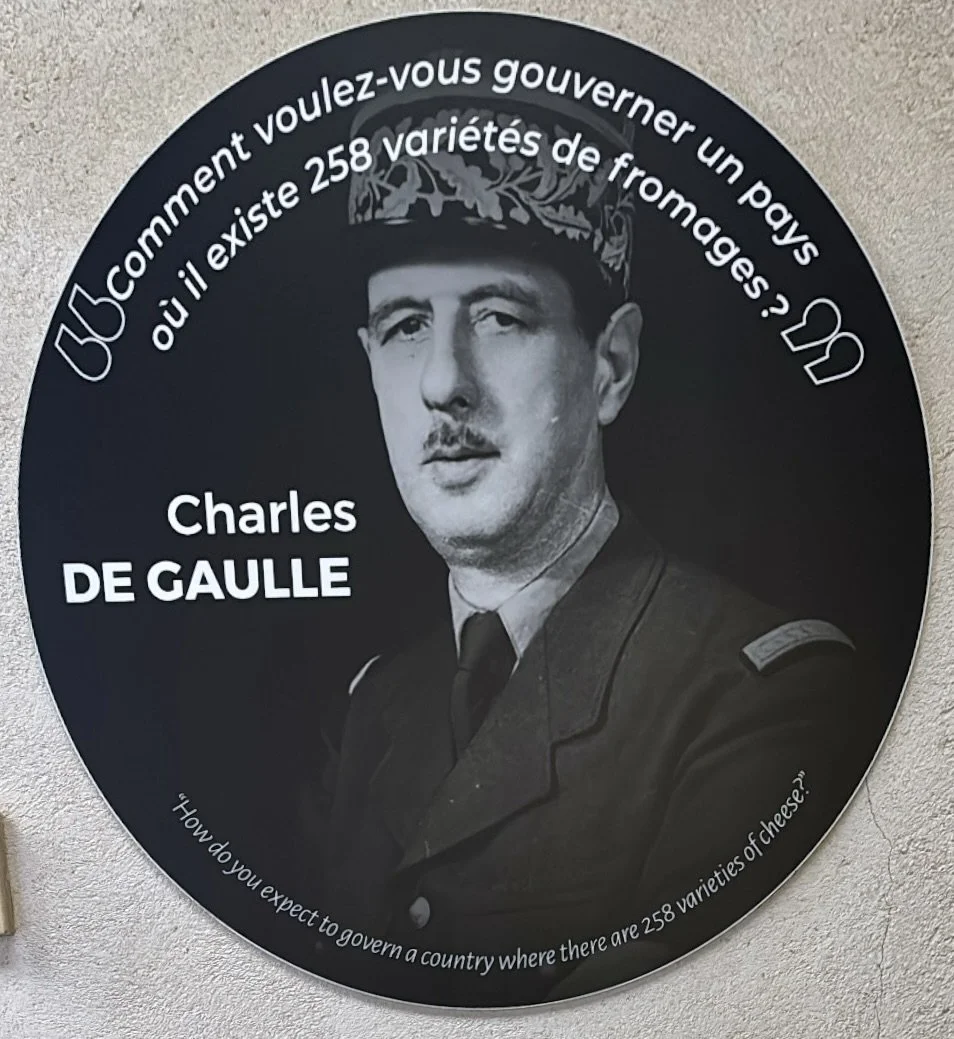
At the entrance to the museum is a portrait of Charles de Gaulle with his famous quote: “How can anyone govern a country with 246 varieties of cheese?” As we stood under the portrait, our guide, a very knowledgable cheesemaker, told us that the number of cheeses made in France is closer to 2,000. Those of us on the tour who knew a bit more about cheese, could ask him questions to which he was happy to respond. For people with less cheese background, he was able, using various teaching aids, to help them decide what kind of cheeses they might like.
But as our guide told us, it’s not just a worry that there are fewer people buying artisanal cheeses. It’s also that fewer young people want to dedicate their lives making it. It’s hard work and nobody becomes a cheesemaker to get rich. It is a phenomenon that I noticed as we were restoring our houses in the south of France. Children of carpenters and cabinet makers and tilers and painters go to college. They don’t want to work with their hands as their parents did, they want to keep their fingernails clean, they want office jobs. Often that’s what their parents want for them, too. And for farmers and cheesemakers it’s even worse. The hours are not regular and nature isn’t always kind. The tour ends on a very happy note with a tasting of four perfectly ripe cheeses. You can book a range of tours, some of which include wine pairings. (Figs 17-21)
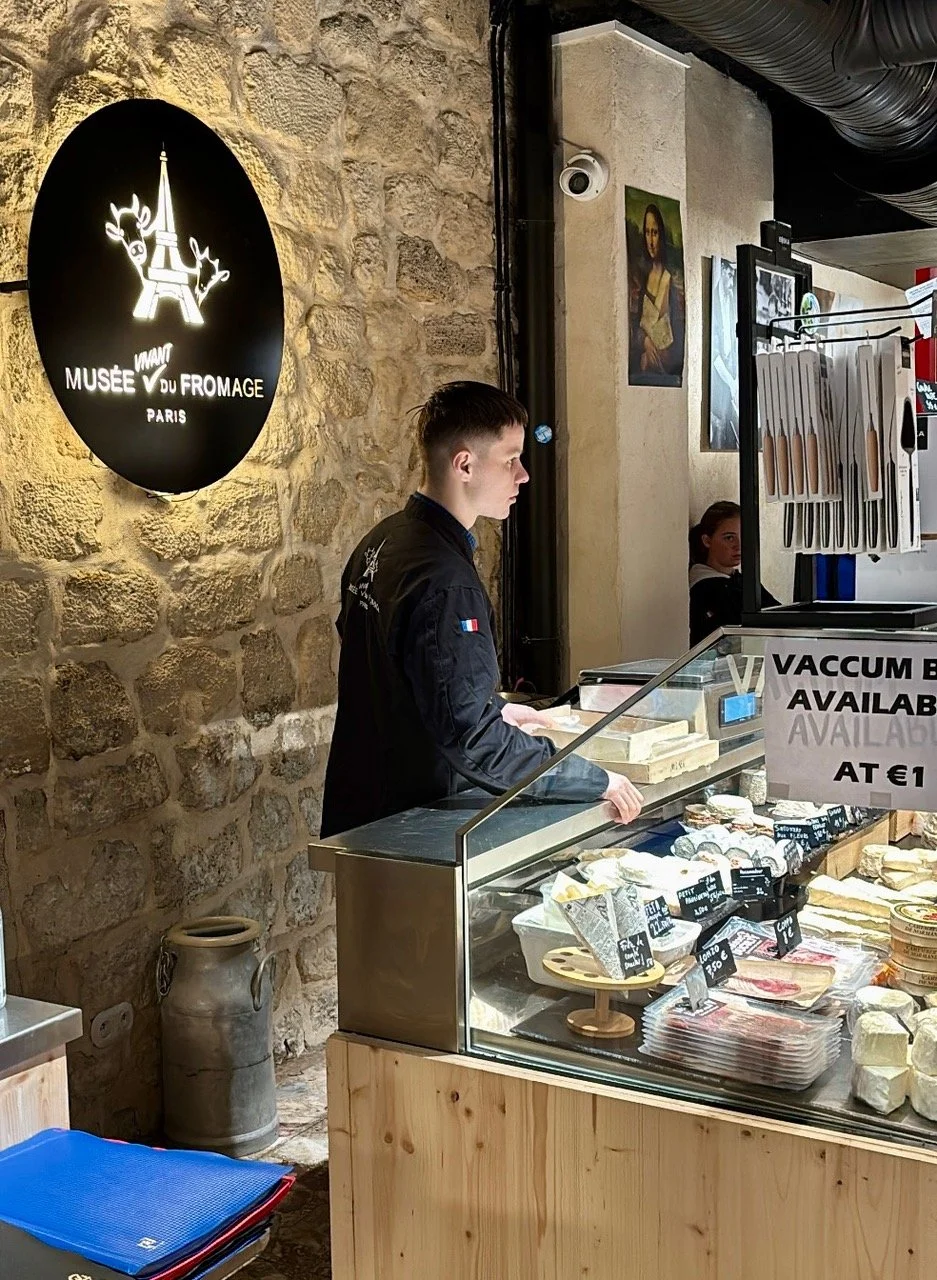
Figure 17. Musée Vivant du Fromage's fromagerie
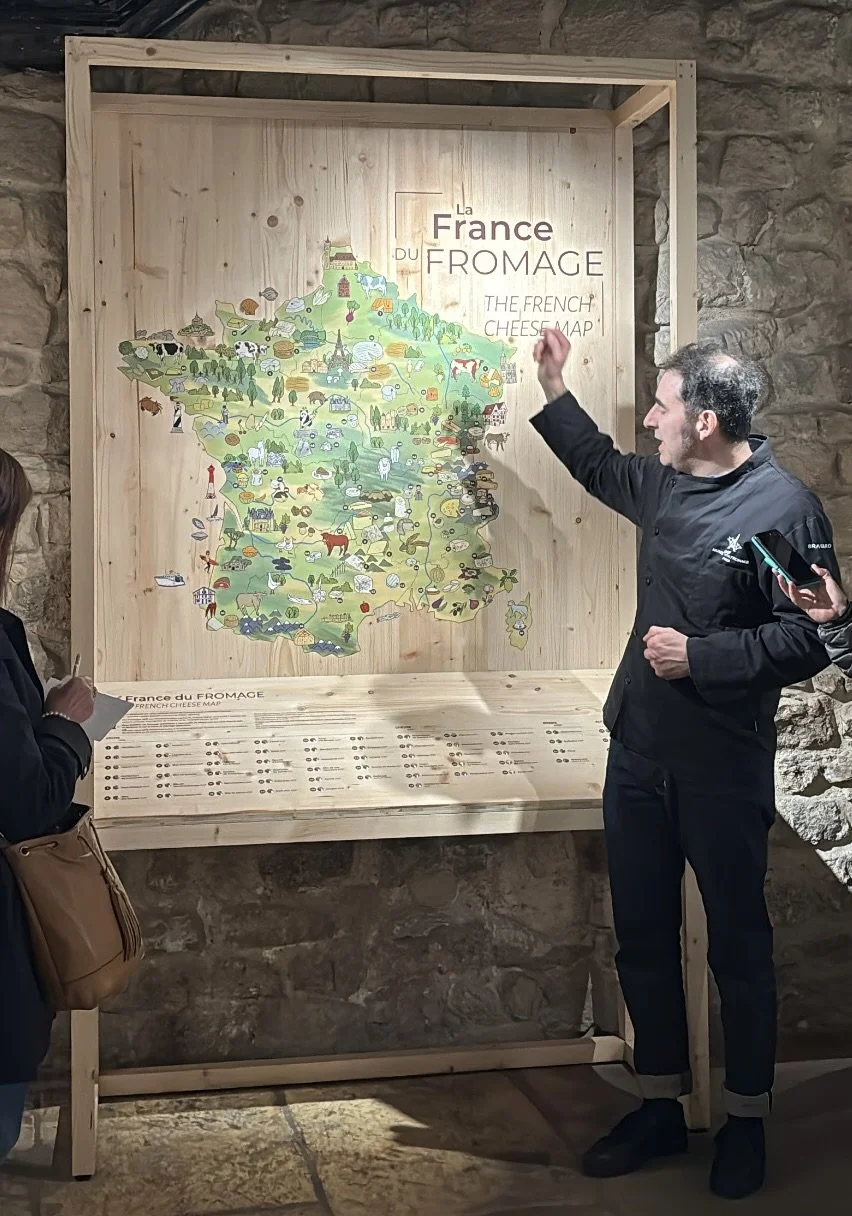
Figure 18. Our knowledgable guide explaining the French Cheese Map
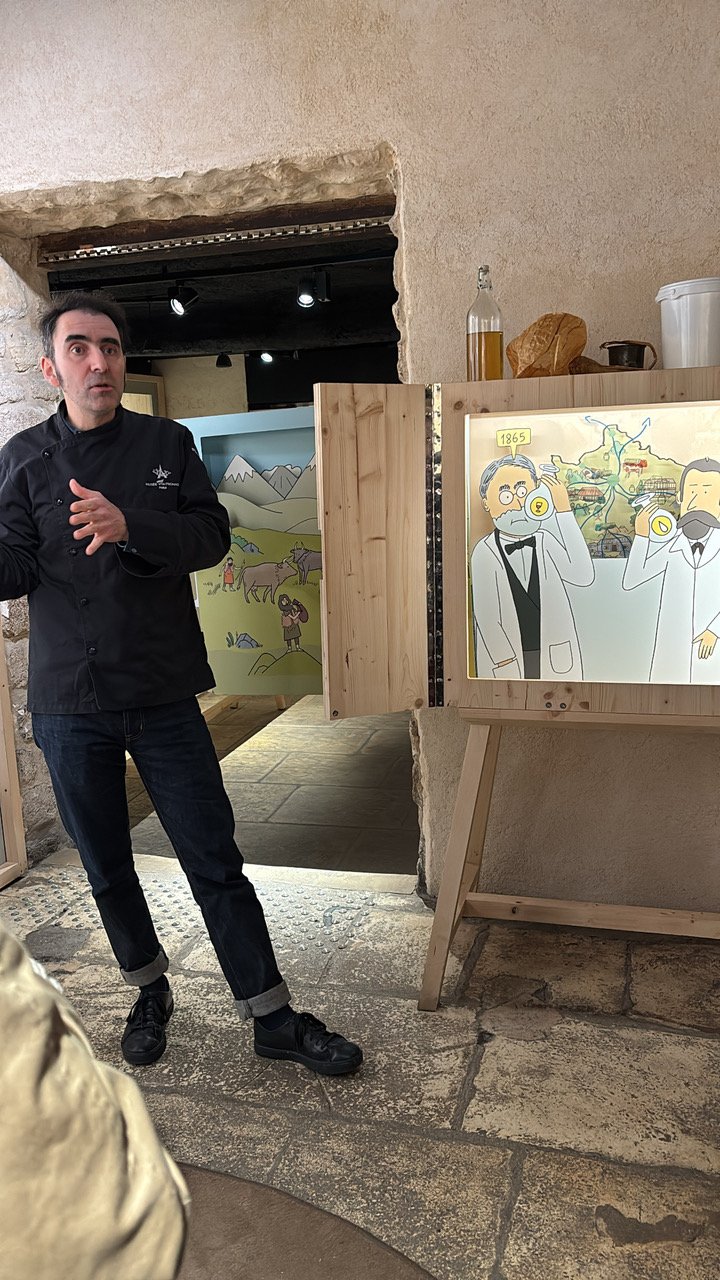
Figure 19. Our guide in front of another pedagogical display, this one of two scientists
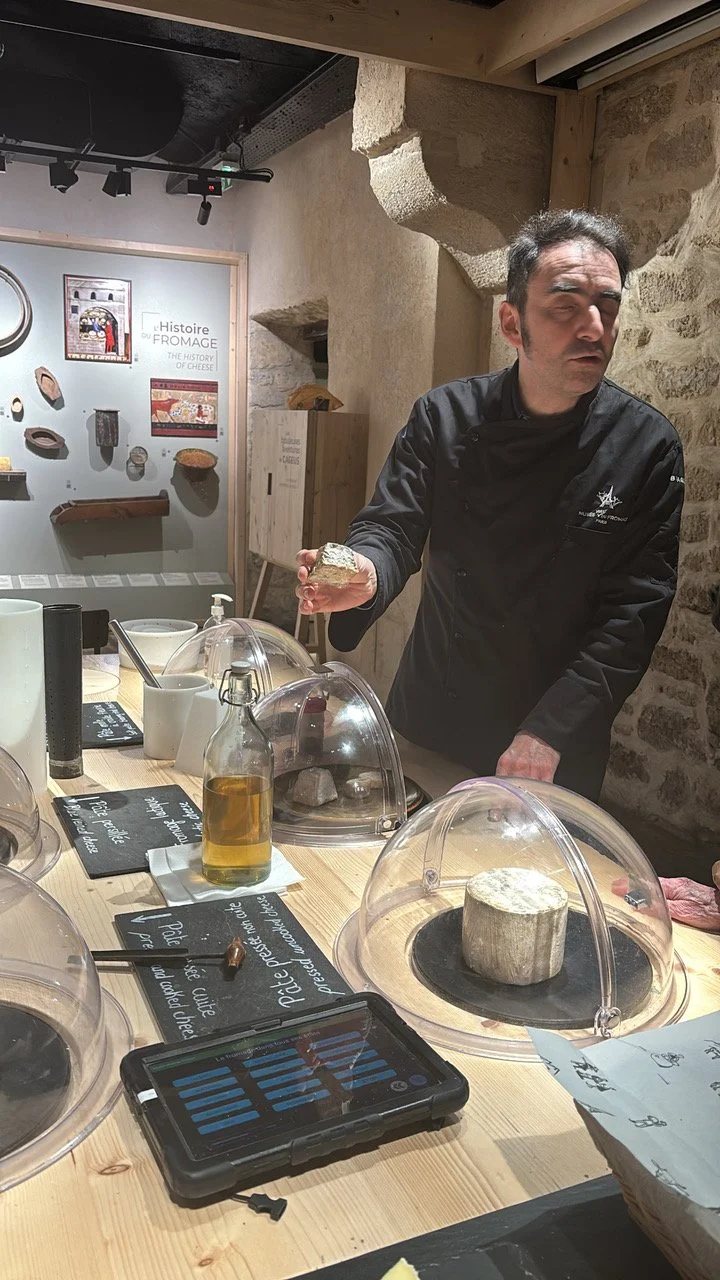
Figure 20. Our guide explains a process and answers questions about which cheese rinds can be eaten
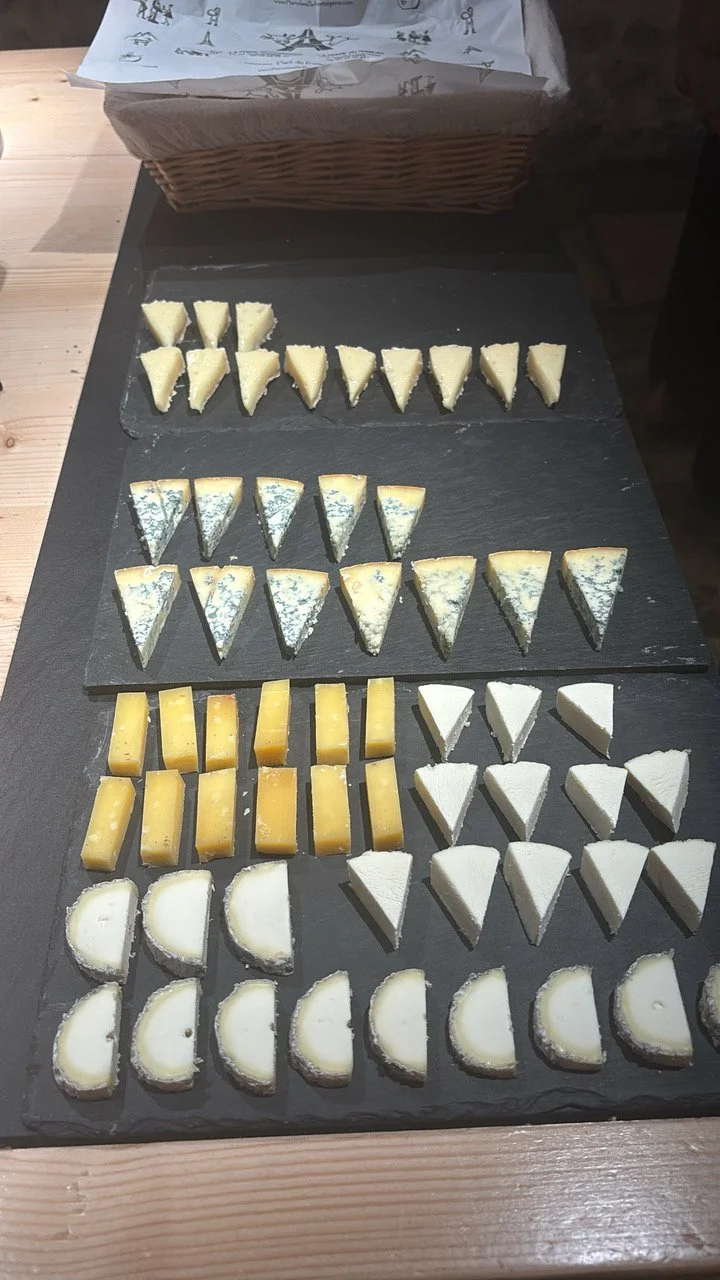
Figure 21. The grand finalé a cheese tasting of 4 fabulous and perfectly ripe cheeses
Finally, another day I went to the Louvre and saw an exhibition dedicated to Martin Schongauer, a 15th century Alsatian engraver and painter. The most important printmaker north of the Alps before Albrecht Dürer, who knew Schongauer’s work and collected it. The exhibition curators call Schongauer “the undisputed master of the art of engraving, but also a painter of profoundly delicate and human scenes.” Hence his nickname 'Beautiful Martin'. That his work continued to influence artists well into the 17th century, earned him another nickname, the Immortal. The first part of the exhibition is about Schongauer’s own career. He was brought up in a family of goldsmiths, an ideal artistic environment for an artist who was to try his hand at burin engraving on copper. There is no record of Schongauer's training as a painter although he very likely saw and was influenced by the paintings of Rogier van der Weyden (1399-1464). As I looked at Schongauer’s paintings and engravings, the words Handel’s oratorio, Messiah, compiled by Charles Jennens from the King James Bible and the Coverdale Psalter, filled my ears. The second part of the exhibition traces Schongauer’s influence on a long line of artists who followed him. Although Schongauer may be less well known today, as the curators note, as you see all the works that were influenced by Martin Schongauer, you understand why he is considered one of the most influential Germanic artists of the late Middle Ages. (F 22-31)
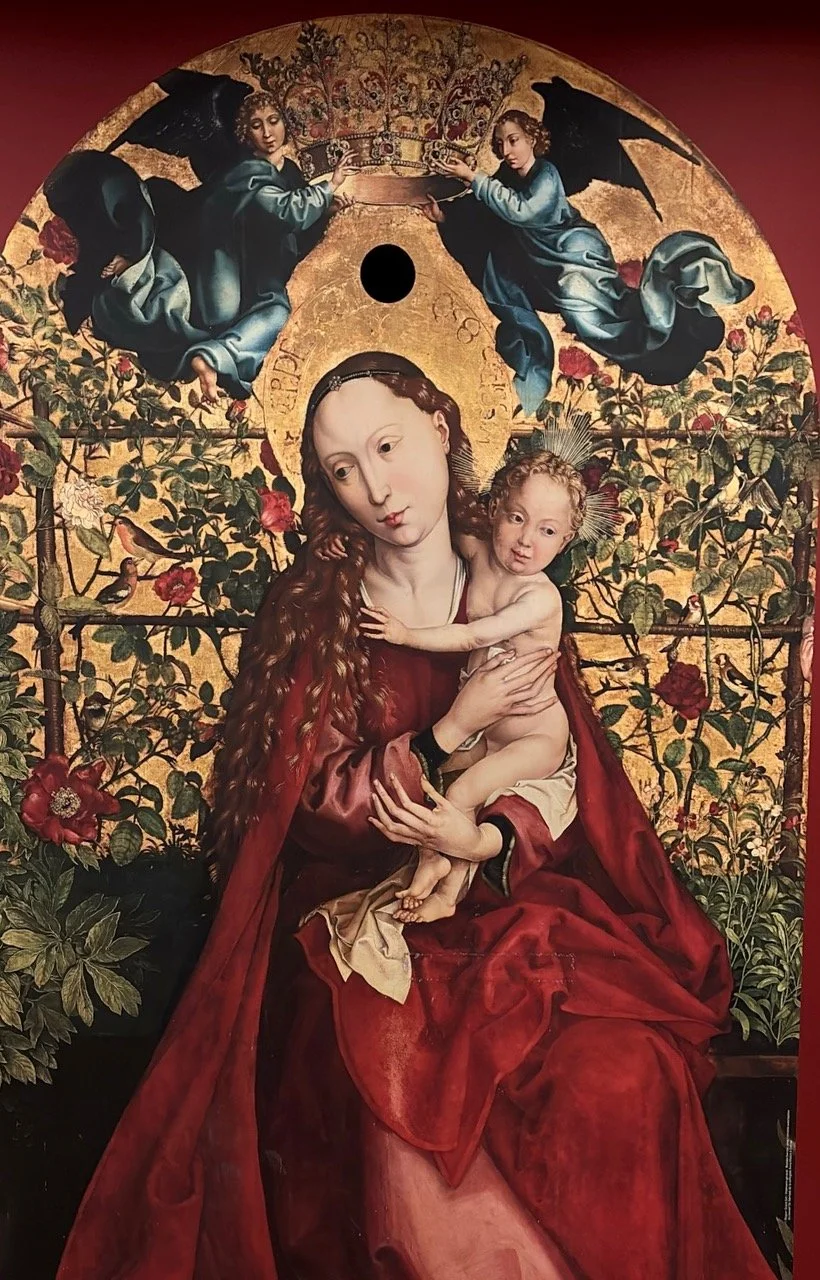
Figure 22. Madonna and Child, Martin Schongauer
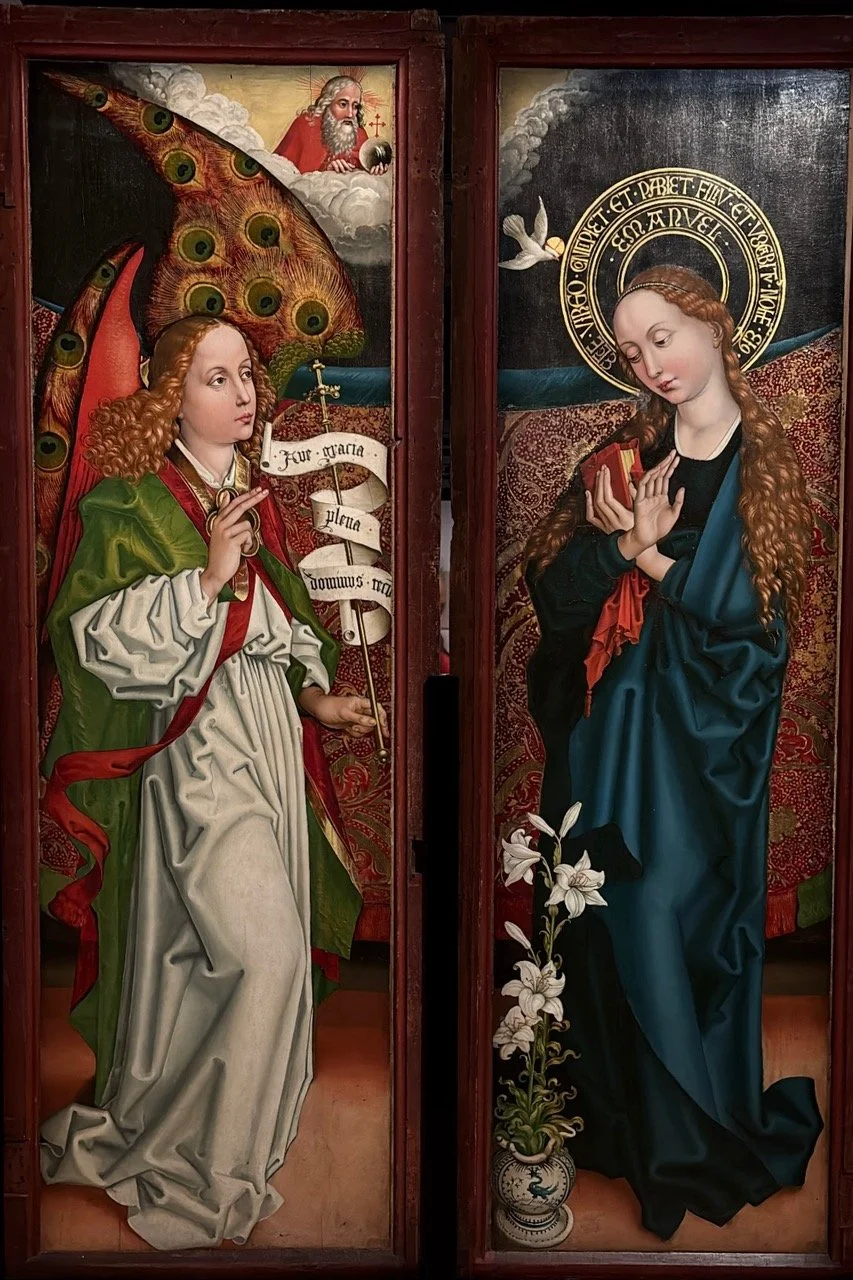
Figure 22. Madonna and Child, Martin Schongauer
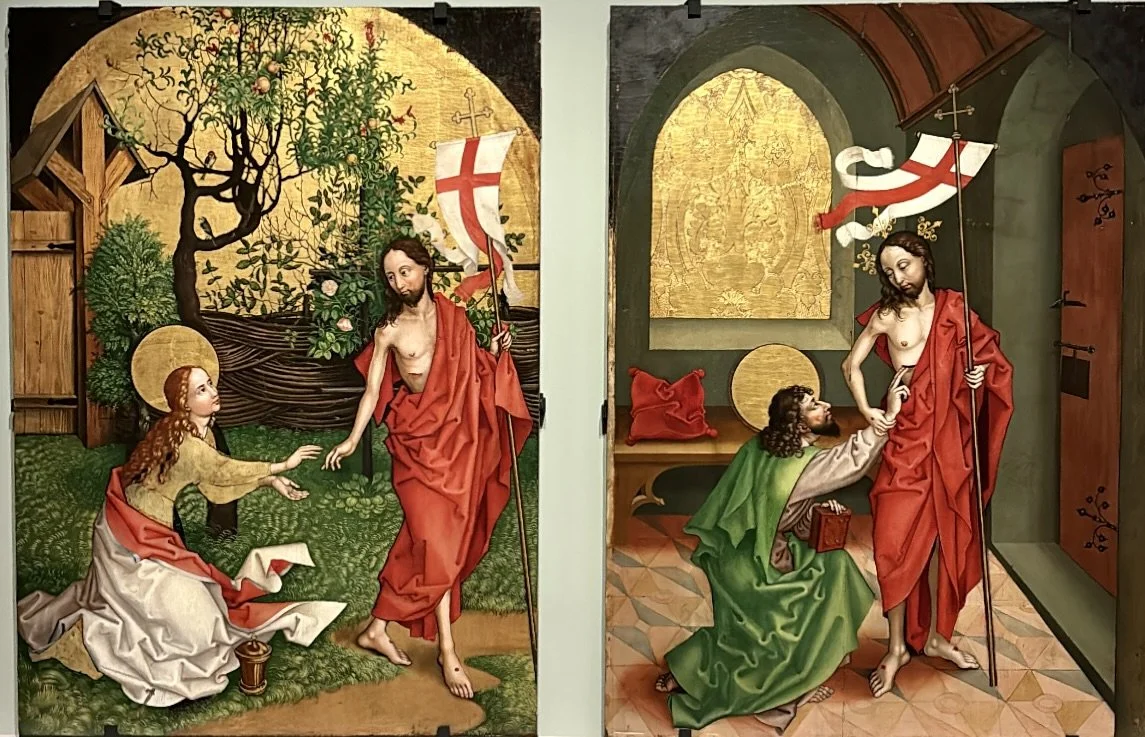
Figure 24. Left - Noli Me Tangere (touch me not for I have risen); Right - Doubting Thomas
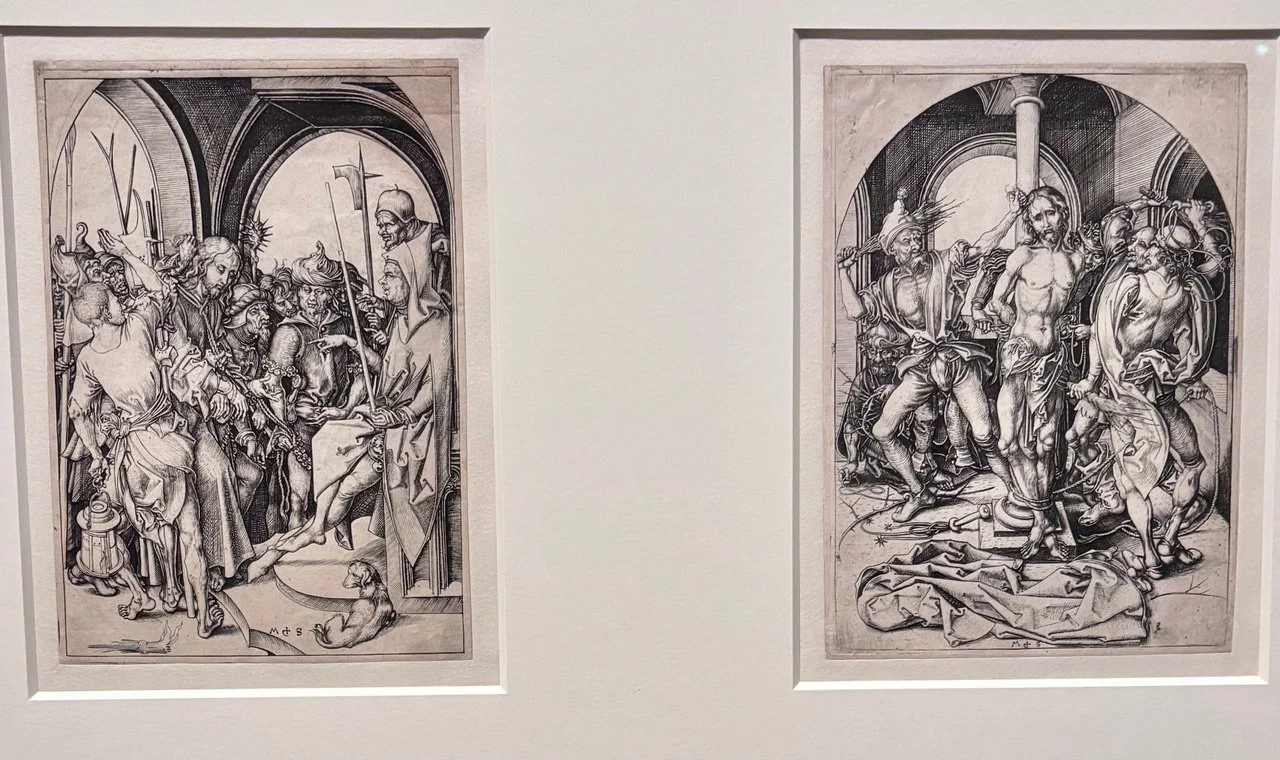
Figure 25. Two scenes from Christ’s Passion, Christ before Pilate, the Mocking of Christ
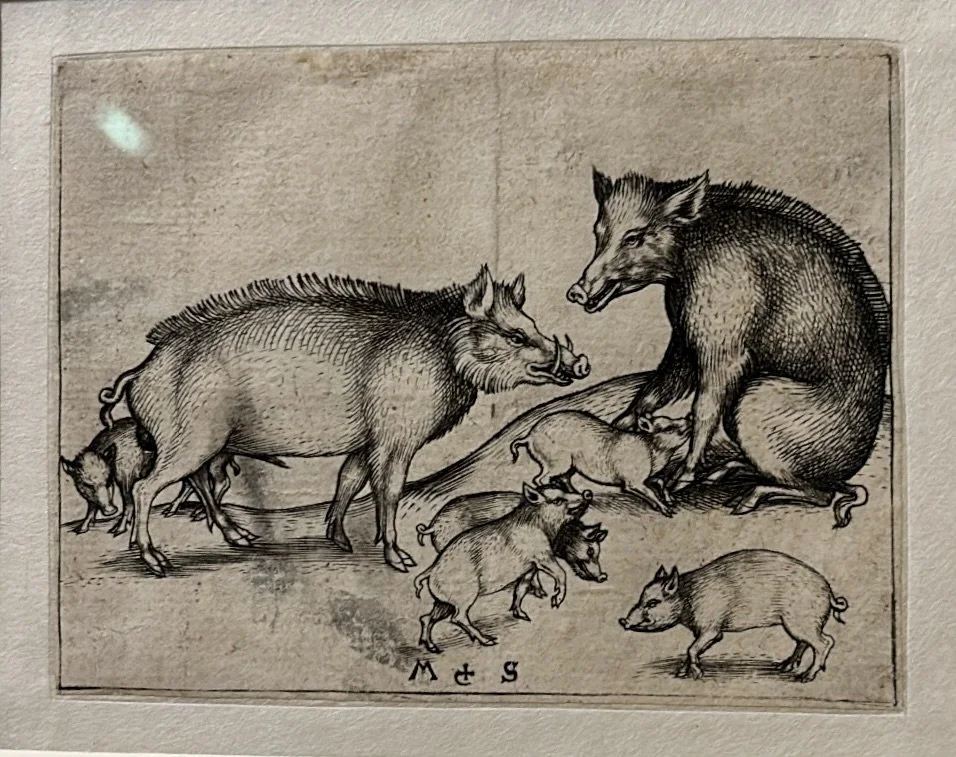
Figure 26. A family of pigs, Martin Schongauer
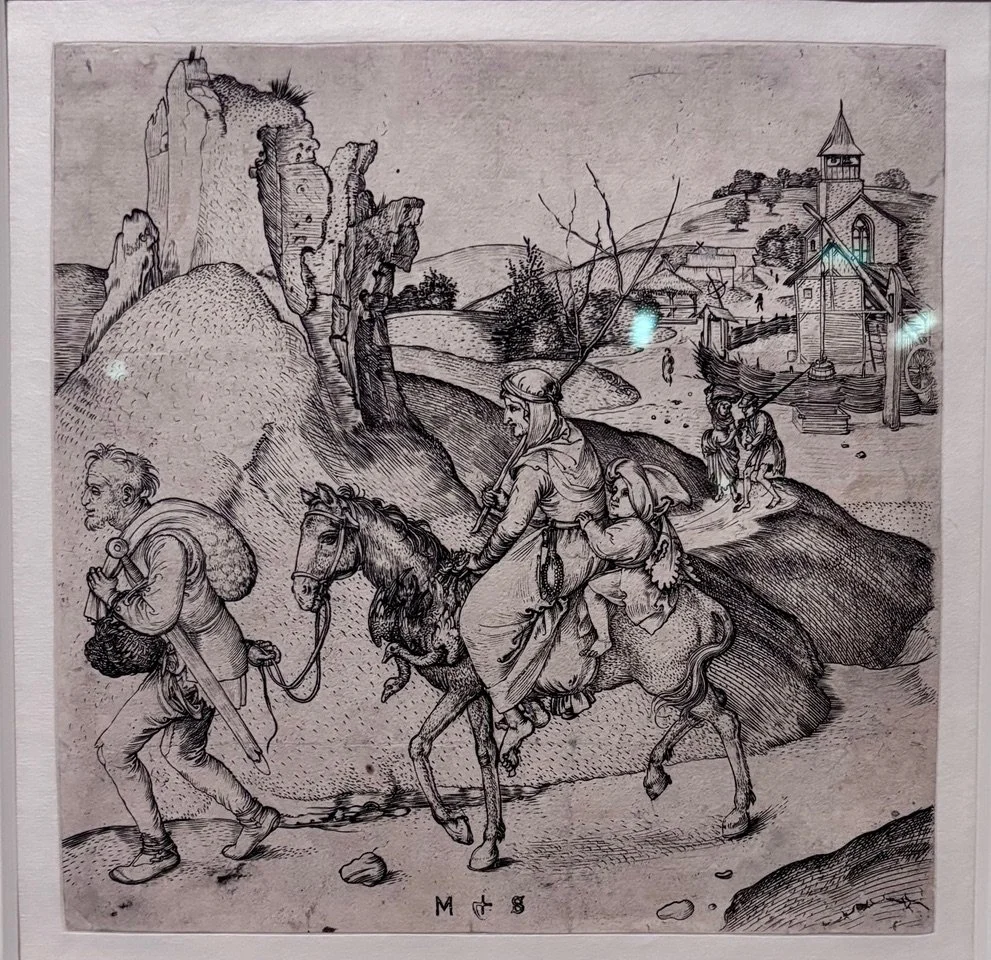
Figure 27. A Family Going to Market
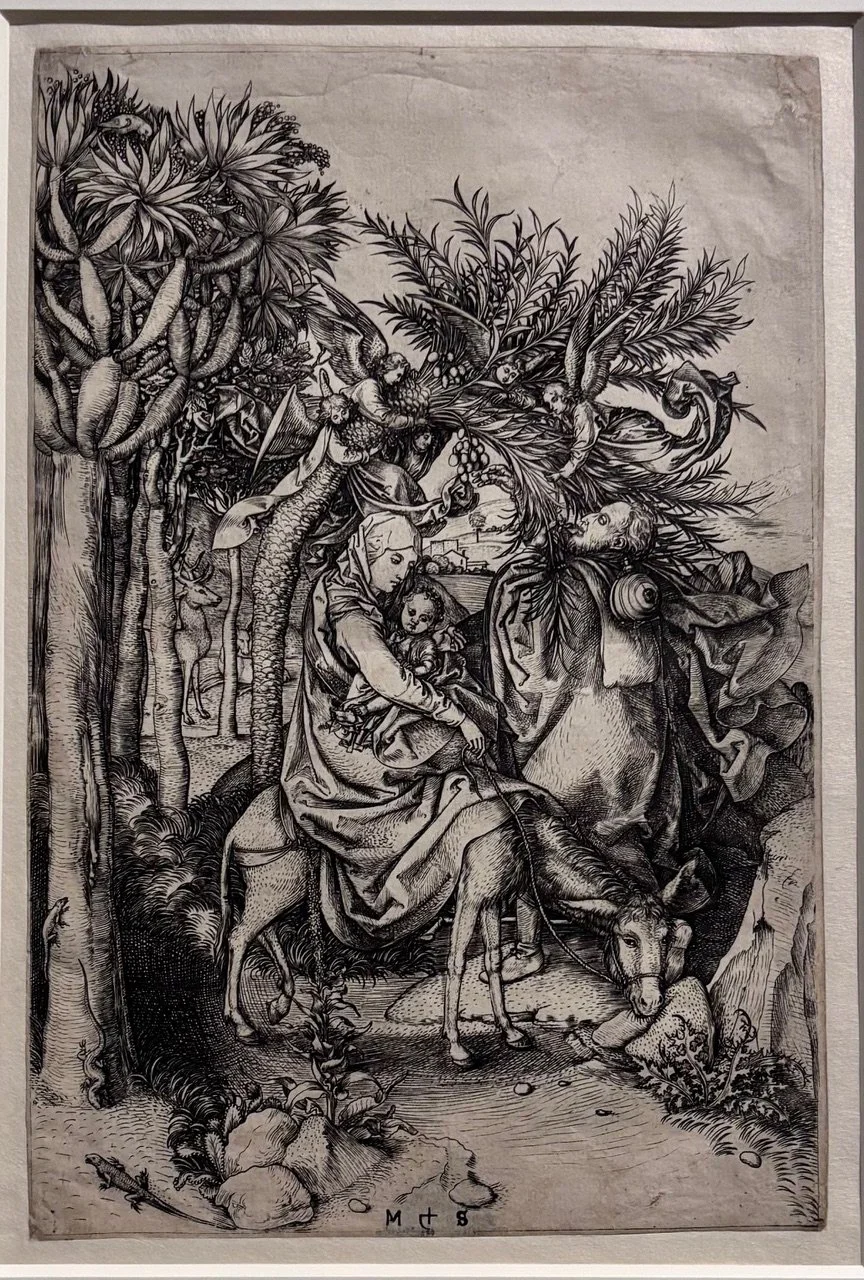
Figure 28. Flight into Egypt, Martin Schongauer
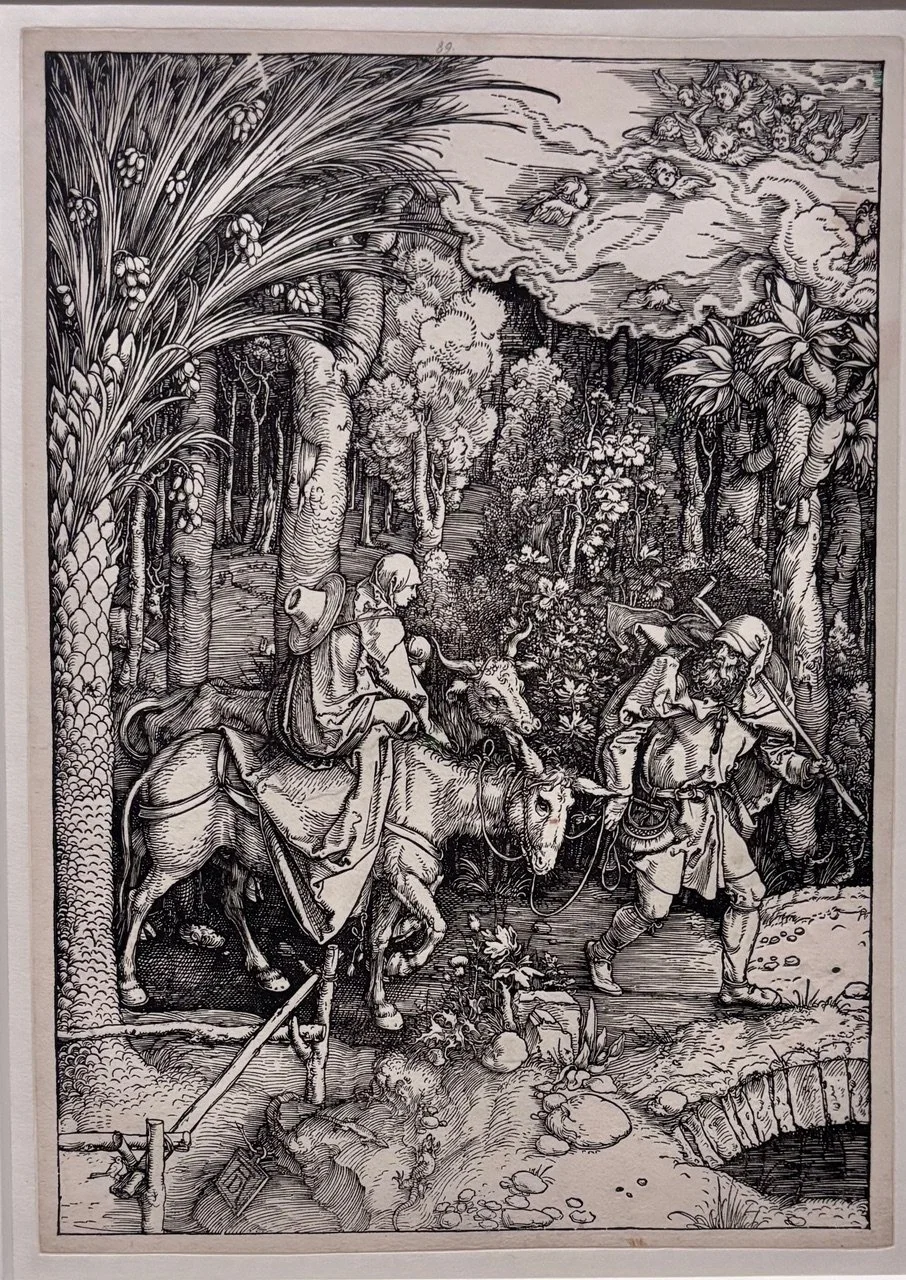
Figure 29. Flight into Egypt, Albrecht Durer
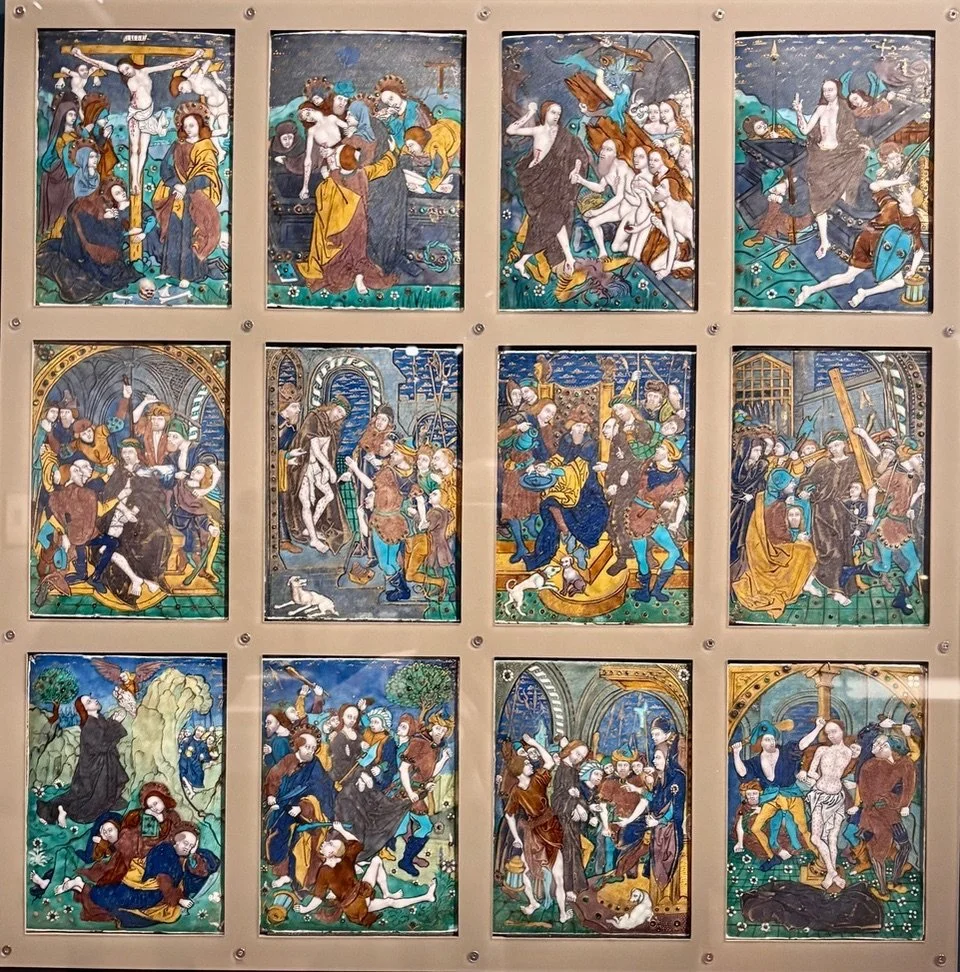
Figure 30. Twelve scenes from the Passion of Christ, after Martin Schongauer
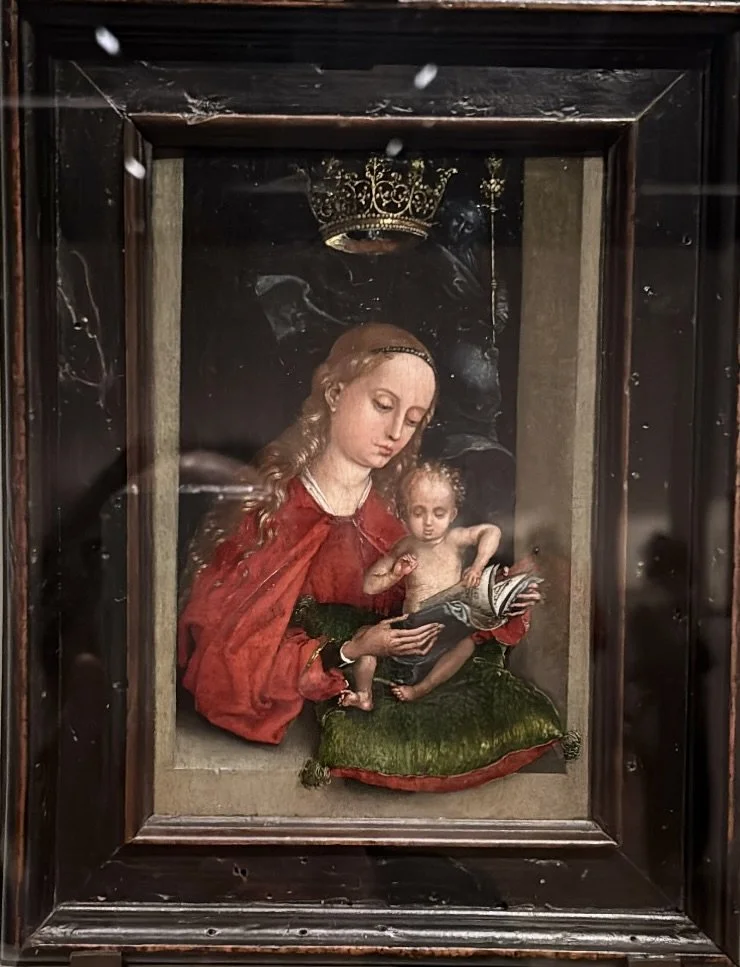
Figure 31. Madonna reading to the Christ Child, Martin Schongauer
This exhibition is a wonderful reason to visit the Louvre. It occupies two small spaces cut off from all those people walking down all those corridors, past works of art that would be the gems of any smaller museum but that in the Louvre, don’t even get noticed. In this exhibition, you learn a lot but it’s not exhausting because the space is intimate and there’s no jostling. The ideal way to look at art. Gros bisous, Dr. B.
Thanks to those of you who sent Comments, they are always appreciated.