From Muse to Maker: “I would rather take a picture than be one" Lee Miller
Lee Miller at the Musée de l’art moderne
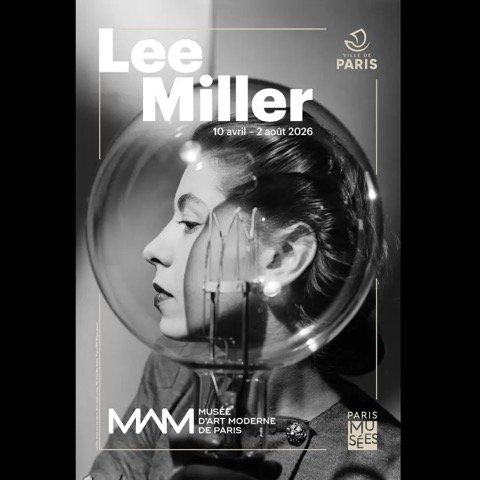
Bienvenue and welcome back to Musée Musings, your idiosyncratic guide to Paris and art. The exhibition I am going to tell you about today began at the Tate Britain in London last October. It traveled to the Musée de l’art moderne in Paris where I saw it. It opens at the Art Institute of Chicago on 29 August. That’s a quick turnaround and that’s because the exhibition is almost entirely printed material - photographs and magazine covers - and a few vintage cameras.
Paris was chosen as one of the venues because, according to the curators, it was a city that Lee Miller loved. She first visited as a student in 1925. She returned in 1929 to train with May Ray. She continued to visit for the next 15 years, even after she returned to New York and later made Egypt her home. She was in Paris in August 1944 for the Liberation to record events and to reconnect “with the artistic community that had always regarded her as one of their own.” London was an important city in Miller’s life, too. In 1939, as war descended upon Europe, she chose to move to London rather than return to the United States. She photographed and reported on the Blitz. London was also her base between European war assignments. In 1949, she and her second husband, Roland Penrose (whom she met in Paris in 1937 and married a decade later), bought an estate in East Sussex, England. It was in the attic of that estate that Miller had stored her negatives and diaries and letters. The estate is now an art gallery and Miller archive. Why Chicago? I don’t know, Miller had no connection to Chicago. She was born and raised in Poughkeepsie. She was a model and then photographer in New York City.
The exhibition traces Miller’s career from model to surrealist artist to portraitist to fashion photographer to war correspondent and finally, to gourmet chef. Her career began by chance in New York and concluded at Farleys’ Farm in Sussex, England, with stops in Paris (her time with Man Ray and on her own), Egypt (married to a wealthy Egyptian businessman) and Germany (where she took some of the toughest images of the war). As the curators note, the images she took reveal “the breadth of a body of work in which formal experimentation, visual boldness, and political engagement coexist.”
I have written about several exhibitions which included photographs of and by Lee Miller. Among them, an exhibition on Man Ray at the Musée de l’Orangerie, an exhibition on female war photographers at the Musée de la Libération and an exhibition in St. Malo that focused on Miller’s photos of the Allies unexpected confrontation with Nazi resistance in a city Allied commanders thought had been secured.
As I walked through the exhibition here in Paris, I had the same reaction that Sabine Scherck had last year (Studio International) when she saw the exhibition at the Tate. “(I) wish the exhibition had provided more information about her, so as to get a better sense of the witty, energetic and extraordinary character she was…”
I decided the only answer for that was to read the biography of Miller that has been in my bookcase for a few years now. The book was a present from Mark, an enthusiastic reader of my newsletters, who split his time then, as I do now, between San Francisco and Paris. When he realized that he would never return to Paris, he encouraged me to go to his apartment in Montmartre and take whatever books interested me. Luckily, Nicolas was in Paris and we lugged a lot of books back to my flat. One of the books was Carolyn Burke’s, Lee Miller A Life (2005). The book is well researched, thoroughly documented and beautifully written. Burke describes Miller’s photographs but very few of them are reproduced The exhibition, which is image rich, is an excellent companion to the book which is word rich. In fact, the book almost requires that you have seen the exhibition or at least paged through the catalogue.
“(I was) practically born and brought up in a dark room,” is one of the first Miller quotes in the exhibition. That’s because Miller’s father, an amateur photographer had a darkroom in their house. And her father passed his fascination for photography on to his daughter. Which sounds very nice, very wholesome. Until you see the photos this father took of that daughter. Especially when you realize that the first of those photographs was taken when Lee was 8. Especially when you learn that those first ‘photo sessions’ took place one year after she had been raped. Which is, of course, horrific enough except that it was even worse because the man (maybe the nephew of her babysitter, on leave from the navy) ‘gave’ her gonorrhea. In that pre-penicillin world (she was raped in 1914, penicillin was discovered in 1928) the treatment Lee endured for 12 months after the rape sounds even more invasive than the rape itself.
Here is what Burke learned about the treatment. For one year, at nearby Vassar Hospital, for several times a week and at home in between hospital visits (with her mother, a trained nurse, treating her) she underwent antiseptic sitz baths followed by "irrigations" of the bladder with a solution of potassium permanganate. The equipment for her treatment included a glass catheter, douche can and rubber tubing. The douche can contained “a mixture of boric acid, carbolic acid, and several oils.” Twice a week, Lee’s cervix was cleaned with cotton-wool swabs to remove secretions, then daubed with a solution of ‘picric acid in glycerine’ to prevent further infections. AI tells me that during her treatments, Lee’s two brothers were sent outside so they couldn’t hear Lee screaming. Another source tells me that they heard her screaming behind the closed bathroom door but were never told what was happening to her or why.
That’s the context for the first photograph Theodore took of his daughter. Lee’s son and granddaughter speculate that early photos like this were attempts to make Elizabeth (she changed her name to Lee in 1927) feel ‘whole again.’ Hmmm. In the photo he took of Lee when she was 8, she stands alone, naked, in the snow, with only slippers on her feet. Calling the photo, "December Morn" it recalled a popular image, ’September Morn’ which shows a young woman, in profile, nude but covering herself. At Theodore’s hands, the young woman has been transformed into a naked little girl, exposed, unsure and yet trusting. This may have been the first nude photo Theodore took of his daughter but it was certainly not the last. He photographed her nude well into her 20s. When her friends were around, he photographed them nude, too. According to one of those friends, Tanja Ramm, “Theodore was always begging us to pose for him in different stages of undress. If you didn't do it, you'd feel prudish." One photo shows Lee, a young woman now, sitting on a table, legs crossed, pubic hair visible. In another, Lee poses naked with her naked girlfriends. Maybe all those photos didn’t lead to any improprieties, but Theodore was a serial fornicator whose many sexual dalliances were accepted by his wife. Here’s some speculation on my part - in those dark times before viagra, maybe daddy’s photos of his nubile little girl and her naked friends were useful ‘aids’ to his philandering. (Figs 1-4)
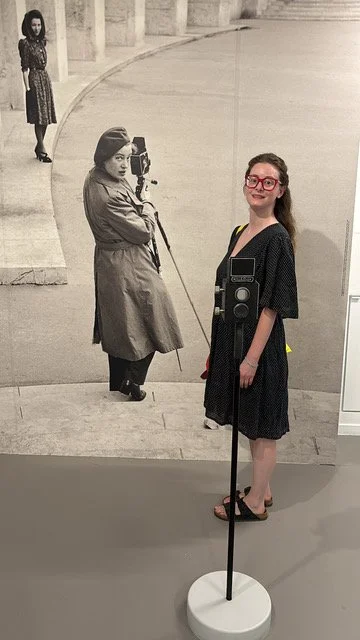
Lee Miller being photographed as she photographs a Schiaparelli fashion assignment for Vogue outside the Musée d'Art Moderne de Paris, 1945.
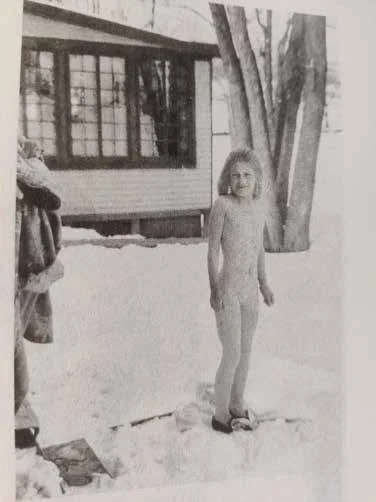
Figure 1. December Morn, Elizabeth (Lee) Miller, age 8 (1915), Theodore Miller photographer
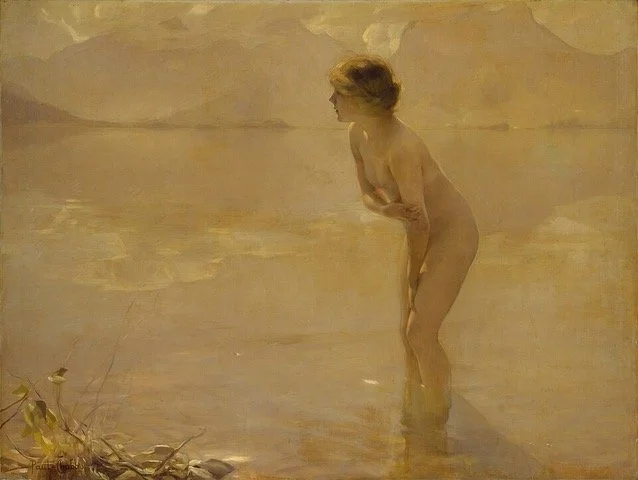
Figure 2. September Morn, Paul Emile Chabas, 1911-12
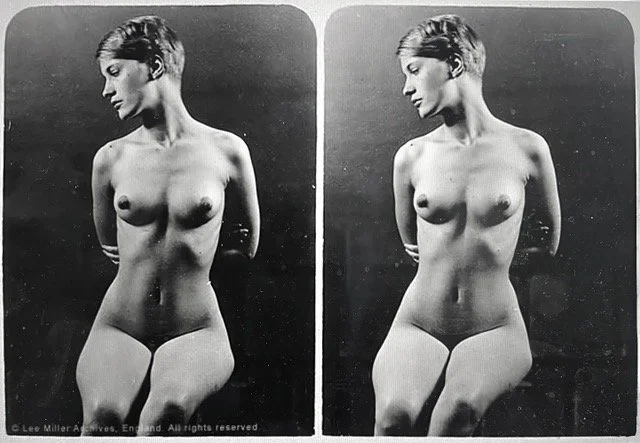
Figure 3. Lee Miller stereoscopic photo, Theodore Miller, 1926
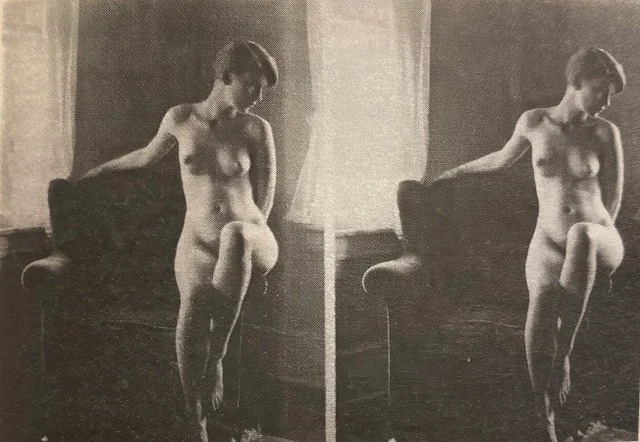
Figure 4. Lee Miller stereoscopic photo, Theodore Miller, 1928
Burke suggests that the rape and the horrific year of treatment that followed determined the course of Miller’s life. She became a risk taker because after a year like that, why not. The rape haunted Lee and it haunts Burke's book, too. Burke’s biography also discusses Lee’s casual approach to sex. Here’s how Lee Miller explained it to a friend, “If I need to pee, I pee in the road; if I have a letch for someone, I hop into bed with him." I don’t know whether to call it promiscuity or libertinism. Apparently, Lee’s father tried to make Lee ‘whole’ again after the rape, by telling her that sex and love were not the same thing. Perhaps with his words as her guide, Lee changed sex partners as often as most of the men she had sex with did. In a way, her attitude is refreshing. At a time when male artists like the surrealists were ‘sharing’ their women, Lee was her own person, she was not someone else’s to ‘give.’ Ironically, I guess, guys fell in love with her but she mostly had sex with them. Her sex life wasn’t a secret but she never told anyone about her rape or treatment for gonorrhea. Even her husband, Roland Penrose, with whom she spent 40 of her 70 years, didn’t know until after her death when he read the diaries Lee had ‘buried’ in the attic.
Miller’s career was a series of unexpected chances mixed with opportunities she made for herself. Lee’s discovery was more dramatic than Lana Turner’s (who was discovered drinking a Coke at coffee shop across from her school) or Gisele Bundchen’s (who was discovered eating a Big Mac at a shopping mall). Lee Miller was discovered when Condé Nast “either pulled her out of the path of an oncoming car or grabbed her shoulder as she stepped into traffic.” She had just the look he was looking for. He offered her a modeling job on the spot.
That was 1927. That same year, Lee’s portrait graced the cover of both British and American Vogue. Her face and body and the way she carried herself resonated perfectly with the emerging concept of beauty. The definition of female beauty is never fixed. It see-saws from round and voluptuous to thin and wraithlike. (Sometimes it’s Lana Turner, sometimes it’s Twiggy, sometimes it’s somewhere in between). Lee was tall and slender and wore her hair short. Her androgynous look embodied the garconne, the flapper of the Roaring Twenties. Lee’s modeling career began just as fashion magazines were transitioning from drawings to photographs. Miller was photographed by the leading fashion photographers of the day. As she posed, she learned. Before long, she decided that she would "rather take a picture than be one." (Figs 5-8)
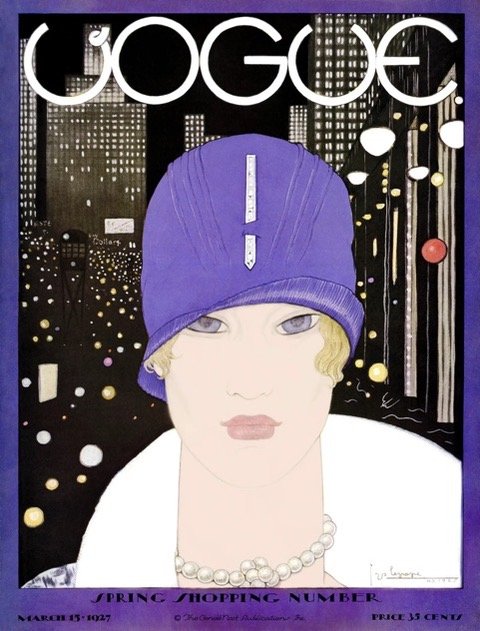
Figure 5. Lee Miller’s first Vogue cover, drawing by Henry Lepape, 1927
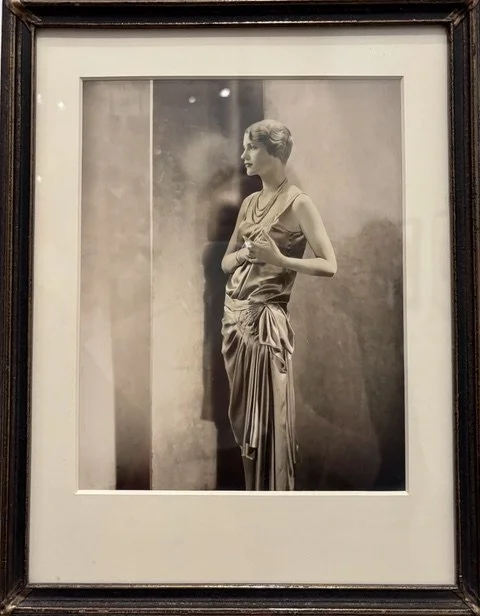
Figure 6. Lee Miller by Edward Steichen, 1928
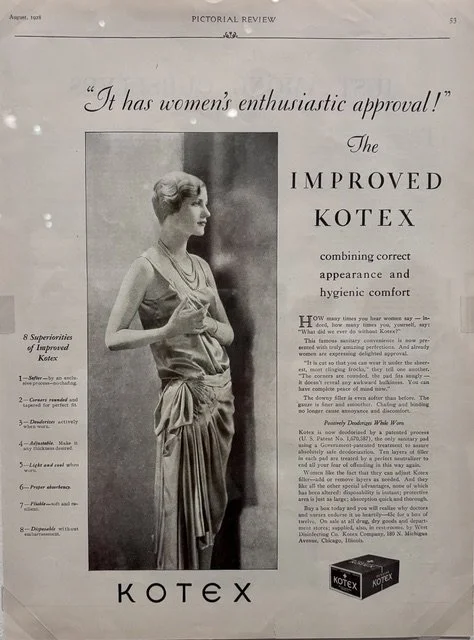
Figure 7. Lee Miller in Kotex ad (very controversial ad at the time). Edward Steichen took the photo and had the rights to use it as he wished without getting permission from the model
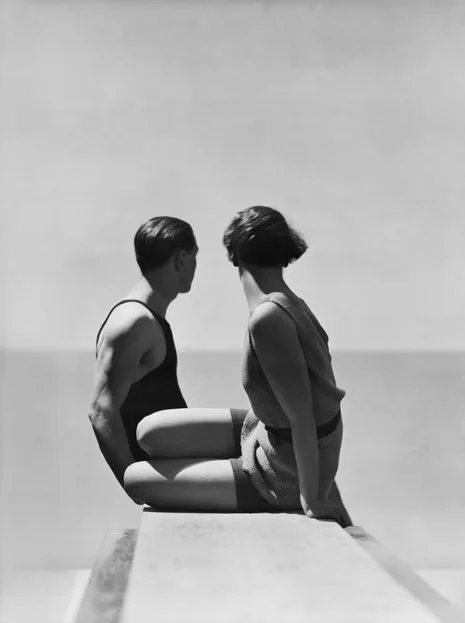
Figure 8. “The Divers” (Horst P. Horst and Lee Miller), Paris, 1930, photograph, George Hoyningen-Heune. Front cover of Great Gatsby novel.
Lee decided to move to Paris in 1929. One of the photographers for whom she posed, Edward Steichen, gave her a letter of introduction to Man Ray, the American painter and photographer who had moved to Paris in 1921. He was a surrealist who earned a living doing fashion shoots. His photographs of Kiki de Montparnasse had made him famous. (Figs 9, 10) When Lee got to Paris, her first stop was Ray’s studio. Someone told her that he was gone for the summer. So she walked into a nearby bar and there he was. This is one of the many ways she explained what happened next. "I told him boldly I was his new student. He said he didn't take students and anyway he was leaving Paris for his holiday. I said, I know, I'm going with you — and I did. We lived together for three years and I learned a lot about photography.”
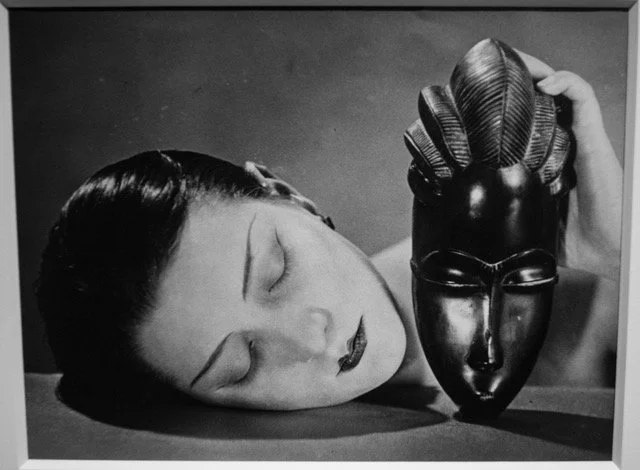
Figure 9. Black and White, Kiki de Montparnasse, Man Ray. 1926
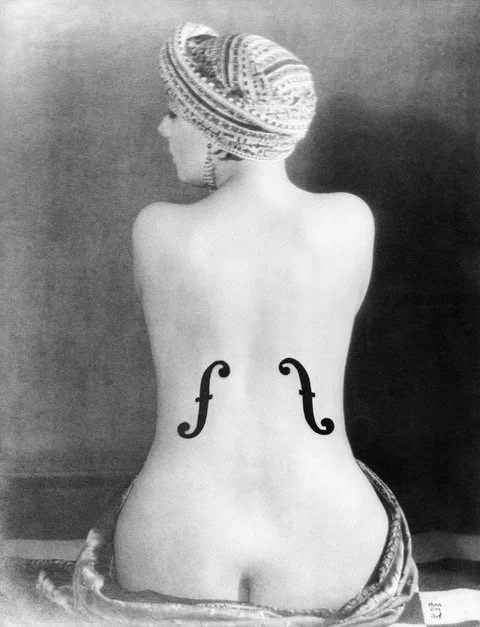
Figure 10. Ingre’s Violin, Kiki de Montparnasse, Man Ray, 1924
Man Ray had parted ways with Kiki de Montparnasse a year before Lee arrived. He may have been, as he said, “ready for new adventures" but he probably could not have imagined the roller coaster ride life would become with Lee Miller by his side. Seventeen years younger (and a head taller) Lee started out as Ray’s student and quickly became his assistant. Then the labels and titles tumbled onto and around and over one another - collaborator, muse, lover. In 1930, Lee needed more room so she moved into a studio of her own. (Figs 11-14)
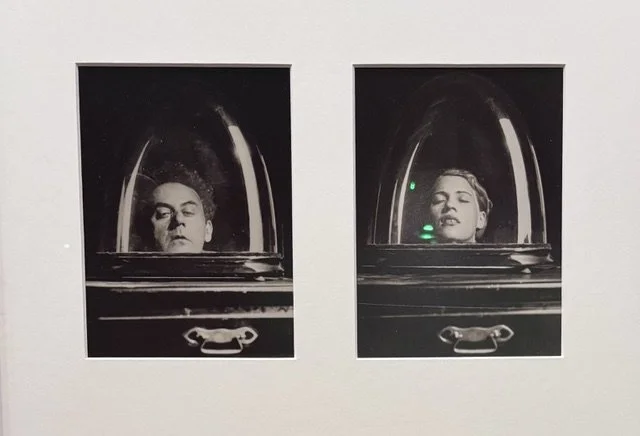
Figure 11. Man Ray and Lee Miller, 1930
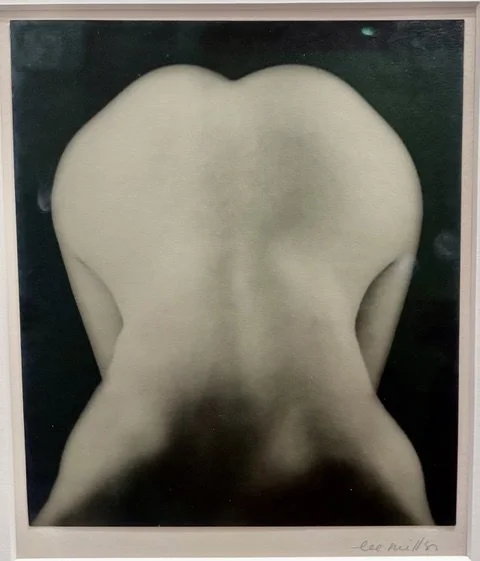
Figure 12. Lee Miller, self portrait, 1930
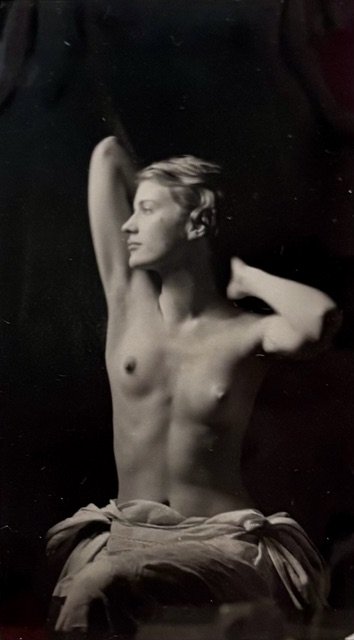
Figure 13. Lee Miller, Self Portrait, 1930
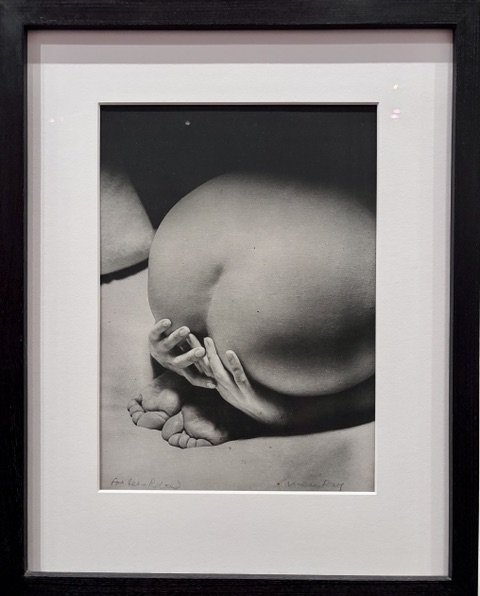
Figure 14. ‘Prayer’ (Lee Miller), Man Ray, 1930
In December of that year, Lee’s father flew to Hamburg, Germany. True to form, he took photos of his 23 year old daughter, nude, in the bathtub of the hotel room they shared. Lee brought her dad back to Paris. Here’s how one critic described what happened when Man Ray and Theodore Miller got together. Man Ray (born 1890) and his mistress's father (born 1871) “indulged their mutual delight in photographing…naked girls frolicking on a bed with Miller (born 1907) as the centerpiece.” (Fig 15)
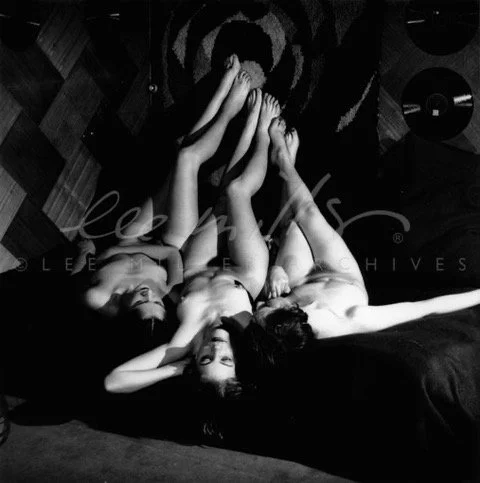
Figure 15. Lee Miller and Friends, Theodore Miller, photographer, 1931
Man Ray introduced Miller to his surrealist friends whose “works and writings challenged convention, embraced chance and asserted the power of the unexpected and the uncanny.” Miller's photographs of the streets of Paris show how influenced she was by the surrealists. Through cropping and juxtaposing, Miller’s street scenes escaped their normal contexts. “With odd reflections and disorienting angles, Miller’s images reveal a world of strange beauty.” Hands are a recurring motif of Miller’s. She shows them “grasping, reaching, penetrating and exploding.” (Figs 16-18) Her portraits of the time were “Informed by her own experiences in front of the camera..” She skillfully set her subjects at ease. Miller explained it this way, “It takes time to do a good portrait... (and) find out what idea of himself or herself he (the sitter) has in mind." (Fig 19)
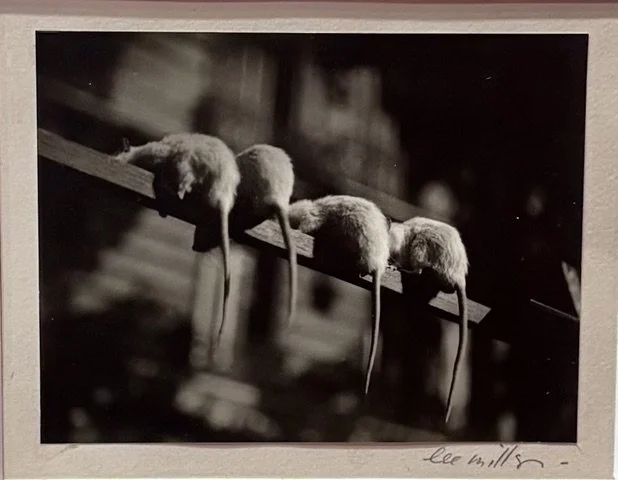
Figure 16. Rat Tails, Lee Miller, 1930
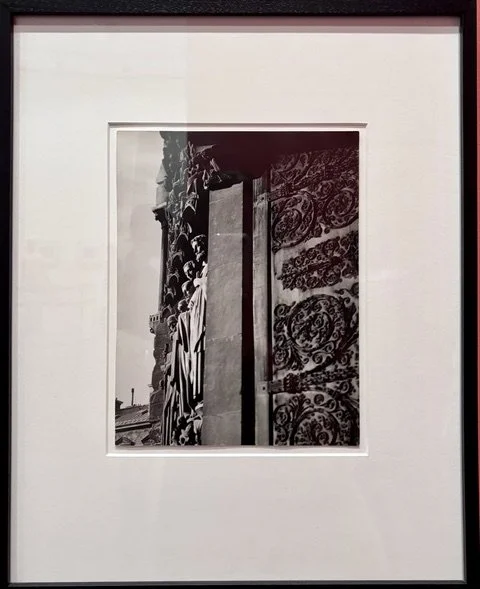
Figure 17. Notre Dame, Lee Miller, 1932
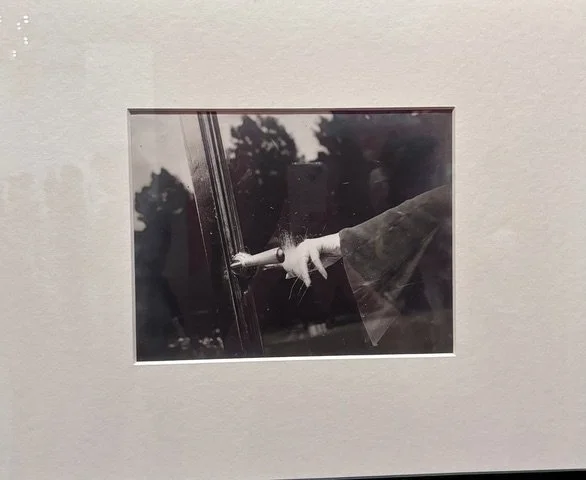
Figure 18. Exploding Hand, Lee Miller, 1930
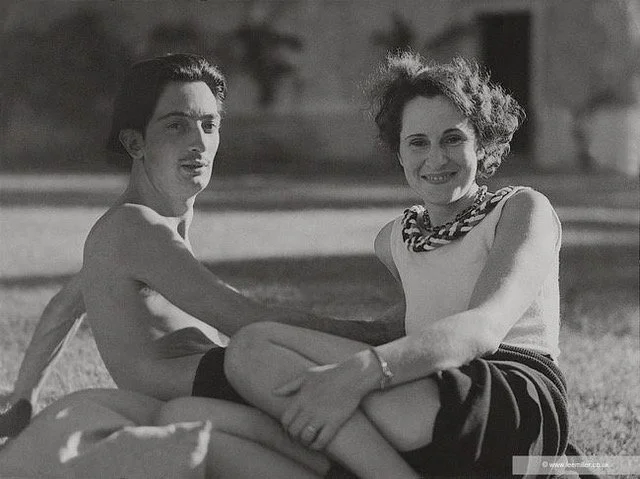
Figure 19. Salvador and Gala Dali, Lee Miller, 1930
Lee Miller and Man Ray “shared studios, models, props and even cameras,” from 1929 to 1932. “They performed for the other's lens and experimented with new processes like solarization” (images with the tones partially or wholly reversed, making light areas look dark and dark areas look light). It is often difficult to know which of them photographed what. After their relationship ended, Miller acknowledged that some of her work was published as Man Ray's, “it doesn't matter: I can't claim anything: we were like one person when we were working.”
In 1932, Miller left Paris for New York City where she opened her own photography studio and had her first solo exhibition at the Julien Levy Gallery. Man Ray had introduced Lee to Julien, and during their brief ‘fling,’ he offered her a one person show at his gallery, an important venue for Surrealists and American photographers. Julien bragged that he had stolen Lee away from Man Ray but as one biographer tells it, Man Ray had stopped passing clients on to Lee and Julien offered Lee a good financial deal, especially as the impact of the Depression worsened.
With her younger brother Erik as her assistant, Lee did fashion shoots and photographed contemporary artists, like Joseph Cornell and Gertrude Lawrence and Virgil Thompson. Her portraits were exhibited at the Julien Levy Gallery. Of her self portraits, there is one in which Lee shows herself in profile. Her short, wavy hair is held back by a headband. The photo was an advertisement for headbands, One critic writes that in this self portrait Lee is a “flapper transformed into Renaissance maiden.” (Figs 20, 21)
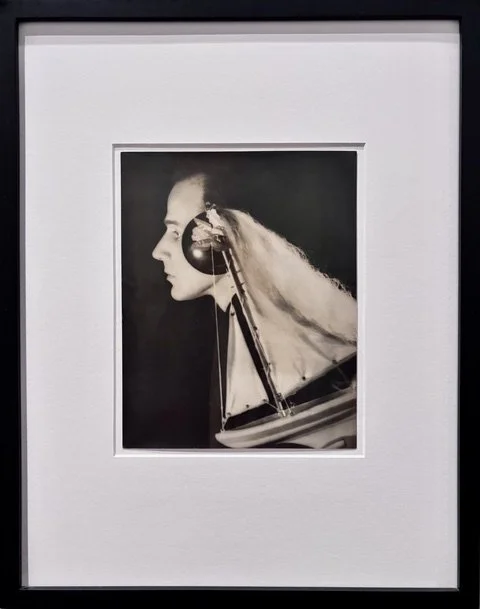
Figure 20. Joseph Cornell, photographed by Lee Miller 1933
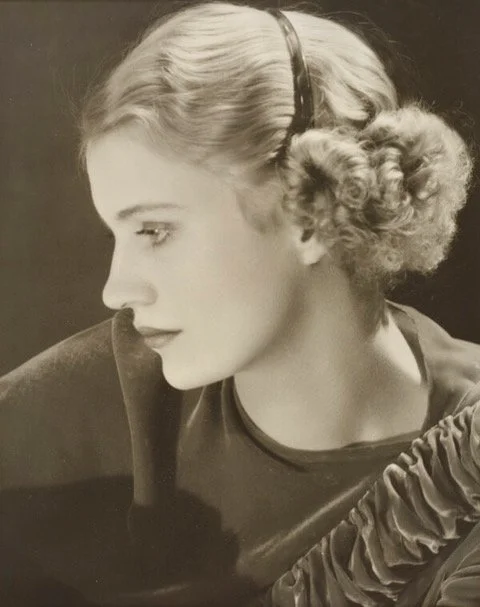
Figure 21. Lee Miller self portrait, hairband ad
After two years in New York, Lee Miller got restless again. And changed course, again. This time it was with a man she had met in St Moritz when she was there with Charlie Chaplin (another of her lovers) in 1931. His name was Aziz Eloui Bey. He was a wealthy Egyptian businessman who was in St. Moritz with his wife. Lee befriended the couple and bedded Bey. Between their initial meeting and June 1934, Bey obtained a divorce and traveled to New York. Lee married him (I don’t know if she introduced him to her parents before or after they were married) and after a honeymoon in Niagara Falls, the newlyweds left for Egypt.
At first, the now wealthy Madame Bey, who no longer had to earn a living, led her own version of the good life. It did not include taking photos. She played bridge, drank martinis, took safaris, learned snake-charming, raced camels, and skied on sand dunes. And, alas, became increasingly bored. "I could easily and with pleasure become an alcoholic.” (She eventually did)
When her adventuresome spirit kicked in, Lee began exploring the Middle East with her camera. For several years, she traveled across Egyptian deserts and through Syria, Palestine, Lebanon, Cyprus, Romania and Greece. One of her subjects was the juxtaposition of Egypt's industrial modernity and its landscapes and ancient ruins. (Figs 22-25)
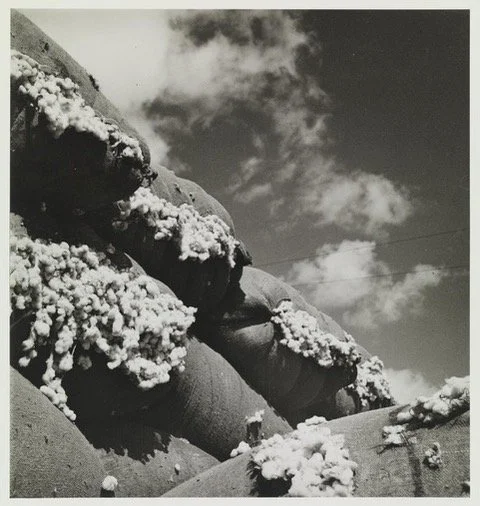
Figure 22. Cotton Sacks, Assyut, Egypt, Lee Miller, 1939
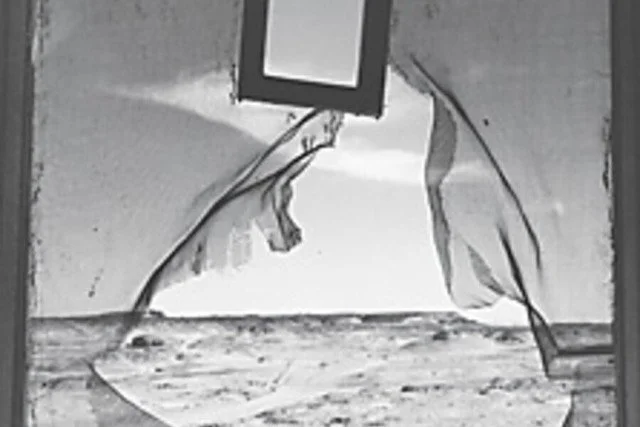
Figur 23. Portrait of Space, Al Bulwayeb near Siwa, Egypt, Lee Miller, 1937
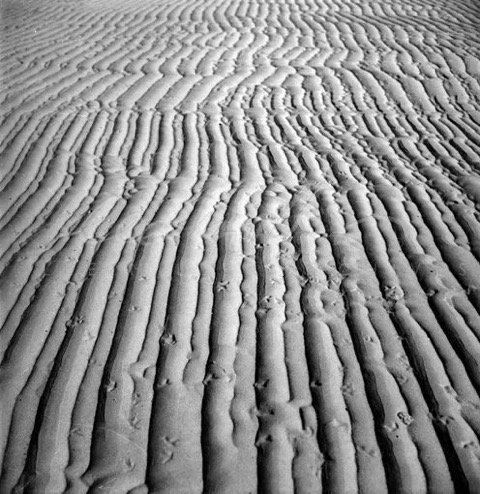
Figure 24. Bird Tracks in Sand, Sinai, Egypt, Lee Miller, 1937
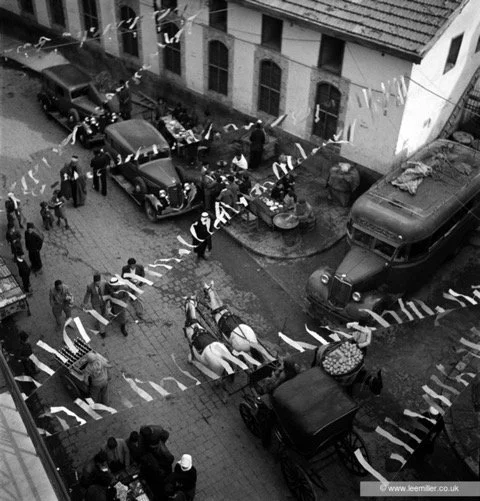
Figure 25. Street Scene, Cairo, Lee Miller, 1937
In 1937, and on her own in Paris, Lee met and bedded Roland Penrose. Her letters to Bey are loving and he apparently had no idea he was being cuckolded. Through Penrose, Lee renewed her contact with surrealist artists and took portraits of them when they were on group holidays in Cornwall (England) and the South of France. (Figs 26-28) By 1939, Lee had decided that she would not return to Egypt. She moved to London to live with Penrose.
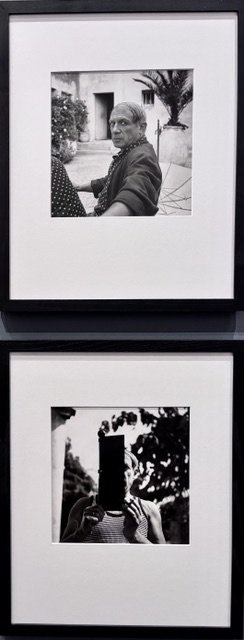
Figure 26. Picasso, Lee Miller, 1937
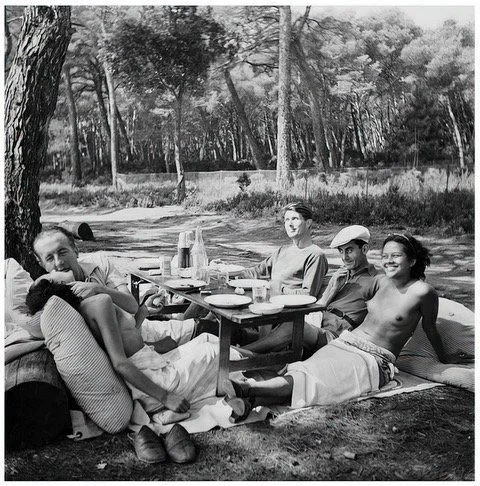
Figure 27. "Dejeuner sur l'herbe, 1937," clockwise from top: Roland Penrose, Man Ray, Ady Fidelin, Nusch and Paul Eluard. Lee Miller, 1937
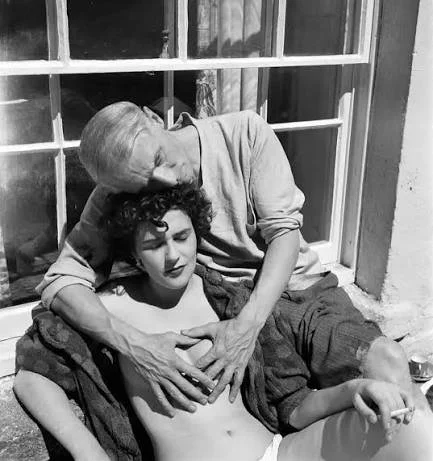
Figure 28. Max Ernst and Leonora Carrington, Lee Miller, 1937
When war was declared, Miller, as an American citizen, was ineligible for war work in the U.K. So she offered her services to British Vogue. With all the male photographers gone for military duty, Lee became the magazine's leading photographer. It was a good time to be a photographer for a fashion magazine. The British government believed that women’s magazines were important for the country’s morale. When the Ministry of Labour asked for help eradicating the head lice plaguing female factory workers, Miller took photos of fashionable women with short hair. Which convinced women to get shorter cuts, which mostly got rid of the head lice problem. When Vogue’s offices were bombed in 1940, Miller's photographs of the damage were upbeat. Working with increasingly restricted resources and clothes under rationing, Miller's creative imagination kicked in. Surrealism helped. Shadows, solarization and double exposure (exposing the same negative several times) brought a strange kind of beauty to plain clothes and simple backgrounds. Lee found props wherever she could. An inflatable fish graced one photo, fire protection masks, another. Since hats were not rationed, they featured prominently in her photos.
Miller wanted but was not permitted to go to the front lines. In a letter to her parents she wrote, ”It seems pretty silly to go on working on a frivolous paper like Vogue,…it may be good for the country's morale it's hell on mine.” From September 1940 to May 1941, German bombs killed nearly 30,000 Londoners. One in six people were left homeless. British censors refused to print graphic images of the destruction so Miller created poetic ones that showed “the absurdity and incongruity of the bomb sites.” The titles she gave her photographs, “evoke the defiant spirit of Londoners faced with hardship.” Miller's Blitz photographs were published as a book, Grim Glory: Pictures of Britain Under Fire (1941) which was intended for a U.S. audience to persuade them to get involved in the conflict. Ten of her photographs were included in an exhibition at the Museum of Modern Art in New York, Britain at War. It was also geared to raise awareness of the devastating effects of the Blitz. Some photos document the radical change in English women's lives during the war. Like Rosie the Riveter, these women rolled up their sleeves and got to work as mechanics, pilots and searchlight operators. (Figs 29-34)
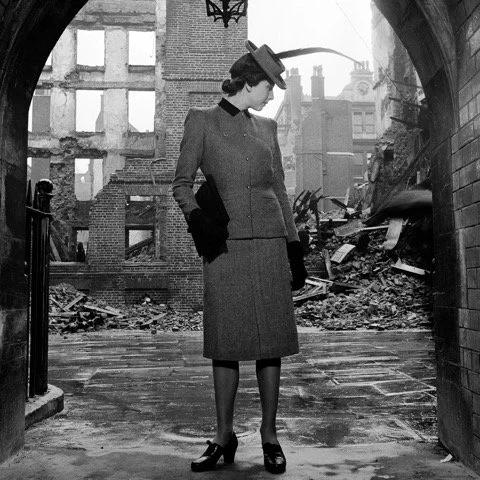
Figure 29. Model Elizabeth Cowell wearing a Digby Morton suit in London, Lee Miller, 1941
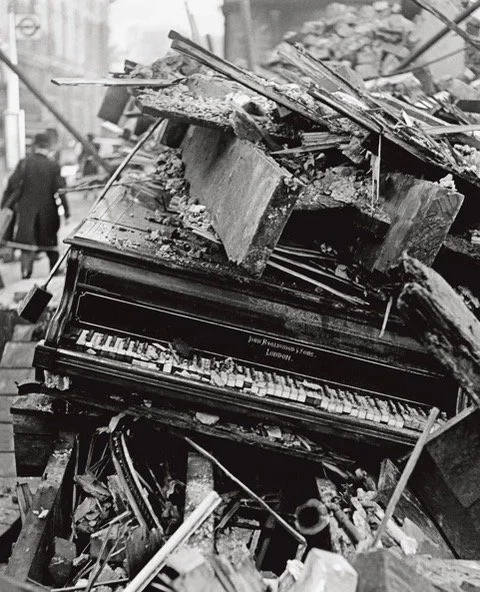
Figure 30. Piano by Broadwood: the Blitz. London, Lee Miller, 1940.
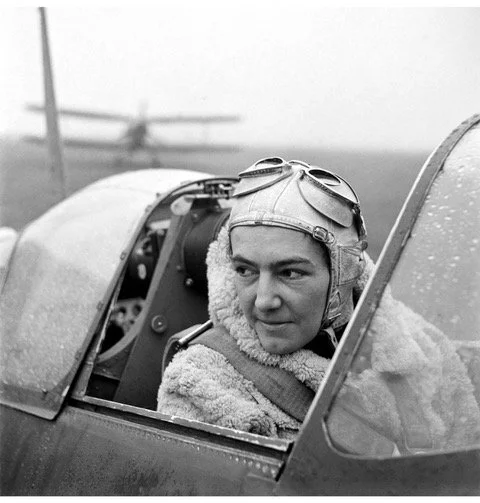
Figure 31. Anna Leska, Air Transport Auxiliary, flying a spitfire, White Waltham, Berkshire, England” Lee Miller for British Vogue, 1942
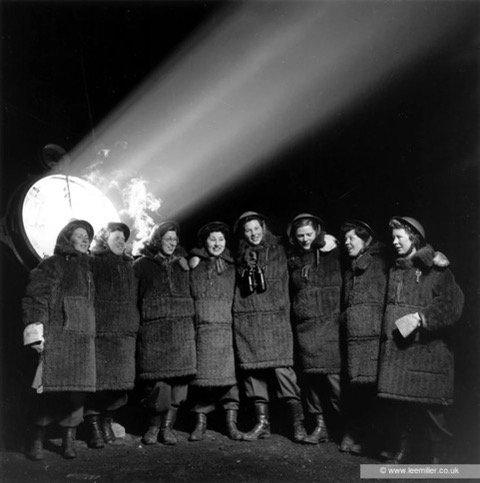
Figure 32. Auxiliary Territorial Service Searchlight Operators, South Mimms, North London, England, Lee Miller, 1943
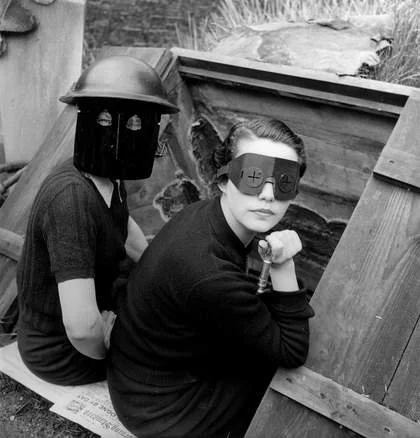
Figure 33. Fire Masks, Downshire Hill, London, Lee Miller, 1941
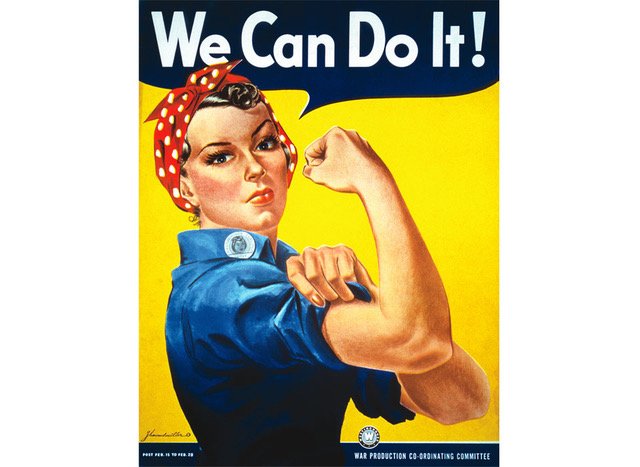
Figure 34. Rosie the Riveter, United States, World War II
Miller became an accredited war correspondent with the U.S. Army in late 1942, although she, like other women journalists, faced barriers to accessing war zones. It wasn’t until after D-Day, (July 1944), that she was finally allowed to get close to the fighting. According to David E. Scherman, the young Life Magazine photojournalist who Lee met in 1942 and who was her lover and traveling companion from 1942-45, Miller "became a Gl.” (Fig 35) And she didn’t just take photos. To accompany her images, she wrote first-hand accounts of what she saw, what she experienced. As she and Dave "accompanied Allied forces through wave after wave of combat and liberation, the images she created condemn the ravages of violent conflict.”
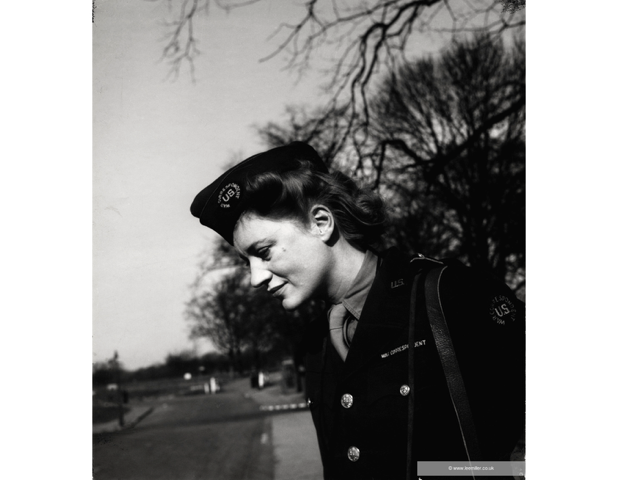
Figure 35. Lee Miller as War Correspondent
In Paris for the Liberation, she stayed at the Hotel Scribe. The Nazis had used it as their press bureau and after the Allies chased them out, it was Miller and her friends who stayed there. Needless to say, Lee joined the celebrations, happily drinking, eating and bed-hopping. (Fig 36)
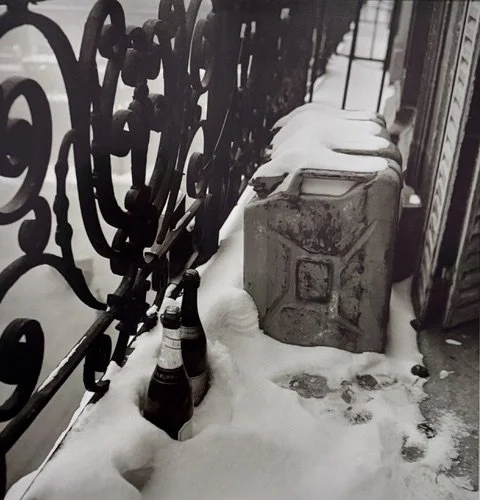
Figure 36. Champagne bottles and Jerry Cans, Hotel Scribe, Paris Lee Miller, 1944
But celebrations were rare, grim reality was omnipresent. In Leipzig, Lee’s colleague photographed the corpses of the city's treasurer with his wife and daughter. Lee photographed the daughter, remarking that she had beautiful teeth. In Berlin, Scherman took the iconic photograph of Lee taking a bath in Hitler's tub. Later that afternoon, and just down the street, Lee took a nap on Eva Braun's bed. “In Dachau and in Buchenwald, she photographed survivors scavenging in garbage for food, the piles of the starved but freshly dead, the pits of decomposing skeletons, the utter desolation of mass murder.” (Figs 37-44)
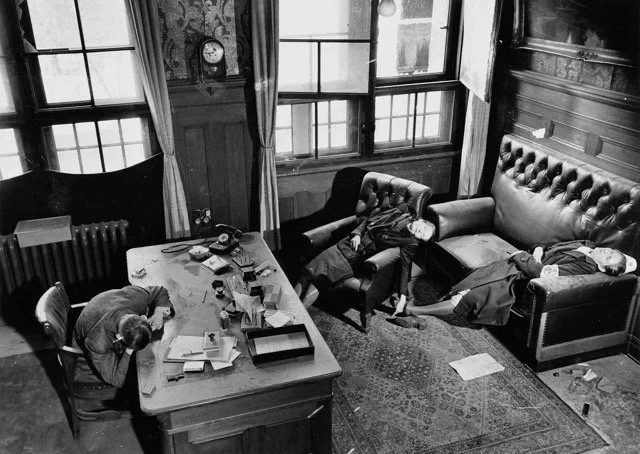
Figure 37. Suicide of City Treasure, Wife, Daughter, Leipzig, Margaret Bourke-White
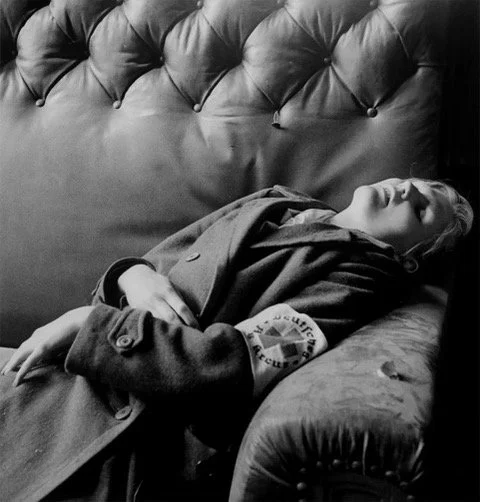
Figure 38. City Treasurer’s daughter, Leipzig, Lee Miller
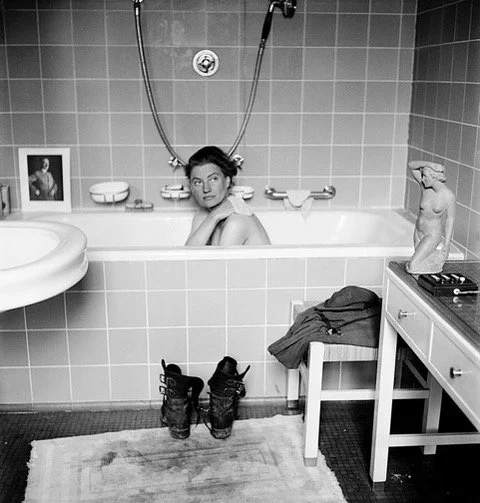
Figure 39. Lee Miller in Hitler’s bathtub, Berlin, David Scherman
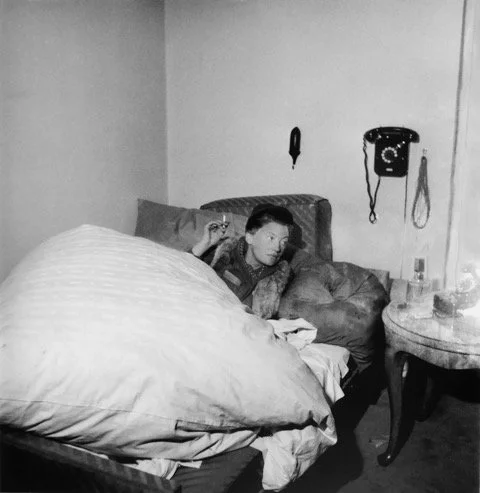
Figure 40. Lee Miller in Eva Braun’s bed, Berlin, David Scherman
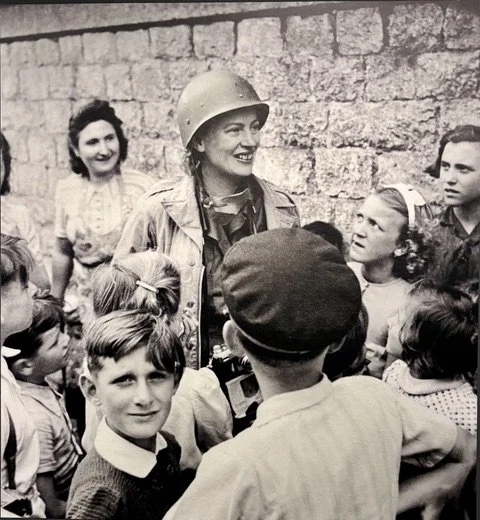
Figure 41. Lee Miller in St. Malo, France, David Scherman
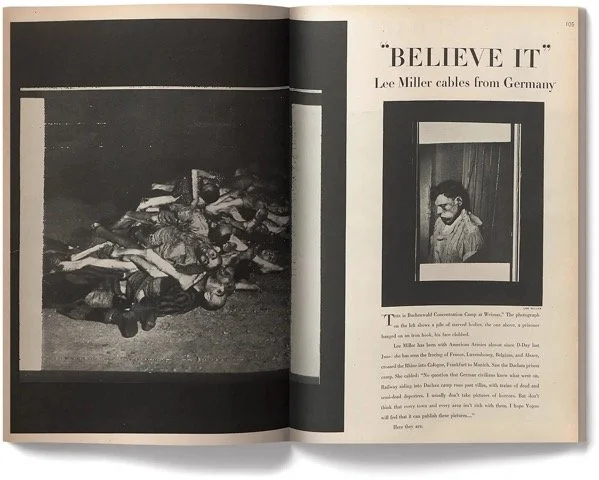
Figure 42. Believe It, concentration camp photographs, Lee Miller
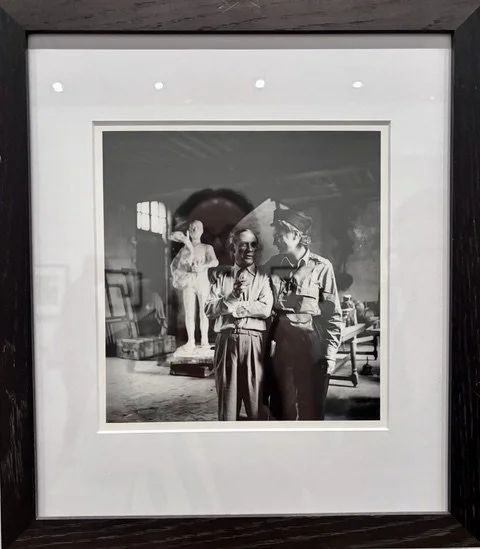
Figure 43. Picasso and Lee Miller, 1944
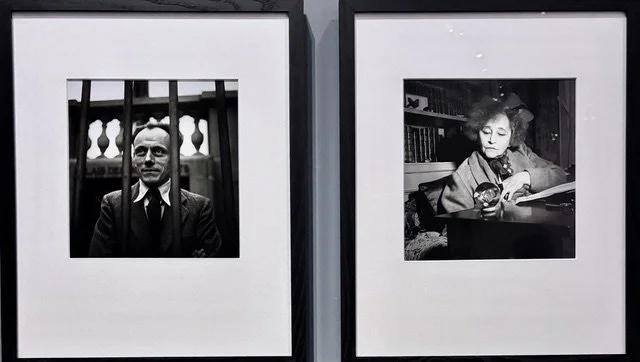
Figure 44. Left Jean Cocteau, right Colette, Lee Miller, 1944
She had become a war junkie, an adrenaline addict. When the war was over, she couldn’t let it go, she couldn’t return to ‘normal' life. She continued her wanderings across Europe, mostly documenting the devastation. There’s at least one funny story. In Bucharest, she found a gypsy with a trained bear who gave massages. Her massage was filmed by Harry Brauner, the brother of the surrealist Victor Brauner who spent the war alone in the French forest scavenging for food and creating art. "The bear was 300 pounds and knew her business. She sat her great, furry, warm bottom down on the nape of my neck, and with gentle shuffles, went from my neck to my knees and back again . . . I felt marvelous afterwards, racing circulation, flexible and energetic.”
In 1947, her divorce from Bey in hand, she had just enough time to marry Penrose before the birth of their only child, a son, Antony.
Miller returned to London an internationally celebrated photojournalist, but she was a physical and emotional wreck. Her wartime experiences had left her “haggard, ill, depressed, and alcoholic.” She didn’t know how to reintegrate herself into normal, quotidian life.
According to one author, she was a ruin. She gained weight and lost her libido. She didn’t object to the string of lovers her husband found, but she did suffer when he fell in love with any of them, which he did at least once. He asked for a divorce, she refused. Her face-lift did not repair the damage that she had done to it with all her drinking.
Miller was surely suffering from PTSD before it was a diagnosable, recognizable disease. But she had been a risk taker well before the war. Surely her rape at age 7 and the year of invasive, traumatic and painful treatments that followed had a long lasting affect. With all the emotional suffering, some of it self inflicted, it is no surprise that she “was an indifferent, even cruel mother.” Her relationship with her son Antony was “filled with neglect, verbal abuse and belittlement.” Thank goodness his nanny loved him.
When her passion for photography disappeared, it was replaced by another passion, this time for cooking. She called cooking "pure therapy." But it did not cure her. She told Carolyn Burke (her biographer), ”I could never get the stench of Dachau out of my nostrils.”
In 1966 Penrose was knighted. He dubbed himself "Sir-Realist" (surrealist, get it?) and Miller became "Lady Penrose from Poughkeepsie." They bought a sprawling country estate in East Sussex. It was here that she perfected her cooking skills, which was useful given the constant stream of house guests, some of whom, like Roland’s ex-wife and one of his young lovers, became more or less permanent residents. It was here, too with artist friends all around her, that she picked up her camera and began to take photos again. (Figs 45-49)
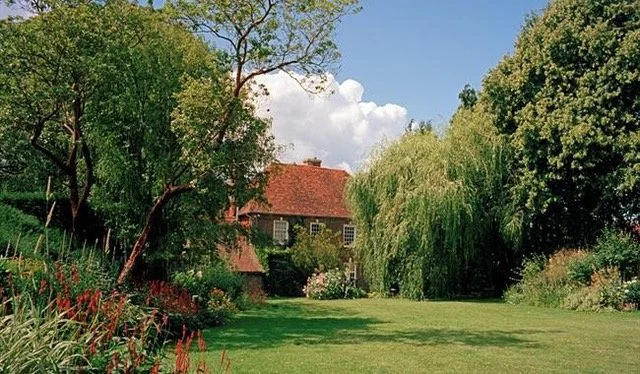
Figure 45. Farleys Farm, now Farleys House and Gallery
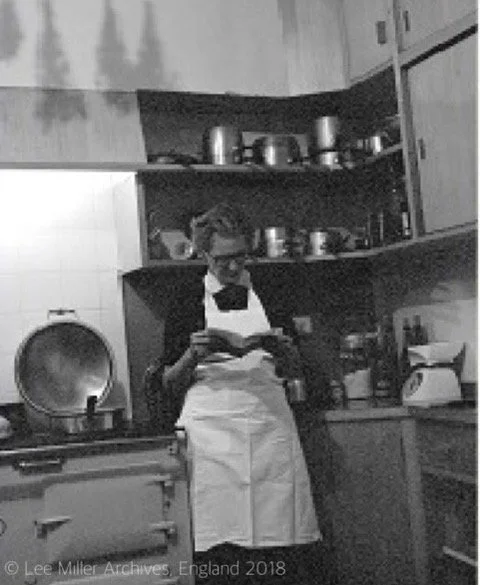
Figure 46. Lee Miller in her kitchen at Farleys House
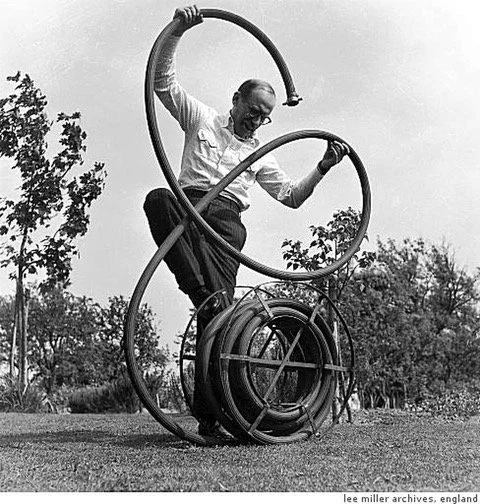
Figure 47. Saul Steinberg wrestling with a hose, Farleys House, Lee Miller, 1953
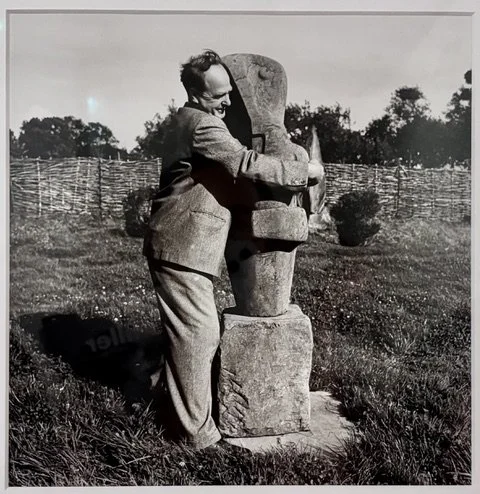
Figure 48. Henry Moore hugging one of his sculptures, Farleys House, Lee Miller, 1953
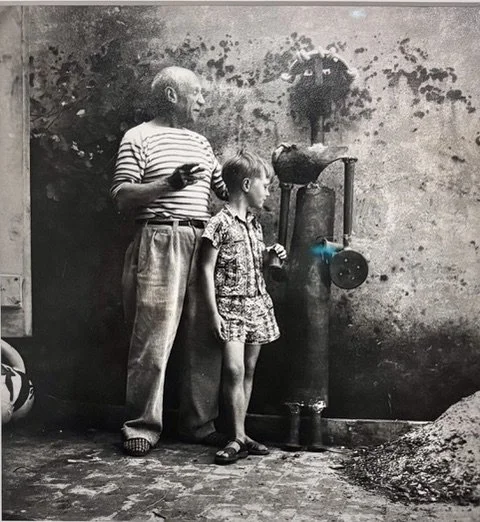
Figure 49. Picasso with Antony Penrose, Farleys House, Lee Miller, 1954
Lee Miller died of cancer in 1977 at the age of seventy. Before she died, she and her son made peace. But it was not until after her death, as he and his father explored her papers in the attic that Antony learned that his mother had been a photographer. It was not until then that her husband and son learned that she had been raped, that she had been infected with gonorrhea, that she had undergone an excruciating year of treatment. The roughly 60,000 negatives, prints, journals and ephemera uncovered by Antony and Roland Penrose in the family attic now form the basis of the Lee Miller Archives, housed at Farleys House and Gallery today.