Bagels & Desperados
Bienvenue and welcome back to Musée Musings, your idiosyncratic guide to Paris and art. This past Thursday, for only the second time in recorded history, MY recorded history, I did not celebrate Thanksgiving. The first time was in 1982, the year my husband and I got married. I was living in Washington, D.C. He was living in San Francisco. I moved to San Francisco. Early that fall, we were invited by the architects for whom my husband had worked in Philadelphia (which is where we met) to come to Canberra, Australia for the weekend (crazy, right?). They had won the competition to build the New Parliament House. They wanted my husband to see the project and join the team. And they thought it would be useful if they could convince me that it would be a good move for me, too. The weekend we chose to visit Canberra was Thanksgiving Weekend. Many newly married couples have (one of) their first fights about which set of parents to spend Thanksgiving with. That was not what happened to us. We flew out of San Francisco on the Wednesday before Thanksgiving, crossed the International Date Line and arrived in Canberra the Friday after Thanksgiving. Where we were regaled with stories of the Thanksgiving dinner that all of the Americans had enjoyed the day before!
It wasn’t until we moved back to San Francisco that I began to make my signature Thanksgiving Dinners. The goal of which was to buy as big a turkey as possible and make as many side dishes as possible to have as many leftovers as possible for the week ahead. This year, I did not go home for Thanksgiving. It’s complicated and it means dear reader that I did not buy a turkey and I do not have a week in front of me to creatively eat Thanksgiving leftovers. But it’s okay, Ginevra is coming to Paris next month to fulfill one of her dreams - to visit the Christmas Markets in Bruges. Which means that I will have lots of things to tell you about next month but I won’t have any Thanksgiving leftovers to tell you about next week. Instead, at the bottom of this brief musing is a link to last year’s Thanksgiving Leftovers Lollapalooza.
For Thanksgiving this year, Ginevra and I decided to eat the most traditional thing we eat, besides turkey, bagels with cream cheese and smoked salmon. The same thing but not at the same time, given the 9 hour time difference. So I invited Arnie, the husband of my friend Melinda, who died a little over a year ago, to accompany me to Bob’s Bake Shop which has the best bagels in Paris, not a very high bar, I know, but the bagels compare favorably with those I get in San Francisco, too. (Fig 1) After lunch, following a tradition I established once I moved to Paris, we went to an art exhibition. Actually it was the press opening of a temporary exhibition sponsored by the Fondation Desperados pour l'art urbain, which focuses on contemporary urban art (aka street art) in Paris. (Fig 2) I wrote about an exhibition held under their auspices a few years ago, called Super Terram (Above the Earth). For that exhibition, each of the 11 artists in the exhibition built a monumental installation of earth, wood and stone in an enormous abandoned building.
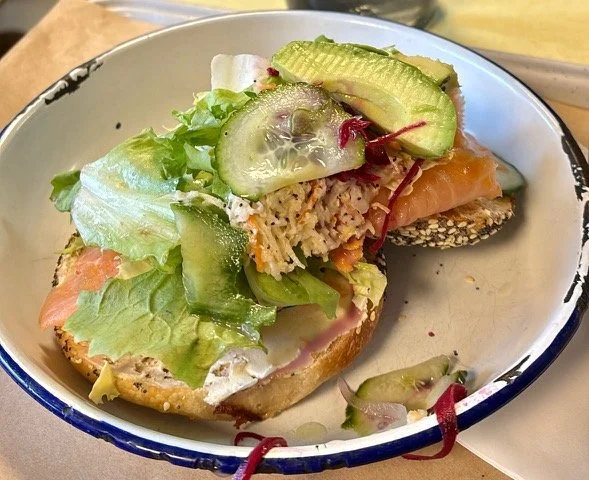
Figure 1. My standard order at Bob’s Bake Shop, seedy bagel with cream cheese, smoked salmon and avocado
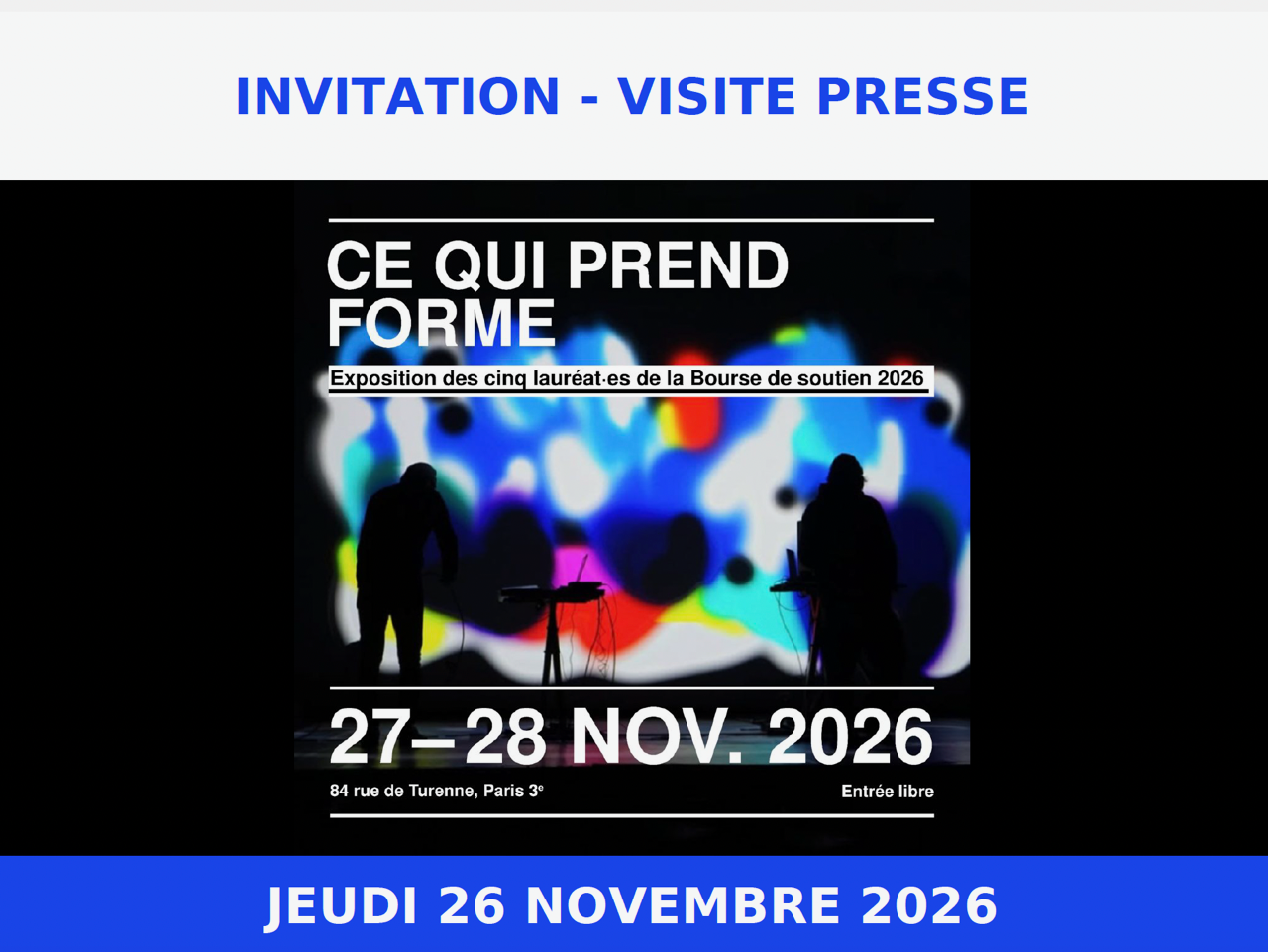
Figure 2. Press Invitation to see exhibition Ce Qui Prend Forme before its opening
That exhibition was up for 5 weeks. The one I just saw was up for 2 days. Called Ce qui prend forme (What Takes Shape) the exhibition showcased the work of five artists (out of 300 applicants) who won the Foundation's 2026 Support Grant of €10 000. A few of the 5 artists are at the beginning of their careers, the others are at mid-career. All of them showed projects they have just begun working on. That was the purpose of the grant, to give artists some funding so that they could explore a new idea without worrying about whether they would be able to sell anything. Each work is a work in progress. For contextualization, the exhibition includes a piece for which the artist is already known.
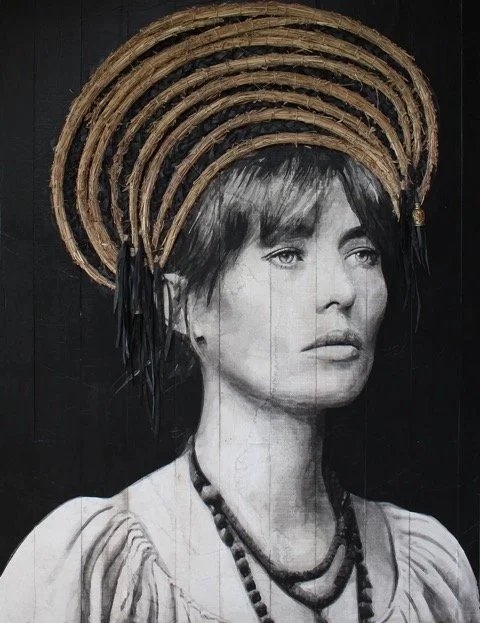
One work I especially liked was by the artist, Yseult YZ Digan, one of the mid-career artists. How mid-career is she, well, hers was the winning proposal for the official Marianne postage stamp in 2018. (Fig 3) Representing the work by which Digan is best known is a very large portrait from her Empress series, Empress Idad (Fig 4). Her woven headdress provides the link to what the artist is working on now. Shells, driftwood and grasses collected along the coast of Britany which she wove and stitched together. Small wooden crates below are filled with gathered raw, natural materials. (Fig 5) Digan uses the term “portraits de territoire” to describe this project - organic materials and traditional craftsmanship that tell the story, that indeed offer a portrait, of a specific place. The combination of natural materials and the ‘feminine’ arts really resonated with me. Perhaps because Ginevra is moving along the same lines, collecting natural materials then stitching and weaving them together.

Figure 3. Marianne l'engagée ("Committed Marianne”) postage stamp, Yseult YZ Digan, 2018
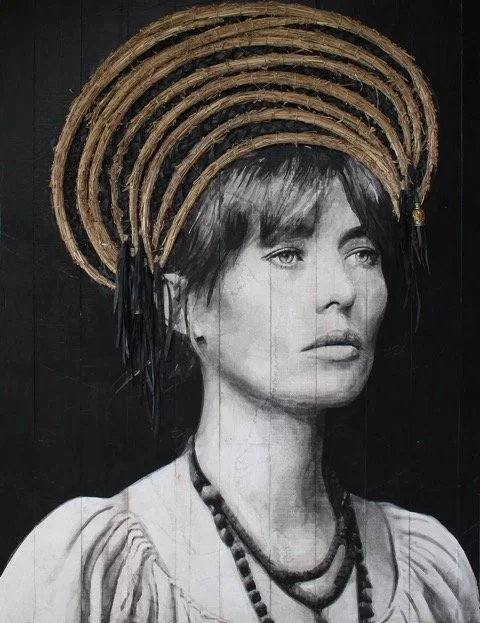
Figure 4. Empress Idad from Empress series, 2025, Yseult YZ Digan
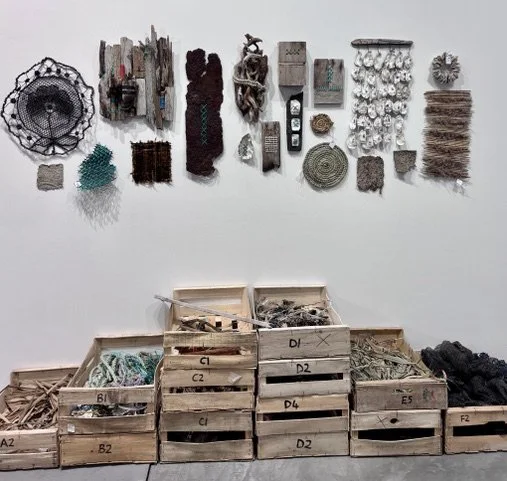
Figure 5. Project for Desperados exhibition, November 2026, Yseult YZ Digan
The ‘old work’ of another artist, Simon Lazarus 84, was established by a video of him painting trains and murals. (Fig 6) I have watched Nicolas expertly wield a spray can to create some wonderful ‘pieces.’ I wish I had videoed him working or at least photographed his work. Graffiti, like all ephemeral art, survives in the documentation of it. Nicolas painted a rolling door a few years ago a few blocks from my apartment. It’s still there and whenever I am missing him, (which is often) I find companionable solace with the door. This artist’s new thing was a little esoteric for me, a “low-tech, passive optical projection devices that use sunlight to create animated images.”
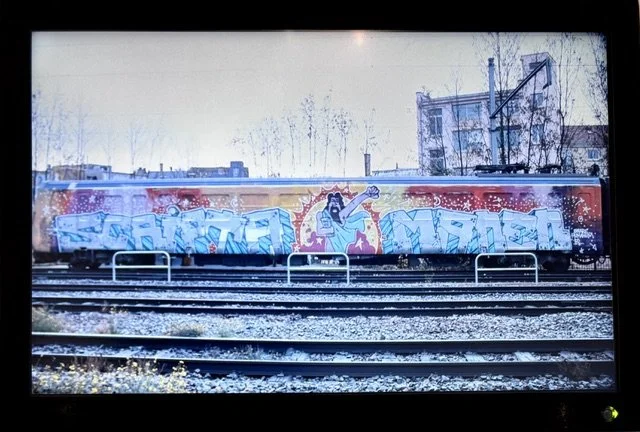
Figure 6. Still from video of Simon Lazarus 84, former street artist who now creates animated images using sunlight
I’ll tell you about one more artist whose work I really appreciated, an artist who calls himself Riad. His work isn’t a new project, but maybe a new iteration of a theme he has been exploring. And that is, how abandoned and decrepit houses in working class neighborhoods can tell the histories of the people who lived in them, like his family. His piece includes photos of burned out rooms, graffiti tagged walls and collapsed ceilings. On the opposite side of the space where the photos are mounted are tall glass rectangles, ‘decorated’ with a sort of scrolled writing, underneath which are architectural fragments, detritus from the house itself. (Figs 7-9) Photos and physical remains keep memory alive despite the signs of abandonment and neglect.
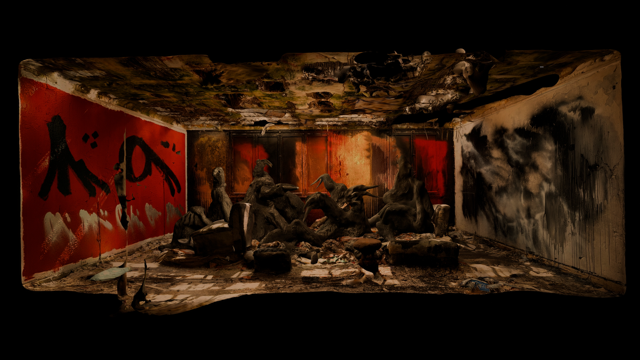
Figure 7. Project for Desperados exhibition, November 2026, Riad
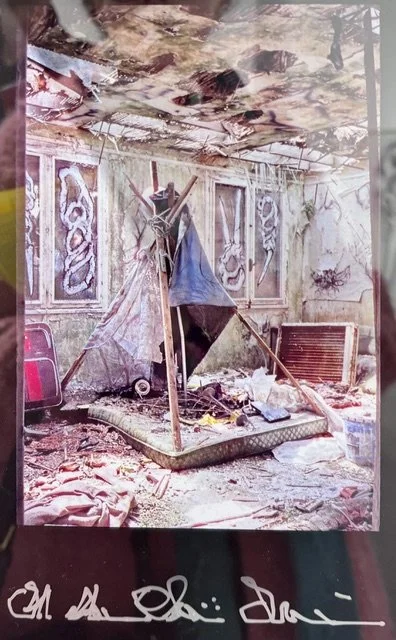
Figure 8. Project for Desperados exhibition, November 2026, Riad
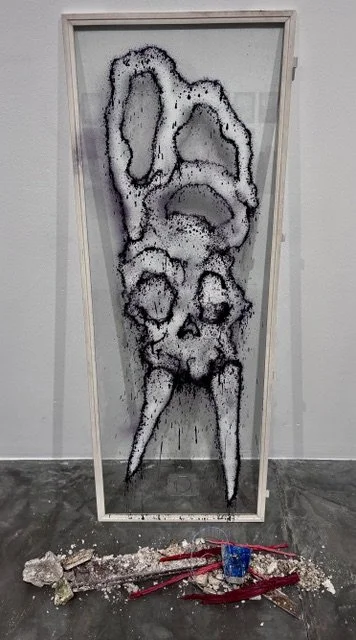
Figure 9. Project for Desperados exhibition, November 2026, Riad
My turkey-less Thanksgiving was not bad, all things considered. Gros bisous, Dr. B
A fridge bursting with leftovers - who could ask for anything more!
ERRATUM: I meant to include a photo of my friends Deedee and Ben (Fig 10) with whom I spent a very agreeable afternoon at the Fondation Louis Vuitton and to thank them for the photos of the Fayet collection that I used for the post. Merci chers amis!
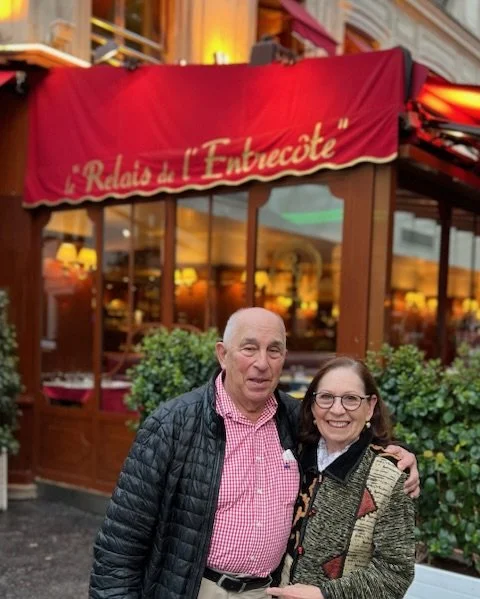
Figure 10. My friends Deedee and Ben from Baltimore with whom I went to the Fondation Louis Vuitton last month