Mme de Sevigne and Wealthy Widowhood at the Musee de Carnavalet
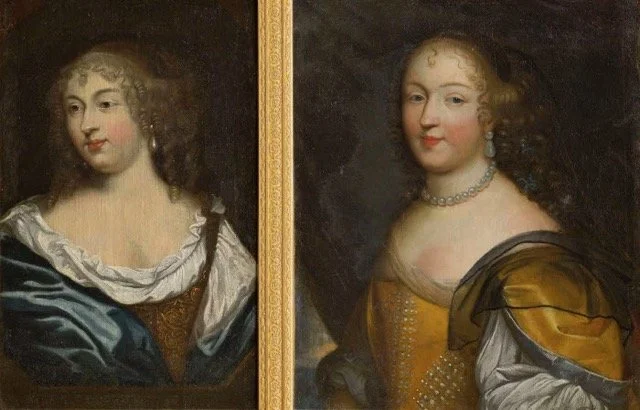
Mme de Sévigné and her dearest correspondent, her daughter, Mme de Grignan
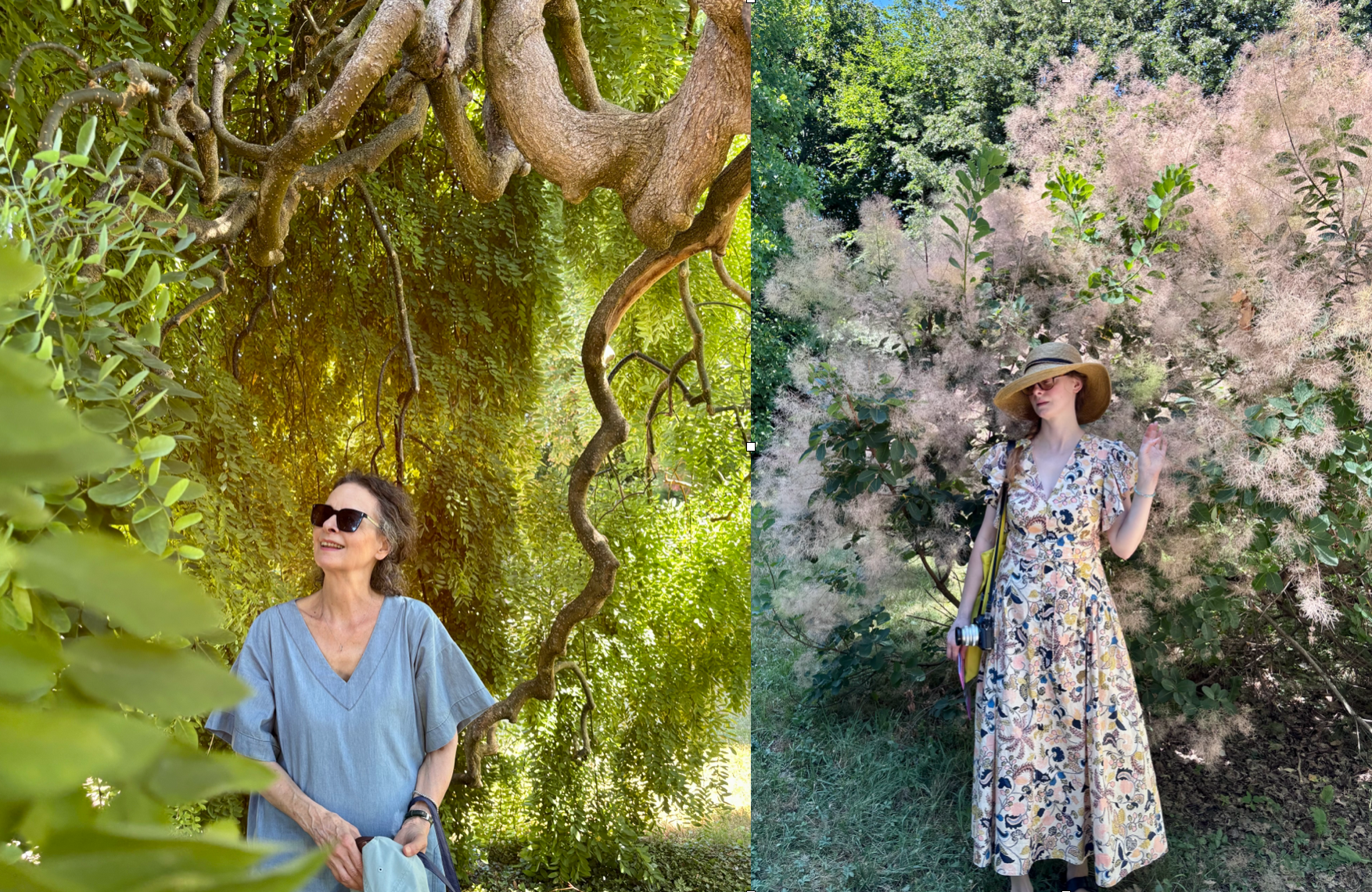
And some contemporary correspondents you may recognize !
Prologue: if you happen to be in Paris you should see the Lee Miller exhibition which is up until 2 August -an excellent exhibition about another independent woman!
Last week, I told you a bit about Mme de Sévigné’s influence on Marcel Proust. Virginia Woolf was a fan, too. She saw Mme de Sévigné’s letters as precursors to her own stream of consciousness style of writing. Which focuses upon the narrator’s inner dialogue. If you’ve read Woolf’s Mrs. Dalloway and To the Lighthouse (which you should if you haven’t), you’ll know what I mean. For Woolf, Mme de Sévigné’s letters proved that the literary genius of women could be entirely independent of patriarchal codes which dictate that literature must be grand and heroic and masculine to be important. While Mme de Sevigne’s did discuss the grand events of her day, she focused, as did Woolf, on the domestic, the ephemeral, the quotidian. “More than just a direct influence on content, Madame de Sévigné’s letters were an aesthetic validation for Woolf, proof that great literature could be crafted by capturing the fluidity of life and emotion.” (Fig 1)
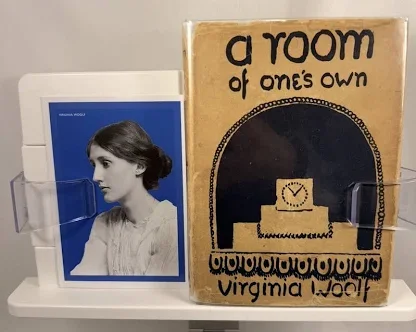
Figure 1. Virginia Woolf and a room of one’s own
Did I mention why the exhibition was held this year and why at the Musée de Carnavalet? The date was selected to celebrate the 400th anniversary of Mme de Sévigné’s birth - 1626. And the Hôtel Carnavalet was the natural place to hold the exhibition. Not only is it the museum of the history of Paris, Mme de Sévigné lived here from 1677 until her death in 1796. The Musée Carnavalet opened in 1880, on a street renamed rue Madame de Sévigné. One of the museum’s galleries is ‘Paris in the 17th century: the era of Madame de Sévigné.’ It includes a desk at which she wrote, objects that she owned and portraits of prominent figures of the time, like Molière and la Fontaine. (Figs 2, 3)
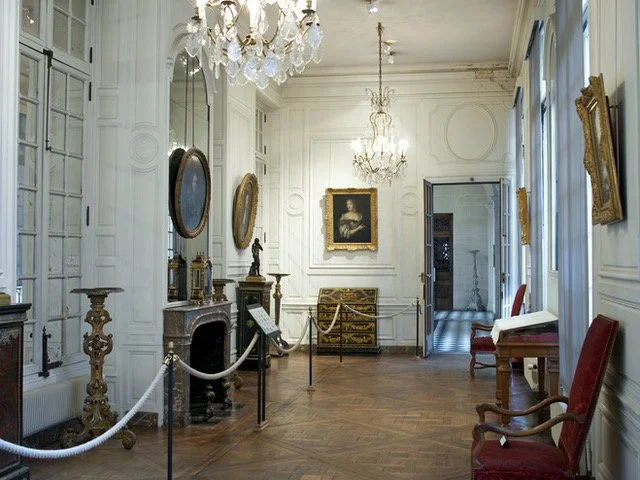
Figure 2. Paris in the 17th century: the era of Madame de Sévigné
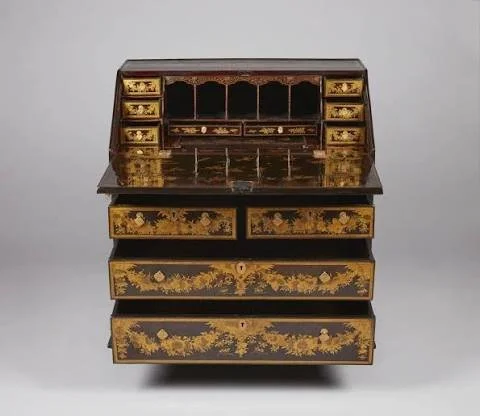
Figure 3. Mme de Sévigné’s desk
Mme de Sevigne didn’t creak around this enormous hotel particulier all by herself - her uncle, the Abbé de Coulanges, her son Charles, and her daughter Francoise’s family, the Grignans, when they were in Paris, all lived here with her. To balance communal life and private time, the Marquise believed that “One must have hours to oneself,” or as Virginia Woolf quipped, a woman needs a room of her own.
The exhibition is mostly about the 17th century, Mme de Sevigne’s century. Oddly, (or at least so it seemed to me), the exhibition begins where most exhibitions about people remembered over the centuries, end. With stuff, mostly ephemeral, that has no direct connection with the subject her/himself. Mme de Sevigne’s face was used by a wide variety of manufacturers to sell a wide variety of products, from edible to decorative. Chocolate and cheese from Brittany, wines from Burgundy and pens, stationery and fans from who knows where. (Figs 4, 5) Also in the 19th century, in Paris, Provence and Brittany, streets and schools were named after her. She inspired characters in theatre and opera, too. In the 20th century, films about Mme de Sévigné began to appear. The most recent of which, from 2024, depicts Mme de Sévigné with her daughter. Two letter writers, exactly when they don’t need to be writing letters, that is, when they are together! That makes sense, you can show a person sitting at a desk writing a letter for only so long.
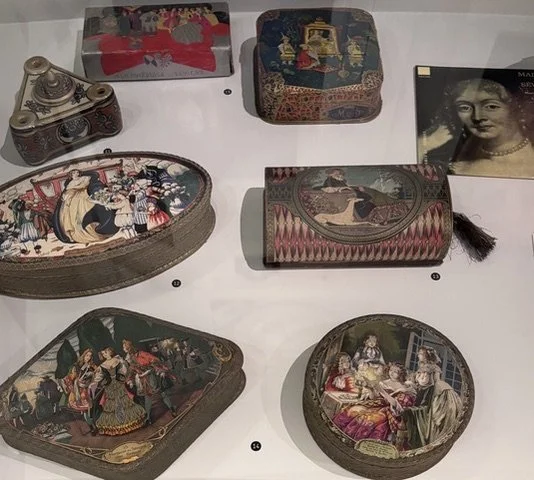
Figure 4. Boxes with Mme de Sévigné visage on them
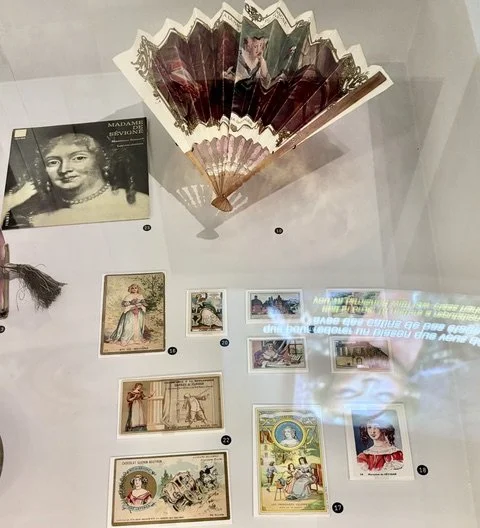
Figure 5. More stuff with Mme de Sévigné’s visage
Mme de Sevigne did not go from letter writer to published author during her lifetime. The year after her death, a few of her letters were printed in the correspondence of her cousin, Roger Bussy-Rabutin - a colorful guy, in trouble with one faction or another of the government for most of his adult life. He was a friend and correspondent of Mme de Sevigne’s, except when they weren’t speaking with each other, which one time lasted for 8 years. Although he described his cousin as "a woman of extraordinary genius and unwavering virtue” he made fun of her in his grand chateau. In a room celebrating his sexual conquests through devices (images and mottos), hers references her frigidity. (Fig 6, 7)
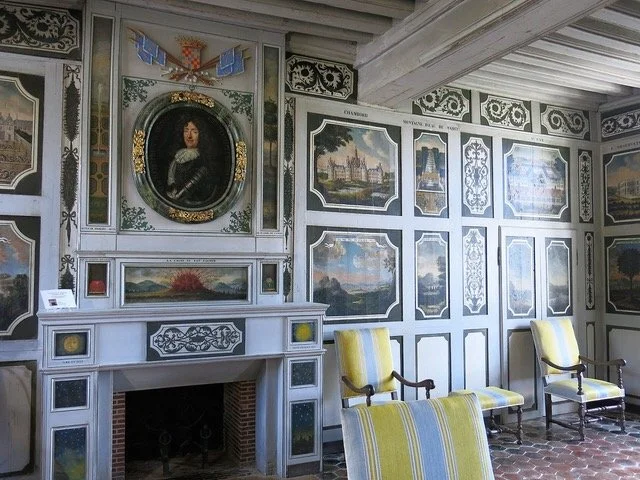
Figure 6. Salle des devises, Chateau Bussy-Rabutin
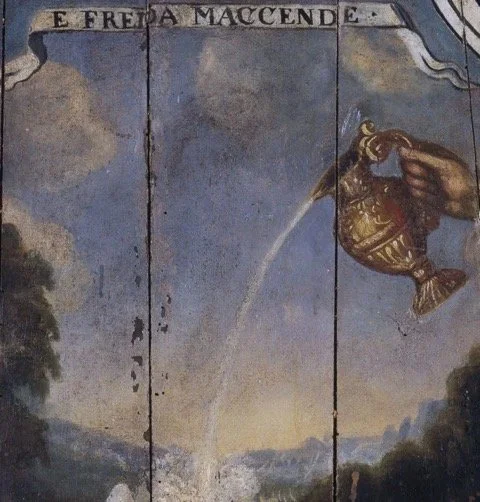
Figure 7. Device for Mme de Sévigné, a pitcher of ice water poured onto a fire. She extinguishes all ardor
During the 18th century, more of Mme de Sevigne’s letters were published. Two unauthorized collections appeared in 1725, (28 letters) and 1726 (315 letters). At that point, Mme de Sevigne’s granddaughter, Pauline de Simiane, decided to take charge. She authorized the publication of 614 letters from 1734 to 1737 and another 772 letters in 1754. As she went through the letters she found in her family’s archives, Mme de Simiane destroyed all of her mother’s letters and deleted the sections of her grandmother’s letters that she considered too intimate. And she rewrote some of the letters in the style of her day. All of which raises questions of authenticity. Of the 1,120 letters published under the auspices of Mme de Simiane, only 15 percent are signed. For 125 years, those were the only extant letters written by Mme de Sévigné. And then, in 1873, manuscript copies of letters based directly on Mme de Sévigné's originals, were found in an antique shop - about half of Mme de Sevigne’s letters to her daughter!
The Library of Congress estimates that there are 1,799 letters. If it’s an estimate, why not go for 1800? Never mind, forget I asked. According to the Musée Carnavalet, of the nearly 1,372 of Mme de Sevigne’s letters that have been inventoried, almost all of them are copies or truncated, thanks to Mme de Sevigne’s granddaughter. The Carnavalet estimates that Mme de Sevigne wrote at least 1500 letters to her daughter between 1671 and 1696. Another estimate is that she wrote 2 - 3 letters a week over a period of 25 years. When I read that, I wondered about the postal service in 17th century France. Which the curators of the exhibition anticipated. Turns out, a regular postal service was implemented in France in 1672 and it was as fast (or slow) as our post is now. So, letters written two or three times a week were delivered two or three times a week. (Fig 8)
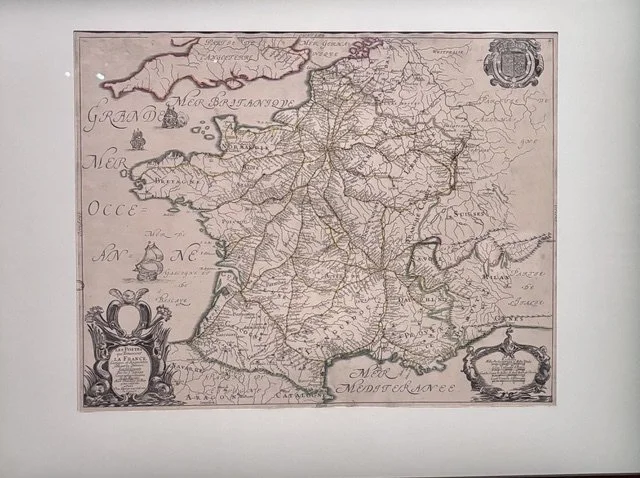
Figure 8. Map of the postal routes in France, 1690 (established in 1671)
To dip into Mme de Sévigné’s letters, there is no better place to start than the online platform of the Bibliothèque nationale de France (BnF) Essentials which has Mme de Sévigné’s letters organized by date and subject. As the scholars of that resource note, in her letters, she describes events that she attended as an invited guest. Her voice is unique because she was a participant, not an observer. Unlike a journalist, her letters are autobiographical. She wasn’t writing for a public whose opinion she was paid to sway but to friends. She didn’t have to hold back, she could be as free and open and witty and natural as she wished. Her “brilliant style provides a wealth of vivid narratives, anecdotes and witty reflections.”
Sometimes Mme de Sévigné collected “information on events, both major and minor, from multiple sources,” and provided “several versions of an important episode.” Sometimes, she just filled her accounts with over the top descriptions like this one, “Now I’m going to tell you a piece of news that’s most amazing, most surprising, most marvelous, most miraculous, most triumphant, most dazzling, most unheard-of, most singular, most extraordinary, most incredible, most unexpected, the biggest and the littlest, the rarest and the commonest, the most public and until today the most secret, the most brilliant, the most envy arousing, a thing we can scarcely believe in Paris, so how could you believe it in Lyons?” (Which is where her correspondent lived).
What brought on all this hyperbole? The upcoming marriage of ‘La Grand Mademoiselle,’ daughter of Louis XIII’s younger brother and richest woman in France, who was 43 years old at the time. In the end the marriage didn’t happen and that’s funny, too. (Fig 9)
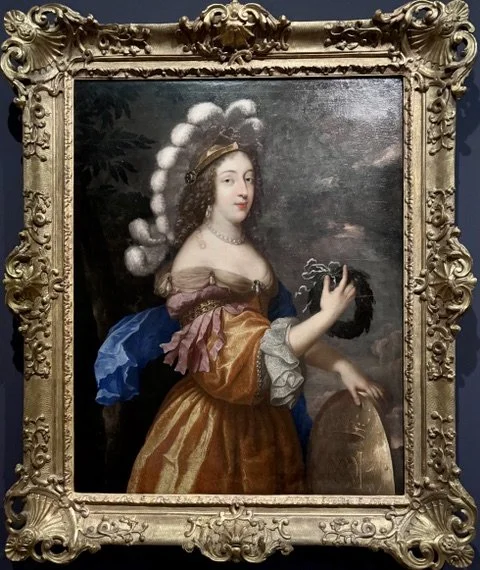
Figure 9. Al Grande Mademoiselle (Anne Marie Louise d’Orléans)
I was hoping to read Mme de Sevigne’s take on Le Fronde, because, Proust, of course. In the third volume (Guermantes Way) an historian of the Fronde wanders around the salon of Mme Villaparises (the woman who called Mme de Sevigne’s daughter ‘tedious’.) The Fronde happened before Mme de Serving’s writing career began. It started just after she gave birth to her son Charles and ended just before her husband was killed in a duel. The exhibition does discuss Le Fronde (1648-1653) a civil war during which, first members of Parliament and then members of the nobility, revolted against the royal power embodied Anne of Austria (Louis XIV’s mother) and Cardinal Mazarin (Louis’ Chief Minister). The political crisis divided families, as it did Madame de Sévigné's: her cousin by marriage, the future Cardinal de Retz, joined the Frondeurs, while her own cousin Bussy-Rabutin remained loyal to the crown. (Fig 10)
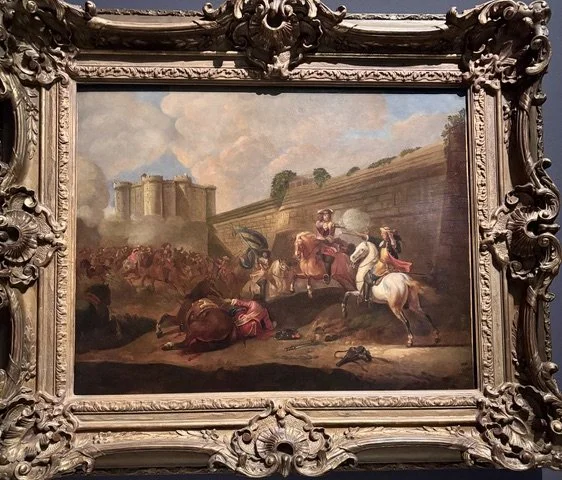
Figure 10. A battle during the Fronde taking place near the Bastille, 1652
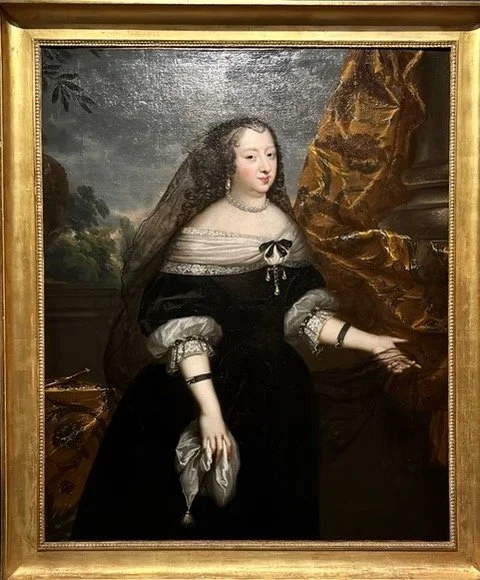
Figure 11. Anne of Austria, widow of Louis XIII, mother & regent for 8 years of Louis XIV
The Fronde happened during Louis XIV’s regency, so of course, Louis’s mother, Anne of Austria is discussed in the exhibition. Widowed at 42 when her husband, Louis XIII died, she outmaneuvered enemies and opponents (and even her husband’s will) to become sole regent for her son, Louis XIV who was only 5 when his father died. (In case you’re wondering, Anne was just a few weeks shy of her 37th birthday when Louis XIV was born. She had been married to Louis XIII for 23 years and had at least 5 miscarriages before the birth of her first son). She remained regent for 8 years, until Louis XIV came of age. Anne of Austria is called one of the “strong women” who took power just as Mme de Sevigne began writing letters. Both Anne of Austria and Mme de Sevigne enjoyed the independence that only wealthy widowhood can confer.
There was one subject I was hoping that I would find in Mme de Sevigne letters - Nicolas Fouquet’s trial for treason. I have visited Vaux-le-Vicomte, Fouquet’s gorgeous chateau, just 50 km outside of Paris. As you wander through the sumptuous rooms with your earphones on, you hear Fouquet talking about the lavish party he held the night before at which Louis XIV was a guest. Fouquet is not talking to you but to his wife and mother-in-law with whom he is discussing the unanticipated consequence of his hospitality. (Figs 12-15) He’s afraid that he might be in trouble. And he was. On September 5, 1661, Nicolas Fouquet, Superintendent of Finances, was arrested. Motivated by jealousy and greed, Jean-Baptiste Colbert, Comptroller-General of Finance had orchestrated the downfall of his rival to secure the king’s favor. Colbert did so by convincing the king that Fouquet had been working in his own interest and not in the crown’s.
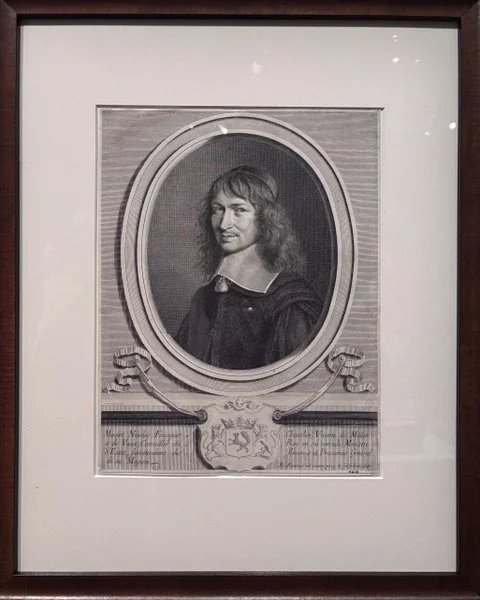
Figure 12. Nicolas Fouquet
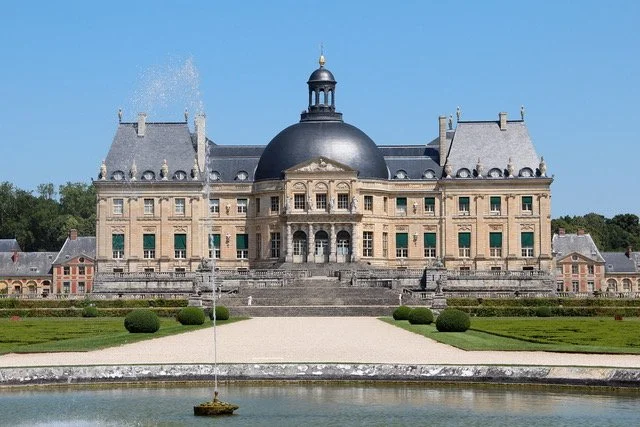
Figure 13. Vaux-le-Vicomte, exterior
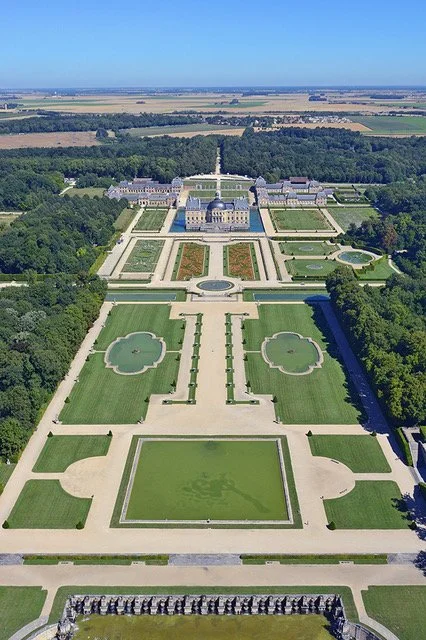
Figure 14. Vaux-le-Vicomte, gardens
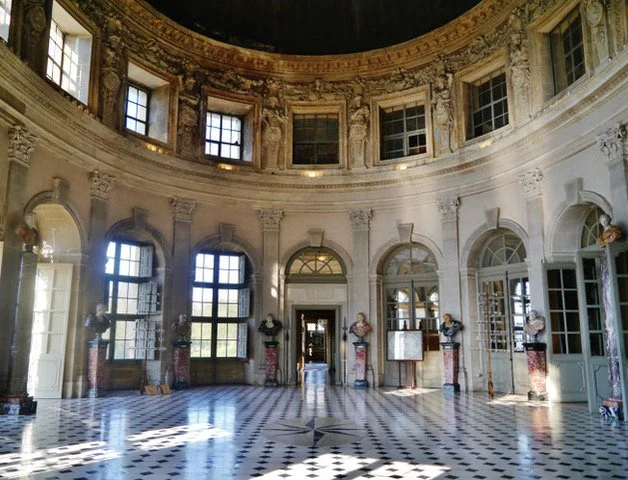
Figure 15. Vaux-le-Vicomte, interior view of one of the sumptuous rooms
Among the charges against Fouquet were misuse of the country’s money and lèse-majesté (disrespect to the monarch). In 1764, after a trial that lasted three years, Fouquet was found guilty of "péculat" (embezzlement of public funds) by the Chamber of Justice. His sentence was the confiscation of all his property and banishment from the kingdom. The king thought that banishment was too lenient a sentence. He changed it to life imprisonment. Fouquet lived, in jail, for the next 19 years, until his death in 1680. (Figs 16, 17)
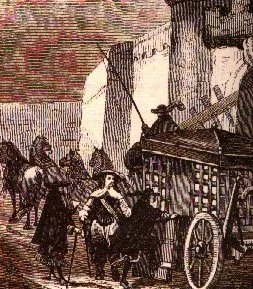
Figure 16. Fouquet’s arrest
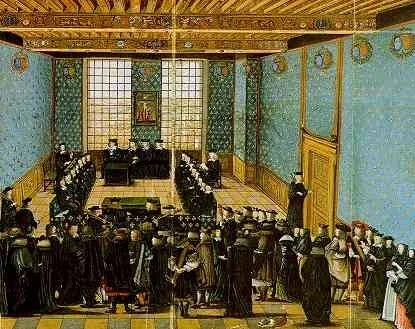
Figure 17. Fouquet’s trial
Mme de Sevigne’s relationship with Fouquet was a close and affectionate one. As Colbert was building a case against his rival, Fouquet’s properties were searched. Mme de Sevigne feared that her honor would be compromised if Fouquet had kept her letters. Which he had. When her letters were found, the king came to Mme de Sevigne’s rescue. He ordered that her letters to Fouquet be destroyed. Her reputation survived but we are surely the poorer for the loss of those letters.
Mme de Sevigne chronicled the proceedings of the trial for a friend of hers who was a relative of Fouquet's. She wrote about the charges, the interrogation, the arguments. She obtained firsthand accounts from those who witnessed the questioning. She wrote a daily account of the closed-door trial, describing Fouquet’s behavior and those of the judges. The Marquise’ detailed reports provide some information that did not make its way into the official surviving transcripts of the trial.
Here’s an example from her chronicle. “Saturday evening...Mr. Fouquet entered the chamber this morning; he was questioned about the excise taxes; he was very badly attacked, and defended himself very well. Between you and me, it's not that this wasn't one of the most delicate parts of his case. I don't know what guardian angel warned him that he had been too proud; he corrected himself today, just as we corrected ourselves in greeting him. We won't return to the chamber until Wednesday; I won't write to you until then either.”
In the first year of his imprisonment, before he was moved out of Paris, Fouquet was occasionally permitted to take walks, guarded by more than 50 musketeers. One day in November, as he walked near the Grand Arsenal where his trial had been held, which was near the Bastille where he was incarcerated, Mme de Sévigné was there, masked and waiting for him to pass by. Here is how she described the moment, "When I saw him, my legs trembled, and my heart beat so hard that I couldn't take it anymore. As he drew near us on his way back to his infamous jail Monsieur d'Artagnan pushed him to signal that we were there. He greeted us and adopted that smile with which you are familiar.” (Fig 18)
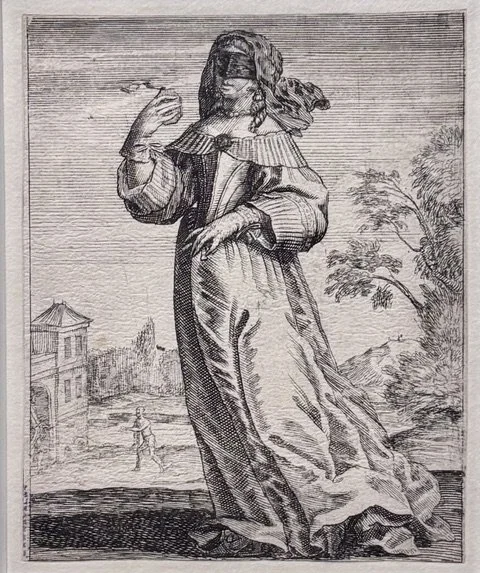
Figure 18. Mme de Sêvigné (masked) waiting for Nicolas Fouquet to pass
According to the curators, Madame de Sévigné’s chronicle provides a source of information about political events “both in terms of the political history of the reign and of urban and courtly society.” They note that “Madame de Sévigne's letters offer an alternative perspective to the official historiography of Louis XIV's reign.” In her own words and from her own perspective, she “observed political life, with the aim of revealing ‘the hidden agendas’ (and) the scandal of political trials.”
Less dramatic events occupied her attention, too. She had no official position at court, so whether at the Palais-Royal or at Versailles, she strolled through and admired the gardens, attended ballets and comedies, as an invited guest. She noted “the magnificence of the apartments, the fashion for … fontange hairstyles (high and elaborate), and the parade of royal mistresses.” (Figs 19, 20)
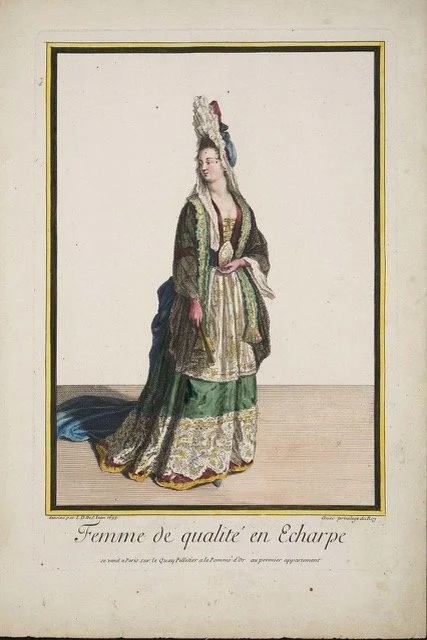
Figure 19. Fontage hairdo, 1684
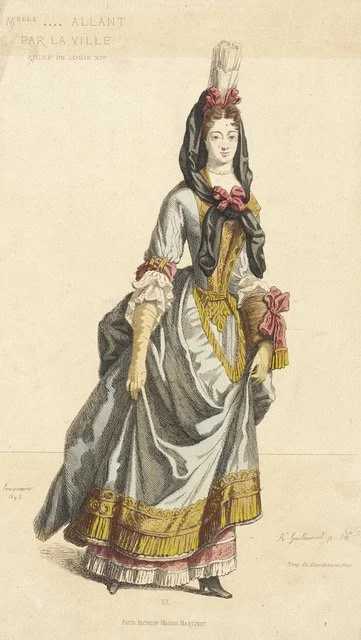
Figure 20. Fontage hairdo, 1695
Yes, she did spend time in Versailles and at her own and her daughter’s country estates but Madame de Sévigné’s life was mostly an urban one. On her "rounds of the city", she gathered the latest news from her Marais neighbors. She observed or participated in street processions and sermons and elaborate funeral orations. In April 1671, for example, while strolling in Vincennes, Madame de Sévigné came across a procession of convicts being sent to the galleys in the Mediterranean. The men were chained together in groups of 400-500. It took them a month to walk across the country. In a letter to her daughter, Mme de Sevigne imagines joining the convicts on her own journey to visit her daughter: "How pleasantly surprised you would have been in Marseille to find me in such good company!” (Figs 21-26)
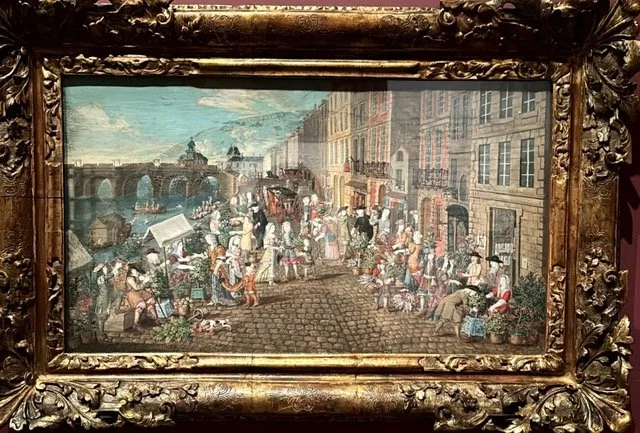
Figure 21. The flower market in the Marais
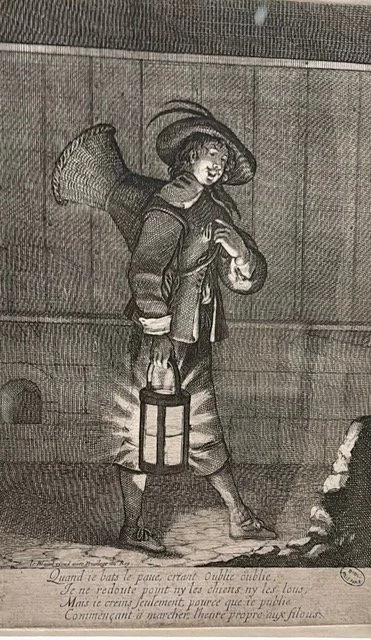
Figure 22. To keep the streets safe at night, men with lanterns

Figure 23. She wrote about the suicide of the chef Vatel, who killed himself because his order of fish was late.
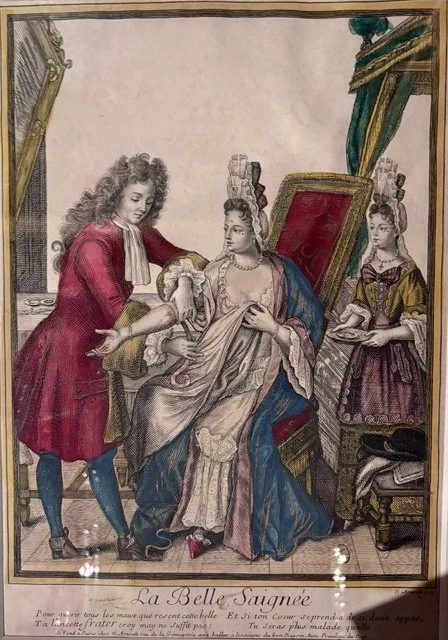
Figure 24. Mme de Sévigné was also very concerned about her health. Bloodletting was an important part of balancing the humors
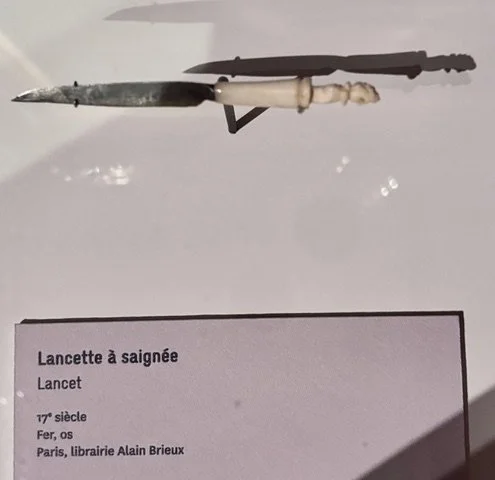
Figure 25, A lancet to slice the vein so the blood could flow
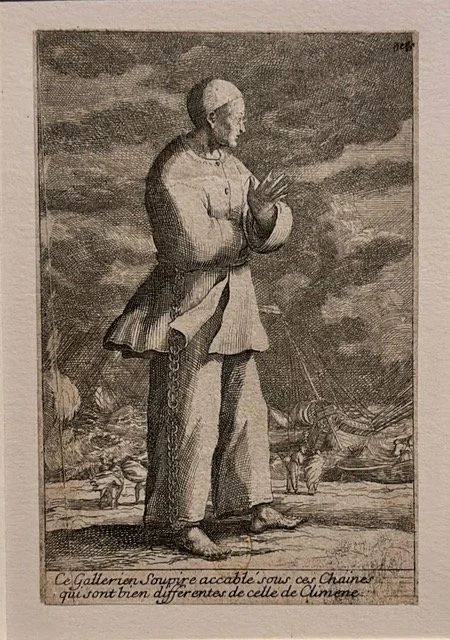
Figure 26. A galley slave and the chain he wore (around his waist and down his leg)
In 1689, Mme de Sévigné attended a performance of Racine’s play, ‘Esther’ at the Maison Royale de Saint-Louis in Saint-Cyr, a boarding school founded by her friend Madame de Maintenon for impoverished young noblewomen. The young noblewomen played all the parts. Here is what she wrote, in part, to her daughter, “The play Esther—whether comedy or tragedy—has already been performed at Saint-Cyr. The King found it admirable; the Prince was moved to tears. Racine has created nothing finer or more touching. There is a prayer by Esther for Ahasuerus that is truly stirring. I was worried about having a young lady play the King, but they say it is done very well….” (Fig 27) Apparently, Mme de Sévigné played her part well, too when she chatted with the King.
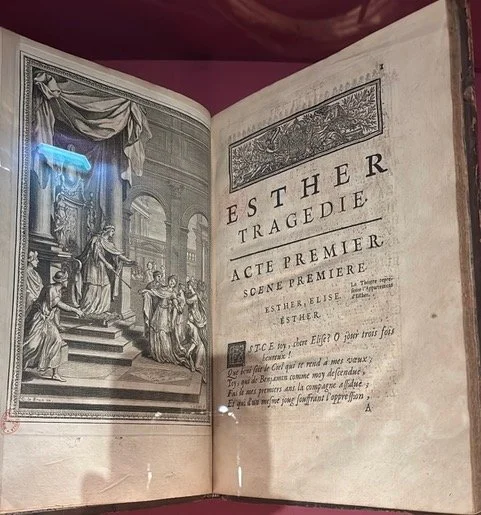
Figure 27. Esther by Racine. Proust’s mother Jeanne was a real fan, Sarah Bernhardt performed it
Here’s one final description, of a sermon delivered by Father Bourdaloue. I’ve written about this 17th century Jesuit priest before. His sermons were so long that a whole new way for women to urinate in public was created, the bourdaloue, a gravy boat look-alike that women slipped under their petticoats so that they could multi-task, listen to a sermon and pee at the same time. (Figs 28-30) In this letter written to her daughter on February 5, 1674, Mme de Sevigne remarks that “Father Bourdaloue gave a sermon on the Feast of Our Lady, which moved everyone; He possessed a strength that made courtiers tremble, and never did an evangelical preacher preach Christian truths so eloquently or so generously: the aim was to demonstrate that all power must be subject to the law, following the example of Our Lord, who was presented in the temple. Finally, my daughter, it was brought to the point of the highest perfection, and certain passages were developed as the Apostle Saint Paul would have developed them.”
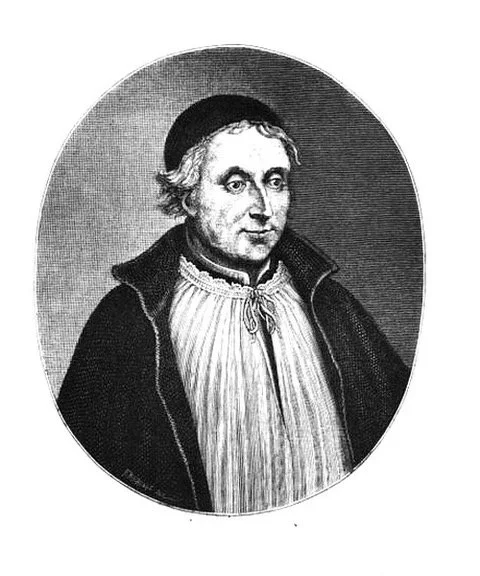
Figure 28. Father Bourdaloue known for his (very) lengthy sermons
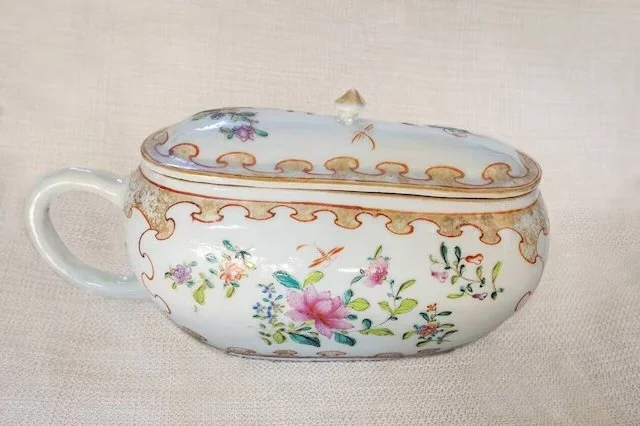
Figure 29. Mme de Sévigné’s very own bourdaloue, which she used when she didn’t want to miss a word of the sermon

Figure 30. A bouraloue at work a century after Mme de Sévigné first used hers, François Boucher, 1760
I hope this ‘taste’ of Mme de Sévigné’s letters will leave you wanting more. To dip into them, here’s the link to the letters in the BnF Essentiels.https://essentiels.bnf.fr/fr/mot-cle/e9db7526-cd35-4fa7-9264-f4ed376a6f0c-lettres-mme-sevigne
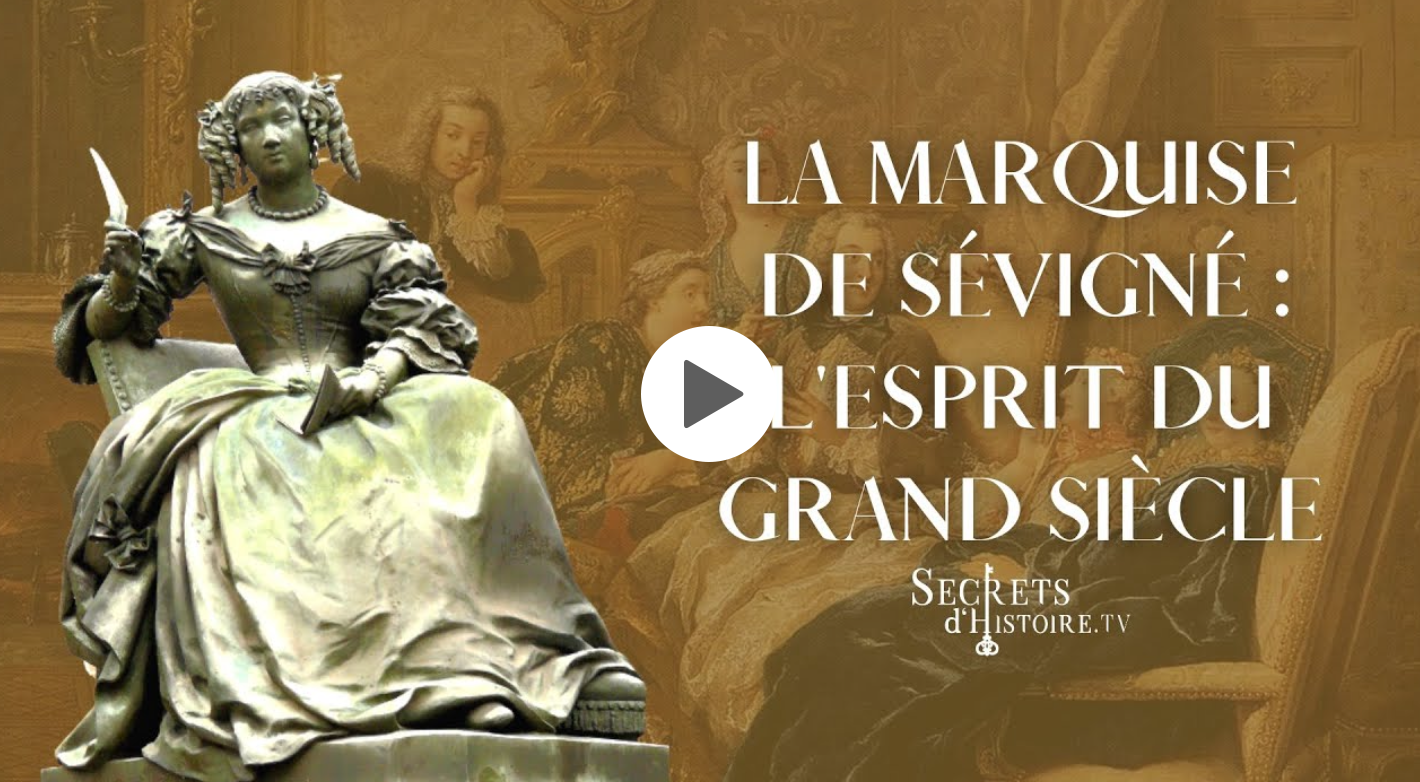
And the documentary, La Marquise de Sévigné: L’esprit du Grand siècle (only in French): click here!
Gros bisous, Dr. B.