Matisse & Beatrice, Alaïa & Marie-Antoinette and… Africa Fashions.
Art, Fashion and Politics
Bienvenue and welcome back to Musée Musings, your idiosyncratic guide to Paris and art. I’ve got lots to talk about today, so let’s get started. There’s paintings and porcelain and fashion and art and culture and politics.
The exhibition at the Grand Palais entitled ‘Matisse 1941 - 1954,’ (through July) focuses on the art Matisse created during the last 12 years of his life. What a difficult time it was for the artist both politically and personally. Harassed for being a ‘degenerate’ artist, he refused to leave France despite his son Pierre, already an established gallerist in New York, begging him to come to New York; despite Varian Frye whose mission in France was to help artists and intellectuals flee France during the war, pleading with him to come to the United States. Matisse explained his reasoning to his son in a letter written in September 1940, "It seemed to me as if I would be deserting. If everyone who has any value leaves France, what remains of France?"
In 1941, at the age of 72, Matisse was diagnosed with duodenal cancer. The operation was a success but the complications of the surgery left him bedridden for months. His doctor gave him six months to live. Instead, he lived for another12 years. Unable either to stand for long periods of time or hold his paint brush as he was accustomed to doing, he created a new kind of art. Born of necessity, what he created during the last decade of his life speaks directly to the heart and soul. In 1950, a few years before he died, Matisse said, “I hope that however old we live to be, we die young.” The exhibition is a glorious celebration of movement created by a man for whom movement was no longer possible. (Figs 1-5)
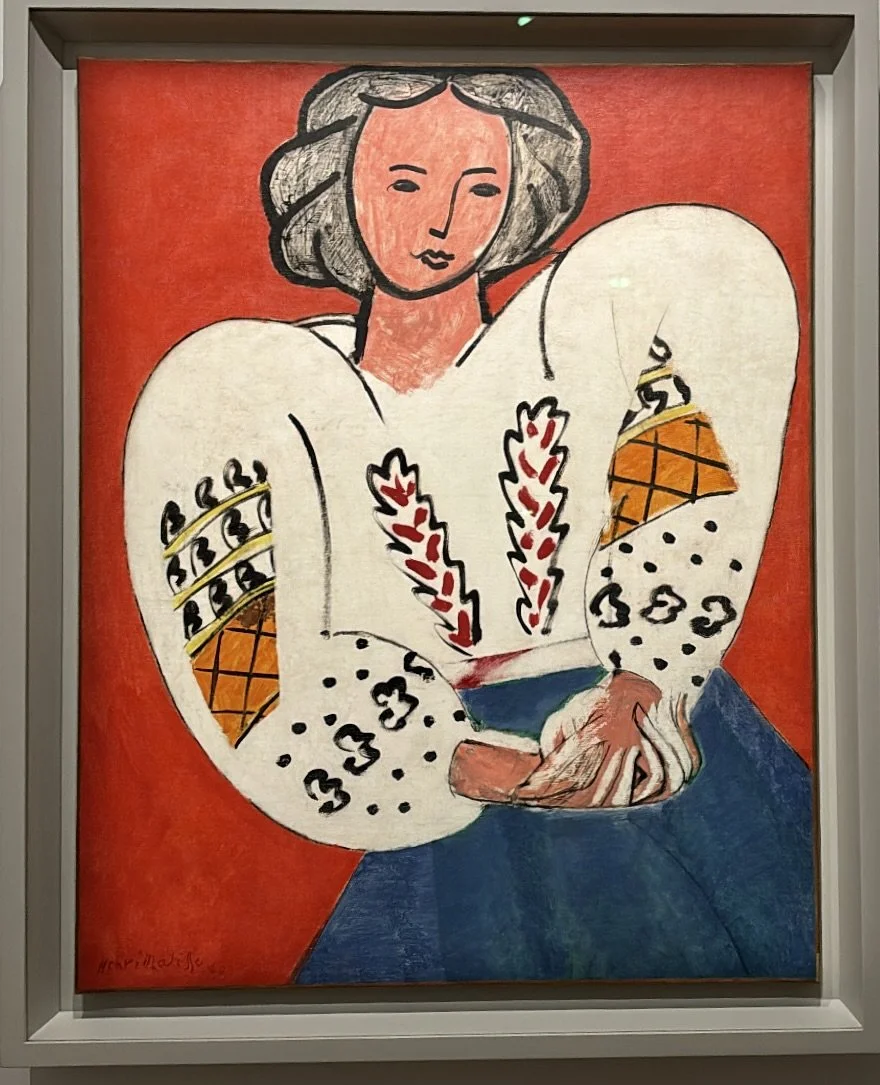
Figure 1. Roumanian Blouse, Henri Matisse, 1940
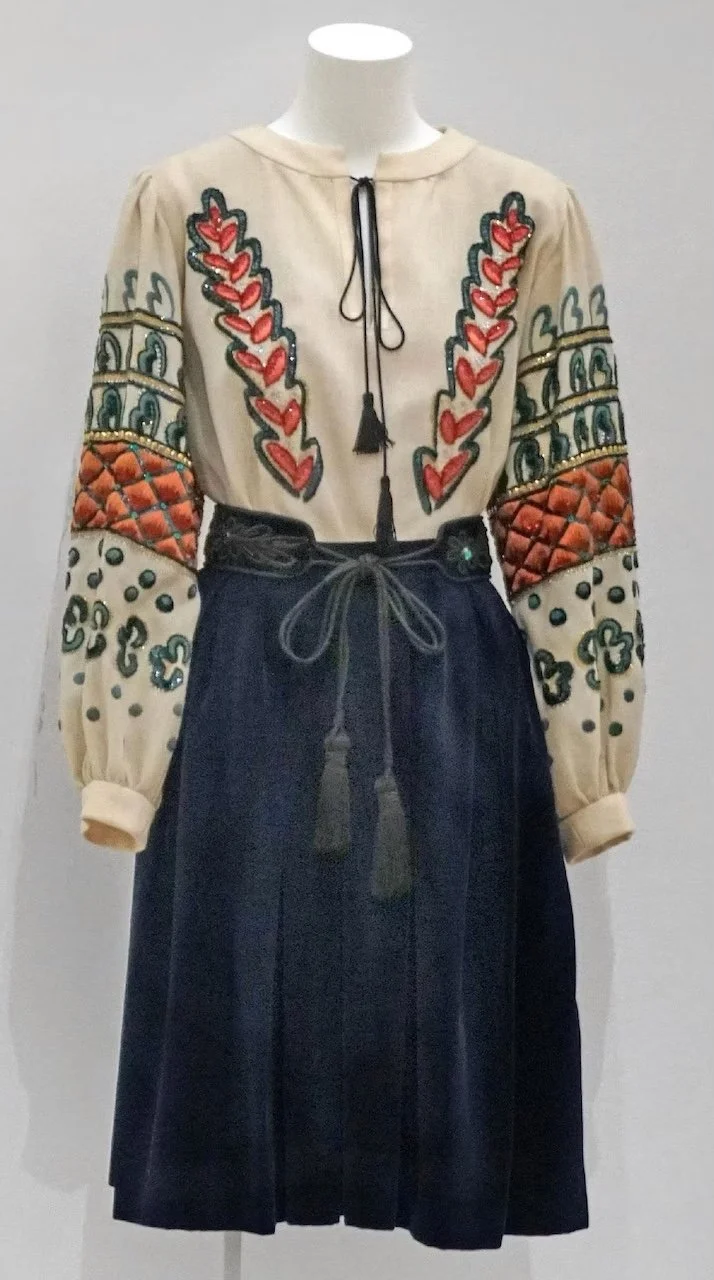
Figure 1a. Romanian Blouse, Autumn-Winter 1981 Haute Couture, Yves Saint Laurent
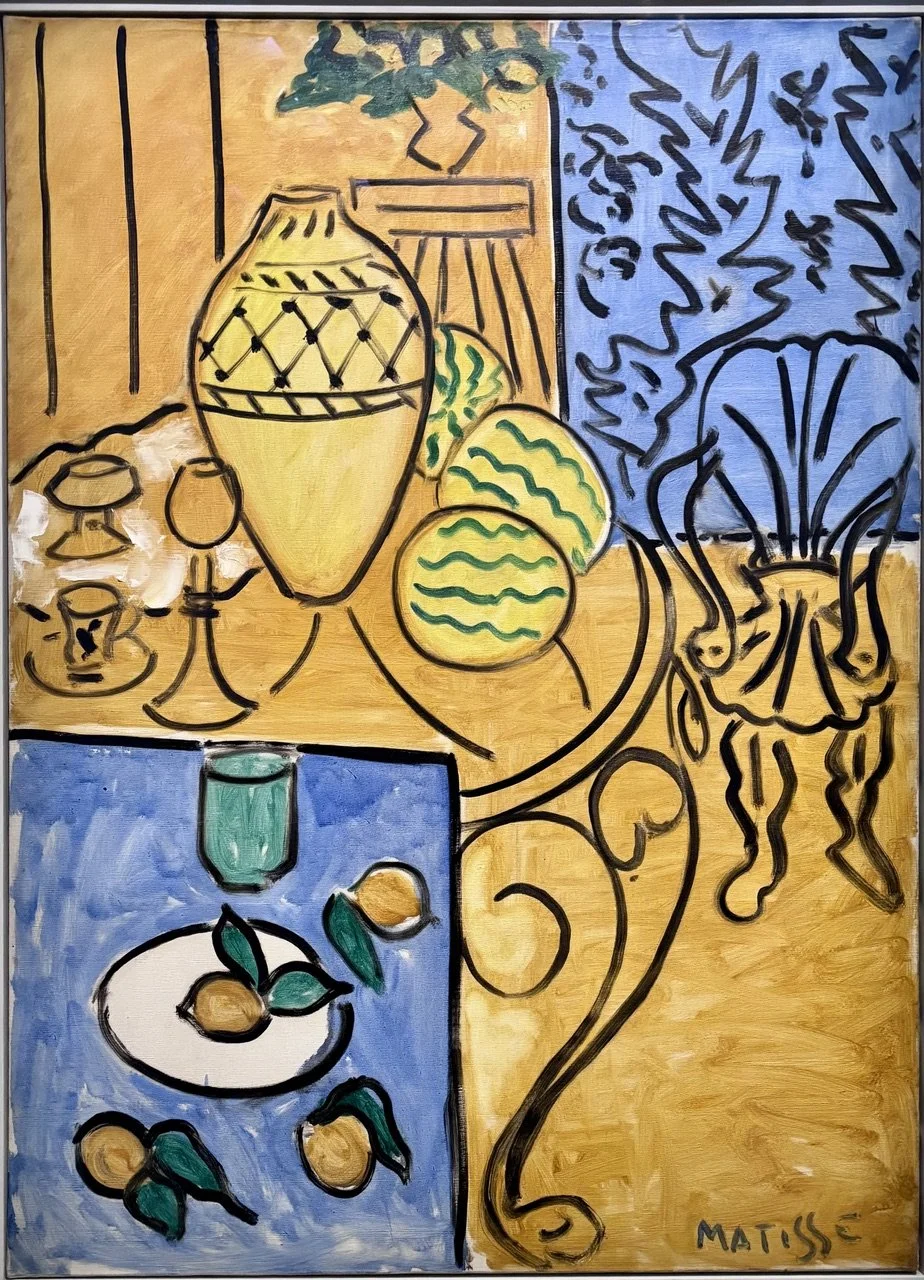
Figure 2. Yellow and Blue Room, Henri Matisse, 1946
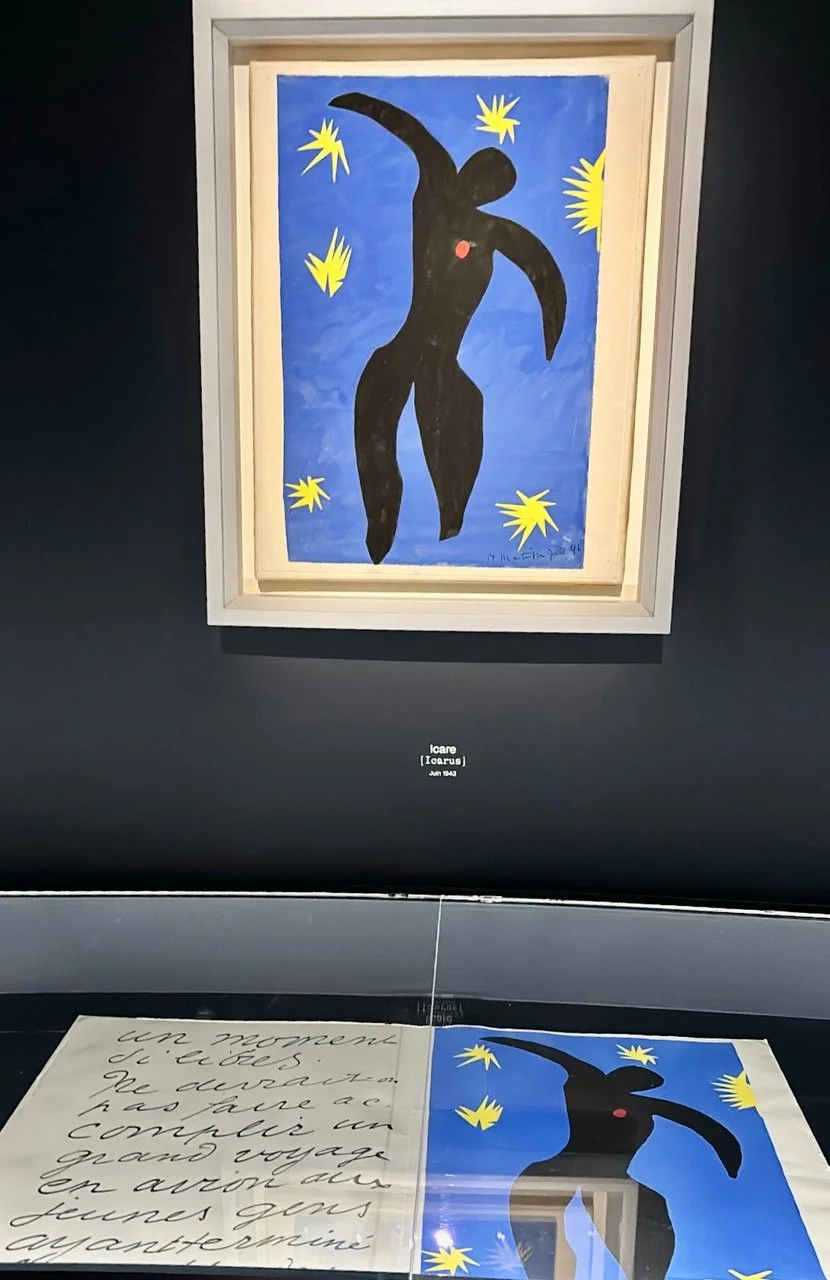
Figure 3. Jazz collage, Henri Matisse, 1944
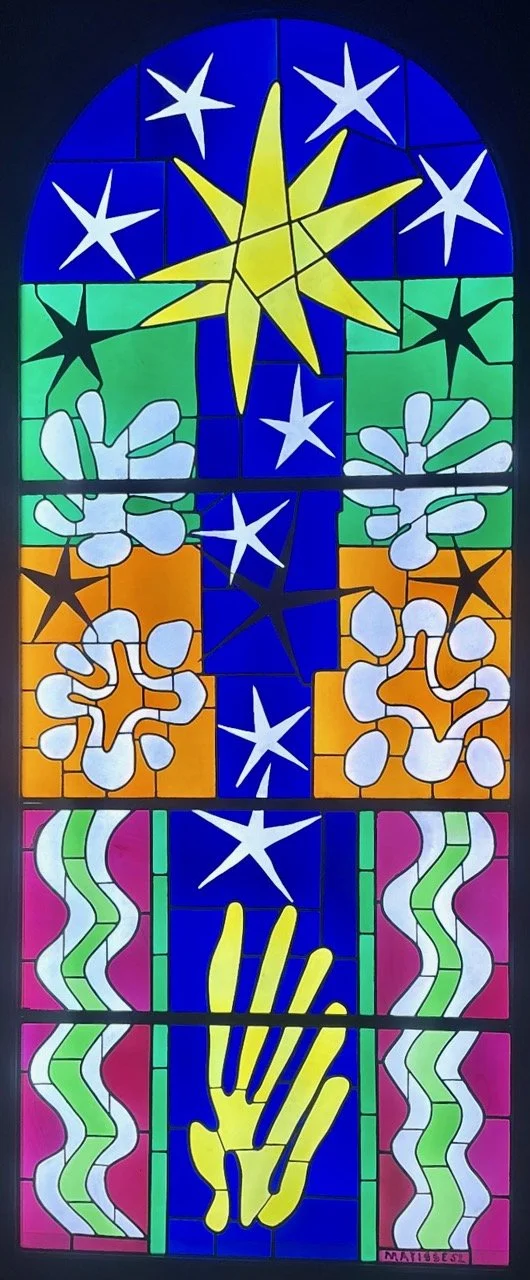
Figure 4. Stained Glass Window Design for Chapelle du Rosaire, Henri Matisse, Vence, 1947
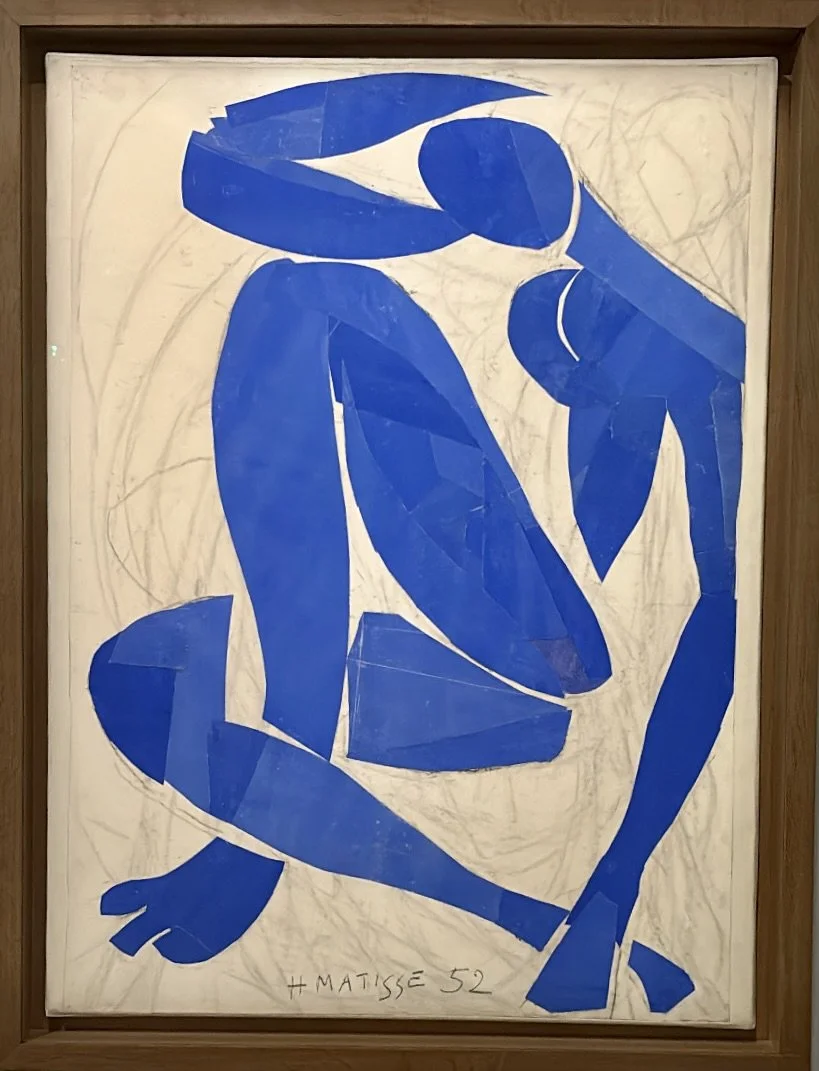
Figure 5. Cut-Outs, Henri Matisse, 1952
Another day I was off to a museum I had never visited before, the Gobelins Gallery. The day I went was one of the four French holidays in May, Victory Day, May 8. After looking at the map, I decided to walk, along the Place des Vosges. across two bridges and then a long stretch to the museum Before I could cross the second bridge, a group of uniformed men and women on horseback thundered by and blocked my way. They were the Republican Guard en route to the Célestins Barracks on Blvd Henri IV. (Figs 6,7) They had just finished taking part in celebrations honoring the end of WWII. It was a celebration not unlike the Quatorze Juillet celebration our dear leader saw in Paris. He was envious. He wanted an Arch of his own. Apparently, he’s going to get one.
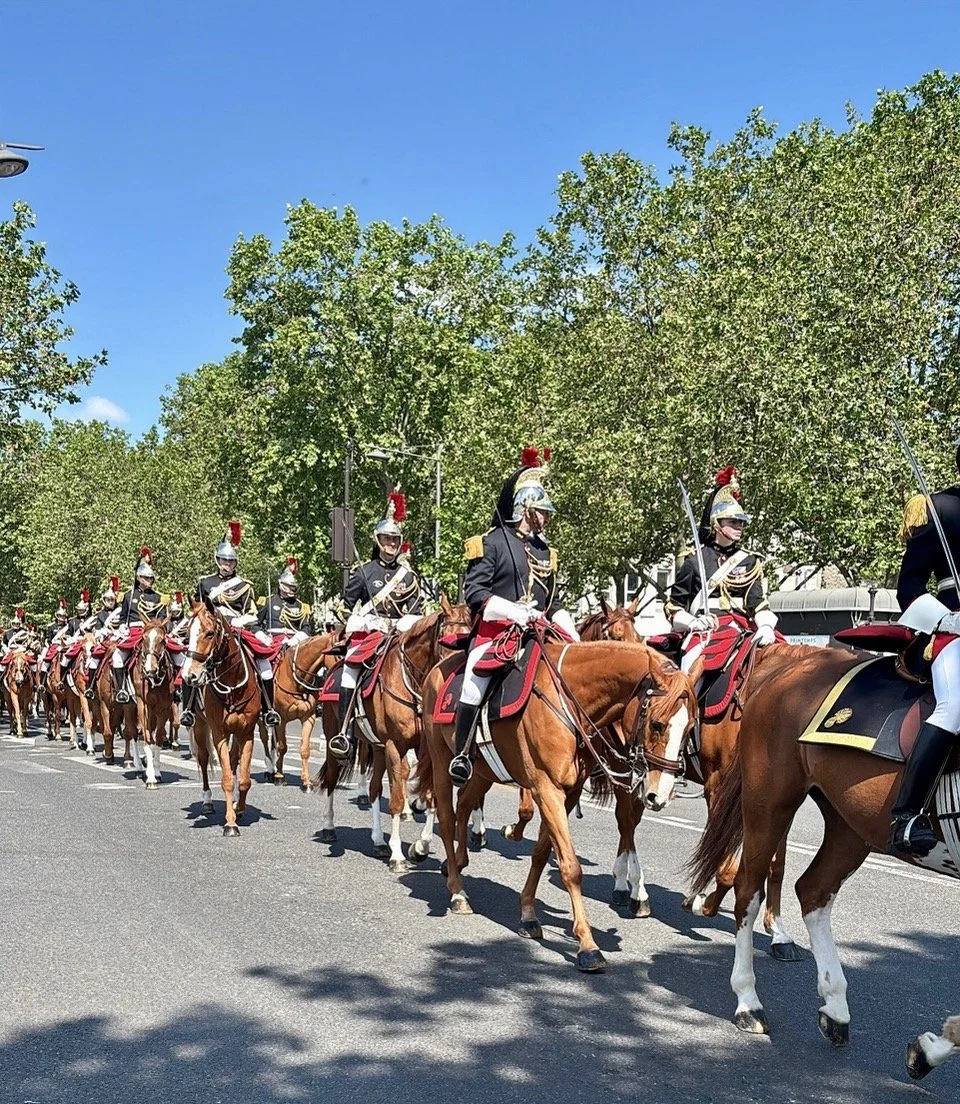
Figure 6. Garde Républicaine galloping along the Seine, May 8, 2026 following Victory Day Celebrations

Figure 7. Pooper Scooper which followed immediately behind the Garde Républicaine
My journey took me all along rue Monge which has a special place in my heart ever since I read Le Divorce by Diane Johnson. If you’ve only seen the movie, you can’t imagine how much better the book is. A comedy of manners that rings true for both Parisians and Californians.
The exhibition at the Gobelins Gallery is entitled, “Sèvres, a Rothschild passion. From the Villa Ephrussi to Paris.” If you think that sounds like an exhibition in which every room is filled with gorgeous porcelain but your limit is only about four pieces before you bolt, don’t despair. Of course there was a lot of gorgeous porcelain, this is an exhibition about a Rothschilds collection after all. (Figs 8-11) But it’s so much more than that. In one big space, for example, the glorious Villa Ephrussi de Rothschild is recreated all around you. From the windows of the villa, you can see the glorious garden and beyond that, the beautiful blue water of the Mediterranean Sea. I visited the villa a few years ago, it’s on the Cote d’Azur in Saint-Jean-Cap-Ferrat. Perhaps you have been there, too. If so, this exhibition will transport you back to that enchanted spot. If not, you’ll be booking a ticket for the Cote d’Azur as soon as you leave the exhibition. (Figs 12, 13)
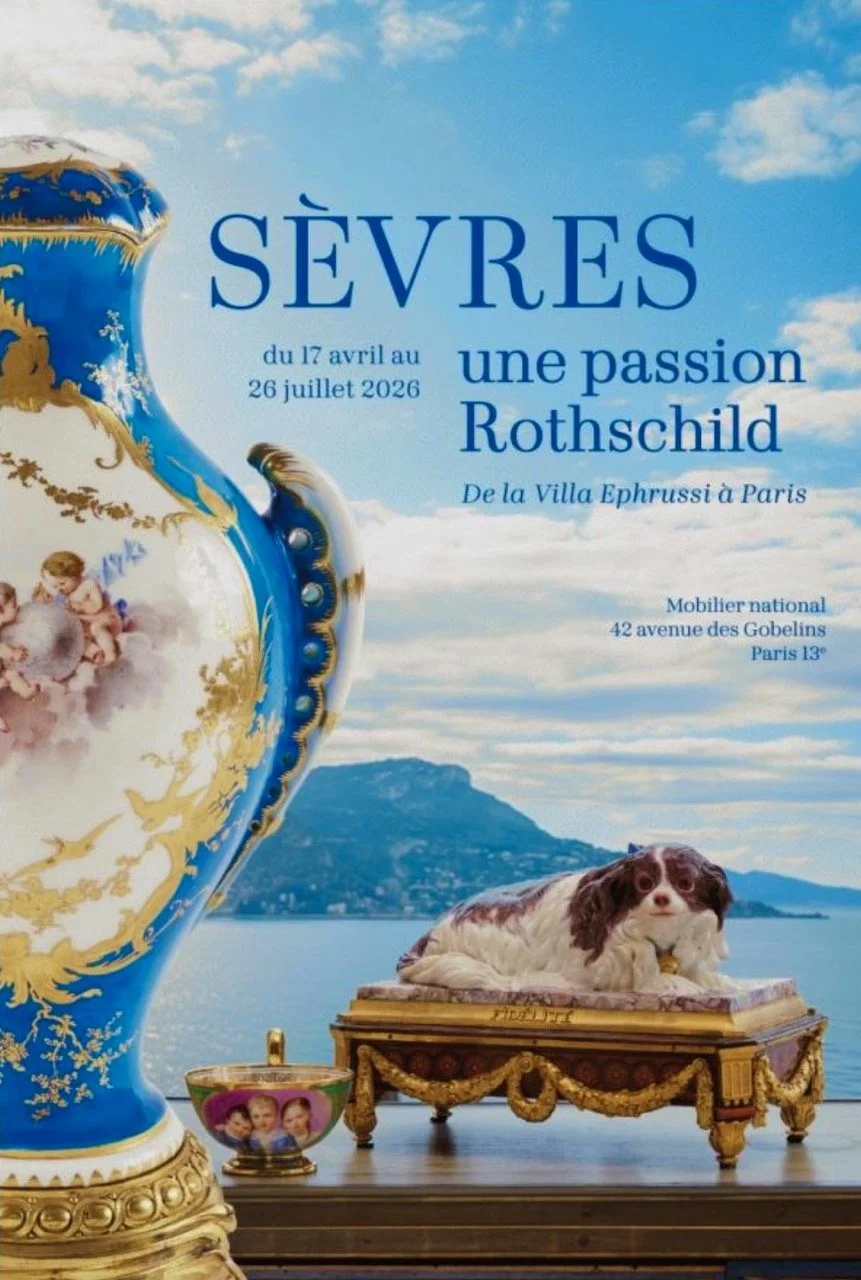
Figure 8. Sèvres Une Passion Rothschild de la Villa Ephrussi à Paris, poster
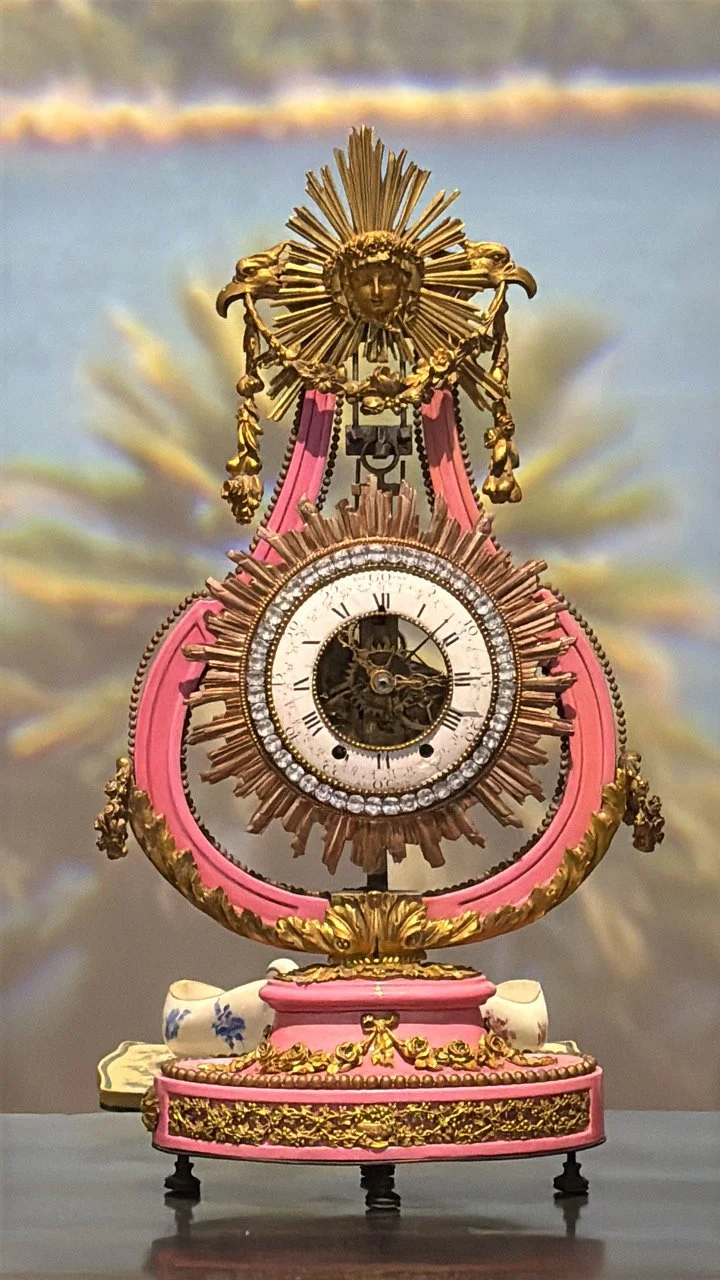
Figure 9. A gorgeous pink Sèvres pendulum in the shape of a lyre
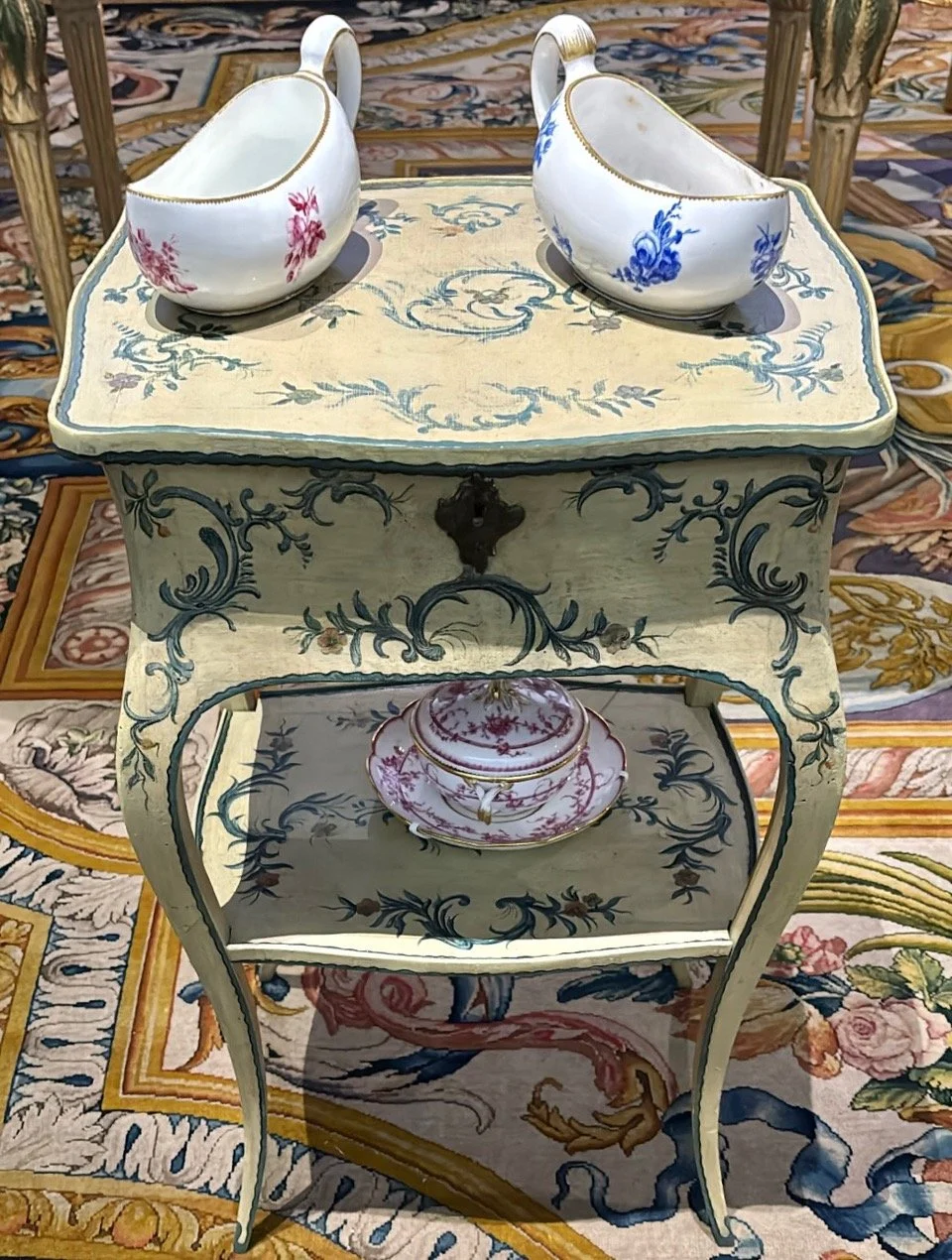
Figure 10. Two beautiful bourdaloues (day time chamber pots for women)
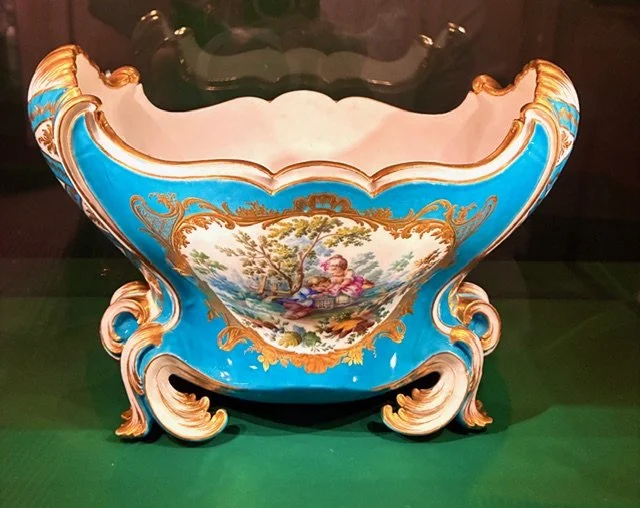
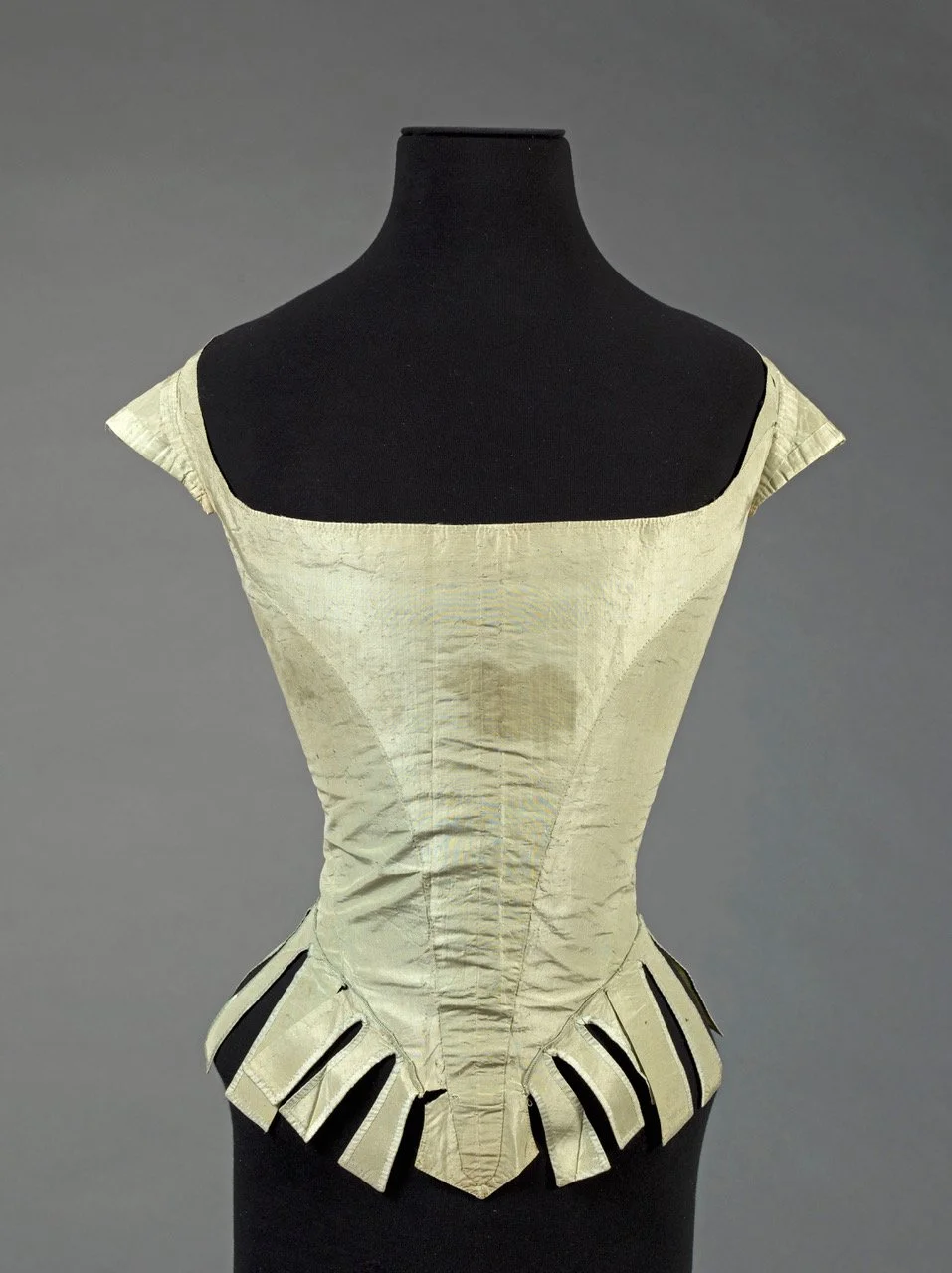
Figure 11. This beautiful porcelain ‘cuvette Mahon’ reminded me of a corset!
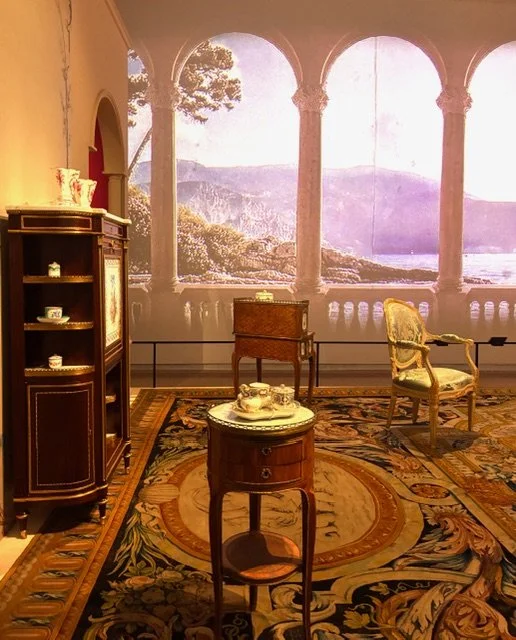
Figure 12. A room with a view …. Of the Mediterranean Sea from the Villa Ephrussi de Rothschild
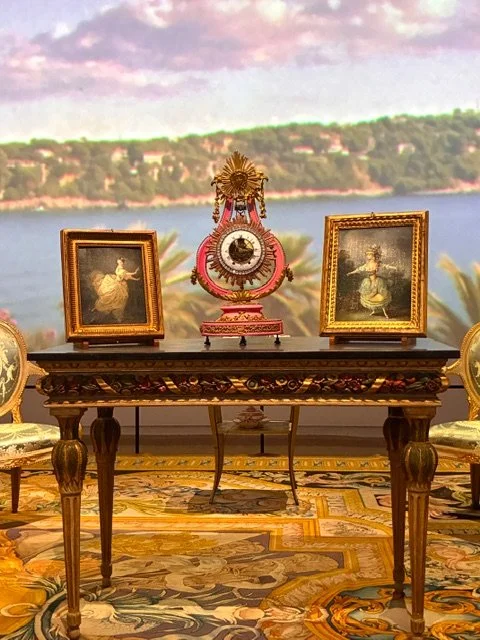
Figure 13. The view of the Mediterranean Sea from behind the pink pendulum
The recreation of the villa alone would have made my day. But there was more! One of the gowns that Yves Saint Laurent designed for the Proust Ball that Marie-Hélène de Rothschild held at the Rothschild’s Château de Ferrières on December 2, 1971 was here! Saint Laurent designed several gowns for that ball which celebrated the centenary of Marcel Proust's birth - all beautiful, all inspired by the Belle Époque. I saw those gowns a few years ago, along with Saint Laurent’s famous ‘Smoking’ at the Musée d’Orsay during the multi-museum celebration of Saint Laurent’s career. A choppy newsreel of people arriving for the Ball was on a constant loop. I could barely drag myself away. (Figs 14-16)
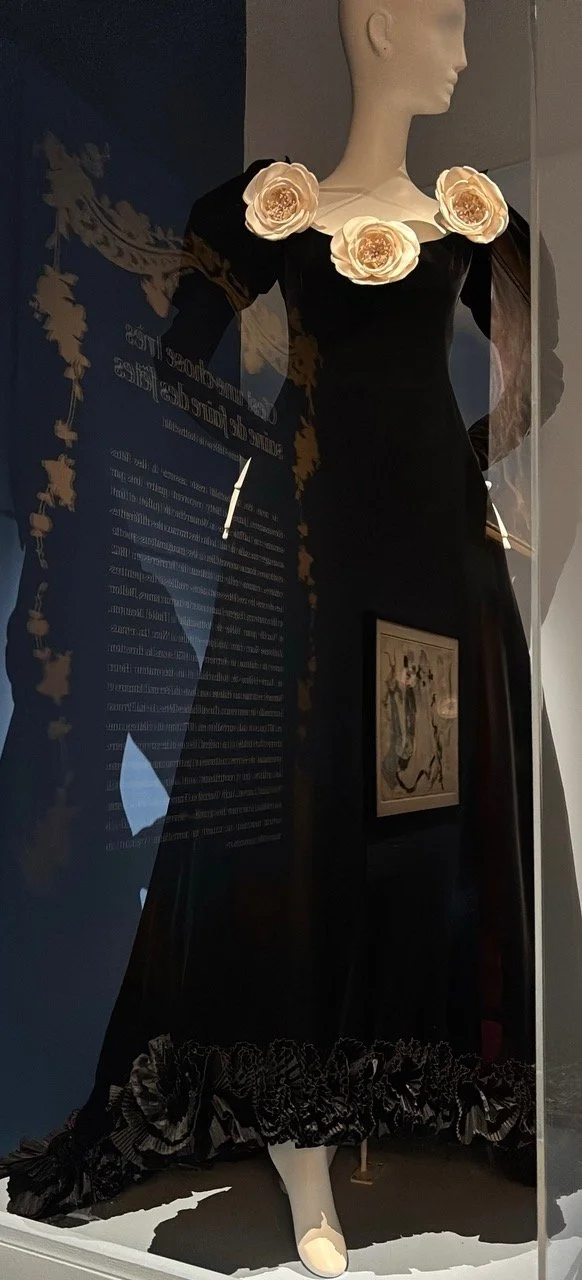
Figure 14. Costume worn by Hélène Rochas for the Bal Proust, Yves Saint Laurent, 1971
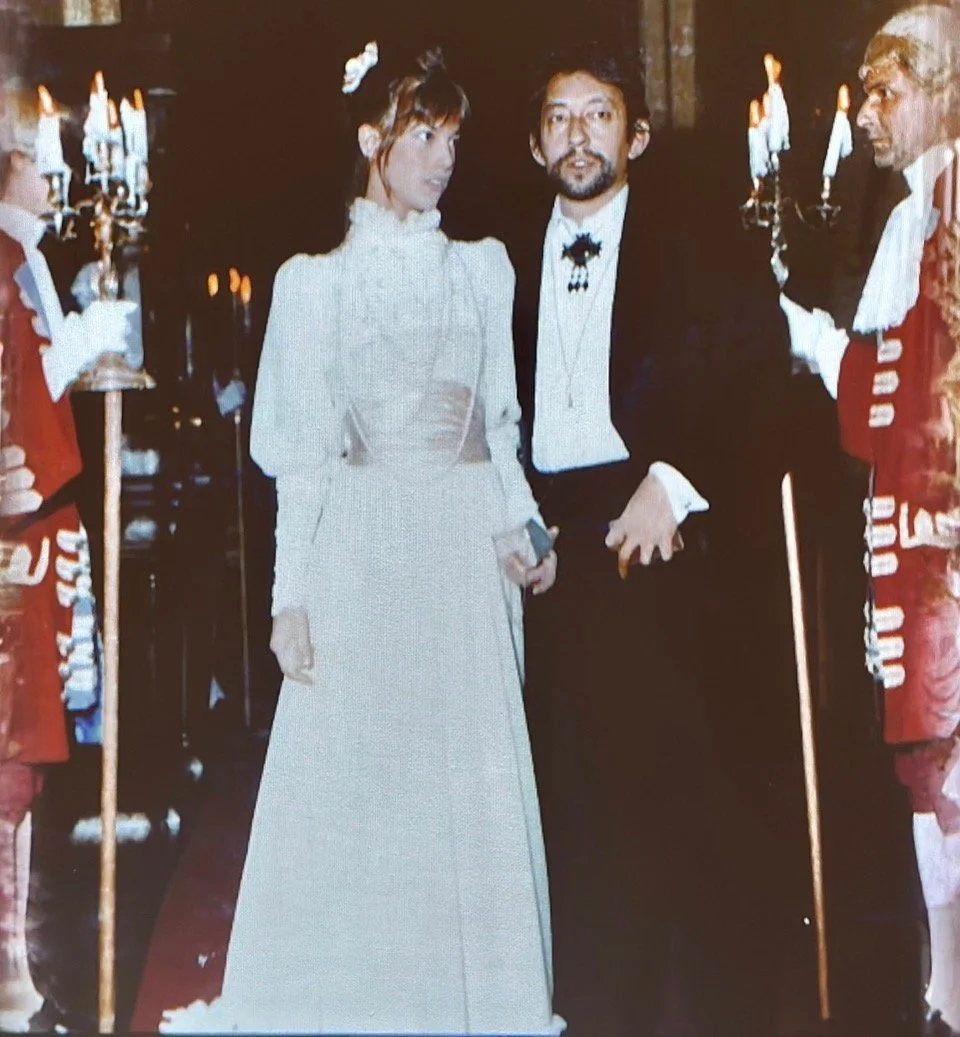
Figure 15. Jane Birkin (in Yves Saint Laurent) and Serge Gainsbourg arriving, Bal Proust, 1971
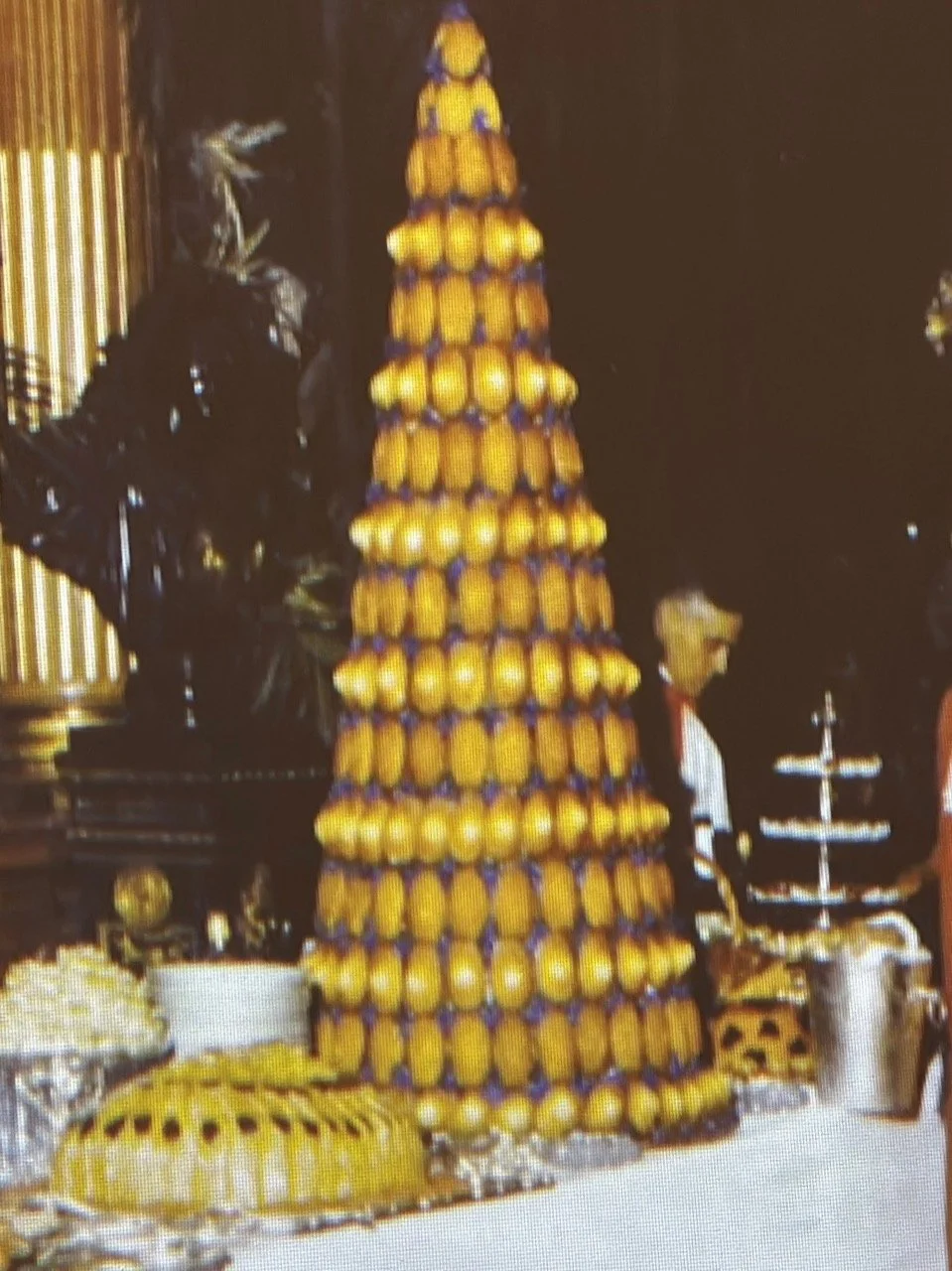
Figure 16. A magnificent Croquembouche of madeleines on the dessert table, Bal Proust, 1971
But wait, that wasn’t all. The following year, the Baron and Baroness de Rothschild hosted a Surrealist Ball at their Chateau. The costumes and decor were under the artistic direction of Salvador Dali himself. The people arriving in their elaborate costumes are also captured on grainy newsreel. (Figs 17-18)
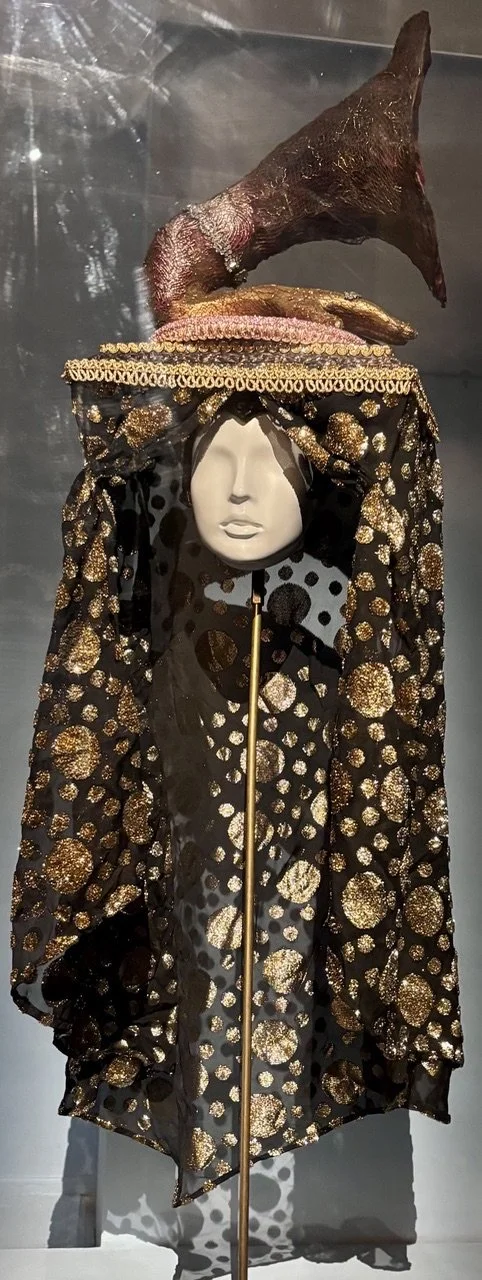
Figure 17. Headdress for the Rothschild’s Surrealist Ball, 1972
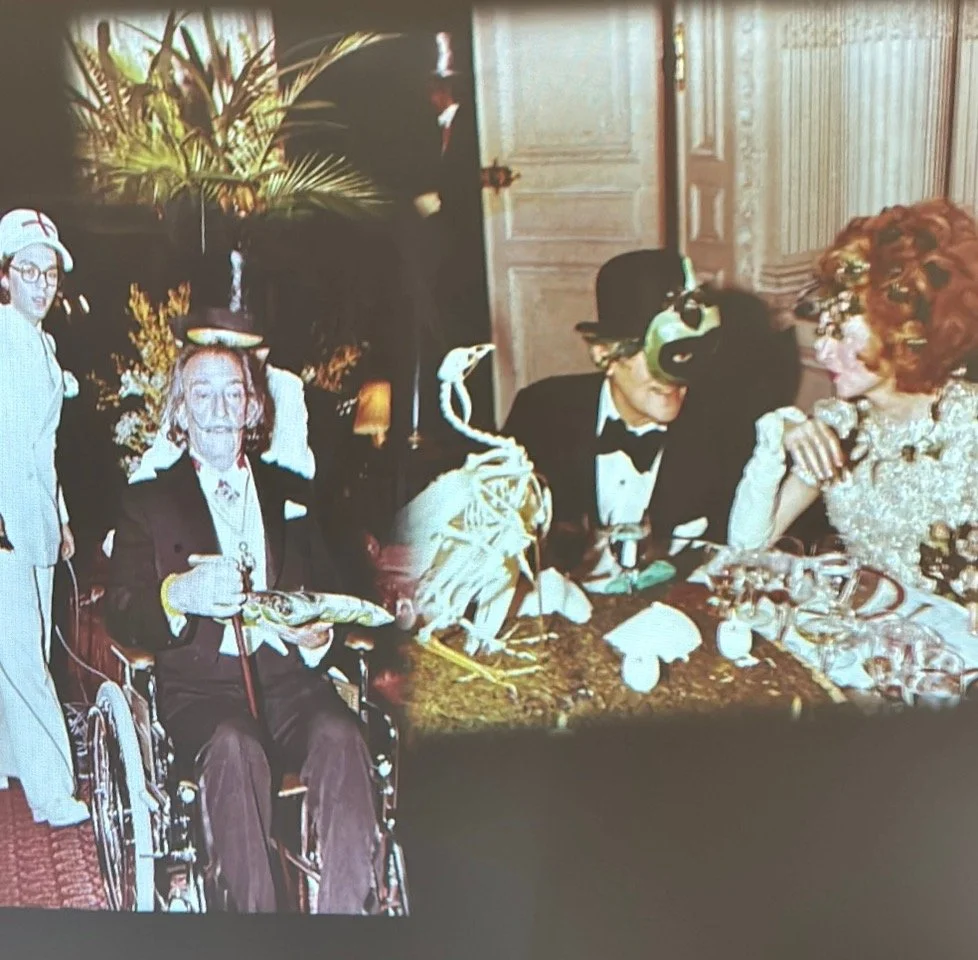
Figure 18. Salvador Dali and invited guests at Rothschild Surrealist Bal, 1972
Of course, sadly, there are no exhibitions about Jewish patrons of the arts and World War II without reference to the Nazis. Here there are lists of objects taken from the Rothschilds: those that have been returned, those that remain missing. (Fig 19)
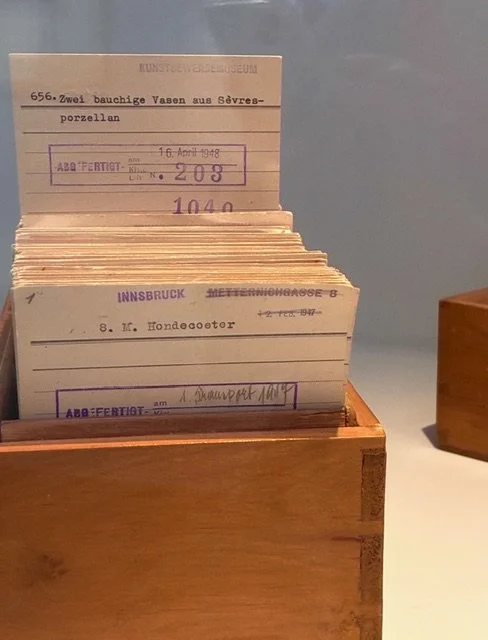
Figure 19. Inventory of Nazi looted objects from Rothschild collections
Arnie, the husband of my dear friend and fellow Proustian Melinda, who died after a short illness last October, told me about the Renzo Piano designed Pathé Foundation that is just across the street from the Gobelins Gallery. Its mission is to “transmit the history of cinema through the history, conservation, restoration and… historical heritage of Pathé … through a program of films, exhibitions and cultural events.” Their archive is surely impressive, it’s the oldest cinéma chain still in operation. I’ll check it out next time.
After writing about the Marie Antoinette exhibition at the Victoria & Albert Museum and the exhibitions at the Musée des arts decoratifs and the Musée Cognacq-Jay, which also took as their subject 18th century French fashion, I needed a break from all those corsets and thought you might, too. But now I have three excellent exhibitions for your consideration, only one of which whispers, I mean shouts, corset.
The first exhibition is on through the end of June. It’s at the Fondation Azzadine Alaïa, on rue de la Verrerie - a huge building in the Marais nestled between two excellent and very different patisseries (Christophe Michalak and Maison Aleph). It’s the building in which Azzadine Alaïa lived and worked. You enter the Fondation through a landscaped courtyard presided over by a sculpture by Cesar. Of what? A breast, of course! (Fig 20)
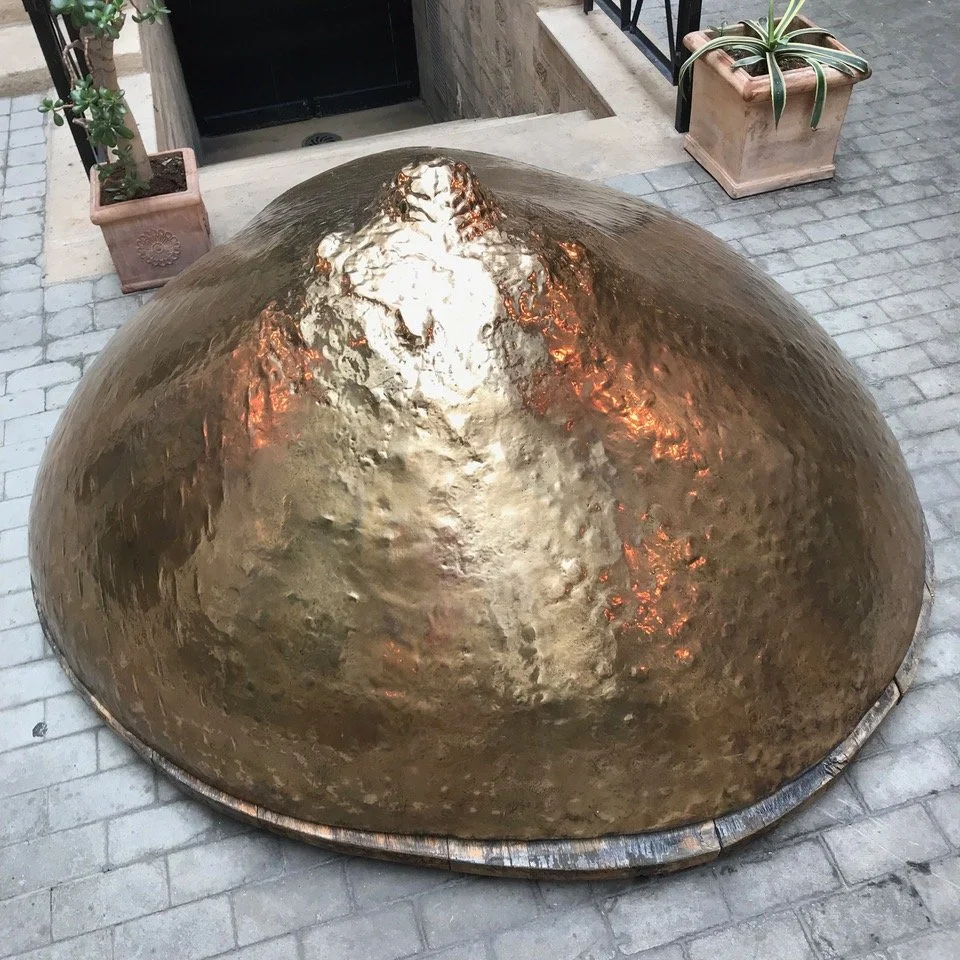
Figure 20. The Breast by Cesar at the entrance of the Fondation Azzadine Alaïa, rue de la Verrerie
The exhibition is called AZZEDINE ALAÏA AND CHRISTIAN DIOR, TWO MASTERS OF HAUTE COUTURE. It’s a conversation between these two designers’ creations. The gowns are beautiful and there are so many similarities that dresses I was absolutely sure were by Dior were actually by Alaïa. That happened when I saw another exhibition at the Fondation in which garments designed by Thierry Mugler (for whom Alaïa worked briefly) and Alaïa were presented in pairs. Given the difference between Christian Dior and Thierry Mugler, it seems difficult to imagine that Alaïa’s work could be confused with both of those. One or the other, okay - but both? And yet that was the case. (Figs 21, 22)
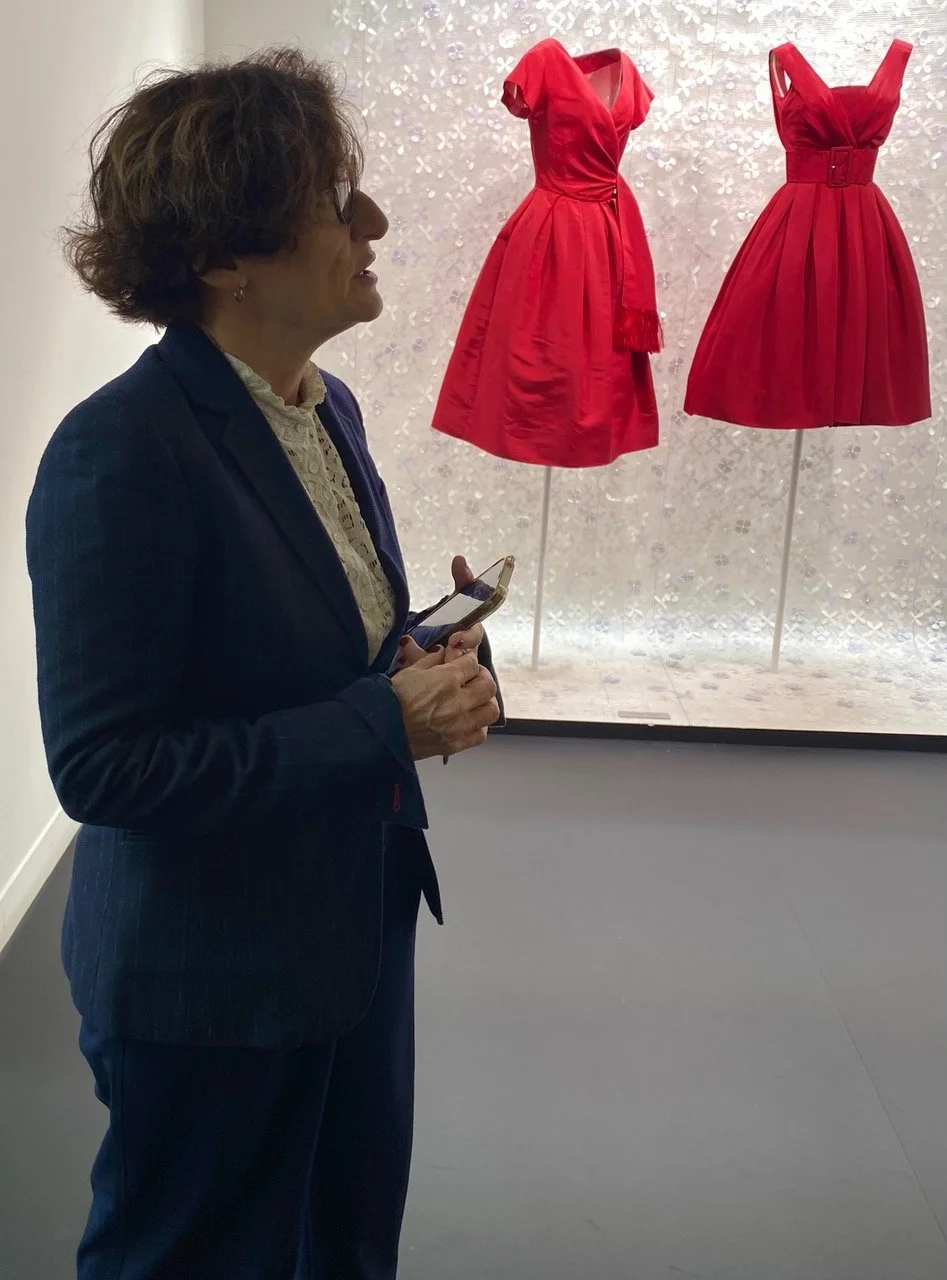
Figure 21. Dior / Alaïa with our guide, Fondation Azzadine Alaïa
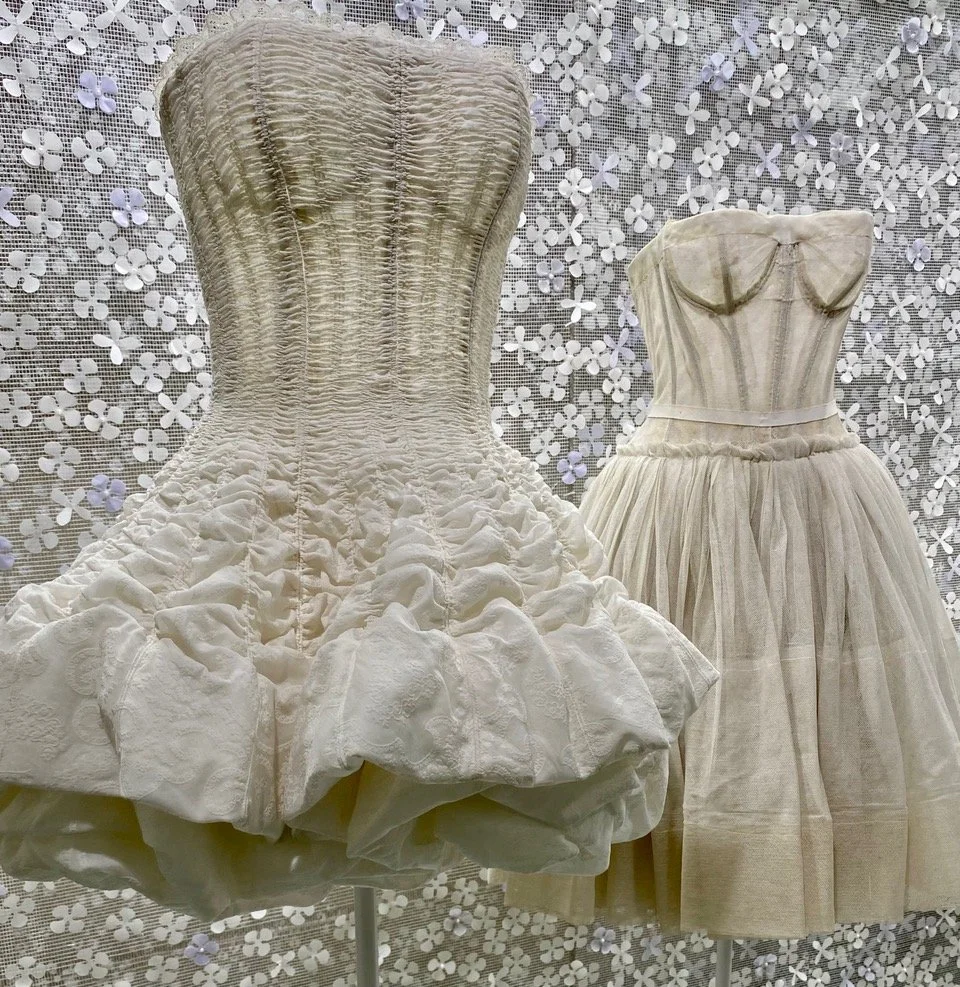
Figure 22. Dior / Alaïa Fondation Azzadine Alaïa, Fondation Azzadine Alaïa
As interesting as these exercises in ‘guess the designer’ were, what interested me most were the biographical details of Alaïa’s life and his quiet, not quite steady, ascent to the heights of haute couture. Born in Tunisia, he emigrated to France and then went his own way and was unwilling, over and over again, to feed the beast of the fashion industry. The timeline of his life and career with supporting photos and videos are fascinating. Alaïa was a little man (5’3”) with a big heart. Everybody he met was family. What he enjoyed most was being surrounded by lots of people at a big table enjoying a meal. There was always room at Alaïa’s table for one more person to squeeze in. My visit was a guided one and several times our guide mentioned Alaïa’s relationship with the then young Naomi Campbell. He didn’t want her on the streets of Paris unescorted. As little as he was, he would accompany her, to keep her safe. Recent revelations about Naomi Campbell’s relationship with pedophile and sex trafficker, Jeffrey Epstein made the guide’s statement pertinent. I am working on a biographical sketch of Alaïa for you. (Figs 23-24)
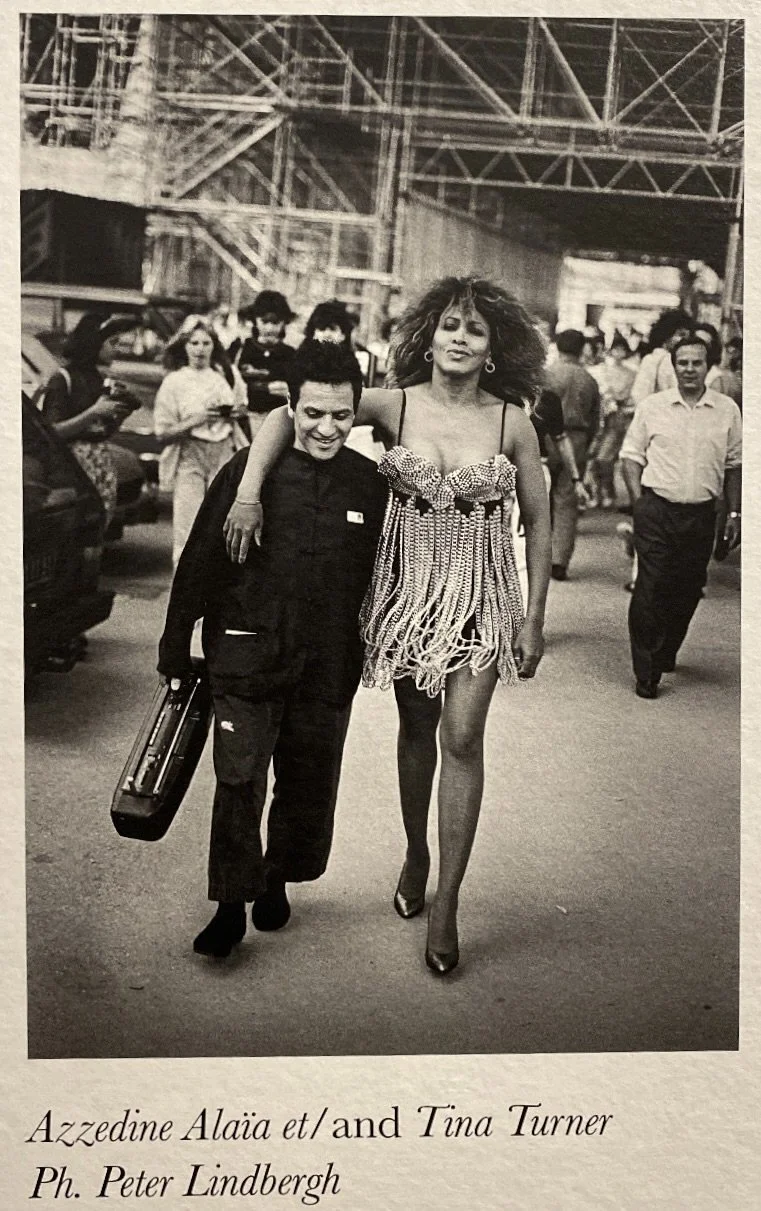
Figure 23. Alaïa and Tina Turner, photographer Peter Lindbergh
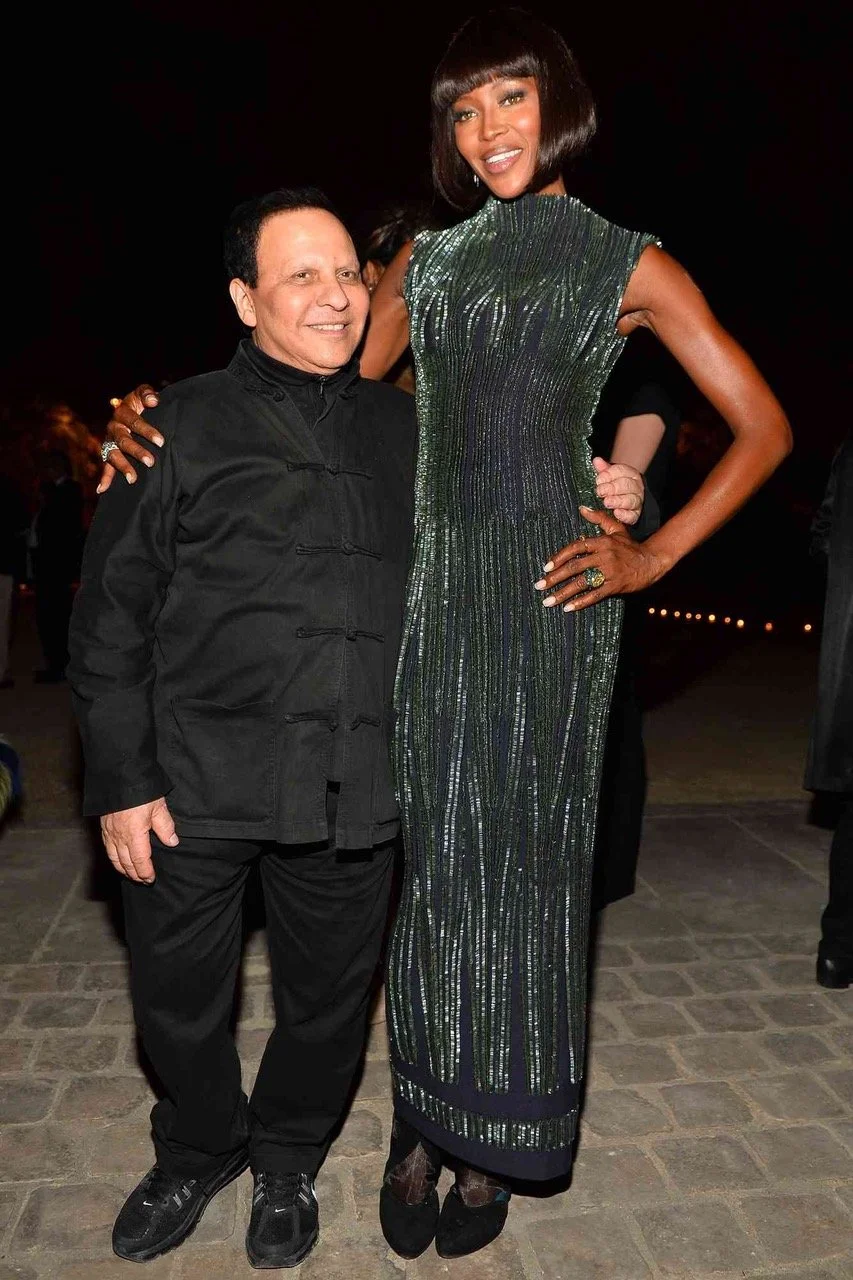
Figure 24. Alaïa and Naomi Campbell
The exhibition now at the Palais Galleria, called “Fashion in the 18th Century. A Fantasized Legacy” is big and beautiful. The story is told with luxurious garments augmented by prints and paintings; accessories and swatches of fabric. The exhibition begins in the 1770s when, according to the curators, a revolution in women’s clothing got underway. It was during the two decades that preceded the French Revolution that women’s clothing “underwent a radical evolution…. The dressed female body changed from a shape resembling two triangles joined at their tips to a natural, tall and slender figure.” But not everyone was or is tall and slender. The nice thing about a corset (or girdle, or Spanx) is that it squeezes a body into a certain shape. Again, according to the exhibition, at the end of the 18th century, plain fabrics replaced “textiles with opulent designs and bold colors.” Milliners, who organized as a guild in 1776, embellishing those plain fabrics with lace and ribbons. Hairdressers, too were called upon to use their technical virtuosity to create impressive (frequently mocked) hairdos. (Figs 25-27)
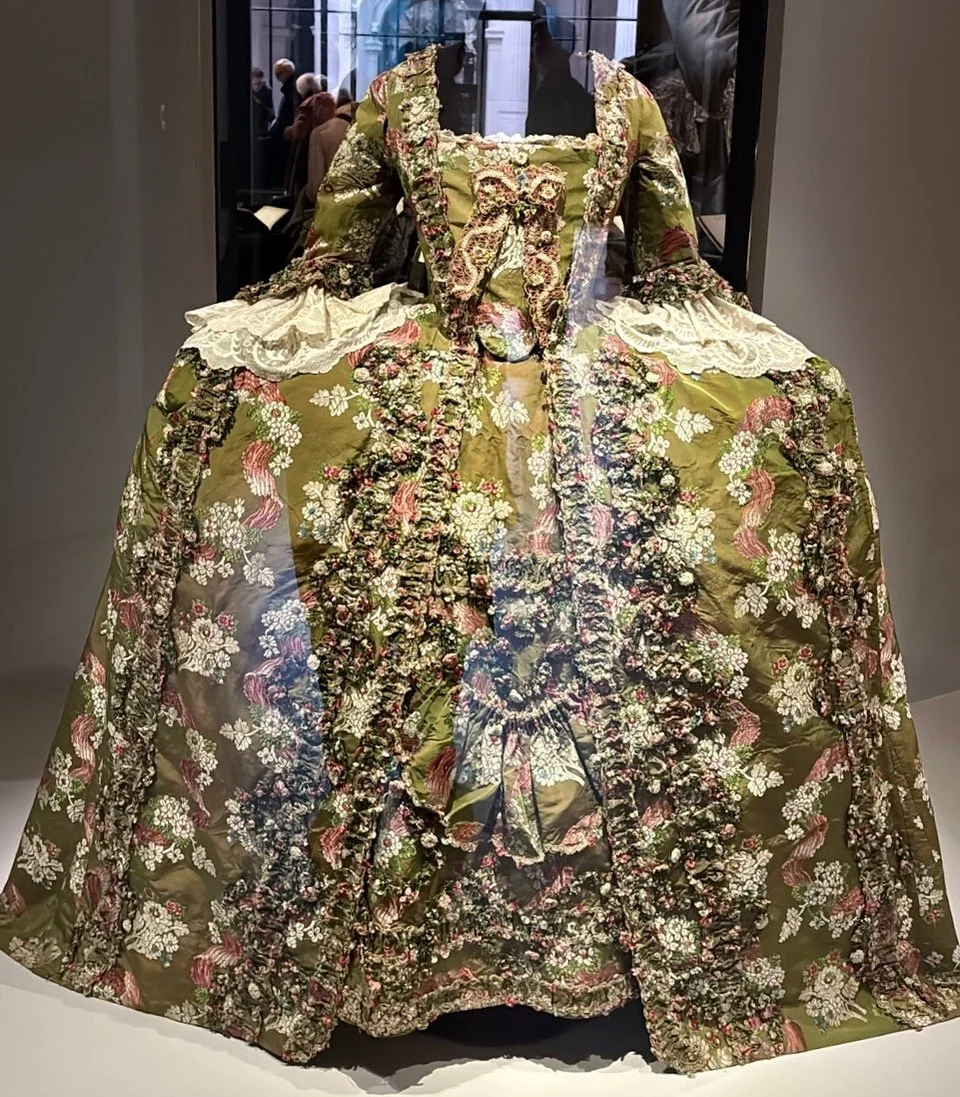
Figure 25. Robe à la française (Sack-back gown) ca 1755-65
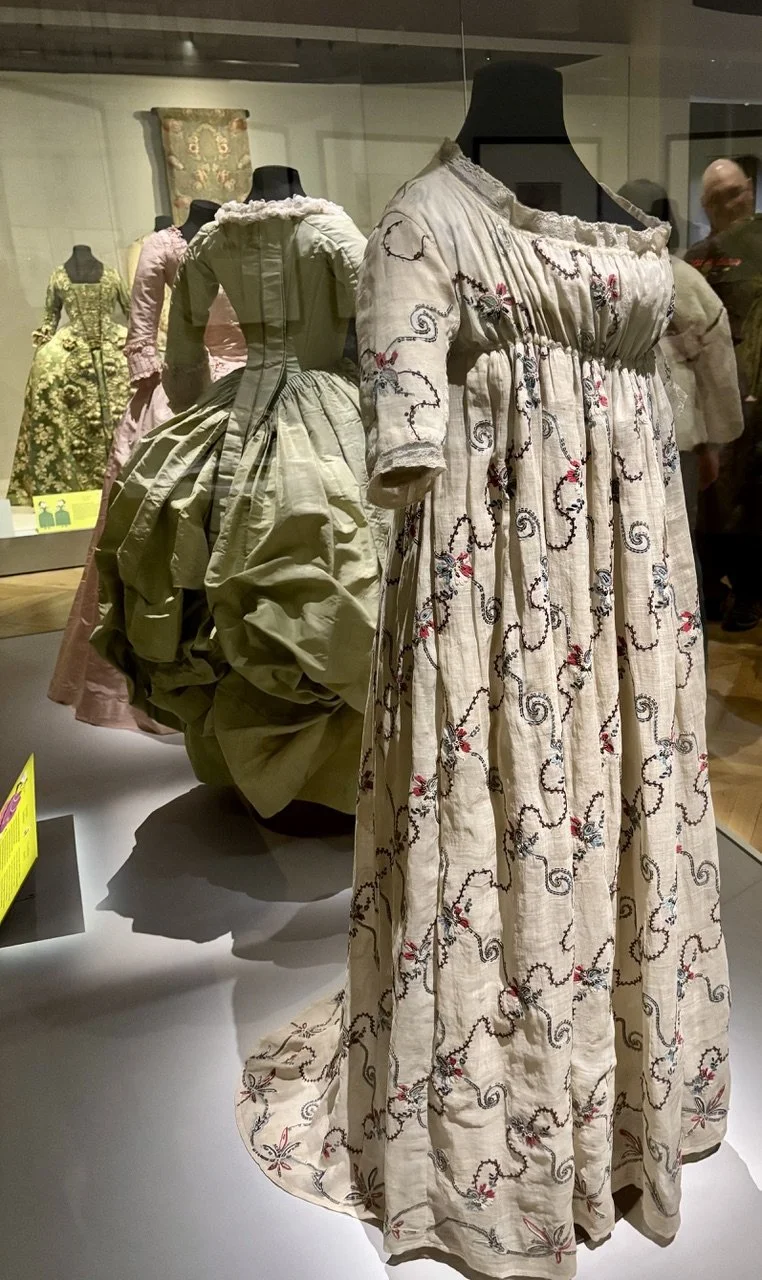
Figure 26. Robe, 1795-1800
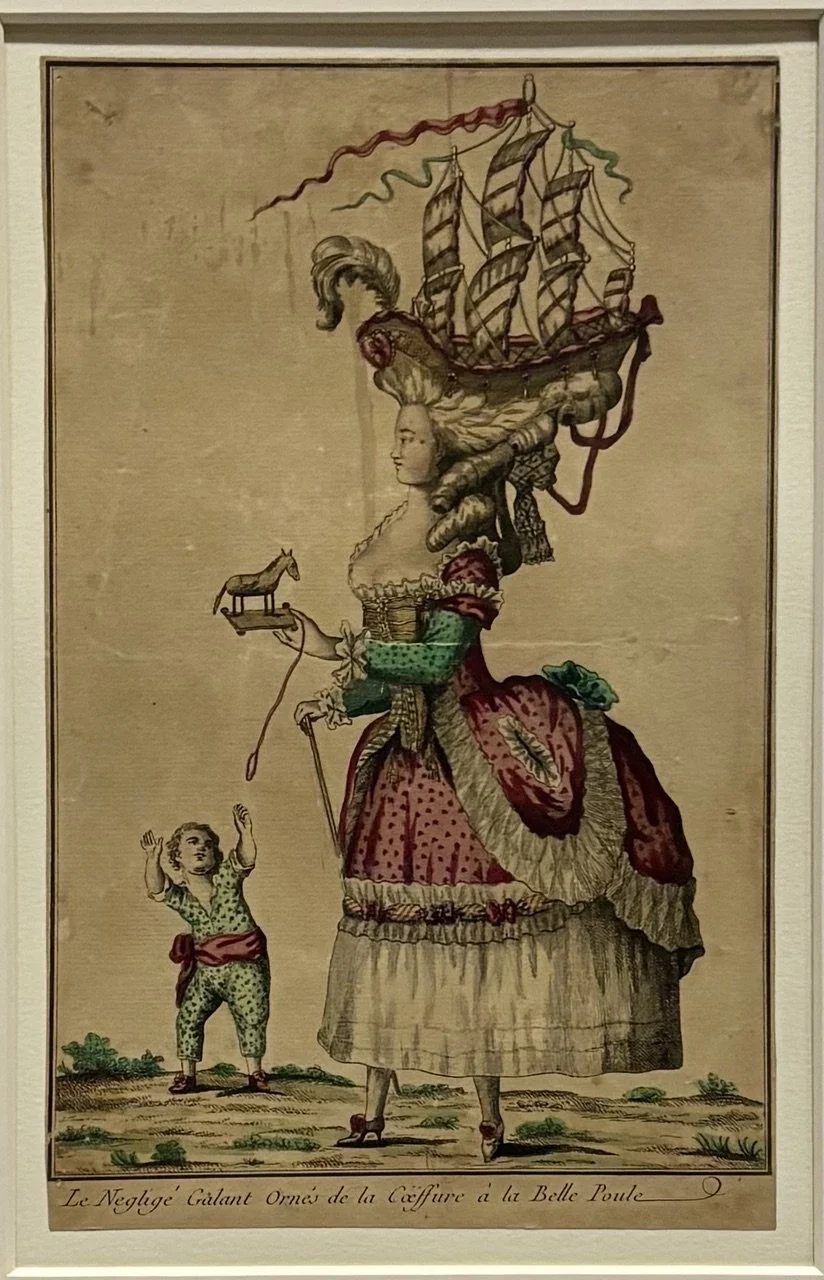
Figure 27. La Belle Poule, hairdo celebrating French victory in 1778 over English in American Revolutionary War
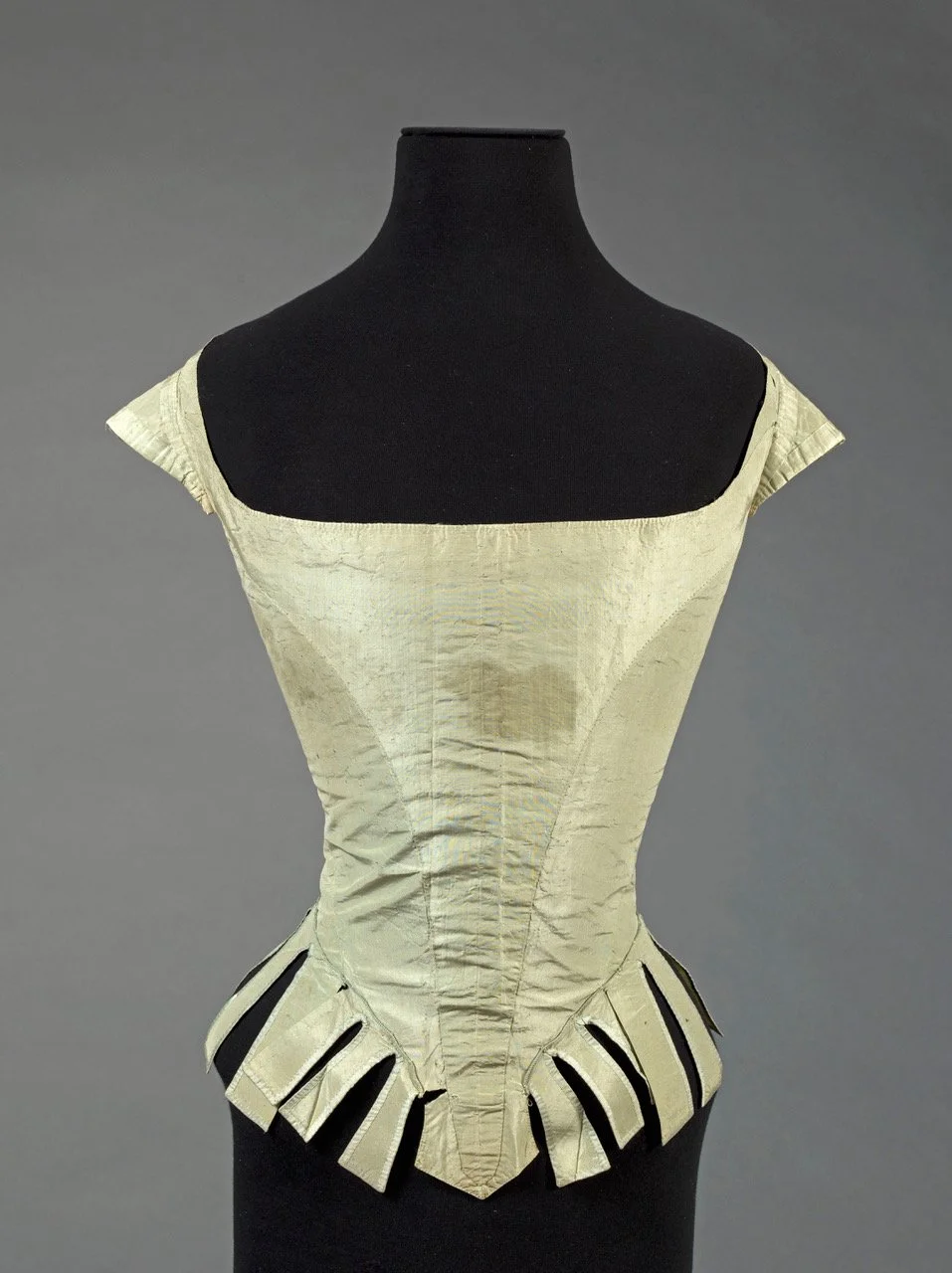
Figure 28. Marie Antoinette’s Corset by Mme Eloffe, Marie-Antoinette’s milliner
One of the stars of this exhibition is Marie Antoinette’s corset. (Fig 28) When I was at the M-A exhibition at the V & A. in London, I wondered why the queen’s corset wasn’t on display. I understood when I saw it at the Palais Galleria. While the exhibitions didn’t overlap, 18th century fabrics are too fragile to be on view for extended periods of time. The curators at the Palais Galleria made the decision that if M-A’s corset was going to be displayed anywhere in 2026, it was going to be in Paris where she wore it. And at the museum that has owned it since 1997, when theirs was the highest bid at auction. The corset had been found in 1885, nearly a century after M-A wore it, between the pages of a handwritten account book belonging to the milliner who made it. She had the corset because it was customary to give worn clothes back to the milliner so that she could use it as a model for new clothes. This account book, along with a second found at the same time, was published by the Comte de Reiset whose goal was to restore the queen's reputation. As the wall text notes, by the mid 19th century, “glorified by her tragic fate, revived by the rise of counter-revolutionary culture, then by Empress Eugenie's deeply personal and passionate devotion,” artists and the public began to take an interest in M.A. Not M-A the victim but on her “elegance, grace, motherly devotion and rejection of conventions.” A year after the centenary of her death, (1894) an exhibition entitled "Marie Antoinette and Her Time,” featured the corset. Since then books, films and exhibitions have proliferated, attesting to our insatiable fascination with the martyred queen.
Nostalgia, inspiration, historicizing and appropriation are the themes the curators explore in this exhibition, as they trace the influence of 18th century fashion from the 19th through the 21st centuries. Nostalgia for the reign of Louis XV during the 19th century led to a reinvention of 18th-century fashion. These were not copies but interpretations. “The 19th century found in the Age of Enlightenment an inexhaustible source of inspiration. They recreated a visual world inhabited by women wearing full skirts that resembled panniers and draped overskirts that recalled the hitched-up versions of the 1770s. Machine made garments evoked handmade ones.”(Figs 29, 30)
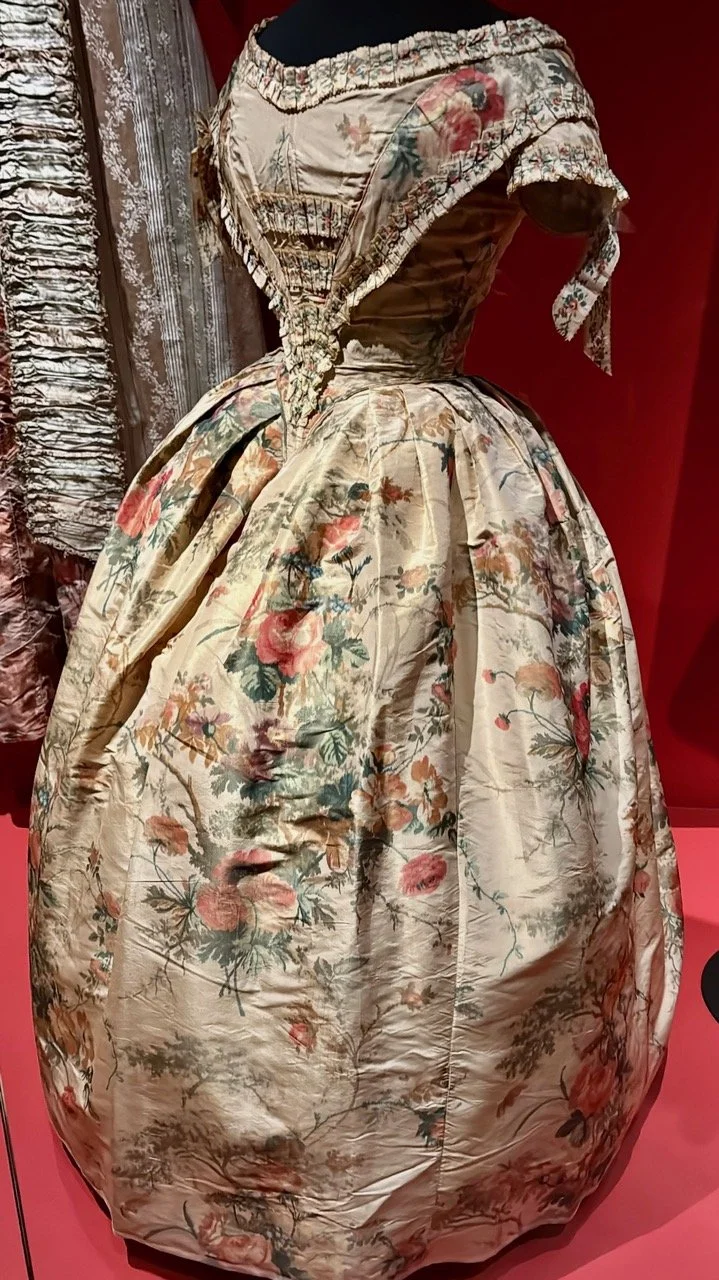
Figure 29. Robe à transformation (day bodice, evening bodice and skirt) Circa 1850
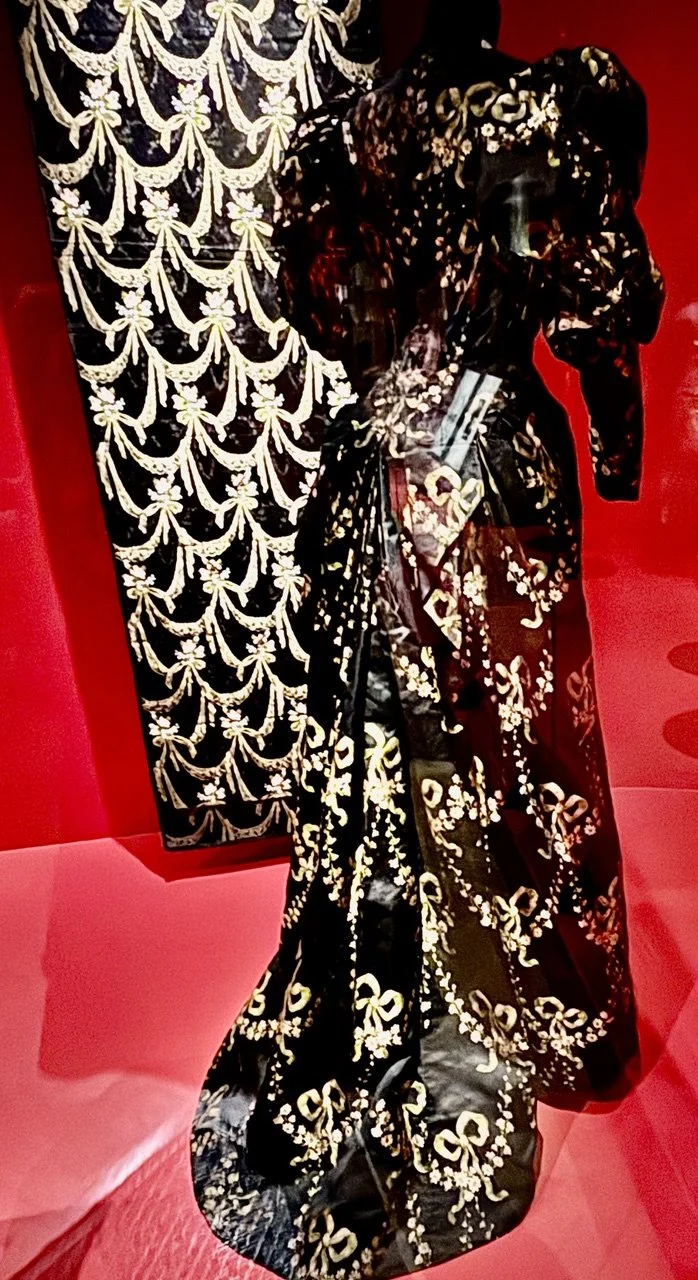
Figure 30. Evening Gown, 1898
The 20th century synthesized the 19th century’s concept of Enlightenment fashion to create something of its own. French couturiers seeking a foothold in the international fashion market after WWII, turned to 18th century techniques and expertise to legitimize their efforts.
As I made my way through the exhibition, the 18th century gowns were, as expected, breathtakingly gorgeous. The 19th and 20th century interpretations were more timid, less exuberant. (Fig 31) But to my 21st century eyes, contemporary creations are both playful and technically and structurally sophisticated.
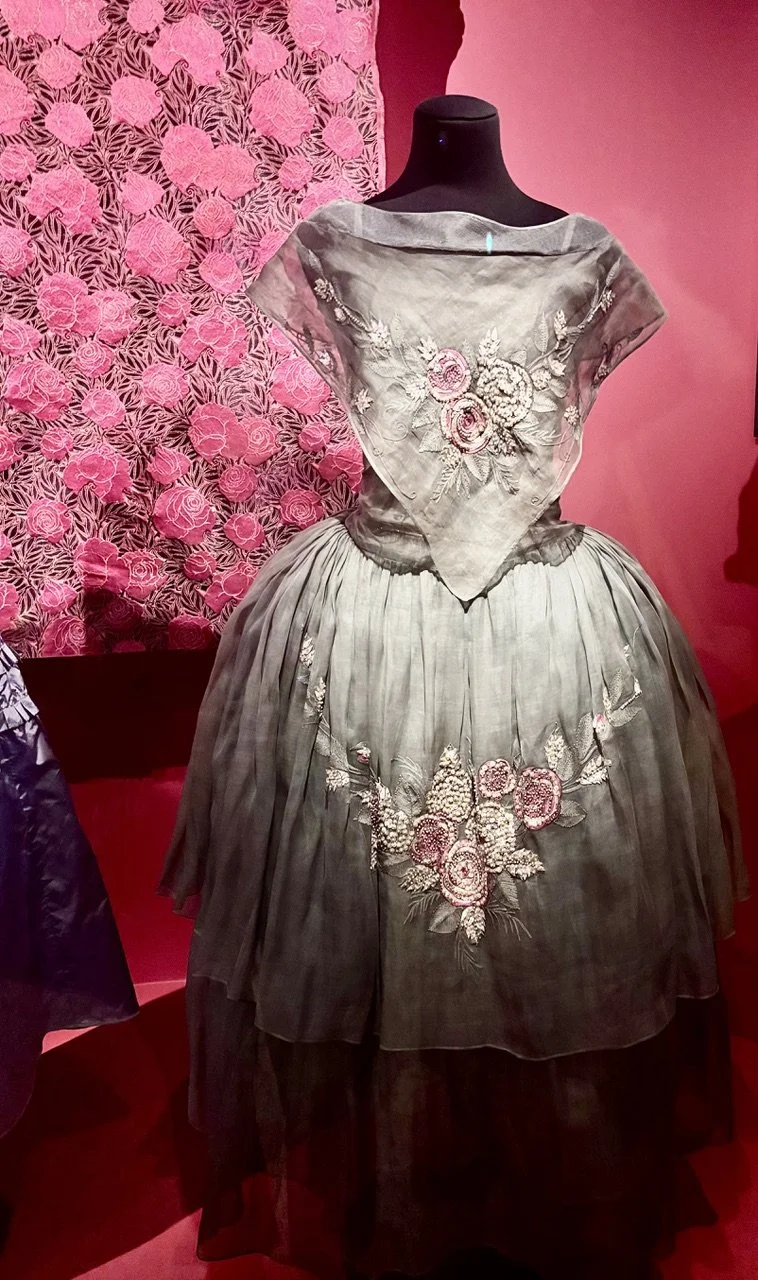
Figure 31. Jeanne Lanvin ‘Watteau’ gown, 1922
This exhibition has been organized to show “how fashion and collective memory shape, transform, and project the past.” As one critic wrote, “looking at three centuries of creation, the Palais Galliera examines the extent to which eighteenth-century fashion has been reinterpreted, between historical heritage, aesthetic fantasy, and creative freedom.” The aesthetic has been embraced by 20th and 21st century haute couture designers like Chanel, Dior and Dries van Notten as well as the worlds of kitsch, camp and queer. (Figs 32-40)
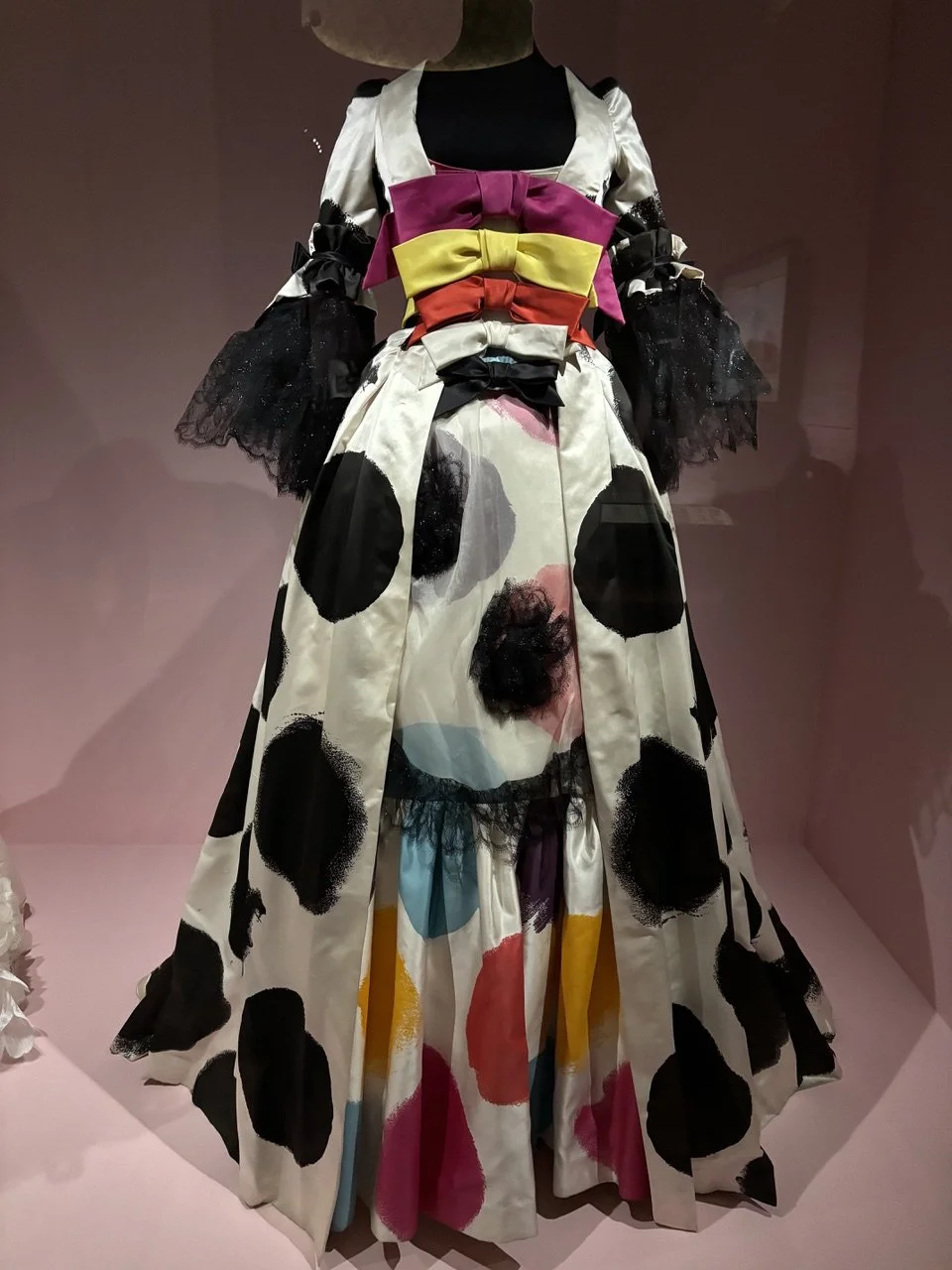
Figure 32. Vivien Westwood, Evening dress (corset, long jacket and long skirt), 1996
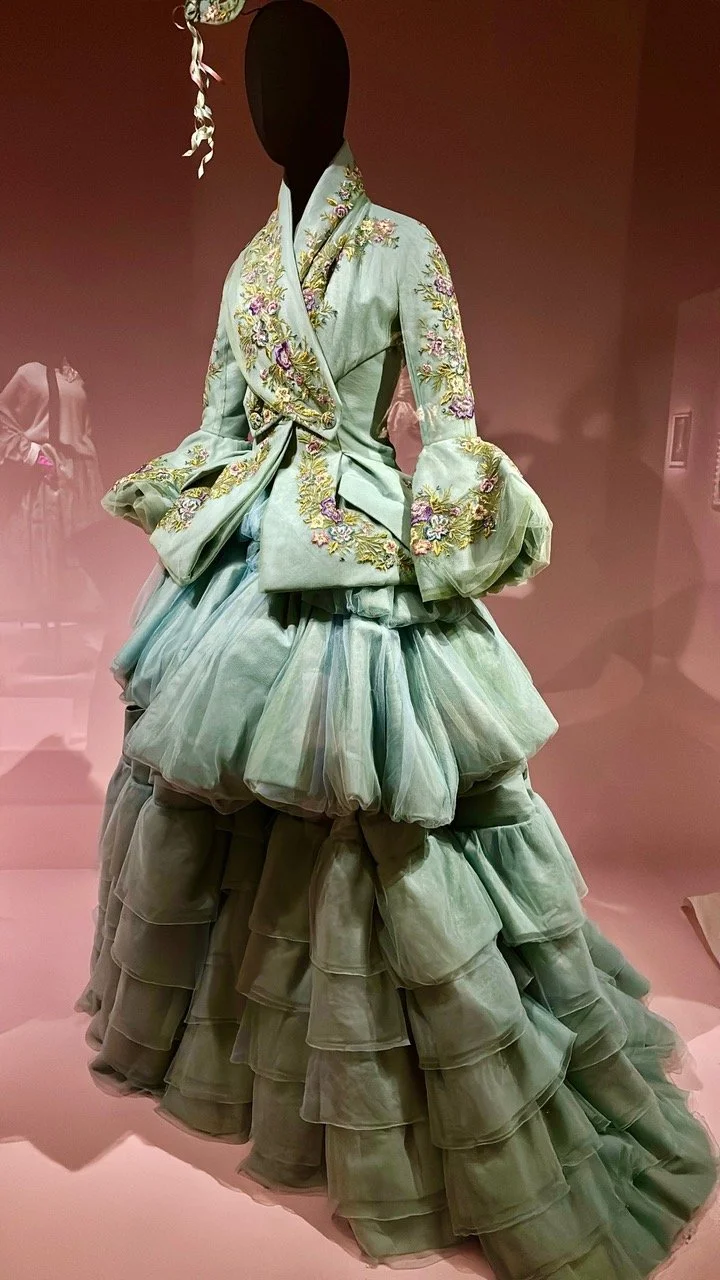
Figure 33. John Galliano for Dior, 2007-2008
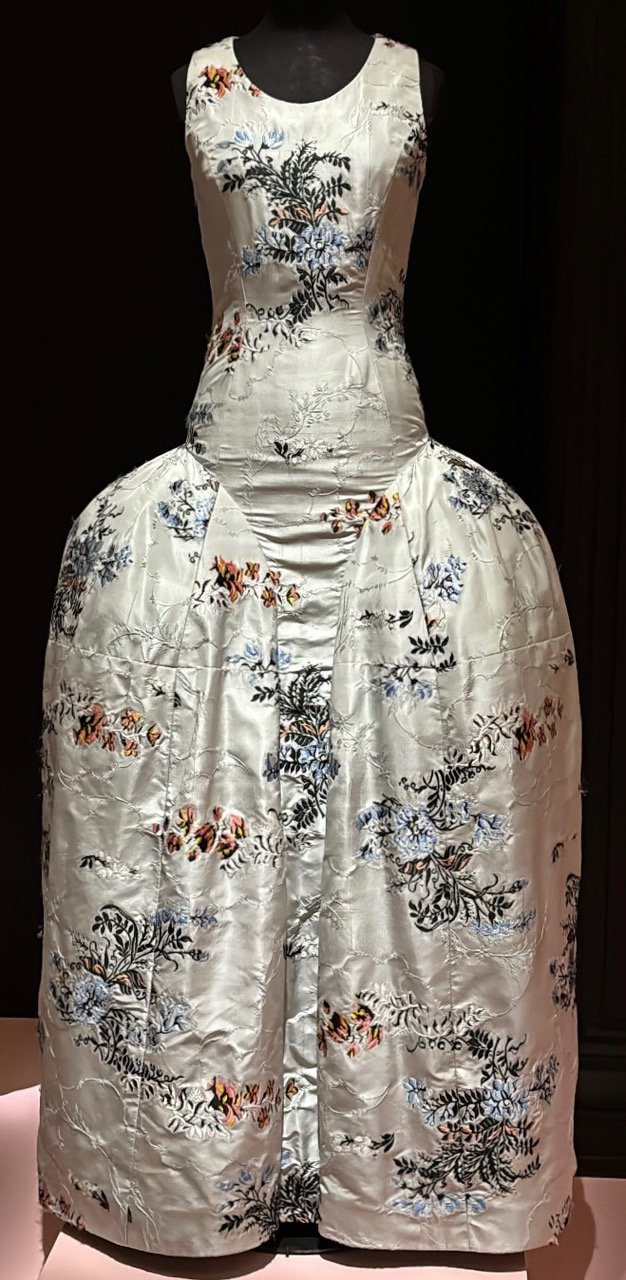
Figure 34, Raf Simmons for Dior, 2014
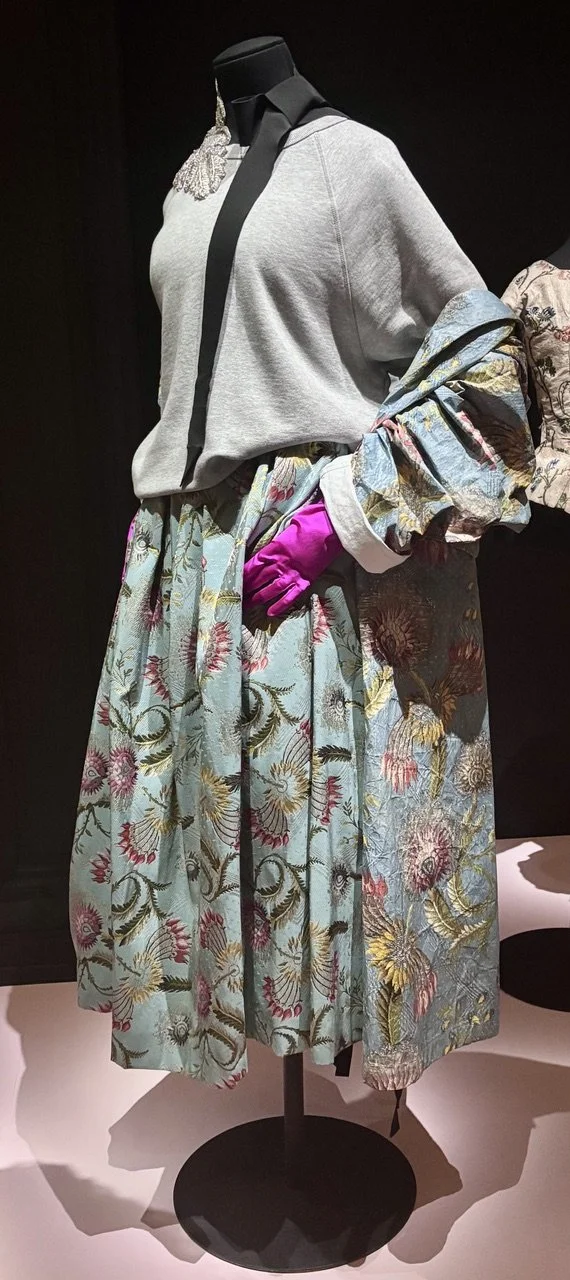
Figure 35. Dries van Noten in collaboration with Christian Lacroix, Ensemble raincoat, sweater, skirt, petticoat and pairs of gloves, pret-à-porter, 2020
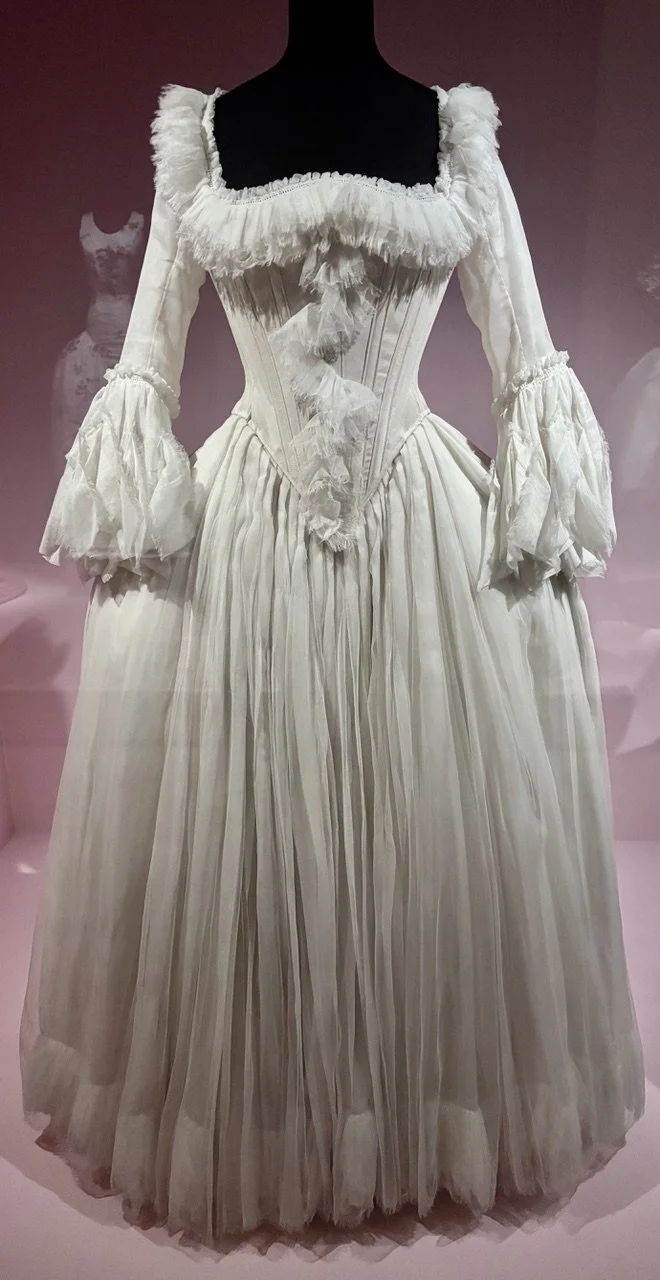
Figure 36. Maria Grazia Chiuri for Dior Ensemble dress and petticoat. 2021 for the television series
Marie-Antoinette (2022) broadcast on Canal plus
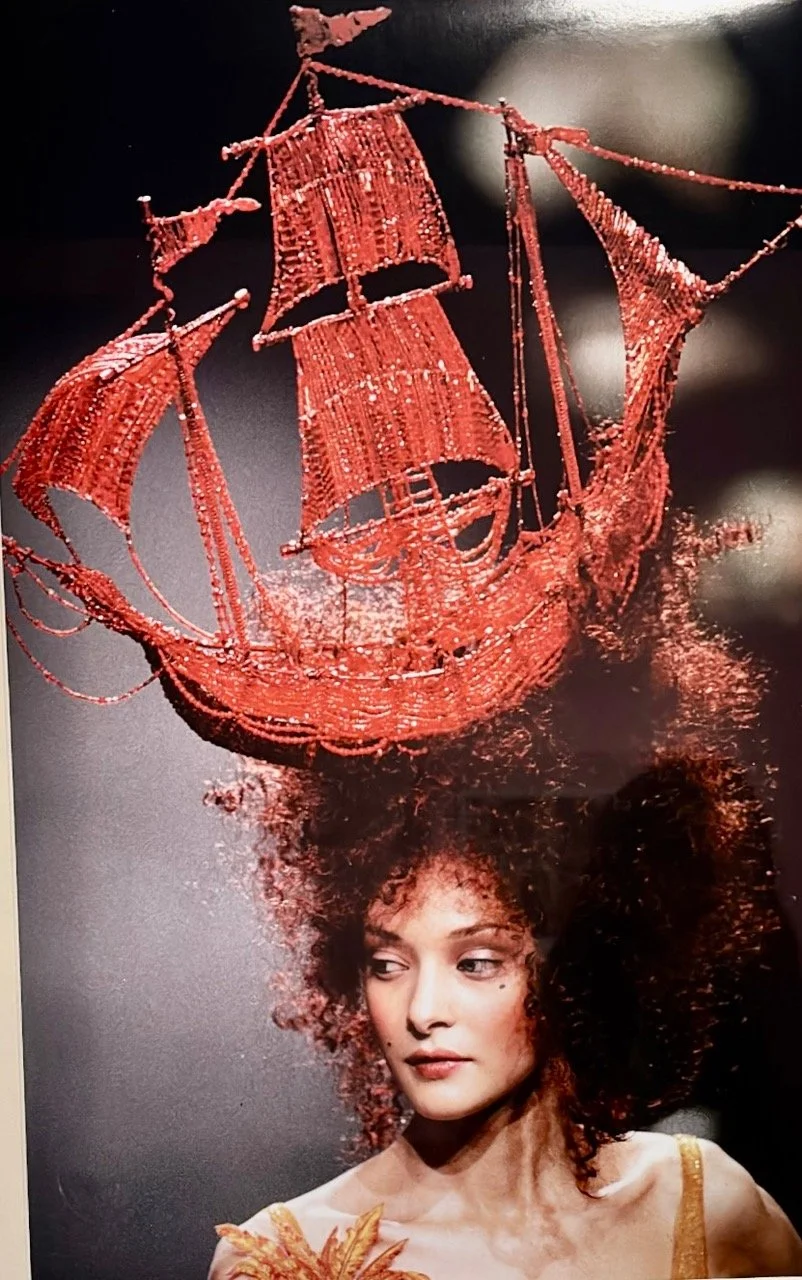
Figure 37. Coiffeur a la Poulle
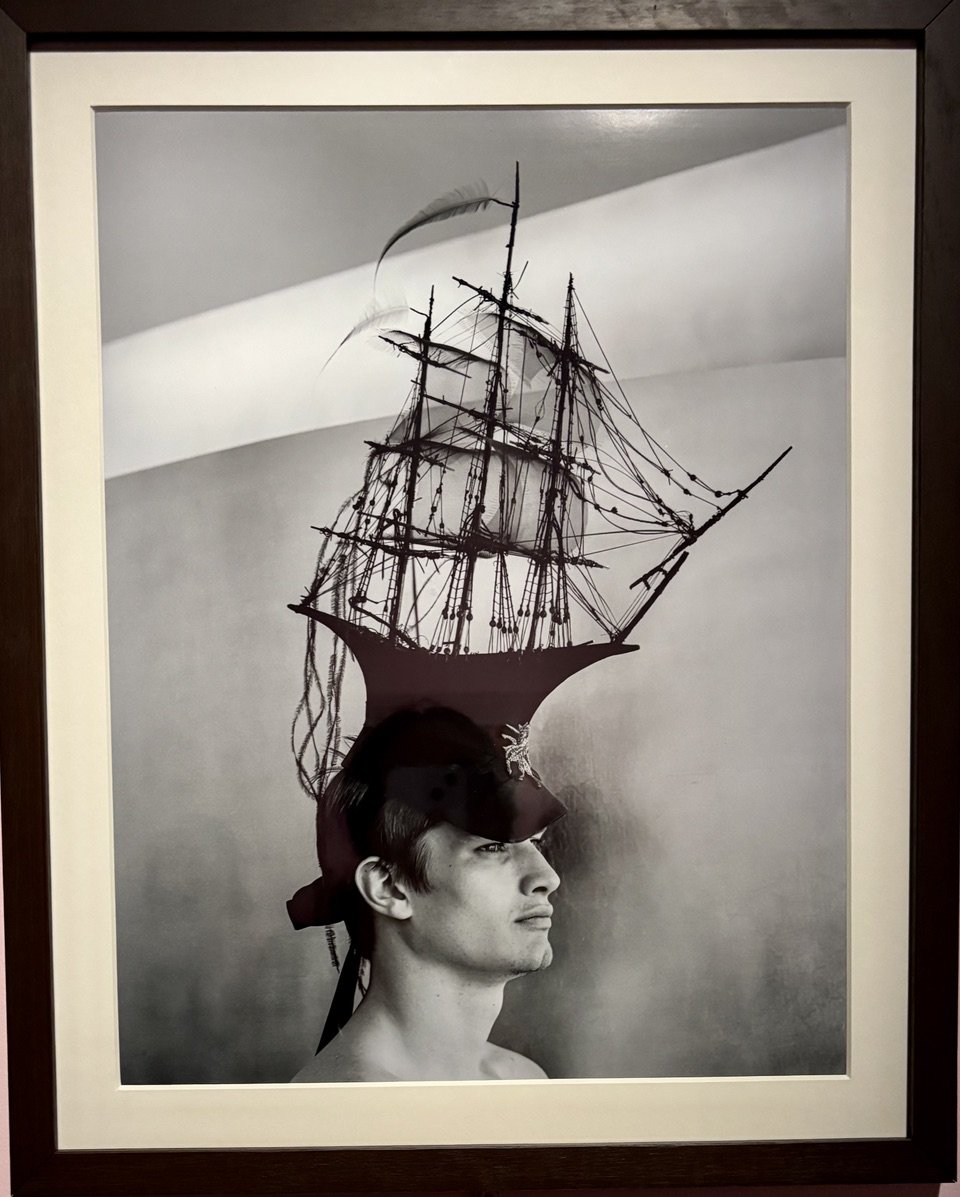
Figure 38. The Ship, Hat by Philip Treacy for Isabella Blow, (model - Jarl Allard) Photographer Bruce Weber
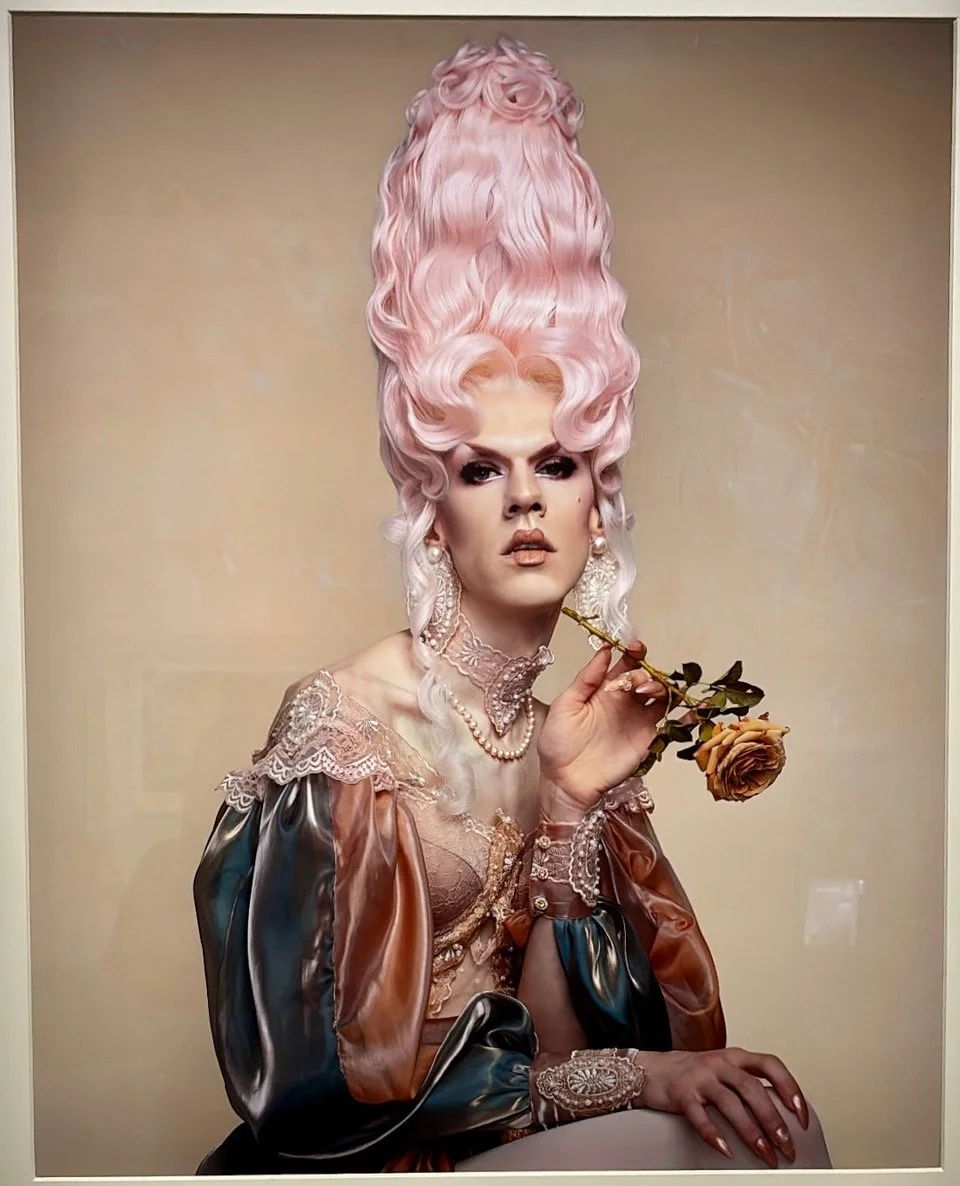
Figure 39. Portrait of Utica Queen (Ethan David Mundt) by Eric Richard Magnussen, 2021

Figure 40. Hidden Portrait, (Princesse Natalya Petrovna Galitzine by Alexander Roslin, 1777) by Volker Hermes, 2019
Thinking about designers reinventing the past reminded me of an exhibition I saw in San Francisco on Jean Paul Gautier. In his designs, he mined not only the past but the traditional attire and street clothes of contemporary groups as divergent as the homeless and the Hasidic. (Figs 41, 42). That exhibition raised a lot of eyebrows as I remember.
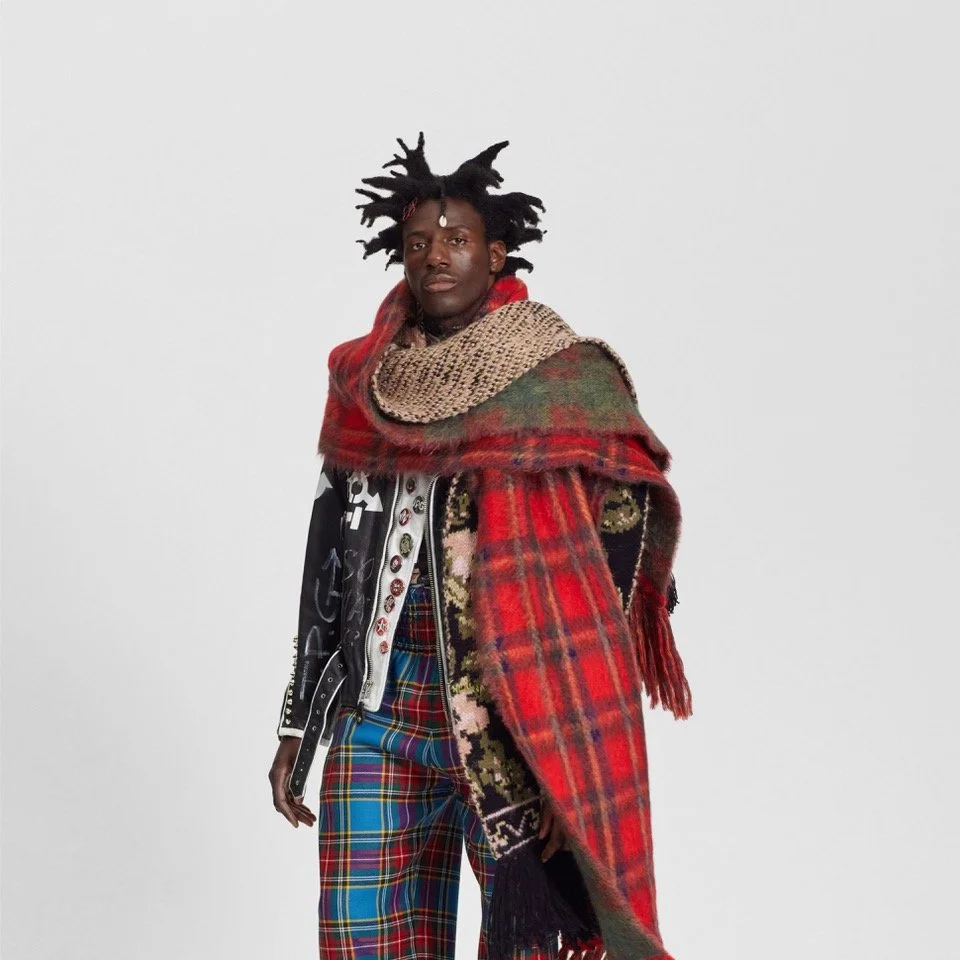
Figure 41. Punk fashion, Jean-Paul Gaultier
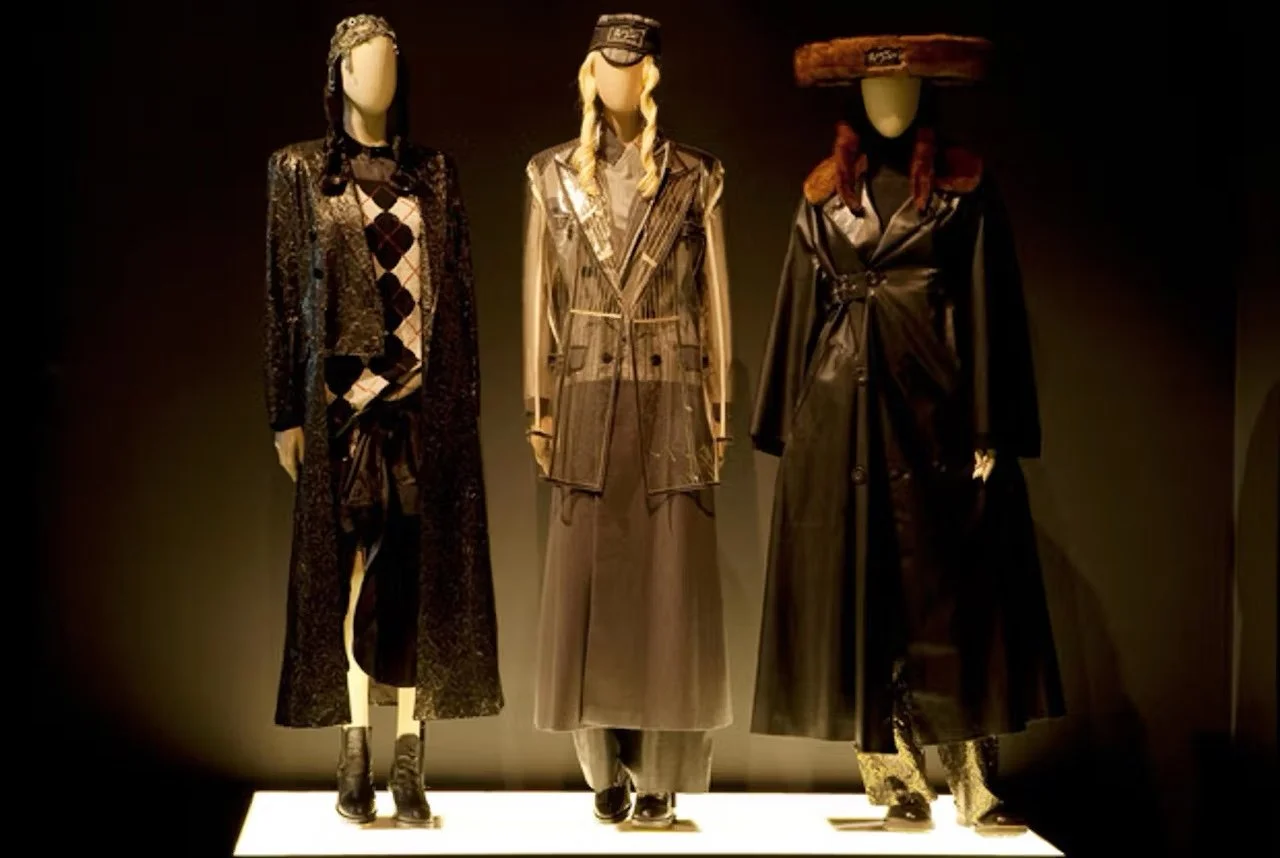
Figure 42. Hasidic fashion, Jean-Paul Gaultier
Finding inspiration in ones own cultural past has always been a legitimate direction for designers to take. But what about referencing, borrowing, appropriating ideas and styles from different cultures. Is that legitimate? The quick answer is if the cultures doing the borrowing were colonizers, it’s called appropriation. If those doing the borrowing were the colonized, it’s referencing. It’s like when a white person takes the role of a person of color in a film or a straight person plays a gay one on stage. But the reverse is fine, gay people playing straight ones and people of color assuming roles traditionally given to white actors. Most people applauded Lin Manuel Miranda’s color blind casting for the musical Hamilton. (Fig 43). In the present environment, there’s blow back to what so many people love about Miranda’s choices. Although even he was criticized for not casting enough Afro-Latin Americans in the film based on his first broadway play, ‘In the Heights.’ None of us, except our dear leader, is above criticism.
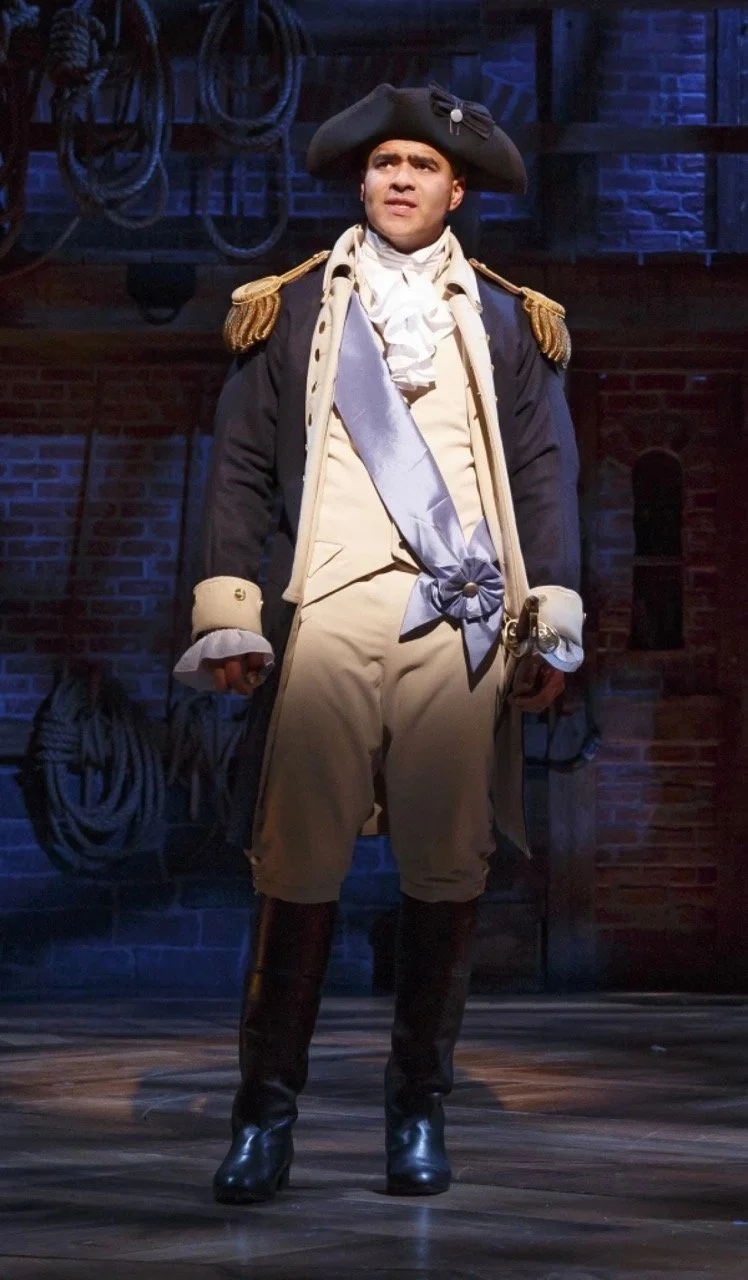
Figure 43. Christopher Jackson as George Washington, Hamilton by Lin Manuel Miranda
Thoughts about cultural referencing were on my mind when I visited the exhibition - Africa Fashion (Fig 44) at the Musée du Quai Branly, organized by the V & A. History and politics are very much on display here. Indeed, this exhibition refutes the contention that fashion is only secondarily a political statement. Here, the interconnectivity is confirmed over and over again. I expected to see African designers looking to the textiles and garments of their cultures’ pasts for their own garments. But I was surprised and then pleased to see western style outfits designed by African designers using traditional African textiles. (Figs 45-47) There’s so much to learn here - about the politics and economics and artistry and exuberance of African fashion. If you are in Paris, do try to see this exhibition at the Musée du Quai Branly. The Jean Nouvel designed museum is so impressive and the gardens are a delightful oasis in a busy city. Gros bisous, Dr. B
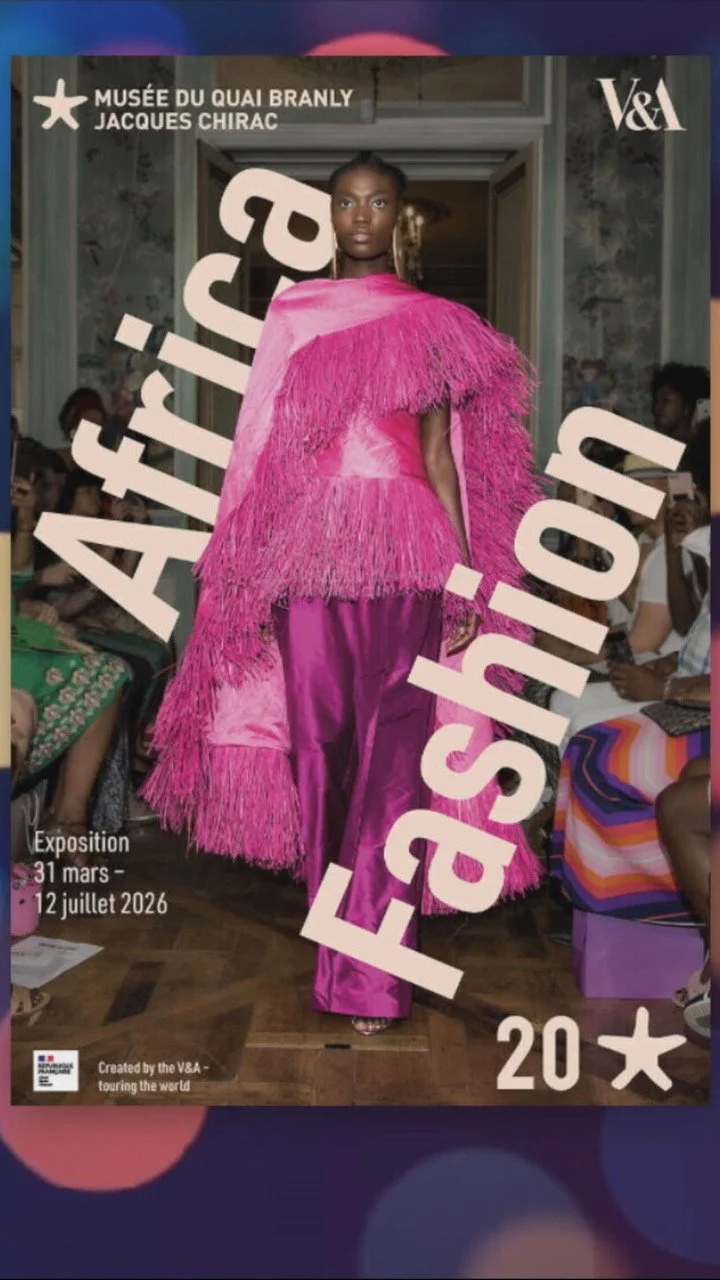
Figure 44. Poster for Africa Fashion, Musée du Quai Branly
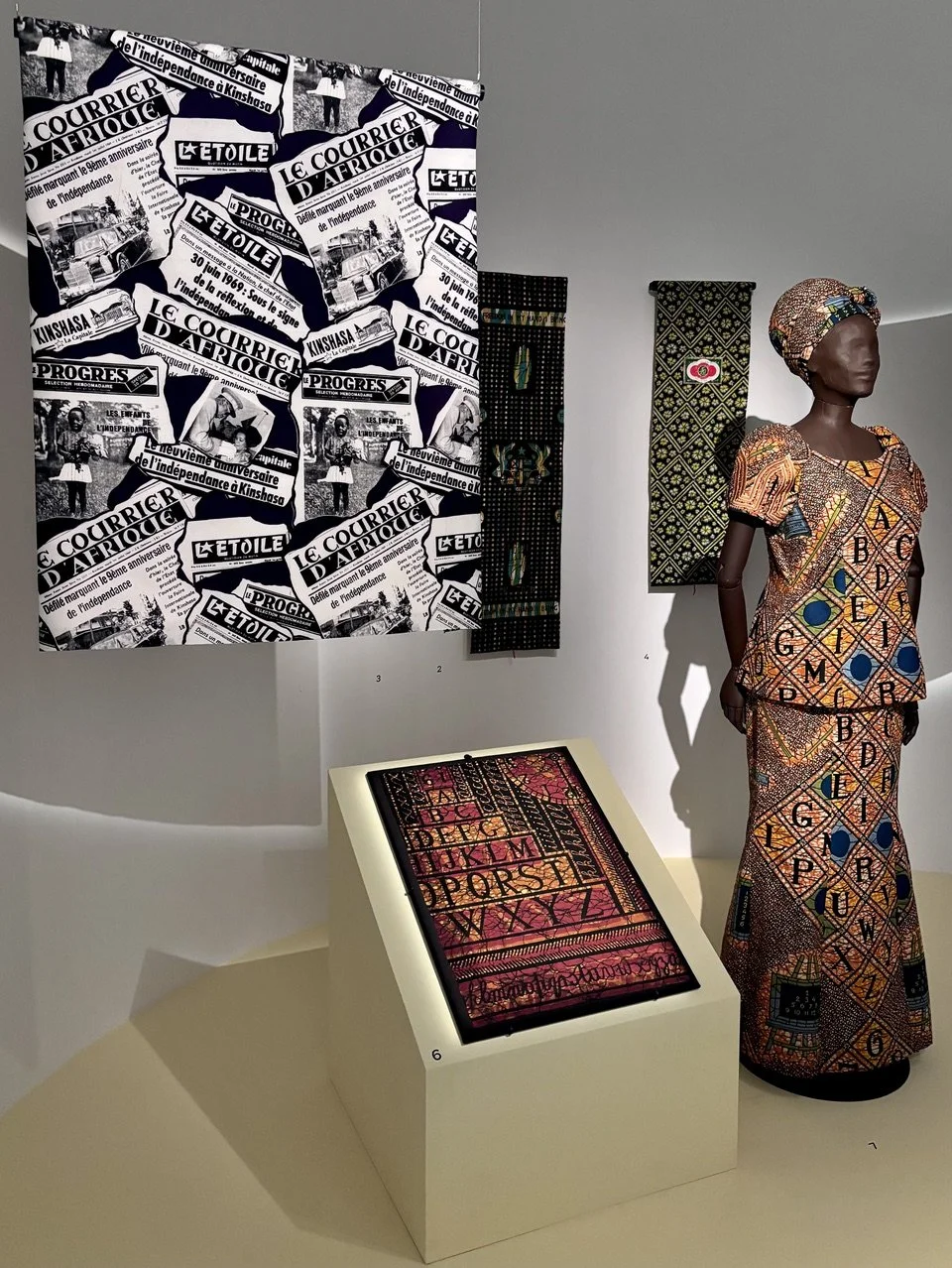
Figure 45. Ensemble ABC kaba, Vlisco (producteur) 1990, Helmond, Pays-Bas (fabrication), Ghana (vente) Coton imprimé
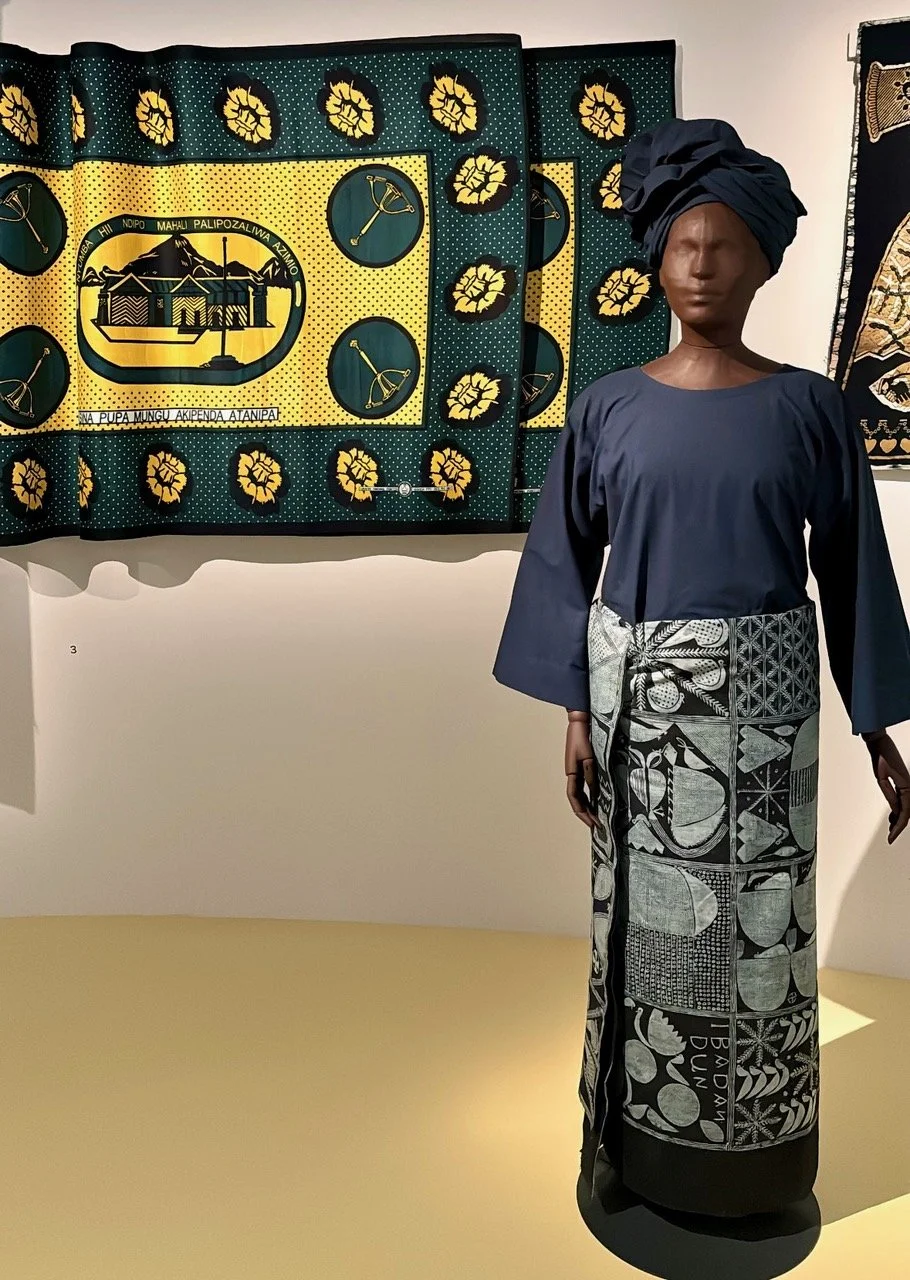
Figure 46. Ensemble enveloppé àdire eléko (amidon) 1960-1964, Ibadan, Nigéria Coton teinté en réserve d'indigo, Ibadan, Nigéria
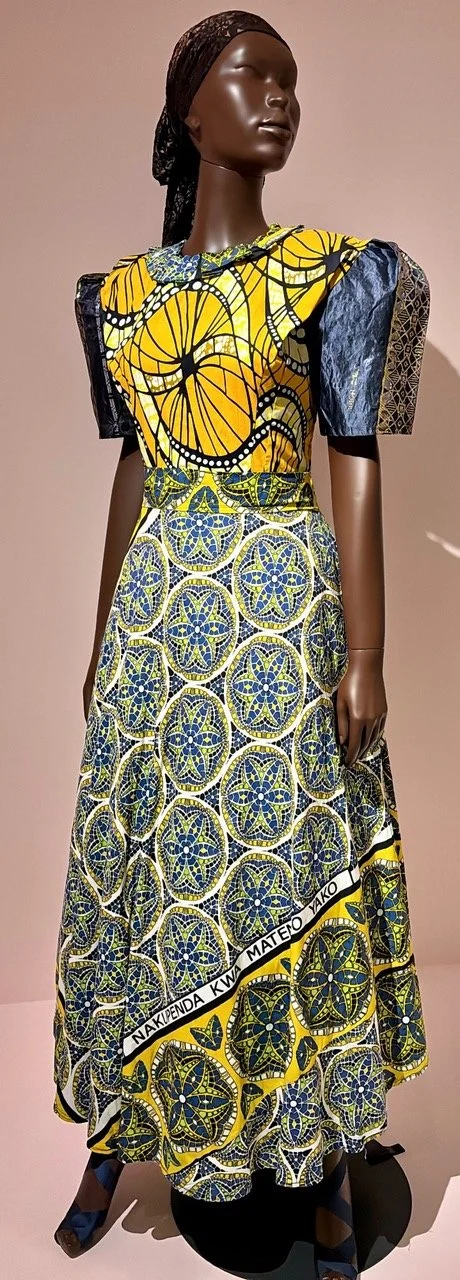
Figure 47. Carol Achieng, designer; Joice Makokha Simiyu, seamstress. Coton imprimé kanga (jupe), coton imprimé kitenge (corsage), lurex (robe), velours dévoré (bandeau)