Proust for a Day (or two - up to you):
Proust & Women, Hotel Litteraire de Swann
“Real life…the only life … lived to the full, is literature.…” Marcel Proust
Bienvenue and welcome back to Musée Musings, your idiosyncratic guide to Paris and art. I mentioned that a few Fridays ago I saw an exhibition at the Villa du Temps Trouvé in Cabourg. The subject (the early days of the Orient Express) is interesting, the bus ride was comfortable but ‘la cerise sur le gâteau’ for me was the pleasant chat I had with the woman sitting across from me on the bus. She had, I later realized, given the wonderful lecture on ‘Proust and Food’ a couple years ago, to an overflowing audience, of which I was a member, at the Mairie in the 11th arrondissement.
I mentioned that I was looking forward to seeing the exhibition on Mme de Sévigné at the Musée Carnavalet. Her invitation to the opening, for the following Monday, was for two. She invited me to be her guest! Mme de Sévigné has long been an historical personages about whom I have wanted to know more. Especially since I have been increasingly unable to separate my lived life from Proust’s, I mean from his narrator’s life. His grandmother’s copy of Mme de Sévigné’s letters was always near “‘Now, now, sit still and rest,’” said my grandmother. ‘If you can't manage to sleep, read something,’ And she handed me a volume of Mme de Sévigné” (In Search of Lost Time) (Fig 1)
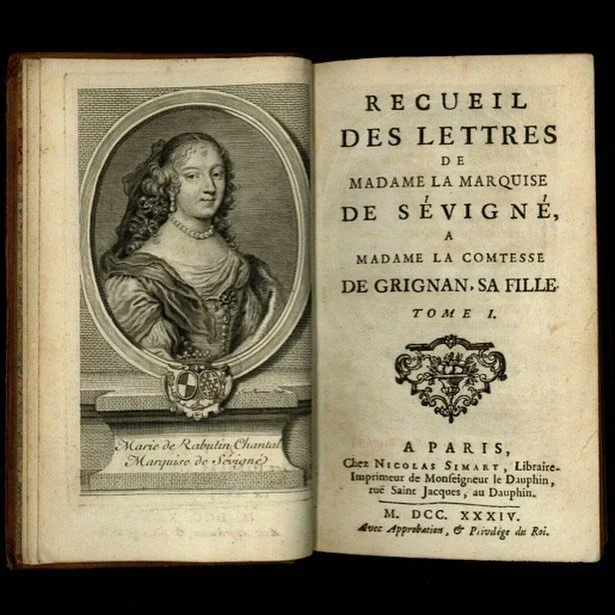
Figure 1. Letters from Mme de Sévigné to her daughter
Mme de Sévigné is known mostly because of the letters she wrote, mostly from Paris, mostly to her daughter who lived in the south of France. I’ve seen the exhibition twice now and now I want to know more about the Fronde - who was on which side and what happened to the losers? How did Anne of Austria maintain power for herself and her son, Louis XIV, during his minority? How did Mme de Sévigné and other women (like Louis XIV’s mother) remain powerful when strong women were executed as witches in Europe and New England. What did Mme de Sévigné write to Nicolas Fouquet (whose lavish party at his chateau nearly got him executed). What do her letters tell us about daily life in Paris? Of course my focus will be on the visual evidence for all of it! (Fig 2)
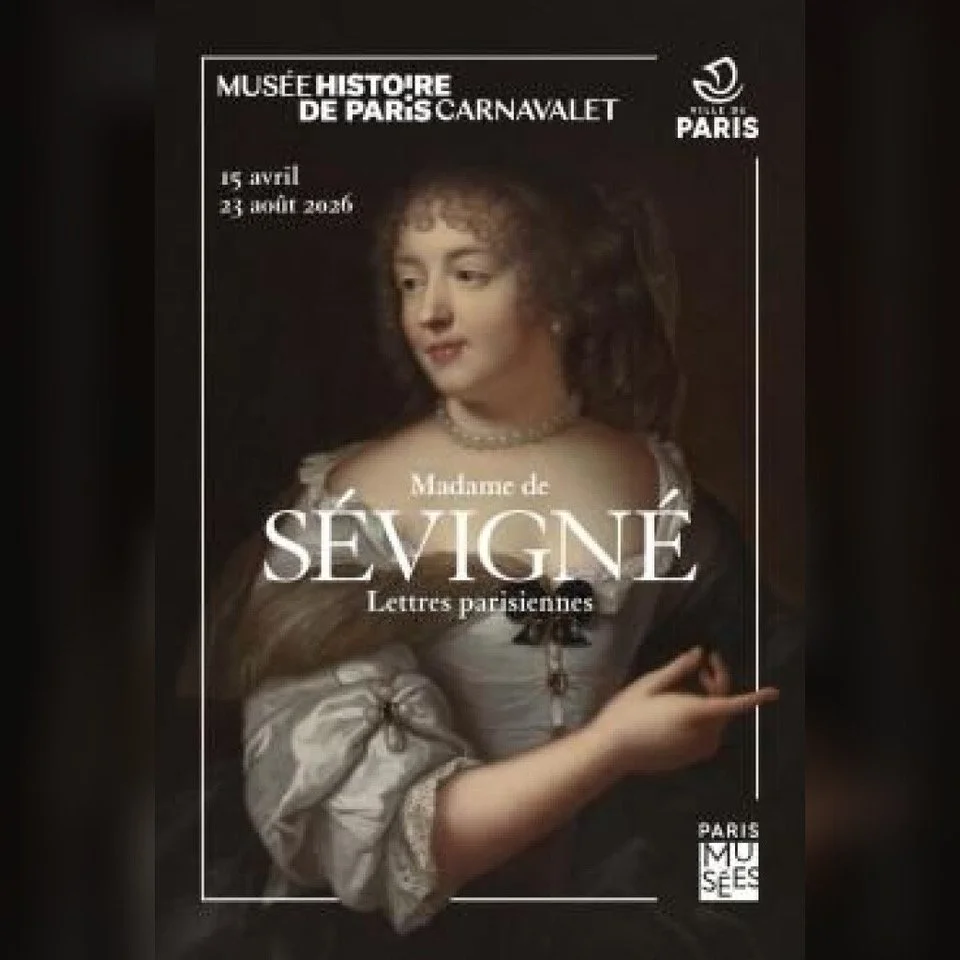
Figure 2. Madame de Sévigné, Lettres parisiennes
When we were at the exhibition, my companion, Laure Hellerin introduced me to a friend of hers, Jacques Letertre. He’s a bibliophile who nurtures his passion for books and manuscripts at his seven Hotels Literraires. Each of which celebrates the life and work of a writer: George Sand in Bordeaux, Gustave Flaubert in Rouen, Alexandre Viallatte in Clermont-Ferrand and Stendhal in Nancy. There are three Hotels Literraires in Paris, one dedicated to Proust, another to Arthur Rimbaud and a third to Marcel Aymé.
Monsieur Letertre invited us to see a new exhibition on view at the Hotel Litteraire Le Swann (Charles Swann is a central figure in In Search of Lost Time). I was delighted, especially when I learned the exhibition’s title, ‘Proust and Women.’
When we arrived, we sat in a nook, in the lobby, sipping tea and dipping madeleines; chatting about manuscripts and collections and Fortuny; Proust’s niece and Villa Kerylos and Charles Worth. Finally it was time to see the exhibition. There were four vitrines (display cases), filled with hand written letters, typed letters and photographs, each on a different theme.
In the first vitrine, "Marcel and His Intimates” we learn about the two most important people in Marcel Proust’s life, his mother, Jeanne Proust and his ‘gouvernante’ Céleste Albaret. Proust’s mother,Jeanne Proust was born into a wealthy Jewish family. She, like her own mother, was well read and educated at a time when women were trained to be wives and mothers. She was known for ‘peppering’ her letters with quotations from Molière, La Fontaine, Racine and Madame de Sévigné - just as Proust was later to do in his novel. According to Caroline Szylowicz, librarian of the Kolb-Proust Archive at the University of Illinois, (which holds the largest collection of Proust autograph letters in the world), Jeanne Proust was the inspiration for the narrator’s mother and grandmother in In Search of Lost Time.
Among the documents on display here is “the original edition of Jeanne’s notebook, "Souvenirs de Lecture” (Reading Memories) in which Proust's mother “recorded reflections, maxims and witty remarks worthy of enriching her memory or conversation.” There’s also a letter Proust wrote when he was 14 - to his grandfather. Traces of Jeanne Proust’s pencil annotations are still visible. According to Szylowicz, the grief Proust felt when Jeanne Proust died became the grief his narrator felt when his grandmother died, and after that, when Albertine died.
Also in this vitrine are documents pertaining to the most important person in Proust’s life after his mother, Celeste Albaret. Referred to as his ‘gouvernante’ or ‘housekeeper,’ she was so much more than that. As I was reading about Albaret, I happened upon an interview that Laure Hillerin gave when her book, ‘In Search of Celeste Albaret,’ was published in 2021. Here is some of what she said. Before she told anyone that she was going to write a biography of Albaret, she was at a meeting which Jacques Letertre also attended. At one point, he mentioned to her that he had a ‘few things’ on Céleste. When she went to his hotel to investigate, she was handed two boxes of documents in which she discovered most of the correspondence that Céleste received between the time of Proust's death and her own (1984). (“L)ike pieces of a puzzle, the complete picture of Céleste's life after Proust emerged.” (Figs 3, 4, 5))
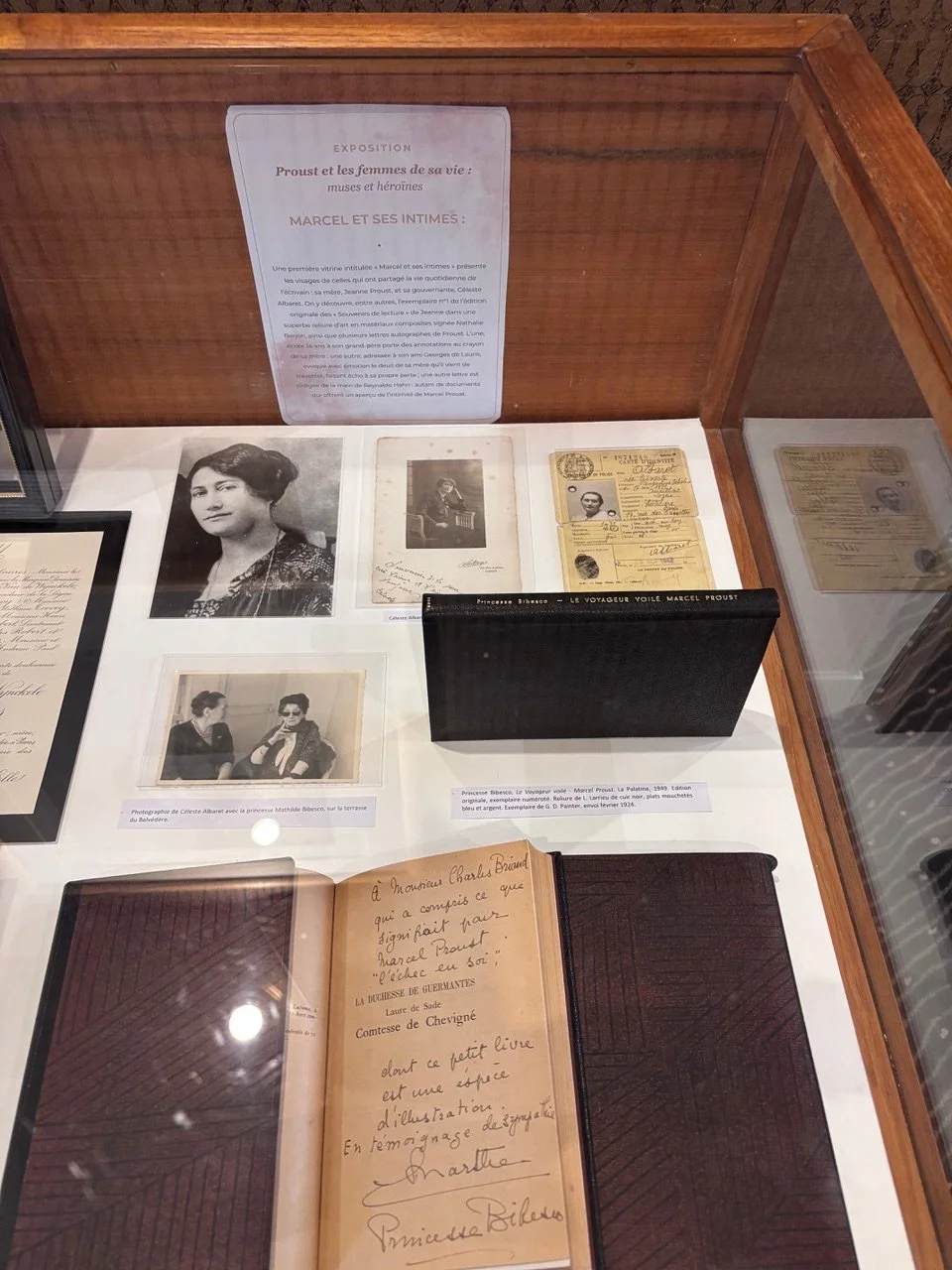
Figure 3. Vitrine 1. Marcel and his intimates
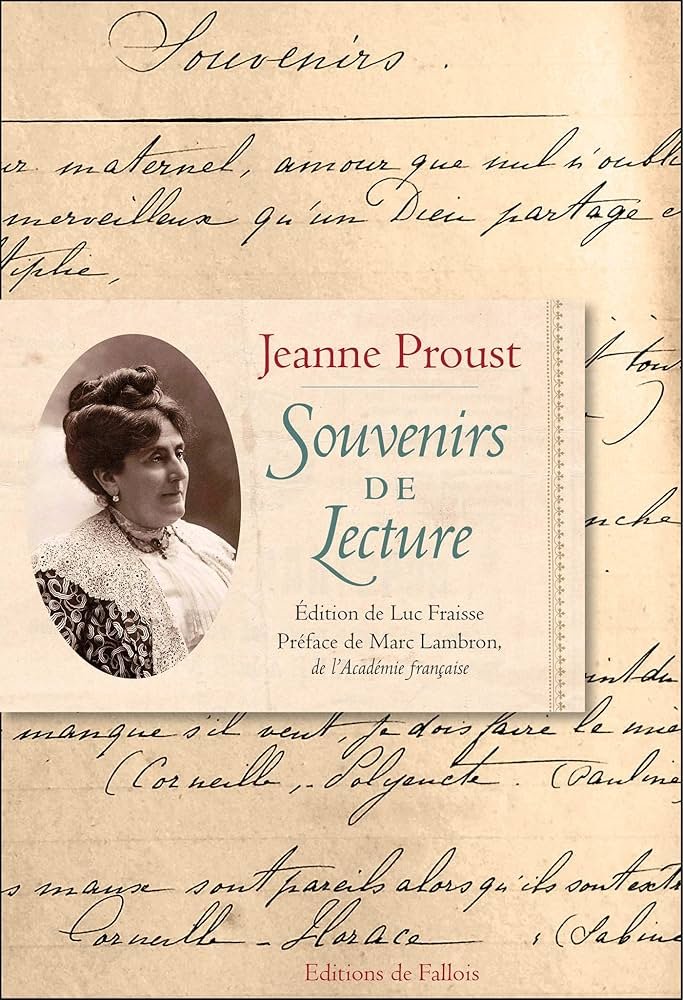
Figure 4. Jeanne Proust’s Souvenirs de Lecture
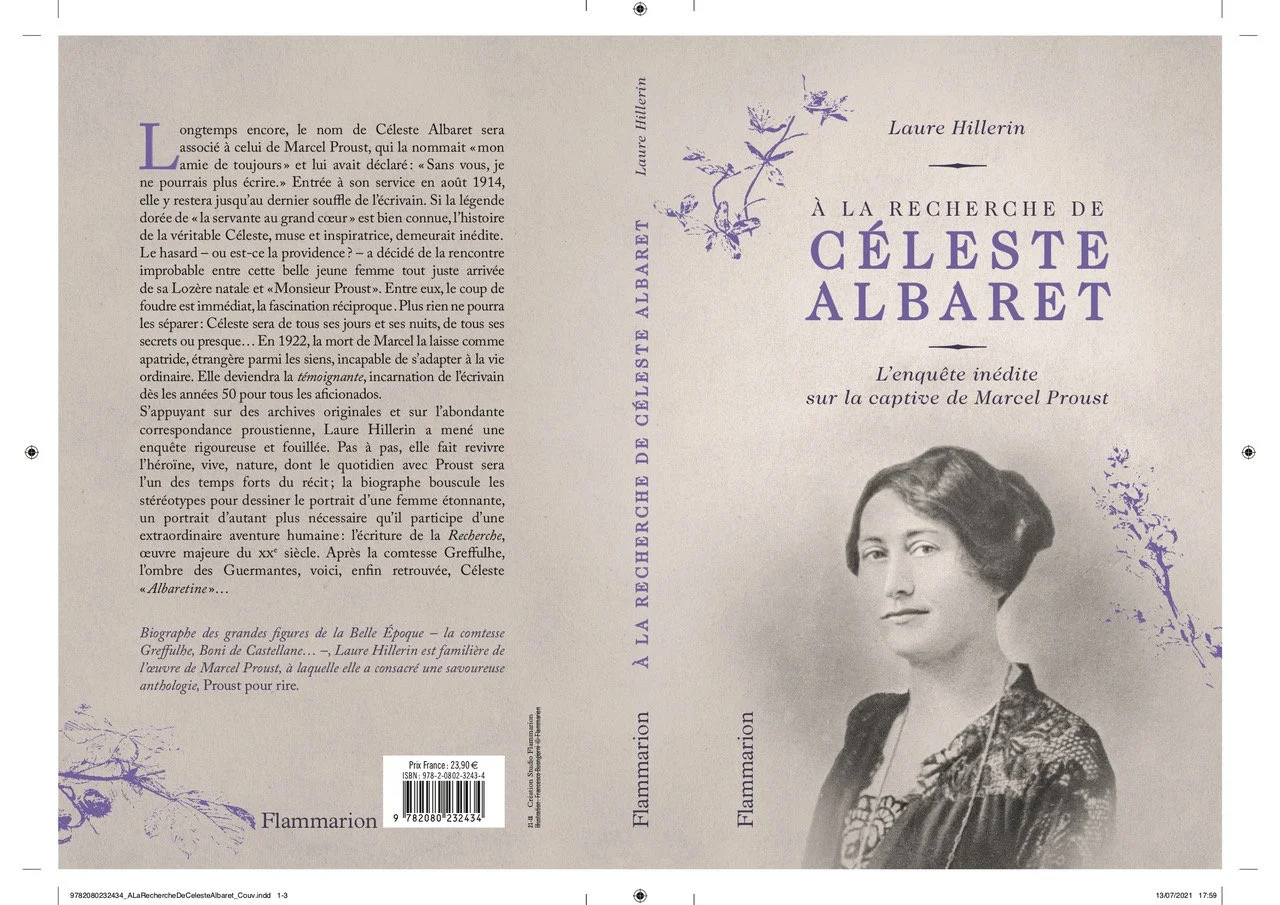
Figure 5. A La Recherche de Celeste Albaret, Laure Hillerin
Céleste Albaret is at the hotel whether she figures in an exhibition or not. She holds vigil at the coffee maker. Céleste recounted Proust’s coffee ritual in her memoirs. The coffee had to come from Corcellet. To insure its freshness, Céleste had to buy it directly from the shop on rue de Lévis where it was roasted. The filter was Corcellet, too. The filter had to be packed with very finely ground, very tightly packed coffee so that the water (enough for two cups only) passed through the filter slowly. Keeping the cup warm in a bain-marie, Céleste brought Proust his coffee in a little silver coffee pot on a little silver tray, also from Corcellet. (Fig 6)
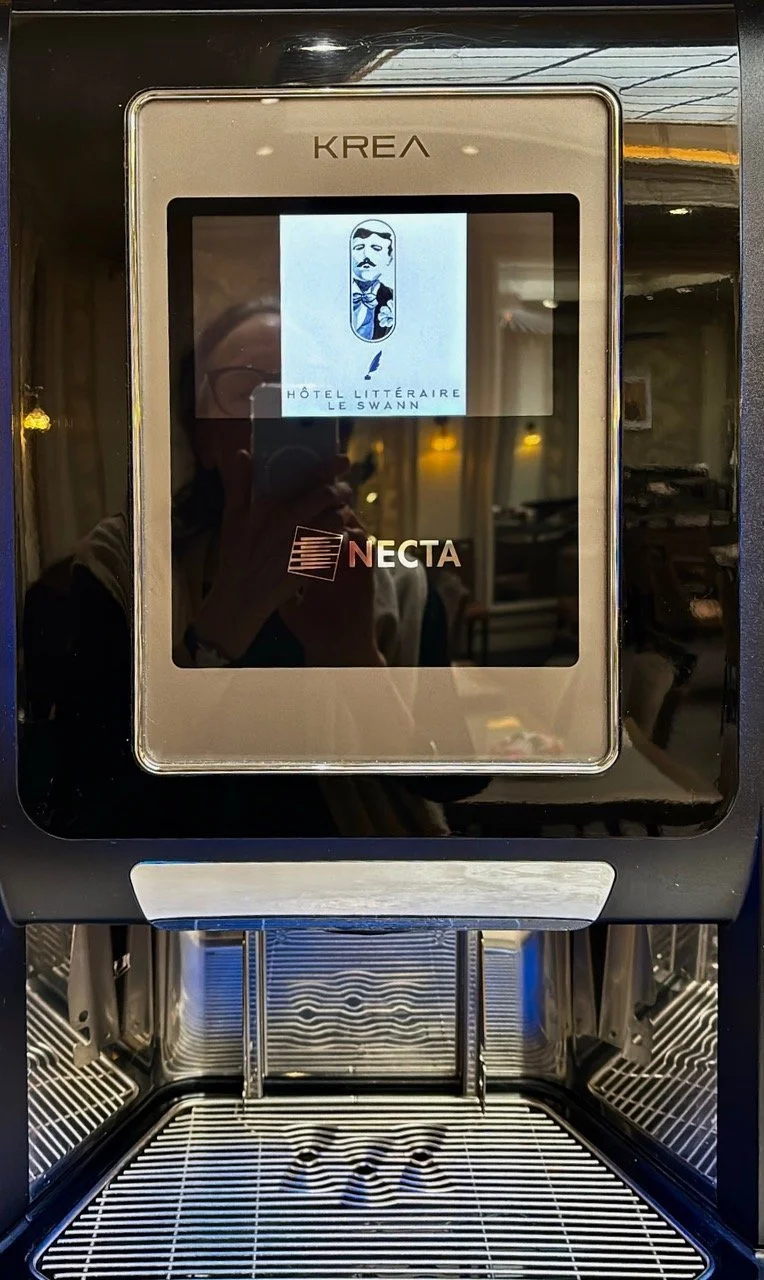
Figure 6. Proust café at Hôtel Littéraire Le Swann
The second vitrine, ‘Proust and the Models of ‘In Search of Lost Time,’ celebrates a few of the ‘real’ women who served as models for the women Proust created to populate his masterpiece: Laure Hayman, Madeleine Lemaire, Geneviève Straus, Elisabeth Countess Greffuhle and Sarah Bernhardt (Fig 7).
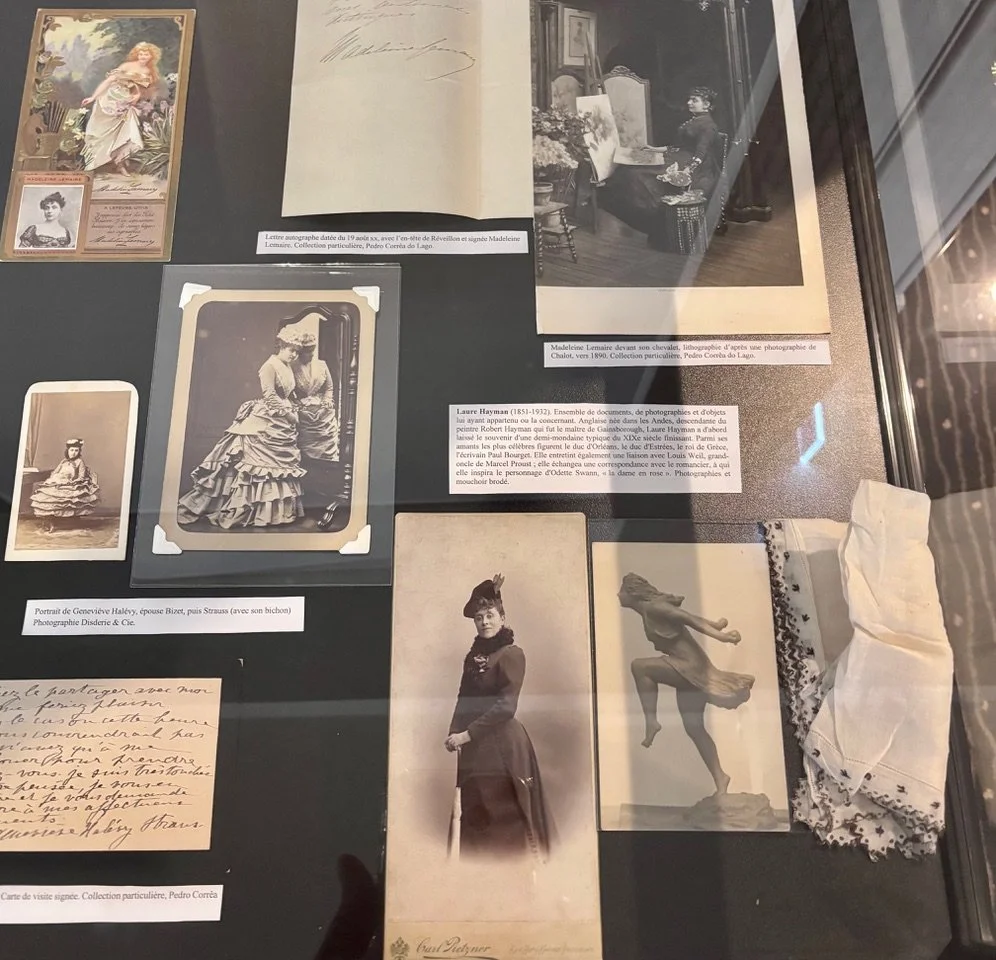
Figure 7. Vitrine 2 Proust and the Models of ‘In Search of Lost Time’
Laure Hayman was the demimondaine who Proust transformed into Odette de Crecy, the courtesan who the narrator first meets at his uncle Adolphe’s apartment in Paris. Who he remembers as the charming "lady in pink.” The next time we meet her, she is the obsession of Charles Swann. Who marries her when she becomes pregnant. How does he know it was his child? I don’t know. Their daughter Gilberte becomes the narrator’s first obsession. (Fig 8)
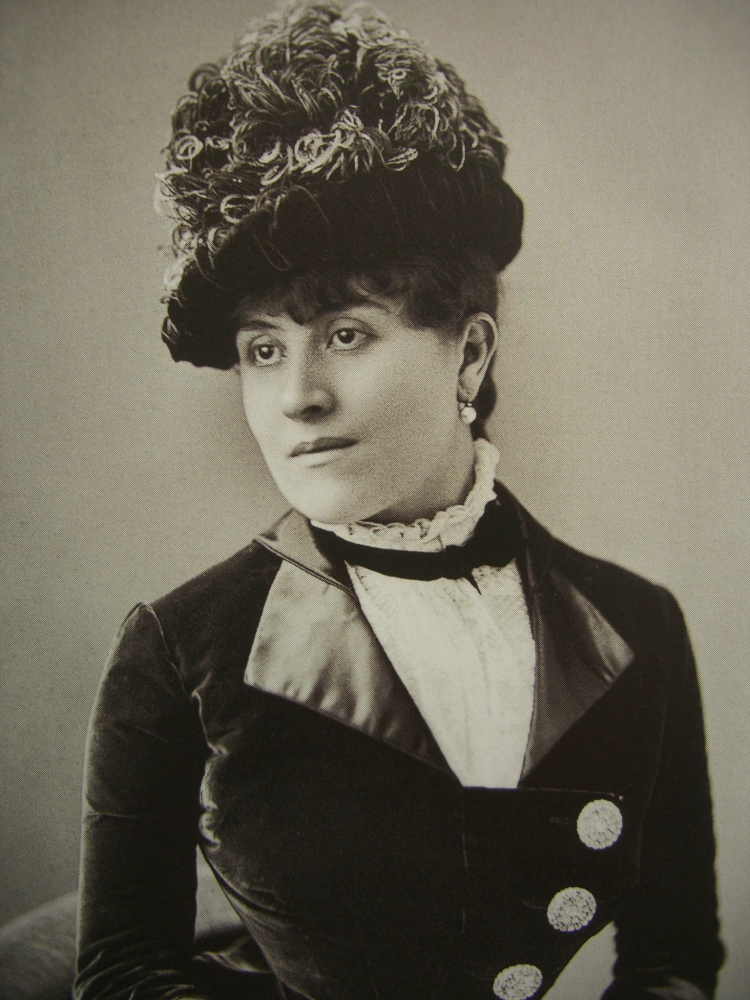
Figure 8. Laure Hayman
Before Odette de Crecy married Swann and held her own salon, she was a regular guest at Madame Verdurin's salon. Mme Verdurin is a composite of two women Proust knew, Madeleine Lemaire and Geneviève Straus. Lemaine was a well respected flower painter, who welcomed Parisian high society to her salon on Tuesdays. Geneviève Straus was the daughter of composer Jacques Halévey, wife of composer Georges Bizet, and after his death, wife of the wealthy lawyer, Émile Straus. She welcomed guests every Sunday to her salon. Her guest list, like Lemaire’s, mixed Parisian high society and people from the world of arts and letters. I had always wondered how people decided which salon to attend. Now I get it, they were on different days. Duh! (Figs 9, 10)
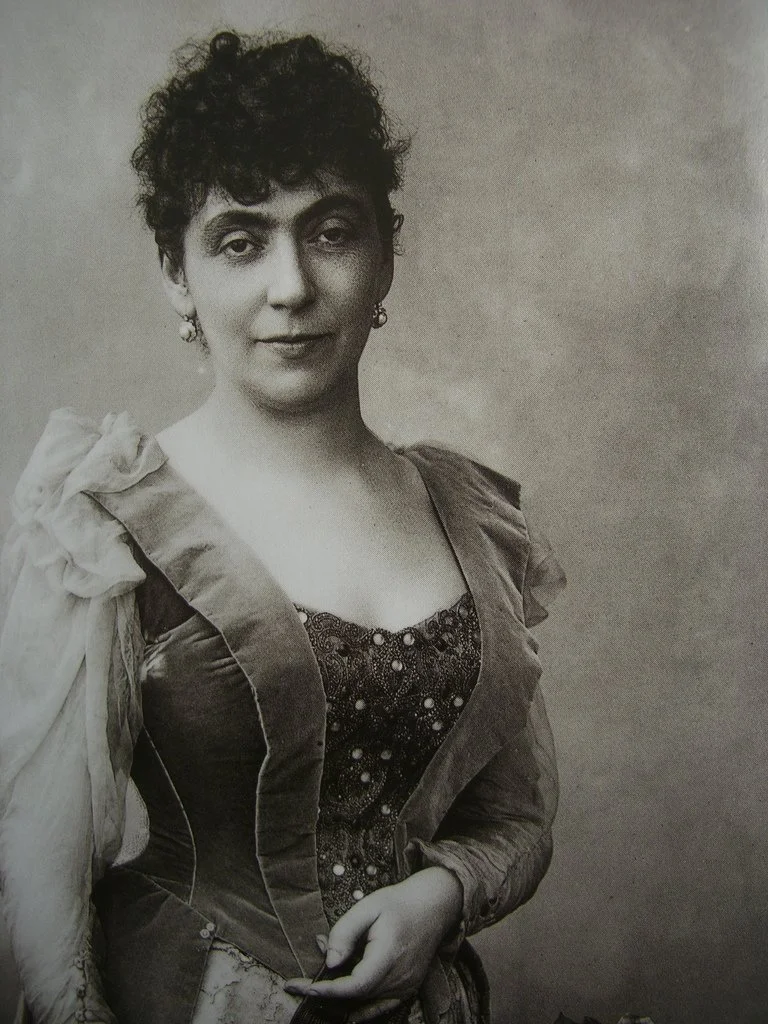
Figure 9. Madeleine Lemaire, photo by Felix Nadar
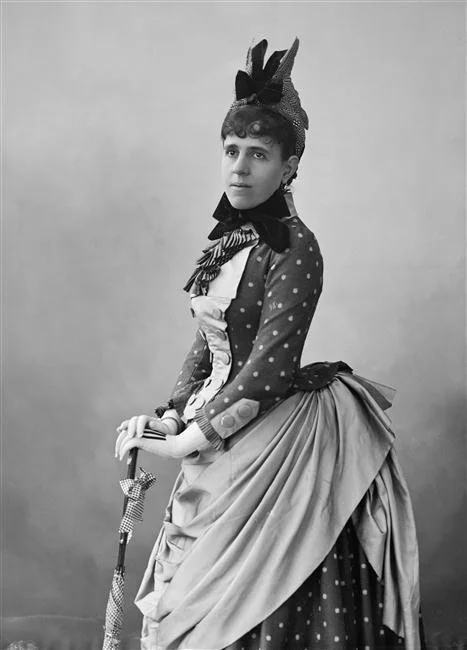
Figure 10. Geneviève Halévey Straus
In Proust’s multi-volumed masterpiece, it is Oriane, Duchesse de Guermantes who plays a central role. Her maiden name and married name are the same because she married a cousin on her father’s side. At her husband’s father’s death, he became Duke and she became Duchess of Guermantes. Proust describes her as tall and blonde with blue eyes; with a quick wit and a strong personality. Her husband is described as a serial womanizer. The narrator of In Search of Lost Time comes into contact with them when his family moves into an apartment that is part of their townhouse. The narrator becomes obsessed with her and eventually begins to attend her salon.
The model for Oriane de Guermantes was primarily Elisabeth, Countess Greffulhe. Here is a few of the things for which she is remembered. She organized a benefit concert during the 1889 Paris World’s Fair featuring Handel’s Messiah at which Gabriel Fauré played the organ. She promoted the careers of James Whistler, Auguste Rodin and Gustave Moreau. She was a patron of Sergei Diaghilev’s Ballets Russes. She helped Marie Curie finance the creation of the Radium Institute. The above is taken from Wikipedia which relies upon, you guessed it, Laure Hillerin’s biography of Greffulhe. (Countess Greffulhe The Shadow of the Guermantes) According to Hillerin, the Countess was one of Proust’s inspirations for the Duchess of Guermantes and her womanizing husband was the almost unique inspiration for the Duke of Guermantes. (Figs 11, 12)
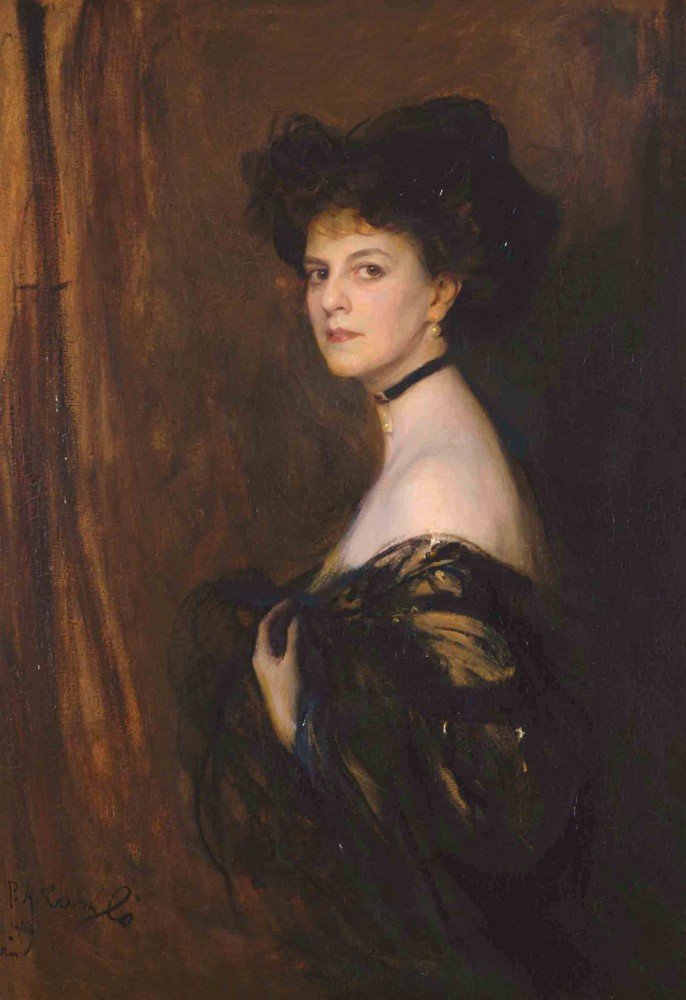
Figure 11. Elisabeth, Countess Greffulhe, Philip Alexius László, 1905
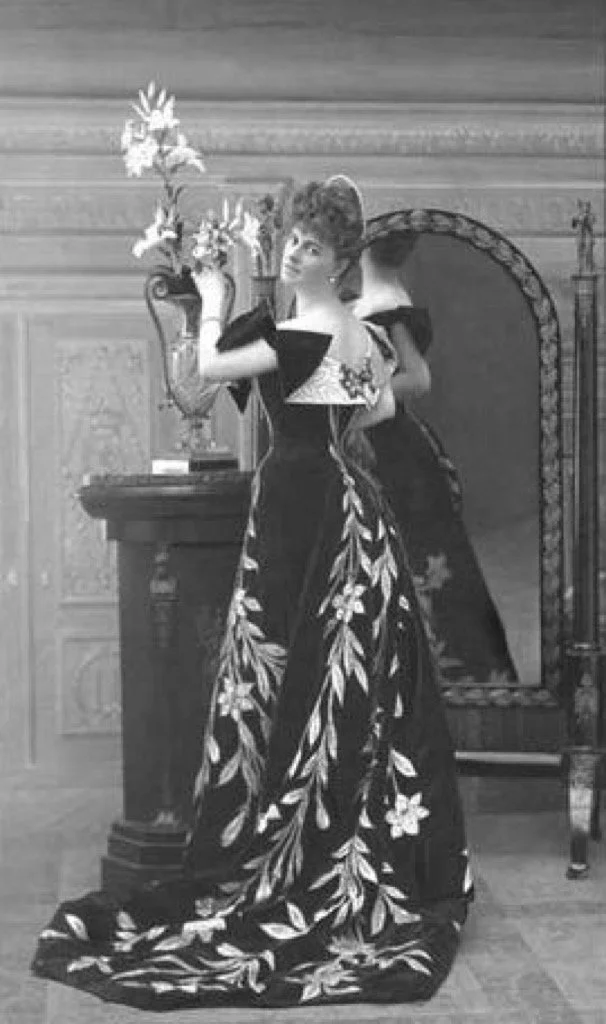
Figure 12. Elisabeth, Countess Greffulhe, in a gown by Worth, photo by Felix Nadar
Reading about the real women upon whom Proust based his fictional figures, I naturally thought about Truman Capote. Have you read the book about Capote and the Swans, or seen the series based on the book? Capote was great friends with a group of high society women who called themselves the Swans. He decided to write a “thinly veiled fictionalized account of their scandalous and hedonistic lives.” It only took the publication of one chapter in Esquire Magazine, to bring about Capote’s fall from grace. The women weren’t as dumb as Capote thought they were. They recognized themselves in the article and “several vowed to ruin his life in revenge.” Capote never published the book but life as he knew it and loved it was over. (Fig 13)
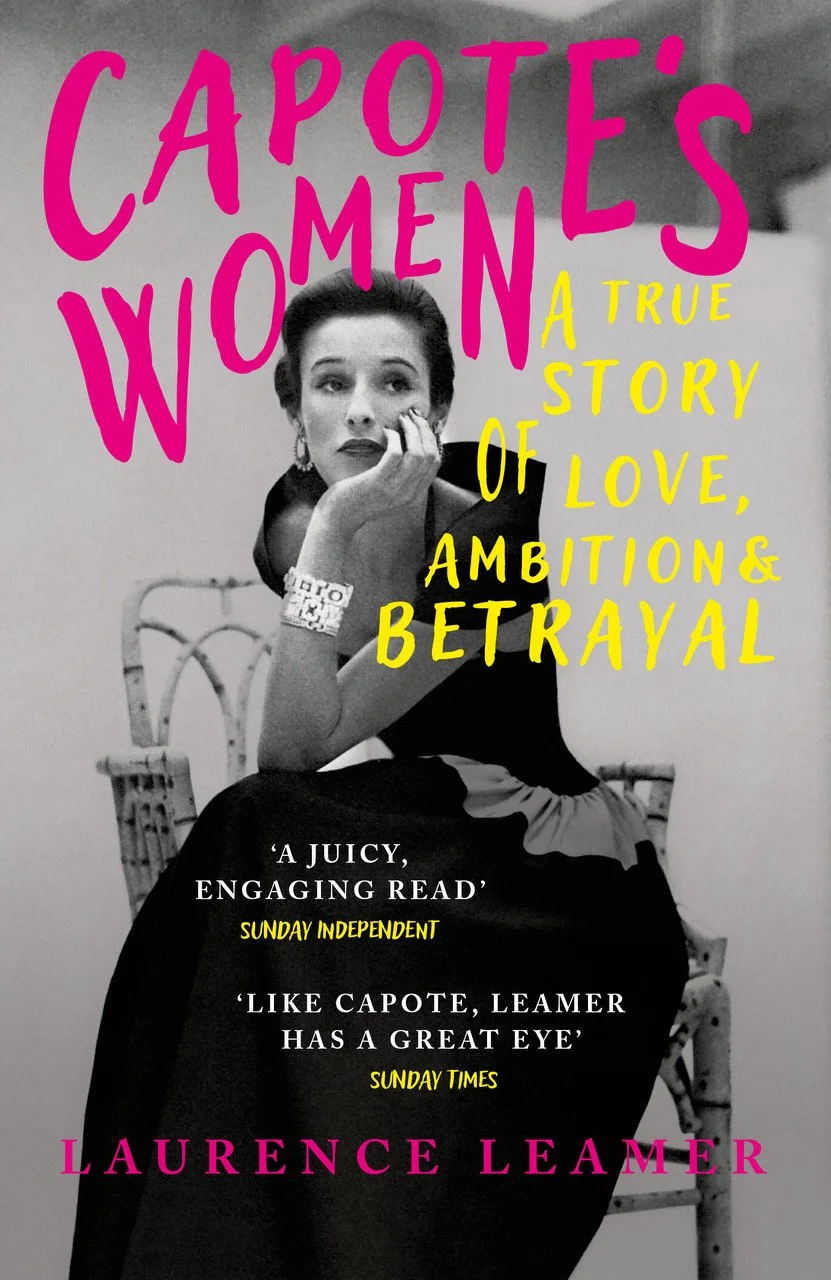
Figure 13. Capote’s Women, Laurence Leamer
The next vitrine, (Figs 14, 15) “Proust and Women of Letters," contains a first edition of In Search of Lost Time, with an inscription from Proust to Colette. Colette said, among other things, that Proust may have understood gay men but that he was completely clueless about lesbians.
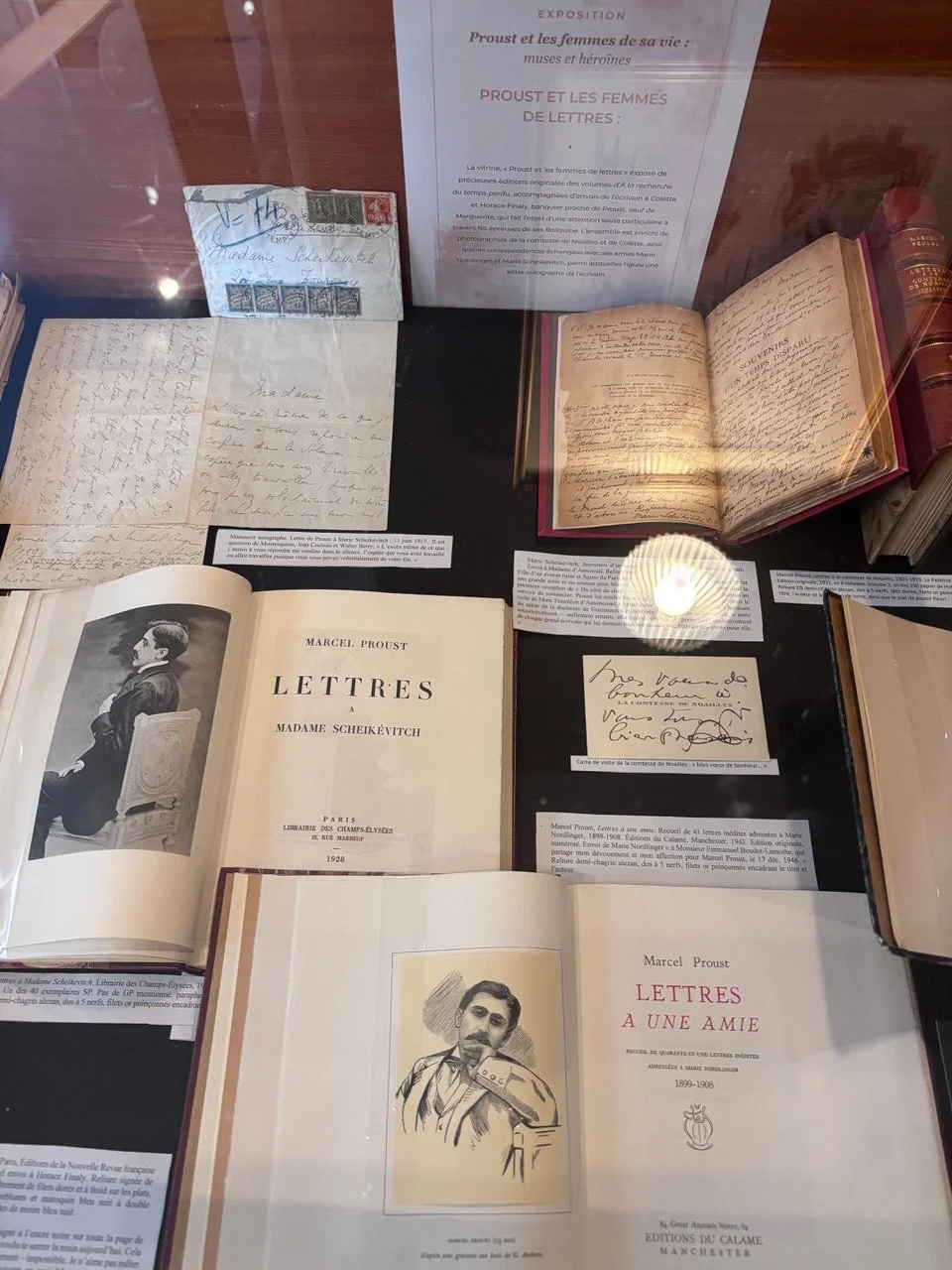
Figure 14. Proust and Women of Letters (left side)
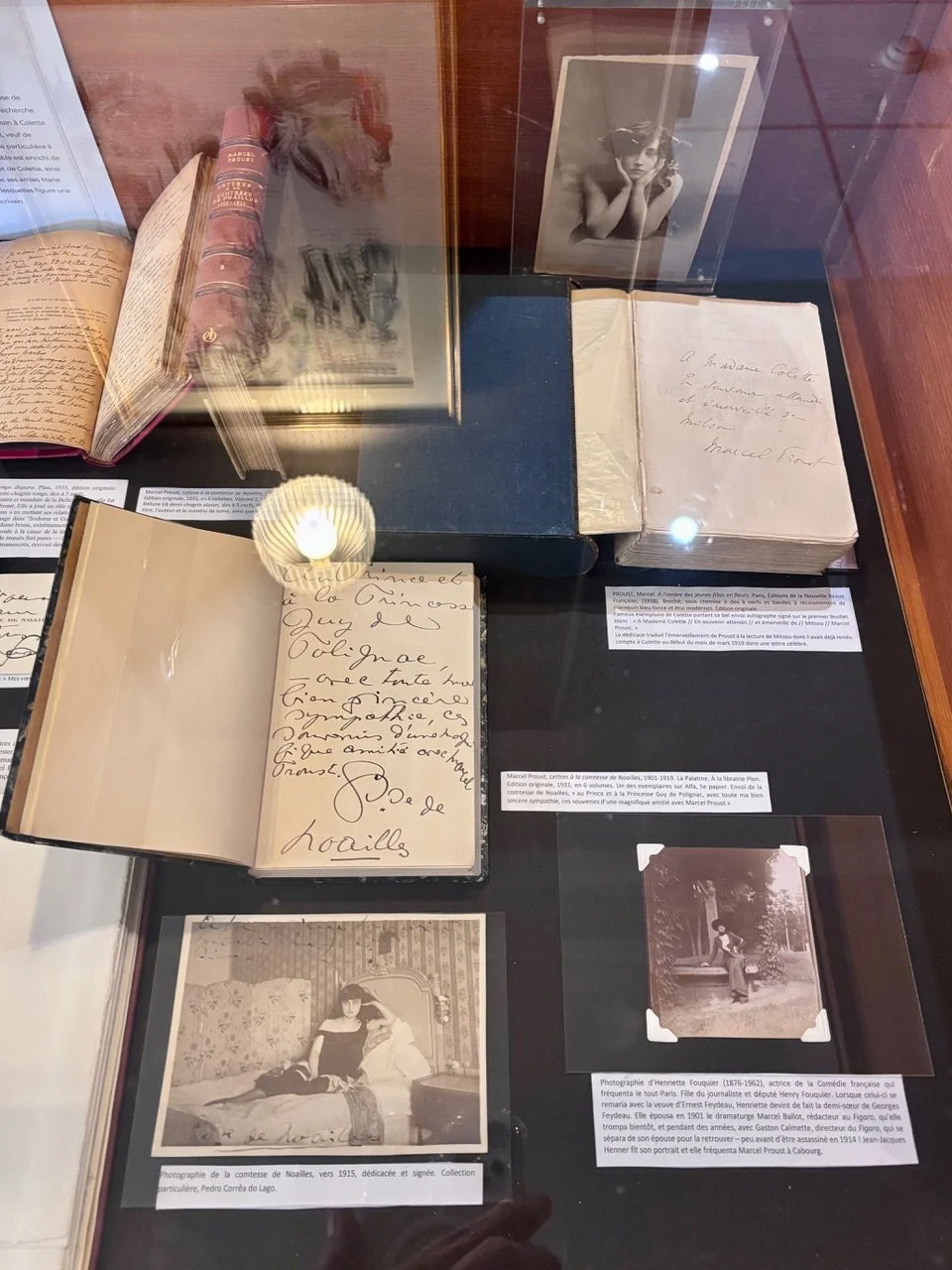
Figure 15. Proust and Women of Letters (right side)
Photographs of the Countess de Noailles are here, too. (Fig 16) She was born into money and married it, which didn’t stop her from enjoying the attention of her admirers. She was a poetess at whose salon on Avenue Hoche, the intellectual, literary and artistic elite of the time gathered, among them Edmond Rostand, Colette, André Gide and Jean Cocteau.
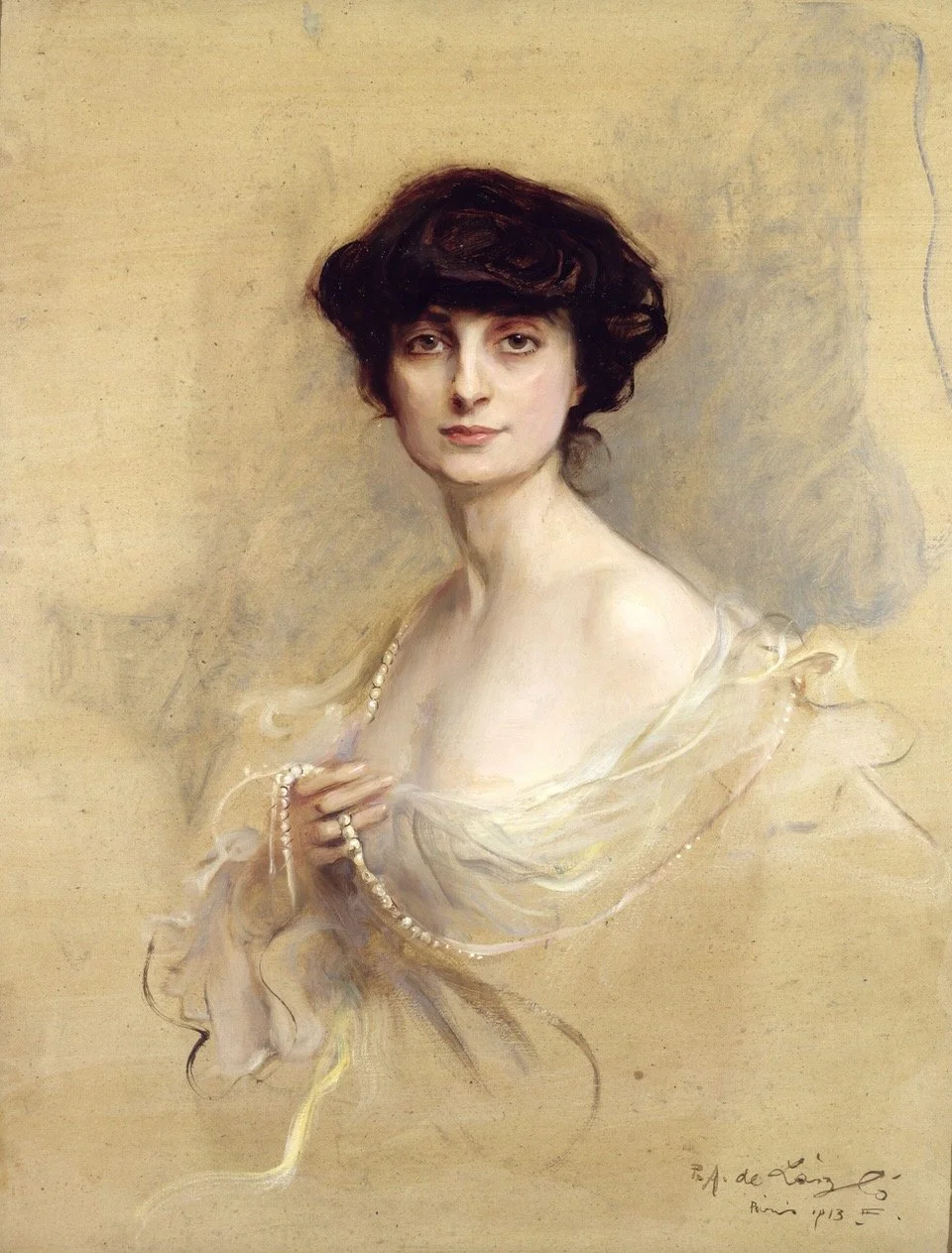
Figure 16. Countess de Noailles
There are letters between Proust and his friends Marie Nordlinger and Marie Scheikevitch. Proust called Nordlinger his “French rose from Manchester.” She was the English born cousin of Proust’s lover, then friend, Reynaldo Hahn. She helped Proust translate the English art historian, John Ruskin’s books, traveling to Venice with him to follow in the footsteps of Ruskin’s Stones of Venice. (Fig 17)
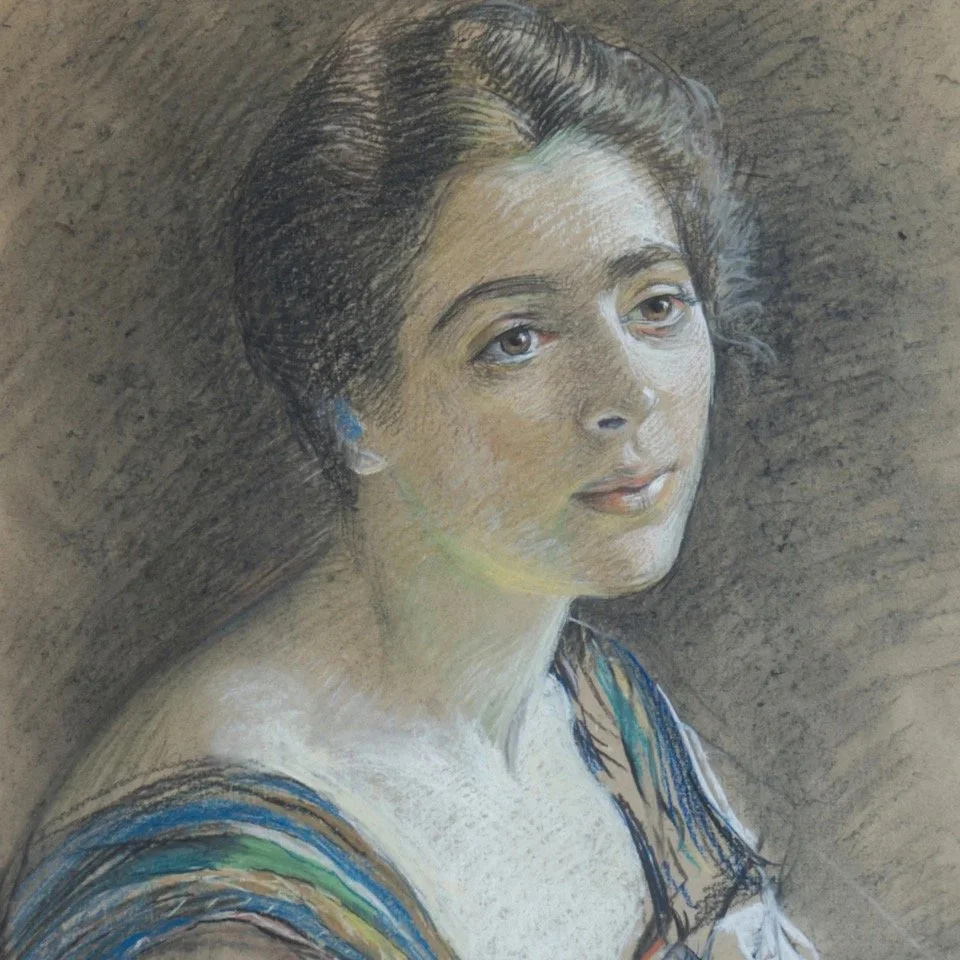
Figure 17. Marie Nordlinger, Proust’s ‘French Rose from Manchester”
Marie Scheikevitch was the daughter of a wealthy Russian magistrate. A leading social and intellectual figure during the Belle Époque, she and Proust became friends in 1912. Since they saw each other nearly every day, very few letters between them (only 28) survive. He regularly attended her salon and she plotted to get his novel publicized. (Fig 18) She recommended Proust to her lover, the editor of Le Temps. Which led to the first major newspaper article devoted to In Search of Lost Time, in 1913, just before the publication of Swann's Way. In In Search of Lost Time, she is Madame Timoléon d'Amoncourt, who Proust describes as "a charming little woman, with a wit, like her beauty, so ravishing that either one alone would have been enough to please.”
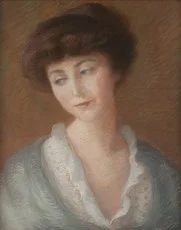
Figure 18. Marie Scheikevitch
The final vitrine is about the two Ménages à Trois in In Search of Lost Time. The first is the Narrator, his friend, Robert de Saint-Loup and Saint Loup’s mistress, Rachel. The narrator had been offered Rachel at a maison close years before she became Robert’s mistress. The other ménage à trois also included the Narrator and Saint Loup. This time with the object of the Narrator’s childhood obsession, Charles Swann and Odette de Crecy’s daughter, Gilberte who Saint Loup eventually marries. In this vitrine are photographs, handwritten letters, and first editions that refer to “triangular relationships, so dear to Marcel Proust.” The personages in this vitrine include Gaston Arman de Caillavet, his wife Jeanne Pouquet and their daughter Simone André Maurois. Paul Morand and Princess Soutzo. The Duke of Albufera and Louisa de Mornand. I don’t know these people’s eccentricities yet, I’ll report back when I do!
Finally, in a vitrine of its own, is a Fortuny coat, (Fig 19). Brought here especially to introduce us to Mariano Fortuny’s wife, Henriette Nigrin (Fig 20) Proust mentions Fortuny several times in his opus, describing dresses worn by the Duchess de Guermantes and then the ones he gave to Albertine, his love interest. Here’s one example, “Those Fortuny dresses, one of which I had seen on Mme de Guermantes, were the ones whose imminent appearance (the artist) Elstir, when he spoke to us of the magnificent garments of Carpaccio and Titian’s contemporaries, had announced…”
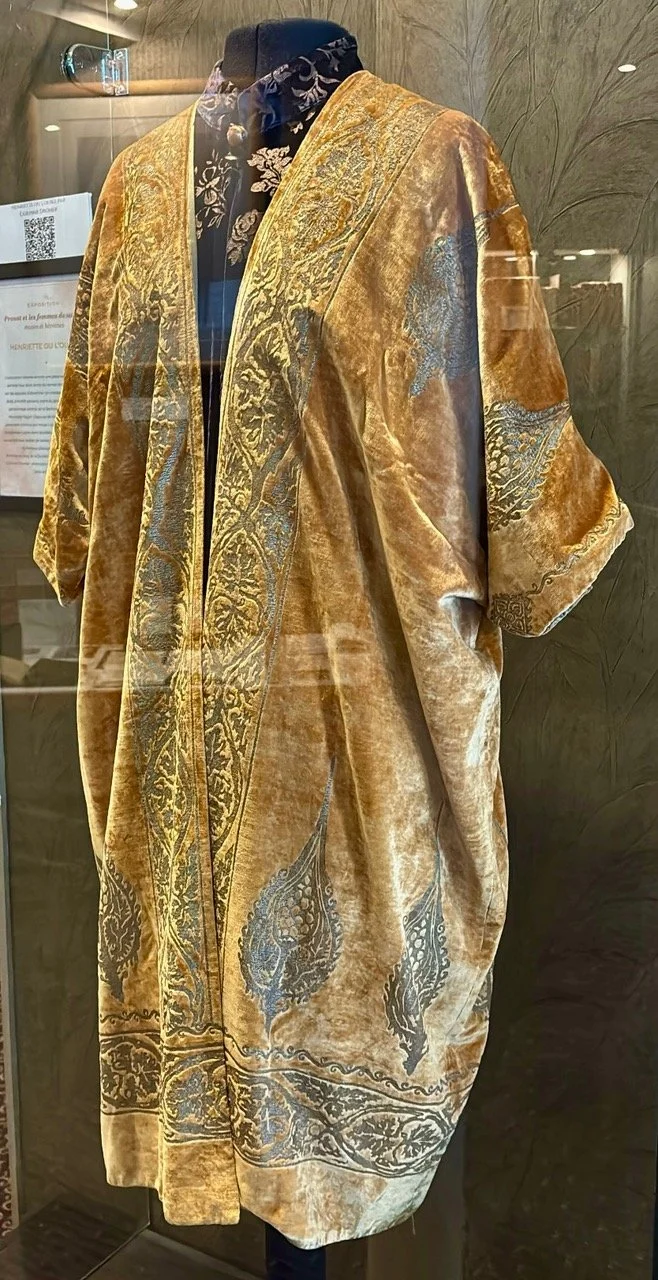
Figure 19. Fortuny coat
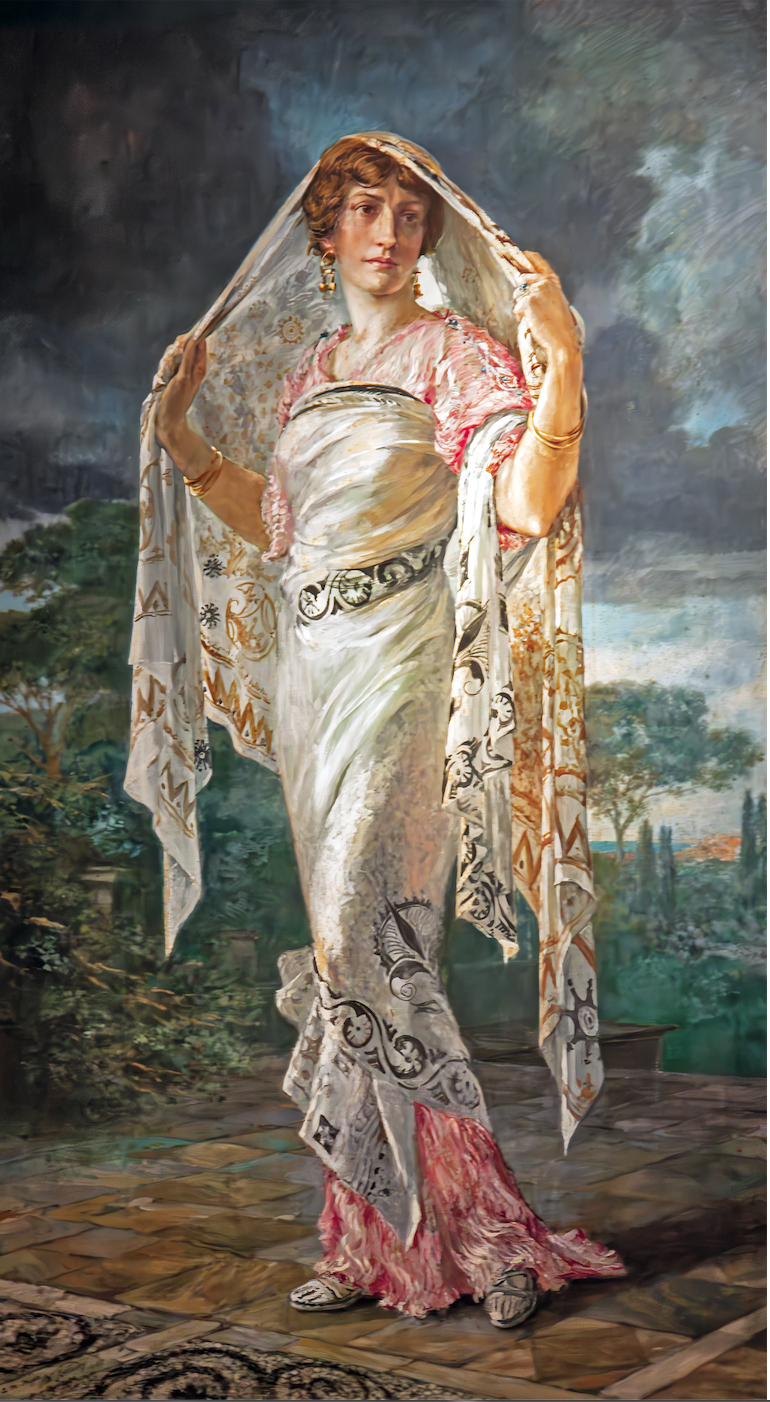
Figure 20. Henrietta Nigrin
In the explanatory text, we learn that Fortuny may have gotten credit for discovering the secret of ancient Venetian fabrics, but the credit belongs to his companion and later wife, Henriette Nigrin. Celebrated now as his muse, before she met Fortuny, Nigrin was researching pigments for dyeing fabrics, learning how to apply dyes, learning how to make stencils for printing textiles. In short, she was an inventive apparel and textile designer. Fortuny did not present his wife as his muse. He gave her full credit for her inventions. They were a creative team.
Mariano Fortuny and Henriette Nigrin met in Venice around 1900. She was living there with her husband. He was visiting friends. She left her husband for him. They lived and worked together for 22 years before they married in 1924 (maybe her husband refused to divorce her). She created revolutionary garments such as the famous Delphos, a pleated silk dress inspired by the Charioteer of Delphi, found in 1896. The Charioteer is a man of course, but the dresses were “designed for the modern woman – free, sensual, ethereal”. The gown is finely pleated in a way that has never been duplicated.(Figs 21-23) Fortuny applied for a patent to protect the invention. In the application, he wrote that it was Henrietta’s invention. That was in 1909. Fortuny and Nigrin lived and worked together until his death in 1949. For 16 years, until her own death (1965), she indexed and organized the Fortuny archives. She bequeathed the Fortuny Palazzo, now the Fortuny museum, to the city. I have been there twice. I may have read about Henrietta Nigrin, but I must not have been paying attention - shocking for a feminist! (To learn more: “More Than A Muse; Henriette Negrin, the Inventor Behind Fortuny,” Rachel Elspeth Gross; ‘Henriette or Oblivion,’ Corinne Dromer; VENICE – FASHION, FORTUNY, SILK DRESSES AND DOWNTON ABBEY, Janet Simmonds)
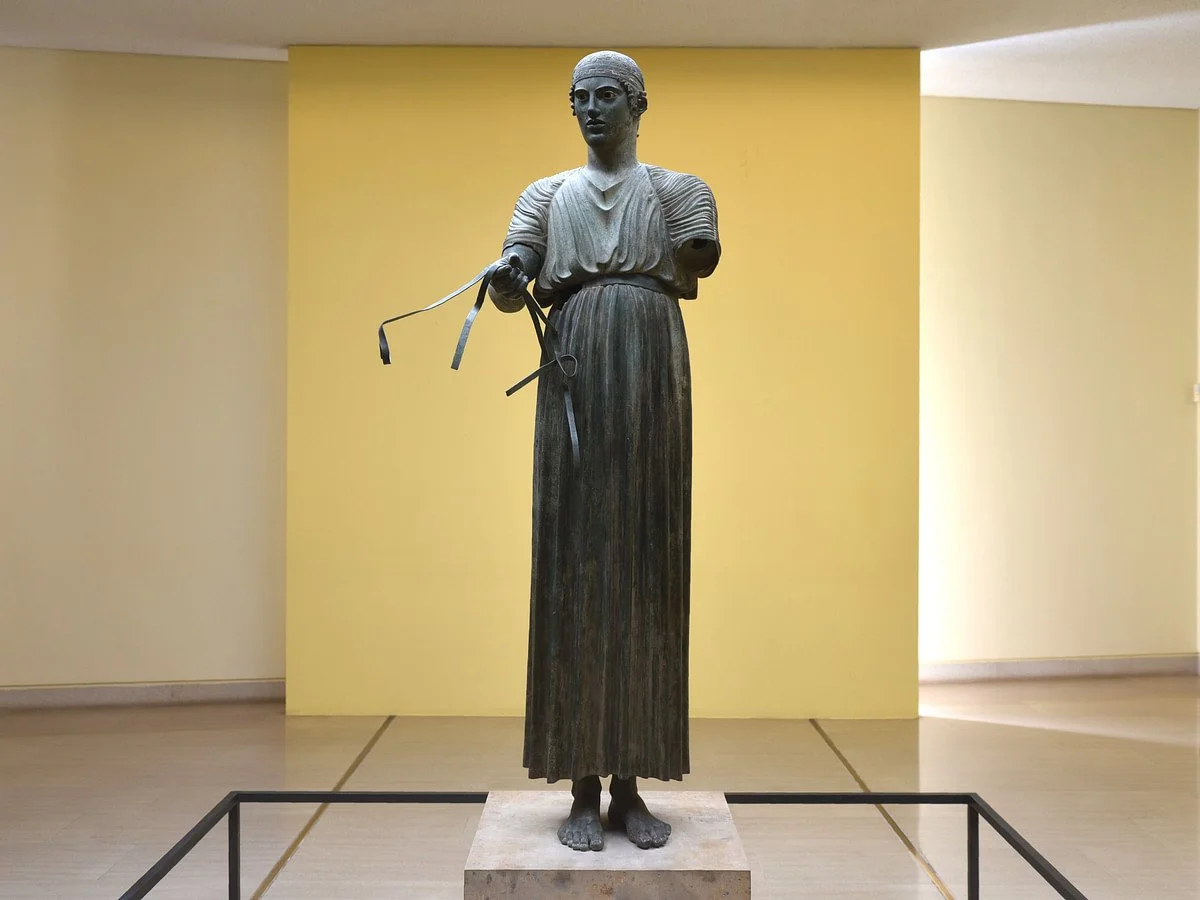
Figure 21. Charioteer of Delphi, Greek

Figure 22. Henrietta Nigrin wearing a prototype of Delphos dress that she designed and patented
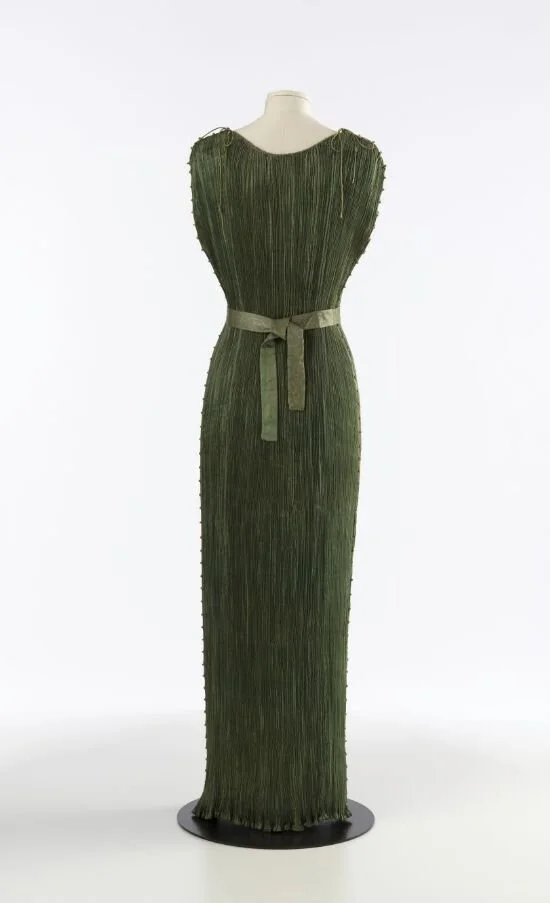
Figure 23. Delphos Dress, Fortuny
I didn’t visit any of the rooms at the Hotel Literraire Le Swann. I hope to next time because, according to the website, “Guest rooms are personalized around a character or a poem, a friend of the author, or a beloved destination, there’s a quote, an original watercolor and a book on the bedside table.” Just my thing. The hotel’s website has a downloadable map of Proust’s Paris, check it out. Gros bisous, Dr. B.