Fine Dining in Proust/Hockney country
Bienvenue and welcome back to Musée Musings, your idiosyncratic guide to Paris and art. I’ve been busy lately - I saw an exhibition at the Musée Picasso with my friend Bobby, who was in from Columbia, South Carolina for a week (thanks Meredith). The exhibition was on the work of Philip Guston. His skills as a caricaturist (which we could use now) shone during the Nixon administration. We also visited the Musée de la Chasse et Nature - poking around the permanent collection and enjoying the temporary exhibition which was on one of my favorite animals, the unicorn. A few days after Bobby left, I took a press tour of the Eglise de la Madeleine. The guide told us about the history of the church but the highlight of our visit was the lively discourse offered by the Church’s prelate, Patrick Chauvet, (who was Rector of Notre Dame Cathedral until a few years ago). He talked about relics, the Gnostic Gospels, and all the Marys who knew Christ. With the same group, a few days later, I visited the Fondation Alaia for an exhibition that established conjunctions between the artistry of Azzedine Alaïa and Christian Dior.
Today however, I’m here to talk about food because between museum visits, I have been enjoying some very artful fare. I had two splendid meals when I was in Cabourg for a few days. I was happily back at the Grand Hotel. Like Proust, my room was on the fourth floor. In fact, my room was just across the hall from his. If I had told you that my room was ‘down the hall from his,’ you would have known that like Proust, my room had a sea view. Alas, my room faced the little village of Cabourg, I had a ‘garden view.’ The difference in price meant that I could splurge on two lovely meals in Cabourg. (Figs 1, 2)
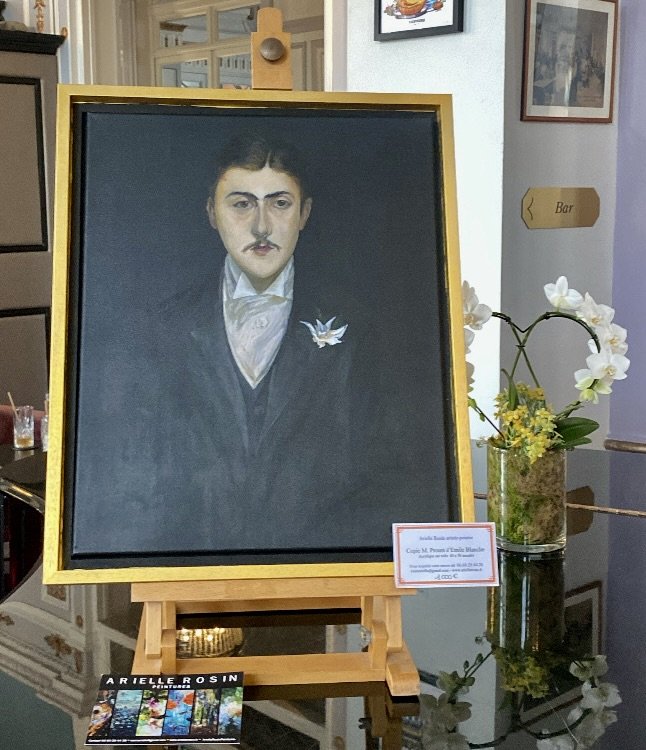
Figure 1. Grand Hotel Lobby, you know you’re in Proust Country!

Figure 2. The image I saw when I walked out of my hotel room door. It’s Comte Robert de Montesquiou, Proust’s model for Charlus, based upon the portrait of Montesquiou by Giovanni Boldoni
After checking into the hotel, I wandered around in the rain, in the cold, in the mostly deserted village, working up an appetite and waiting for the restaurant to open. I chose a restaurant celebrated for its fresh seafood. I could have chosen a dish to warm me up - broiled or poached or sautéed fish. But I didn’t. What I was there to eat was a plateau de fruit de mer. A platter brimming with big pink shrimp and tiny gray ones, raw oysters and steamed amandes de mer (clams) and lots and lots of bulots (whelks). And sometimes but not always (this time yes) half a crab and a nice big crab leg. And sometimes, if you pay extra (which I did not) a lobster tail. Except for the oysters - wiggly and wobbly and glistening and raw - that are just lying there, waiting for you to douse them in mignonette (red wine vinegar, black pepper and minced shallots) and then bring them to your lips to swallow in one delightful slurp - everything requires work. (Figs 3, 4) That is to say, everything has to be cracked or peeled or pulled before before its meat can be extracted. I love all the accoutrements that accompany a plateau de fruit de mer - from the simple sauces- mayonnaise and butter and lemon and mignonette - to the crackers and picks, essential tools of the trade. As well as the extra plates that the server swaps for your plate with when it gets too full of shells and picked through carcasses. And I love that there are no ‘sides,’ just a basket of hearty bread and butter.
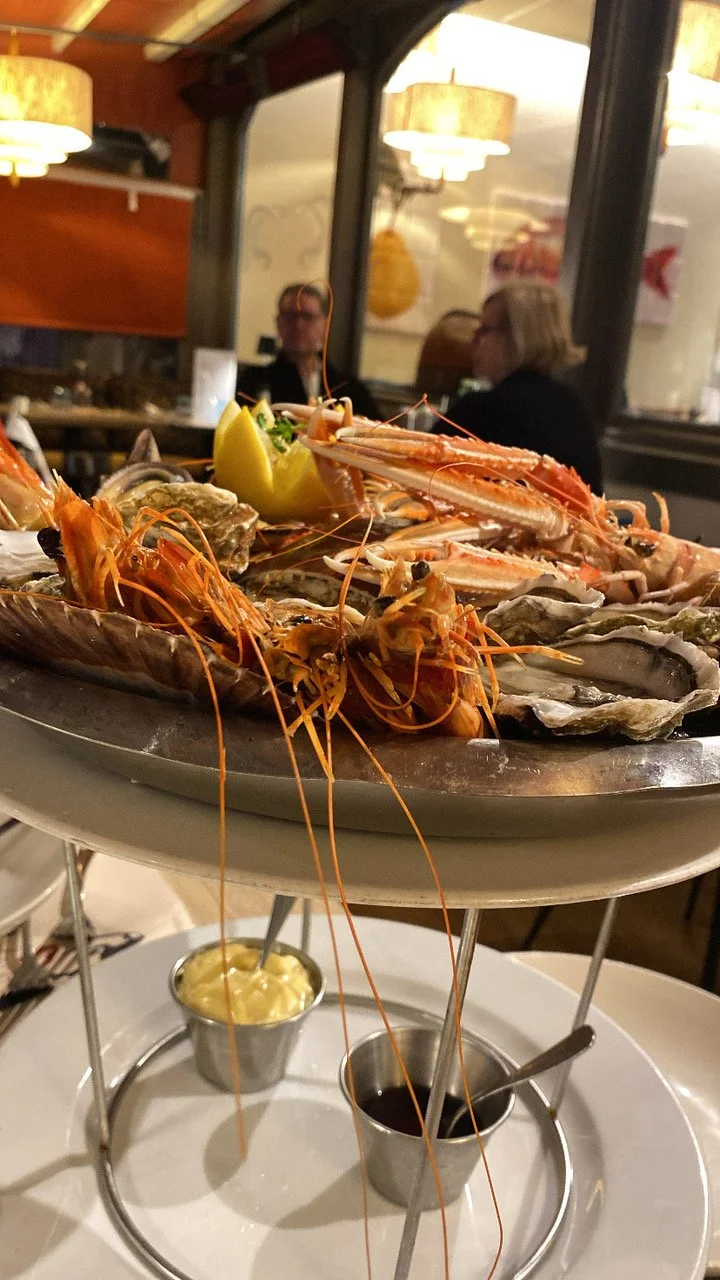
Figure 3. Plateau de fruits de mer with mayonnaise and mignonette below
Figure 4. Bulot, (whelk in English). Lots of these in every plateau of fruits de mer. You extract the meat by grasping the little round flat pad at the top, between the tines of a fork and pulling
I like seafood but what I love about a plateau de fruit de mer is working for my supper. When I lived in Washington, D.C. (as a Smithsonian Fellow) I had friends who lived in Baltimore. More often than not either they or I had picked up a dozen or so hard shell crabs from the fishermen selling them along the Potomac or Chesapeake Bay, for whatever meal we shared. My friends were in charge of the steaming, I was in charge of the cleaning. I became expert at wielding the mallet, crackers and picks. I preferred eating crab to lobster at restaurants, too. Well, that is before I started going to casual restaurants that served lobster in Maine. Before that, eating hard-shelled crabs made eating lobster seem way too effete. At restaurants serving lobster, you get a bib. At restaurants serving hard-shelled crabs, like Baltimore’s O’Bryckies in the old days, you got a mallet, a roll of paper towels and a plastic garbage can lid onto which to put all those shells, all the mess.
I don’t think I had seen people eating plateaux de fruit de mer at restaurants before I got to France. I first noticed people eating heaping plates of shell fish when my husband, Nicolas and I were in a little seaside village called Batz-sur-Mer. We were on our way back to the Dordogne, after dropping Ginevra off for a summer of French immersion in Nantes. We had just come from Guerande where we had, of course, visited the salt museum. As we wandered along the beach, I saw people sitting under huge umbrellas, elegantly sipping white wine and just as elegantly, eating the abundance of seafood before them. On that trip, I didn’t look at the prices, I just assumed it was beyond our budget. Since then, fruit de mer has always meant luxe to me. And since then, I have tried to incorporate those plateaux into my life and to share it with others. When I planned the menus for the watercolor workshops I ran in the Dordogne, in addition to a typical Perigourdine meal that ended each 10 night stay, I also included a dinner of fruit de mer. I was surprised that not everyone appreciated it as much as I hoped they would. One time, one of the watercolor teachers, a nurse in her former life, convinced most of her group to pass on the selfish and ask for soup instead. Never mind, I tried.
Another nice thing about eating fresh shellfish is that if you use mostly mignonette and lemon juice and go easy on the mayonnaise and butter, you leave the table feeling comfortably sated. You know you’ve eaten but you know you haven’t eaten too much.
Which was definitely not how I felt after lunch the following day at Pavé d’Auge in Beuvron-en-Auge where I’ve been enjoying lunch twice a year for the past three. It’s not as if the portions are large, they aren’t, but the ingredients are so rich and there are so many courses. When we arrived, there was one other table of diners. When we left 2 1/2 hours later, we were the only diners. Now I know what it’s like to have a private chef.
The lunch began as is customary in a Michelin starred restaurant - with amuse bouches. Bite size bursts of flavor that are supposed to tease the appetite. Alas, they have the opposite affect on me. One of the amuse bouches was a tiny cup of lightly seasoned foamy broth filled with bits of hazelnuts and fregola. (Figs 5, 6) Do you know fregola? Tiny toasty nutty chewy pasta from Sardinia, a bit like Israeli couscous. I would have been happy to stop there, but of course I couldn’t. Alternatively, I would have been happy with just an entrée, maybe two. That’s how I order at bistros and bouillons, but it’s just not done at restaurant like this. We each ordered three courses. I chose an entrée, a main and a cheese course. My companion chose a different entrée and a different main and a dessert. That gave us six different dishes to taste and enjoy.
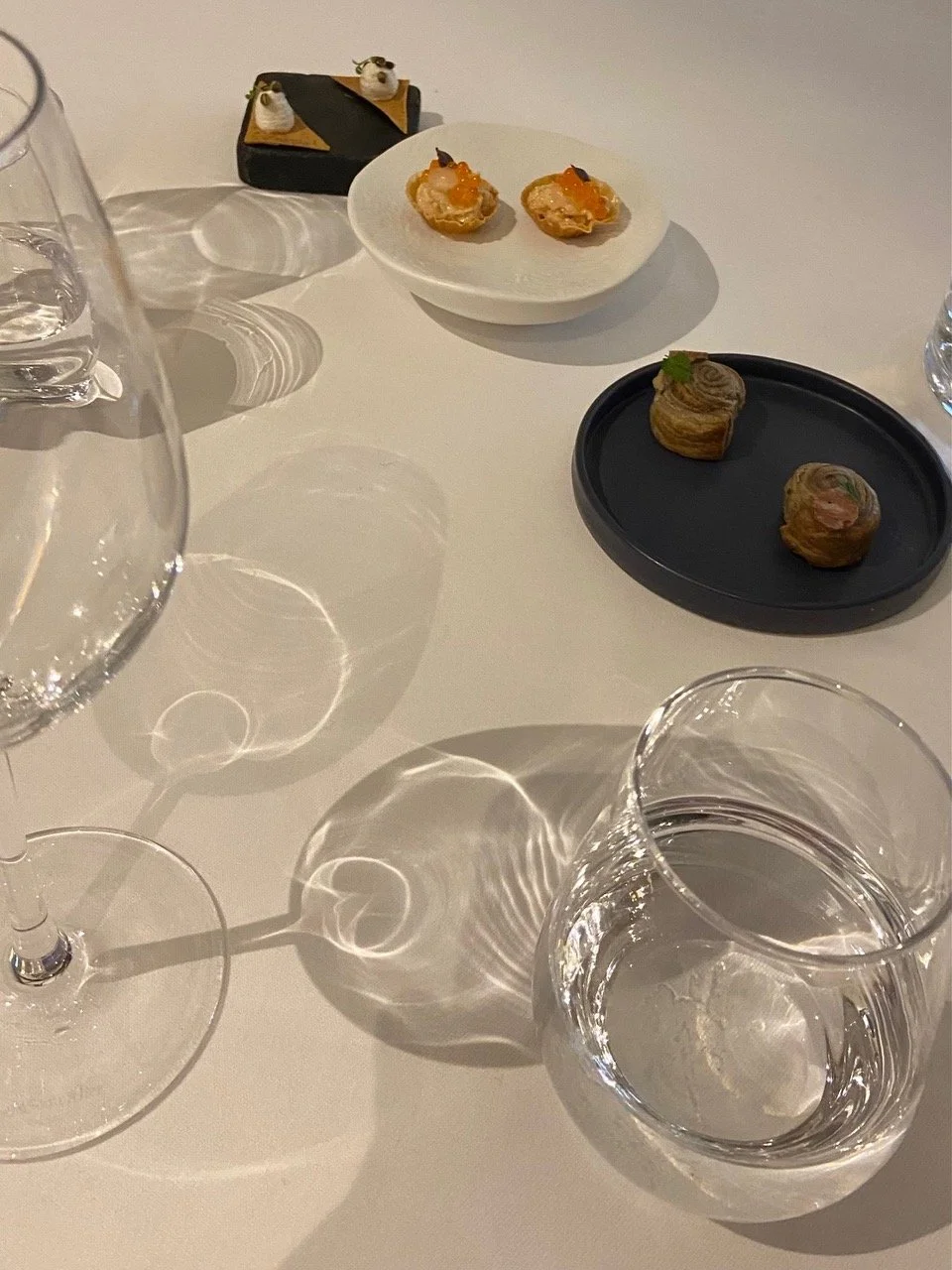
Figure 5. Three sets of amuses bouches to begin
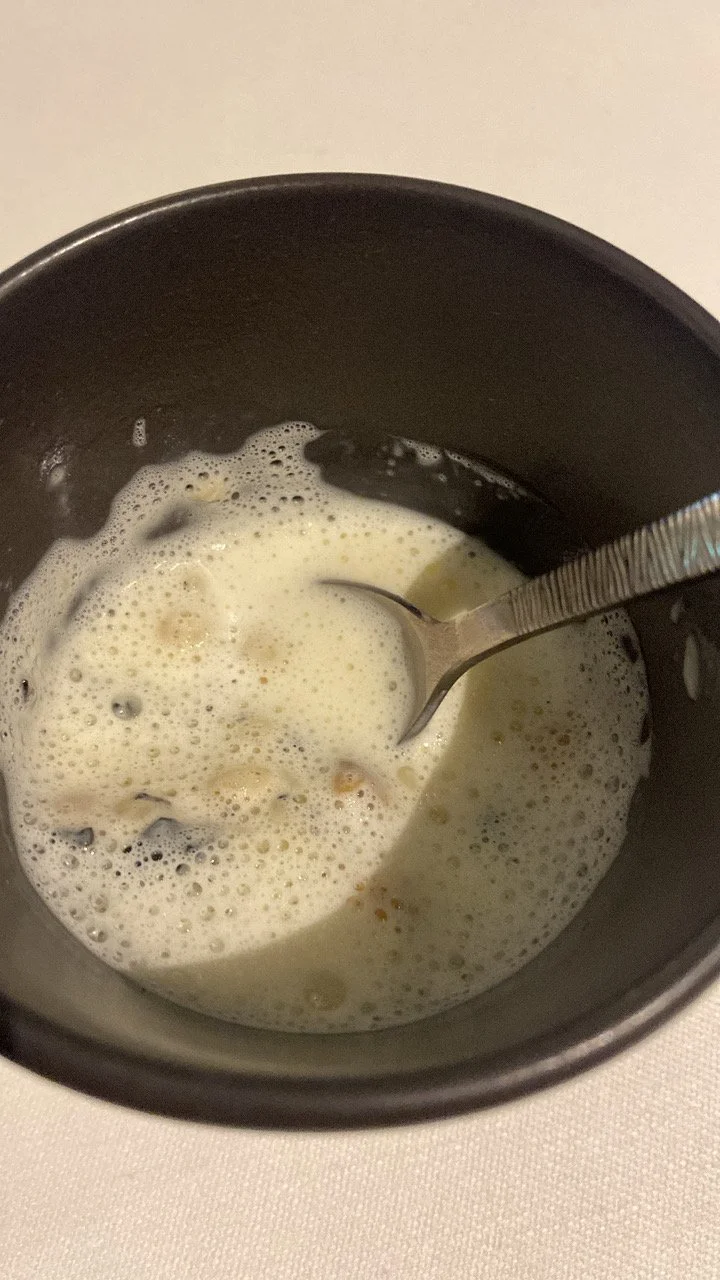
Figure 6. Amuse bouche foamy soup with fregola
I chose for my entrée, the “Foie gras poêlé, navets, citrons jaunes et noir” which translates to foie gras prepared on a stovetop accompanied by turnips and yellow and black lemons. (Fig 7) The name of the farm where the duck whose liver graced my plate, lived his life, was included on the menu (Ferme de la Houssaye). I know people have problems with foie gras but I think those people should concentrate on factory (as opposed to artisanal or farm) raised anything. The dish is actually a lobe of foie, seared on both sides. The preparation doesn’t sound complicated but if you let it stay in the sauté pan over the heat for too long, the lobe disappears, transforming, (I’m guessing) before your horrified eyes, into a puddle of gras. Duck fat to be sure, mais fat nonetheless. I remember reading, in one of Peter Mayle’s novels, (not one of his memoirs) about the narrator’s butler preparing foie gras for him and the skill it took to prepare it properly. My dining companion recounted an experience as we ate, one that did not end well. Apparently, the hostess of a dinner party to which he had been invited, decided to prepare foie gras for the first time. As it turned out, her eight guests did not begin their meal with foie but the pommes de terre Sarladaises that accompanied their main dish were noteworthy. All that luxurious duck fat! I served potatoes sautéed in duck fat with confit de canard at the end of every watercolor workshop I offered in the Dordogne. Which, as you may know is renowned for both truffles (which I did not serve) and foie gras. Indeed, it is said that in the Dordogne, when it comes to duck, people eat everything but the quack. As I think about it now, when those students left the morning after our final dinner, it must have been with heavy stomachs as well as heavy hearts!
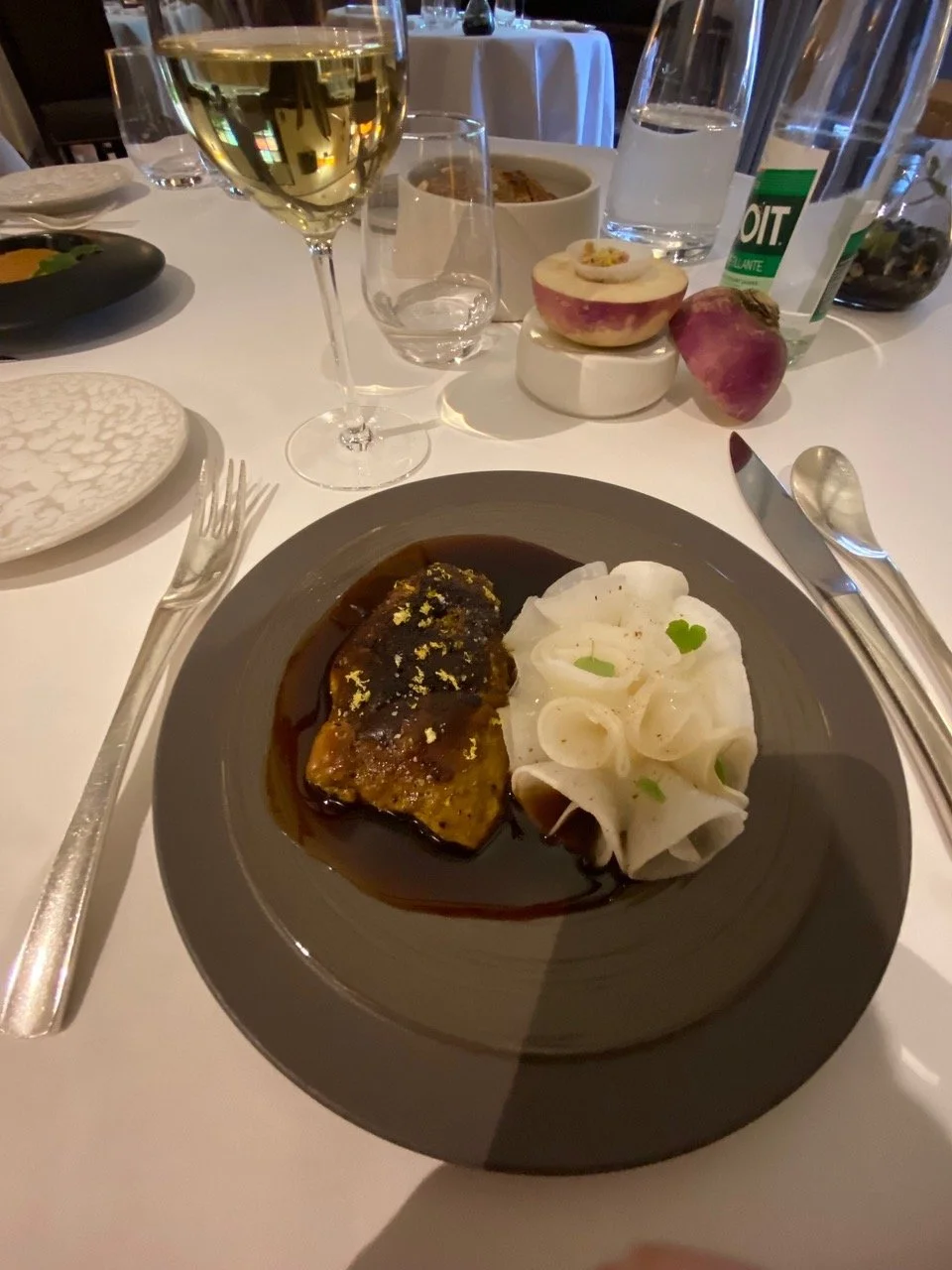
Figure 7. Foie gras with turnips, lemons and dried limes
My plate was decorated with an edible flower made of ribbons of thinly sliced, lightly pickled turnips. The description also referred to yellow and black lemons. Further research was needed to explain the black lemons. Turns out that black lemons are actually dried limes which “have a…tangy, earthy, smoky, and slightly fermented flavor.” The dish was sufficiently elegant and poetic on its own. But there was more, on a separate serving plate sat a raw turnip with its top lopped off. Nestled inside another ribbon of turnip were tiny cubes of perfectly unctuous foie gras.
My dining partner chose caviar for his entrée. (Fig 8) It wasn’t a lot of caviar but what there was sat upon a pillow of creme fraiche which sat upon a sturdy round of brioche pain perdu. It was all beautiful, it was all delicious. I was ready to stop. But alas, more courses followed.
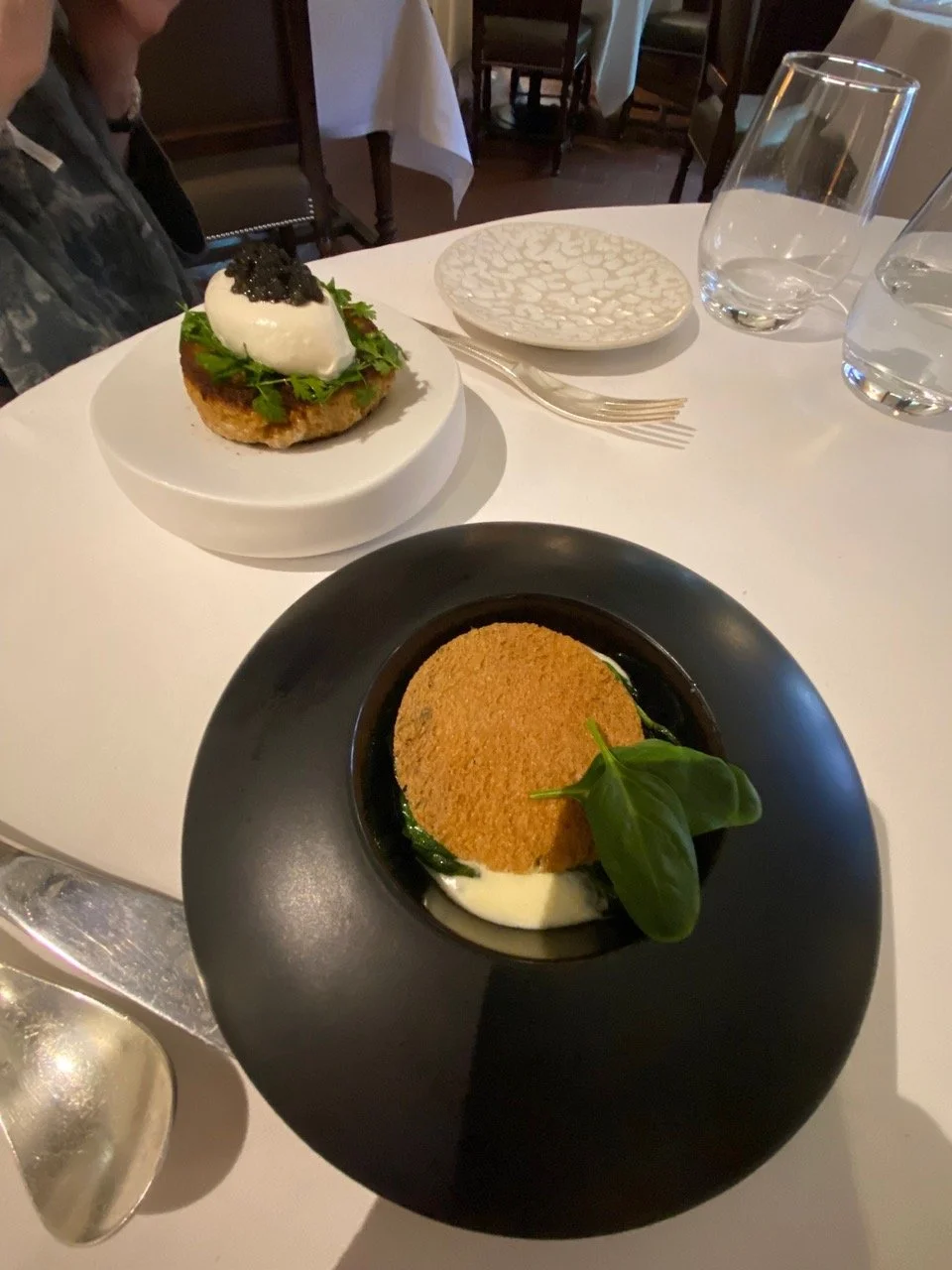
Figure 8. The plate in the distance is the caviar. Closeup was something that accompanied my foie gras, I think it was creamed spinach, but I can’t remember!
Our mains continued the chef’s celebration of humble, winter vegetables. I ordered a pork dish. One thick slice of pork was accompanied by two little cabbages, each artfully hiding a different pork preparation. (Figs 9, 10) My dining companion’s cerf (venison) sat next to an artfully presented branch of mashed parsnips which was topped with something edible, I don’t know what, that gave it the look of mossy undergrowth, (Fig 11) the kind one finds deep in the forest after a long, wet winter - like the one we’ve all just lived through.
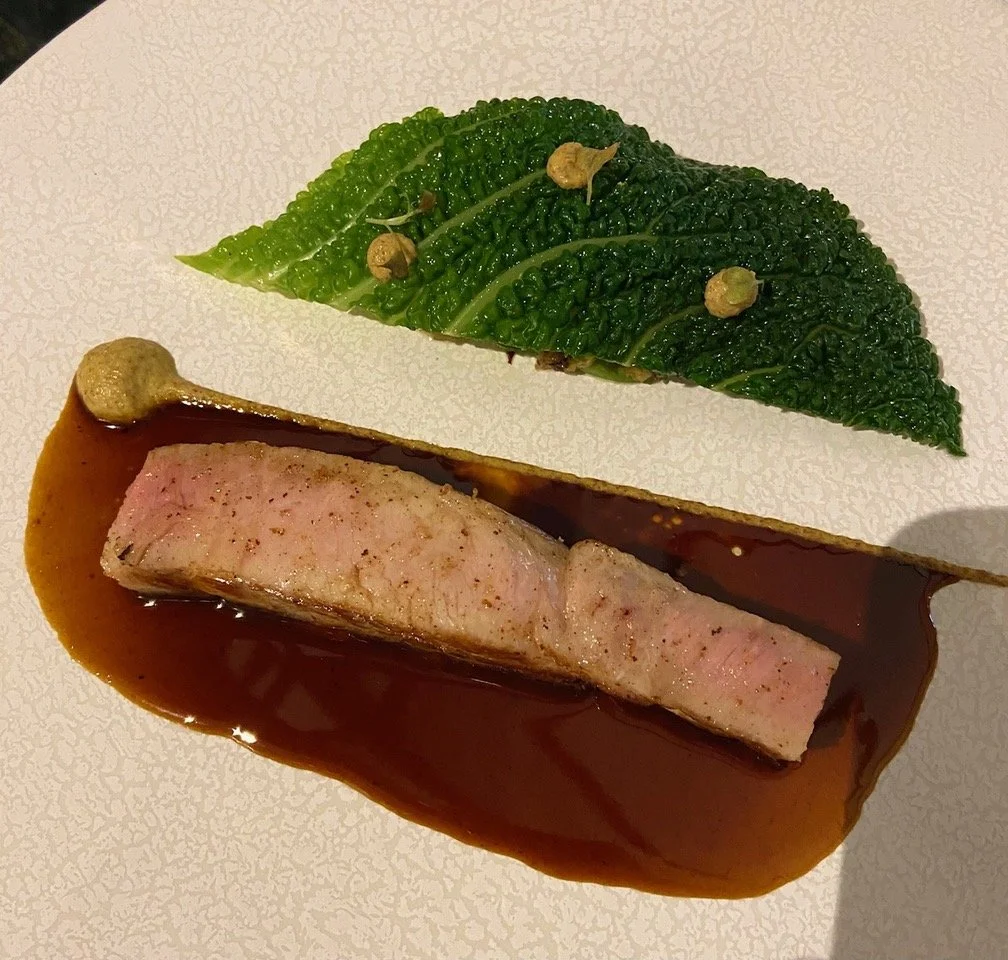
Figure 9. A slice of pork, still pink with a slice of cabbage hiding one of the pork dishes
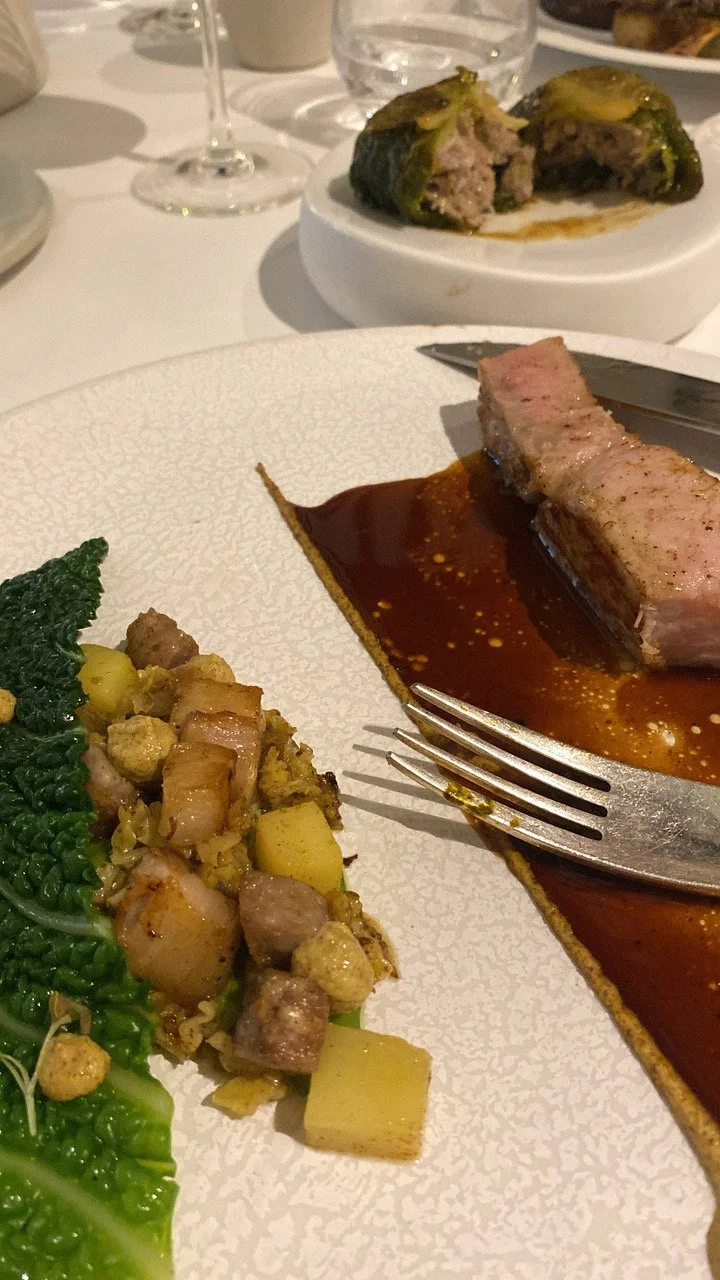
Figure 10. On the left, here’s what was underneath the cabbage leaf. In the distance, on the right is a stuffed cabbage, not that different from what my grandma used to make!
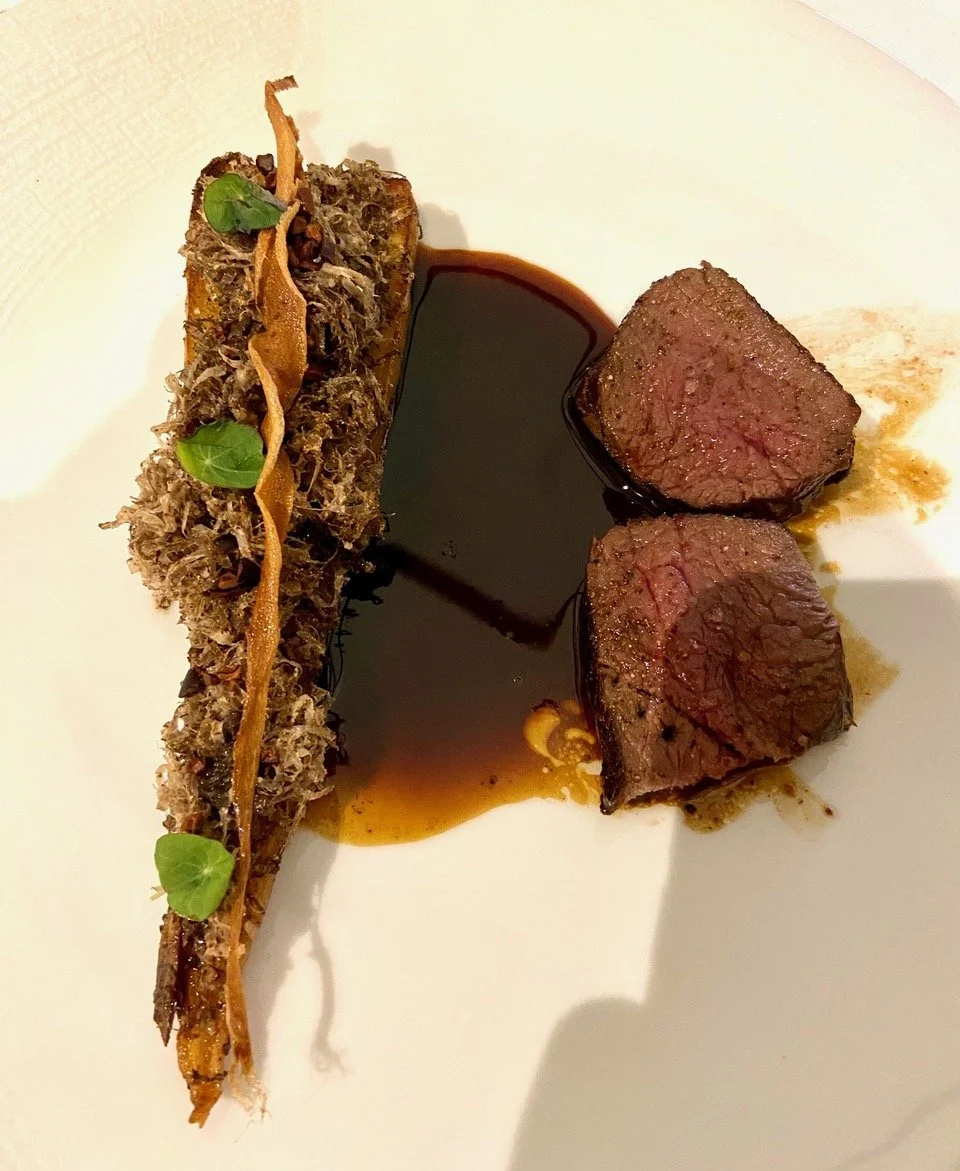
Figure 11. Two rosy slices of venison with mashed parsnips hiding under an edible mossy undergrowth
All those root vegetables reminded me of the root vegetable dish I prepared every year for my family’s Thanksgiving dinner. I think that what they were most grateful for each time I served it was that I only served it once a year. But in this young chef’s hands, the humble was transformed into the mighty, well at least the exquisitely tasty.
And the meal continued! My cheese course consisted of five perfectly ripened cheeses of the region. (Fig 12) The portions were tiny but we still couldn’t finish it. So, I put what was left on a slice of their homemade bread and asked for a doggie bag.
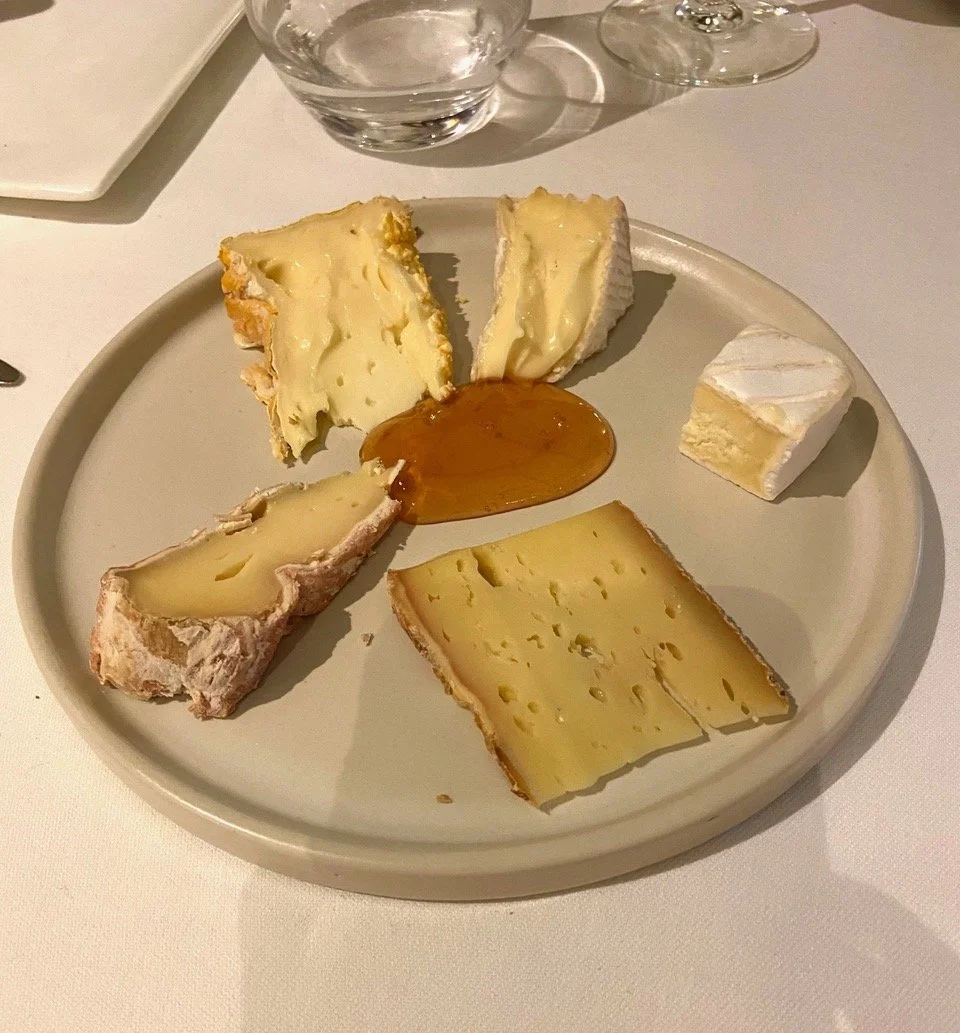
Figure 12. Five local cheeses, including Neufchâtel, Camembert, lLvarot, Pont l’Évèque
Of course there was dessert but before that, there was a pre-dessert. A little cup, atop which sat a clear, thin layer of something on which floated spears of tarragon, that had to be cracked to get at the little cubes of sweet things (maybe tapioca pearls) floating below. It reminded me of a lake with a thin layer of ice over which an entire world of sea creatures lived their lives. (Fig 13)
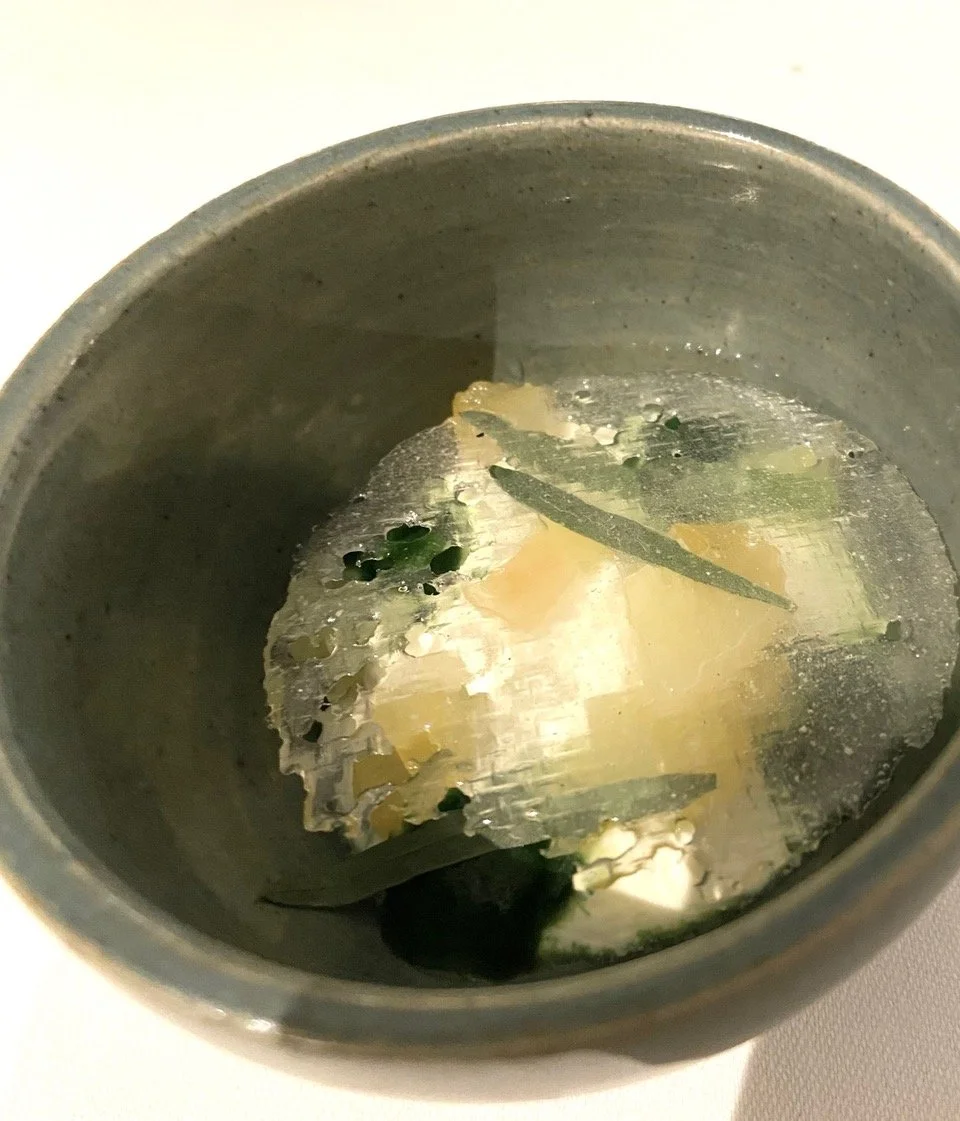
Figure 13. Pre-dessert, although the white underneath the glassy top looks solid, it was actually cubes
The dessert we shared was described like this: “Poires au caramel, crème diplomate au foin et glace fumée au foin.” Which translates to “Caramelized pears, hay-infused diplomat cream, and hay-smoked ice cream.” Diplomat cream, as you may know is pastry cream lightened with whipped cream. The idea of hay infused cream and hay-smoked ice cream intrigued me. Did I taste hay, I’m not sure. What does hay taste like, I don’t know. At any rate, it was definitely subtle. But good. (Fig 14)
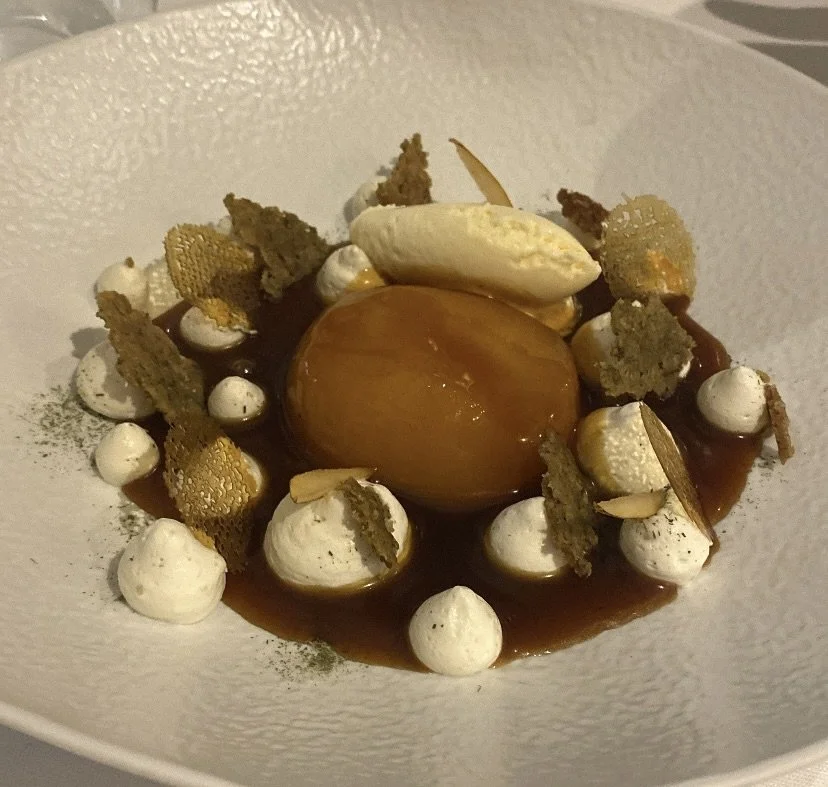
Figure 14. Dessert was a caramelized half pear with dollops of hay infused diplomat cream and a small scoop of hay-smoked ice cream
After dessert, my companion ordered coffee, which was accompanied by even more things to eat, this time petit fours and handmade caramels. I had already thrown in the towel (napkin) by this time. I didn’t even consider eating anymore. So, I asked for another doggie bag into which to put my petit fours and a few caramels.
I couldn’t eat like this everyday, really not more than twice a year. But each time I’ve been to Pavé d’Auge, I feel as if I have experienced something special. That I have been the beneficiary of a level of cuisine that I can appreciate on both culinary and aesthetic levels.
Before I left Normandy, I made a few quick stops, the fromagerie in Dives-sur-Mer for the local cheeses that I had been served at lunch, so that I could eat them when I was hungry. And a ciderie that makes apple cider and vinegar and caramel sauce. (Figs 15-18)
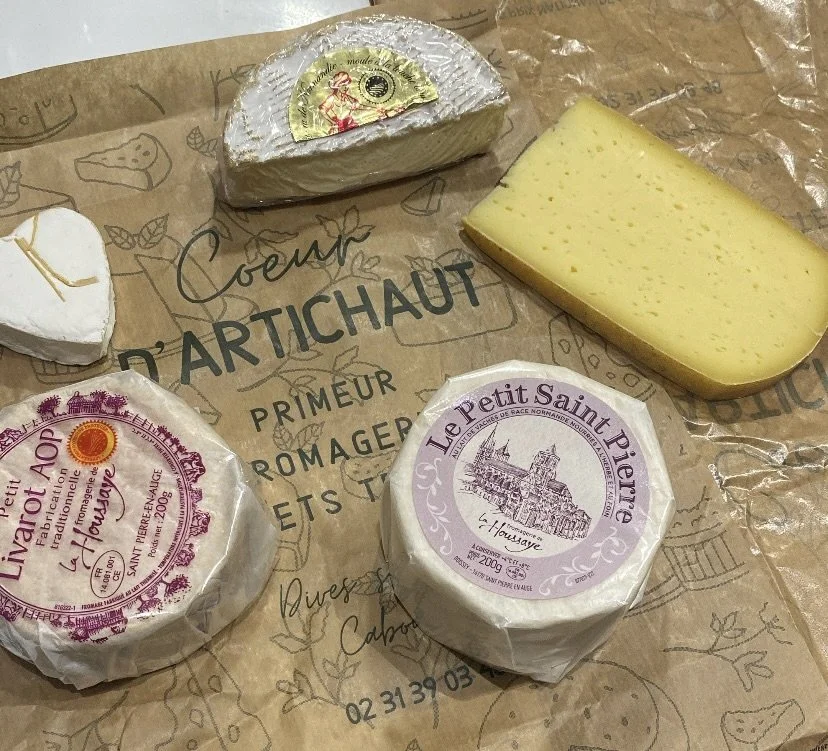
Figure 15. The cheeses I bought at the Coeur d’artichaut in Dives-sur-Me
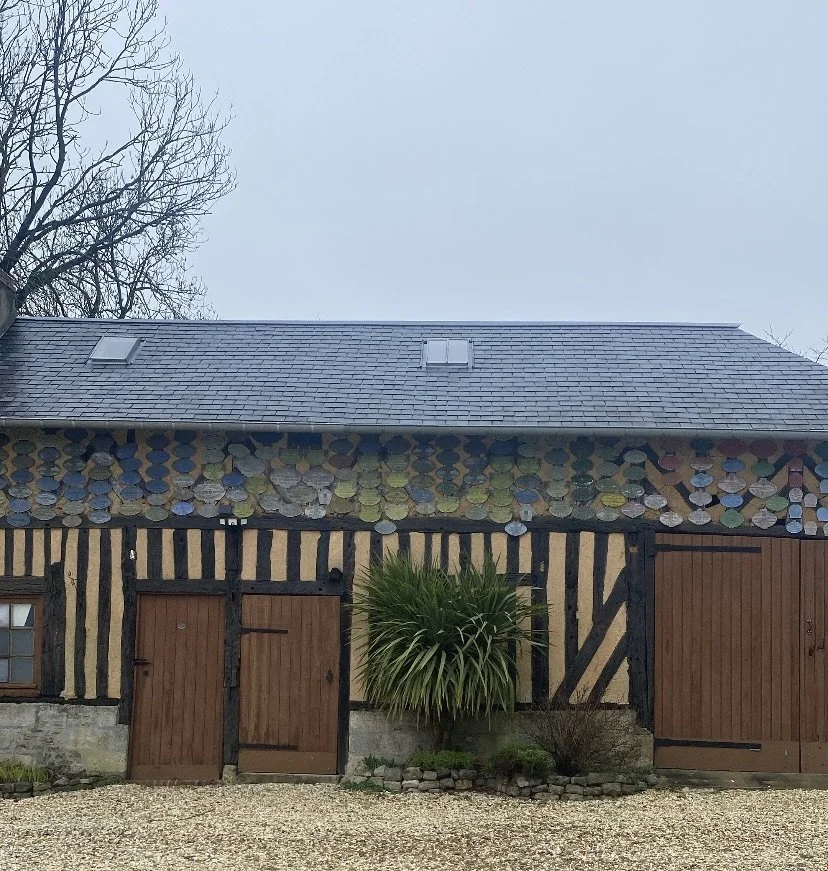
Figure 16. The Cidrerie Desvoye. We stopped by to buy some (mostly) apple related products. They offer cider making tours in the summer
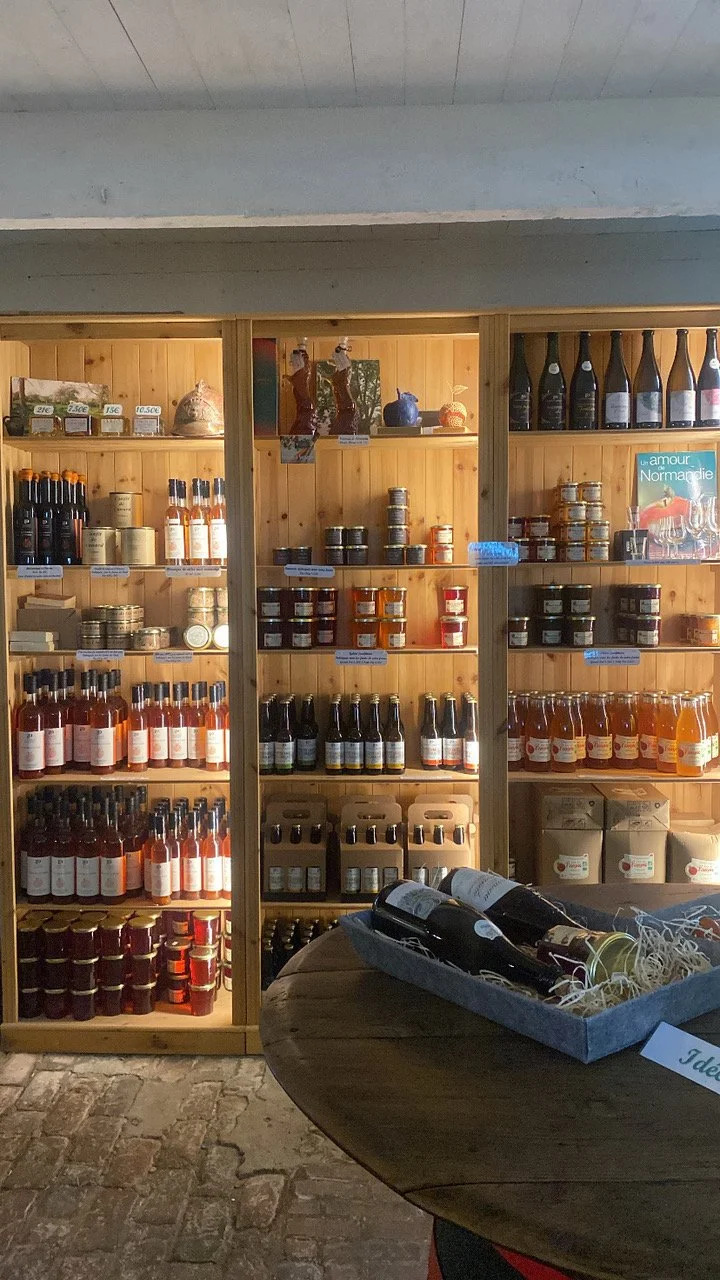
Figure 17. Some of the products that are made here, at Cidrerie Desvoye
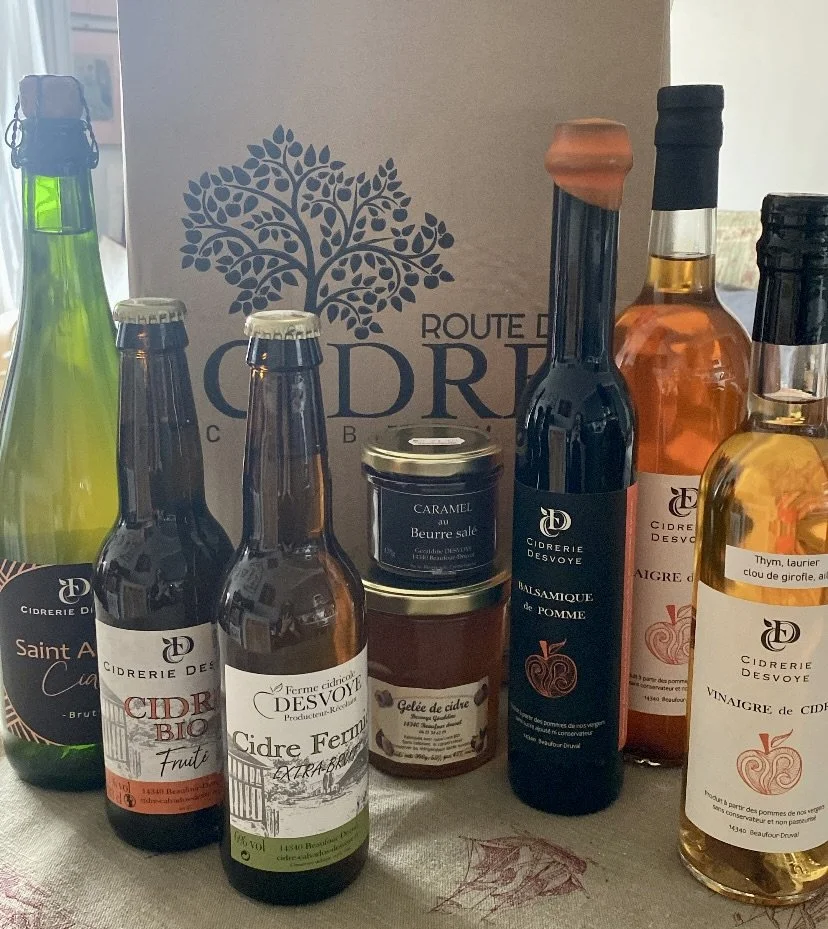
Figure 18. The cider and vinegar and gelée, all apple products, and some caramel sauce. All made at the Cidrerie Desvoye
Let’s see, what else. Before he caught his 9 p.m. flight Nicolas and I had lunch at Bistrot Paul Bert, not too far from my flat. It’s just what a bistro should be, comfortable and easy and good. There was a set menu, from which I ordered and an a la carte menu from which Nicolas chose his meal. The pickled herring and boiled potatoes that I convinced Nicolas to get as an entree was the best I have ever eaten and I have made it a habit to try it whenever it’s on the menu. Here it was embellished with tiny trout eggs which added to the taste as well as the presentation. We were both happy with our main dish although his beef was definitely 3x more succulent than mine (18€ vs 52€).
Nicolas had come to Paris bearing gifts from China. All beautifully packaged! He brought bird’s nest soup packaged in their own cups and Chinese herbal tea, a mix of flowers and berries and balls, also with their own cups and lids which he explained were to be moved in certain ways to enhance the brewing. And he brought dried persimmons, which are the definition of silky, smooth and sweet. (Figs 19-21)
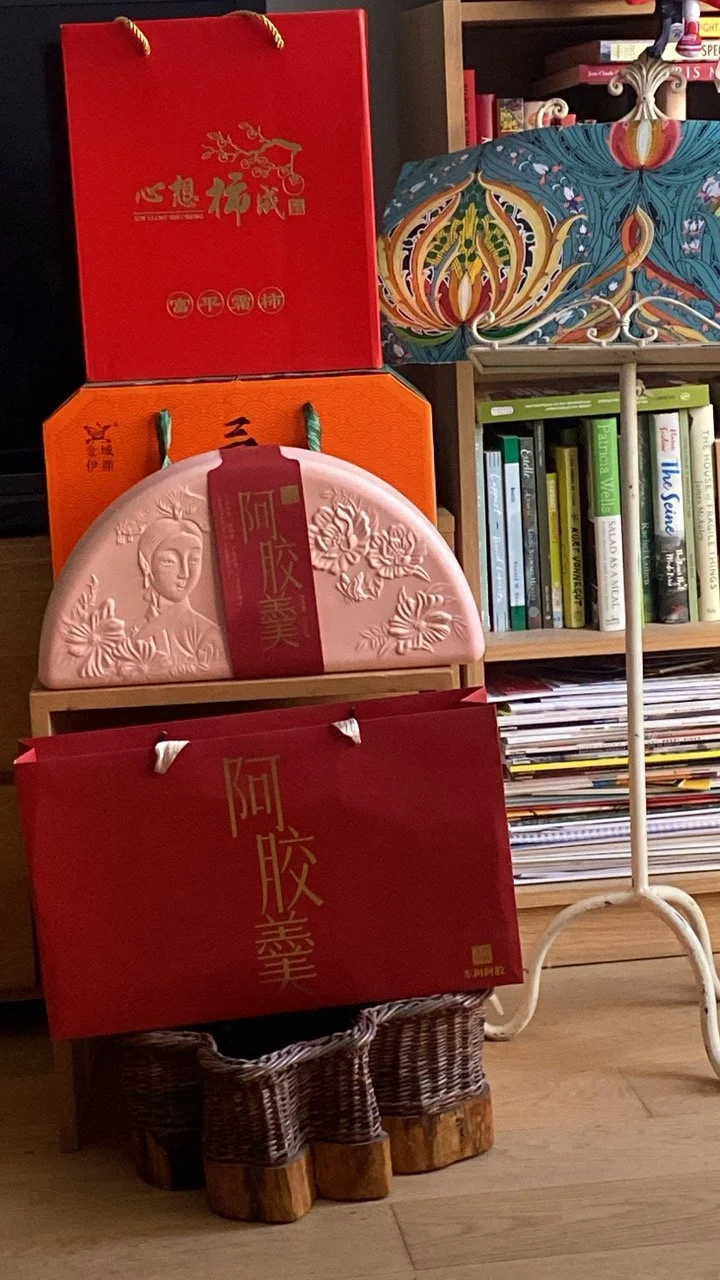
Figure 19. The stack of presents (all edible) that Nicolas brought for me from China in February
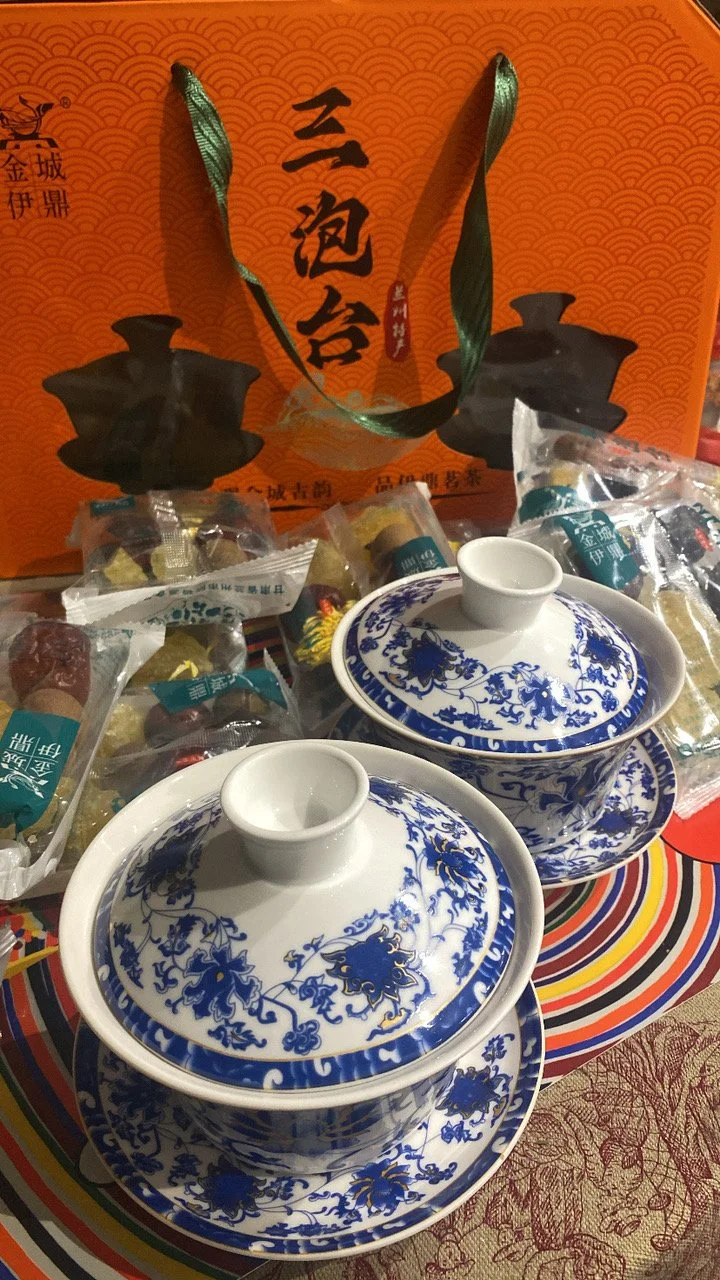
Figure 20. The herbal tea packets and the tea cups and lids to brew the tea in
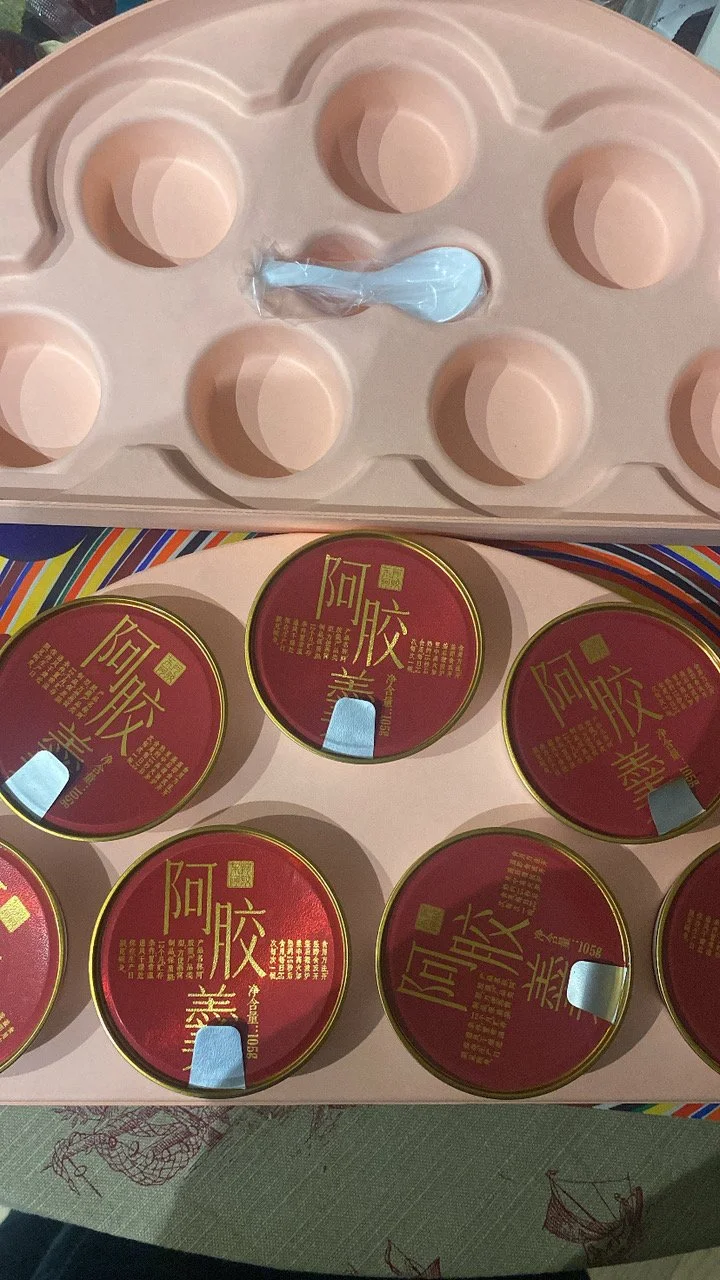
Figure 21. Bird’s Nest Soup
My final culinary event of the past month was the happening I participated in the final day of the artist Song Dong’s month at Le Bon Marché. It was called ‘Eating the City: Everyday is Tomorrow.’ The miniature city that Song Dong and his team built was huge, there were high-rise buildings and ancient Chinese ones. There were pathways and roadways and bridges. As we were in Paris, there was a replica of the Eiffel Tower. Everything was made of biscuits and cookies and sweets. We participants were there to tear the city down, to destroy it, to devour it. And in so doing, Song Dong and we were making a comment about transience and the ephemeral nature of existence. Empires can take centuries to build, they can be destroyed in minutes, seconds. What Allied bombs did in Dresden and the Taliban did in Afghanistan, those of us who lent a hand in destroying Song Dong’s edible city also did. (Figs 22-25)Did I enjoy eating the city? No, not really. I would say that the kids in the group appreciated it most - Chocolate covered ecolier biscuits and haribo gummies. Even the French adults in the group enjoyed eating the chocolates and sweets of their childhood. I suppose if such a performance was held in the United States, there would be jelly beans and M & M’s, which I probably would have eaten. There was a mighty structure built of baguettes which I helped bring down. But it was too stale to eat, the city had been built three days earlier. Still, I’m glad I went, glad I participated and glad I have a signed exhibition catalogue! Gros bisous, Dr B.
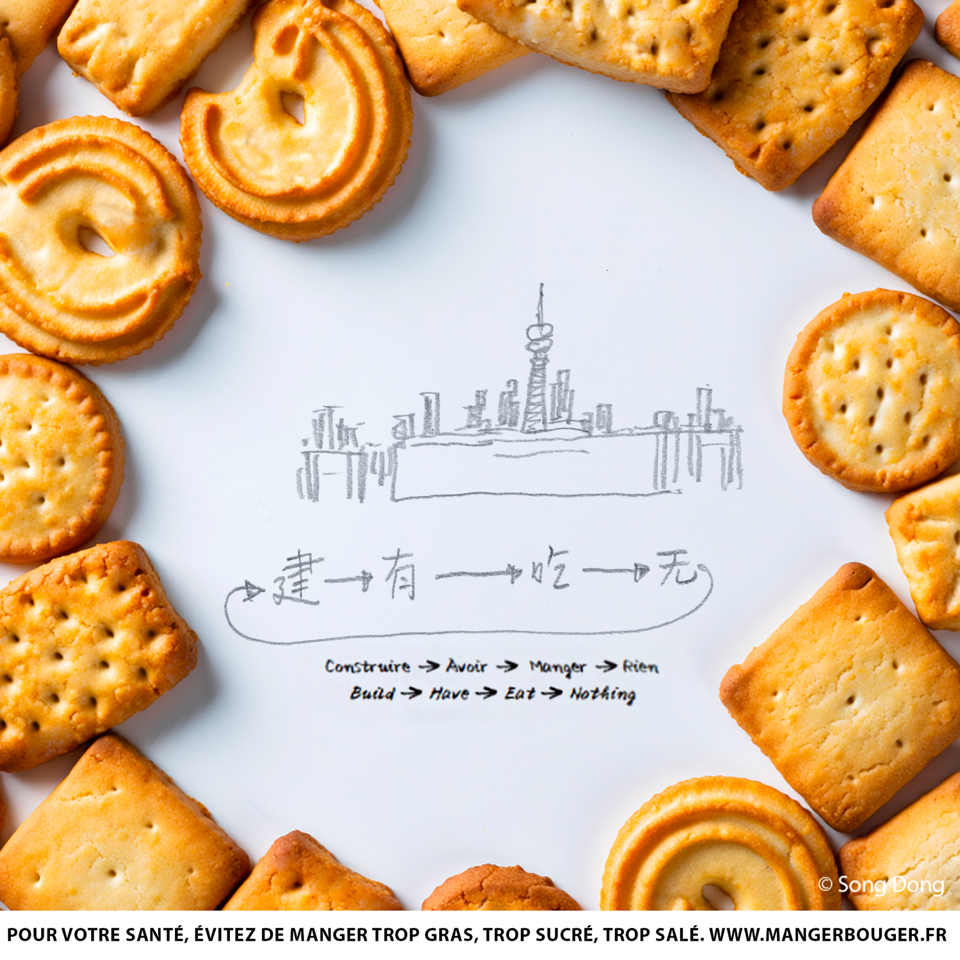
Figure 22. As per the description, the city was built and admired. Then we ate it until there was nothing left.
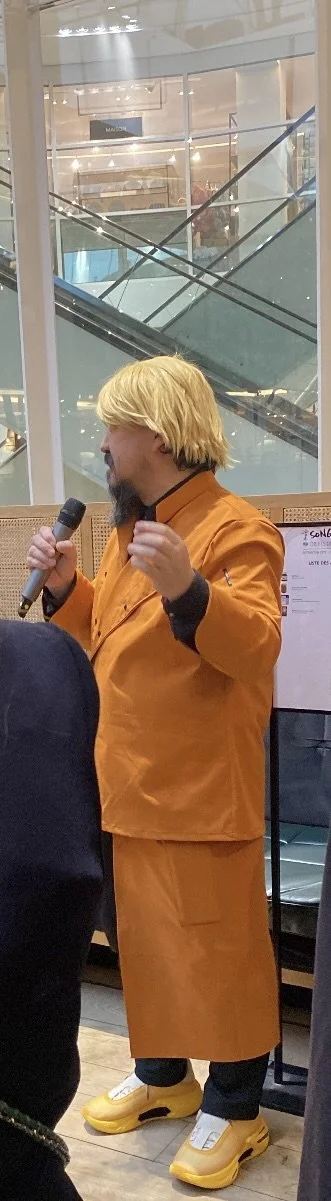
Figure 23. Here is the artist, Song Dong, explaining the conceit behind his edible city (love his ‘fit!)
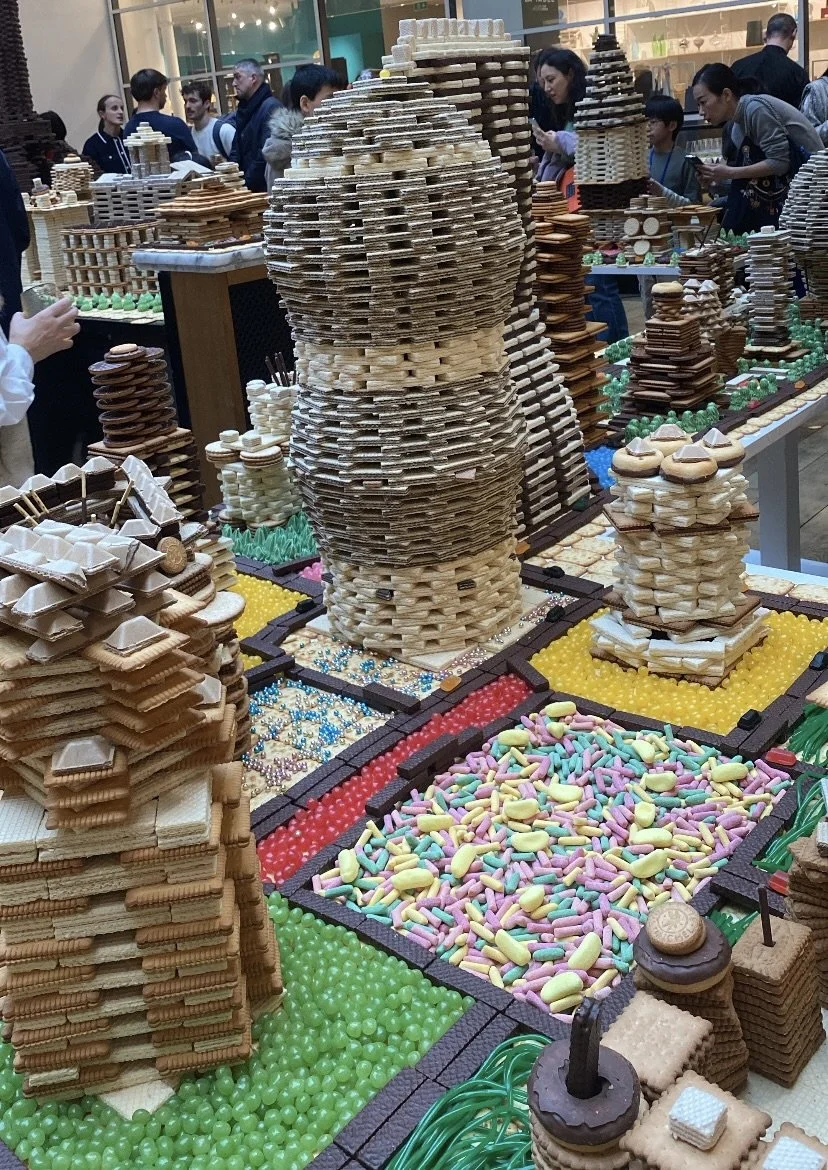
Figure 24. Here is a section of the city intact with biscuits and chocolates and sweets
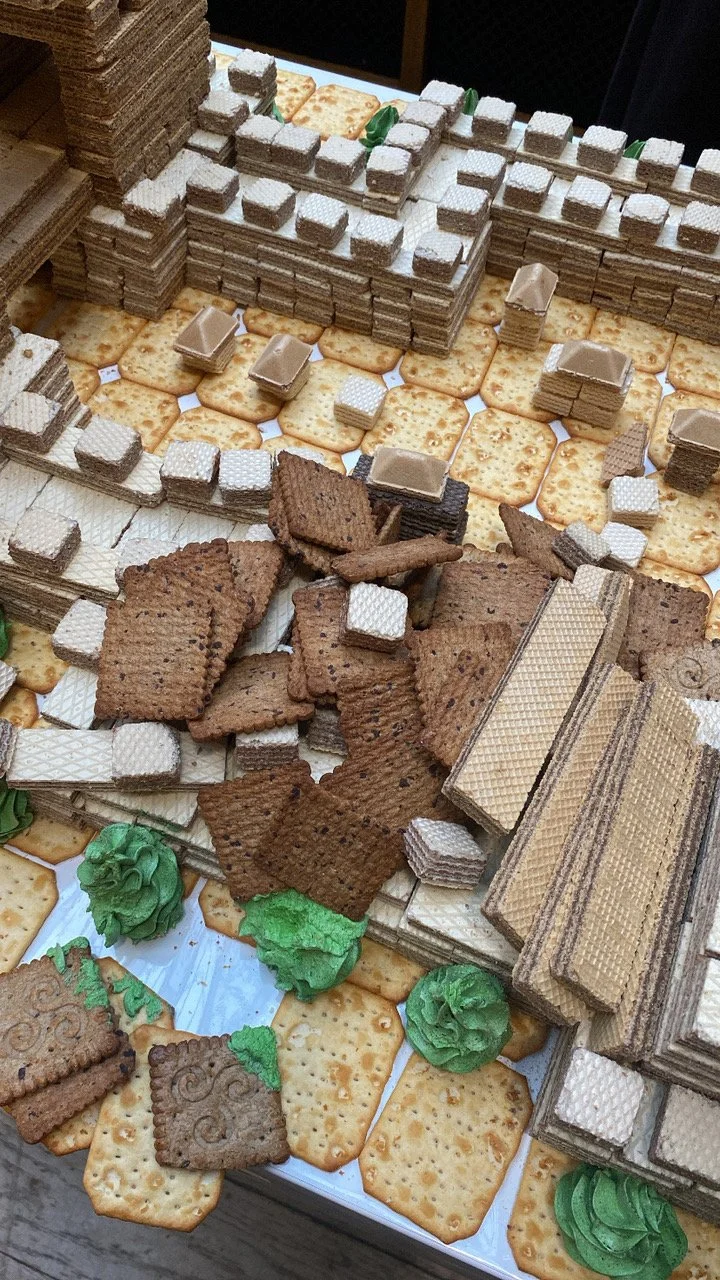
Figure 24. The beginning of the end for the city, little by little it gets pulled apart and destroyed
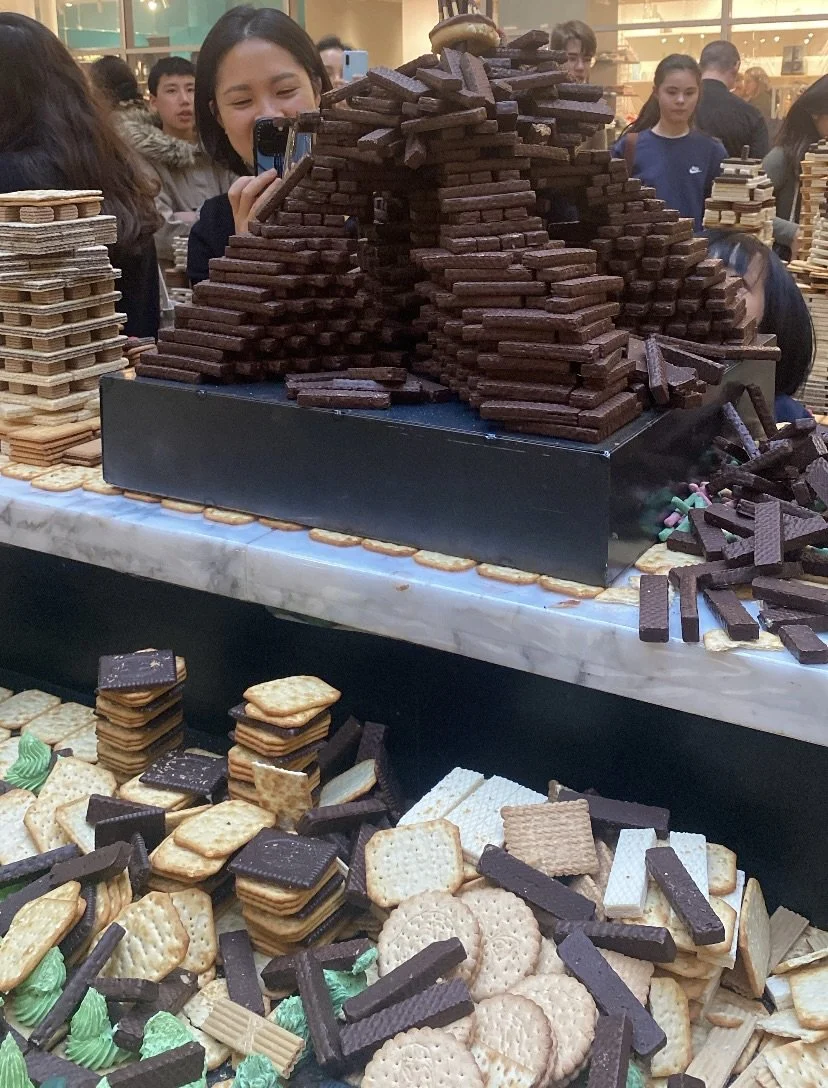
Figure 25. The destruction continues, the Eiffel Tower has fallen down
Thanks to those of you who commented on Joseph Cornell’s Boxes. The exhibition will be in the windows of the Gagosian Gallery for another week. Try to see it if you’re in town.
New Comments on Thinking inside the box
Thank you, Beverly, I enjoyed the introduction (for me) to Joseph Cornell. And I loved that you shared some of your own collections. My favorite of yours was the little bottle of Beverly. I, like you, have a name that you don't often find on fun things to buy so I understand how special it is when you discover something that does:-) Keep enjoying and sharing! Sydney, Portland, OR
I can relate to Cornell. I have a collection of "tchotchkes" from all over the world. While not in boxes, they are displayed on shelves throughout my home. Not much space left. In particular I have a collection of dreidels. They all have a story. Ben, Baltimore