Ten Days in Paris
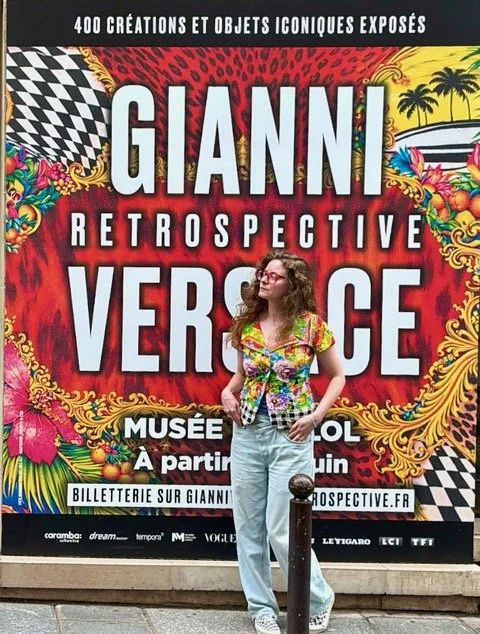
Bienvenue and welcome back to Musée Musings, your idiosyncratic guide to Paris and art. This week, some of the exhibitions Ginevra and I visited in Paris, after my weak week in Venice, until our departure for London. For twelve delightfully cool days, we ran from museum to museum. Nothing like this nightmarish past week during which the temperatures went from high to higher, breaking highs that had been set the day before. It should cool down next week but who knows for how long. All this as efforts to curb climate change are systematically dismantled by our dear leader and his cronies.
We started at some of the exhibitions I had already seen and written about - Lafayette Anticipations (contemporary film and found objects) and Cognacq-Jay (18th century women’s fashion and art); Musée du Quai Branly (African fashions) and the Gobelins Gallery (Rothschilds Sevre collection).
Then we began visiting new (to me) exhibitions. At the Musée des Archives Nationales is an exhibition (thru 14 Juillet), that takes the Marquis de Lafayette as its subject. if you want to celebrate the 250th anniversary of the Signing of the Declaration of Independence without the kind of censorship that is currently all too present in the U.S., there is no better place to do it than here. The exhibition, entitled ‘Lafayette Between France And America, History and Legend,’ tells the story of the nobleman lauded as America’s first and best friend. The beginning is improbable - Lafayette learned about the conflict between Great Britain and the American colonies in 1775 in London, at dinner with King George III’s brother. Within 2 years, Lafayette was in America as a volunteer officer in George Washington’s Continental Army. He was wounded at the Battle at Brandywine (1777), shared the harsh winter with Washington at Valley Forge (1777-1778) and earned recognition at the Battles of Barren Hill, Monmouth and Newport. After which, he sailed back to France, seeking arms and uniforms for Washington’s army. In 1780, Lafayette returned to America bringing the news that France was sending a naval force of six ships and 5,000 infantrymen, under the command of General de Rochambeau.
Almost every American knows the story of Lafayette and the American Revolution. This exhibition also describes Lafayette’s 1824-25 return to America. An old man now, his triumphal visit provided Americans with the opportunity to laud a key player in America’s fight for independence and one of the few who was still alive. Lafayette visited all 24 states that were then in the union. In cities and towns throughout America, he was celebrated as the hero all Americans considered him to be.
While Lafayette has always been a hero in America, that has not been the case in France. His key role in events from the French Revolution in 1789 through the revolution of 1830, have always been viewed with mixed feelings. In France during his lifetime, Lafayette was sometimes celebrated, sometimes slandered. When his adversaries felt that he had become too popular, they undermined that popularity with malicious insinuations graphically depicted on widely distributed posters and engravings.
It is in the context of the ‘Invention of Celebrity’ that Lafayette’s ups and downs in popularity are recounted. According to the historian Antoine Lilti, (Public Figures: The Invention of Celebrity (1750-1850), “the culture of celebrity as we know it, as it has invaded our newspapers, our screens, and our imaginations, is not a recent invention. Its roots lie deep in the 18th century; it is contemporary with the Enlightenment.” Because he was a public figure for over 50 years and because he was well known on both sides of the Atlantic, the curators considered Lafayette a “good subject,” for exploring this idea of celebrity which they call “Lafayette-mania.”
In France, whether he was the lauded subject or the lambasted target, mass produced items were created and distributed to support whatever opinion was being promoted. There were printed books and newspaper articles; poems songs and plays; calendars, playing cards and medals; sword hilts, fans and coat buttons; snuffboxes, tableware, and glassware. A dizzying variety of mostly cheaply produced items - all bearing his image. Quite a few examples of these trinkets are here to see.
In America, "Lafayette-mania" erupted during his 1824-1825 tour of America. He was feted at receptions and banquets. His portrait was painted and sculpted wherever he went. Streets and ships were named after him, as was Lafayette College in Pennsylvania. Silk shawls and leather gloves with his portrait were produced as were massed produced snuff boxes and sewing kits. There was something for everybody to celebrate Lafayette in America and at whatever price point you could afford. This is a wonderful exhibition, intelligent and informative. The kind of exhibition that you won’t see in the U.S. now. (Figs 1-9)
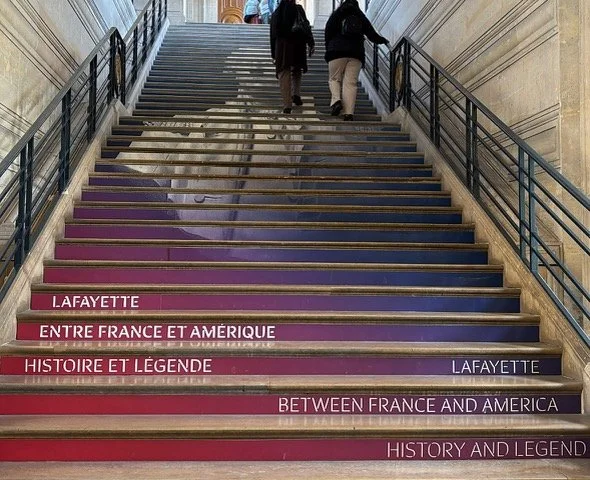
Figure 1. Lafayette Between France and America History and Legend, Archives Nationales, Paris
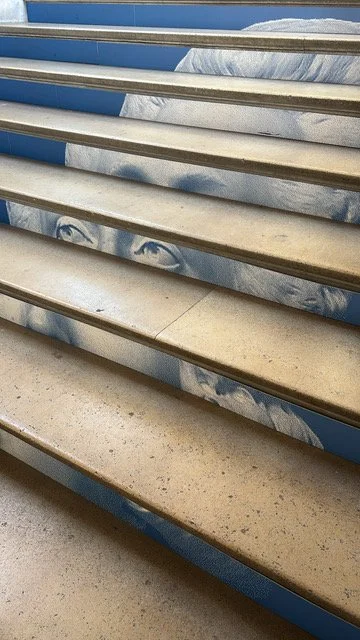
Figure 2. Entrance from the side, Lafayette’s face
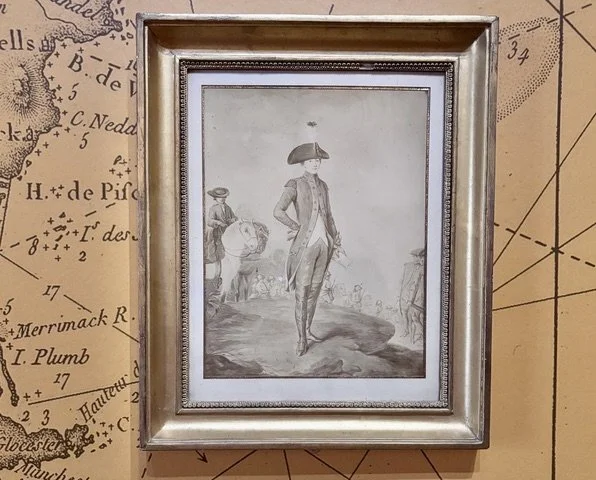
Figure 3. Lafayette in American Army Uniform, 1784
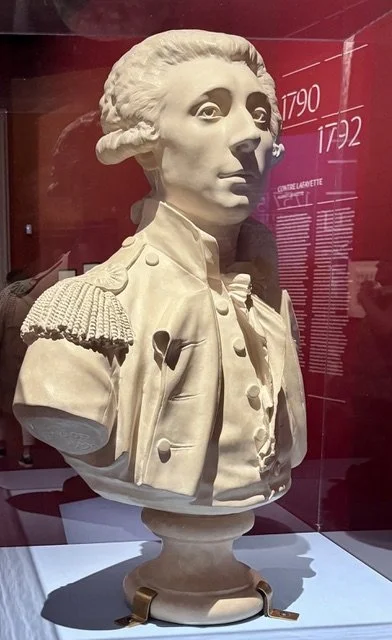
Figure 4. Bust of the young Lafayette
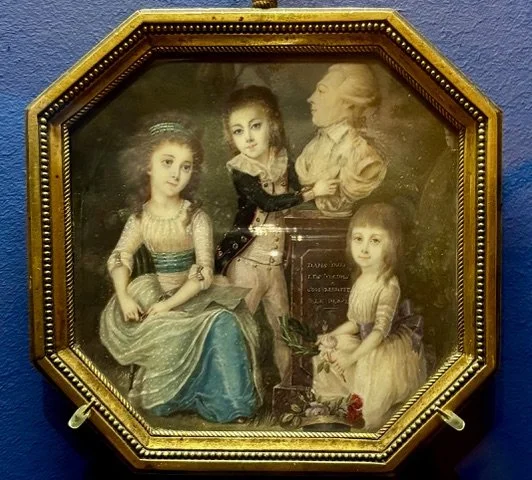
Figure 5. Lafayette’s children, among them George Washington Lafayette and Virginie Lafayette with father’s bust portrait
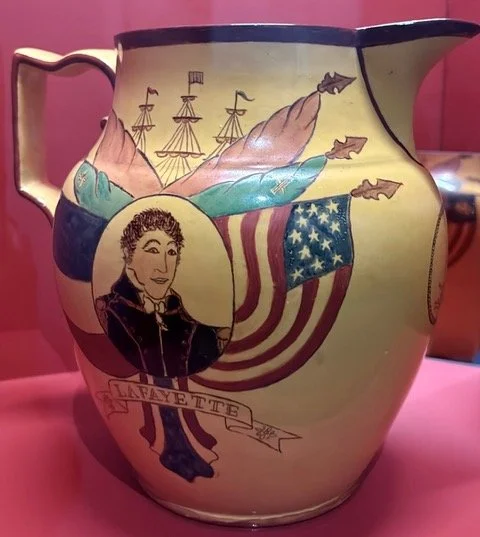
Figure 6. Jug with Lafayette’s face to celebrate Lafayette’s Triumphal Return to America, 1824-25
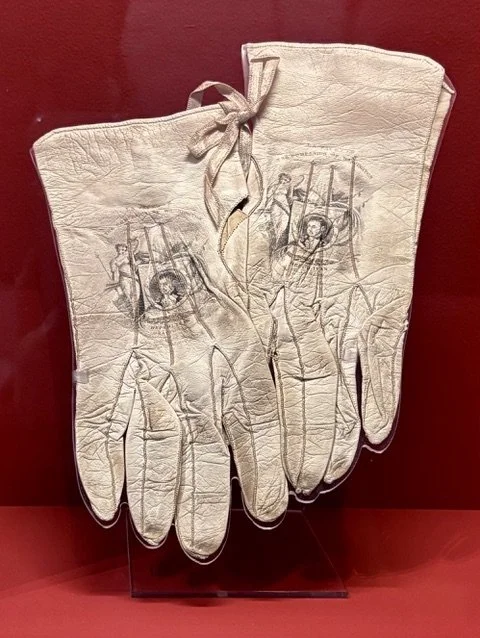
Figure 7. White leather gloves with Lafayette’s face to celebrate Lafayette’s Triumphal Return to America, 1824-25
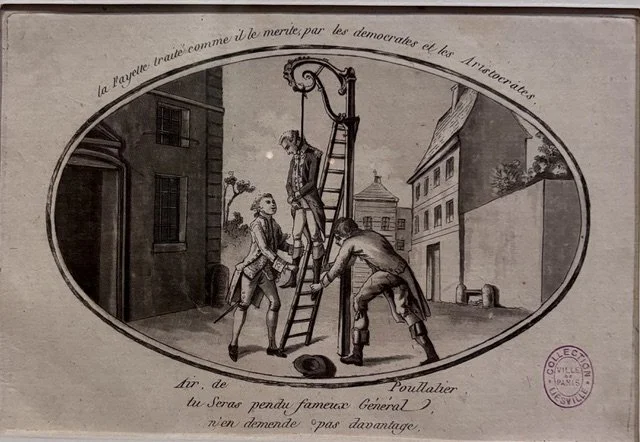
Figure 8. French cartoon of Lafayette being hanged, 1792
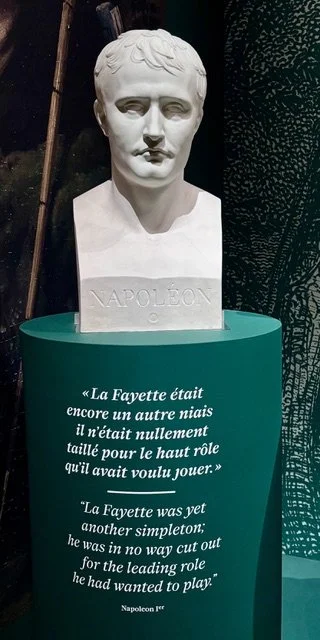
Figure 9. Napoleon’s opinion of Lafayette
Another day, Ginevra and I were at the Palais Galliera, to hear a panel discussion on what 18th century French women wore compared to what 18th century painters depicted them wearing. For the most part, the creators of 18th century gowns remain anonymous while the names of 18th century artists are mostly known. Here’s the question: were the dress designers influenced by the artists or were the artists influenced by the dress designers? It’s an interesting question and one that a professor of mine at the University of Michigan, whose area of expertise was French Impressionism, considered. He compared the ways in which women were depicted in fashion magazines and the way women were depicted by Impressionist artists. We typically think that art goes from high to low (popular) but my professor showed that, at least for the late 19th century, fashion plates influenced artist. It would make sense that it was the same in 18th century fashion and paintings. Next, we were treated to dance performances by young people in costumes designed by other young people, costumes influenced by 18th century fashion. Then Ginevra and I walked through the exhibition, about which I have already written. (Figs 10-11)
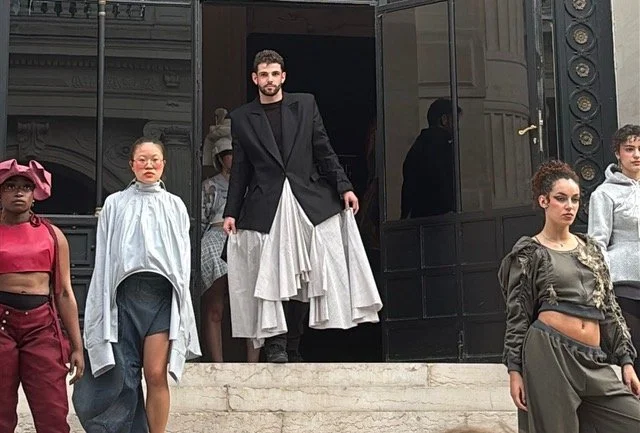
Figure 10. Young dancers in front of Palais Galliera in garments created by young designers inspired by 18th century
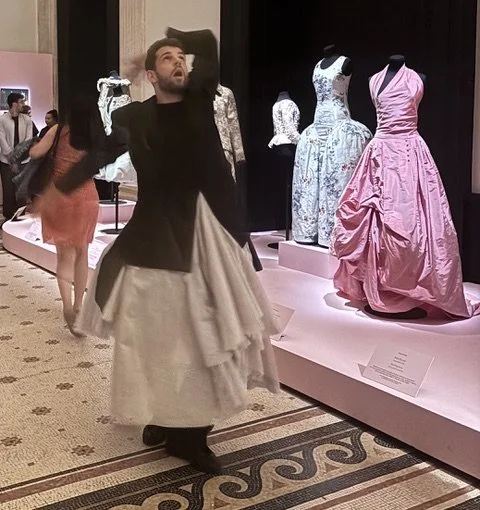
Figure 11. One of the dancers bringing the dance inside, in front of contemporary gowns influenced by 18th century
Another day, we walked over to the Fondation Cartier-Bresson to see a temporary exhibition on photographs and a film by the Ivory Coast artist, Nuits Balnéaires. The gallery sheet describes him as an artist who “moves between fine art, fashion, (and) style…” influenced by “cinema, literature, theater, performance, and cultural history.” The film was about the artist’s uncle, a “distinguished journalist and playwright, (who) died in 1986, in unresolved circumstances.” The artist has said that he felt a connection between his uncle and himself, “perhaps stemming from trans-generational memory.” The film shows the artist and others, accompanying his uncle “during his transition into the afterlife.” Combining “…the power of place and familial memory…” the film connects “the melancholy and trauma of his uncle's story with gentleness and hope…” (Figs 12-13)
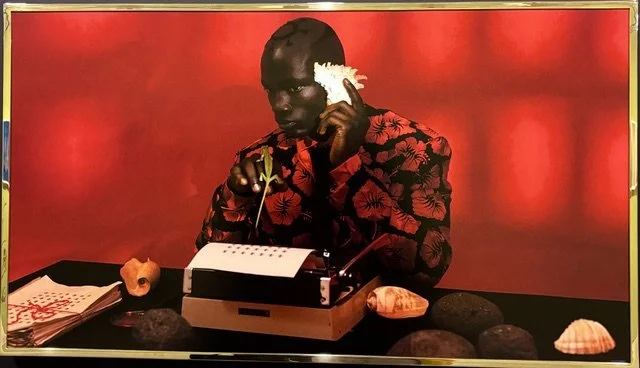
Figure 12. Photograph by Nuits Balnéaires, Fondation Cartier-Bresson
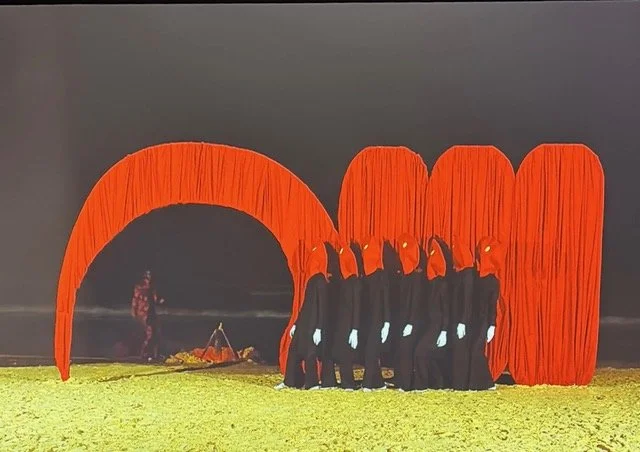
Figure 13. Still from the film by Nuits Balnéaires, Fondation Cartier-Bresson
At the Musée de la Chasse et de la Nature, we saw the temporary exhibition on the work of Annette Messager. Her work, (according to the Fondation Cartier) draws on everyday life and is composed of…photographs, small objects, newspaper clippings, dolls, etc., which she assembles .…(as) “a reflection on the place of women in society, drawing on her own experience as a woman and the domestic sphere shaped by the male gaze. Her practice oscillates between autobiography and fiction. “
This exhibition (until 20 September) entitled, ‘Une hirondelle ne fait pas le printemps’ is from a passage by Aristotle, “One swallow does not a summer make….” As the wall text notes, “animals parody and mimic us, as we get on our high horse, rabbit on about others, and sometimes make monkeys of ourselves. Human, all too human, animals betray our secrets, allegorize our desires and expose our baseness. And while one swallow does not make a summer, it reminds us that we are strange birds.”
Although Messager often uses animals in her work, this exhibition is the first time they have been the main subject. According to the curators, the exhibition is “a long, poetic and political fable’ told with stuffed toys, taxidermy beasts and hybrids” that “explore animality and savagery, cruelty and the grotesque….” Through dialogues between her works and between her works and objects in the museum’s collection, she “elevates the animal world to a subliminal reservoir of human passions and impulses.”
The works here are both beautiful and jarring. The gallery texts are both playful and thoughtful. Here are some examples. In a ‘vast gallery’ “(b)easts flee, lie down, and struggle. The world is a gigantic hunt with preying and capturing…everywhere. Although reminiscent of a menagerie, the space is really, a ‘grand theatre of cruelty.’
One room that we particularly liked had ‘three dizzying piles of…books encasing colorful stuffed toys.’ “From Aesop to Orwell, La Fontaine to Colette, fables and stories abound with animals. So: Does this pile, resembling a mass grave, suggest that literature is a dead language? These closed books struggle to contain the unbridled profusion of the animal world…Everything intermingles and collides. Reality is made up of chimeras and monsters, like the five .. animals at the top of the piles, decked out in incongruous, downright unnatural masks.” Everywhere the gallery text is so smart, it’s a joy to read. (Figs 14-19)
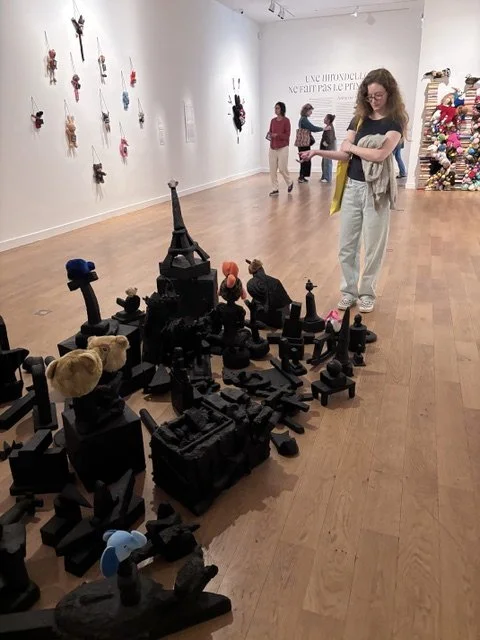
Figure 14. Une Hirondelle ne fait pas le printemps, Anette Messager, Musée de la Chasse et de la Nature
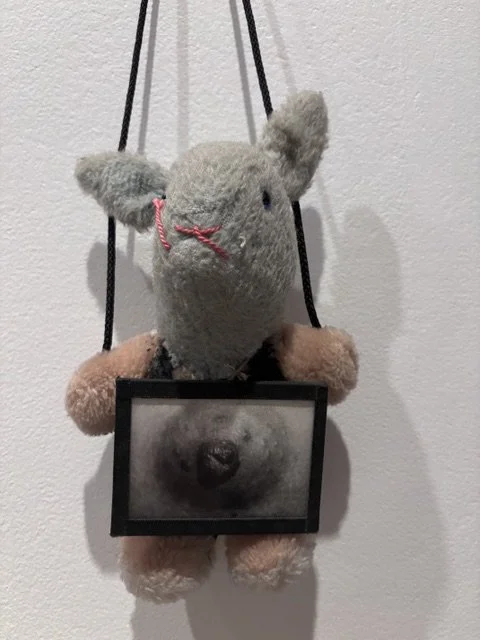
Figure 15. Une Hirondelle ne fait pas le printemps, Anette Messager, Musée de la Chasse et de la Nature, detail hanging bunny with photo of nipple
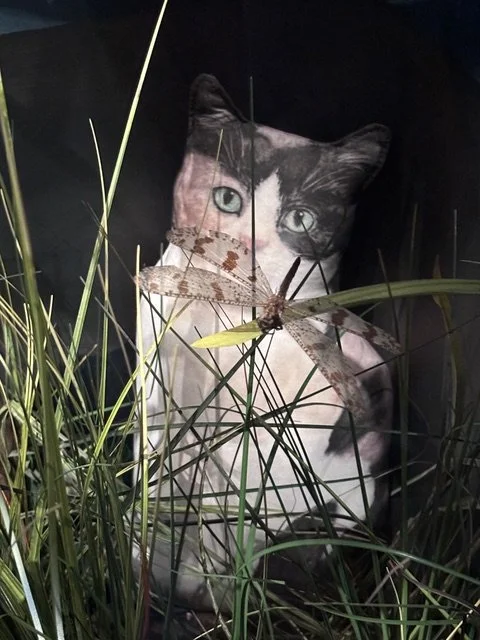
Figure 16. Une Hirondelle ne fait pas le printemps, Anette Messager, Musée de la Chasse et de la Nature, hiding pussy
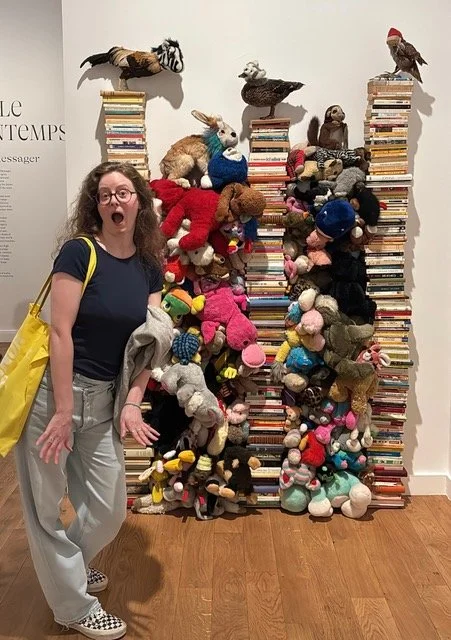
Figure 17. Une Hirondelle ne fait pas le printemps, Anette Messager, Musée de la Chasse et de la Nature, books & beasts
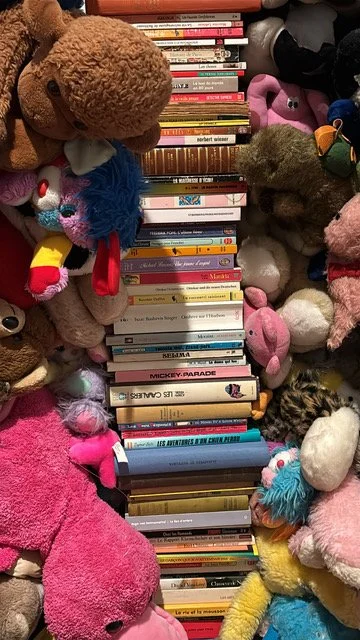
Figure 18. Une Hirondelle ne fait pas le printemps, Anette Messager, Musée de la Chasse et de la Nature, books detail
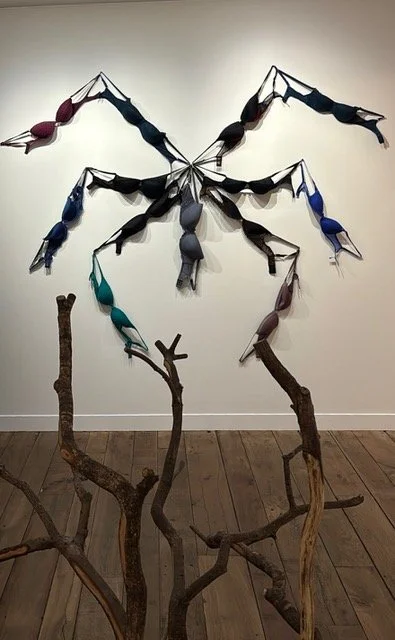
Figure 19. Une Hirondelle ne fait pas le printemps, Anette Messager, Musée de la Chasse et de la Nature, bras as spider
One day we needed a break from museums. So, we walked along the Canal St. Martin through a park, into a neighborhood offering an eclectic assortment of prepared foods and spices, to our destination in the 18th arrondissement, the Esplanade Nathalie Sarraute . Our destination was Bob’s Bake Shop which, according to me, sells the best bagels in Paris. We ate bagels and cream cheese and smoked salmon and brought bagels and cream cheese home. When we were there, it was almost too cool to sit outside. This week, we are sweltering inside because it is too hot to be outside. (Fig 20)
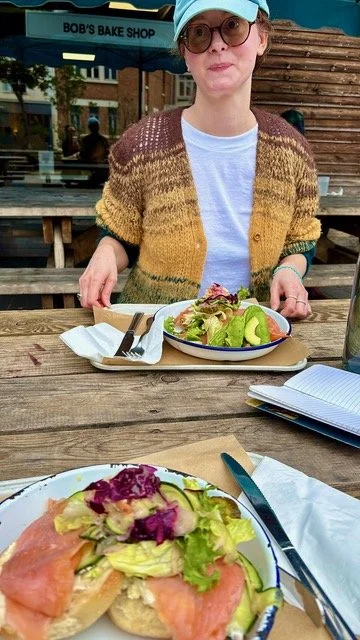
Figure 20. Bob’s Bake Shop on a cool June afternoon
Another day, we walked over to the Pont Neuf to see La Caverne, JR’s homage to Christo and Jeanne Claude. To commemorate the 40th anniversary of their wrapping of the Pont Neuf, a year late. Delays were a way of life for Christo and Jeanne Claude. They ran into red tape whenever and wherever they tried to wrap public spaces and public places. There were years of bureaucracy, years of meetings with government officials. JR encountered no such headwinds. The French government invited him to create his homage. But nothing has worked out for JR either. And the word headwind is the problem. When we were there, we could only see it from a distance, from the outside because just as it was nearly completed, hail and strong winds tore it at both ends and postponed the opening until it could be repaired. So, instead of opening on June 6, it opened on June 15 - Ginevra and I were in London. The week we were in London, the weather was moderate and people flocked to see La Caverne. I was hoping to visit it this week, it closes today. Instead, I am in my apartment, in the dark - with the drapes drawn and the shutters shut tight, as the city experiences a heatwave the likes of which it has never seen. Although La Caverne is open 24 hours a day, the temperature is never low enough for me to contemplate the 40 minute walk to the Pont Neuf from my apartment and the walk 40 minute back, not knowing how long I would have to wait to get in. I admire JR’s’ work tremendously. I have been looking forward to enjoying La Caverne since it was announced. I guess I’ll just have to add it to my (growing) list of places I wanted to go, things I wanted to see, but couldn’t. (Figs 21-22)
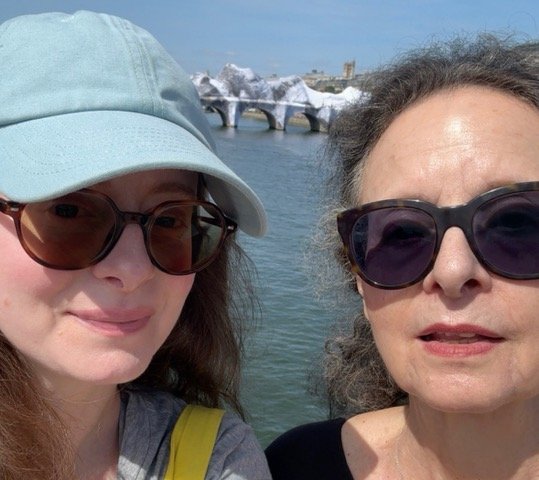
Figure 21. Ginevra & me with JR’s La Caverne in the background
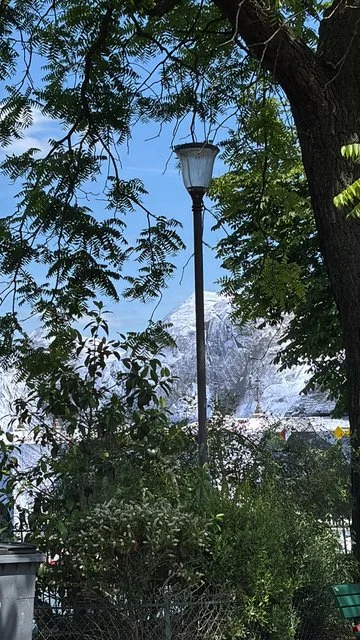
Figure 22. JR’s La Caverne through the leaves
Before we left for London, we saw three excellent and completely different retrospectives - at the Fondation Louis Vuitton on the sculptor Alexander Calder, at the Musée Maillol on the fashion designer, Gianni Versace and at the Cinémathèque Française, on the inimitable Marilyn Monroe.
The Calder who is the subject of this exhibition was the son and grandson of men also named Alexander Calder who were also sculptors. His Scottish born grandfather created monumental sculptures, among them the colossal statue of William Penn atop Philadelphia’s City Hall. His son also sculpted public monuments, among them, “Washington the Statesman” on the Washington Arch in New York City. The Calder who is the hero of our story, not only was the grandson and son of sculptors, his mother was a painter. It seems that Calder’s destiny was to become an artist.
The exhibition begins with two of Calder’s childhood creations, Christmas presents made for his parents when he was 11. From thin sheets of brass, he made a dog with a curly tail and a rocking duck. At 11, he was “already a wizard with pliers.”
2026 marks the 100th anniversary of Calder’s arrival in France. One large room and two videos are given over to the funky, miniature circus Calder created in France - to which he kept adding over the years. In the videos, we see the circus come to life with Calder as Ringmaster and Louisa, his wife, controlling the music at the gramophone. This is a space you could get lost in and we did. When we finally escaped, we were in a room of abstract paintings, in the style of Mondrian. Calder mostly abandoned painting but abstraction was there to stay.
Another room was filled with jewelry. Calder began creating jewelry for his sisters’ dolls at the same time he fashioned the dog and duck for his parents. Lots of the jewelry he made was for his wife Louisa. Other pieces were gifts to his female friends or to the wives of his male friends. Among the women who received hand crafted jewelry from Calder were Peggy Guggenheim and Georgia O’Keefe, Marcel Duchamp’s wife Teeny, Marc Chagall’s wife, Bella and Luis Bunuel’s wife Jeanne.
There’s one room filled with photographs of Calder taken by contemporary photographers, from Agnes Varda to Cartier-Bresson. It’s a delightful reminder that all these creatives knew each other and sometimes hung out with each other.
Mobiles and stabiles fill room after room. Near the very end of the exhibition is a slideshow of Calder stabiles and mobiles in situ. And just outside the Fondation, in the Jardin d’Acclimation, there are three huge stabiles. The exhibition ends on 20 August and you should definitely try to see it. A ticket to the exhibition is also a ticket to the Jardin d’Acclimation. If you’ve taken the navette to the Foundation, you can wander around the Jardin before boarding it back to Charles de Gaulle Etoile. If you come by metro, like I do, you can walk through the Jardin on your way back to the metro stop. (Figs 23-31)
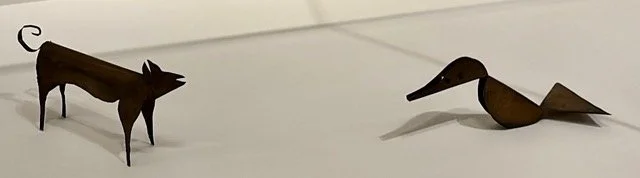
Figure 23. Dog and Duck, Alexander Calder, age 11
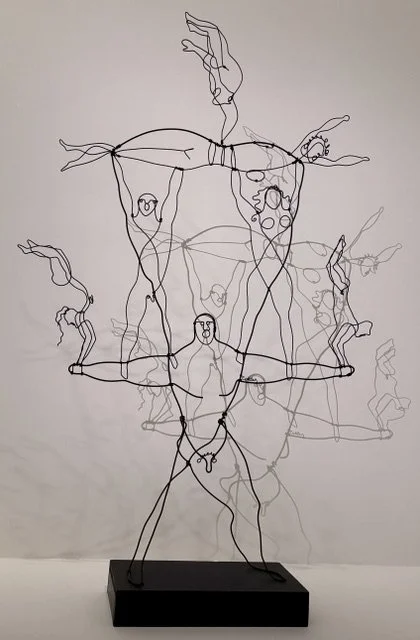
Figure 24. Wire sculpture of strong man and acrobats, Calder, 1929
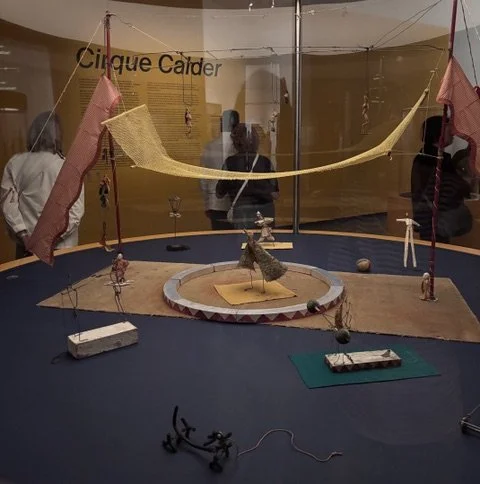
Figure 25. Calder’s circus which he began the year he arrived in France, 1926
Figure 26. Calder with his circus
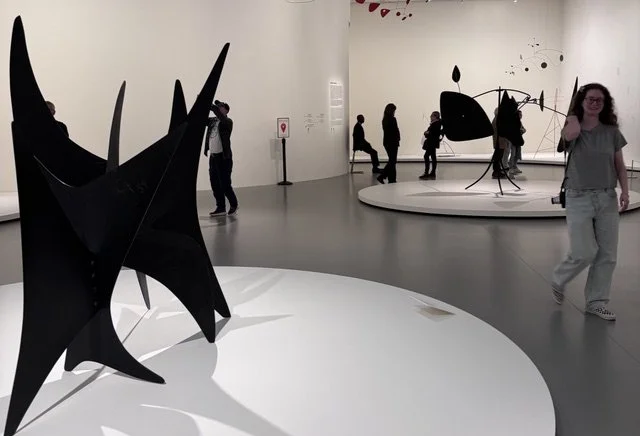
Figure 27. Calder Stabiles and Mobiles
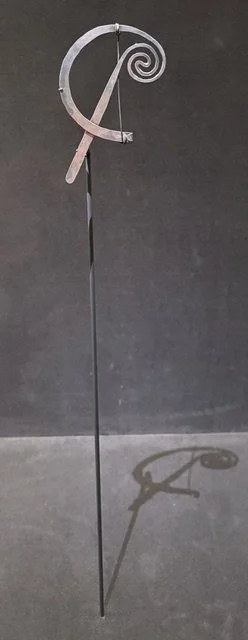
Figure 28. Brooch for Charlotte Perriand, Calder
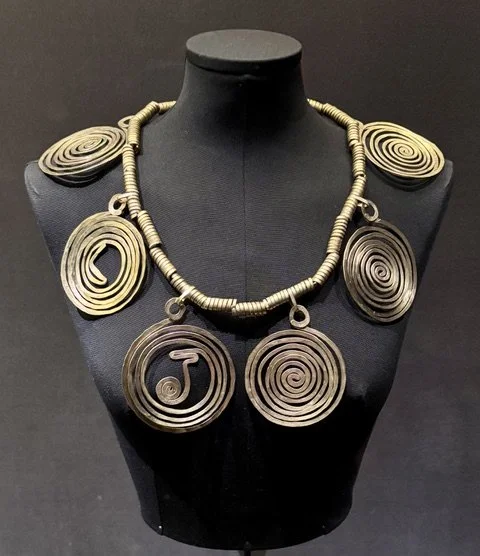
Figure 29. Necklace for Louisa, Calder’s wife, Calder 1930
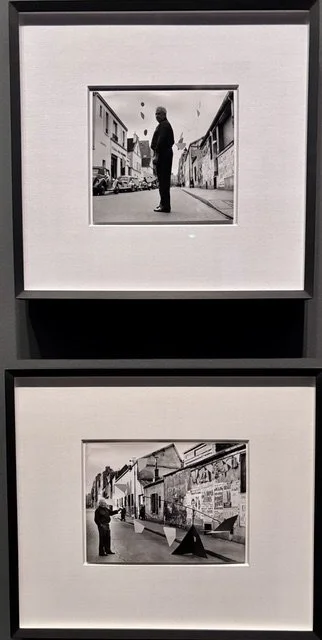
Figure 30. Two photos of Alexander Calder in Paris, Agnes Varda
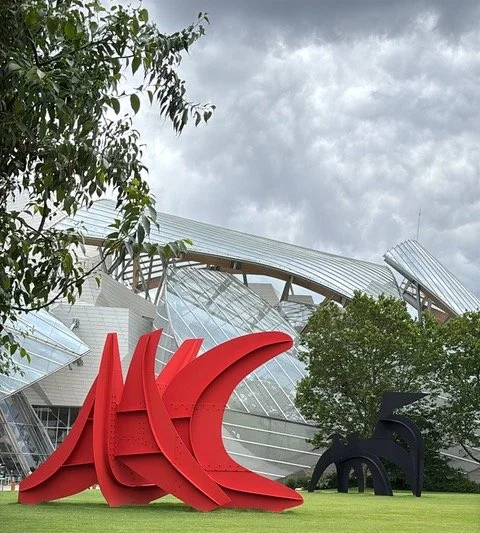
Figure 31. Mobile, Calder in Jardin d’Acclimations, Paris (FLV behind)
The exhibition at the Musée Maillol is a fascinating retrospective of the life and career of the fashion designer, Gianni Versace. As I compared it with the Calder show, a few ideas popped into my head. At the FLV, the focus was Calder, the artist. Calder’s personal life was barely mentioned. We can all identify a Calder mobile, a Calder stabile, even though very few of us know anything about Calder’s private life. With Versace, it’s the opposite. We may not be able to recognize a single Versace design but because of the dramatic way in which he died and especially the television show, American Crime Story, that recounted the details of his assassination, we all know something about the man, how he lived, with whom he shared his life. By the end of the Versace exhibition, I had learned a great deal about his work - the range of his influences from Greek sculpture to Renaissance painting to Pop Art and punk music. It was a fabulous and joyful romp through the multifaceted career of a very important fashion designer. There were gowns, there were accessories, there were photos and there were videos. It was over the top and at the same time, just right! I’ll tell you more about the Versace exhibition next time. The entry ticket includes an audio guide which is very very good. (Figs 32-36)
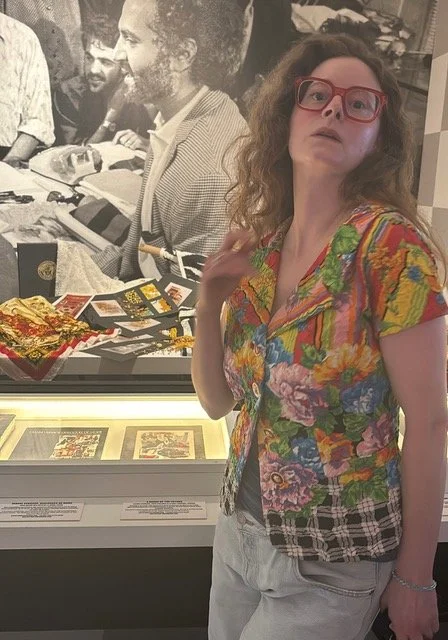
Figure 32. Gianni Versace in his studio and Ginevra in Vintage Versace, Musée Maillol
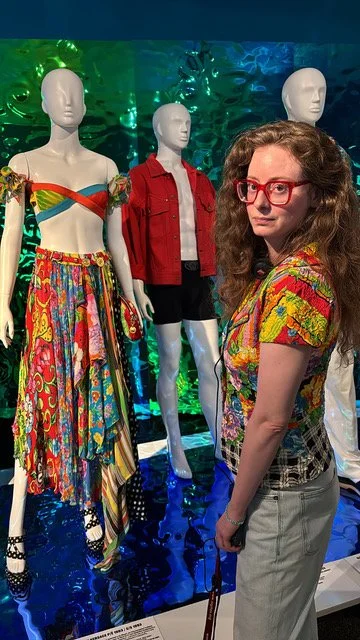
Figure 33. Versace & Ginevra, again, Musée Maillol
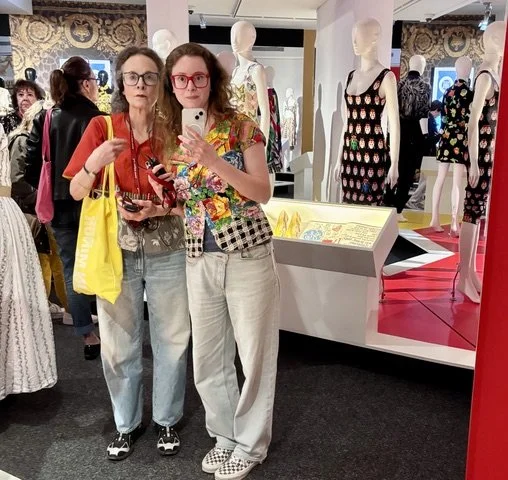
Figure 34. Versace and Ginevra and me, Musée Maillol
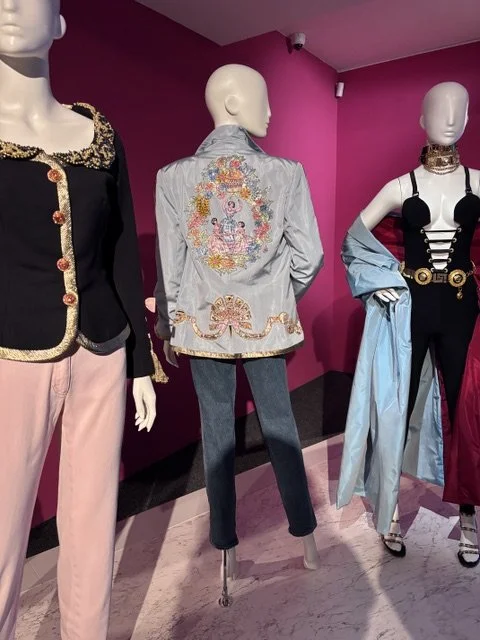
Figure 35. Another Versace look, Musée Maillol
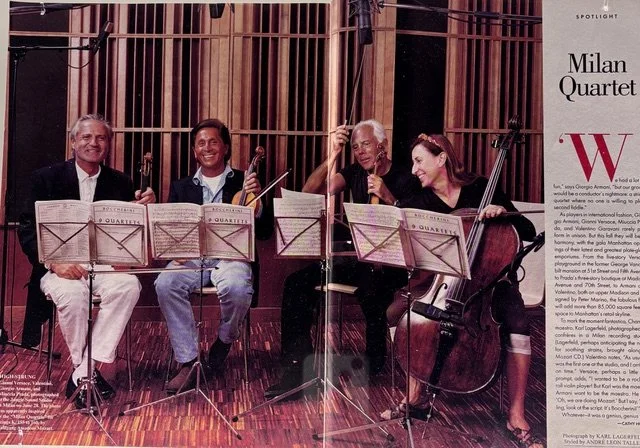
Figure 36. The Milan Quartet of fashion designers - from left Versace, Valentino, Armani & Prada
A mention of one last exhibition - Marilyn Monroe at the Cinémathèque Française. (Fig 37) Maureen Dowd (NYT opinion columnist) suggested that while we really can’t celebrate the 250 anniversary of the birth of the United States in America under the present regime, we can celebrate the centennial of Marilyn Monroe’s birth. Which I did, twice - once in Paris and once in London. More about those fabulous shows soon. Gros bisous, Dr. B.
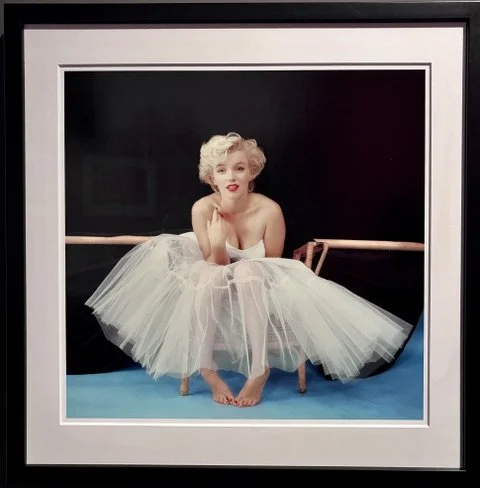
Figure 37. Marilyn Monroe as a ballerina,, Cinémathèque Française