Eva Gonzalès at the Petit Palais & L’étoffe de l’artiste at the Musée Bourdelle
Bienvenue and welcome back to Musée Musings your idiosyncratic guide to Paris and art. A week ago, November 1, (Toussaint), the day after the (mostly) calm Halloween Day demonstrations were held, even further from the center of the city than those of the previous week, I took a walk through the Marais to the 2nd arrond. Destination: chocolate.
A few blocks past the Place des Vosges, on rue Franc Bourgeois, I peeked into the courtyard of Dover Street Market. On very tall, very big pillars was an exhibition on the work of an ‘avant-garde ikebanist’ Yukio Nakagawa (1918-2012). He described his work this way, “I discover everything from flowers….Shocked by the color, seduced by the fragrance, awed by the shape. Into the joy of holding a flower, I pour my very life (Figs 1-3).
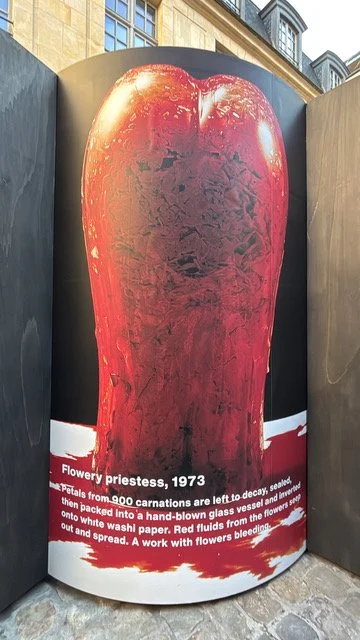
Figure 1. Avant-garde Ikebanist, Yukio Nakagawa, Dover Street Market, Paris
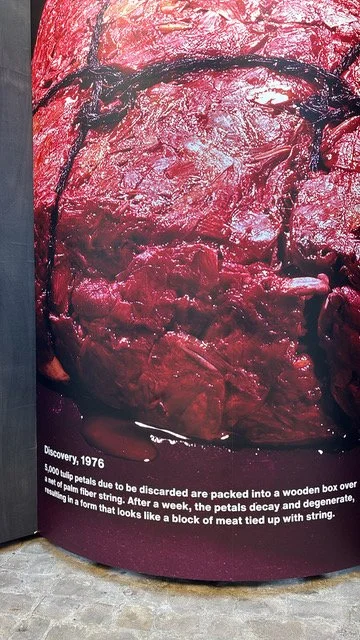
Figure 2. Avant-garde Ikebanist, Yukio Nakagawa, Dover Street Market, Paris
When the petals rotted, he tied them with string and they looked like raw meat
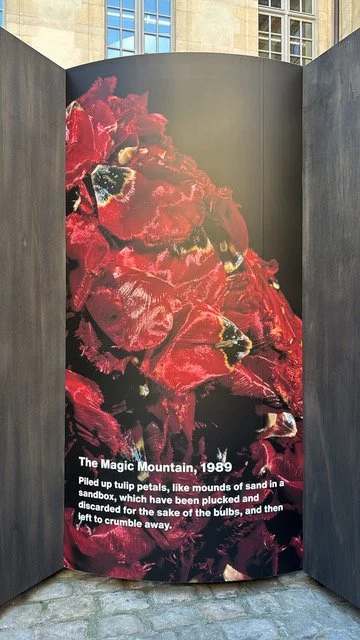
Figure 3. Avant-garde Ikebanist, Yukio Nakagawa, Dover Street Market, Paris
A little farther along, at the National Archives is an exhibition about the Cassini Map of France. About which I knew absolutely nothing, despite it being, cartographically speaking, A VERY BIG DEAL that took four generations of Cassinis to complete.
What I liked best though was the ‘cartography-adjacent’ works by contemporary artists. One of the pieces was by Susan Stockwell. A globe headed mannequin wearing a map dress, with a map backpack on her back. The gallery sheet explains that ‘Europa’ (the mannequin) is a time traveler (who) stands in the seawater (and)… bears the weight of an unpredictable future.” The artist is here “engaging with recent historical events in Europe - most notably the war in Ukraine, Brexit, and mass migration.” In this work and others, Stockwell “addresses questions of ecofeminism, materiality and history, exploring themes of displacement, movement, migration, and climate change.” (Fig 4) That’s a lot of baggage for the slender shoulders of ‘Europa!’
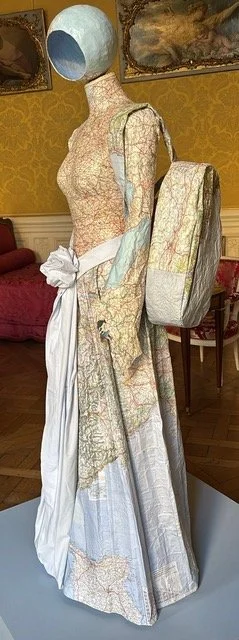
Figure 4. ‘Europa’ Sarah Stockwell
Along one entire wall are aerial postcards based on the thousands produced by a publishing company in the 1950s. The title of the piece, Dorica Castra, refers to a linguistic device found in children’s literature, when the final syllable of one word becomes the first syllable of the next. By applying the principle of phonetic linkage to postcards, the artist Mathieu Pernot constructed an imaginary map of France. The artist describes his piece this way, "An improbable mountain range has taken shape, in which the peaks of the Pyrenees coexist with those of the Alps and the Massif Central. The coastline has been formed through successive collages…Atlantic shores sit alongside those of the English Channel or the Mediterranean. Bridges from various eras span the map, as do roads, railway lines, and rivers.” Subverting the protocols of documentary photography, Pernot’s map plays around with topographical and man-made map feature. (Fig 5)
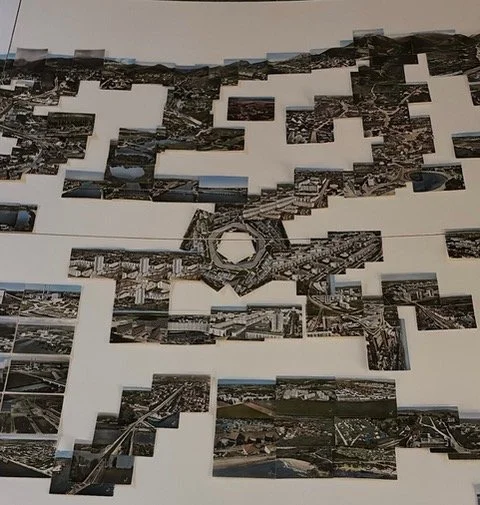
Figure 5. ‘Dorica Castra,’ detail, Mathieu Pernot
My destination was Plaq, a tiny chocolate shop on a tiny street, rue de Nils. I went for a bag of their ‘Infusion Cocao,’ made from the husks of roasted cocoa beans. It has both the aroma and taste of chocolate but it’s basically guilt free. As long as I was there, I ordered a cup (which they call a shot) of hot chocolate. Made with hot water, rather than with milk, the chocolate experience is intense. Which is why I went for it! (Fig 6)
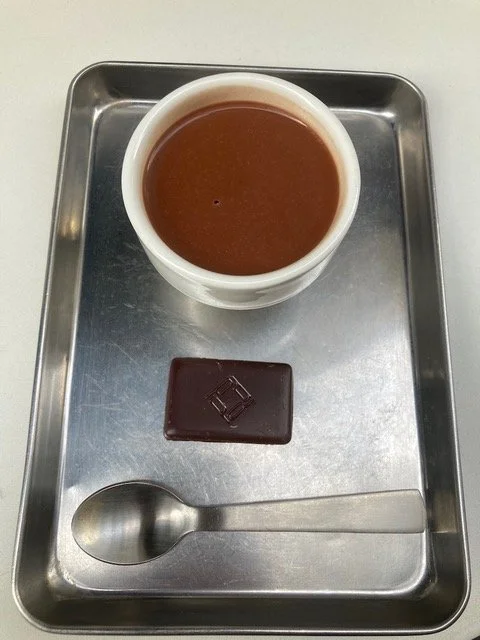
Figure 6. Hot Chocolate from Plaq, served with a tiny square of chocolate
That was the good news about walking through the Marais last Sunday. The not so good news was that evidence of the September 17 violence was everywhere. It was impossible to enjoy the normal Parisian pastime of lèche-vitrines (window shopping) with so many shop windows boarded up. And although two weeks had gone by since the violence, nobody seemed ready to assume that it was over. Especially after the government told merchants that they were responsible for protecting their own properties.
And then, after months of dread, it was Tuesday 3 November. Trump & Co. began a long time ago to lay the groundwork for winning the midterms or questioning the results if they didn’t. What he tried to do and sometimes succeeded in doing was, of course, without precedent and met with legal challenges by judges he didn’t own. Trump urged his supporters to vote as if he was on the ballot. And they did. He and his policies lost. But that’s not how the narcissist in chief sees it. AI tells me that, “Despite months of high-profile legal challenges and threats of federal intervention, observers reported that when Election Day arrived on November 3, 2026, voting proceeded smoothly without the major federal disruptions ..” That such a disclaimer had to be made speaks volumes.
The news program I watch, Quotidian, began their November 4 show with the host ‘Trump’ dancing to Y.M.C.A. Then he read "a non-exhaustive list of the very few things Trump has done to show he is a toxic president.” The list from his first term included his handling of Covid and his incitement of the January 6 U.S. Capitol riots. The list since January 2025 is very long because he has become even more brazen and belligerent and berserk. There’s DOGE and ICE and USAid and Tariffs and Crackdowns on Universities and Journalists and the Renaming of bodies of water, etc. etc.(Figs 7, 8)

Figure 7. Trump Dancing to YMCA at one of his many ‘Get out the vote’ rallies

Figure 8. Yann Barthes reading an illustrated list of most of the most egregious insults/assaults on the world during the November 4 broadcast of Quotidian https://www.facebook.com/reel/1109356271724971 (for entire illustrated list)
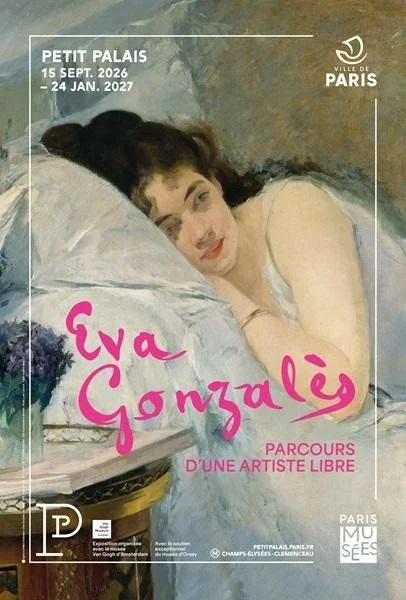
Thank goodness for ART! Katherine and I saw an exhibition about the French artist Eva Gonzales (1847-1883) at the Petit Palais. Gonzales was 6 years Berthe Morisot’s (1841 -1895) junior and 3 years younger than Mary Cassatt (1844-1926). Like them, Eva Gonzalès was a talented artist born into a bourgeois family which both enabled her to develop her talent and constrained her freedom to do so. Gonzalès and Morisot eventually married. Luckily, their husbands (both artists themselves) were supportive and ‘permitted’ their wives to continue painting. After they married, Morisot and Gonzales signed their works with their maiden names. Mary Cassatt resisted marriage but she was hardly independent. When she moved to Paris from Pittsburgh, her sister Lydia moved with her. Her parents joined them a few years later. Cassatt did not live alone until they all died. She was 50 and lived another 32 years. Morisot died at 54, after nursing her daughter Julie through an illness. Julie survived, Berthe succumbed. Eva Gonzalès died at age 36, 2 weeks after the birth of her first child. Motherhood can be lethal! (Figs 9-13)
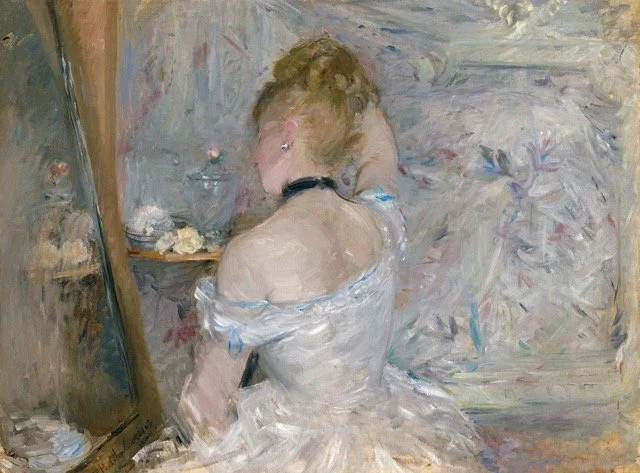
Figure 9. “Woman at Her Toilette” Berthe Morisot, (1875-80)
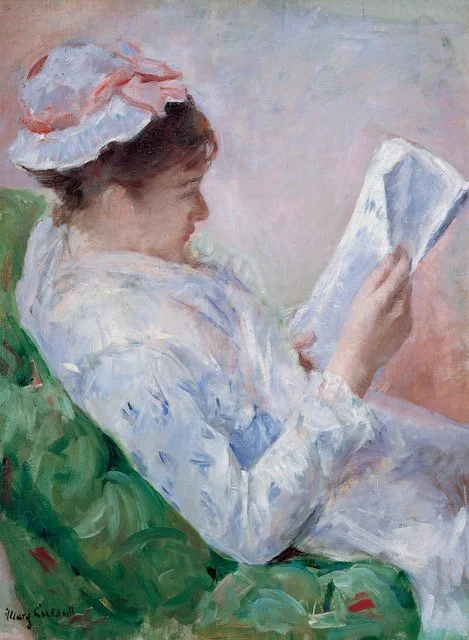
Figure 10. Woman Reading, Mary Cassatt, 1879
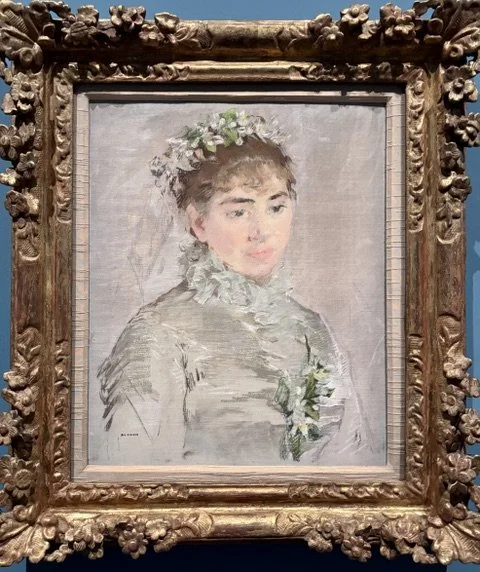
Figure 11. The Bride, Eva Gonzalès, 1879
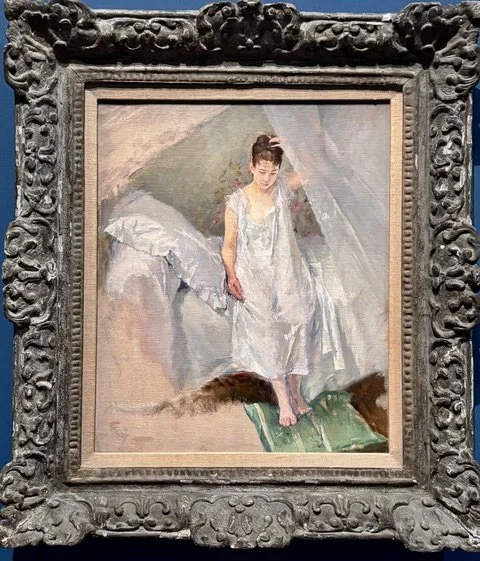
Figure 12. Alcove, Eva Gonzalès, 1875
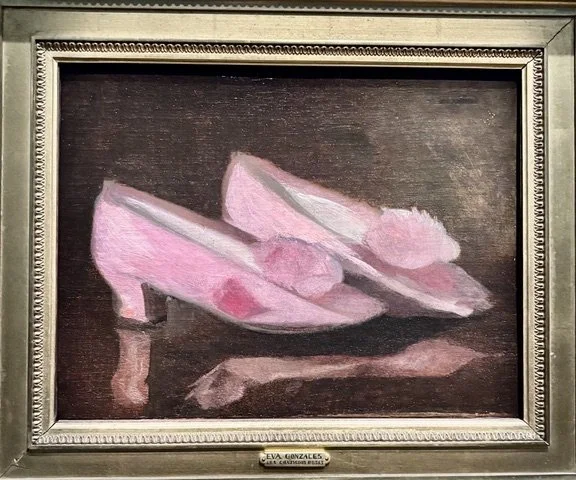
Figure 13. Pink Shoes, Eva Gonzalès, 1879
There’s another link between Gonzales and Morisot: Edouard Manet. Gonzalès was his only official pupil and Morisot, who resisted his tampering with her canvases, married his younger brother, Eugène. That Berthe Morisot thought of Gonzales as a rival is clear from the snarky comment she made in a letter to her sister Edme in August, 1869, “...Manet lectures me and holds up that eternal Mademoiselle Gonzalès as an example; she has poise, perseverance, she knows how to carry something through, whereas I am not capable of anything. In the meantime, he begins her portrait again for the twenty-fifth time; she poses every day, and every evening her head is washed out with black soap.” In Morisot’s opinion, Manet was guilty of the same thing he accuses her of - “creative indecisiveness.’ We now know that Morisot underestimated the number of times Manet reworked his portrait of Gonzales. According to modern X-ray and imaging technology, “Manet completely reworked Gonzalès's face, curls, dress, and background up to 40 times.” (ARTNews) Who else did Manet paint? Morisot, of course! She was Manet’s most frequent model. He painted her 12 times between 1868 and 1974. (Figs 14, 15)
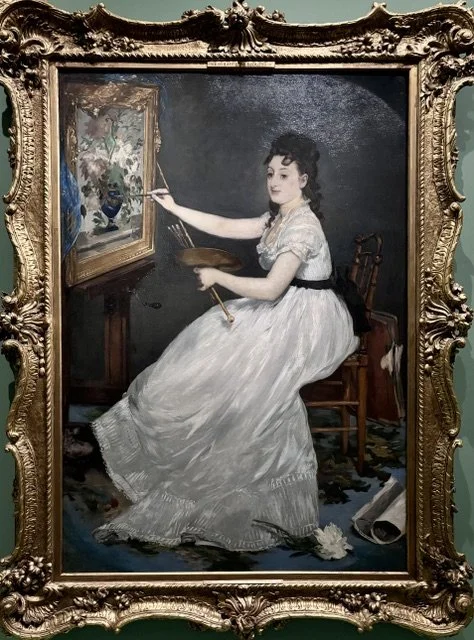
Figure 14. Portrait of Eva Gonzalès painting, Edouard Manet, 1869
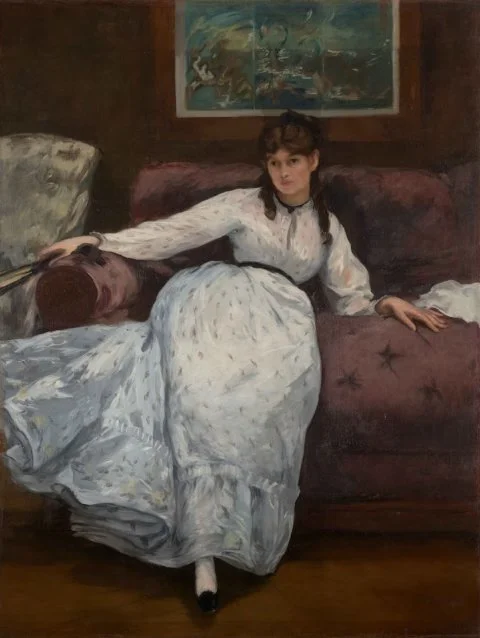
Figure 15. Repose, portrait of Berthe Morisot, Edouard Manet, 1871
I knew of Eva Gonzalès before this exhibition. I had seen Manet’s portrait of her and a painting or two by her in exhibitions on 19th century women artists. But that was about all. I wondered about her surname (her father had Spanish and Monégasque ancestry) and why she disappeared from the scene so soon. I didn’t know if she had died and if so, of what or if she had been forced to stop painting - by her parents or husband. That had been the fate of Marie Bracquemond (1840 - 1916) who “stopped painting professionally around 1890 due to intense opposition, jealousy, and psychological discouragement from her husband, fellow artist Félix Bracquemond” (ARTNews) (Fig 16)
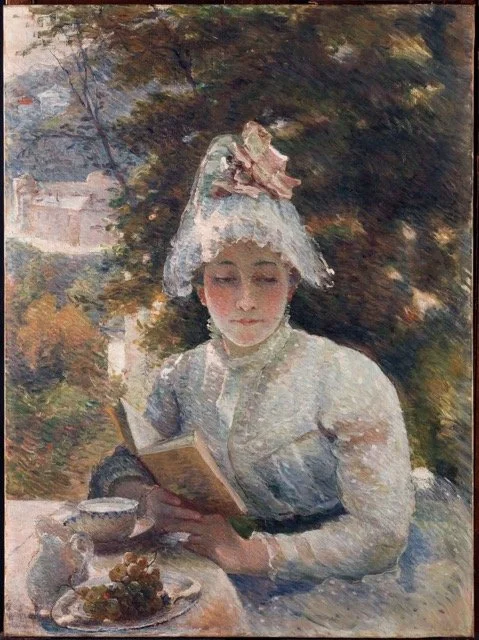
Figure 16. Le Gouter, Marie Bracquemond, 1880
Until this exhibition, Eva Gonzalès had not been the subject of a retrospective since the 1885 posthumous exhibition of her work organized by her husband, the engraver Henri Guerard and her sister, Jeanne Gonzales. That was two years after Eva’s death and three years before husband and sister married. Henri Guérard died in 1897 leaving Jeanne Gonzalès to raise her sister’s son, Jean-Raimond Guérard. (Fig 17)
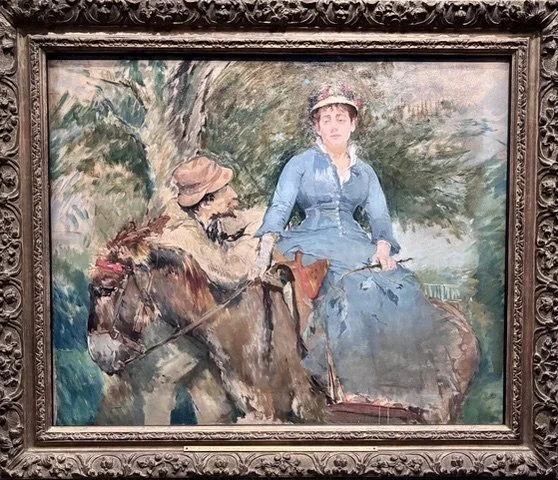
Figure 17. Henri & Jeanne (husband and sister), Eva Gonzalès, 1880
Eva’s father, a well-known journalist and man of letters, and her mother, a musician who held a literary salon in Paris, were happy to encourage their daughter’s talent and enroll her in the private studio of the society painter Charles Chaplin. He was one of the favorite masters of Parisian polite society. Among Chaplin’s students was Mary Cassatt who attended his courses for ladies at the same time Gonzales did - 1866-1867 (1868 for Cassatt).
Gonzalès met Manet in 1869. Their meeting determined the trajectory of her career. Manet was known as an outrageous artist who nonetheless was hellbent on exhibiting at the Salon rather than with the Impressionists. Gonzales, aware of the the risk of being known as Manet's student, and as insistent as he on exhibiting at the Salon, presented herself, in the early stages of her career, as Chaplin’s student. But her works, like A Loge at the Théâtre des Italiens and The Bugler are clear evidence of Manet’s influence. (Figs 18-21)
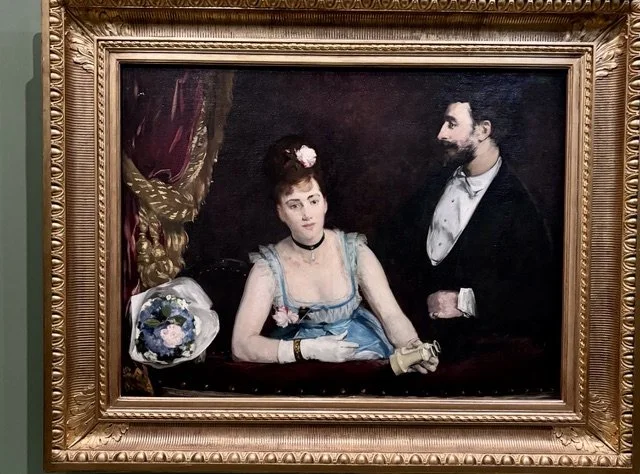
Figure 18. Une Lages aux Italiens (Jeanne Gonzalès & Henri Guerand) Eve Gonzalès, 1874
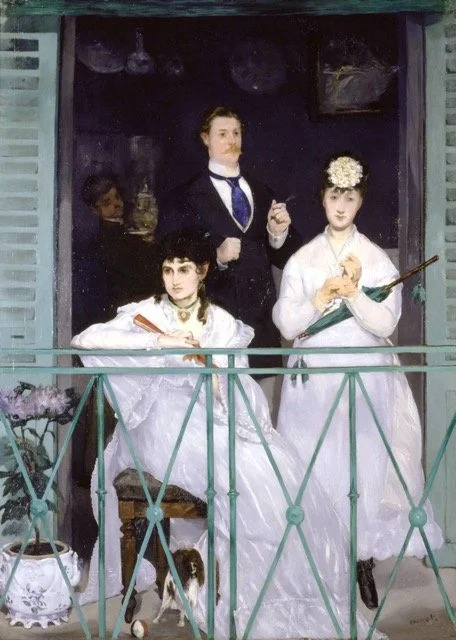
Figure 19. The Balcony, (seated woman is Berthe Morisot) Edouard Manet, 1868
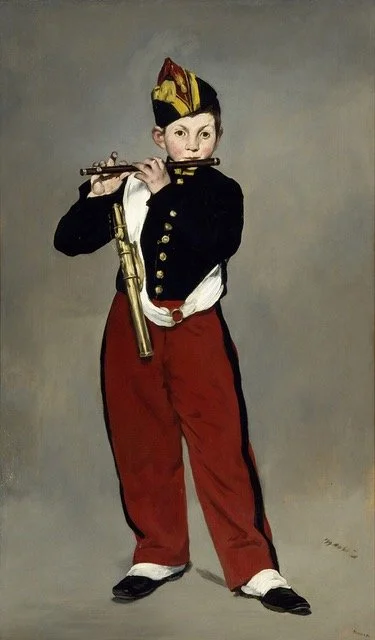
Figure 20. The Fifer, Edouard Manet, 1866
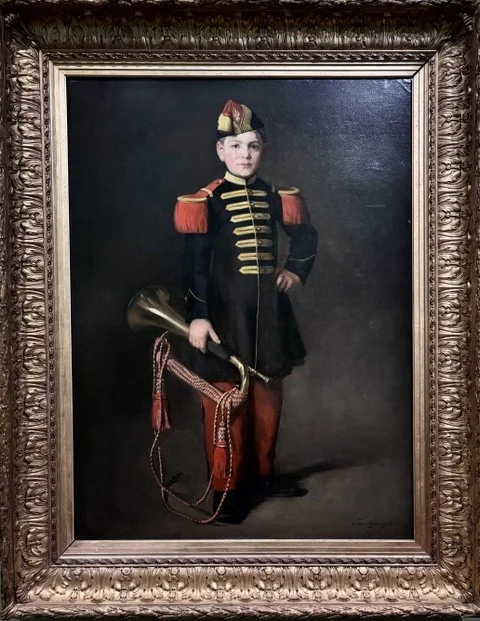
Figure 21. L’Enfant de troupe, Eva Gonzales, 1870
The final years of Eva Gonzalès's career and life were ones of intense creativity. 1883 began auspiciously - one of her pastels was accepted at the Salon. She was pregnant with her first child. But then, everything fell apart, her mentor Manet died and Gonzalès died a week later, at age 36, of a postpartum embolism. (Figs 22, 23)
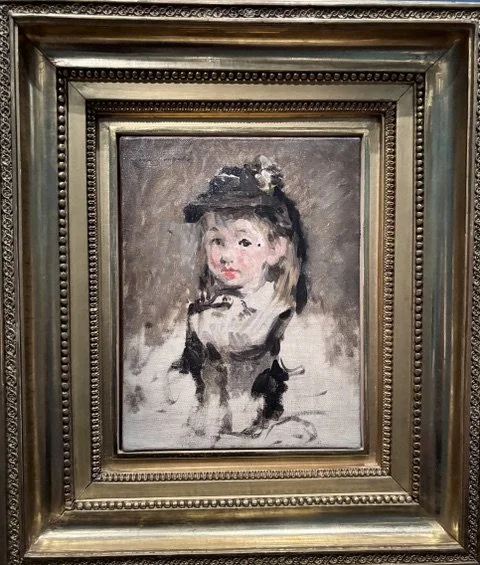
Figure 22. Girl in Hat, Eva Gonzales, 1878
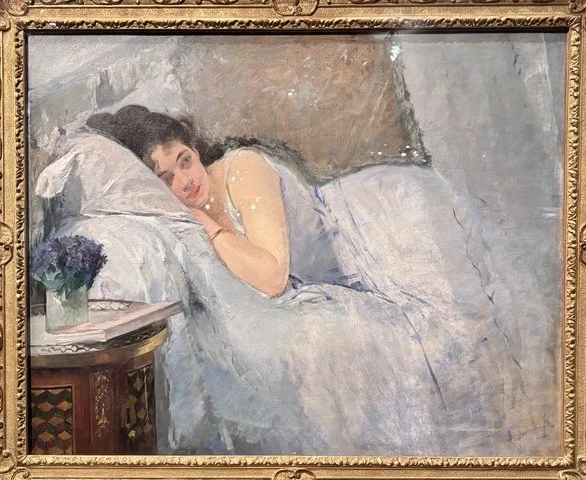
Figure 23. Young Girl Waking Up, Eva Gonzales, 1877
One subject not mentioned in the exhibition on Eva Gonzales was the theme of the exhibition Kathy and Franny and I saw at the Musée Bourdelles, "L'étoffe de l’artiste” (The Making [or Fabric] of the Artist.) (Fig 24) That’s because Gonzales, Morisot and Cassatt all dressed like their models, who were for the most part either family or friends. In Manet’s 1870 portrait of Gonzales, she is at her easel with her palette and brushes. Fair enough for someone about to paint a self-portrait. But the white crinoline dress? Gonzales didn’t own it, Manet bought it for this portrait. It harkens back to self portraits by 18th century French artists like Adelaide Labille-Guiard. (Fig 25). But it surely isn’t how Gonzales and her contemporaries dressed when they painted. Catherine McCormick notes that even though some critics made fun of Manet’s choice of a dress that a woman of Gonzales class would wear to go visiting and not to sit painting, “it reflected the complex social expectations and class presentation placed on female artists of the era.”
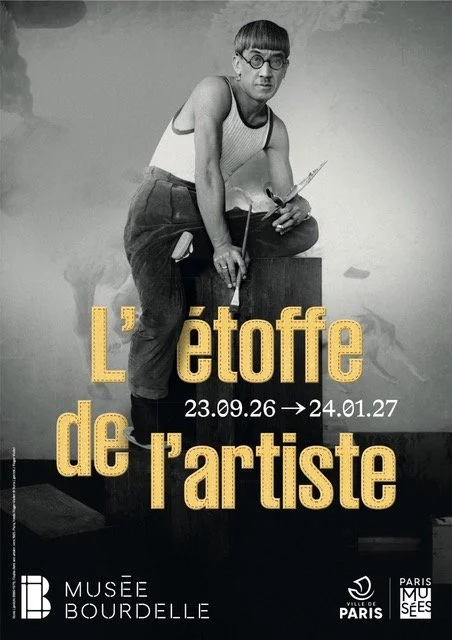
Figure 24. L’étoffe de l’artiste, Musée Bourdelle
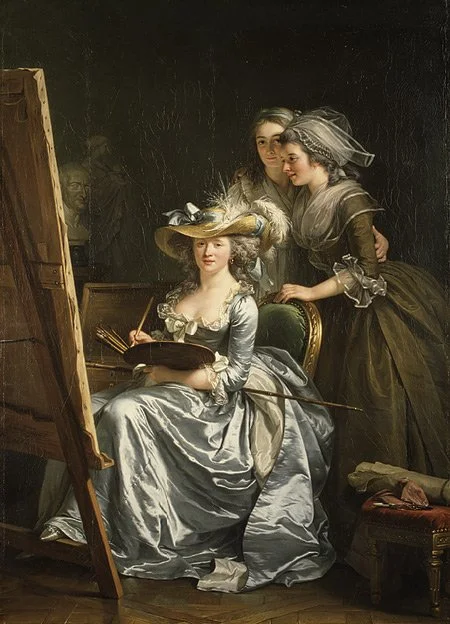
Figure 25. Artists and her students, Adelaide Labille-Guiard
The clothes in this exhibition are both those that artists wore out and about in public and those they wore while working. Sometimes, one was a riff on the other.
The subtitle of the exhibition ‘from Rosa Bonheur to Sonia Delaunay’ is curious because the exhibition is mostly about men. But interesting, because Bonheur (1822–1899) was a contemporary of the artists we have just been discussing. And because of what she painted and how she ‘self identified’ her clothes, both for being out in public and for working, were different from theirs.
The subject of what artists wear when they work popped up in a Italian Renaissance art history seminar I took a long time ago. It was Leonardo’s response to a questionnaire the humanist Benedetto Varchi sent to Florentine artists in 1546. Called ’Il Paragone’ Varchi asked the artists which was the superior art form - painting or sculpture.
For Leonardo, painting was superior, of course. He began his response by explaining why sculpture was inferior. “The sculptor in creating his work does so by the strength of his arm by hammering and freeing the marble... This is a most mechanical exercise accompanied many times by great sweat which mixes with dust and turns into mud. His face is pasted and all floured with marble dust so that he looks like a baker... and his house is dirty and full of stone chips and dust.”
In contrast, a painter sits, comfortable and well-dressed, in a clean home, at his easel, elegantly holding his brush while he listens to music. (Figs 26, 27) Like Eva Gonzales in Manet’s portrait of her, perhaps? (See above Fig. 14)
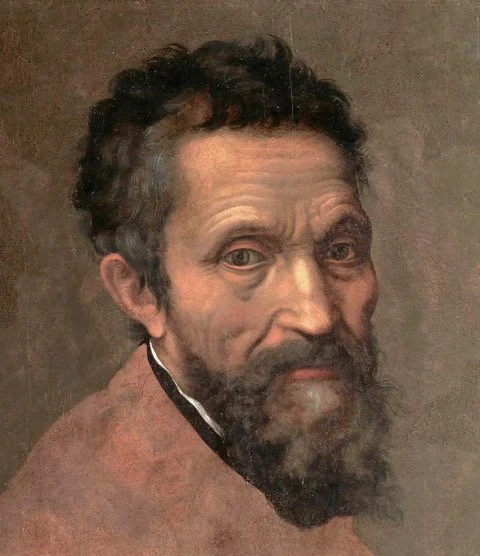
Figure 26. Portrait of Michelangelo (in work clothes), Daniele da Volterra, 1545
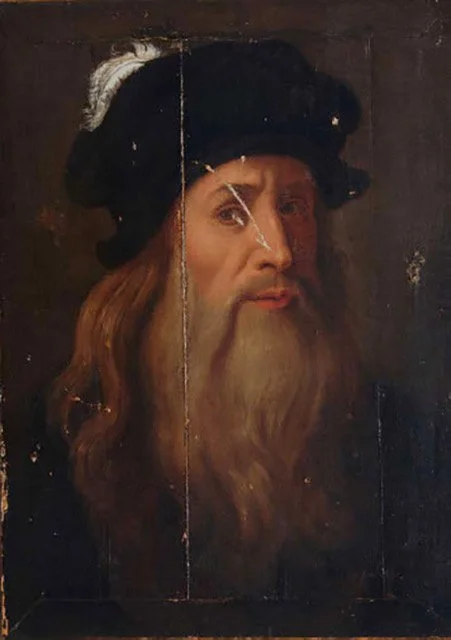
Figure 27. Portrait of Leonardo, dressed as gentleman, 1505-10 (artist unknown)
In the centuries that followed, artists went back and forth between fancy dress and workmen’s clothes. With painters leaning towards elegance and sculptors toward work.
A portrait of the early 18th century painter, Carle van Loo shows him in his studio wearing a soft velvet toque. The toque had gone in and out of style by van Loo’s time. It was standard formal attire during the Renaissance for noblemen, courtiers and successful artists in Italy and France. Raphael was among the artists who sported a toque. By the time Rembrandt painted his self-portraits in the 1630s and 1640s, toques had gone out of style. But Rembrandt wore them in homage to his High Renaissance predecessors (Figs 28-30)
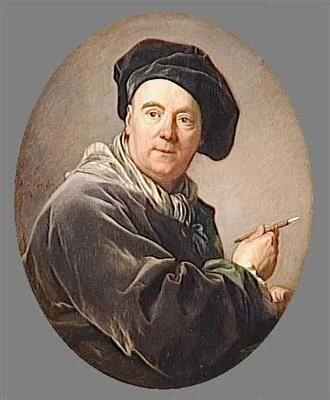
Figure 28. Carl van Loo, self portrait in toque and robe, 1765
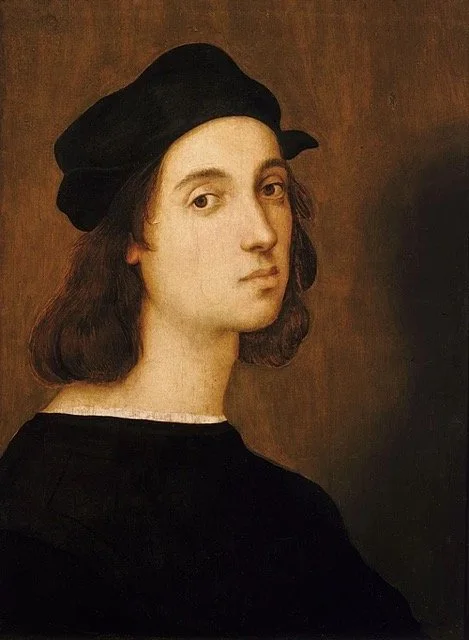
Figure 29. Self-portrait, Raphael, 1506, age 23
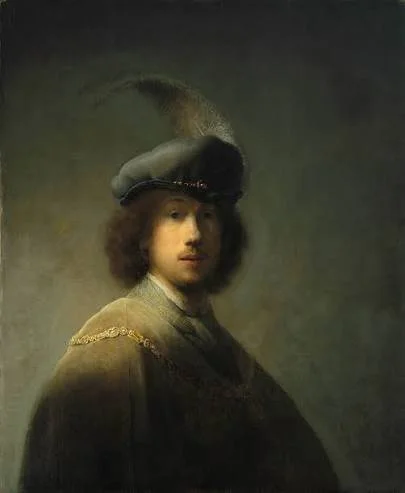
Figure 30. Self portrait, Rembrandt, age 23
In the 19th century, some artists wore clothes inspired by the old masters, like Ernest Meissonier whose color was red because it was the color connected to Titian and Venice and the Doges. (Figs 31, 32) Simultaneously, there was a vogue for bohemian attire, for artists who thought of themselves as living on the margins. Their unkempt appearance was a symbol of their independence.
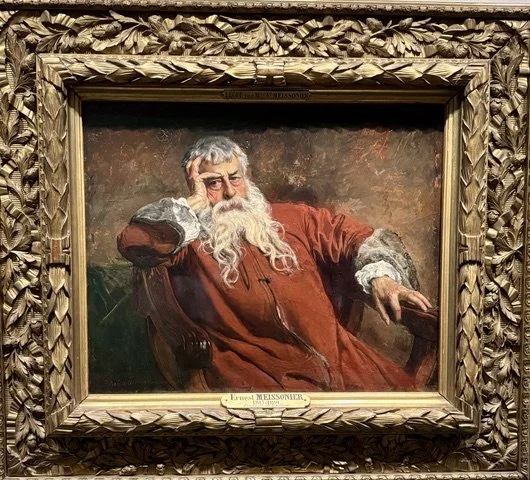
Figure 31. Self portrait, Ernest Meissonier, 1889
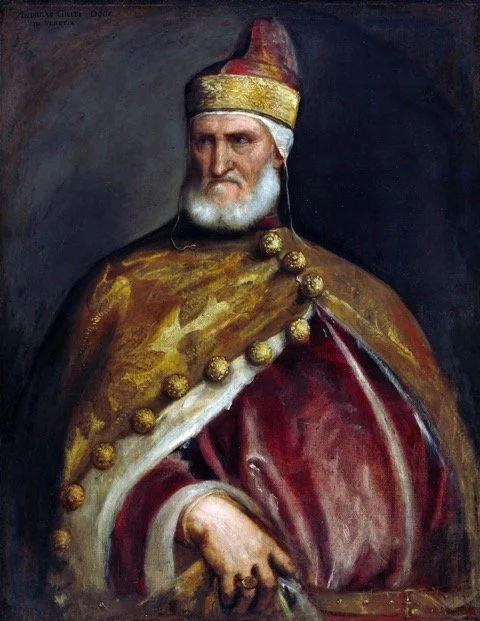
Figure 32. Doge Andrea Gritti, Titian, 1546
Artists knew the tropes and played with them. People were surprised that Édouard Manet appeared dressed like a gentleman. He and his Impressionist colleagues may have revolutionized painting, but they didn’t rock the boat with the clothes they wore in public. (Figs 33, 34) Although when they painted ‘en plein air,’ Cezanne, Monet and Matisse borrowed farmers’ straw hats to protect themselves from the sun. (Fig 35). And Degas was dressed for work when he painted in his studio but not always. (Fig 36, 37)
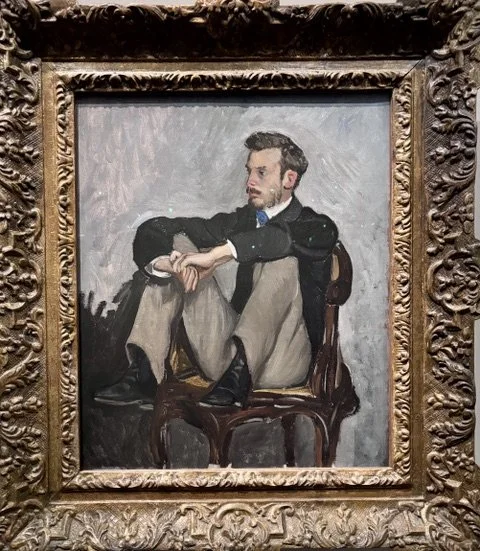
Figure 33. Portrait of Renoir, Frederick Bazille, 1867
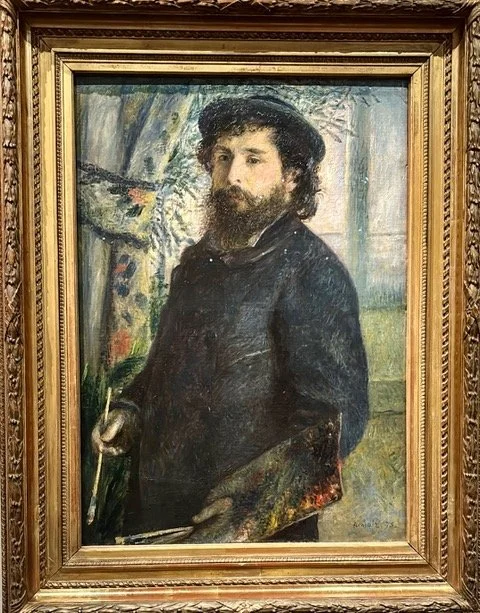
Figure 34. Portrait of Claude Monet, Renoir, 1875
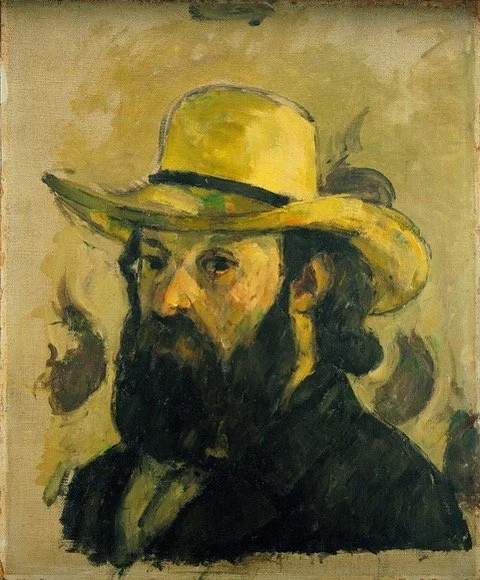
Figure 35. Self Portrait in Straw Hat, Paul Cezanne, 1875
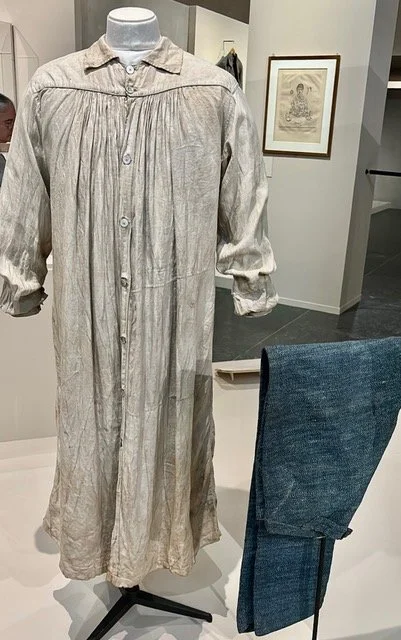
Figure 36.The smock and trousers Degas wore
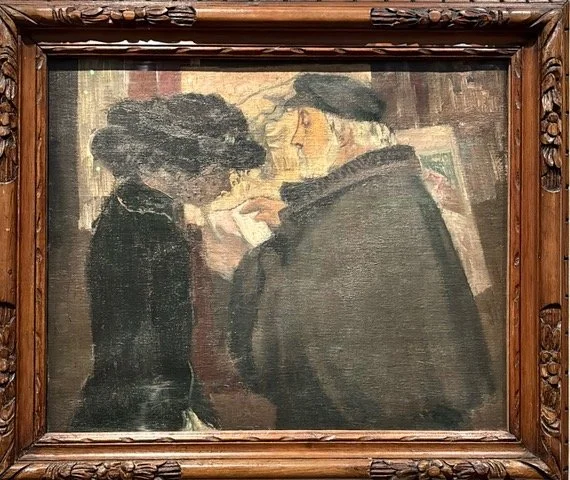
Figure 37. Degas and Model, Maurice Denis
Like the Impressionists, Rosa Bonheur didn’t go in for fancy costumes. A portrait of her shows what she wore out in public, all the time - a loose skirt, a waistcoat and a jacket. It was her uniform and in it she was immune from the changes in women's fashions. The red spot on her lapel is the Legion of Honor insignia. Rosa Bonheur was the first female artist to received the Legion of Honor. When she was out and about early in the day, going to livestock and horse markets or to slaughterhouses to study animal anatomy and dissections, she wore trousers and always carried with her the formal permission she needed to wear them in public. Comments about Bonheur always combined admiration for her talent with her so-called "male genius”. (Figs 38-42)
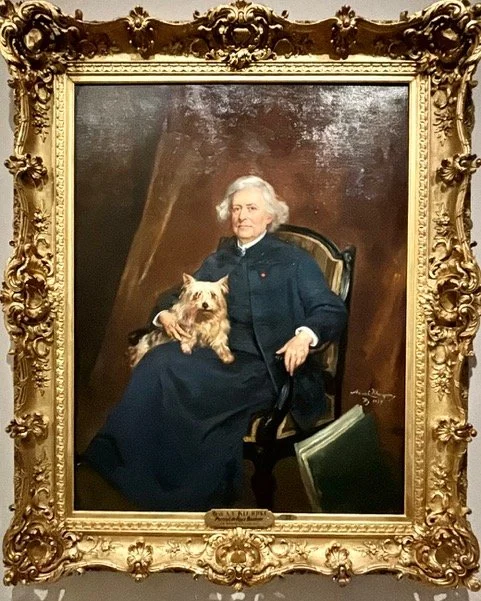
Figure 38. Rosa Bonheur, Anna Klumpke, 1899
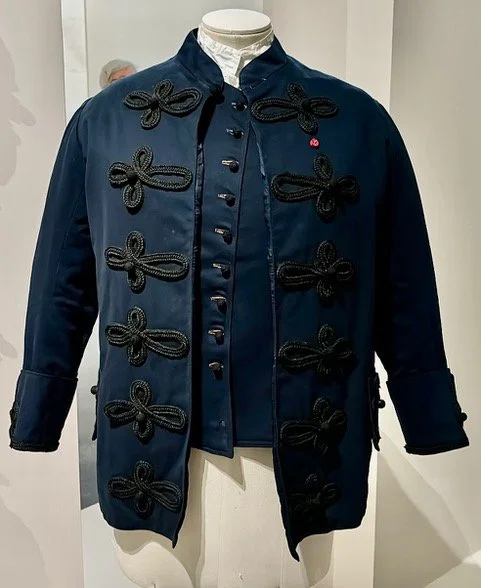
Figure 39. The jacket Rosa Bonheur wore when she sat for her portrait (Fig 38)
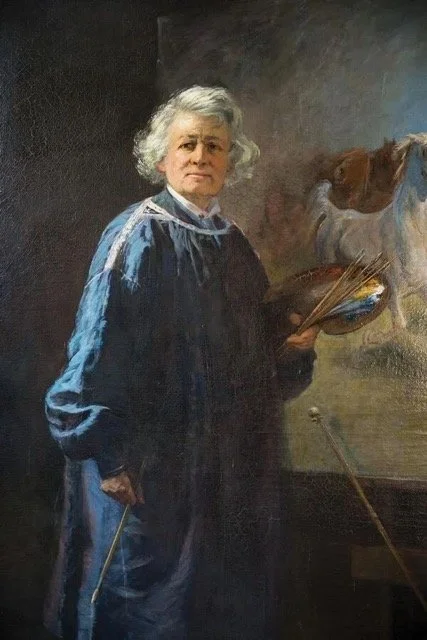
Figure 40. Rosa Bonheur in her studio, Ana Klumpke, 1898
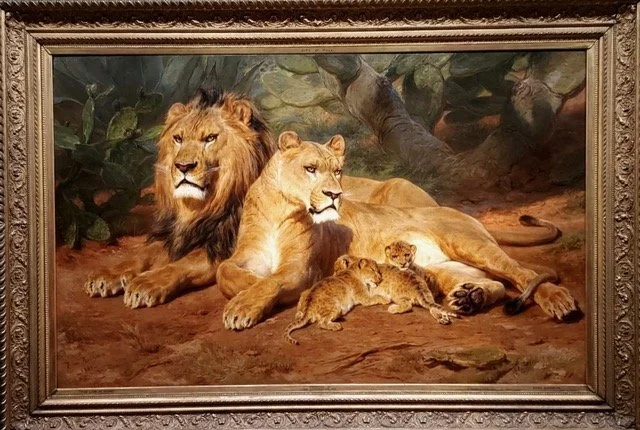
Figure 41. The Lion at Home, Rosa Bonheur, 1881
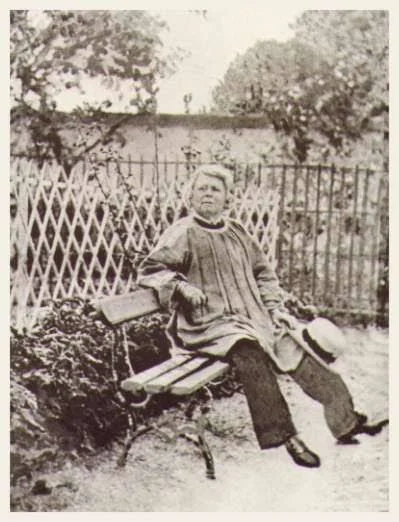
Figure 42. Rosa Bonheur in her garden wearing trousers and holding a straw hat,
On Sarah Bernhardt’s carte de visite, she is presented as a painter-sculptor, explicitly playing with both men's and women's dress codes. She wears a white coat and a pair of trousers. Bernhardt pairs her (male) pants with her (female) high heels. As an actress who played many male roles on stage, she was familiar with playing with gender. (Fig 43)
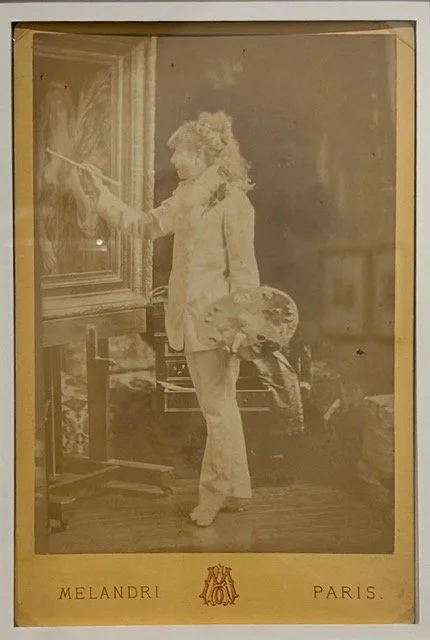
Figure 43. Sarah Bernhardt’s carte de visite as artist wearing trousers
What about the sculptors, who Leonardo told us, got dirty and sweaty. They needed to protect their bodies without hindering their movements. They borrowed sturdy and practical clothes like corduroy carpenter's trousers and leather blacksmith aprons. And smocks, worn first by farmers and then by factory workers. The sculptor Antoine Bourdelle designed a loose studio smock for himself and a riff on it for when he wasn’t working. Dungarees, commonplace among factory workers and farmers at the start of the 20th century, were adopted by sculptors like Ossip Zadkine while Brancusi preferred the jumpsuit, a one-piece garment worn by mechanics. (Figs 44-48)
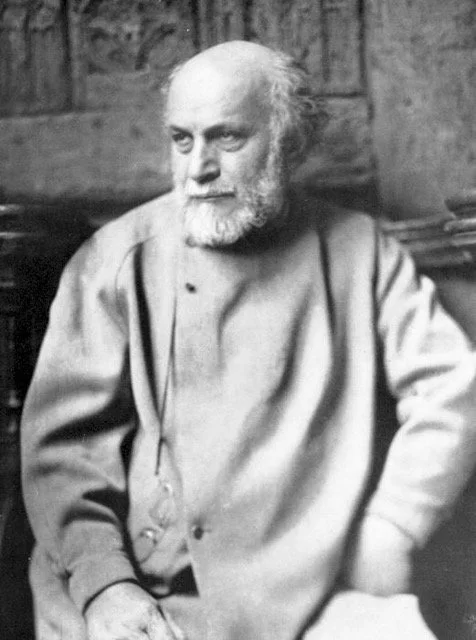
Figure 44. Antoine Bourdelle in the smock he designed
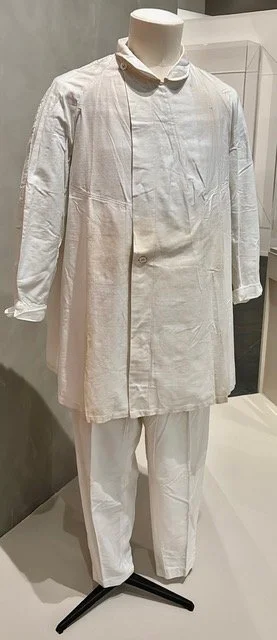
Figure 45. Antoine Bourdelle’s summer smock and trousers
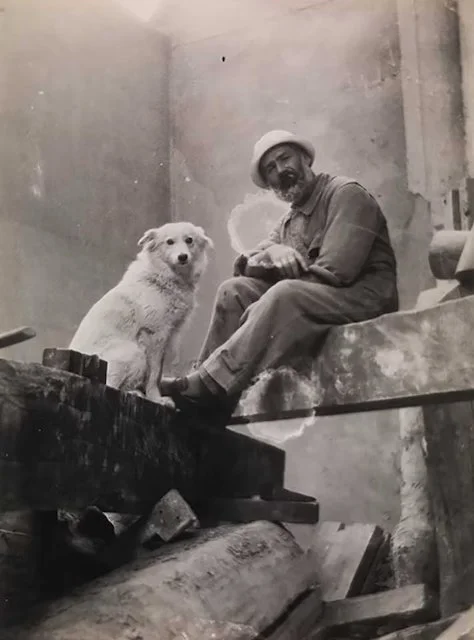
Figure 46. Brancusi at work
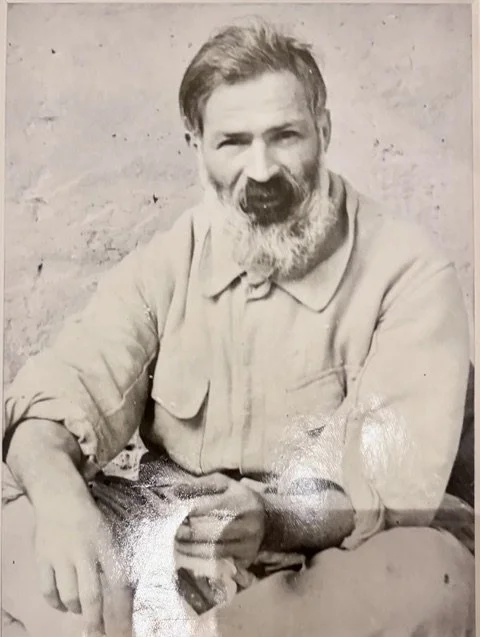
Figure 47. Brancusi in his worksheet
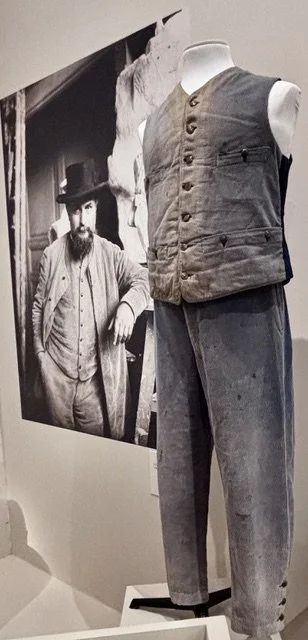
Figure 48. Corduroy pants and vest for working on cold days in drafty studios
At the turn of the 20th century, in Paris, lesbian artists asserted an identity that challenged gendered conventions. Romaine Brooks played with androgyny through garconne-inspired neckties, bowties and short hair. (Figs 49, 50)
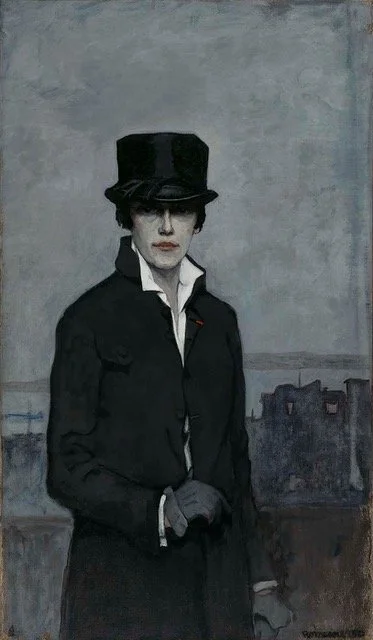
Figure 49. Self portrait, Romaine Brooks
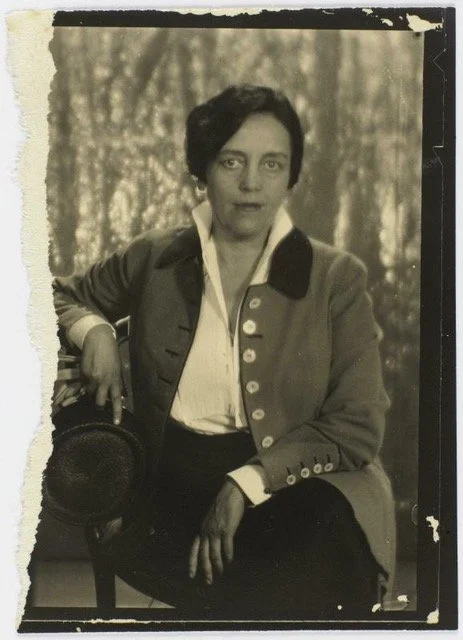
Figure 50. Romaine Brooks, Man Ray photo, 1925
Clothing played a central role in Dadaist and Surrealist artists’ identity, of course. Leonard Foujita designed and sewed his flamboyant outfits. His glasses and haircut and Dali’s upturned mustache became stand-ins for the artists themselves. (Figs 51-52)
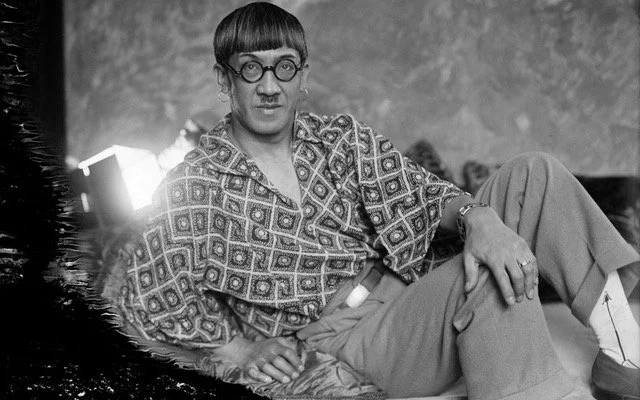
Figure 51. Leonard Foujita
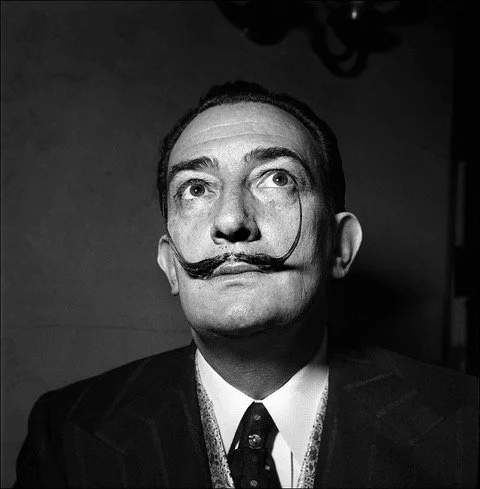
Figure 52. Salvador Dali, 1953
By the end of the 19th century, nationalisms and regionalisms led to the development of "traditional" costumes. The Czech artist Alfons Mucha wore embroidered Eastern European shirts. In Mexico, Frida Kahlo was a master at celebrating her heritage with traditional Mexican dresses and jewelry. (Figs 53-55)
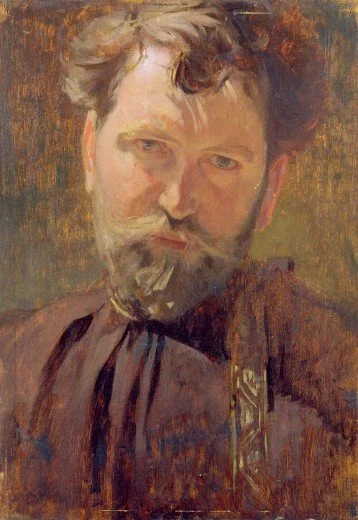
Figure 53. Alphonse Mucha, self portrait
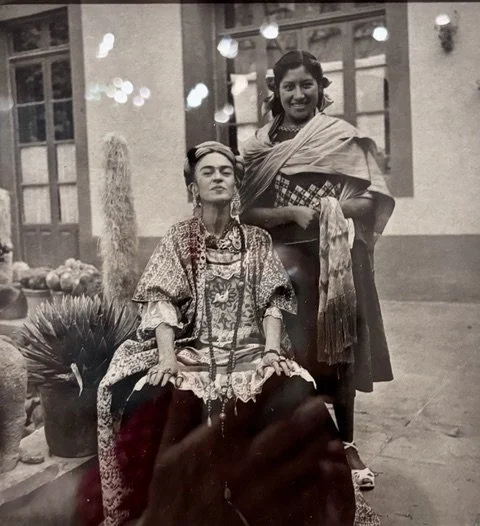
Figure 54. Frida Kahlo in Mexican dress
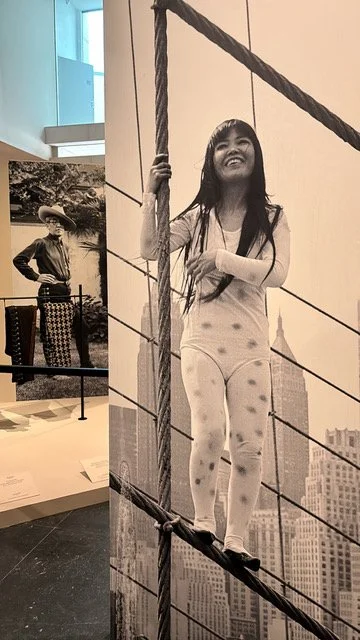
Figure 55. Final image in the exhibition, Kusama in pajamas and Foujita (like a cowboy) in the background
In the early 20th century, two trends met head on - Western individualism and mass produced homogenized fashion. This exhibition is a whirlwind tour of what artists wore at work and when they were in out public. The curators have done their job well, with references to philosophy, sociology and gender studies to keep you thinking. Gros bisous, Dr. B.